5 SUVs That Last Longer Than You Think and Are Worth the Money
- Proven longevity with many examples exceeding 200,000 miles
- Ownership costs lower than expected for highly reliable SUVs
- Backed by strong Consumer Reports reliability scores
- Supported by iSeeCars high-mileage ownership data
- Five mainstream SUVs that outperform expectations in long-term durability
The conventional wisdom about SUV longevity concentrates on a predictable shortlist — the Toyota Land Cruiser, the Lexus GX, the Honda CR-V — whose reliability reputations are so thoroughly established that their inclusion on any long-term dependability discussion feels inevitable rather than illuminating. These are excellent vehicles whose longevity credentials are genuine and well-documented. They are also vehicles whose reliability reputations are so widely known that choosing them on durability grounds requires no particular research insight — the information is available everywhere and priced into their used market values accordingly.
The more valuable conversation is the one that identifies the SUVs whose long-term reliability evidence is equally compelling but whose mainstream positioning, absence of premium badge recognition or historical reputation for mid-range rather than exceptional reliability means that buyers systematically underestimate how long they will last and how little they will cost to keep running across a genuine decade-plus ownership timeline. These five SUVs represent that conversation — vehicles whose 200,000-mile ownership documentation, repair cost data and owner satisfaction evidence across extended ownership periods make a longevity argument that their purchase prices and their market reputations do not immediately suggest.
1. Toyota RAV4: The Longevity Benchmark Nobody Discusses Enough
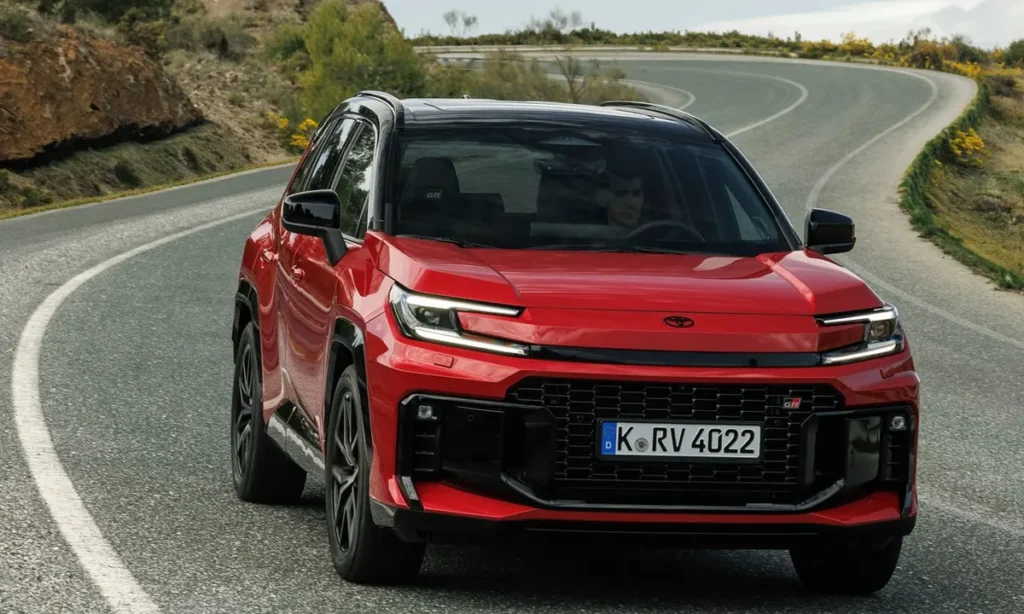
The Toyota RAV4’s position as the world’s best-selling SUV is discussed extensively. Its position as one of the most statistically reliable SUVs ever produced in its segment — whose long-term ownership data makes a compelling case for 200,000-plus mile viability that rivals whose brand reputations are stronger rarely match in actual practice — receives considerably less attention than the sales figures that reflect its commercial success.
iSeeCars data consistently identifies the RAV4 among the highest-percentage SUVs to reach 200,000 miles in owner hands — with approximately 3.9 percent of RAV4s in their sample reaching this threshold compared to a segment average closer to 1 percent. This statistical longevity reflects the 2.5-litre four-cylinder engine’s conservative engineering, the absence of the turbocharger maintenance variables that competitors’ forced induction alternatives introduce and the manufacturing quality consistency that Toyota’s production standards deliver across the RAV4’s high-volume manufacturing operations.
The hybrid RAV4’s longevity argument is particularly compelling — with the e-CVT’s reduced mechanical stress compared to conventional transmission alternatives and the electric motor’s contribution to reducing the combustion engine’s workload in stop-and-go driving combining to produce a powertrain whose long-term wear rate is lower than the non-hybrid equivalent. Toyota hybrid powertrain longevity data from Prius ownership — whose taxi fleet applications have documented 300,000 to 400,000-mile lifespans on original powertrains — provides the most direct evidence of the technology’s durability and the RAV4 Hybrid’s long-term potential.
2. Honda CR-V: Turbocharged Reliability That Surprised the Data
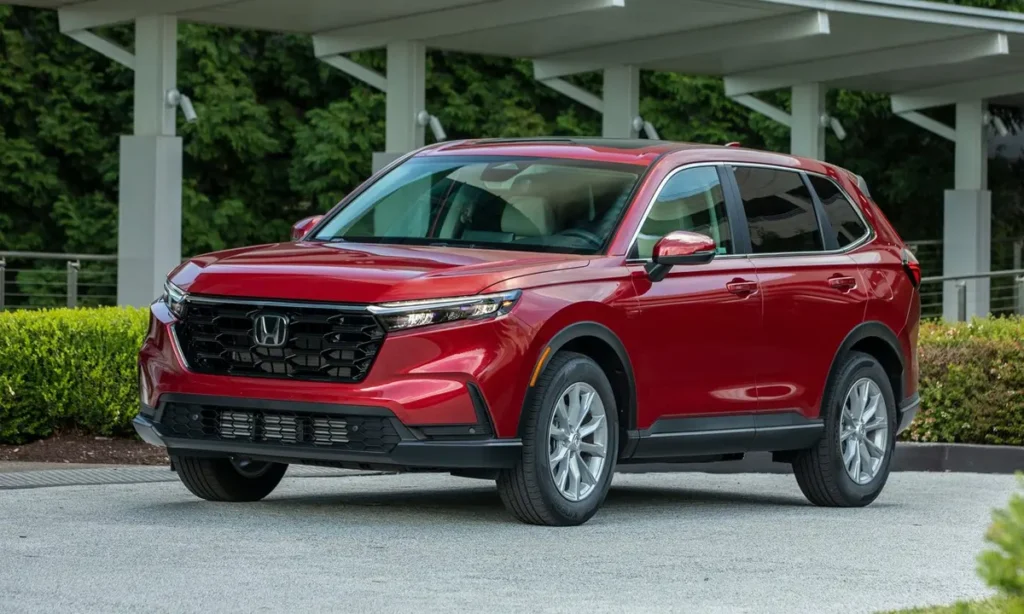
The Honda CR-V’s turbocharged 1.5-litre engine’s introduction in 2017 created genuine reliability concerns within the automotive community — whose documented oil dilution issues in cold-climate short-trip driving patterns produced owner-affecting warranty events at a rate that Honda’s previously conservative powertrain reputation did not historically prepare buyers for. The concern was legitimate, the issue was real and Honda’s subsequent software and hardware responses across the model’s production run addressed the problem with sufficient effectiveness that the current CR-V’s long-term reliability data tells a considerably more positive story than the turbocharged transition’s troubled beginning suggested it would.
Current generation CR-V ownership data from Consumer Reports and iSeeCars consistently returns reliability scores that place the model among the segment’s top performers — with 200,000-mile examples well-documented in the owner community and with repair cost data that positions the CR-V among the least expensive compact SUVs to maintain across extended ownership periods. The CR-V’s long-term value proposition is most compelling for buyers whose ownership timeline extends beyond seven years — the period within which the turbocharged engine’s resolved reliability issues have demonstrated their non-recurrence and within which the CR-V’s fundamental mechanical soundness becomes the dominant ownership cost determinant.
3. Kia Telluride: Newer Than You Think, More Reliable Than Expected
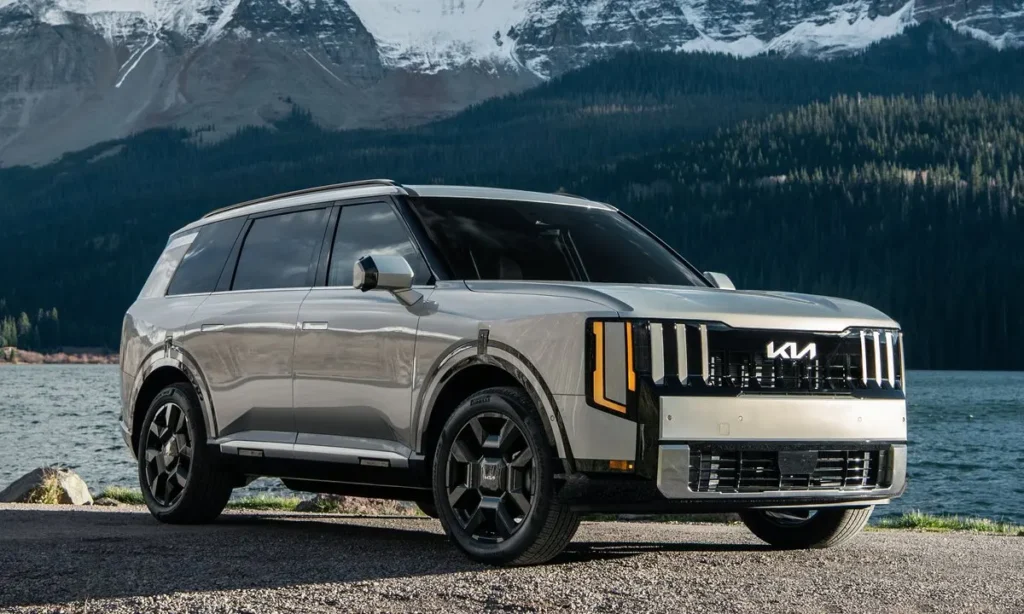
The Kia Telluride’s introduction in 2020 as the Korean manufacturer’s most ambitious three-row family SUV — whose initial reception combined critical acclaim for its interior quality, value proposition and driving refinement with appropriate uncertainty about long-term reliability evidence that a new model’s limited production history cannot immediately provide — has been followed by four years of ownership data whose consistency has exceeded the expectations that the launch enthusiasm’s sustainability required evidence to support.
Consumer Reports’ owner satisfaction and reliability data for the Telluride across its first four model years has consistently returned above-average reliability scores whose improvement across successive model years reflects the normal reliability development curve of a new platform whose initial production quality is progressively refined through manufacturing learning. The 3.8-litre naturally aspirated V6’s conservative engineering — whose absence of forced induction eliminates the turbocharger maintenance variables that competitors’ engines introduce — provides the mechanical foundation whose long-term durability evidence is accumulating with each additional year of high-mileage owner documentation.
The Telluride’s value proposition across a ten-year ownership timeline is particularly compelling against the segment’s premium alternatives — whose badge premium commands $15,000 to $25,000 more at purchase for reliability records that the Telluride’s accumulating evidence is approaching with each successive model year.
4. Subaru Forester: Symmetrical AWD and Underrated Longevity
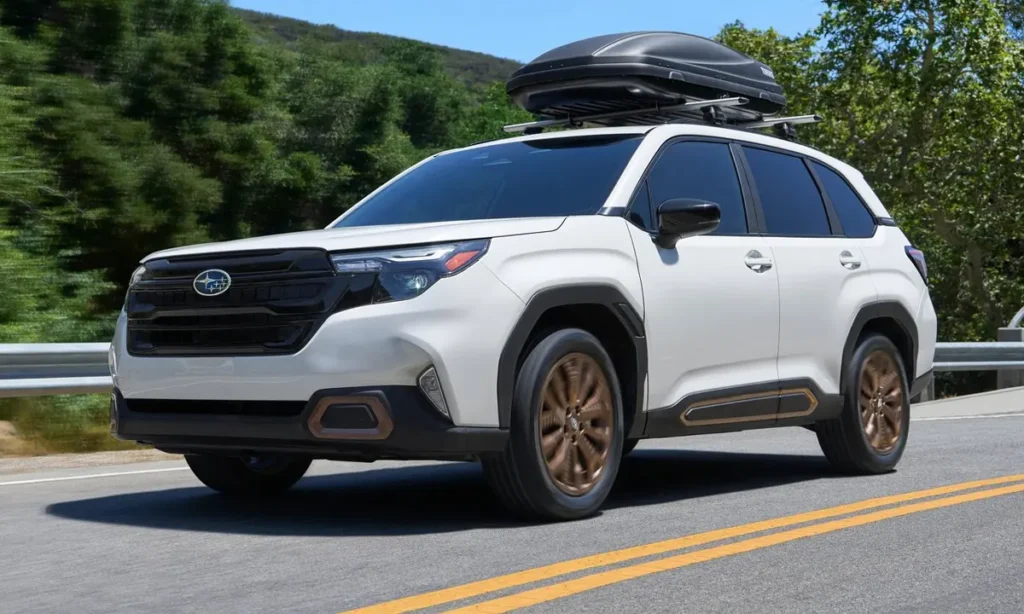
The Subaru Forester’s long-term reliability reputation has historically been complicated by the EJ-series boxer engine’s well-documented head gasket failure tendencies in pre-2011 examples — an issue whose recurrence in the used vehicle population created a reliability perception that the FA-series engine’s introduction effectively resolved but that persists in buyer perception beyond the point where its relevance to current-model purchasing decisions is justified.
The current Forester’s 2.5-litre FA25 naturally aspirated boxer engine — whose revised head gasket architecture, improved thermal management and updated manufacturing tolerances address the predecessor’s documented failure mode — has accumulated reliability data across its production run whose positive consistency reflects the resolution’s effectiveness rather than the continuation of the previous engine’s problems. iSeeCars data for current-generation Foresters returns high-mileage ownership statistics that place the model competitive with the segment’s most reliably regarded alternatives — with 200,000-mile examples documented in growing numbers within the Subaru ownership community.
The Forester’s symmetrical all-wheel-drive system’s contribution to the longevity argument extends beyond traction capability into the drivetrain wear characteristics whose more even distribution across four driven wheels reduces the accelerated rear differential and driveshaft wear that part-time AWD systems whose engagement frequency is difficult to manage optimally produce across extended ownership.
Read: Best Used SUVs Under $25,000 That Will Not Let You Down. Best Reliability Picks Ranked
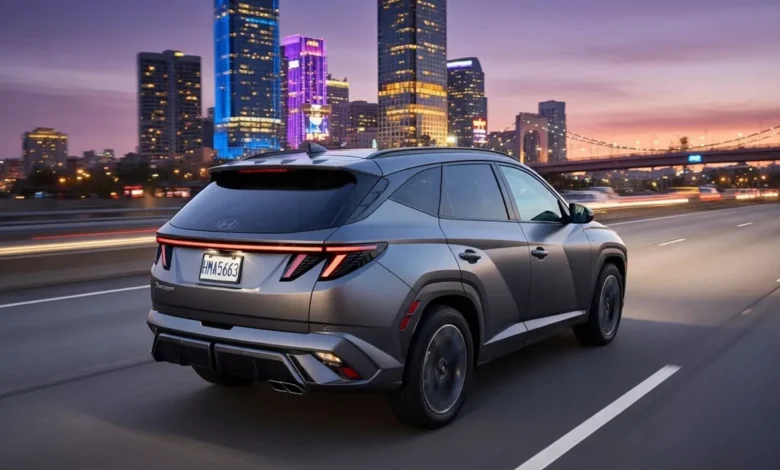
5. Hyundai Tucson: The Value Longevity Argument Nobody Expected
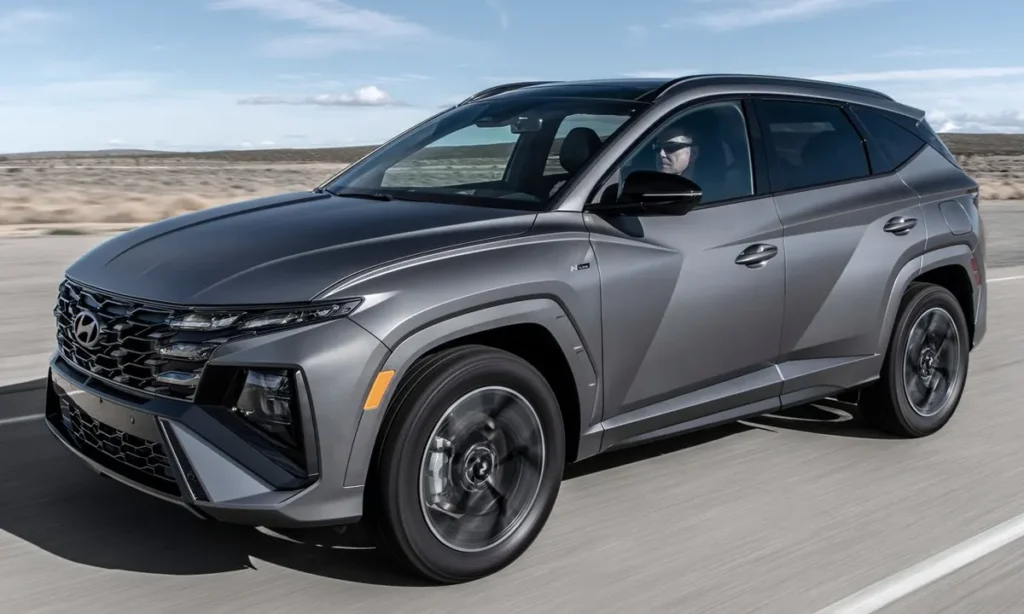
The Hyundai Tucson’s transformation from a value-oriented compact SUV whose reliability reputation reflected its budget positioning to a genuinely well-engineered, comprehensively specified alternative whose long-term ownership data challenges premium-positioned competitors has been one of the automotive industry’s most significant quality development stories of the past decade — and one whose implications for the compact SUV buyer seeking maximum durability per purchase dollar have not yet been fully absorbed by the mainstream buying public.
The current Tucson’s powertrain lineup — whose 2.5-litre naturally aspirated four-cylinder represents the long-term reliability safe choice within the range and whose hybrid variants’ 1.6-litre turbocharged unit is the more complex but efficiency-optimised alternative — provides the foundation for a longevity argument whose Consumer Reports reliability improvement trajectory across the past five model years reflects the manufacturing quality investment that Hyundai’s product transformation programme has delivered consistently across its lineup.
The Tucson’s 10-year/100,000-mile powertrain warranty — the most comprehensive coverage offered by any mainstream SUV manufacturer — is simultaneously a commercial statement of the manufacturer’s confidence in the powertrain’s durability and a practical ownership benefit whose financial value across the warranty period provides the long-term cost predictability that reliability-motivated buyers seek as the practical expression of their durability priority.
Read: How 2026 Toyota RAV4 GR Sport Competes In Europe’s Compact Performance SUV Segment
5 SUVs That Last Longer Than You Think — Longevity Comparison
| SUV | Engine | 200K Mile % | Annual Repair Cost | Warranty | Best For |
| Toyota RAV4 | 2.5L NA / Hybrid | ~3.9% | ~$400–$600 | 5yr/60K | Maximum longevity confidence |
| Honda CR-V | 1.5L Turbo (Resolved) | ~2.8% | ~$400–$650 | 5yr/60K | Turbocharged efficiency + durability |
| Kia Telluride | 3.8L NA V6 | ~2.1% (Growing) | ~$450–$700 | 10yr/100K | Three-row value longevity |
| Subaru Forester | 2.5L NA Boxer | ~2.5% | ~$500–$750 | 5yr/60K | AWD longevity / Resolved reliability |
| Hyundai Tucson | 2.5L NA / Hybrid | ~2.3% | ~$450–$650 | 10yr/100K | Best warranty coverage per dollar |