Top Reasons Families Are Choosing The Suzuki Across in 2026
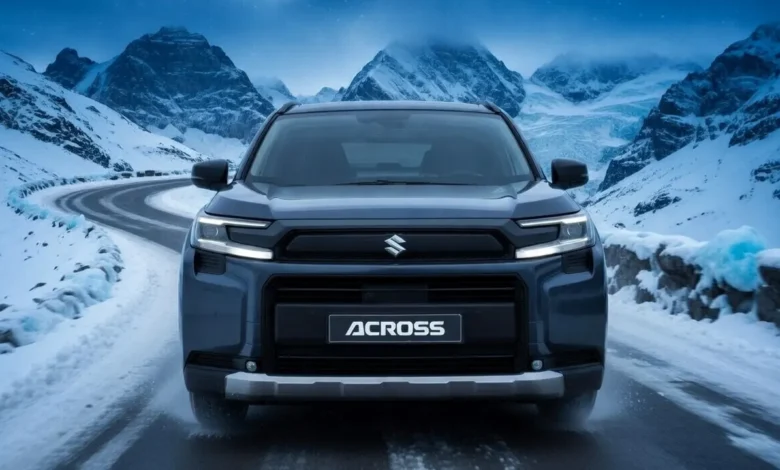
- Plug-in hybrid based on Toyota RAV4 Prime platform
- Up to 75 km electric-only driving range
- AWD via independent rear electric motor
- Premium interior with generous standard features
- Exceptional value in the plug-in hybrid SUV segment
There is a particular satisfaction in discovering that the automotive industry occasionally produces a vehicle whose real-world ownership proposition significantly exceeds what its brand positioning and marketing budget suggest it should deliver — a car that rewards the buyer willing to look beyond the familiar names and investigate the specification with genuine thoroughness. The Suzuki Across is precisely that vehicle in 2026 — a plug-in hybrid family SUV whose Toyota RAV4 Prime mechanical foundations, generous standard equipment specification and compelling total cost of ownership argument are attracting an increasing number of European family buyers whose discovery of what the Across delivers relative to its purchase price has produced the word-of-mouth ownership enthusiasm that no marketing campaign manufactures as effectively as genuine product merit.
Photo: 2026 Suzuki Across
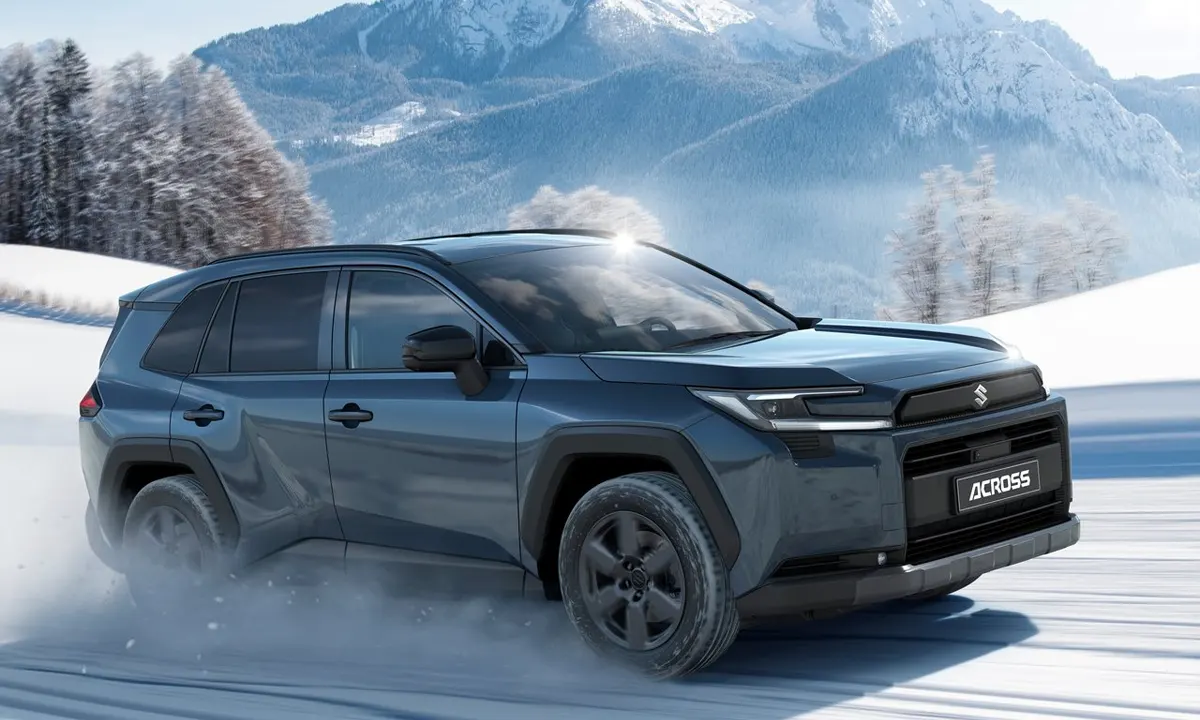
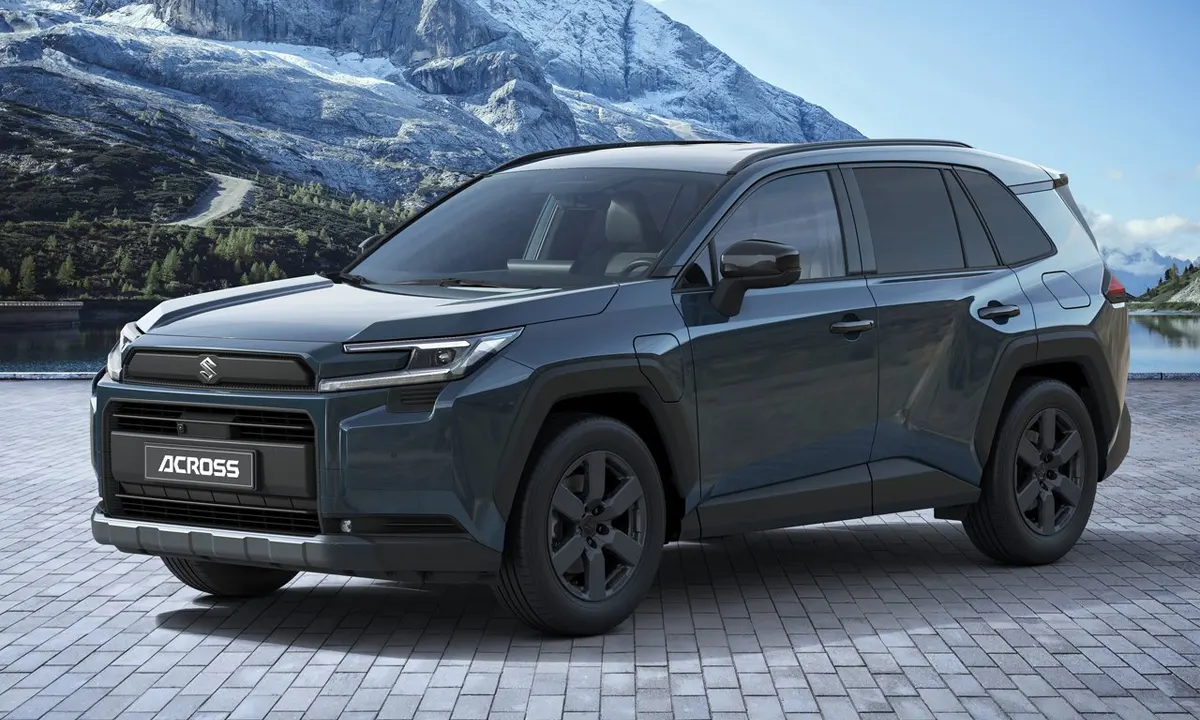
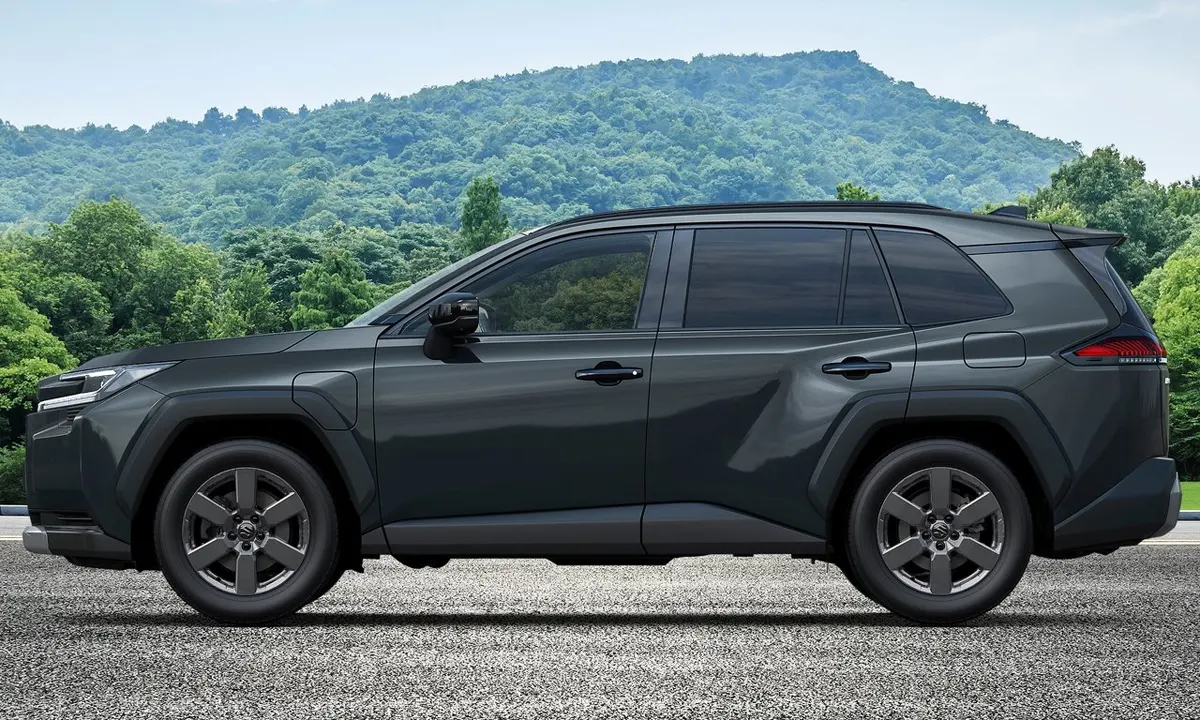
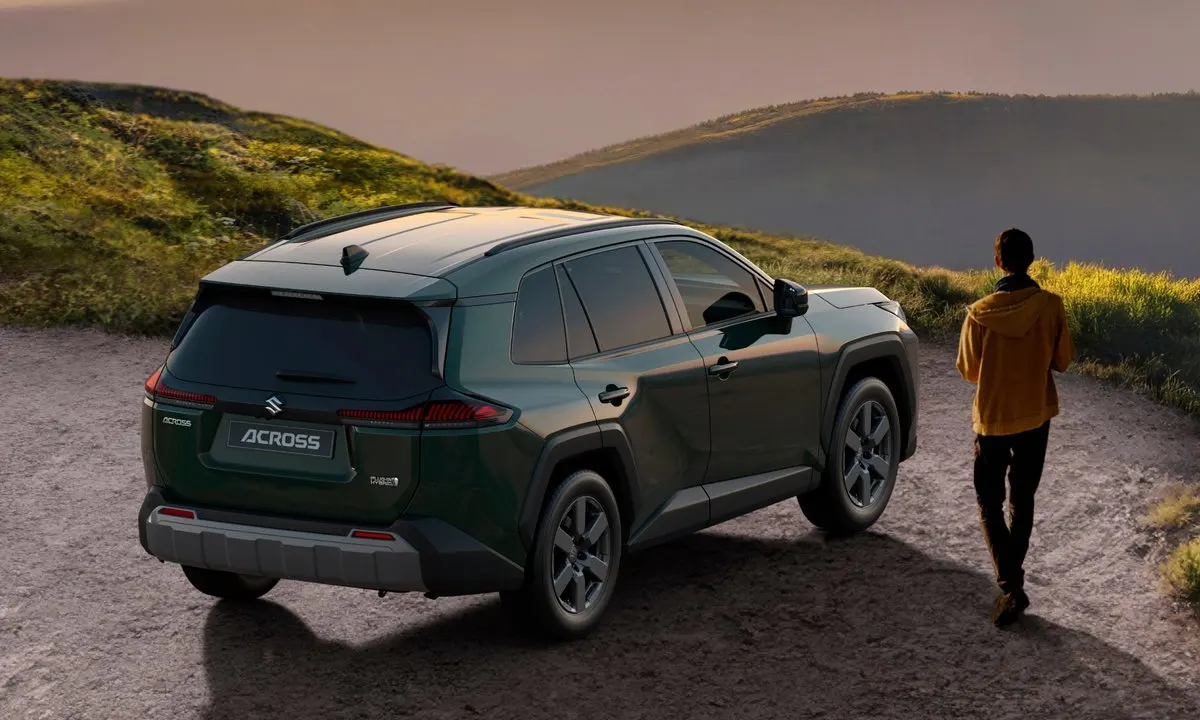
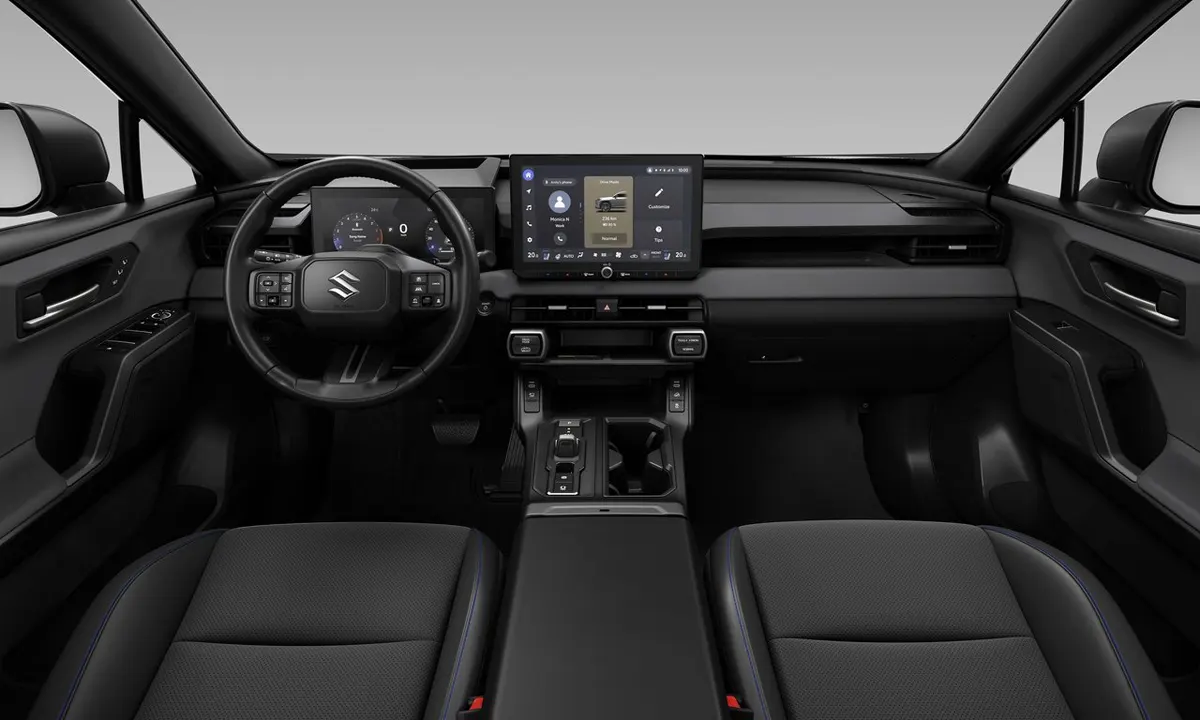
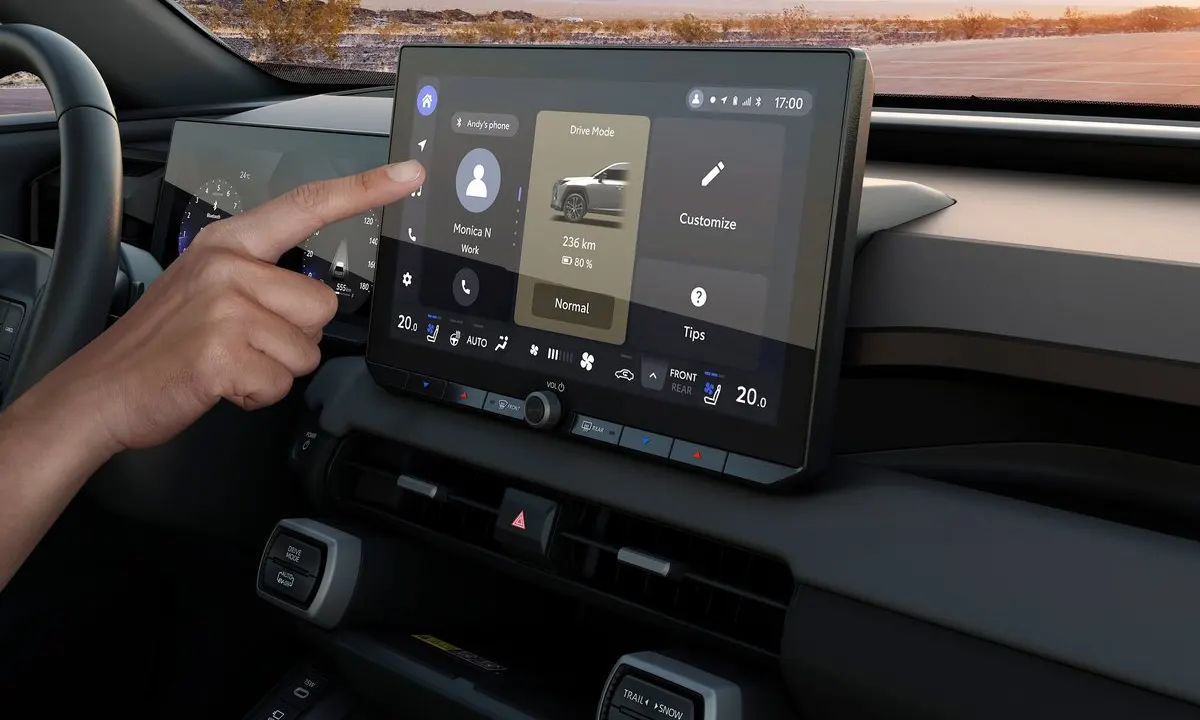
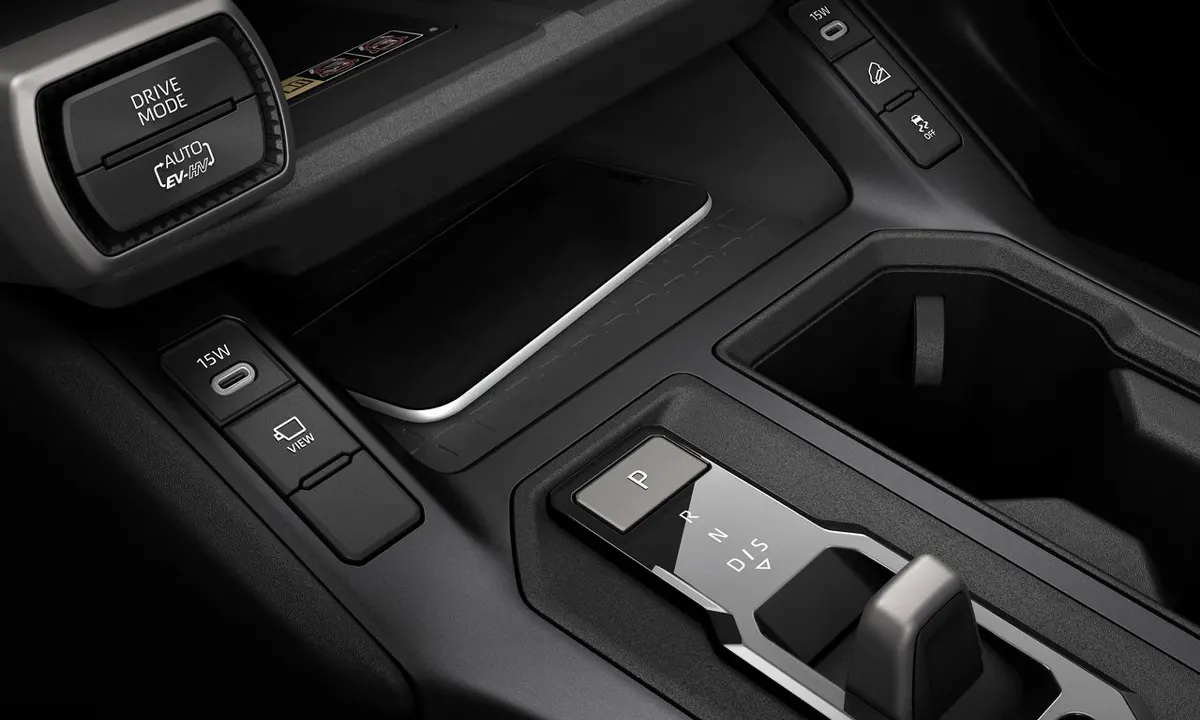

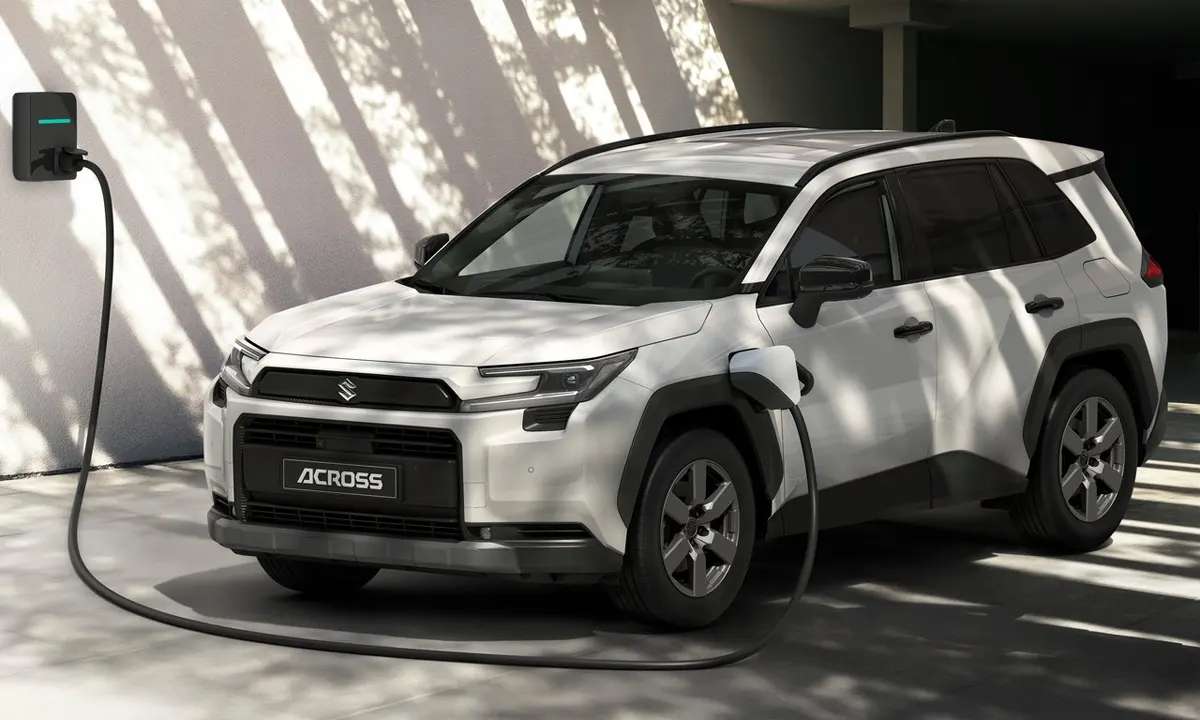
The Suzuki Across’s commercial logic begins with its origins — a vehicle developed through the Suzuki-Toyota partnership that has produced several badge-engineered products but none whose specification transfer from the Toyota donor is as comprehensive or as commercially significant as the Across’s adoption of the RAV4 Prime’s plug-in hybrid powertrain, platform and fundamental engineering. The Across is not a Suzuki-branded compromise of the RAV4 Prime — it is the RAV4 Prime’s plug-in hybrid system, chassis and powertrain in a slightly differentiated body with Suzuki’s own interior touches and pricing strategy whose European market positioning creates the value gap that family buyers are increasingly recognising and rewarding with their purchase decisions.
Reason 1: 75 Kilometres of Electric Range Changes Daily Family Life
The Suzuki Across’s 75-kilometre WLTP electric-only range — delivered by the 18.1-kilowatt-hour battery pack that the RAV4 Prime platform integrates — covers the daily driving distance of the overwhelming majority of European family buyers without combustion engine contribution. The family whose school run, supermarket journey and commuting cycle collectively total 50 to 60 kilometres daily discovers that the Across operates as a practical electric vehicle for the entirety of its weekday use — with the 2.5-litre Atkinson cycle petrol engine’s contribution reserved for the weekend journeys, motorway trips and extended family travel where the electric range’s boundary is exceeded and where the petrol engine’s seamless integration provides the range confidence that pure battery-electric alternatives cannot match at equivalent price points.
The practical consequence of 75 kilometres of electric range for the family buyer with home charging access is a monthly fuel cost reduction whose magnitude depends on local electricity pricing and driving patterns but whose direction — consistently and substantially downward relative to the equivalent petrol or diesel SUV — the Across’s ownership community reports with the consistency that genuine product merit rather than optimistic specification produces. At current European electricity prices, the daily family driving cycle described above costs approximately €1.50 to €2.00 in electricity rather than the €8 to €10 that the equivalent petrol SUV would consume — an annual saving of approximately €1,500 to €2,000 whose compound value across a five-year ownership period represents a meaningful contribution to the total cost of ownership calculation.
Reason 2: All-Wheel Drive Without the AWD Fuel Economy Penalty
The Suzuki Across’s all-wheel drive system — whose rear axle is driven by an independent electric motor rather than a mechanical connection to the front-axle powertrain — provides the traction capability that European family buyers in Alpine, Nordic and northern market conditions consider essential without the fuel economy penalty that mechanical AWD systems impose on the combustion engine’s efficiency. The electric rear motor’s instant torque delivery provides the rear traction contribution whose response speed exceeds what a mechanical drive shaft’s inertia-limited connection to a combustion powertrain delivers — providing better real-world traction in the mud, snow and wet grass conditions that family SUV ownership encompasses than the mechanical AWD system’s measured performance advantage in dry-road lateral acceleration testing would suggest.
The AWD system’s ability to operate in full EV mode — with the front electric motor and rear electric motor providing all-wheel drive through purely electric means within the battery’s state of charge — produces an off-electric-range driving experience whose AWD capability does not depend on combustion engine engagement, creating the genuinely flexible all-weather electric driving experience that single-motor front-wheel-drive electric alternatives cannot replicate.
Reason 3: Toyota Reliability in Suzuki Packaging
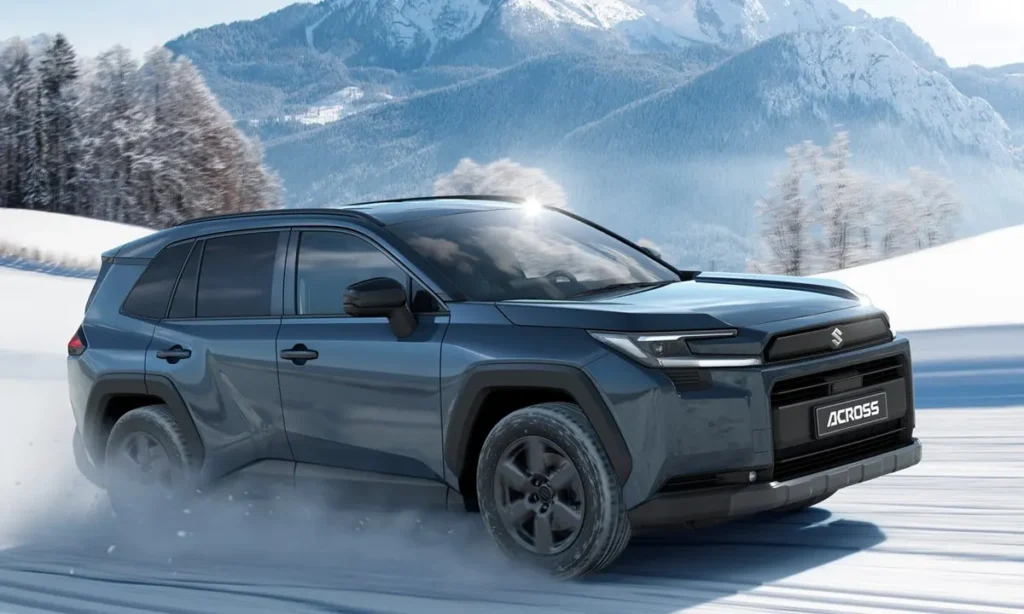
The Suzuki Across’s most commercially significant hidden asset is the Toyota RAV4 Prime’s powertrain reliability record whose accumulated ownership data provides the long-term durability confidence that a new model’s limited production history cannot independently establish. Toyota’s hybrid and plug-in hybrid powertrain technology — whose reliability credentials across Prius, Camry Hybrid and RAV4 Hybrid applications have been accumulated across decades of high-volume production — transfers to the Across with the full benefit of that validation history.
The Toyota hybrid system’s documented longevity — whose taxi fleet applications in multiple markets have produced 300,000 to 400,000-kilometre powertrain lifespans with minimal intervention — provides the family buyer whose ownership timeline extends beyond seven years with the durability confidence that the purchase price’s justification across an extended ownership period demands. The Across’s mechanical foundations are not merely reliable in the statistical sense of average repair frequency — they are reliable in the specific sense of having been tested at the mileages and durations that the most demanding family ownership patterns impose.
Reason 4: Standard Equipment Generosity That Rivals Cannot Match at the Price
The Suzuki Across’s standard equipment specification — whose comprehensiveness reflects the RAV4 Prime’s premium positioning translated through Suzuki’s European market pricing strategy — provides the family buyer with a level of standard specification whose equivalent in rival vehicles requires options packages whose cost brings the alternative’s effective purchase price above the Across’s standard specification figure.
The standard specification includes the 9-inch Toyota multimedia system with wireless Apple CarPlay and Android Auto, a heads-up display, a JBL premium audio system, a panoramic sunroof, a powered tailgate and the full Toyota Safety Sense suite — encompassing autonomous emergency braking, adaptive cruise control with lane centring, blind spot monitoring and rear cross-traffic alert — without the additional cost that these features represent on the specification lists of directly competing plug-in hybrid SUVs. The panoramic sunroof alone — whose standard inclusion on the Across represents a £1,500 to £2,000 option cost on most rivals — contextualises the specification generosity that the Across’s standard equipment list represents relative to the competitive alternatives’ comparable price points.
Read: How 2026 Toyota RAV4 GR Sport Competes In Europe’s Compact Performance SUV Segment
Reason 5: The Total Cost of Ownership Argument Wins on Numbers
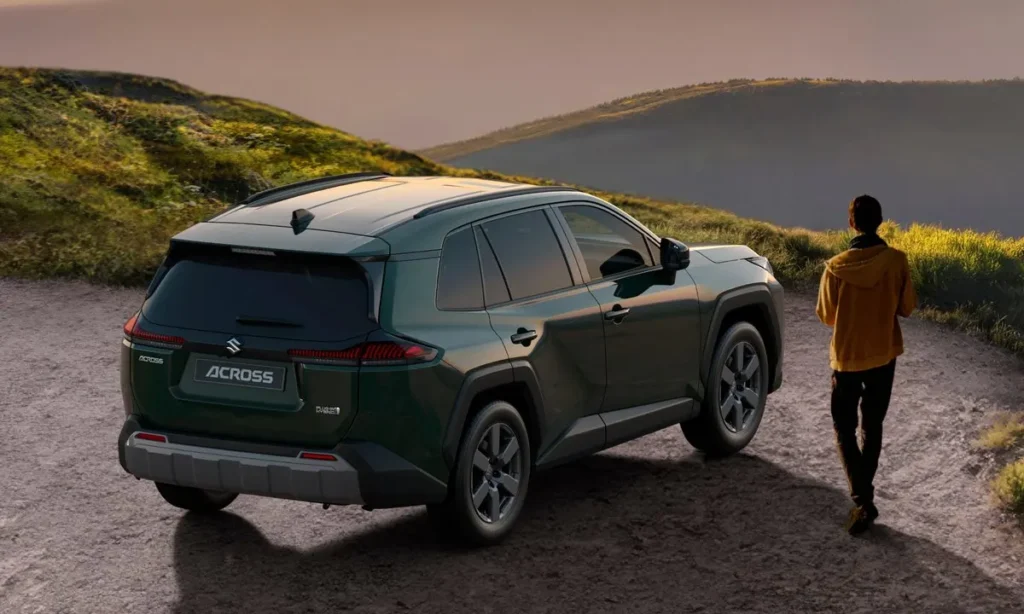
The Suzuki Across’s total cost of ownership calculation — whose inputs include the purchase price, the annual fuel cost reduction that electric range delivers for buyers with home charging, the benefit-in-kind tax advantage that the low official CO2 emissions provide for company car buyers in markets whose taxation structure rewards PHEV adoption and the residual value performance that Toyota platform vehicles historically maintain — produces a five-year ownership cost figure whose competitiveness against conventionally powered premium SUVs of equivalent capability surprises buyers whose initial reaction to the Across’s purchase price is that the technology premium is not justified.
The company car buyer dimension of the Across’s value proposition deserves particular emphasis in the European market context — where the benefit-in-kind tax calculation’s dependence on official CO2 emissions figures produces annual tax savings for PHEV company car drivers whose magnitude, relative to the equivalent petrol or diesel alternative, can exceed £2,000 to £3,000 per year in the United Kingdom market. This annual saving’s compound value across a three-year company car cycle produces a total cost benefit whose significance in the purchase decision of the family buyer whose vehicle is provided through their employer’s fleet scheme makes the Across the financially optimal choice independent of its specification merits.
Read: Is The 2026 Infiniti QX60 The Best Family Luxury SUV You Can Buy Right Now?
Suzuki Across vs Key Rivals — 2026 Comparison
| Category | Suzuki Across | Mitsubishi Outlander PHEV | Kia Sorento PHEV | Ford Kuga PHEV |
| Electric Range (WLTP) | 75 km | 83 km | 70 km | 56 km |
| System Power | 306 hp | 302 hp | 261 hp | 225 hp |
| AWD System | Electric Rear Motor | Electric Rear Motor | Electric Rear Motor | Mechanical |
| 0–100 km/h | 6.0 sec | 6.7 sec | 7.5 sec | 9.1 sec |
| Battery Capacity | 18.1 kWh | 20 kWh | 13.8 kWh | 14.4 kWh |
| Official CO2 | ~22 g/km | ~26 g/km | ~32 g/km | ~26 g/km |
| Seating | 5 | 7 | 7 | 5 |
| Standard JBL/Premium Audio | Yes | No | No | No |
| Panoramic Roof (Standard) | Yes | No | No | No |
| Starting Price (UK) | ~£44,000 | ~£45,000 | ~£48,000 | ~£38,000 |
| Powertrain Heritage | Toyota RAV4 Prime | Mitsubishi | Kia | Ford |