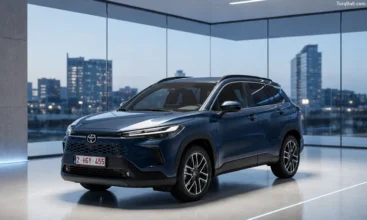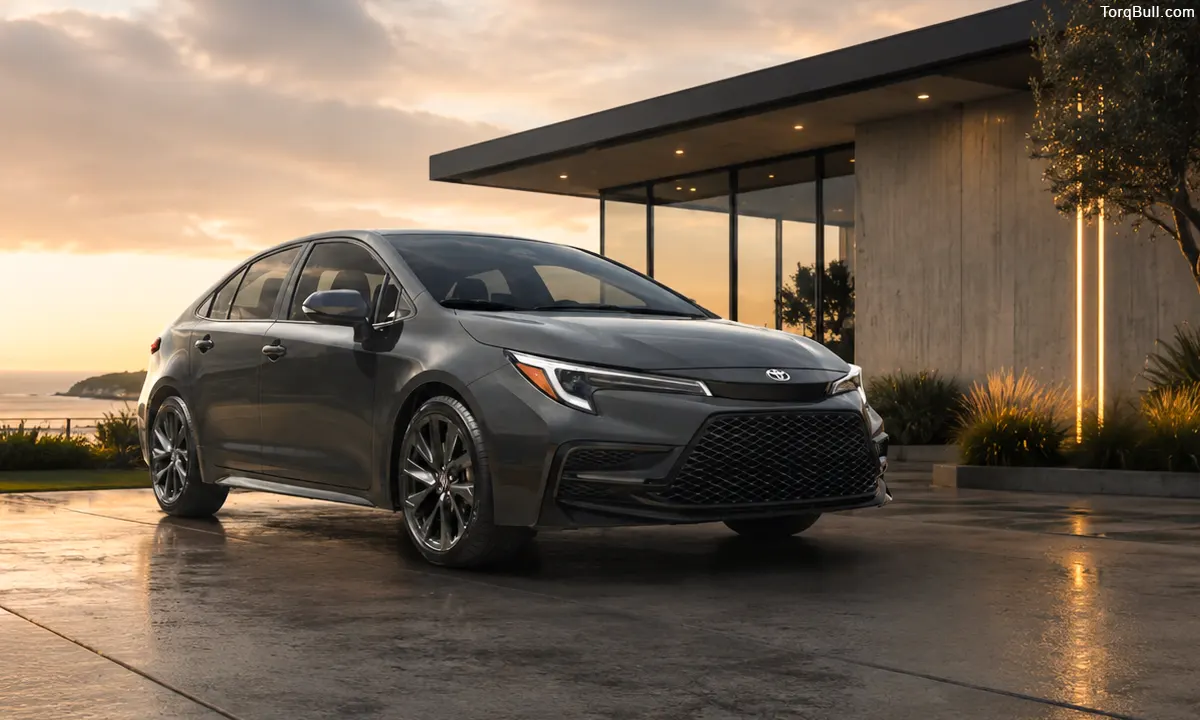
- The 2026 Toyota Corolla LE starts at $22,925 and focuses on affordability, efficiency and everyday practicality.
- The SE adds sporty styling and features such as 18-inch alloy wheels, Sport mode, blind-spot monitoring and a leather-trimmed steering wheel.
- Professional reviewers generally recommend the SE as the best overall trim for its stronger feature-to-price balance.
The Toyota Corolla LE and SE comparison is the most practically important trim decision in the entire Corolla lineup — because the LE is the entry point and the SE is the first meaningful upgrade, separated by approximately $2,440 and a specific package of features that transform the Corolla from a functional compact sedan into a more characterful and more enjoyable daily driver. Understanding precisely what each trim delivers and what the $2,440 difference actually buys is the foundational knowledge that makes this choice clear rather than confusing. This guide provides every meaningful difference — exterior, interior, technology, safety and driving character — to produce the most direct and most useful comparison available.
What the LE and SE Share: The Important Starting Point
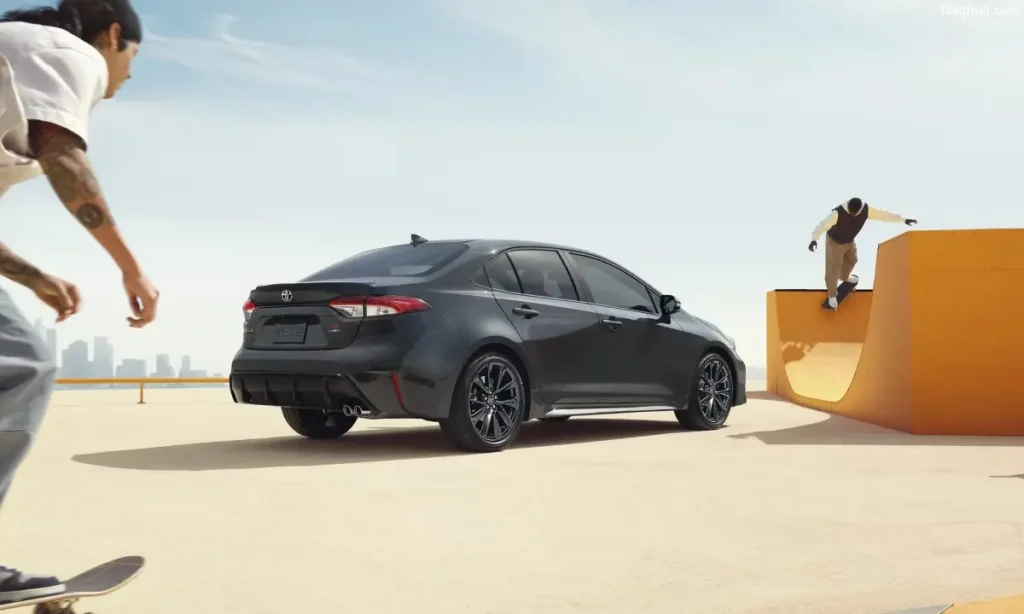
Before examining differences, establishing the comprehensive baseline that both trims share prevents the mistake of paying the SE premium for features that the LE already includes.
Both the 2026 Corolla LE and SE use the same 2.0-litre four-cylinder engine producing 169 horsepower and 151 pound-feet of torque through a continuously variable automatic transmission. Both achieve the same mechanical performance with 0-60 MPH times that are essentially identical regardless of trim selection. Both provide standard all-wheel drive availability in hybrid configurations.
Both trims include Toyota Safety Sense 3.0 as standard — automatic emergency braking with pedestrian detection, adaptive cruise control, lane departure alert with steering assist, automatic high beam control and road sign assist. This comprehensive safety suite is not a differentiating factor between LE and SE. Both trims include a 7-inch digital gauge display and an 8-inch touchscreen with wireless Apple CarPlay and Android Auto connectivity. Both seat five passengers with the same interior volume and 13.1 cubic feet of cargo space. And both share the same three-year, 36,000-mile basic warranty and five-year, 60,000-mile powertrain warranty.
Price: The $2,440 Gap That Defines the Decision
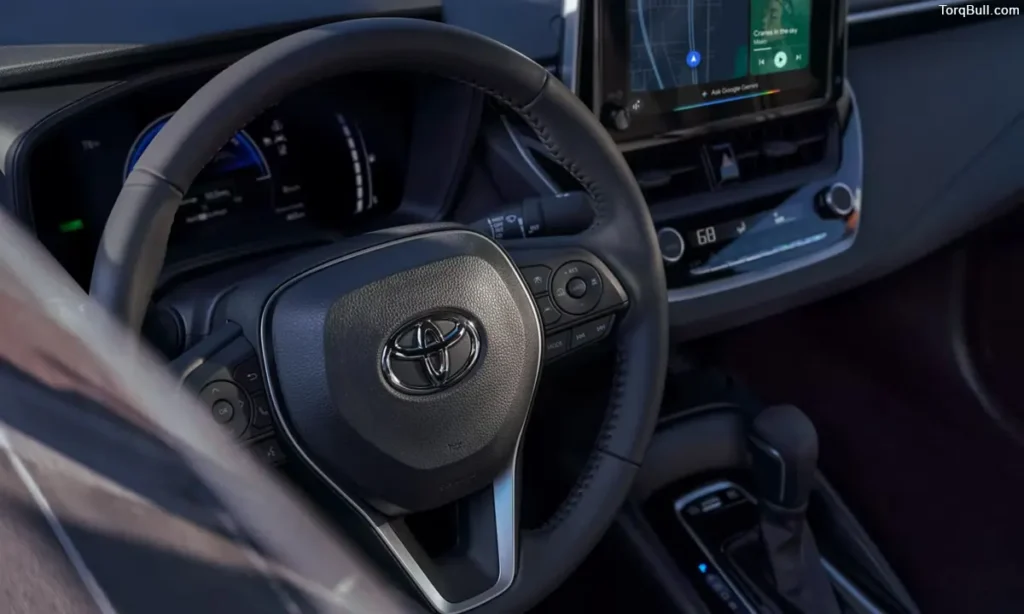
The 2026 Toyota Corolla LE starts at $22,925 — the lowest new Toyota Corolla price available. The 2026 Corolla SE starts at $25,365 — a $2,440 premium that purchases the specific feature set detailed in this guide.
This price gap positions the LE as the pure value choice for buyers whose primary criterion is the lowest possible monthly payment or purchase price, and the SE as the value choice for buyers who want the sport-inspired feature set and design differentiation that the SE provides at a price still accessible within the compact sedan market.
Professional evaluation of the full 2026 Corolla lineup specifically recommends the SE as the trim to buy — identifying it as the configuration that removes the cheap appearance elements of the LE while adding a dose of character, upgraded features and a more engaging daily driving experience at a price that remains reasonable within the compact sedan class.
Read: Toyota Corolla Maintenance Cost Per Year 2026. Full Ownership Breakdown
Exterior Differences: Where the Visual Character Change Is Most Dramatic
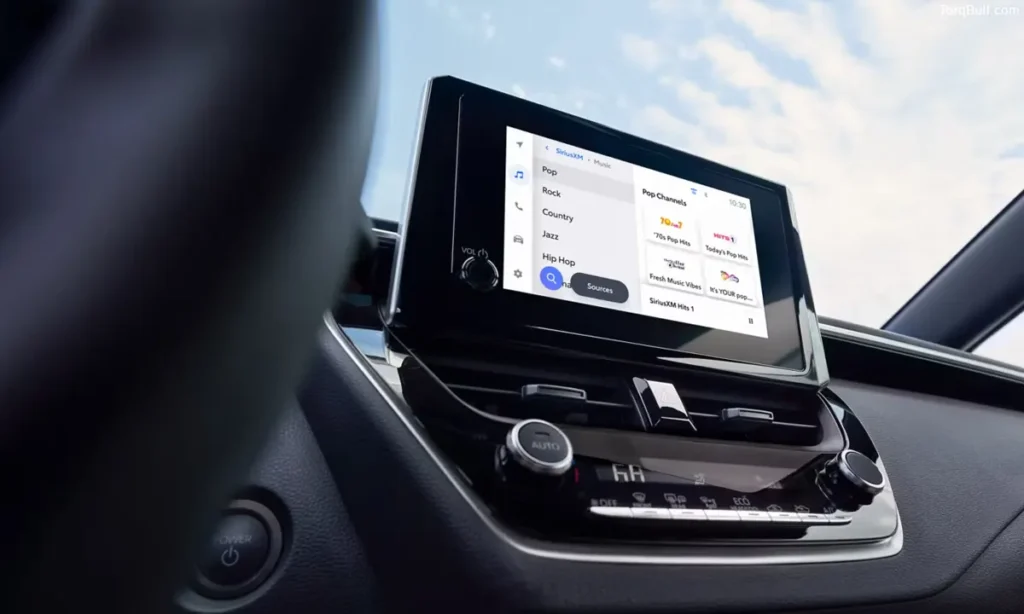
The exterior differences between the LE and SE are the most immediately visible category of trim distinction — and they are the specific differences that most dramatically change the Corolla’s daily visual identity.
The SE replaces the LE’s standard 17-inch wheels with 18-inch alloy wheels finished in graphite colour — a wheel size and finish change that transforms the Corolla’s exterior presence from conservative and understated to noticeably sportier. The graphite finish specifically creates a dark, purposeful aesthetic that the LE’s lighter finish wheel cannot replicate. For buyers who care how the vehicle looks parked and in motion, this wheel change is the most visually impactful single difference between these two trims.
The SE adds a dark rear spoiler that the LE does not include — contributing to the more aggressive visual profile that the SE’s design language pursues. Gray rocker panels along the lower body sides, a sporty mesh front grille replacing the LE’s more conservative grille design and LED headlights with Daytime Running Lights — where the LE provides standard LED headlights without the DRL enhancement — collectively produce an exterior appearance that professional evaluation describes as bolder and more aggressive compared to the LE’s traditional and understated look.
Heated exterior mirrors are standard on the SE — a cold-weather practicality feature absent from the LE that provides genuine daily value for owners in northern states and winter-climate regions where frozen mirrors are a regular morning inconvenience.
Interior Differences: Sport Touches and Functional Additions
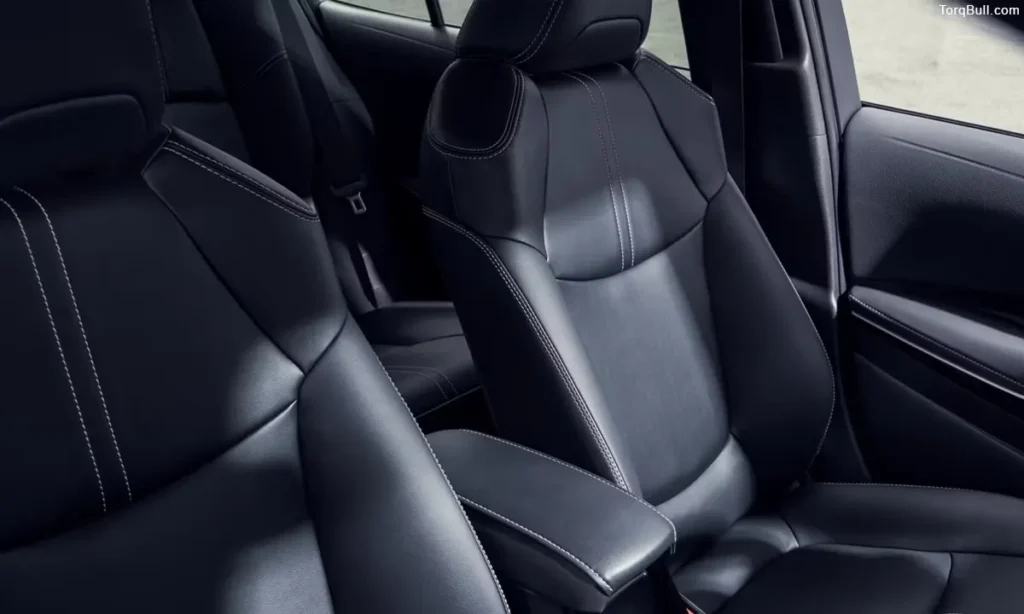
Inside the cabin, the SE’s upgrades are more subtle than the exterior changes but contribute meaningfully to the daily driving experience — particularly for the driver who interacts with the steering wheel and drive mode selector on every trip.
The leather-trimmed steering wheel replaces the LE’s urethane-wrapped unit — providing a more premium tactile quality at the driver’s primary contact point that is noticed and appreciated on every journey. The quality difference between leather-trimmed and urethane steering wheels is perceptible immediately and subtly influences the perceived interior quality of the entire cabin.
The SE introduces Sport driving mode alongside the Normal and Eco modes that the LE provides — giving drivers three options rather than two. Sport mode sharpens throttle response and adjusts the CVT’s programming to hold higher revs for a more engaged acceleration feel — not a performance transformation but a genuine character change that makes the SE more rewarding on winding roads and more responsive in situations where decisive acceleration is needed. For buyers who find compact sedan driving more enjoyable when the vehicle responds with some enthusiasm to driver input, Sport mode is the daily-use feature that makes the SE’s character most distinctly different from the LE.
Blind spot monitoring with rear cross-traffic alert is standard on the SE — a safety addition absent from the LE that uses radar sensors to warn the driver when vehicles are in adjacent lanes during lane changes. This active safety feature is the SE’s most practically significant daily safety addition over the LE and one of the most commonly cited reasons buyers specifically choose the SE when safety technology breadth is a priority.
Read: Hyundai Elantra vs Toyota Corolla: Which Compact Sedan Is the Better Buy In 2026?
Fuel Economy: The LE’s Modest Advantage
The LE trim achieves slightly better fuel economy than the SE — a modest difference that reflects the 17-inch wheel’s lower rolling resistance compared to the SE’s larger 18-inch graphite alloys.
The LE achieves 32 MPG city, 41 MPG highway and 35 MPG combined in standard FWD configuration. The SE achieves 31 MPG city, 40 MPG highway and 34 MPG combined — 1 MPG combined less than the LE. At 15,000 annual miles and $3.08 per gallon, this 1 MPG difference costs approximately $44 per year — a negligible financial distinction that should not be the deciding factor between trims but is worth noting for buyers who specifically prioritise maximum fuel economy above all other considerations.
2026 Toyota Corolla LE vs SE — Complete Differences Chart
| Feature | LE | SE | Winner |
| Starting Price | $22,925 | $25,365 | LE ($2,440 less) |
| Wheel Size and Finish | 17-inch | 18-inch graphite alloy | SE (sportier) |
| Rear Spoiler | Not included | Dark spoiler standard | SE |
| Front Grille | Standard | Sporty mesh design | SE |
| Headlights | LED standard | LED with Daytime Running Lights | SE |
| Heated Exterior Mirrors | Not included | Standard | SE |
| Steering Wheel | Urethane-wrapped | Leather-trimmed | SE |
| Drive Modes | Normal and Eco | Normal, Eco and Sport | SE |
| Blind Spot Monitoring | Not standard | Standard | SE |
| Toyota Safety Sense 3.0 | Standard | Standard | Tie |
| 8-inch Touchscreen | Standard | Standard | Tie |
| Wireless Apple CarPlay | Standard | Standard | Tie |
| Engine | 2.0L 169 hp CVT | 2.0L 169 hp CVT | Tie |
| EPA Combined MPG | 35 MPG | 34 MPG | LE (barely) |
| Annual Fuel Cost (15K miles) | approximately $1,320 | approximately $1,364 | LE ($44 less) |
| Interior Volume and Cargo | Identical | Identical | Tie |
| Professional Recommendation | Not recommended over SE | Specifically recommended | SE |
Which Trim Should You Buy: The Honest Verdict
The Toyota Corolla LE is the correct choice for a specific and honest buyer profile — buyers for whom $22,925 is the maximum available budget, buyers who specifically drive very high annual mileage where the 1 MPG fuel economy difference compounds into marginal but real savings and buyers who genuinely prefer the LE’s traditional, understated aesthetic over the SE’s sportier visual identity. Both positions are legitimate and neither represents an error in judgement.
The Toyota Corolla SE is the correct choice for the majority of Corolla buyers who can accommodate the $2,440 premium — and professional evaluation supports this as the specific recommendation. The heated mirrors alone are worth the upgrade for buyers in cold climates. The blind spot monitoring adds genuine daily safety value that the LE cannot access without trim upgrade. The Sport driving mode provides character differentiation that makes the Corolla more engaging without sacrificing the reliability and efficiency that defines the nameplate. And the 18-inch graphite wheels transform the car’s visual presence in a way that makes every day of ownership slightly more satisfying than the LE’s more conservative appearance.
The SE’s value case is compelling because none of its specific additions over the LE are frivolous — every feature serves either a daily safety function, a daily comfort function or a daily driving engagement function that the owner experiences regularly rather than occasionally.