Toyota’s Hydrogen Future! Can the Mirai Change the Game?
With 402 Miles of Range, a Third-Generation Fuel Cell System, Class-Action Legal Challenges Over Infrastructure and Only 210 Vehicles Sold in 2025, the 2026 Toyota Mirai Represents the Most Honest Test of Whether Hydrogen Can Survive as a Consumer Mobility Technology — or Whether It Belongs Exclusively in the Commercial Sector
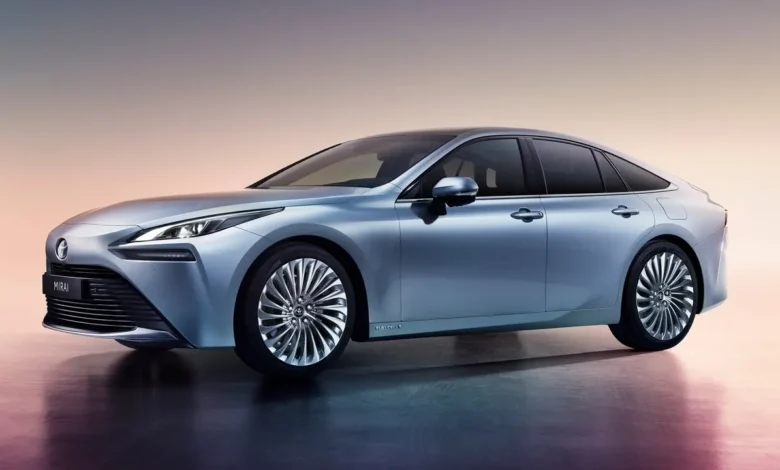
There are moments in automotive history when a manufacturer bets on a technology before the world is ready for it, sustains that bet through years of commercial difficulty and eventually sees vindication arrive — slowly at first, then overwhelmingly. Toyota’s commitment to hybrid technology in 1997 followed exactly that arc: years of modest sales, industry scepticism, the quiet accumulation of engineering knowledge, and eventually a market shift so complete that the company now holds 58 percent of the global hybrid vehicle market. The question that the 2026 Toyota Mirai forces into the open, with an urgency that earlier model years could afford to defer, is whether Toyota’s commitment to hydrogen fuel cell technology is following the same arc — or whether it is a different kind of story entirely, one where the infrastructure challenges are not merely delayed but structurally unresolvable for personal transportation applications.
Gallery: Toyota Mirai
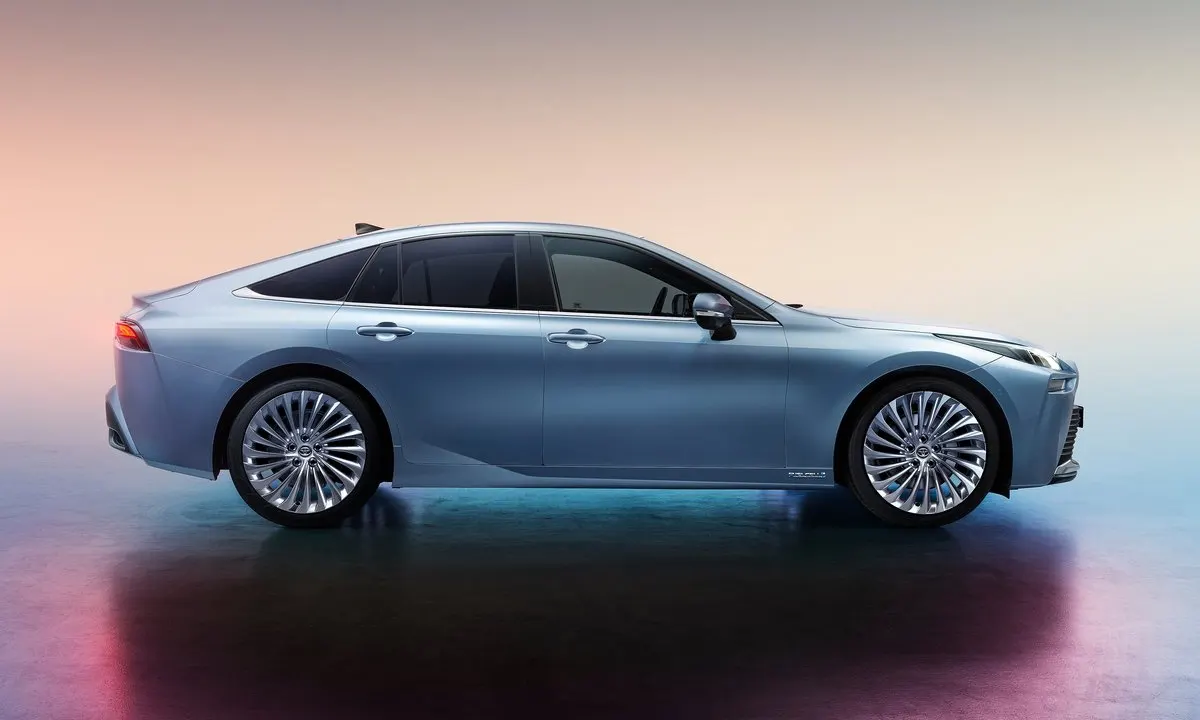
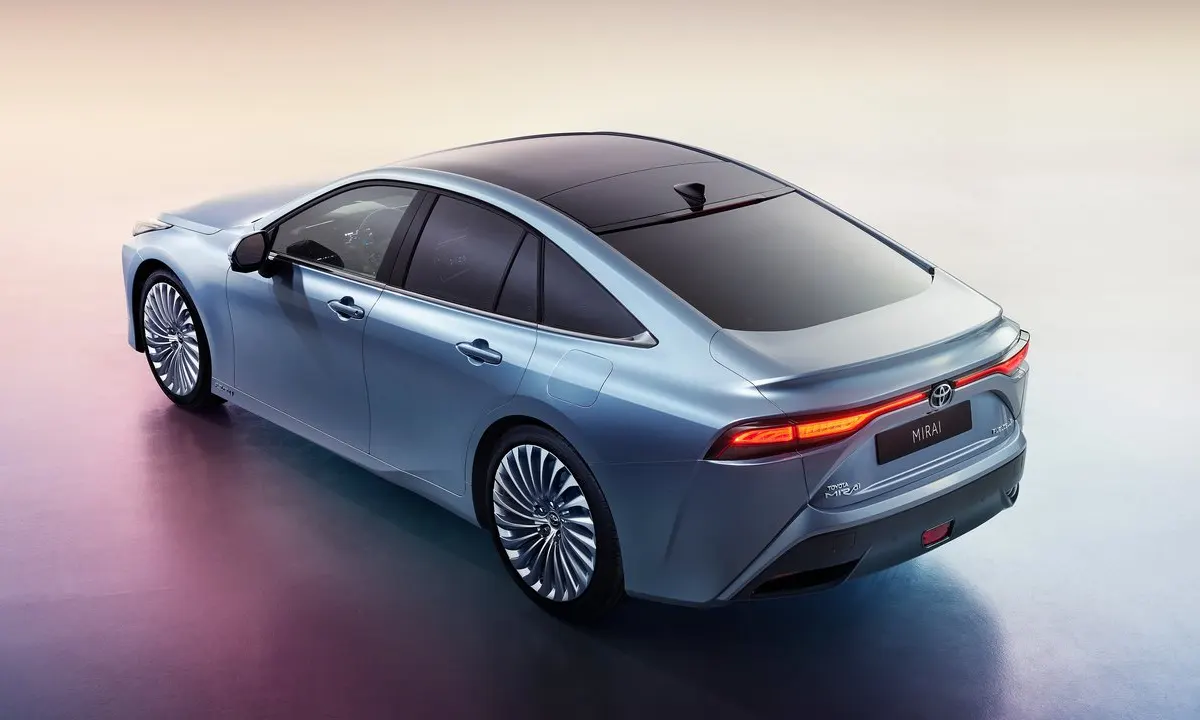
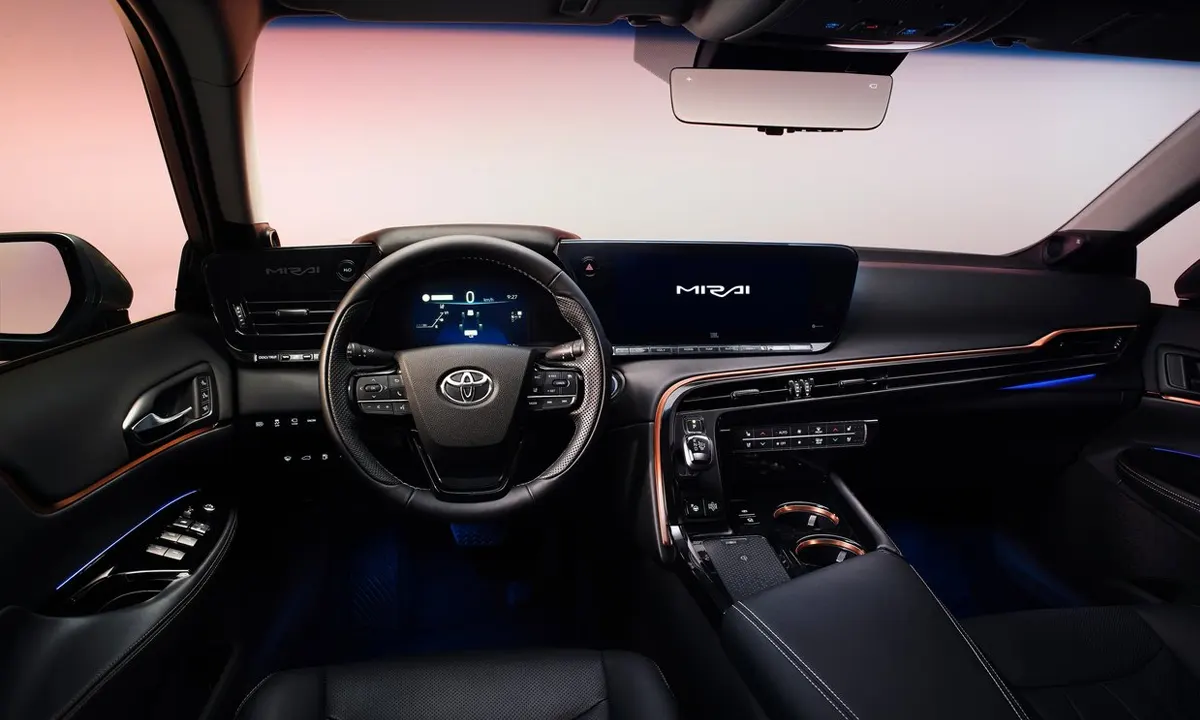
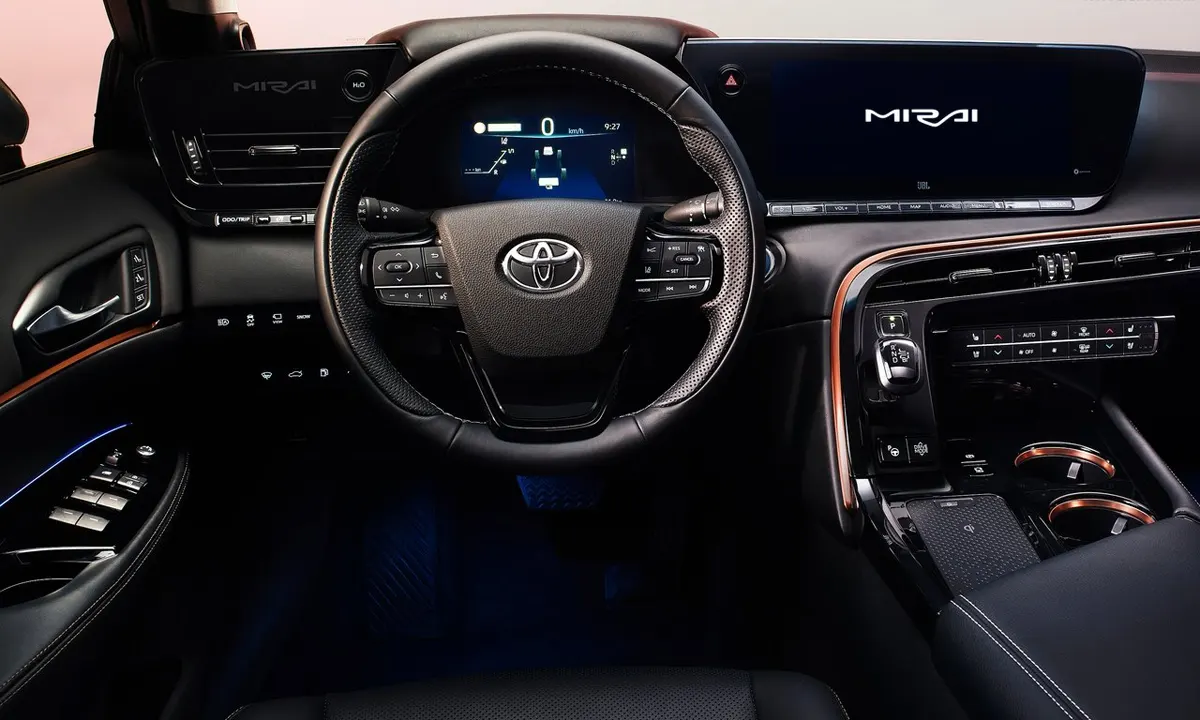
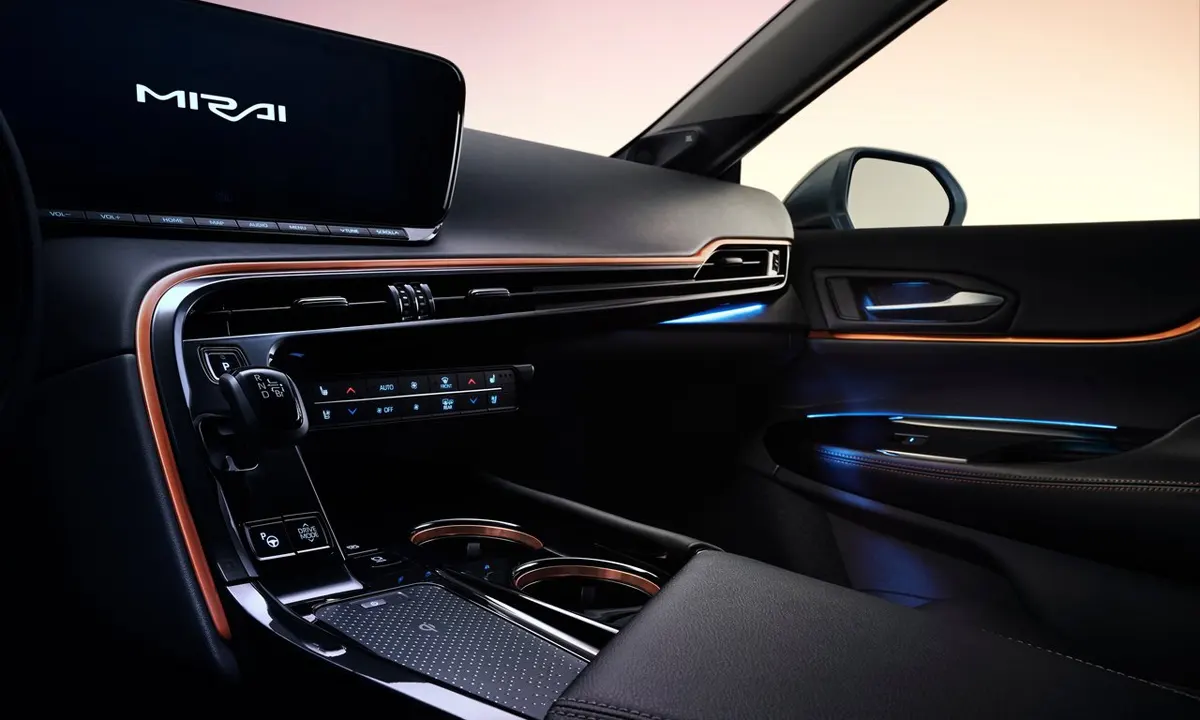
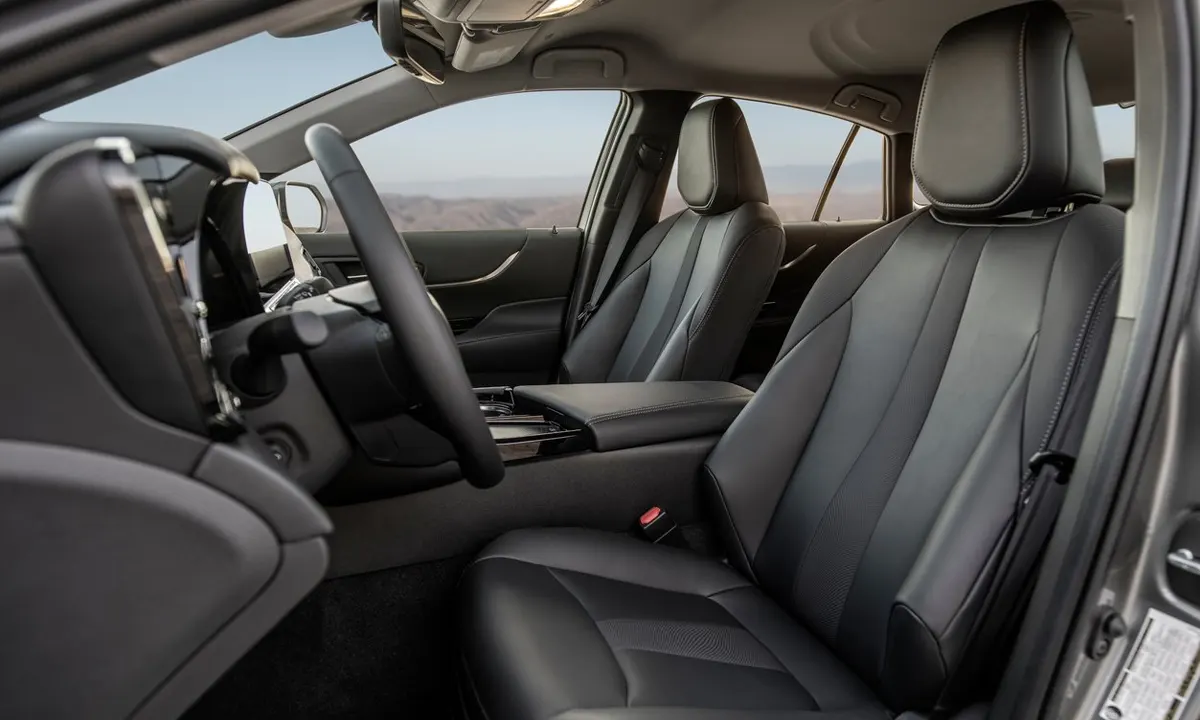
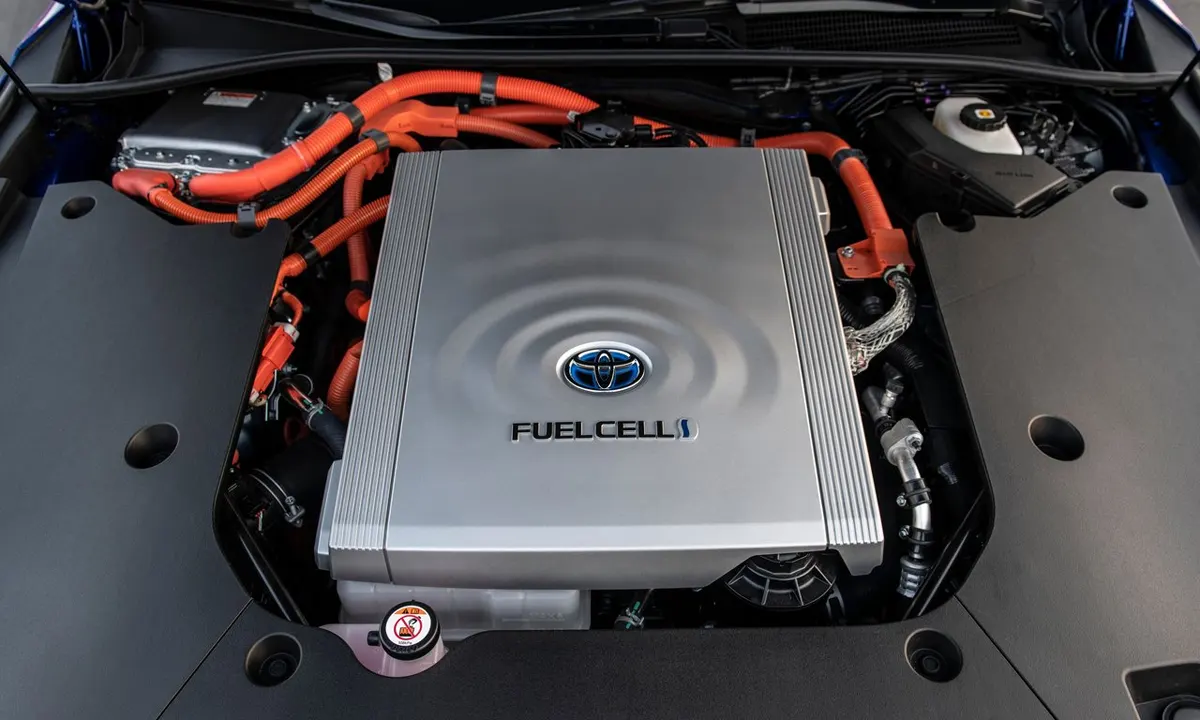
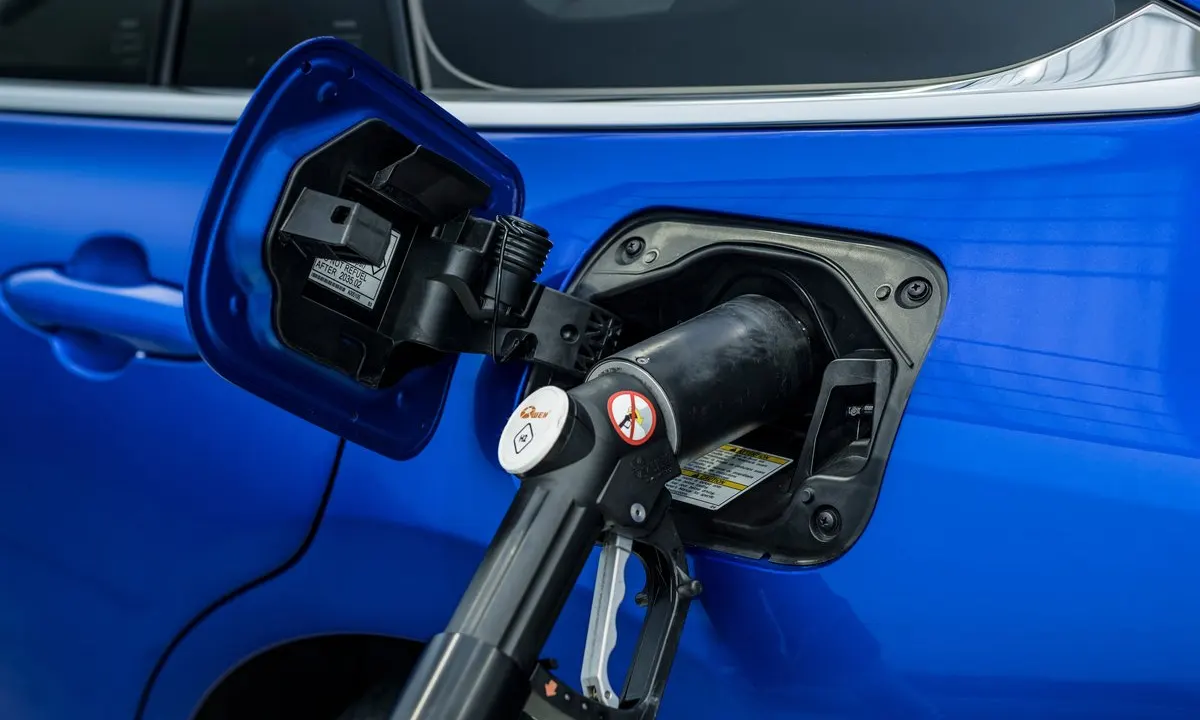
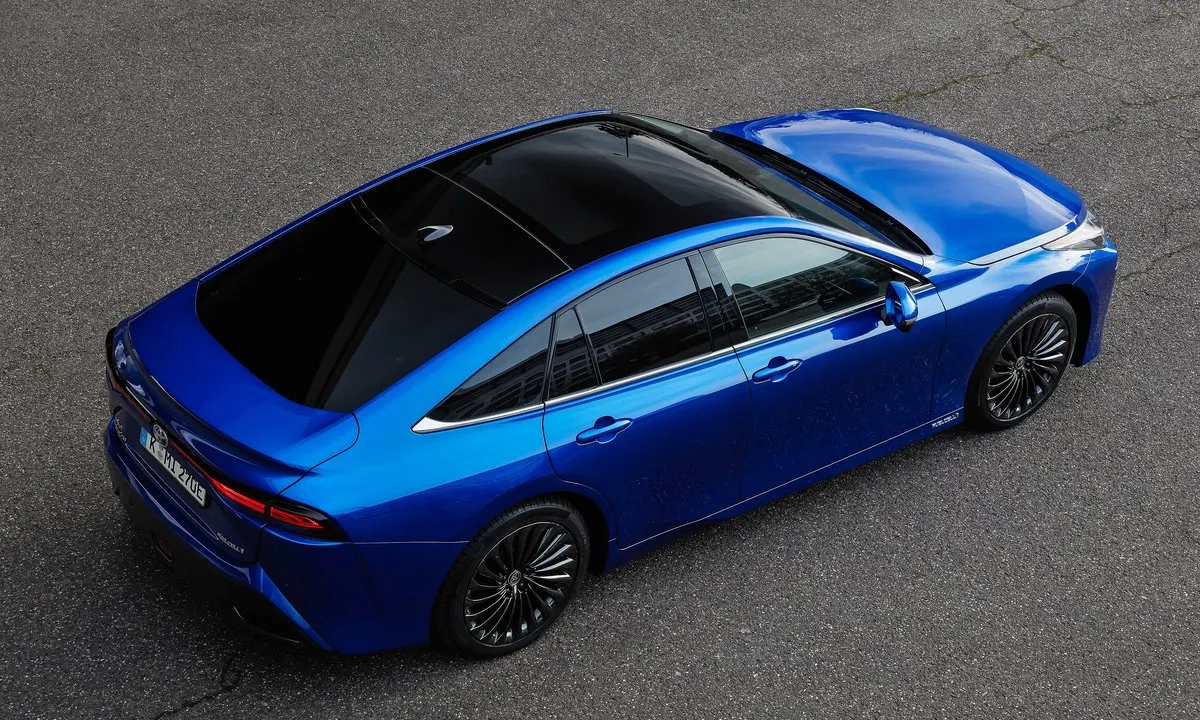
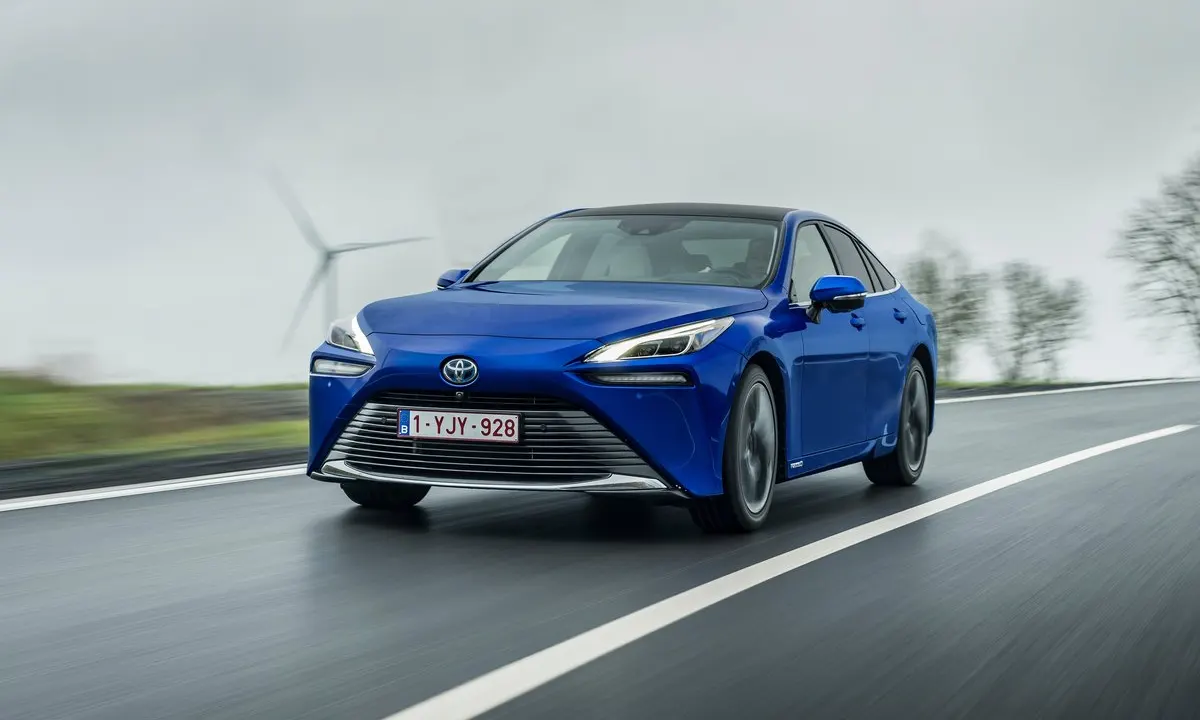
The 2026 Mirai arrives in dealerships as the world’s most refined and most technically sophisticated hydrogen fuel cell car available to private buyers. It delivers 182 horsepower, 402 miles of EPA-estimated range, a five-minute refuelling time, a 12.3-inch dual-screen technology package, Toyota Safety Sense 3.0 as standard, 15,000 dollars of complimentary hydrogen fuel and the most generous fuel cell vehicle warranty package in the industry — eight years or 100,000 miles on fuel cell components, and ten years or 150,000 miles on the hybrid battery. It is, on every specification that can be measured independently of the hydrogen infrastructure that surrounds it, a genuinely excellent premium sedan. The problem is the qualification in that previous sentence. The Mirai’s quality as a car cannot be separated from the infrastructure required to operate it, and in 2026, that infrastructure remains so limited that the car’s excellence is effectively theoretical for the overwhelming majority of potential buyers.
What the 2026 Mirai Actually Is: The Technology Behind the Promise
The Toyota Mirai is a fuel cell electric vehicle — a technology category that occupies a specific and important position in the spectrum of electrified propulsion. Unlike a battery-electric vehicle that stores electrical energy in a large onboard battery pack and requires hours of charging to replenish it, the Mirai generates its own electricity onboard through a chemical reaction between hydrogen stored in high-pressure tanks and oxygen drawn from the surrounding air. That reaction produces electrical current to power the rear-mounted motor and produces water as its only emission — a distinction that makes the Mirai not merely carbon-zero at the point of use but actively air-cleaning in a technical sense, as the intake system filters and purifies incoming air before it enters the fuel cell stack.
The current second-generation Mirai, which underpins the 2026 model, is built on Toyota’s premium rear-wheel-drive GA-L platform — the same architecture used for the Lexus LS and GS — with a 50:50 front-to-rear weight distribution achieved by placing the compact fuel cell stack under the hood and the motor and drive battery at the rear. This layout produces a driving dynamics quality that sets the Mirai apart from the fuel economy-focused character of the first-generation model: the second-generation car is genuinely enjoyable to drive, with a responsiveness and precision that rewards attention and that competes credibly with conventional premium sedans in terms of dynamic character. Three high-pressure carbon-fibre-reinforced hydrogen tanks with a combined storage capacity of approximately 5.6 kilograms of compressed hydrogen at 70 MPa — distributed one under the rear seat and two in the boot floor area — provide the fuel supply for the 402-mile range figure. Refilling those tanks to full requires approximately five minutes at a compatible hydrogen station, providing the same practical refuelling experience as a petrol or diesel vehicle.
The 2026 model’s update over the 2025 is minimal — new 19-inch black machine-finished alloy wheels are the single visible change, with the powertrain, interior architecture, safety suite and range figure all carried over unchanged. Toyota’s decision not to invest development resources in a more substantial update for 2026 is entirely rational given the commercial reality of the car’s sales position, and it does not diminish the quality of the car that exists. It does, however, confirm that the Mirai’s challenges are not engineering challenges — the car is already excellent — but infrastructure and market development challenges that new wheels cannot address.
The Infrastructure Problem: Honest Accounting
The most significant obstacle facing hydrogen fuel cell vehicles in general and the Toyota Mirai in particular is not the cost of the car, the quality of the driving experience or the technical maturity of the fuel cell system. It is the near-total absence of hydrogen refuelling infrastructure outside of California. As of early 2026, approximately 70 hydrogen refuelling stations exist across the entire United States — the vast majority concentrated in California, with a small number of additional stations in Hawaii and a handful in the northeastern states. This infrastructure reality makes the Mirai effectively a California-specific product for American buyers, regardless of how appealing its specification, range or technology might be to a buyer in Texas, Florida, the Midwest or the Pacific Northwest.
Toyota’s response to this limitation has been characteristically persistent. The company has renamed its California facility the Hydrogen Headquarters — a declaration of commitment rather than merely a rebranding exercise — and has continued working with fuel station operators and government bodies to develop additional hydrogen infrastructure across the United States and other global markets. The announcement in 2025 that Toyota would begin producing hydrogen-powered fuel cell Class 8 heavy-duty trucks for the commercial transport sector reflects the company’s strategic understanding that hydrogen’s near-term commercial viability may lie in fleet and commercial applications — where infrastructure investment can be centralised around depot refuelling facilities — rather than in the dispersed, public-access consumer refuelling network that personal vehicle use requires.
The commercial reality of the consumer Mirai’s sales performance in this infrastructure context is stark. Toyota sold 210 Mirai units in 2025 — a decline of approximately 58 percent from 2024’s 499 units, itself a significantly constrained figure compared to the model’s sales potential. By September 2025, only 157 units had been sold for the entire calendar year. These are numbers that require honest acknowledgement rather than contextual softening, because they represent real commercial feedback from a real market about a real product. The Mirai is not selling poorly because it is a poor car. It is selling poorly because the infrastructure required to operate it does not exist in sufficient density or geographic coverage to make it a practical ownership proposition for the majority of buyers who might otherwise consider it.
Toyota is simultaneously facing a class-action lawsuit in California seeking damages from buyers and lessees who allege that the company sold them a vehicle it knew could not be practically operated due to hydrogen fuel shortages and closed or non-functional refuelling stations. The lawsuit, seeking recovery of approximately 5.7 billion dollars, alleges that Toyota promoted the Mirai as a convenient, practical vehicle with nationwide hydrogen access when that access was never achieved. Whether the lawsuit succeeds legally, it articulates a consumer experience that Toyota’s own sales data corroborates: the gap between the Mirai’s specification on paper and its practical usability in the real world has been wider than the company’s marketing represented.
The Third-Generation Fuel Cell System: Where the Real Future Lives
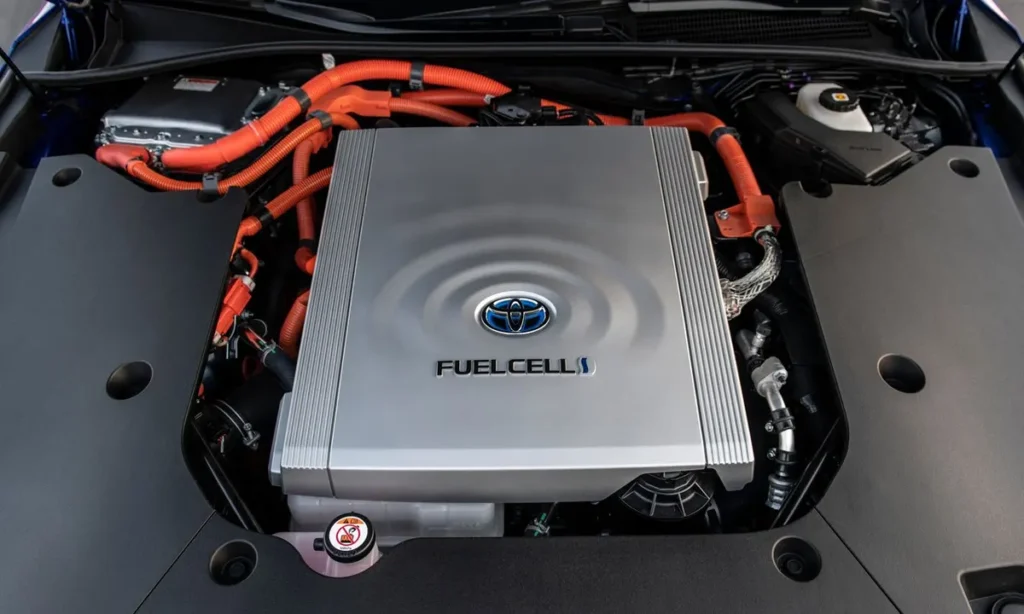
While the 2026 Mirai’s consumer sales figures make for sobering reading, the more consequential hydrogen story from Toyota in 2026 is the development of the company’s third-generation fuel cell system — announced in February 2025 and planned for introduction in commercial applications from 2026 onward. The third-generation system achieves two improvements that address the most significant barriers to hydrogen technology’s commercial competitiveness: durability and cost. The new system delivers durability twice that of the previous generation, reaching a service life comparable to conventional diesel engines — a benchmark that is specifically relevant to the commercial transport sector where total lifetime operating cost is the primary purchasing consideration. The system also achieves significant cost reductions compared to its predecessor, a necessary step toward the price parity with diesel-powered alternatives that will ultimately determine hydrogen’s commercial viability in heavy transport.
Toyota has supplied more than 2,700 fuel cell systems to over 100 customers globally since 2019 for applications including buses, railway systems and stationary power generation — a deployment scale that represents genuine commercial traction in the sectors where hydrogen’s infrastructure economics work most favourably. In Japan, where government infrastructure investment and a denser network of hydrogen stations make the consumer ownership proposition more practical, Toyota works with local government bodies in Tokyo and Fukushima Prefecture to develop the integrated hydrogen ecosystem that makes personal vehicle adoption viable. The Japanese experience provides a template for what consumer hydrogen adoption can look like when infrastructure investment keeps pace with vehicle technology development — and it is the template that Toyota’s long-term strategy is based on replicating in other markets.
Can the Mirai Change the Game? An Honest Verdict
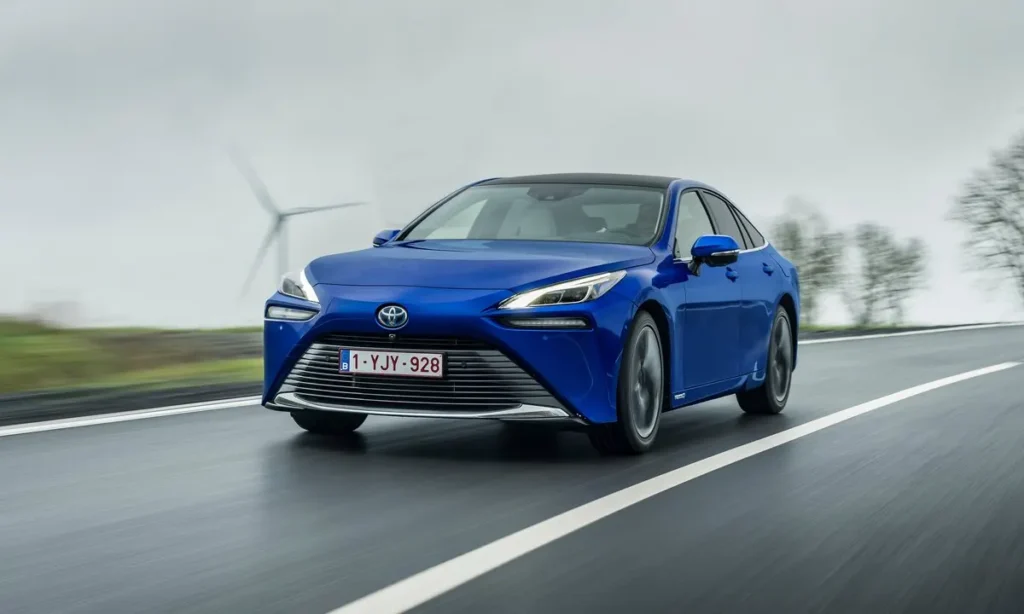
The question of whether the Toyota Mirai can change the game for hydrogen as a consumer mobility technology requires separating two questions that are often conflated in the debate around it. The first is whether hydrogen fuel cell technology is viable as a future energy carrier for personal transportation. The second is whether the current Mirai, in the current infrastructure environment, can succeed as a consumer product.
The answer to the first question is genuinely positive, contingent on infrastructure development. Hydrogen’s theoretical advantages over battery-electric technology — five-minute refuelling versus multi-hour charging, higher energy density per kilogram of stored fuel, no rare-earth battery material dependency — are real and meaningful. In markets where green hydrogen production from renewable energy sources reaches sufficient scale and sufficient affordability, and where refuelling infrastructure achieves sufficient density, a hydrogen fuel cell vehicle provides a practical ownership experience that battery-electric vehicles in their current form cannot match for long-distance, high-frequency or heavy-duty use cases. The technology’s future in heavy transport, commercial fleets and industrial applications appears more secure than its future in consumer passenger vehicles, and Toyota’s third-generation fuel cell system is clearly designed for that commercial application first.
The answer to the second question is more challenging. The current Mirai cannot change the consumer mobility game in the absence of the infrastructure required to make it practically usable beyond California’s borders. The car’s quality, range, refuelling speed and technology are not the obstacles. The obstacles are institutional, political and financial — requiring the kind of coordinated government and private sector infrastructure investment that has not materialised in the United States at the scale that Toyota’s consumer ambitions require. The Mirai will continue to exist as Toyota’s most important demonstration project — proof that fuel cell vehicle technology works, that it can be refined to consumer-grade quality and that a manufacturer of Toyota’s scale can sustain commitment to it through difficult commercial periods. Whether that demonstration project evolves into a mainstream consumer product depends almost entirely on decisions being made outside Toyota’s engineering laboratories.
Toyota did not give up on hybrid technology when the first Prius sold modestly. It invested in the infrastructure of production, dealer training and consumer education that eventually made hybrid technology mainstream. The question for hydrogen is whether the external infrastructure equivalent of that internal investment — the hydrogen station networks, the green hydrogen production capacity, the refuelling equipment standards — can be built with sufficient speed and sufficient geographic coverage to create the market conditions that Toyota’s patience and technical investment deserve. If it can, the Mirai’s story arc will follow the Prius’s. If it cannot, the Mirai will remain what it is in 2026 — the world’s most capable hydrogen car, operating in a world not yet ready to receive it.
Read: 2027 Toyota Highlander Brings Hybrid Efficiency and Modern SUV Technology
2026 Toyota Mirai — Specifications and Details Chart
| Category | Specification |
| Body Style | Midsize Premium Rear-Wheel-Drive Sedan |
| Powertrain Type | Fuel Cell Electric Vehicle (FCEV) |
| Fuel Cell Stack | Toyota Fuel Cell System (TFCS) — Second Generation |
| Motor | Rear-Mounted AC Synchronous Electric Motor |
| Horsepower | 182 hp |
| Torque | 221 lb-ft |
| Drivetrain | Rear-Wheel Drive |
| 0–60 mph | 9.0 seconds |
| Top Speed | 111 mph |
| EPA Range Estimate | 402 miles |
| Hydrogen Tank Configuration | Three Carbon-Fibre-Reinforced High-Pressure Tanks |
| Tank Pressure | 70 MPa |
| Hydrogen Storage Capacity | ~5.6 kg |
| Refuelling Time | ~5 minutes |
| Drive Battery | Lithium-Ion (Regenerative Braking Buffer) |
| Tailpipe Emission | Water Only |
| Platform | Toyota GA-L Premium RWD Platform |
| Weight Distribution | 50:50 Front / Rear |
| Suspension | Multilink Rear — Sport-Tuned |
| Trim Level (2026) | XLE (Single Grade — U.S.) |
| Infotainment Screen | 12.3-inch Multimedia Touchscreen |
| Instrument Cluster | 12.3-inch Digital |
| Standard Safety | Toyota Safety Sense 3.0 (TSS 3.0) |
| Safety Features | AEB with Pedestrian Detection, ACC, LDA, LTA, AHB, BSM, RCTA |
| New for 2026 | 19-inch Black Machine-Finished Alloy Wheels |
| Exterior Colours | Black, Oxygen White, Heavy Metal, Hydro Blue |
| Complimentary Hydrogen Fuel | $15,000 / 6 Years (Purchase) or $15,000 / 3 Years (Lease) |
| FCEV Component Warranty | 8 Years / 100,000 Miles |
| Hybrid Battery Warranty | 10 Years / 150,000 Miles |
| Extended ToyotaCare | 3 Years / 35,000 Miles |
| Complimentary Rental Days | Up to 21 Days (First 3 Years) |
| MSRP (2026 XLE) | $51,795 |
| Dealer Handling Fee | $1,195 |
| U.S. Hydrogen Stations | ~70 (Majority in California) |
| U.S. Sales 2025 | 210 Units (Down 57.8% from 2024’s 499) |
| U.S. Sales Jan–Sep 2025 | 157 Units |
| Global Cumulative Mirai Sales | ~28,000 Units Across 30+ Countries |
| FC Systems Supplied (Non-Vehicle) | 2,700+ Units to 100+ Customers (2019–2025) |
| Third-Gen FC System | Announced Feb 2025 — Commercial Sector Focus — Available From 2026 |
| 3rd Gen Durability Improvement | 2x Previous Generation — Diesel-Comparable |
| Class-Action Lawsuit | California — $5.7 Billion — Hydrogen Availability Claims |
| Assembly | Toyota Motor Kyushu — Miyata, Japan |