- The Toyota RAV4 is known for strong long-term durability, with many examples lasting 200,000–250,000 miles and some exceeding 300,000 miles.
- The 2025 model stands out as one of the most reliable recent RAV4s, earning an excellent reliability rating.
- Common high-mileage concerns include electronic components, cooling-system actuators and rear drivetrain components, making regular maintenance essential for long-term ownership.
The Toyota RAV4 has built one of the most comprehensively documented long-term reliability reputations in the compact crossover segment — a nameplate that independent data analysis estimates will benefit from a 14.3-year lifespan and cover 172,778 miles without reliability issues for the typical maintained example. Owners who follow Toyota’s service schedule consistently report reaching 200,000 miles and beyond with original powertrains intact. Some carefully maintained examples surpass 300,000 miles. These are not exceptional outliers in the RAV4 community — they are the documented pattern of what proper maintenance delivers on the Toyota TNGA-K platform. But the fifth-generation RAV4’s specific post-100,000 mile vulnerabilities in electronic components, cooling actuators and rear drivetrain components deserve honest attention alongside the positive longevity credentials. This complete guide provides both the high-mileage success record and the specific failure modes that high-mileage RAV4 owners must monitor and maintain to achieve those outcomes.
The Reliability Foundation: 2026 Predicted More Reliable Than Average
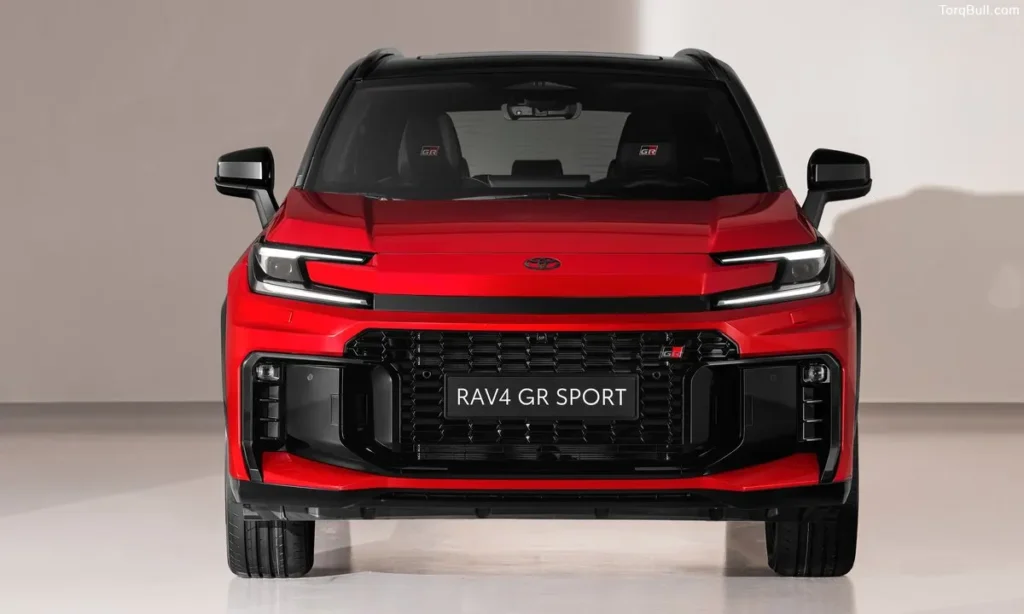
The 2026 Toyota RAV4 — the first model year of the all-hybrid sixth generation — is predicted to be more reliable than the average new car by independent reliability analysis based on the previous generation’s accumulated data and the Toyota brand’s overall reliability standing. The Toyota brand itself ranks third out of 22 manufacturers for new car reliability, and the RAV4’s predicted reliability score of 86 out of 100 for the 2026 model reflects this brand-level advantage applied to the nameplate’s specific historical performance.
The 2025 RAV4 earns the best reliability score in the nameplate’s recent history at 84 out of 100 — categorised as Excellent — with 5 recalls and 49 owner complaints on record. Reliability has improved in recent years, with newer models scoring an average of 81 out of 100 compared to 71 out of 100 for older years. This improvement trajectory means that buyers of 2022 and newer examples — particularly 2023, 2024 and 2025 production — benefit from a more refined and more reliable platform than the first-generation hybrid fifth-generation RAV4 from 2019 whose 66 out of 100 score is the nameplate’s worst recent production year.
Annual repair costs of $429 per year place the RAV4 approximately $92 below the compact SUV average of $521 — translating this reliability advantage into the most financially practical metric: less money spent on unexpected repairs annually across the ownership period.
Read: Best Toyota RAV4 Trim to Buy 2026. Finding the Perfect SUV for Your Needs
What Well-Maintained RAV4s Achieve: The High-Mileage Evidence
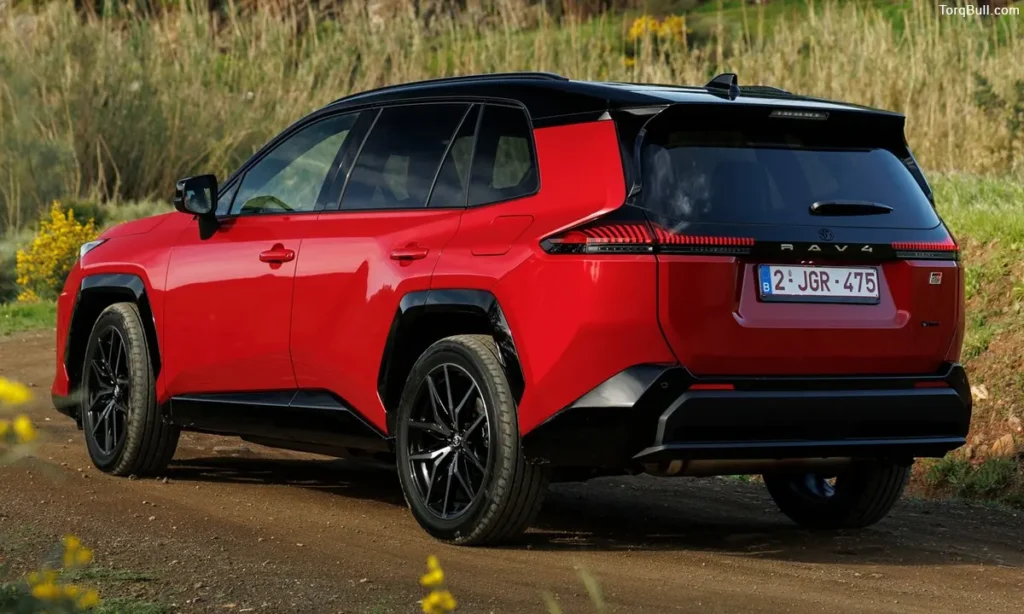
The documented evidence for RAV4 longevity beyond 100,000 miles comes from two complementary sources — the statistical probability analysis that estimates fleet-wide longevity and the owner community accounts that document specific high-mileage examples in real-world ownership.
Statistical analysis of RAV4 fleet data produces the 31 percent probability of reaching 200,000 miles — a figure that means roughly one in three RAV4s achieves this milestone under real-world ownership conditions that include variable maintenance discipline and varying driving environments. This probability is significantly higher than the average compact crossover, confirming the RAV4’s specific durability advantage in statistical terms.
Owner community accounts provide the individual case confirmation that the fleet-wide statistics summarise. RAV4 owners regularly document reaching 150,000 miles, 200,000 miles and beyond with original engines and transmissions operating normally, with no major drivetrain failures and with maintenance costs that remain manageable rather than accumulating toward the repair-versus-replace decision threshold that compels retirement of less durable vehicles. The engineer for longevity orientation of the TNGA-K platform — reinforced design, proven powertrain architectures and consistent quality manufacturing — is the engineering foundation that produces these outcomes consistently enough to represent a reasonable expectation rather than exceptional luck.
The Top Five Post-100,000 Mile Vulnerability Points
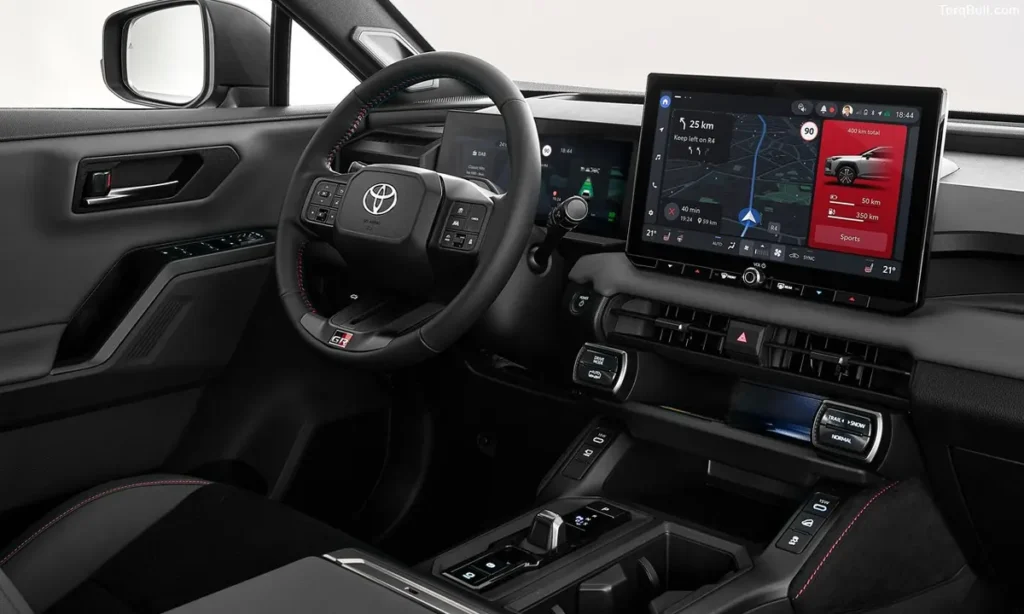
Despite the RAV4’s impressive longevity record, the fifth-generation platform accumulates specific and identifiable weakness patterns beyond 100,000 miles that informed owners monitor and address proactively. Understanding these specific failure modes is more valuable than the general reliability rating alone.
Electronic Component Failures
Electronic control units and sensor components are the most frequently emerging vulnerability category in fifth-generation RAV4s tracked beyond 100,000 miles. The platform’s increasing sophistication — advanced driver assistance systems, hybrid battery management electronics, multi-function cameras and complex HVAC control electronics — introduces more potential electronic failure points than previous RAV4 generations with simpler electronics architectures.
Active recalls that have emerged in 2025 and 2026 production including rearview camera freezing due to software errors and instrument panel failures where vehicle speed might not display confirm that electronic component reliability remains an active area for Toyota’s quality management. For high-mileage owners, ensuring all applicable software updates and technical service bulletins are applied through the dealer network is the most cost-effective electronic reliability maintenance available — addressing potential failures before they manifest as operational problems.
Cooling System Actuators
Cooling system actuator failures — specifically the electrically actuated valves and pumps that manage coolant flow in the RAV4 Hybrid’s thermal management system — represent the post-100,000 mile maintenance area most specific to the hybrid powertrain. The hybrid system’s cooling demands are more complex than a conventional gasoline engine’s requirements because the battery, inverter and electric motors each require specific thermal management alongside the engine’s conventional cooling needs.
Coolant system flush and replacement at the manufacturer-specified interval — typically 100,000 miles for the initial fill and 50,000 miles subsequently — is the maintenance event most directly connected to preventing premature actuator failure from degraded coolant chemistry. Degraded coolant produces increased corrosion within the cooling system that accelerates actuator wear beyond the components’ designed service life.
Rear Drivetrain Components on AWD Models
The RAV4’s rear electric motor on AWD hybrid models and the conventional rear differential on AWD gas models introduce drivetrain components that accumulate wear through the 100,000 to 150,000-mile range in ways that the front drivetrain components — shared with FWD models and therefore more extensively documented — do not.
Rear differential fluid service on gas AWD RAV4s at 30,000 to 60,000-mile intervals is specifically critical for preventing the bearing wear that appears in rear drivetrain components at elevated mileage without proper fluid maintenance. The RAV4 Hybrid’s rear electric motor carries the hybrid battery warranty coverage through 10 years or 150,000 miles in most states — providing financial protection against motor failure within this window while confirming Toyota’s specific attention to this component’s warranty-period performance.
2024 Hybrid Inverter Recall — The Most Recent Safety Concern
The most significant active recall affecting current high-mileage RAV4 Hybrid owners is the February 2026 recall for an improperly torqued bolt within the hybrid inverter — which can cause loss of motive power or, in rare cases, a short circuit and fire risk. This recall affects 2024 production RAV4 Hybrid models and requires dealer inspection and bolt torque verification or replacement at no cost to the owner. Any 2024 RAV4 Hybrid owner who has not had this recall completed should verify their VIN through the NHTSA recall lookup database and schedule the dealer remedy promptly.
Read: Toyota RAV4 Road Trip Review 2026. Is It the Perfect SUV for Long-Distance Travel?
Toyota RAV4 Post-100,000 Mile Reliability — Complete Assessment Chart
| Category | Early Miles (0 to 60K) | High Mileage (60K to 120K) | Very High Mileage (120K to 200K) | Notes |
| Engine reliability | Excellent | Excellent | Very Good | Oil change discipline is primary determinant |
| Transmission reliability | Excellent | Very Good | Good | 60K fluid service critical for CVT/auto |
| Hybrid battery (Hybrid) | Excellent | Very Good | Good | 10-year warranty; liquid cooling extends life |
| Rear drivetrain (AWD) | Very Good | Good | Moderate | Fluid service required for longevity |
| Cooling system | Excellent | Good | Monitor required | Coolant flush at specification essential |
| Electronic components | Very Good | Good | Monitor required | Software updates via dealer reduce risk |
| Suspension components | Very Good | Good | Service recommended | Bushings and shocks at 80K to 120K typical |
| Annual repair cost | approximately $367 to $429 | Increases gradually | Increases further | Below class average throughout |
| Probability 200,000 miles | 31 percent of fleet | With maintained service history | ||
| Documented lifespan estimate | 172,778 miles | Statistical average lifespan | ||
| Best case documented | 250,000 to 300,000 miles | With exceptional maintenance |
Read: Toyota RAV4 Ownership Cost Breakdown 2026. Expenses Every Buyer Should Know
The Maintenance Habits That Separate 200,000-Mile RAV4s From 130,000-Mile Problem Reports
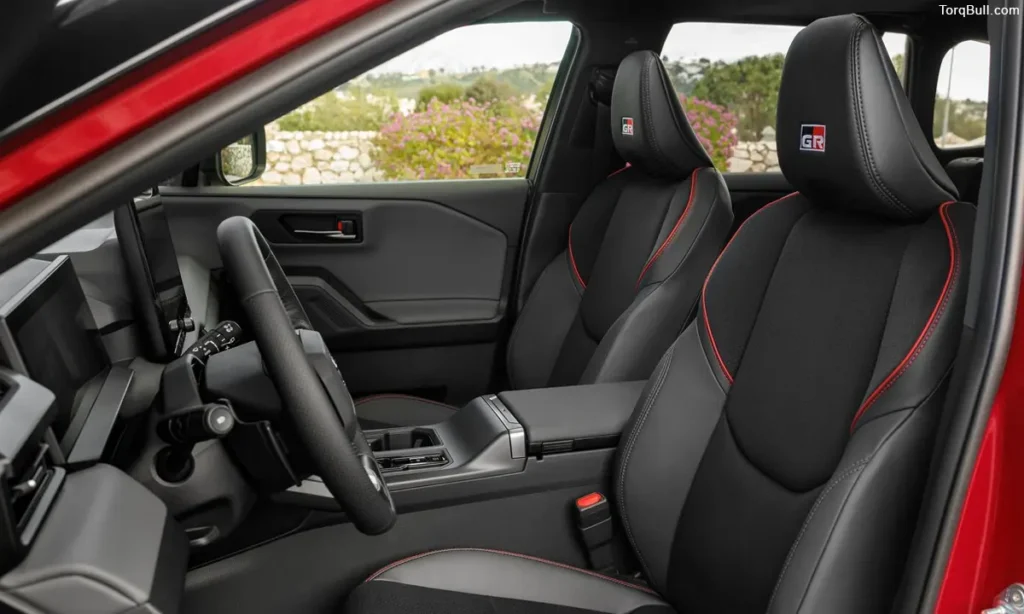
The consistent differentiator between RAV4s that reach 200,000 miles reliably and those that accumulate expensive problems before this milestone is the quality and consistency of maintenance decisions across the full ownership period.
Oil change adherence at or before the manufacturer’s specified interval is the foundational requirement — fresh oil of Toyota’s specified full-synthetic viscosity maintains the engine, transmission and hybrid system components at the lubrication quality that their designed service life assumes. The 2026 RAV4’s all-hybrid architecture with specific Atkinson cycle engine characteristics makes oil quality consistency particularly important compared to conventional gasoline alternatives.
Coolant system service, transmission and rear differential fluid changes at specified intervals and proactive resolution of any recall notices through the dealer network collectively produce the maintenance profile that high-mileage RAV4 success stories share. The 2026 RAV4’s all-hybrid powertrain extends this maintenance framework to include hybrid battery monitoring and inverter system care that previous gas-only RAV4 generations did not require — adding complexity but also adding the efficiency and brake system benefits that extend several maintenance categories’ service intervals beyond conventional vehicle requirements.