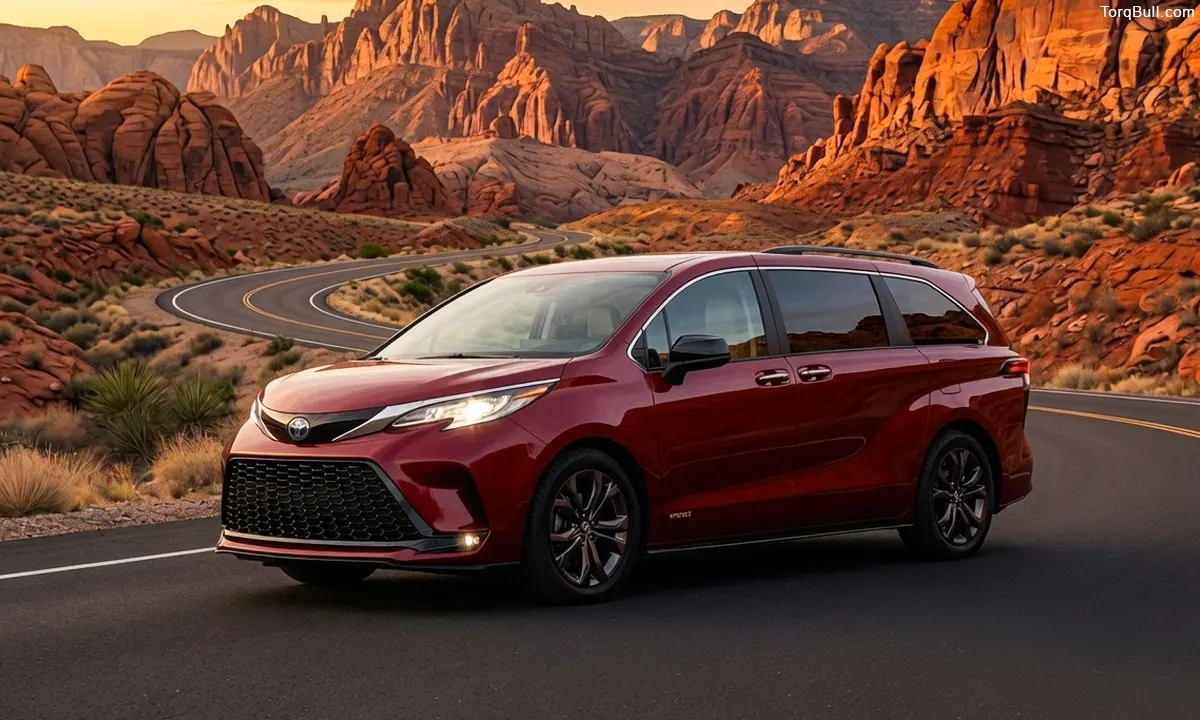
- The Toyota Sienna has a well-earned reputation for longevity, with documented examples exceeding 600,000 miles when maintained diligently.
- Third-generation models built between 2015 and 2020 are especially respected for durability, thanks to their proven 3.5-liter V6 powertrain and relatively straightforward maintenance requirements.
- The 2026 Sienna continues this tradition with above-average reliability ratings, making it one of the strongest long-term ownership choices in the minivan segment.
The Toyota Sienna’s reliability story after 100,000 miles contains one of the most compelling individual ownership accounts documented in the minivan segment. A 2000 Toyota Sienna recently surpassed one million kilometres — approximately 621,371 miles — on its original drivetrain. The owner attributed this extraordinary result specifically to strict maintenance, particularly regular oil changes, confirming that the Sienna’s longevity potential is not accidental but the product of disciplined ownership discipline applied to a genuinely durable platform. This single account anchors the Sienna’s post-100,000 mile reliability conversation in documented reality rather than general reputation. But understanding what happens after 100,000 miles across the Sienna’s generational history — which generations earn the legendary characterisation, which components require monitoring and what the current all-hybrid generation is building toward — is the complete picture that prospective long-term owners need. This guide provides all of it.
The Generation That Set the Standard: 2015 to 2020 Third-Generation Sienna
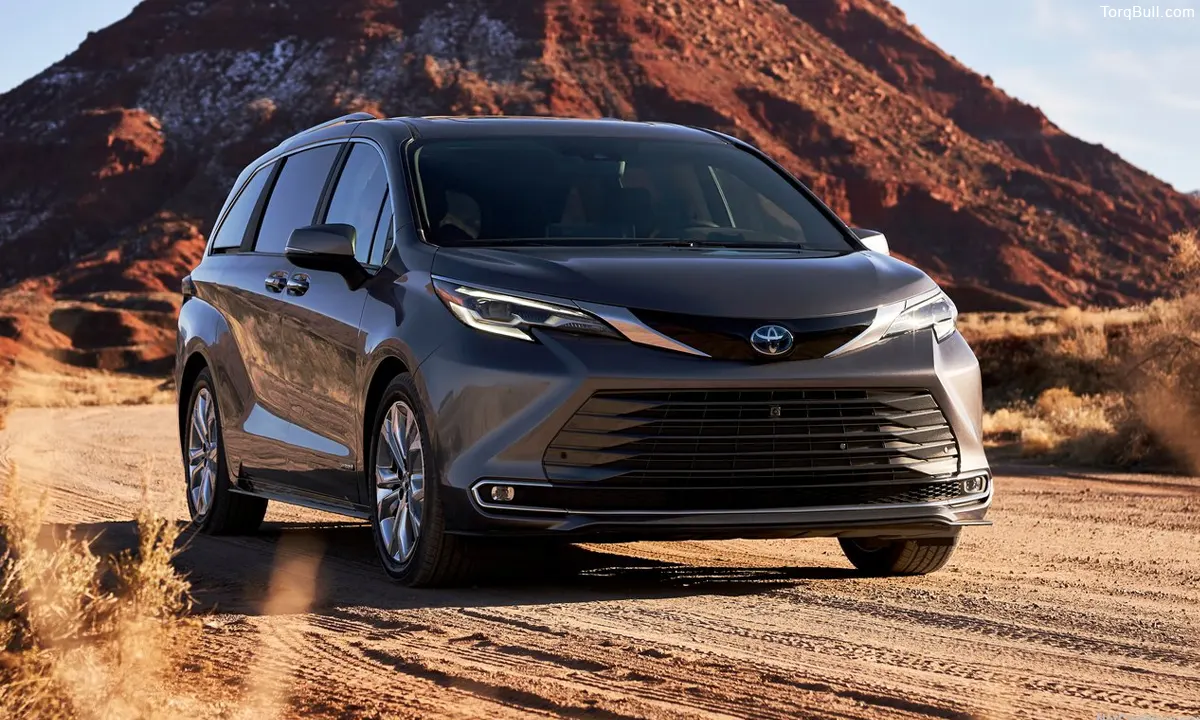
The third-generation Toyota Sienna produced from 2011 to 2020 provides the most comprehensively documented post-100,000 mile reliability evidence — and within that generation, the 2015 to 2020 production years are specifically described as legendary for durability and capable of easily surpassing 200,000 miles with basic fluid changes and maintenance.
The engine behind this reputation is the 3.5-litre naturally aspirated V6 — a powerplant whose combination of proven engineering, wide parts availability and mechanical simplicity produces the forgiveness across maintenance variations that turbocharged and hybrid alternatives cannot replicate. Naturally aspirated engines do not carry turbochargers to heat cycle, intercoolers to leak or boost pressure components to wear. The V6’s maintenance schedule is straightforward, its failure modes are predictable and its repair network is comprehensive. These characteristics produce the high-mileage ownership confidence that the third-generation Sienna specifically documented across the owner community.
The most common problems in the third generation were largely power sliding door motor failures and premature wear on factory-fitted tyres — neither of which represents a mechanical reliability failure in the powertrain sense. Power sliding door motors are annoying and occasionally expensive to repair, but they do not affect the vehicle’s fundamental mobility or its drivetrain integrity. Tyre wear is a consumable replacement item rather than a reliability concern. From a strictly mechanical standpoint, the late third-generation models are specifically characterised as tanks in the most positive sense — vehicles whose core mechanical systems continue functioning reliably across mileages that most competing minivans cannot sustain without major intervention.
Read: Toyota Sienna XLE vs Limited. Which Trim Offers the Better Value for Families?
What the Fourth-Generation All-Hybrid Sienna Is Building Toward
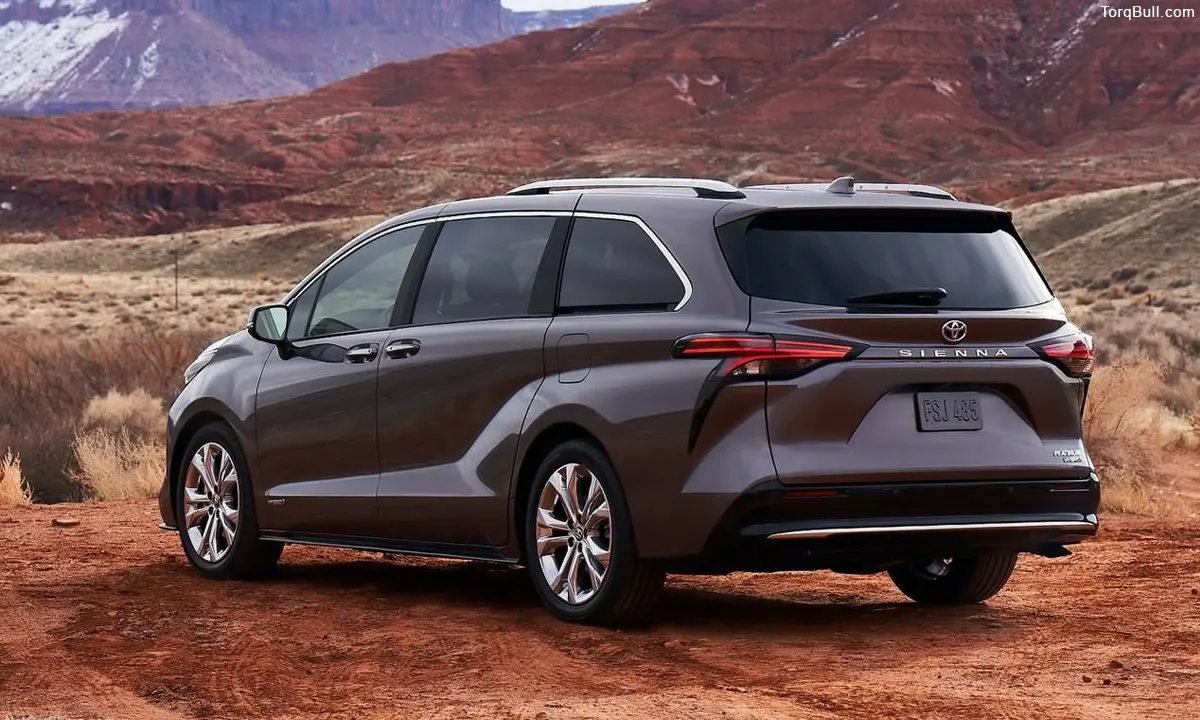
The fourth-generation Toyota Sienna launched for 2021 and continuing through the current 2026 model year replaces the third generation’s naturally aspirated V6 with an all-hybrid 2.5-litre four-cylinder system producing 245 combined horsepower and 36 MPG combined. Every 2021 and newer Sienna is a hybrid without exception.
This generation transition introduces a fundamentally different long-term reliability question: how does the all-hybrid system perform beyond 100,000 miles? The honest answer is that the fourth generation has not yet accumulated enough owner population in the high-mileage range to provide the same depth of documented evidence that the third generation’s V6 offers. The hybrid system’s core battery pack is warranted for 10 years or 150,000 miles in most states, providing financial protection across the primary ownership window for most family buyers.
The Toyota hybrid platform’s multi-model track record across the Prius, Camry Hybrid, RAV4 Hybrid and Highlander Hybrid provides the most relevant evidence for projecting fourth-generation Sienna longevity. These platforms routinely document hybrid batteries functioning at 150,000 to 200,000 miles in maintained owner accounts, and the Toyota hybrid system’s active state-of-charge management — maintaining the battery between approximately 40 and 80 percent to minimise electrochemical stress — is the engineering decision that most specifically extends battery life across extended ownership periods.
The 2026 Sienna earns a reliability rating of 4.5 out of 5.0, above average for minivans, with zero recalls and zero owner complaints on file. This early production signal is the most positive reliability indicator available for the current generation.
Post-100,000 Mile Components to Monitor: The Honest Assessment
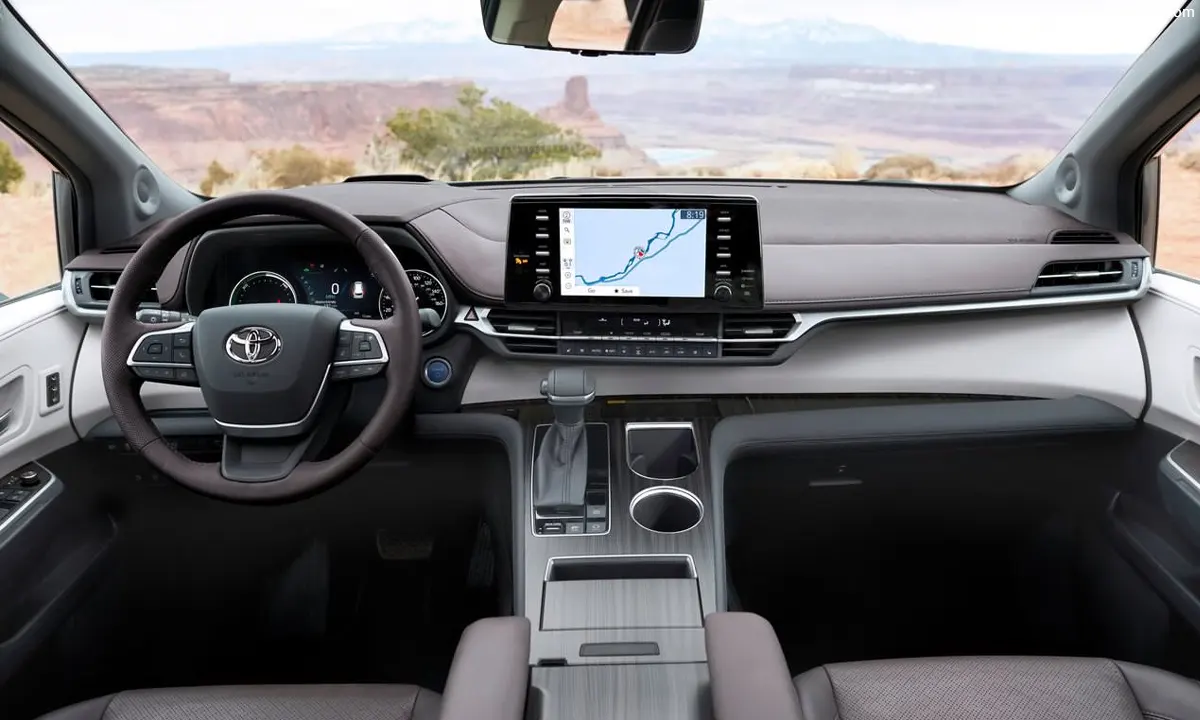
Understanding which specific components require attention after 100,000 miles separates informed Sienna ownership from reactive ownership — and the components that most commonly need service in this mileage range are consistent across generations.
Power Sliding Door Systems
The power sliding door mechanism is the most consistently documented high-mileage maintenance concern across every Sienna generation that has used power sliding doors. The door motor, cable system and track mechanism accumulate wear across thousands of door cycles, and the result after 100,000 miles of regular family use is often reduced door speed, intermittent failure to open or close fully and occasional motor failure. Preventive lubrication of the door track at every service visit extends the mechanism’s service life, and addressing early signs of hesitation before full failure avoids the more costly repair that complete motor replacement requires.
Hybrid Battery Monitoring for Fourth-Generation Models
Fourth-generation Sienna owners should specifically monitor hybrid battery performance indicators as the vehicle approaches and surpasses 100,000 miles. Fuel economy reduction beyond what normal driving conditions explain, more frequent engine activation during conditions that previously used electric-only operation and dashboard indicators related to hybrid system status are the early warning signals that warrant dealer diagnostic evaluation. Most hybrid battery degradation is gradual rather than sudden, giving attentive owners the opportunity to address developing issues before they become emergency repairs.
Cooling System Service
The cooling system is the high-mileage component whose preventive service most directly affects both the gasoline engine and the hybrid system’s thermal management. Coolant replacement at the manufacturer-specified interval maintains the corrosion inhibitors that protect cooling system components from internal corrosion. On hybrid models, the coolant also serves the battery thermal management circuit — making proper coolant maintenance doubly important for fourth-generation Sienna longevity compared to conventional vehicles where only the engine cooling circuit requires this service.
Transmission and Continuously Variable System
The electronic CVT that manages power distribution in the fourth-generation hybrid system benefits from fluid inspection and replacement at appropriate intervals, particularly in high-mileage examples where original fluid has absorbed moisture and lost its friction management properties. Unlike mechanical automatic transmissions where fluid degradation produces obvious shift quality changes, CVT fluid degradation can be subtle in character before producing more serious consequences.
Read: Best Toyota Sienna Trim to Buy 2026. Finding the Perfect Minivan for Your Needs
Toyota Sienna Reliability After 100,000 Miles — Complete Assessment Chart
| Category | Third-Gen (2015 to 2020) V6 | Fourth-Gen (2021 onward) Hybrid | Notes |
| Engine reliability at 100,000 miles plus | Excellent, V6 well documented | Building evidence, hybrid promising | V6 more proven at extreme mileage |
| 200,000-mile probability | Very high with maintenance | Moderate to high with maintenance | V6 documented; hybrid accumulating |
| Highest documented mileage | Over 621,000 miles (1 million km) | Still accumulating | 2000 model, strict maintenance |
| Reliability rating (current 2026) | N/A for third gen current | 4.5 out of 5.0 above average | From independent reliability analysis |
| Power sliding door concern | Common post 100K | Common post 100K | Consistent across generations |
| Hybrid battery concern | Not applicable (no hybrid) | Monitor past 100K, warranty to 150K | 10-year or 150,000-mile warranty |
| Cooling system service | Standard 100K service item | Critical for battery circuit too | Doubly important on hybrid |
| Most reliable third-gen years | 2015, 2016, 2017, 2018, 2019, 2020 | N/A | Later years stronger than early third gen |
| Best fourth-gen year so far | N/A | 2023 at 76 out of 100 | Best score in fourth-gen production |
| 2026 fourth-gen record | N/A | Zero recalls, zero complaints | Best early production signal |
| Primary maintenance factor | Oil changes at schedule | Oil changes plus hybrid fluid service | Owner credits oil discipline for 621K |
| Annual repair cost | Below average | Below average for minivans | Toyota reliability advantage |
Read: Toyota Sienna Resale Value After 5 Years. The Complete 2026 Depreciation Guide
The Maintenance Discipline That Produces 200,000-Mile Outcomes
Every high-mileage Sienna ownership account shares one universal characteristic: maintenance performed at or before the manufacturer-specified interval without extension or neglect. The owner who reached 621,371 miles on the original drivetrain specifically cited strict maintenance and regular oil changes as the enabling factors — not luck, not exceptional manufacturing circumstances, but disciplined schedule adherence across years of consistent ownership care.
For third-generation V6 Sienna owners planning extended ownership, the oil change at the specified interval, transmission fluid service at recommended mileage, cooling system maintenance and proactive attention to the power sliding door mechanism collectively produce the maintenance profile that high-mileage success stories universally share.
For fourth-generation hybrid Sienna owners, this same discipline extends to include hybrid battery capacity monitoring, the additional cooling circuit maintenance that the hybrid thermal management system requires and the attentiveness to early hybrid system signals that allows developing issues to be addressed while they remain minor.
Vehicle longevity depends on maintenance, regardless of powertrain type — the honest and direct characterisation that applies equally to the third generation’s naturally aspirated V6 and the fourth generation’s all-hybrid system. The Sienna’s platform provides the capability for exceptional longevity. Whether any specific Sienna achieves it is determined by what happens at every scheduled service interval across the full ownership period.