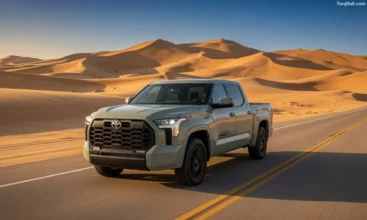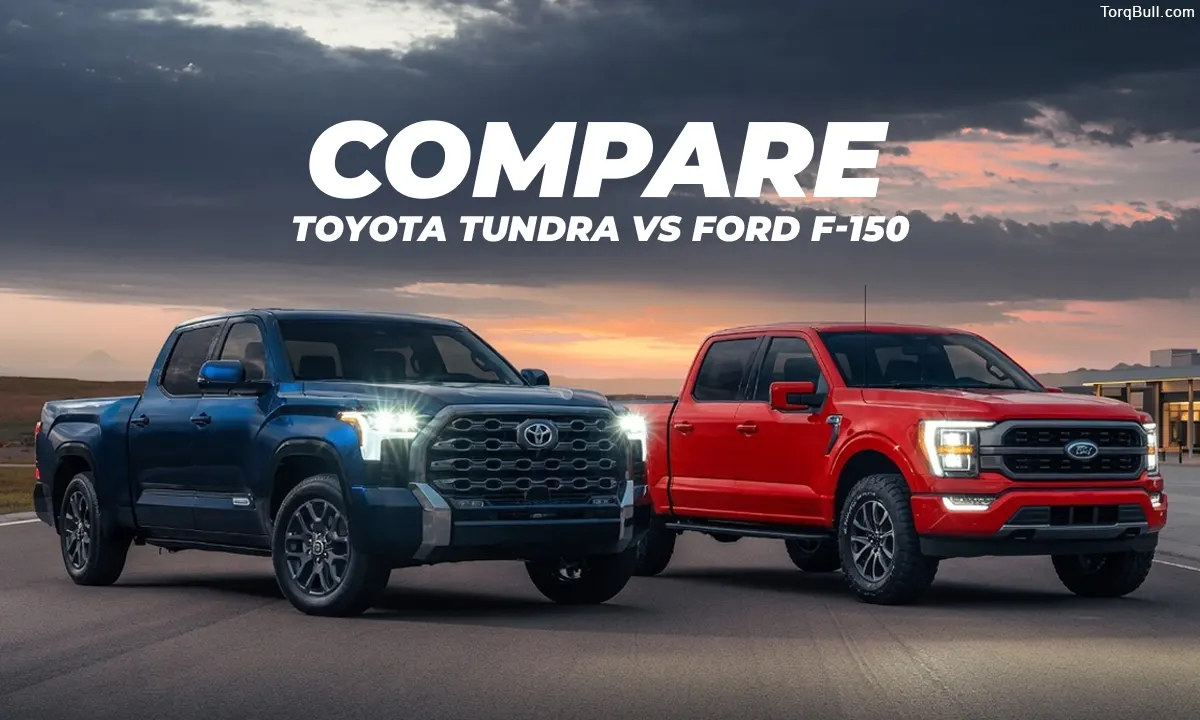
- The 2026 Toyota Tundra and Ford F-150 post similar reliability scores, making both strong choices among full-size pickups.
- The Tundra holds an advantage in annual maintenance costs, saving owners roughly $182 per year compared with the F-150.
- The F-150 has a slightly lower projected major-repair risk, while Toyota’s stronger overall brand reliability reputation gives the Tundra an edge in long-term ownership confidence.
The Toyota Tundra versus Ford F-150 reliability comparison is the most frequently researched question in the full-size truck segment — and the 2026 answer is more complicated and more nuanced than the Toyota-always-wins narrative that dominated this comparison for the decade leading up to 2022. The Tundra’s third-generation introduction of the twin-turbocharged V6 engine in 2022 disrupted the reliability comparison by replacing a naturally aspirated V8 whose long-term dependability was legendary with a newer, more complex powertrain that introduced the early-generation quality concerns that first-year production regularly produces. Simultaneously, the Ford F-150 matured through the quality concerns that surrounded its own platform transition. In 2026, these two trucks arrive at the same 82 out of 100 reliability score — a genuinely competitive parity that the decade-prior comparison never produced. This complete analysis provides the honest reliability verdict across every relevant dimension.
The Current Score: Both Trucks at 82 Out of 100 in 2026
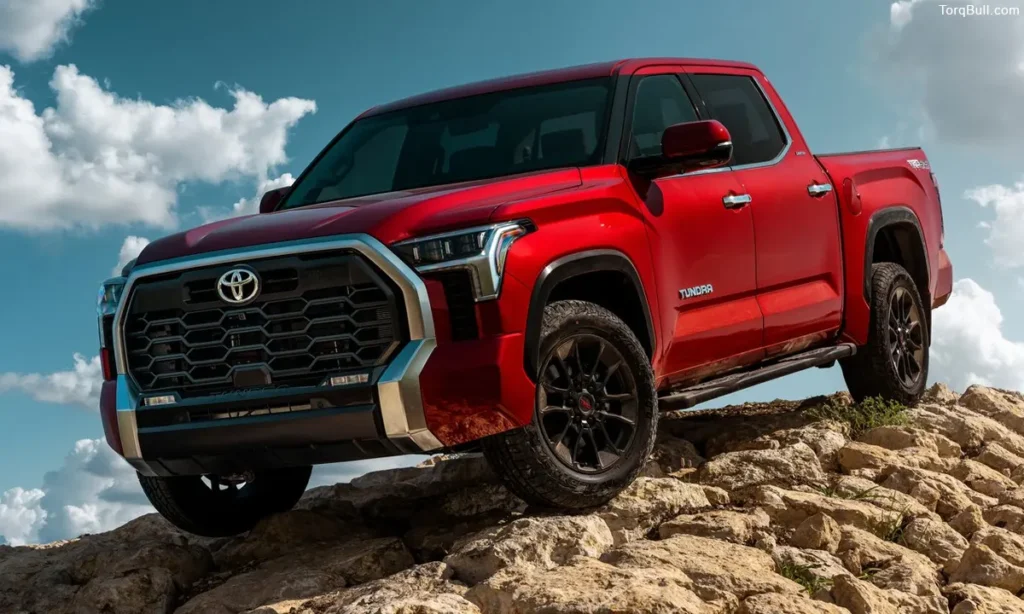
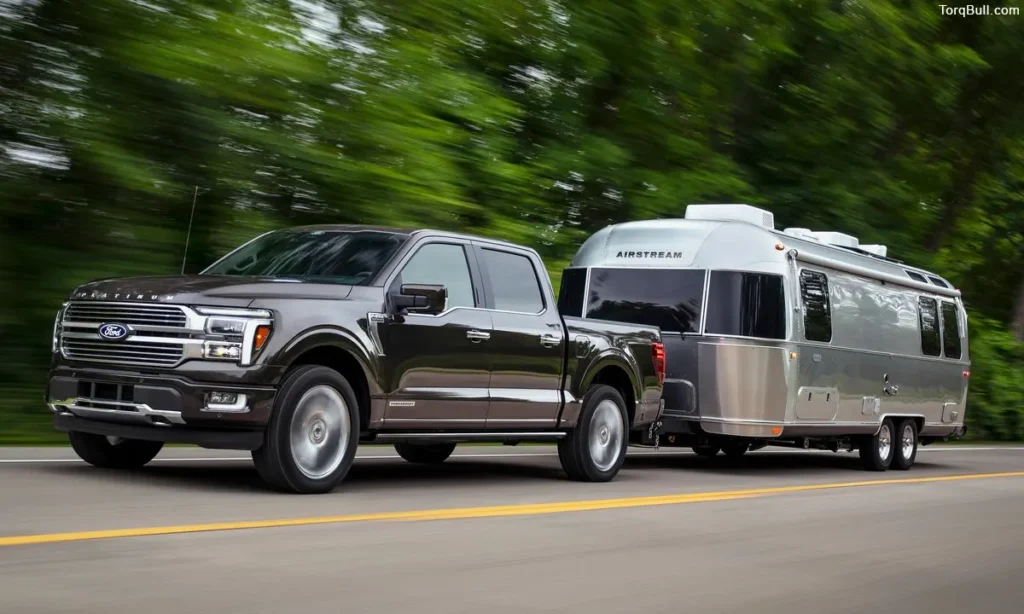
The 2026 Toyota Tundra and 2026 Ford F-150 both earn 82 out of 100 reliability scores — the highest scores for either nameplate in the independent tracking data’s history and a genuine statistical tie that represents both trucks at their best modern production quality.
This reliability parity at the 2026 model year level is the most important single finding in the comparison — because it means the buyer’s choice between these two trucks in the 2026 model year cannot be made on reliability grounds alone. Both trucks provide equivalent statistical confidence in their reliability prediction at the current moment.
The cross-generation average reliability tells a more differentiated story. The Tundra leads the full historical average at 69 out of 100 compared to the F-150’s 68 out of 100 — a very narrow advantage that reflects Toyota’s historically stronger reliability reputation across its production history partially offset by the Tundra’s third-generation quality transition challenges. Neither advantage is substantial enough to be the sole determining factor in a purchase decision when both trucks are compared on current production rather than historical averages.
Read: Toyota Tundra Maintenance Cost Breakdown. Is This Full-Size Truck Affordable to Own 2026?
The Critical Differentiation: Annual Maintenance Cost
The most financially consequential reliability dimension where the Tundra and F-150 diverge is the annual maintenance cost — a difference that compounds meaningfully across the ownership period.
The Toyota Tundra averages $606 per year in maintenance and repair costs. The Ford F-150 averages $788 per year — a $182 annual difference. Both trucks require approximately 0.3 repair visits per year on average — equivalent unscheduled repair frequency — but the F-150’s higher cost per visit produces the annual maintenance cost gap that accumulates to approximately $910 more over five years for F-150 owners compared to Tundra owners at equivalent mileage and equivalent driver maintenance discipline.
This $910 five-year maintenance cost advantage for the Tundra is a meaningful but not decisive financial difference at the $35,000 to $65,000 purchase price of these vehicles. It represents the Tundra’s specific maintenance cost advantage rather than a dramatic reliability superiority — both trucks produce similar repair frequency but different cost-per-service outcomes that reflect parts pricing, labour rate differences and the specific service requirements of each powertrain.
Major Repair Risk: F-150’s Specific Advantage
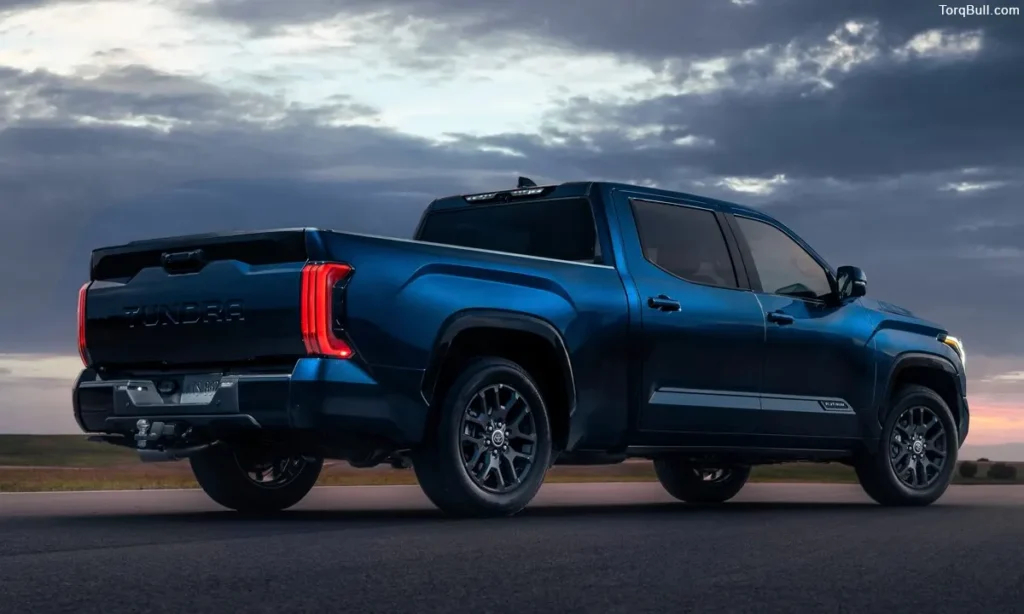
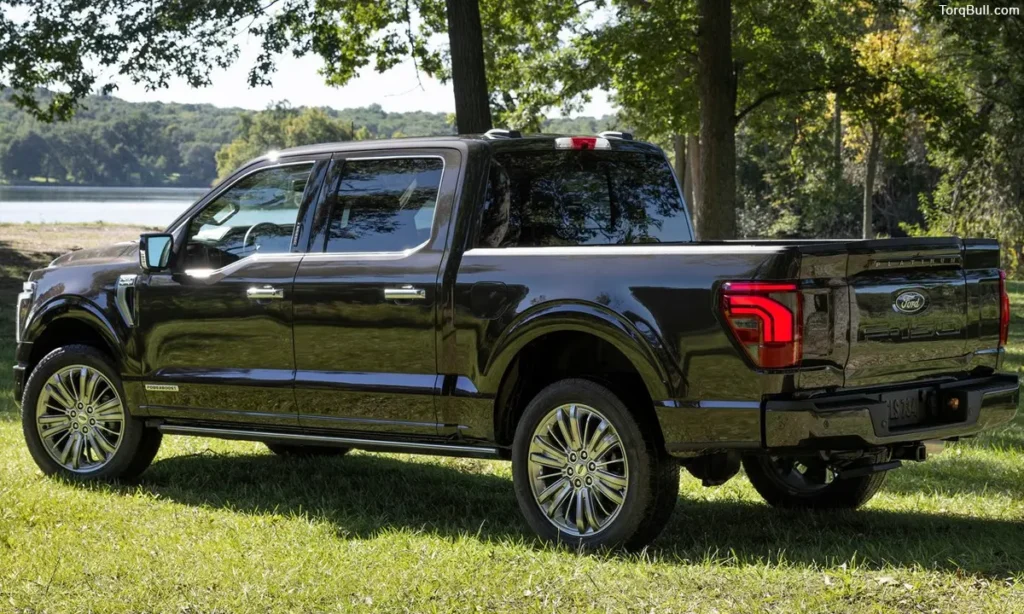
The major repair probability comparison produces a counterintuitive result that specifically challenges the assumption that lower annual maintenance cost equals lower reliability risk.
The Ford F-150 carries a 15 percent probability of requiring a major repair in a defined tracking period — compared to the Toyota Tundra’s 18 percent probability. This 3-percentage-point difference in major repair risk specifically favours the F-150 — the truck with higher annual maintenance costs — suggesting that while F-150 scheduled maintenance is more expensive, the probability of a catastrophic unexpected repair event is somewhat lower in the tracking data.
This result requires specific interpretation. The Tundra’s 18 percent major repair probability reflects the third-generation’s early production years in the dataset — including the 2022 models with engine debris contamination recalls and the first-year quality concerns that new generation introductions historically produce. As the 2024 and 2025 production improvements mature through the tracking data, this major repair probability is expected to converge toward or below the F-150’s figure.
Read: Toyota Tundra TRD Pro Review 2026. Is This the Ultimate Off-Road Full-Size Truck?
The Model Year Guidance: When to Buy Each Truck
The most practically useful reliability guidance for buyers evaluating either truck is the specific model year recommendation that independent reliability analysis provides — because both nameplates contain specific production years that significantly underperform their generational peers.
For the Toyota Tundra, the 2018 to 2021 models with the 5.7-litre naturally aspirated V8 are widely recognised as the peak of Toyota Tundra reliability — the second-generation benchmark whose simple, proven engine architecture produced the legendary high-mileage durability accounts that built the Toyota reliability reputation in the full-size truck segment. The Tundra V8 from 2018 to 2021 specifically earned JD Power Best in Class recognition for the 2021 model year in the Vehicle Dependability Study.
For the current third generation, the 2024 and 2025 models are the safest bets — Toyota resolved many of the initial production issues from the 2022 launch year through the 2023 and early 2024 production cycle, producing the quality improvements that the 2026 model’s 82 out of 100 score reflects. The early 2022 models specifically warrant caution due to the engine debris recall that affected first-year production.
For the Ford F-150, the 2020 to 2023 models are highly regarded — particularly those with the 5.0-litre V8, which represents the period when Ford had resolved the early kinks associated with the aluminium body introduction and 10-speed transmission calibration. The 2026 model’s 82 out of 100 score confirms the current F-150 as competitive and capable for long-term ownership.
The Resale Value Dimension: Tundra’s Most Decisive Advantage
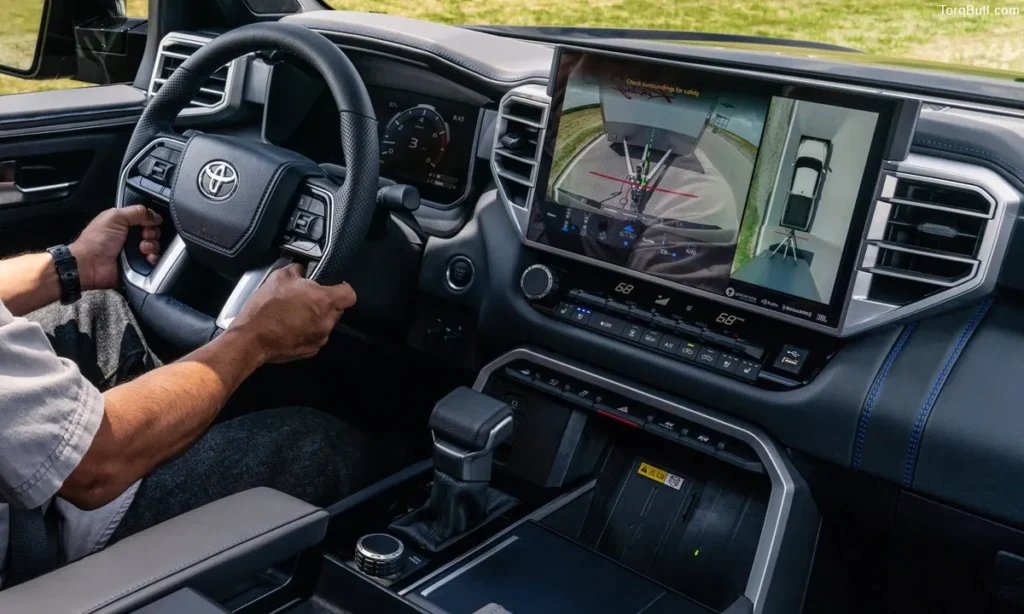
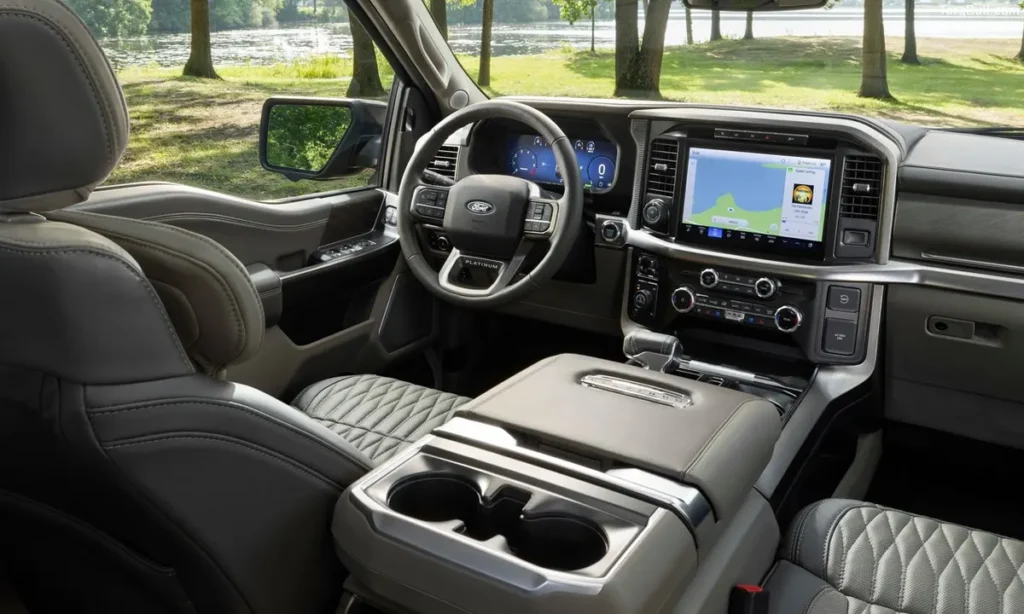
The resale value comparison between these two trucks is where the Toyota Tundra’s most decisive financial advantage over the F-150 is documented — a gap that significantly affects total cost of ownership beyond the annual maintenance difference.
The Tundra retains approximately 71.3 percent of its value after five years — the best resale value of any full-size truck, confirmed across comprehensive analysis of actual transaction data. The F-150 retains approximately 57 percent of its value over the same period. This 14.3 percentage-point difference in five-year value retention translates to thousands of dollars of additional value at the point of sale or trade that Tundra owners retain and F-150 owners surrender.
For a $50,000 truck, the five-year resale difference between the Tundra’s 71.3 percent retention and the F-150’s 57 percent retention is approximately $7,150 — Tundra owners sell for approximately $7,150 more at equivalent age and condition than F-150 owners at the same purchase price. This resale advantage is the single most financially significant reliability-adjacent dimension in the entire Tundra versus F-150 comparison.
Read: Toyota Tundra i-Force MAX Review 2026. Is This Hybrid Truck Worth The Hype?
Toyota Tundra vs Ford F-150 Reliability — Complete Comparison Chart
| Reliability Dimension | Toyota Tundra | Ford F-150 | Winner |
| 2026 Reliability Score | 82 out of 100 (Excellent) | 82 out of 100 (Excellent) | Tie |
| Historical Average Score | 69 out of 100 | 68 out of 100 | Tundra (barely) |
| Annual Maintenance Cost | $606 | $788 | Tundra ($182 less) |
| Five-Year Maintenance Cost | approximately $3,030 | approximately $3,940 | Tundra ($910 less) |
| Unscheduled Repair Frequency | 0.3 per year | 0.3 per year | Tie |
| Major Repair Probability | 18% | 15% | F-150 (3% lower risk) |
| Best Historical Model Years | 2018 to 2021 (5.7L V8) | 2020 to 2023 (5.0L V8 best) | Context dependent |
| Current Generation Best | 2025 and 2026 | 2026 | Tie |
| Toyota Brand Reliability Rank | Third | Thirteenth (Ford) | Tundra |
| Five-Year Resale Value | 71.3% (best in class) | approximately 57% | Tundra |
| Maximum Towing Capacity | 12,000 lbs (standard gas) | 13,500 lbs | F-150 |
| Maximum Payload | 1,940 lbs | 2,440 lbs | F-150 |
| Documented High Mileage | 250,000 to 300,000 miles | 200,000 miles typical | Tundra |
The Honest Verdict: Which Truck to Choose
The Toyota Tundra is the better choice for buyers who prioritise lower annual maintenance costs, stronger resale value retention, the Toyota brand’s documented reliability superiority across its vehicle lineup and the second-generation 5.7-litre V8’s legendary high-mileage track record when purchasing used. For buyers who keep trucks for seven to ten or more years and who specifically want the lowest total cost of ownership across the full ownership period, the Tundra’s $910 five-year maintenance advantage and $7,150 resale advantage collectively produce a meaningfully lower long-term ownership cost.
The Ford F-150 is the better choice for buyers who need maximum towing — up to 13,500 pounds versus the Tundra’s 12,000-pound standard maximum — maximum payload at 2,440 pounds versus 1,940 pounds and the broader engine lineup that includes the proven EcoBoost twins and the 5.0-litre V8 alongside the turbo six alternatives. The F-150’s 15 percent major repair probability advantage is a specific consideration for risk-averse buyers who weight the worst-case scenario heavily in their ownership decisions.
For buyers who evaluate both trucks purely on 2026 model year reliability — the cleanest current production signal available — both trucks offer equivalent confidence at 82 out of 100, making the selection among other factors entirely appropriate.