The 10 Worst-Selling Cars in America for 2025 and Why

As the American auto market roars into 2025, car sales are surging in many sectors — especially SUVs, hybrids, and electric vehicles. Yet, amid this record-breaking activity, a surprising number of models are struggling to find buyers.
These are not poorly made cars, nor are they outdated relics. In many cases, they’re high-quality vehicles caught in the crossfire of changing consumer tastes, economic pressures, and brand miscalculations.
In this report, we explore the worst-selling cars in America in 2025 (so far) — the models sitting on dealership lots the longest — and analyze what their struggles reveal about the shifting dynamics of the U.S. auto industry.
Understanding the “Worst-Selling” Label
Before diving into the list, it’s important to clarify what “worst-selling” really means.
It doesn’t always indicate that a car is a commercial failure or poorly reviewed. Rather, it’s a measure of how long vehicles stay on dealer lots before being sold, typically expressed as “days to sell” or “market days supply.”
A high number of days indicates weak consumer demand, excess inventory, or both.
According to automotive data from sources like Motor1, CarEdge, and Edmunds, the average car in 2025 spends around 60–80 days on the market before finding a buyer. However, the slowest-selling models can linger for 200 days or more — a costly problem for automakers and dealerships alike.
The 10 Worst-Selling Cars in America in 2025 (So Far)
Recent inventory data and dealer insights reveal that several vehicles are struggling to gain traction in the first half of 2025. Below are the top slow movers — measured by their average days on lot and estimated sales performance.
1. Audi S6 — 482 Days of Supply
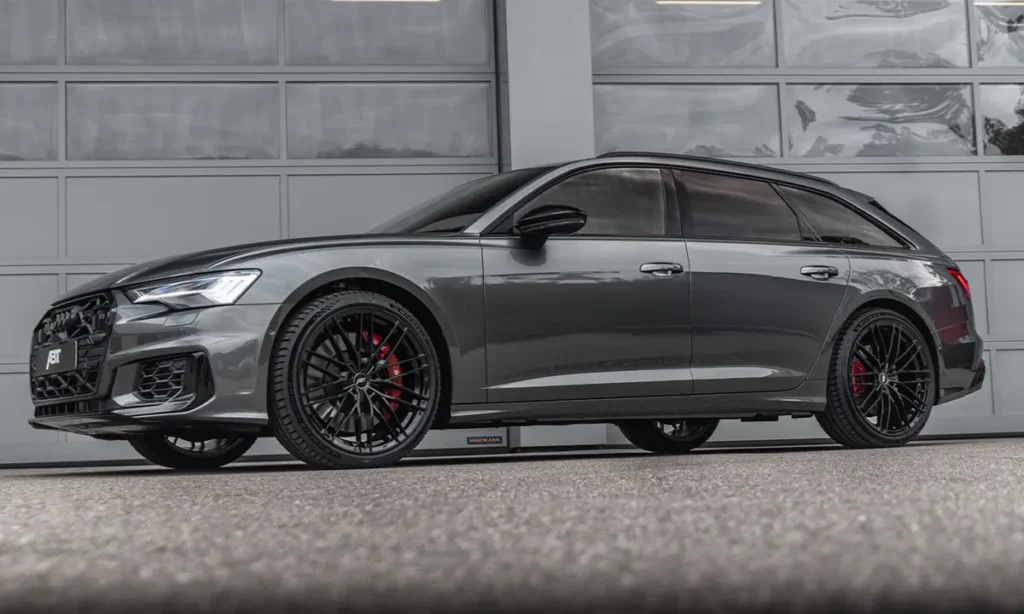
Leading the pack (unfortunately) is the Audi S6, the sporty executive sedan that seems to have lost its audience.
Despite its powerful 444-hp twin-turbo V6 engine and sleek design, the S6 is struggling mightily — with a staggering 482 days of supply, meaning many units sit unsold for well over a year.
The issue? The luxury-sport sedan market has collapsed as buyers gravitate toward SUVs and EVs. Add a $75,000 starting price, high insurance, and stiff competition from Tesla’s Model S and BMW’s i5, and it’s easy to see why the S6 is stagnating.
2. Audi A6 — 409 Days of Supply
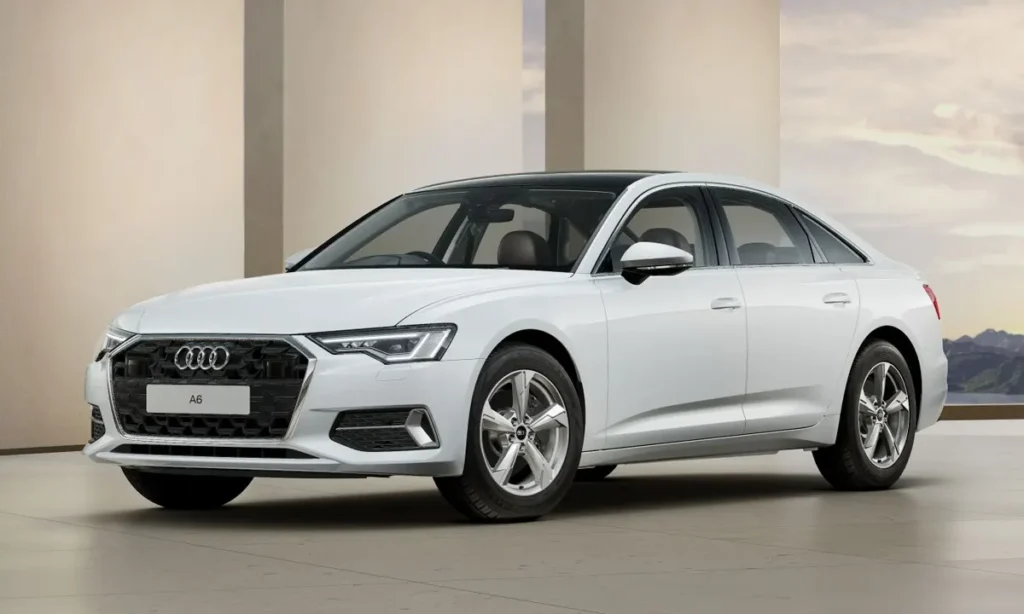
Another casualty from Ingolstadt, the Audi A6 is also facing headwinds. Once a mainstay of the executive sedan class, it’s now overshadowed by the electric Audi e-tron GT and the company’s upcoming EV lineup.
Its elegant design and tech-forward cabin aren’t enough to overcome shifting preferences. With 409 days of inventory, the A6 is languishing even as its rivals — the Mercedes-Benz E-Class and BMW 5 Series — find modest success in hybrid form.
3. Volkswagen ID.4 — 297 Days of Supply

It’s surprising to see an EV on this list, but the Volkswagen ID.4 highlights the growing pains of the electric revolution.
The ID.4 was once positioned as Volkswagen’s affordable electric crossover. However, slow software updates, range anxiety, and growing competition from the Hyundai Ioniq 5, Tesla Model Y, and Chevy Blazer EV have dulled its appeal.
With an estimated 297 days of supply, dealers are struggling to move inventory — particularly in regions with limited charging infrastructure.
4. Jaguar F-PACE — 239 Days of Supply
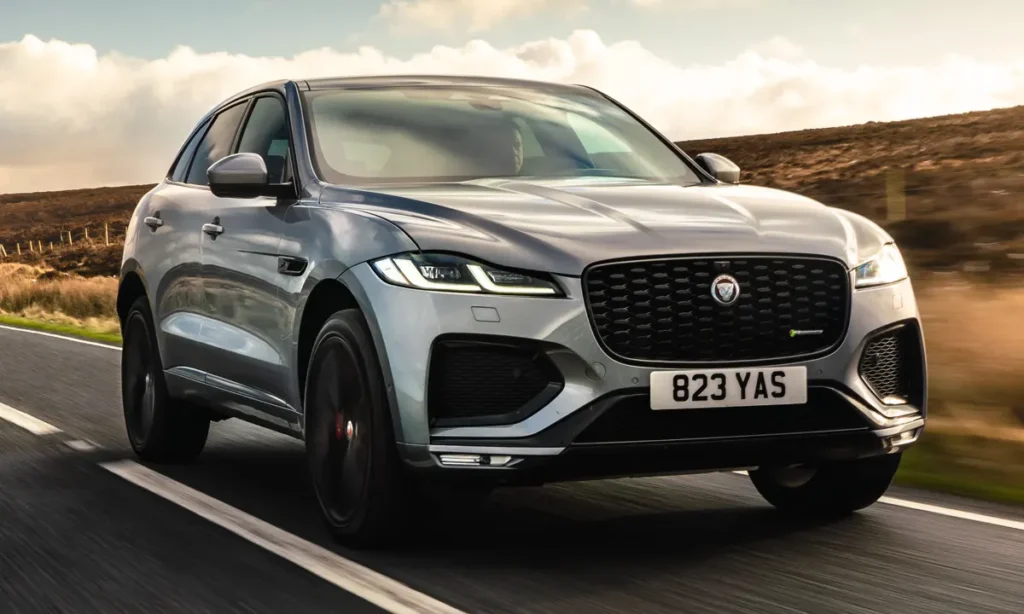
The Jaguar F-PACE continues to fight an uphill battle for survival.
Though stylish and refined, Jaguar’s luxury SUV faces stiff competition from BMW, Mercedes, and Genesis — all of which offer newer, more tech-laden alternatives.
Buyers also remain cautious of Jaguar’s brand reputation for reliability, further hurting sales. With around 239 days of inventory, the F-PACE is one of the slowest-selling luxury SUVs in America.
5. Land Rover Discovery — 230 Days of Supply

The Land Rover Discovery finds itself in a similar predicament. Once admired for its off-road capability and premium interior, it now feels dated next to the newer Defender and Range Rover Sport.
With a price tag that starts north of $60,000 and average reliability ratings, the Discovery struggles to justify its cost. Dealers are offering steep discounts, yet units still linger for months.
6. Infiniti Q50 — 225 Days of Supply
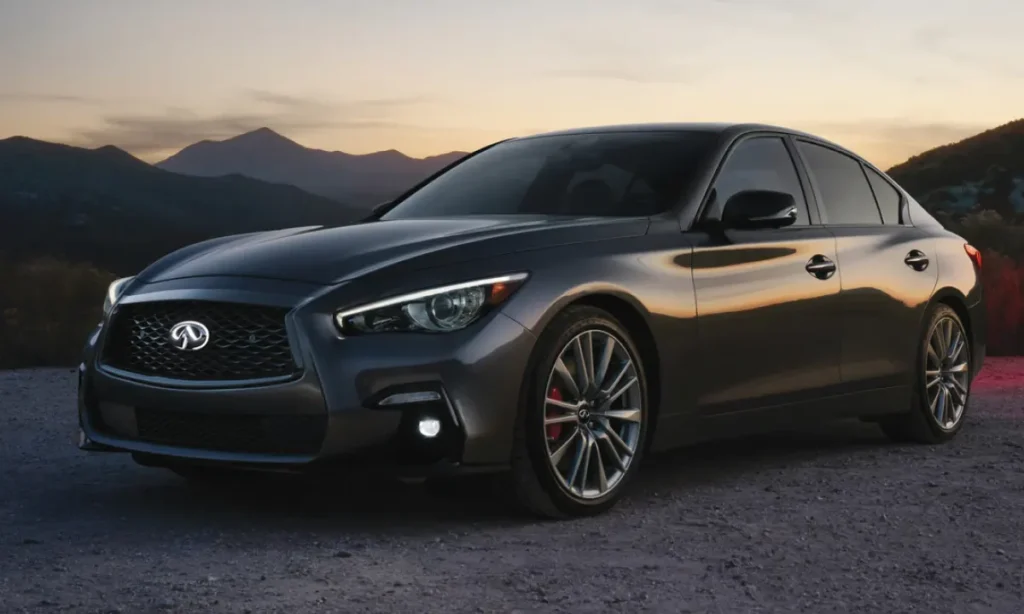
The Infiniti Q50 sedan is a reminder of what happens when a brand fails to innovate.
Once a legitimate rival to the BMW 3 Series, the Q50 has barely changed in nearly a decade. Its twin-turbo V6 still impresses on paper, but the outdated interior and tech drag it down.
With 225 days of inventory, the Q50’s future looks bleak. Even Infiniti’s loyal customer base seems to have moved on.
7. Ram 2500 — 200+ Days of Supply

The Ram 2500, a heavy-duty pickup known for towing and torque, is another surprise on the slow-seller list.
In previous years, the Ram HD lineup sold briskly, but 2025 has brought challenges: rising fuel costs, tighter lending conditions, and increased prices have cooled demand for large gas-powered trucks.
With more than 200 days of inventory, Ram dealers are feeling the pinch.
8. Acura TLX — 198 Days of Supply
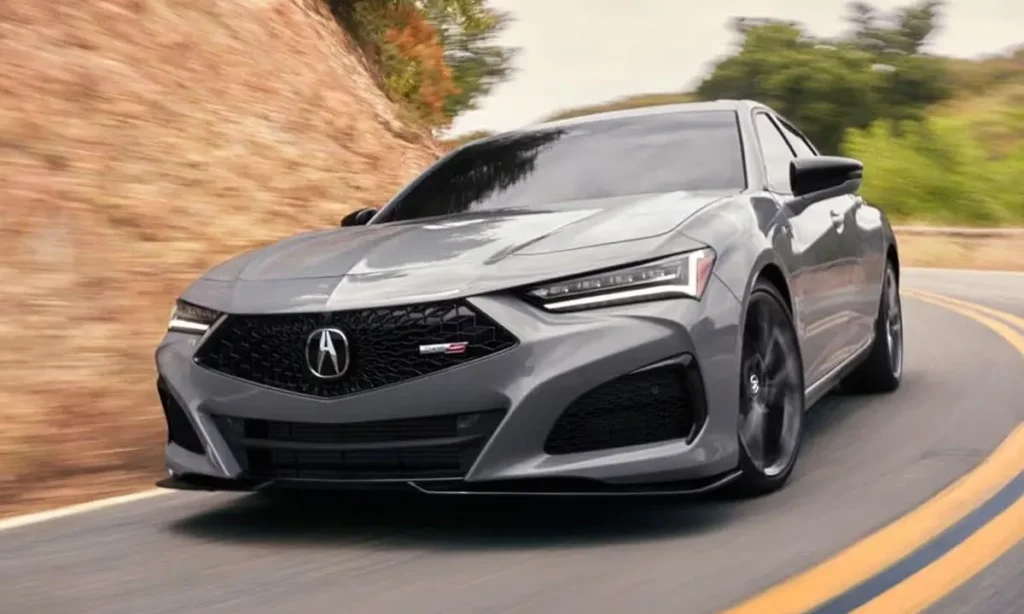
The Acura TLX is a well-made car with a great chassis, yet it’s being overlooked.
Despite its strong V6 engine and Type S variant, it hasn’t been able to shake the “almost luxury” perception that dogs the Acura brand.
At nearly 200 days on dealer lots, the TLX underscores how hard it is to sell sedans — even good ones — in an SUV-dominated world.
9. Nissan Titan — 190 Days of Supply
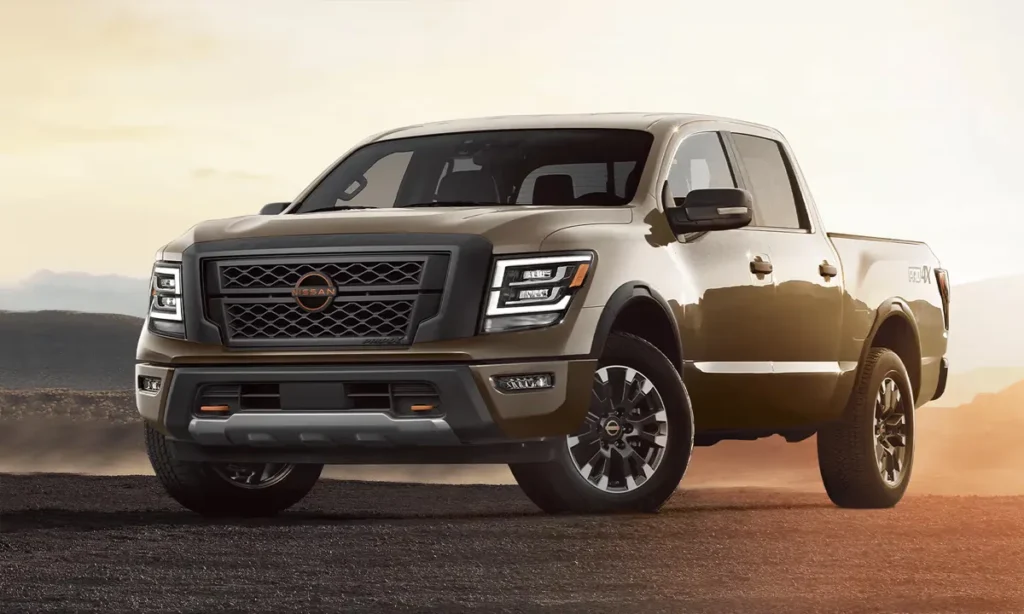
The Nissan Titan is one of the longest-running underperformers in the U.S. pickup segment. Despite several updates, it continues to lag far behind Ford, Ram, and Chevy.
Its biggest problem? Identity. The Titan sits awkwardly between the full-size and heavy-duty truck markets, appealing to neither audience strongly enough.
Sales continue to fall, and Nissan may soon phase out the Titan altogether — making it a classic example of market misalignment.
10. Alfa Romeo Giulia — 180 Days of Supply
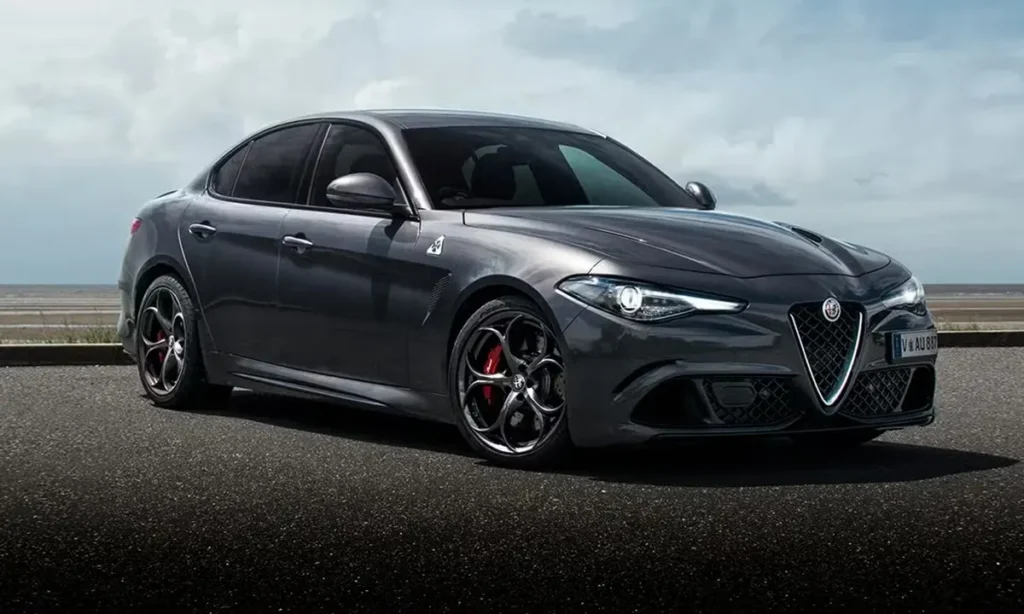
Rounding out the list is the Alfa Romeo Giulia, a beautiful but niche sedan that remains a tough sell outside of enthusiast circles.
Its performance and design are superb, but its limited dealer network, maintenance concerns, and lack of awareness hurt its mainstream appeal.
With 180 days of supply, the Giulia is loved by few, forgotten by many.
Chart: Worst-Selling Cars in America, 2025 (So Far)
| Rank | Model | Approx. Days on Lot | Segment | Key Reason for Slow Sales |
| 1 | Audi S6 | 482 | Luxury Sedan | Declining sedan demand |
| 2 | Audi A6 | 409 | Luxury Sedan | EV transition and competition |
| 3 | VW ID.4 | 297 | Electric SUV | Range and competition |
| 4 | Jaguar F-PACE | 239 | Luxury SUV | Brand image and aging design |
| 5 | Land Rover Discovery | 230 | Luxury SUV | Pricing and reliability |
| 6 | Infiniti Q50 | 225 | Compact Luxury Sedan | Outdated interior and tech |
| 7 | Ram 2500 | 200+ | Heavy-Duty Truck | Rising fuel prices |
| 8 | Acura TLX | 198 | Midsize Sedan | Weak brand perception |
| 9 | Nissan Titan | 190 | Full-Size Truck | Market overlap |
| 10 | Alfa Romeo Giulia | 180 | Sport Sedan | Niche appeal, reliability |
The Common Threads: Why These Cars Struggle
Across this diverse lineup — from European luxury sedans to American pickups — several common patterns emerge.
1. The Decline of the Sedan
Sedans, once the backbone of the automotive world, continue to lose ground to SUVs and crossovers. Models like the Audi A6, Infiniti Q50, and Acura TLX are victims of this macro trend.
2. Brand Fatigue and Missed Updates
Several models suffer from stagnation. The Infiniti Q50, for example, hasn’t had a full redesign in nearly a decade. Consumers today expect constant innovation — and when brands fail to deliver, they fade from the spotlight.
3. Price Sensitivity and Financing
High interest rates and record vehicle prices in 2025 have made buyers more cautious. Expensive luxury models and heavy-duty trucks — both categories that dominate this list — have been hardest hit.
4. EV Growing Pains
Electric vehicles like the VW ID.4 are facing slower demand than expected. While EV adoption is growing, infrastructure gaps and price competition have created bottlenecks.
5. Market Overlap
Some vehicles, like the Nissan Titan and Land Rover Discovery, exist in crowded spaces with little differentiation. Without unique value, they’re overshadowed by more compelling alternatives.
What This Means for Consumers
For car shoppers, the “worst-selling” list can actually be a goldmine.
1. Better Deals and Discounts
Dealers sitting on aging inventory often offer deep discounts or 0% financing to clear space for new models. Slow-selling cars can yield thousands in savings.
2. High Depreciation Risk
The flip side? These vehicles often depreciate faster, as low demand affects resale value. Buyers should weigh short-term savings against long-term costs.
3. Unique Market Opportunities
Some of these cars — like the Alfa Romeo Giulia or Acura TLX — are excellent vehicles overlooked by the mainstream. For enthusiasts, they offer a chance to own something special for less money.
For Automakers: Lessons in 2025’s Sales Slowdown
Automakers track these lists closely, as they often point to broader strategic missteps.
- Overproduction: Building too many units of a niche car leads to dealer overload.
- Lack of Electrified Options: Hybrid and EV alternatives are now a must in nearly every segment.
- Brand Perception: Luxury brands must continually evolve to stay relevant.
- Pricing Realignment: In a high-interest environment, sticker shock kills sales momentum.
Final Thoughts: A Market in Transition
The list of the worst-selling cars in America in 2025 paints a clear picture: the U.S. car market is undergoing one of its biggest shifts in decades.
Luxury sedans are waning, traditional trucks are feeling the pinch, and even electric vehicles are facing challenges as the market matures.
For buyers, this means more choice, more deals, and more leverage. For automakers, it’s a warning that adaptation is survival.
As we move into the second half of 2025, one thing is clear — the cars that can’t adapt to America’s changing tastes are being left behind.
Read: Chevrolet Corvette E-Ray vs Porsche 911 GTS T-Hybrid: Hybrid Supercar Showdown of 2025
Frequently Asked Questions (FAQ)
Q1: What defines a “worst-selling” car?
Cars with unusually high inventory and long days-to-sell figures compared to the national average.
Q2: Why are sedans selling slower than SUVs?
U.S. buyers now prefer SUVs for their practicality, size, and higher seating position.
Q3: Are EVs struggling to sell in 2025?
Some are. While overall EV demand is rising, certain models — like the VW ID.4 — face competition, infrastructure issues, and slowing incentives.
Q4: Which slow-selling models might be discontinued soon?
Nissan Titan and Infiniti Q50 are rumored candidates for discontinuation.
Q5: Should I buy a car that’s slow to sell?
Yes — if you find a good deal and plan to keep it long-term. Just be mindful of depreciation.