Xiaomi’s 990-Horsepower YU7 GT Is the Most Powerful Electric SUV the World Has Ever Seen
Dual-Motor All-Wheel Drive Fury, Supercar-Level Top Speed, and Intelligent EV Technology Make the Xiaomi YU7 GT the Most Electrifying Performance SUV Ever Conceived
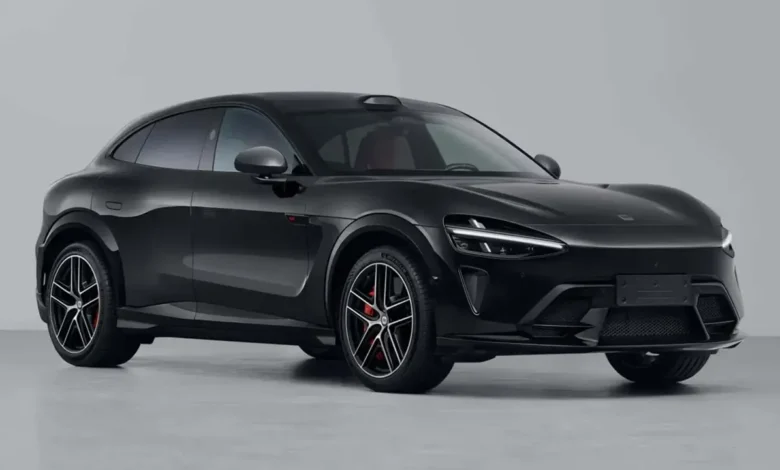
The Xiaomi YU7 GT arrives at a defining moment in automotive history — a moment when the boundaries between supercar performance and everyday family transport are dissolving faster than anyone anticipated. Built as the ultimate expression of Xiaomi Auto’s engineering ambition, the YU7 GT is not merely a faster version of a popular electric SUV. It is a full-spectrum performance statement, engineered to challenge the established order of high-performance motoring and redefine what a family-sized electric vehicle can achieve. With 990 horsepower, a 300 km/h top speed and a projected zero-to-100 km/h time approaching two seconds, the YU7 GT positions itself as one of the most extraordinary electric SUVs ever conceived — and one of the most important vehicles to emerge from China’s rapidly maturing automotive industry.
Gallery: Xiaomi YU7 GT


Xiaomi’s journey into the automotive world began with the SU7 performance sedan, a car that earned global recognition for its engineering quality, aggressive pricing and technical sophistication. The YU7 followed as the brand’s first electric SUV, quickly becoming a commercial phenomenon in China, with deliveries surpassing 39,000 units in a single month and a waiting list extending well over a year. The YU7 GT, now confirmed through official Chinese Ministry of Industry and Information Technology regulatory filings, elevates that foundation dramatically. Where the standard YU7 Max delivers 681 horsepower and covers the sprint to 100 km/h in 3.23 seconds, the GT variant brings nearly 310 additional horsepower to the equation, alongside a wider body, more aggressive aerodynamics and the kind of performance figures that place it in conversation with dedicated sports cars from established European manufacturers.
Design and Exterior Styling: Widebody Aggression Meets Aerodynamic Purpose
The Xiaomi YU7 GT’s visual identity makes an immediate and emphatic impression. Riding on a slightly larger footprint than the standard YU7, the GT measures 5,015 mm in length, 2,007 mm in width and 1,597 mm in height across a 3,000 mm wheelbase — dimensions that give it the commanding presence of a serious performance machine while maintaining the proportional elegance of the Avant coupe-SUV silhouette that defines the YU7 family.
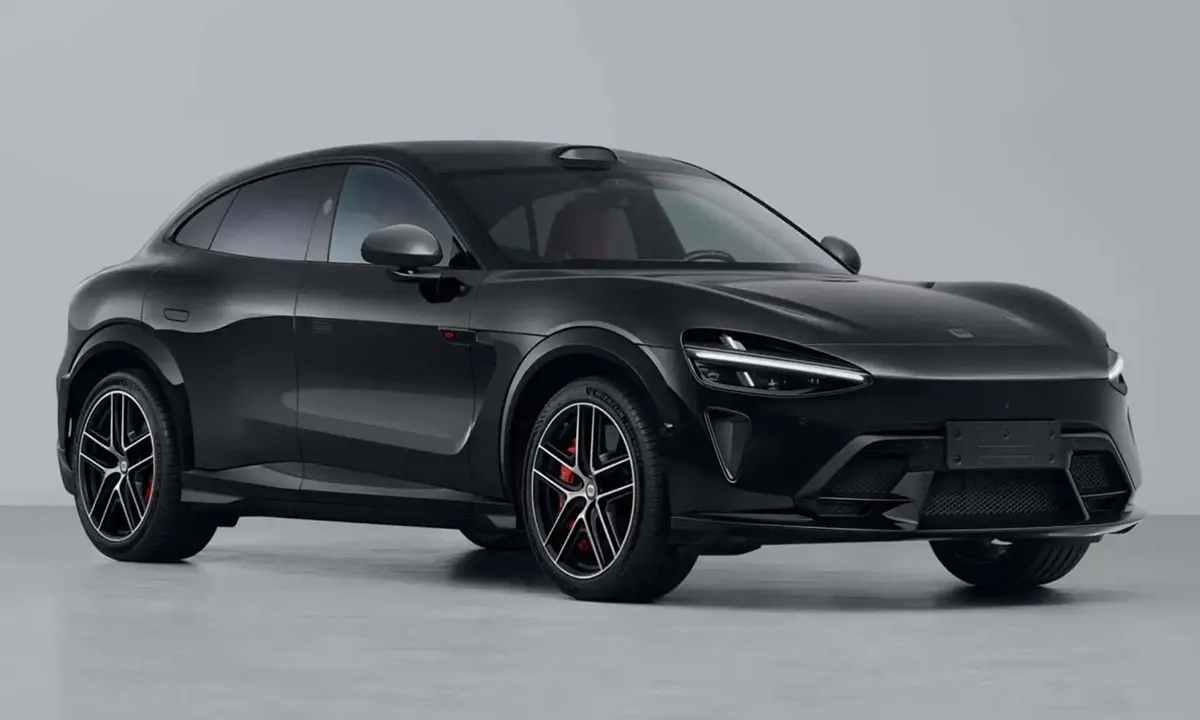
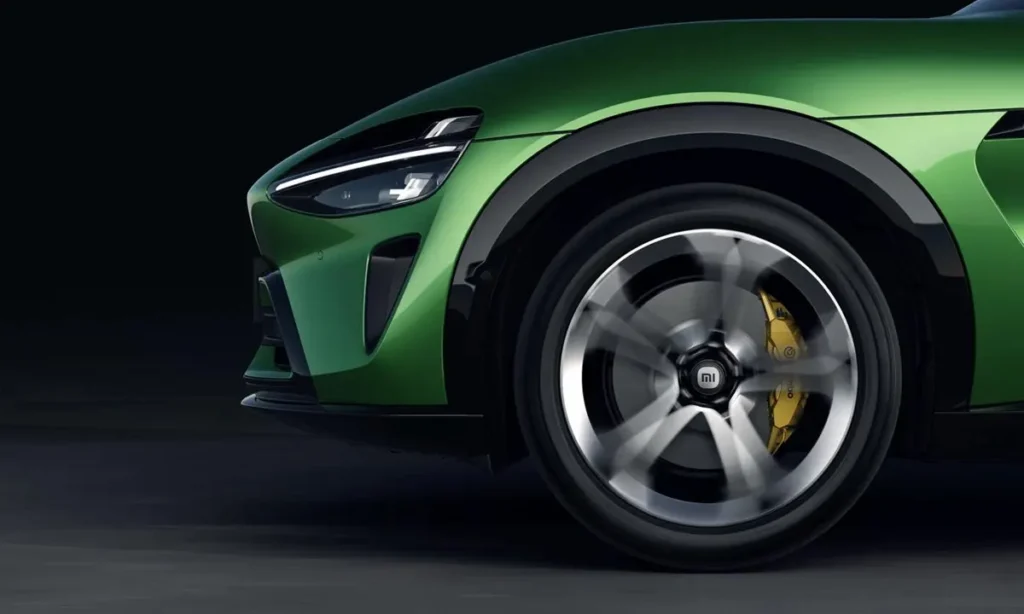
At the front, a full-width LED light strip stretches across the entire fascia, creating a bold and distinctive lighting signature that looks equally dramatic by day and night. Sharply designed headlights frame the nose with an intelligent and focused expression, while the flowing hood rises gently toward the windscreen, giving the GT’s frontal profile a sense of aerodynamic purpose and forward momentum. The overall front fascia design communicates performance intent through geometry rather than excess, establishing the GT’s character before the engine has turned a single revolution.
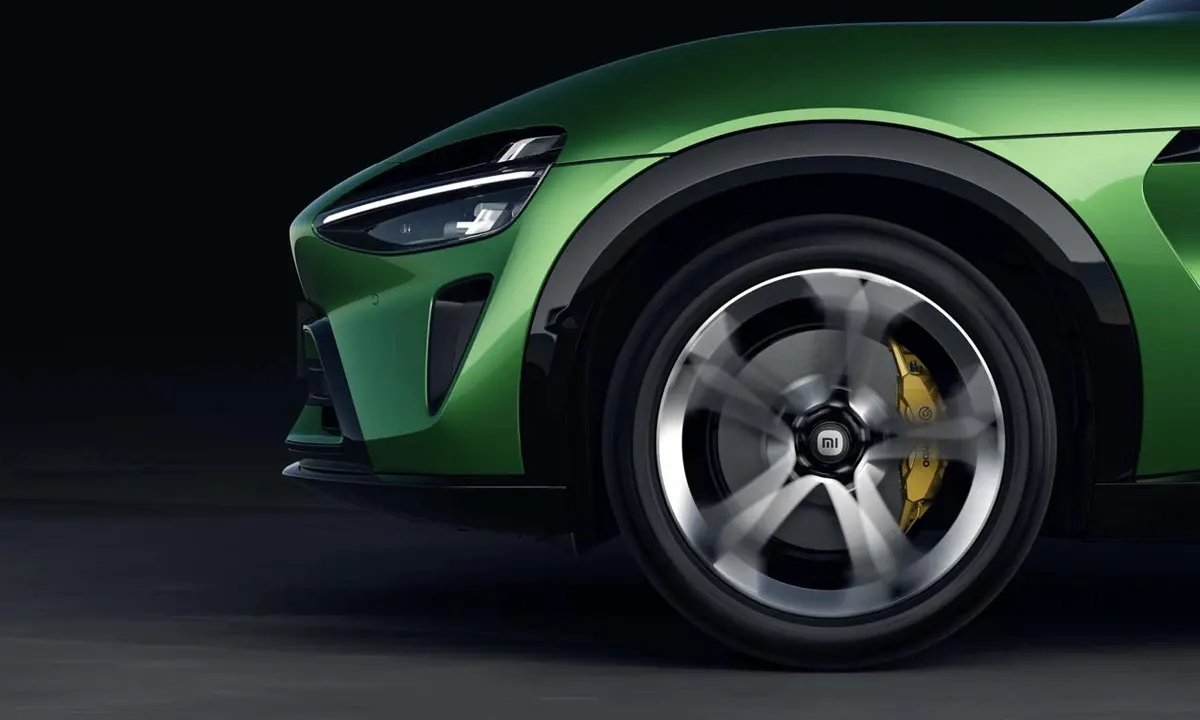
Along the side profile, the GT’s most visually dramatic feature becomes apparent — significantly widened wheel arches that accommodate the car’s wider stance and larger staggered 21-inch wheel and tyre combination. The front tyres measure 265/40R21 while the rear tyres step up to a more substantial 295/35R21, a staggered arrangement that provides enhanced traction and rear mechanical grip under hard acceleration. Multi-spoke sport wheels fill the arches with visual authority, while red brake calipers visible through the spokes provide a signature performance detail that signals the GT’s serious mechanical credentials. Hidden door handles maintain the aerodynamic cleanliness of the body surfaces, reducing drag and contributing to the car’s sleek uninterrupted lines.
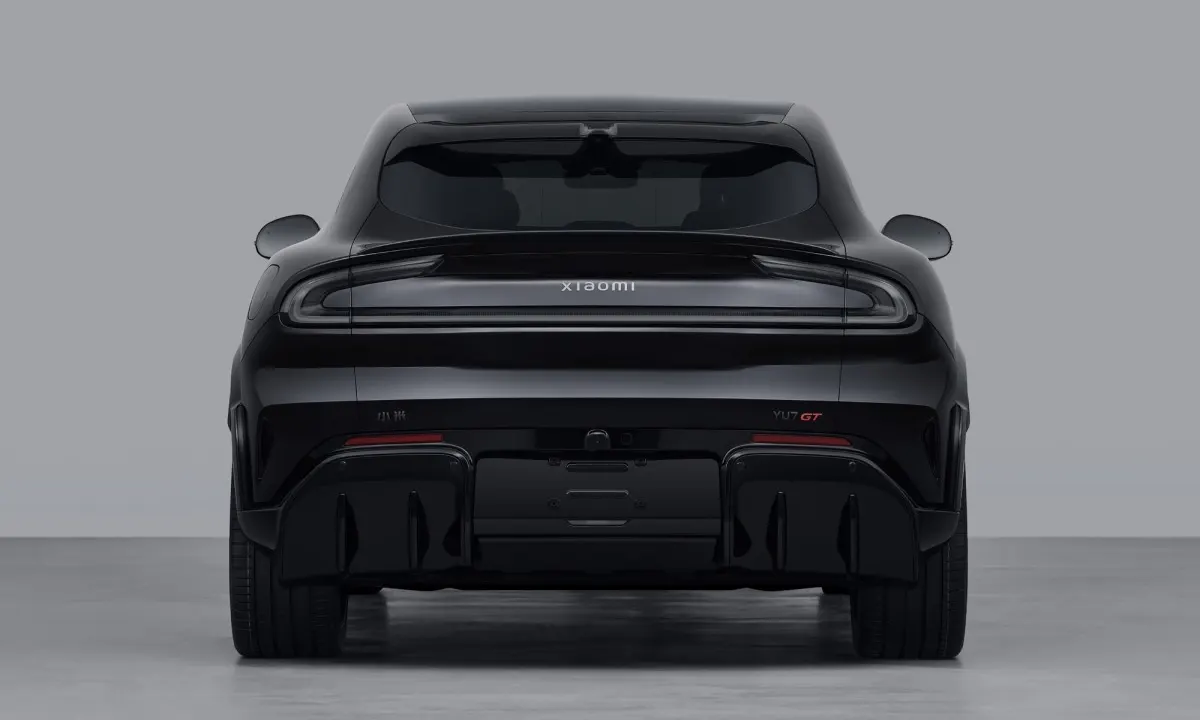
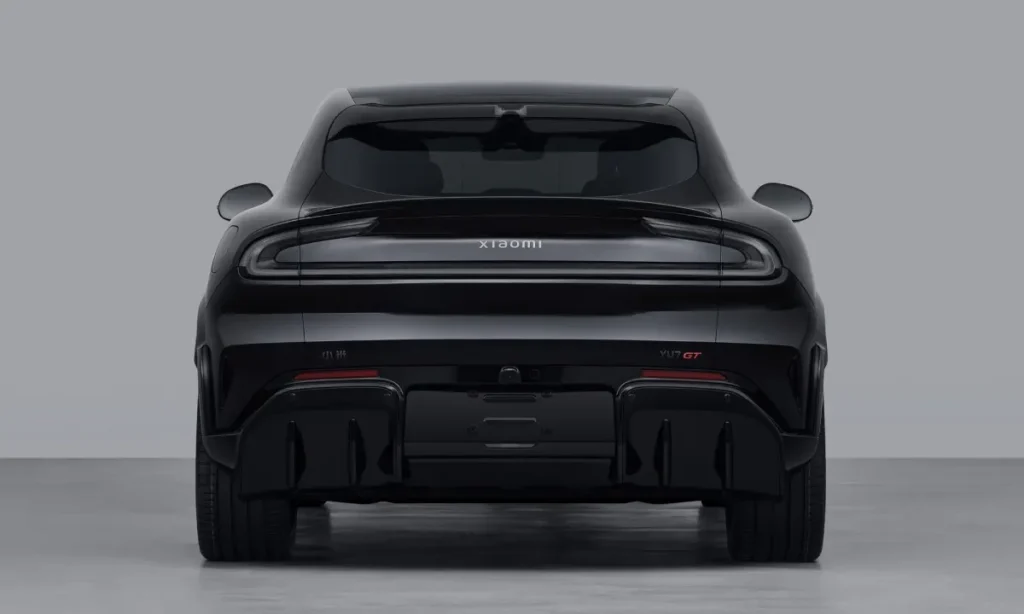
At the rear, a pronounced ducktail spoiler generates meaningful downforce at elevated speeds, while a large rear diffuser incorporates dual-outlet vent-like elements that manage underbody airflow with the same seriousness found on dedicated performance cars. Full-width taillights mirror the front light strip design, creating a cohesive and visually striking rear graphic, complemented by clear XIAOMI and YU7 GT badging. Xiaomi offers an unusually extensive personalisation programme for the GT, including multiple wheel designs, brake caliper colours spanning red, purple, blue, green and yellow, varying spoiler configurations and lightning-bolt body decals — a breadth of customisation that allows each GT to reflect its owner’s individual personality. The GT is also available in an all-black body finish with contrasting red accents, a combination that communicates serious performance intent with sophisticated restraint.
Powertrain Engineering: Dual-Motor Mastery Delivering Near-1,000 Horsepower
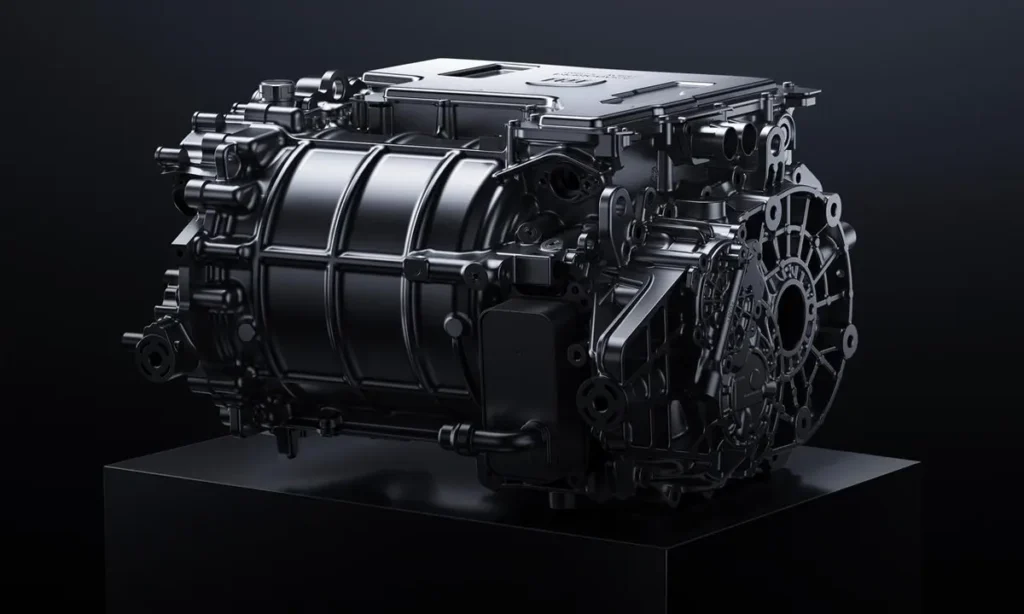
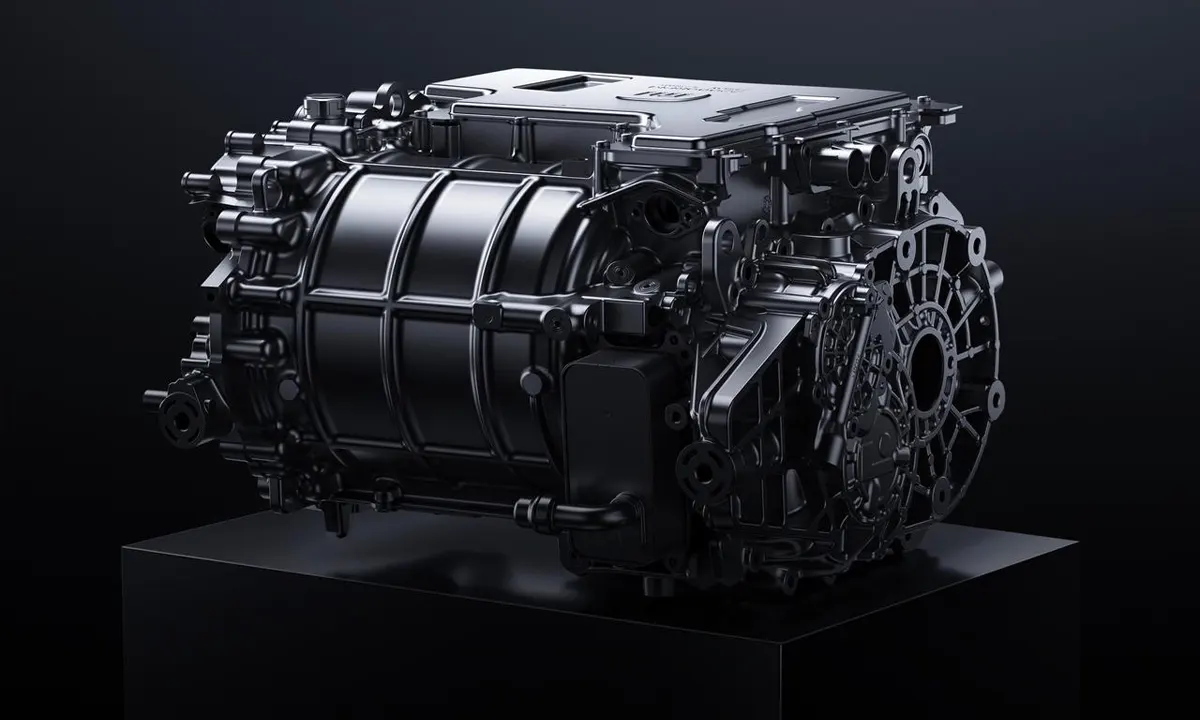
The technological heart of the Xiaomi YU7 GT is an extraordinarily powerful dual-motor electric powertrain that sets a new benchmark for performance within the SUV segment. The system pairs a 288 kW front motor supplied by Suzhou Inovance Automotive with a 450 kW rear motor from Xiaomi Auto Technology, producing a combined system output of 738 kW — the equivalent of 990 horsepower. This represents a 45 percent increase in output over the YU7 Max variant, and places the GT in direct competition with the most powerful electric performance SUVs available from any manufacturer in the world.
The asymmetric motor configuration is deliberate and purposeful. By placing greater power output at the rear axle, Xiaomi’s engineers have created a powertrain architecture that provides the all-wheel-drive security and traction management of a dual-motor setup while preserving the rear-biased character that performance drivers expect from a genuinely engaging driving machine. The 450 kW rear motor dominates power delivery under hard acceleration, while the 288 kW front motor provides intelligent traction support and contributes meaningfully to cornering stability through torque vectoring between the axles.
While Xiaomi has not officially confirmed a zero-to-100 km/h time for the YU7 GT at the time of writing, the performance arithmetic is instructive. The YU7 Max, with its 508 kW output, achieves the sprint in 3.23 seconds. The GT’s additional 230 kW of output, combined with the refined torque delivery architecture, leads performance analysts to project an acceleration time approaching two seconds — a figure that would position the GT among the fastest-accelerating production SUVs in automotive history. The top speed is officially listed at 300 km/h in its primary configuration, with a secondary configuration limited to 270 km/h also documented in regulatory filings, placing the GT firmly in supercar territory regardless of body style.
Underpinning the entire powertrain is Xiaomi’s Modena platform, shared with the SU7 sedan and engineered from the outset to support high-performance electric powertrains. The chassis construction combines 90.2 percent high-strength steel and aluminium, achieving a torsional rigidity of 47,610 Nm per degree — a figure that provides the structural foundation necessary for genuine high-performance dynamics. Xiaomi’s proprietary 2,200 MPa steel alloy features in the door structures, reinforcing the A and B pillars and contributing to both crash safety and overall body stiffness.
Battery Technology and Range: Long-Distance Capability Without Compromise

Despite its extraordinary performance credentials, the Xiaomi YU7 GT refuses to sacrifice real-world usability at the altar of outright speed. The GT is equipped with a 101.7 kWh battery pack supplied by CATL using ternary lithium chemistry, a combination that delivers both the energy density necessary for long-range travel and the power delivery characteristics required for sustained high-performance operation.
Under CLTC testing standards, the YU7 GT achieves a cruising range of up to 650 km, with some configurations reaching a maximum declared range of 705 km. While real-world range under spirited driving conditions will naturally fall short of these laboratory figures, the GT’s battery capacity ensures that even enthusiastic driving on long journeys remains free from range anxiety. The combination of nearly 1,000 horsepower and over 650 km of CLTC range in a single vehicle represents one of the most remarkable engineering achievements in the current generation of electric performance vehicles.
The battery pack itself benefits from the same protective engineering found on the SU7 Ultra, including Xiaomi’s proprietary bulletproof coating applied to the battery casing — a measure designed to protect the cell chemistry from road debris and impact damage over the vehicle’s operational life. A 659 mm frontal crumple zone incorporating a 20-in-1 integrated aluminium die cast impact attenuator provides additional structural protection in the event of a frontal collision, while the large die-cast three-section rear subframe contributes to both structural integrity and suspension geometry precision.
Autonomous Driving and Technology: Intelligence at 300 km/h
A defining characteristic of the Xiaomi YU7 GT is the seamless integration of advanced autonomous driving technology within a vehicle capable of genuinely extraordinary performance. A LiDAR sensor is integrated directly into the roofline in a flush, aerodynamically clean installation that preserves the GT’s visual cohesion while providing the high-resolution environmental mapping necessary for Xiaomi’s most advanced driver assistance systems.
The YU7 GT builds on the intelligent driving foundation established by the standard YU7, incorporating Xiaomi’s evolving world model autonomous driving architecture — a system that processes sensor inputs from cameras, radar and LiDAR to build a comprehensive real-time model of the vehicle’s surroundings. This technology enables the GT to operate advanced navigation on autopilot, automatic lane changing, intelligent speed adaptation and sophisticated obstacle avoidance across a wide range of driving scenarios. The ambition is a system that closely mirrors human driver judgment, applying contextual reasoning rather than simple rule-following to complex traffic situations.
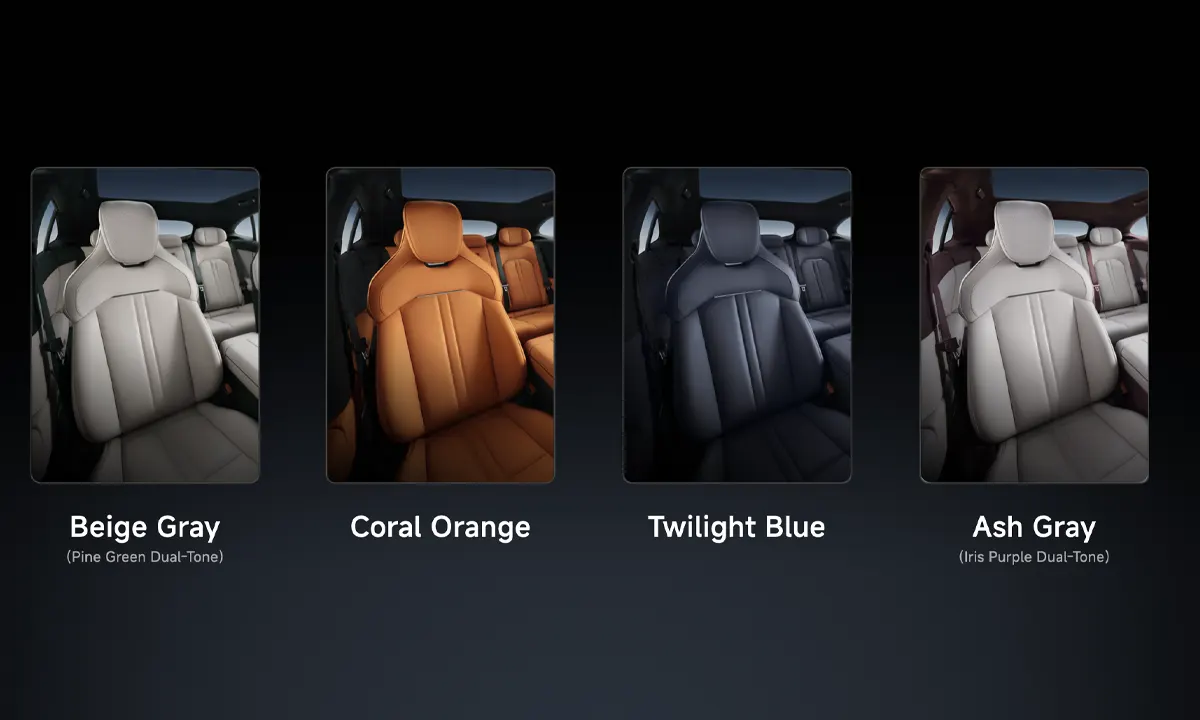
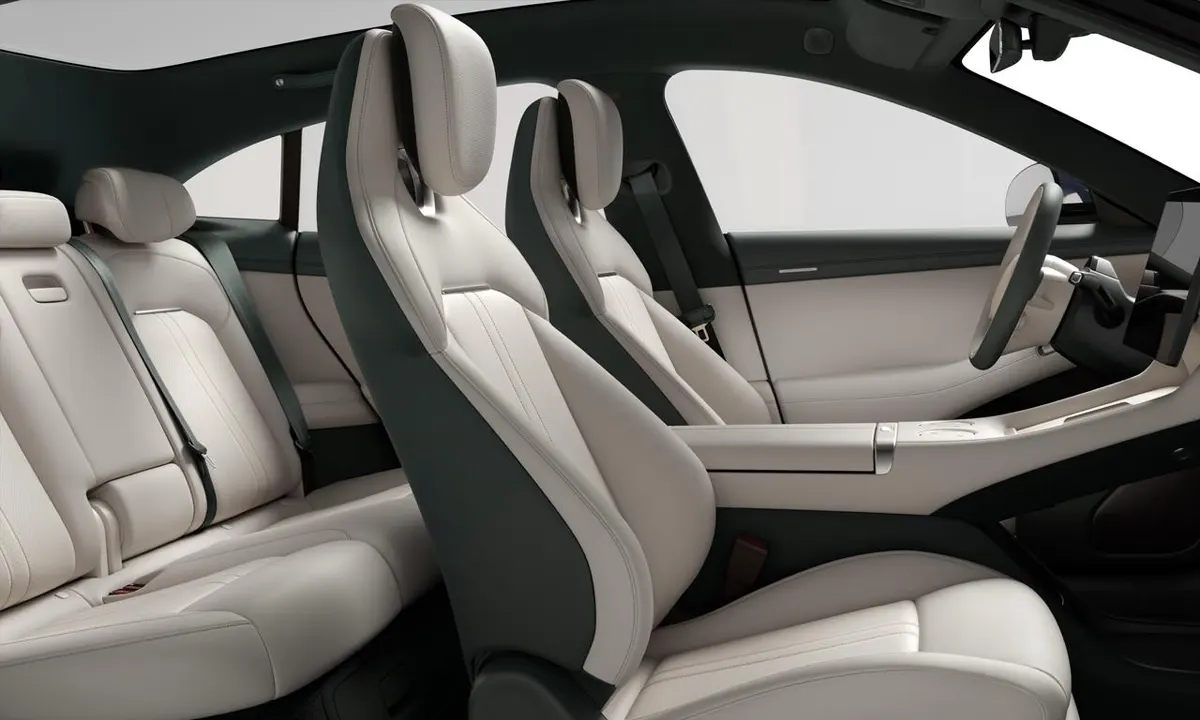
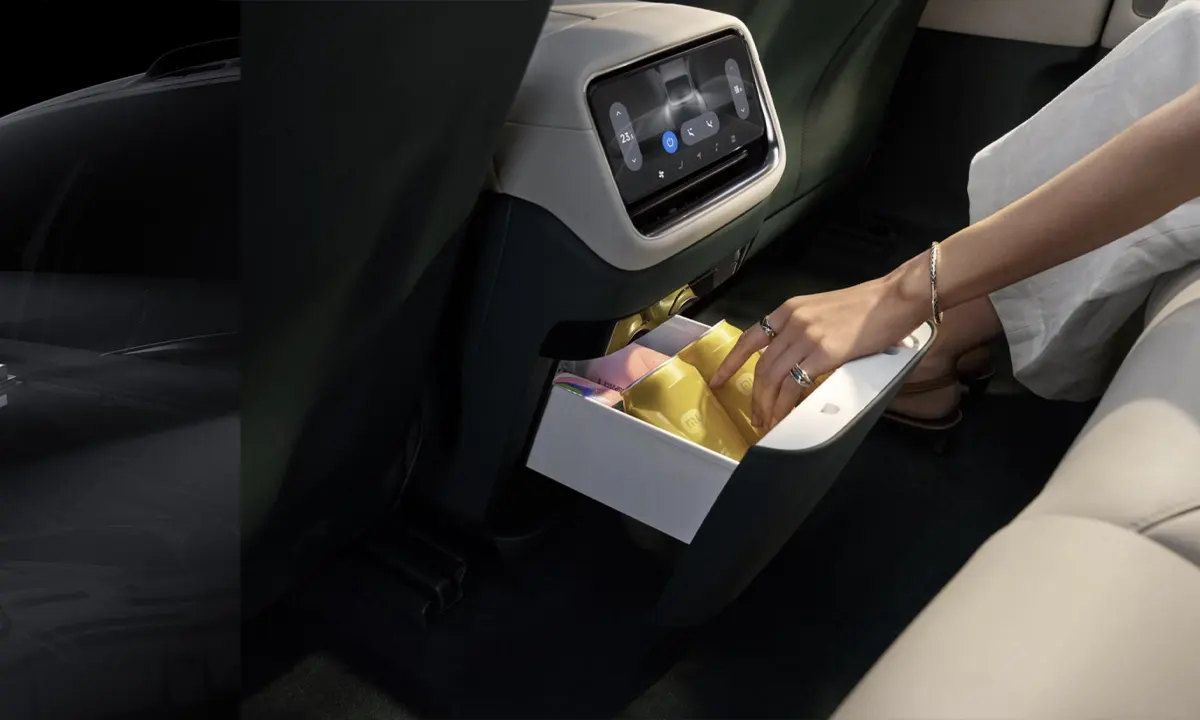
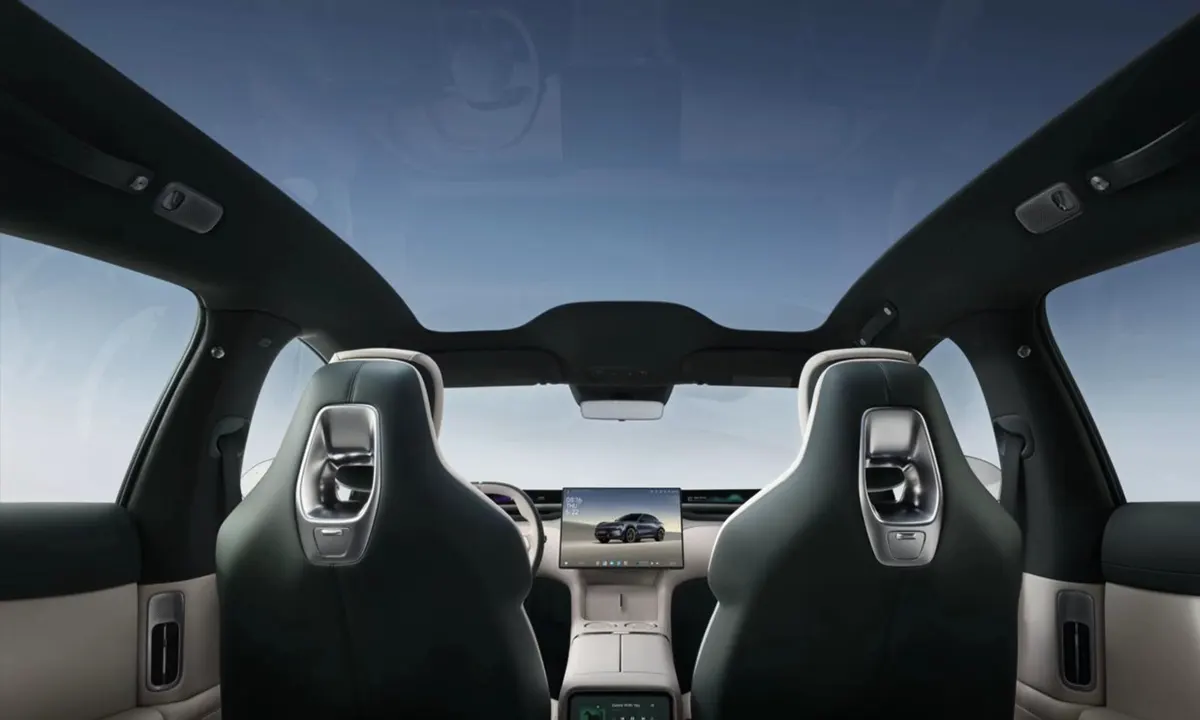
The interior continues the YU7 family’s commitment to technology-forward design, with a large central touchscreen serving as the command interface for the vehicle’s entertainment, navigation, climate and vehicle settings functions. The cabin prioritises comfort, usability and modern design, offering passengers a spacious and refined environment that benefits from the GT’s generous 3,000 mm wheelbase. Customisation extends into the interior, with buyers able to configure seating materials, trim detailing and ambient lighting to create a personalised environment that matches the car’s exterior specification.
Read: Xiaomi Vision GT Concept Reveals a Stunning Futuristic Electric Hypercar
Xiaomi YU7 GT – Full Specifications and Performance Chart
| Category | Specification |
| Vehicle Type | Battery Electric Mid-Large Performance SUV |
| Platform | Xiaomi Modena Platform |
| Body Style | Five-Door Coupe-SUV |
| Length | 5,015 mm |
| Width | 2,007 mm |
| Height | 1,597 mm |
| Wheelbase | 3,000 mm |
| Curb Weight | 2,460 kg |
| Front Motor Output | 288 kW (386 hp) |
| Rear Motor Output | 450 kW (603 hp) |
| Combined System Power | 738 kW (990 hp) |
| Drivetrain | Dual-Motor All-Wheel Drive |
| 0–100 km/h | Sub-2 seconds (projected) |
| Top Speed (Primary) | 300 km/h |
| Top Speed (Secondary Config) | 270 km/h |
| Battery Capacity | 101.7 kWh (CATL Ternary Lithium) |
| CLTC Cruising Range | Up to 650 km |
| Maximum Declared Range | 705 km |
| Front Tyres | 265/40 R21 |
| Rear Tyres | 295/35 R21 |
| Autonomous Driving Sensor | Roof-Integrated LiDAR |
| Brake Calipers | Red (Multiple Colours Optional) |
| Chassis Torsional Rigidity | 47,610 Nm/degree |
| Manufacturing Location | Xiaomi F2 EV Factory, Yizhuang, Beijing |
| Expected Launch Market | China (2026) |
The Bigger Picture: Xiaomi’s Halo Strategy and the Global Performance EV Landscape
The Xiaomi YU7 GT represents far more than an engineering exercise or a performance variant added to an existing product line. It is the centrepiece of a deliberate and sophisticated brand-building strategy — one that uses headline-grabbing performance figures to establish Xiaomi Auto’s credibility in a global conversation that was previously dominated exclusively by legacy European and American manufacturers.
Xiaomi deployed a version of this strategy with the SU7 Ultra sedan, a tri-motor 1,526-horsepower machine that set production car lap records at the Nürburgring Nordschleife and placed the brand on the radar of performance car enthusiasts worldwide. Notably, a camouflaged YU7 GT prototype was also observed testing at the Nürburgring last year, signalling Xiaomi’s commitment to validating the GT’s dynamic capabilities against the world’s most demanding benchmark circuit. The YU7 GT carries that mission forward into the SUV segment, combining the brand’s most extreme powertrain technology with the body style that is currently driving the majority of its commercial success.
With the standard YU7 already delivering over 153,000 units in 2025 and establishing itself as a genuine rival to the Tesla Model Y in China’s premium electric crossover segment, the GT arrives with a powerful commercial platform beneath it. It does not need to sell in enormous volumes to succeed — it needs only to shift the perception of what a Xiaomi vehicle can be, making the entire YU7 family feel more aspirational and technologically capable by association.
For the global performance car industry, the YU7 GT’s arrival is a significant signal. A Chinese consumer electronics company, having entered automotive manufacturing only recently, has produced a dual-motor electric SUV with 990 horsepower, a 300 km/h top speed, over 650 km of range and advanced autonomous driving capability — and done so with a level of engineering sophistication and commercial momentum that demands serious attention. The Xiaomi YU7 GT is not just a fast electric SUV. It is a declaration of intent from one of the most ambitious automotive newcomers the industry has ever seen.