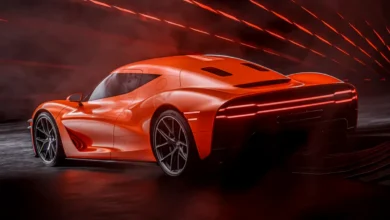
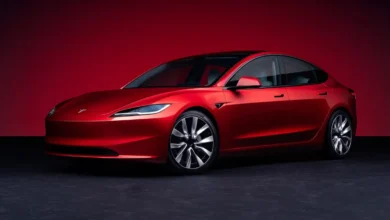
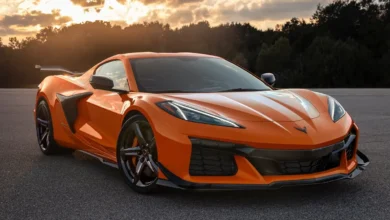
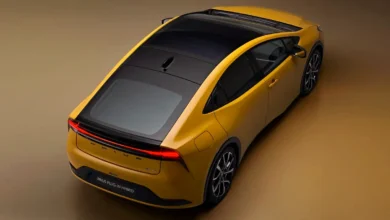
The Future Arrives Ahead of Schedule. 2026 BAIC ArcFox Alpha S5 Explained
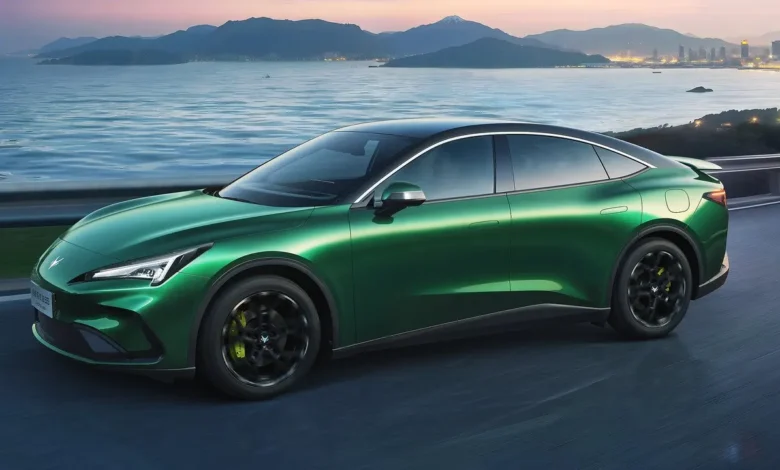
- 603-horsepower dual-motor all-wheel-drive electric powertrain
- Advanced solid-state battery technology
- 800-volt ultra-fast charging architecture
- 0–100 km/h acceleration in 3.5 seconds
- Driving range exceeding 700 km
There is a particular moment in any technology-driven industry when the challenger stops chasing the leader and starts setting the pace — when the product arriving from the direction nobody was watching turns out to be the one that defines what the category should mean going forward. The 2026 BAIC ArcFox Alpha S5 is that kind of moment for the global premium electric sedan segment. Built by the ArcFox division of BAIC Group — one of China’s largest state-backed automotive manufacturers, whose premium electric brand has operated largely beneath the radar of Western automotive media despite producing vehicles of genuine technical distinction — the Alpha S5 arrives as a comprehensive statement of how far Chinese electric vehicle engineering has travelled in a remarkably compressed period of development time and with a specification list that demands serious attention from every manufacturer currently competing in the premium electric sedan space.
Gallery: 2026 BAIC ArcFox Alpha S5
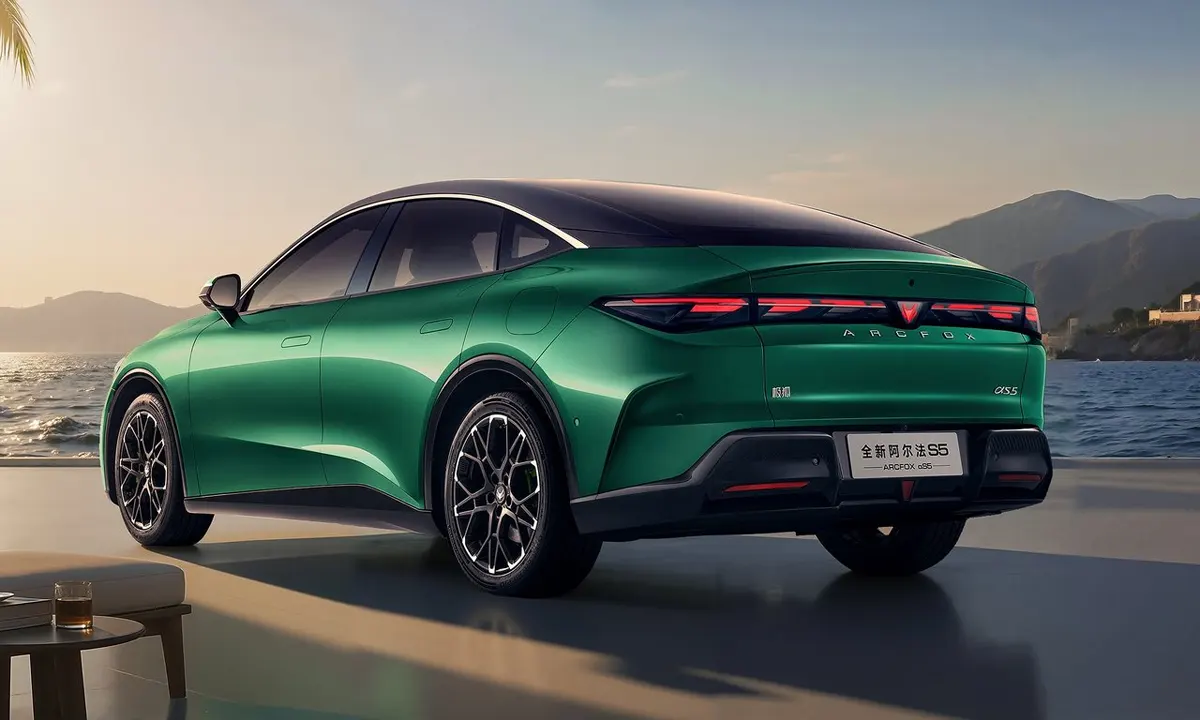
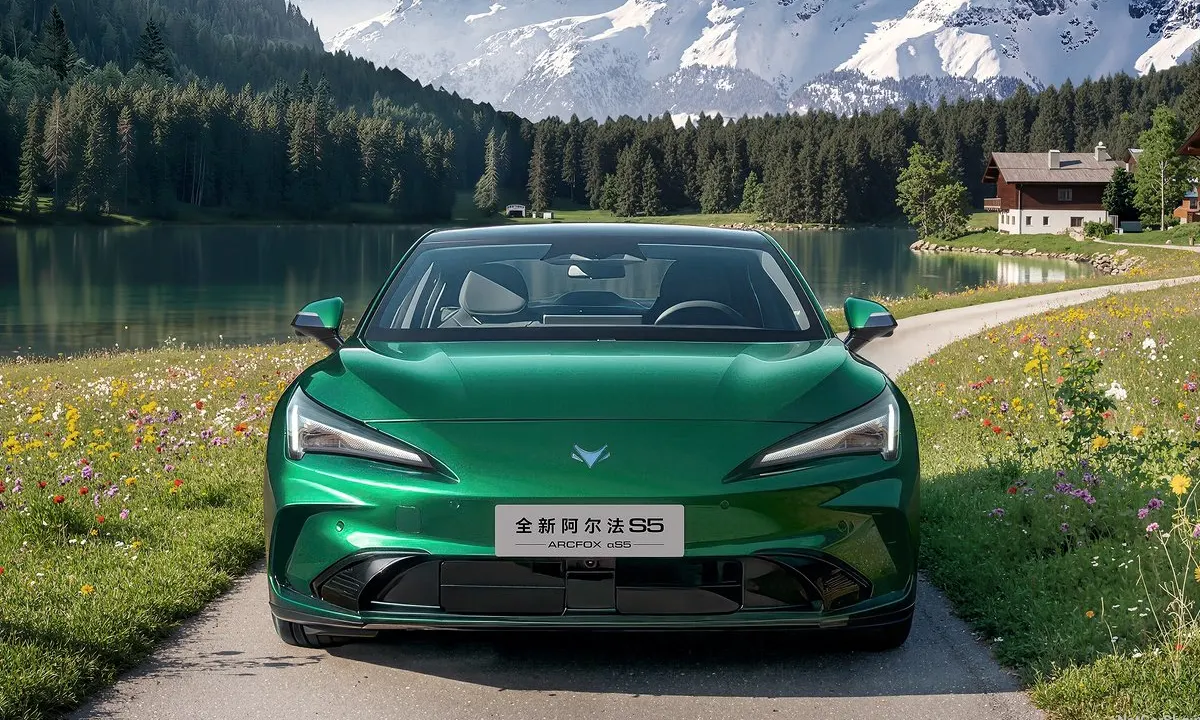
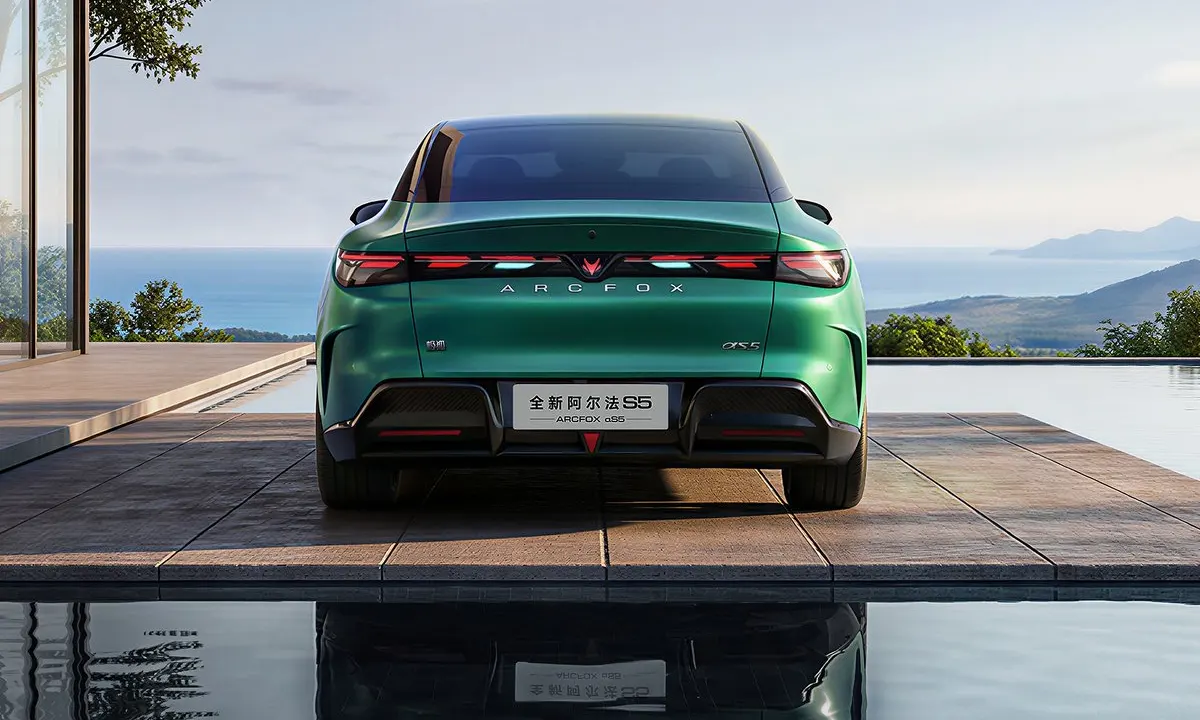
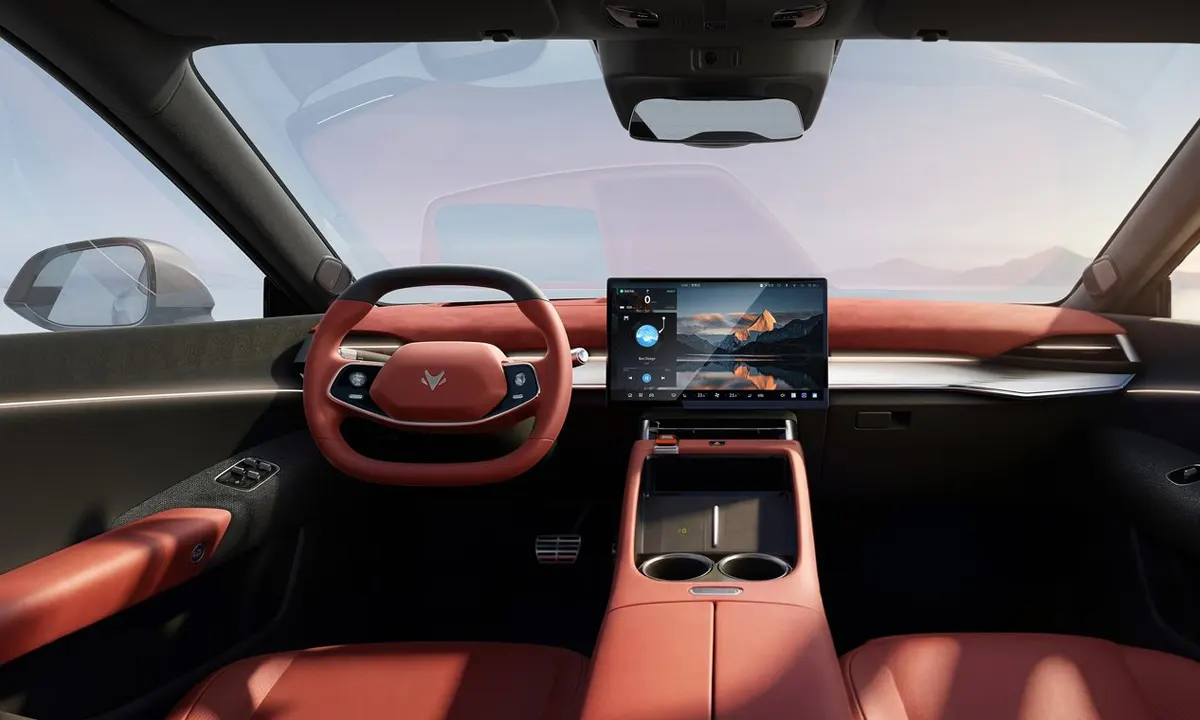
What Is the 2026 BAIC ArcFox Alpha S5
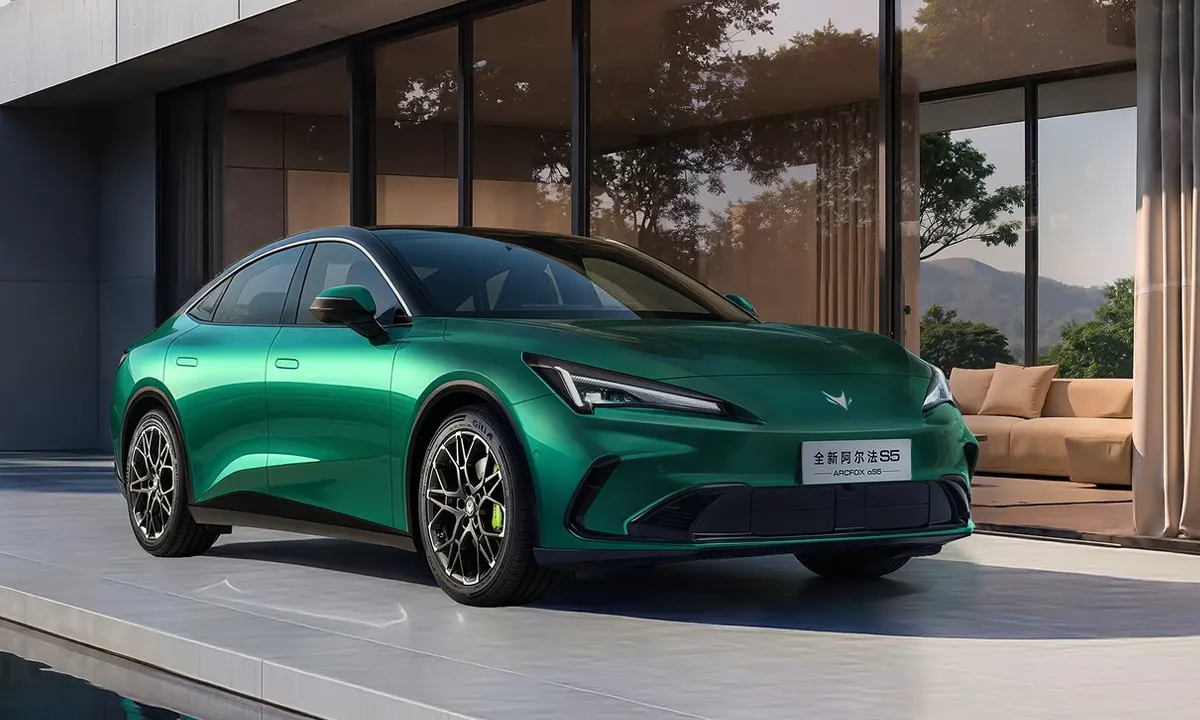
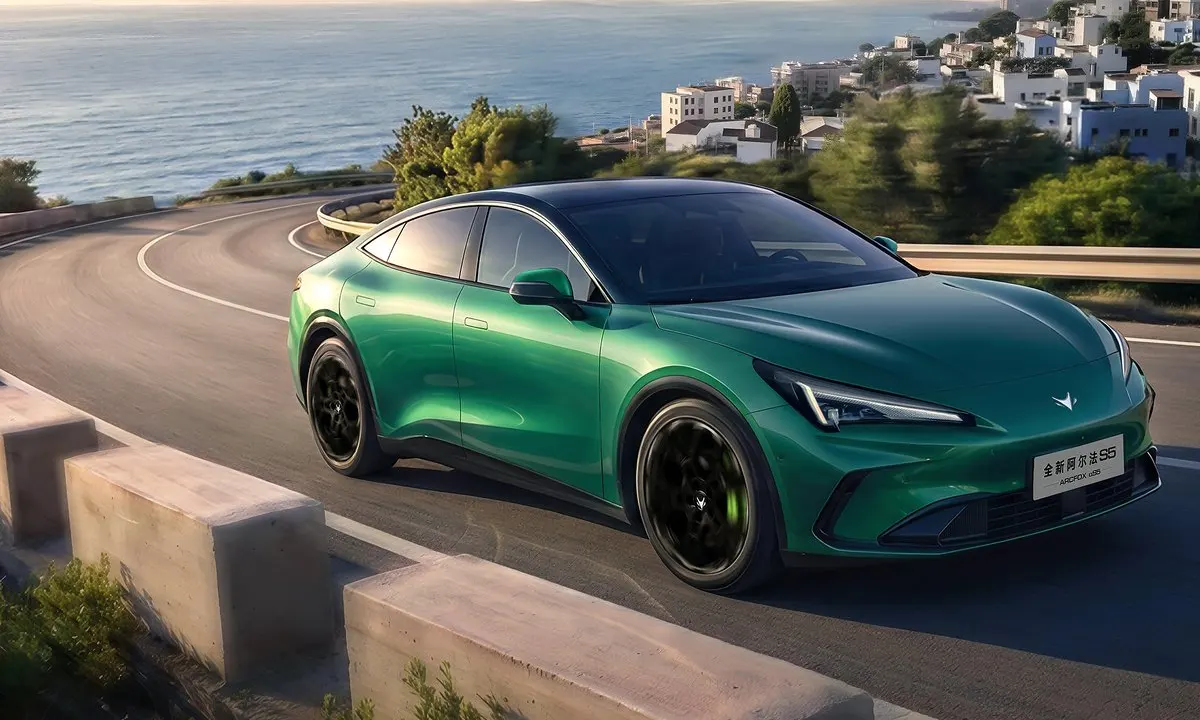
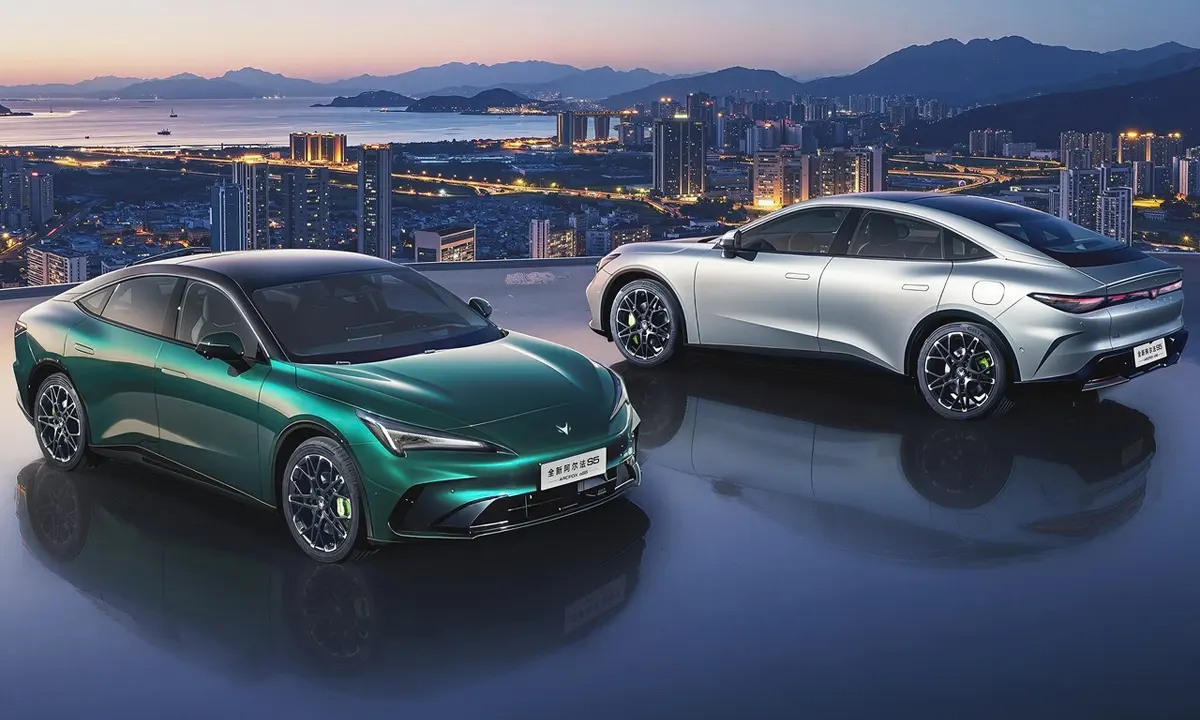
The ArcFox Alpha S5 is a full-size premium electric sedan positioned to compete directly against the Tesla Model S, the BMW i7 and the Mercedes-Benz EQS in the upper tier of the battery-electric vehicle market. It is the most technically ambitious production car that the ArcFox brand has released since its establishment as BAIC’s premium EV division and represents the culmination of a development programme that has drawn on engineering partnerships, manufacturing investment and battery technology collaboration at a scale that the brand’s relatively modest international profile does not immediately suggest.
The Alpha S5 sits on BAIC’s dedicated electric vehicle platform — a ground-up architecture designed exclusively for battery-electric powertrains rather than adapted from an existing combustion-engine vehicle structure. This distinction matters enormously in the premium EV segment, where the packaging advantages of a purpose-built platform — a flat floor, optimised battery placement at the structural lowest point of the vehicle, a longer wheelbase relative to overall length than combustion architecture permits — translate directly into interior space, ride quality and driving dynamics that carry-over platforms fundamentally cannot replicate.
The Powertrain: Dual-Motor Performance With Solid-State Ambition
The Alpha S5’s powertrain architecture centres on a dual-motor all-wheel-drive system producing a combined 603 horsepower and 700 Newton-metres of torque. The front and rear motors operate independently, managed by a torque vectoring system that distributes power between the axles in milliseconds in response to traction conditions, steering input and driver mode selection — providing the all-weather capability and the dynamic precision that single-motor rear-drive configurations cannot approach in adverse conditions.
The acceleration figure that results from this combined output is 3.5 seconds from zero to 100 kilometres per hour — a number that places the Alpha S5 firmly within the performance envelope of the segment’s most dynamically capable competitors and that arrives with the instant, seamless torque delivery characteristic of well-engineered dual-motor electric architecture. There is no turbo spool, no gear change interruption, no surge and settle — simply a continuous, linear application of force that makes the 603 horsepower figure feel entirely accessible from the first moment of throttle application.
What elevates the Alpha S5’s powertrain story beyond the dual-motor specification is the battery technology underpinning it. BAIC has equipped the Alpha S5 with a semi-solid-state battery pack — a transitional technology between conventional lithium-ion construction and the fully solid-state cells that the industry has pursued as its long-term energy storage solution. Semi-solid-state construction replaces the liquid electrolyte of conventional lithium-ion cells with a gel or semi-solid medium, reducing the thermal runaway risk that makes liquid electrolyte cells require extensive thermal management systems, improving energy density and extending the operational temperature range across which the pack maintains consistent performance.
Range, Charging and the 800-Volt Advantage
The practical consequence of the semi-solid-state battery’s improved energy density is a CLTC-rated range exceeding 700 kilometres on a single charge — a figure that, adjusted for real-world driving conditions and the typically more conservative WLTP testing methodology used in European markets, still represents a meaningful advancement over the range figures achievable by most premium electric sedans in the segment. For buyers whose primary concern about electric vehicle adoption has always been range anxiety rather than performance inadequacy, the Alpha S5’s energy storage capability addresses the objection more directly than any increase in charging network density alone could achieve.
The charging architecture matches the battery capability. The Alpha S5 operates on an 800-volt electrical system — a high-voltage architecture that enables DC fast charging at rates up to 480 kilowatts under optimal conditions, reducing the time required to charge from 20 percent to 80 percent state of charge to approximately 12 minutes at a compatible ultra-fast charging station. This figure is not a theoretical maximum achievable only under laboratory conditions — it reflects the genuine thermal management capability of the semi-solid-state pack, whose reduced heat generation under rapid charging loads allows sustained high charging rates that conventional lithium-ion packs must throttle to protect cell integrity.
The 800-volt system also delivers measurable efficiency benefits during normal driving through reduced electrical resistance in the drivetrain’s power delivery components — a technical advantage that contributes to the Alpha S5’s real-world energy consumption figures and that compounds across the vehicle’s operational life to produce meaningful total cost of ownership advantages over 400-volt architecture competitors.
Chassis, Suspension and the Dynamics of a Purpose-Built Platform
The Alpha S5’s dedicated electric platform provides the engineering foundation for a chassis and suspension architecture tuned with the precision that a purpose-built structure enables. The front suspension uses a double-wishbone arrangement — a geometry choice that prioritises steering response and lateral stiffness over the packaging simplicity of MacPherson strut alternatives and that contributes directly to the Alpha S5’s steering feel and cornering composure. The rear employs a multi-link configuration whose geometry maintains consistent wheel alignment through the full suspension travel range, providing the predictable, progressive handling behaviour that premium sedan buyers expect regardless of road surface quality or cornering load.
Adaptive air suspension is standard across the Alpha S5 range — a system that adjusts ride height between a lowered aerodynamic position at highway speeds, a standard position for normal driving and a raised position for low-speed obstacle clearance, while simultaneously managing damper firmness in response to road surface conditions and driver mode selection. The combination of air spring compliance and adaptive damping produces the dual capability — genuinely comfortable over broken urban surfaces, genuinely composed through fast directional changes — that has historically been difficult to achieve simultaneously and that the Alpha S5’s engineering team has addressed with the advantage of designing the entire system from the ground up rather than integrating it into an existing structure.
Interior and Technology: The Cabin as a Statement
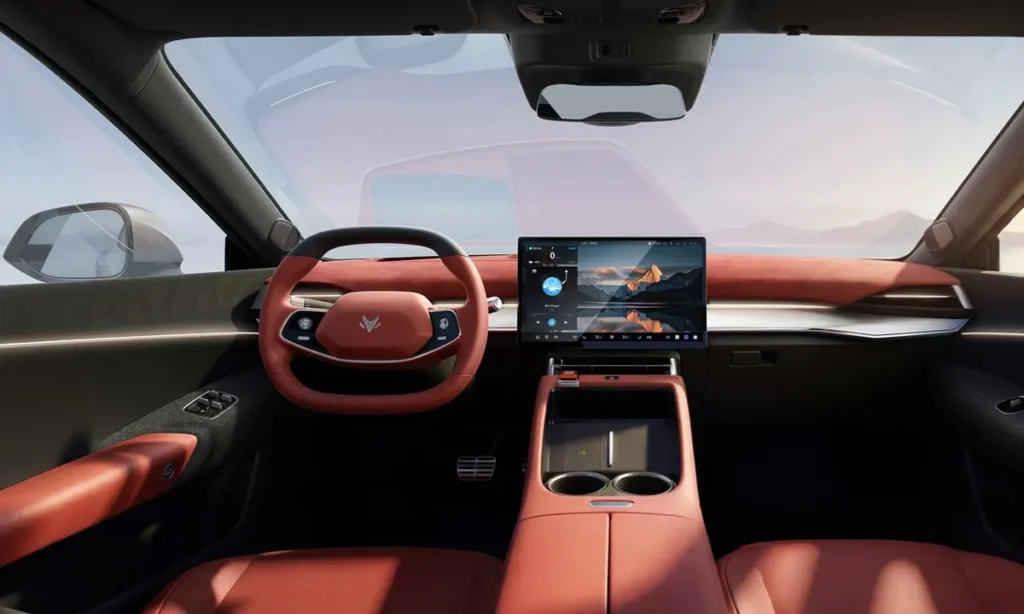
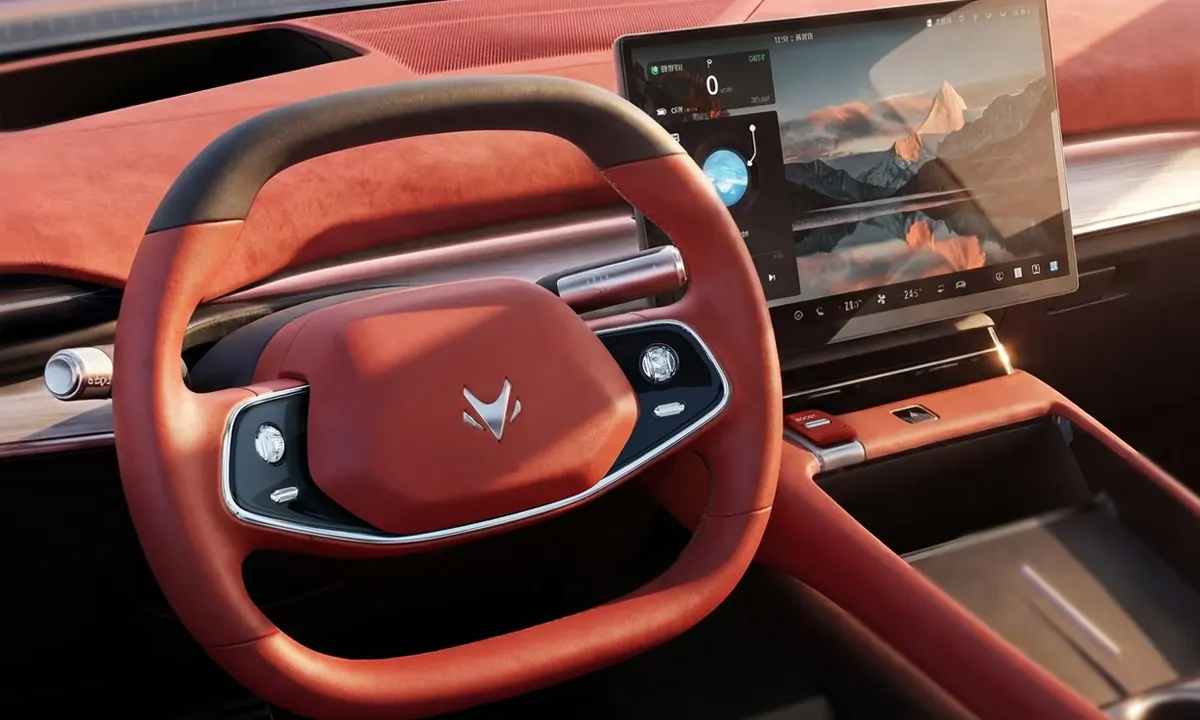
Inside the Alpha S5, the design language communicates premium intent through restraint rather than ostentation — a considered approach that positions the cabin as a technology environment rather than a traditional luxury interior. A panoramic curved display integrating the instrument cluster and central infotainment functions dominates the dashboard architecture, providing the seamless digital cockpit presentation that premium EV buyers have come to expect while avoiding the minimalist extreme that removes physical controls entirely and forces every vehicle function through touchscreen interaction.
The Huawei-developed intelligent driving assistance system — a collaboration that positions the Alpha S5 with one of China’s most sophisticated automotive technology partners — provides Level 2 plus autonomous driving capability with highway navigation assistance, automatic lane changing, intelligent speed adaptation and urban traffic management features whose capability reflects the enormous investment that Chinese technology companies have directed toward automotive intelligence systems in recent years. The system operates through a sensor suite combining LiDAR, millimetre-wave radar and a camera array whose redundancy provides the environmental awareness that reliable autonomous assistance demands.
Rear passenger accommodation benefits directly from the extended wheelbase that the dedicated EV platform enables — producing legroom and headroom figures that compare favourably with the segment’s most generously proportioned offerings and that validate the platform investment’s practical dividend for the buyers who will spend the majority of their time in the rear seats rather than behind the wheel.
Read: Hybrid vs Electric, Why Toyota Still Believes in a Multi-Path Strategy
The Alpha S5 in the Global Premium EV Landscape
The 2026 BAIC ArcFox Alpha S5 enters a premium electric sedan market that is simultaneously more competitive and more technically sophisticated than at any previous point in the battery-electric vehicle segment’s development. Against the Tesla Model S, it offers semi-solid-state battery technology, superior interior space utilisation and a charging architecture whose 800-volt capability matches Tesla’s most advanced implementation. Against the BMW i7 and Mercedes-Benz EQS, it offers performance figures and technology integration at a price positioning that challenges the European manufacturers’ value proposition in markets where Chinese import pricing remains competitive.
The Alpha S5’s international commercial trajectory will depend significantly on regulatory conditions in Western markets, where tariff structures introduced in response to Chinese EV competitiveness have altered the pricing equation that would otherwise make the Alpha S5’s specification-to-cost ratio immediately compelling. In markets where those barriers are lower — across Southeast Asia, the Middle East and increasingly in markets across Africa and South America — the Alpha S5’s combination of genuine technical advancement, premium presentation and competitive pricing creates a product proposition that the established Western and Korean manufacturers will find genuinely difficult to counter.
The future of the premium electric sedan is not arriving from a single direction. With the 2026 BAIC ArcFox Alpha S5, it is arriving faster than most expected and from a direction that fewer anticipated than should have been watching.
Read: 2026 Best Affordable Electric Cars Under $30,000 in the USA
2026 BAIC ArcFox Alpha S5 Specifications & Performance
| Category | Specification |
| Vehicle Type | Full-Size Premium Battery-Electric Sedan |
| Powertrain | Dual-Motor All-Wheel Drive |
| Combined Power Output | 603 hp |
| Peak Torque | 700 Nm |
| Battery Technology | Semi-Solid-State Lithium-Ion |
| Rated Range (CLTC) | 700+ Kilometres |
| Charging Architecture | 800-Volt System |
| Peak DC Fast Charging | Up to 480 kW |
| 20–80% Charge Time | Approx. 12 Minutes |
| 0–100 km/h | 3.5 Seconds |
| Top Speed | 210 km/h |
| Front Suspension | Double-Wishbone |
| Rear Suspension | Multi-Link |
| Ride System | Adaptive Air Suspension (Standard) |
| Autonomous Driving | Level 2+ (Huawei System) |
| Sensor Suite | LiDAR + Millimetre-Wave Radar + Camera Array |
| Infotainment | Panoramic Curved Dual Display |
| Platform | Dedicated BEV Architecture |
| Torque Vectoring | Front-Rear Independent Motor Management |
| Primary Markets | China, Southeast Asia, Middle East |