Inside the Pagani Utopia’s AMG V12 and Why It Rejects Hybrid Power
829 Horsepower, 1,100 Newton-Metres of Torque, a Longitudinally Mounted Mercedes-AMG Twin-Turbocharged 6.0-Litre V12, a Seven-Speed Manual Gearbox Available Alongside the Automated Single-Clutch Alternative and a Philosophical Commitment to Mechanical Purity That Makes the Pagani Utopia the Most Deliberate and Most Considered Rejection of Automotive Electrification Available at Any Price in the 2026 Hypercar Landscape
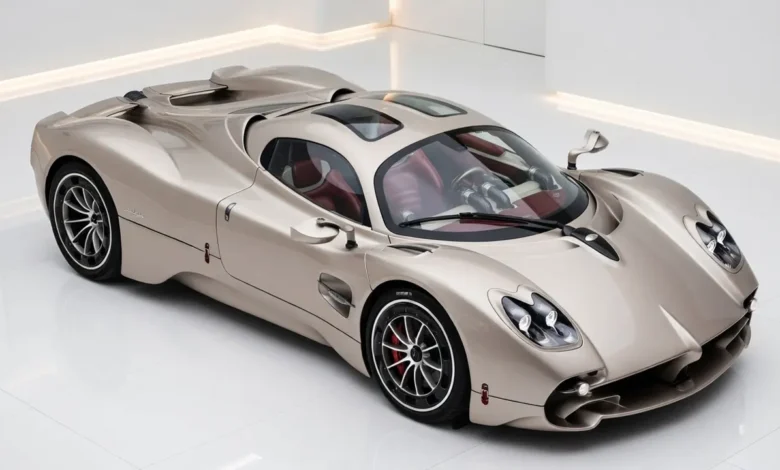
Pagani Utopia: There is a particular courage required in the modern automotive industry to build a new hypercar without a single electric motor — to look at the regulatory environment, the competitive landscape populated by hybrid hypercars from Ferrari, McLaren, Lamborghini and Aston Martin and the cultural momentum toward electrification that has reshaped the performance car conversation across the past decade, and to conclude that none of it changes the fundamental answer to the question of what the greatest driving machine that human engineering can currently produce should be. Horacio Pagani reached that conclusion. The Utopia is the result — and understanding why the AMG V12 at its heart rejects hybrid assistance requires understanding both the engineering case and the philosophical argument that Pagani considers inseparable from the technical one.
Gallery: Pagani Utopia
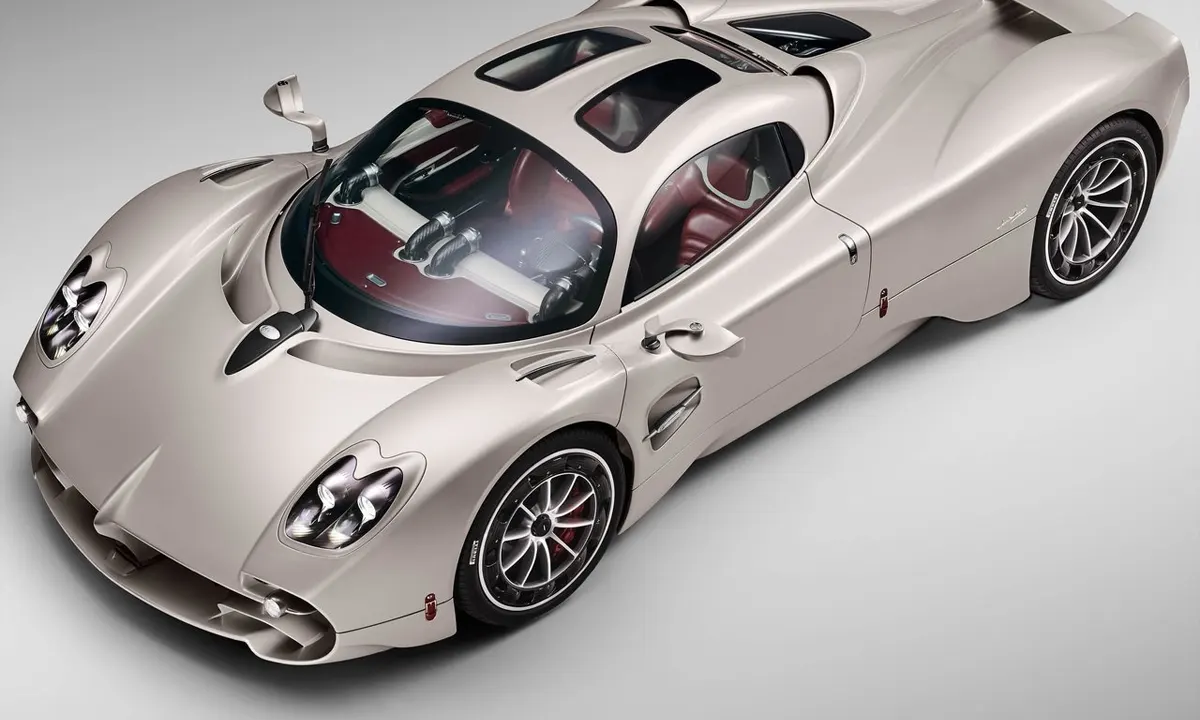
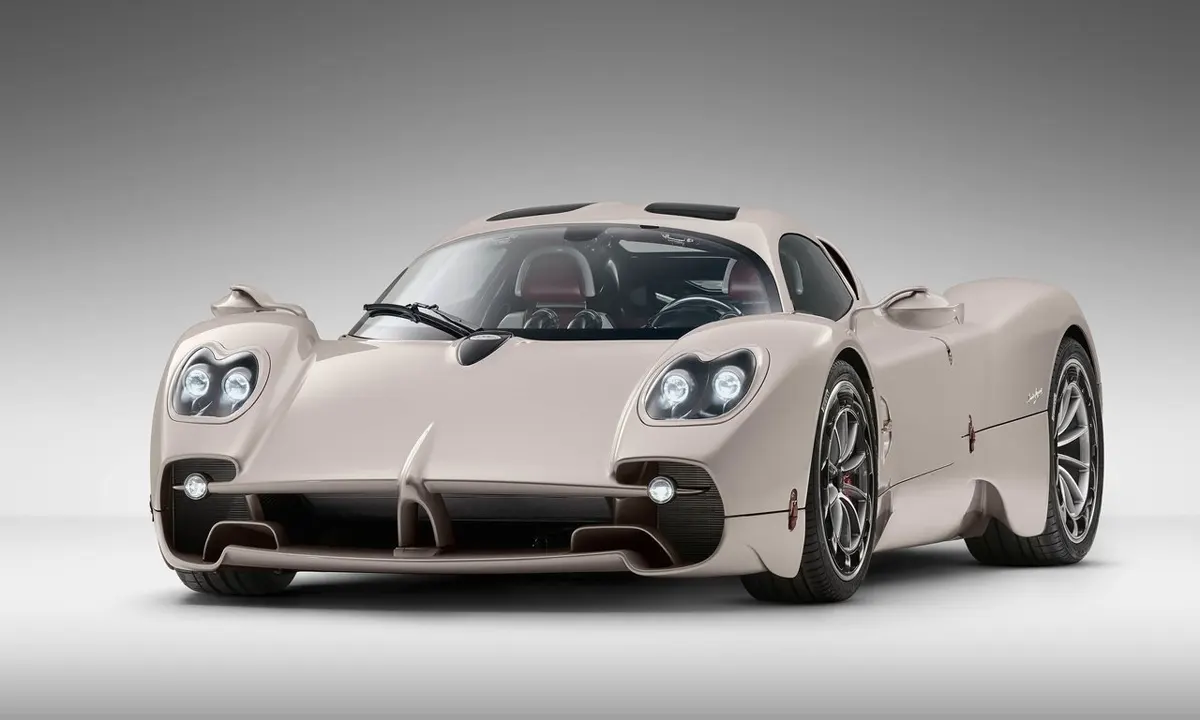
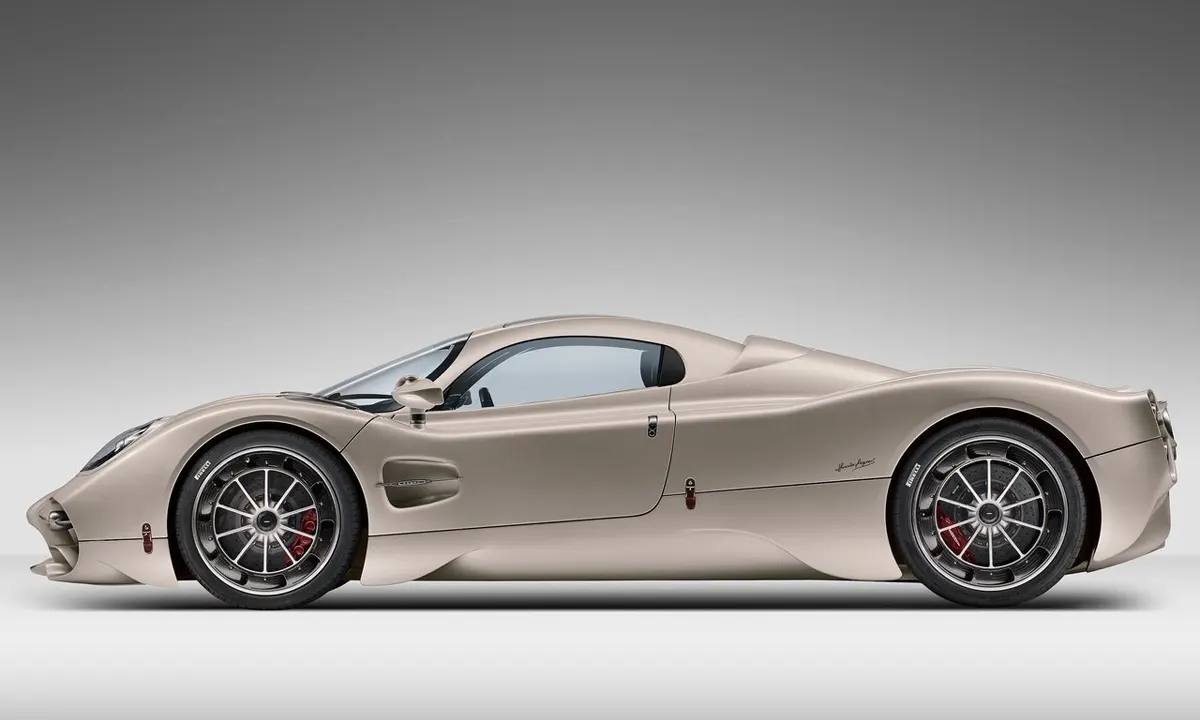
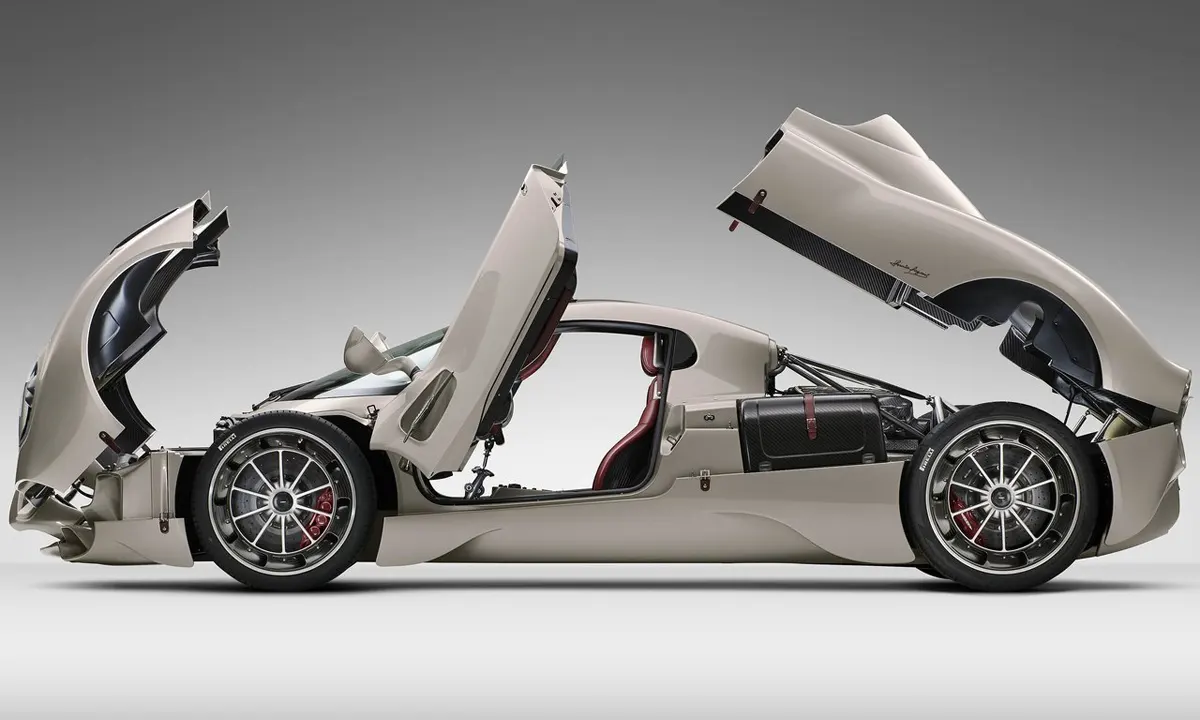
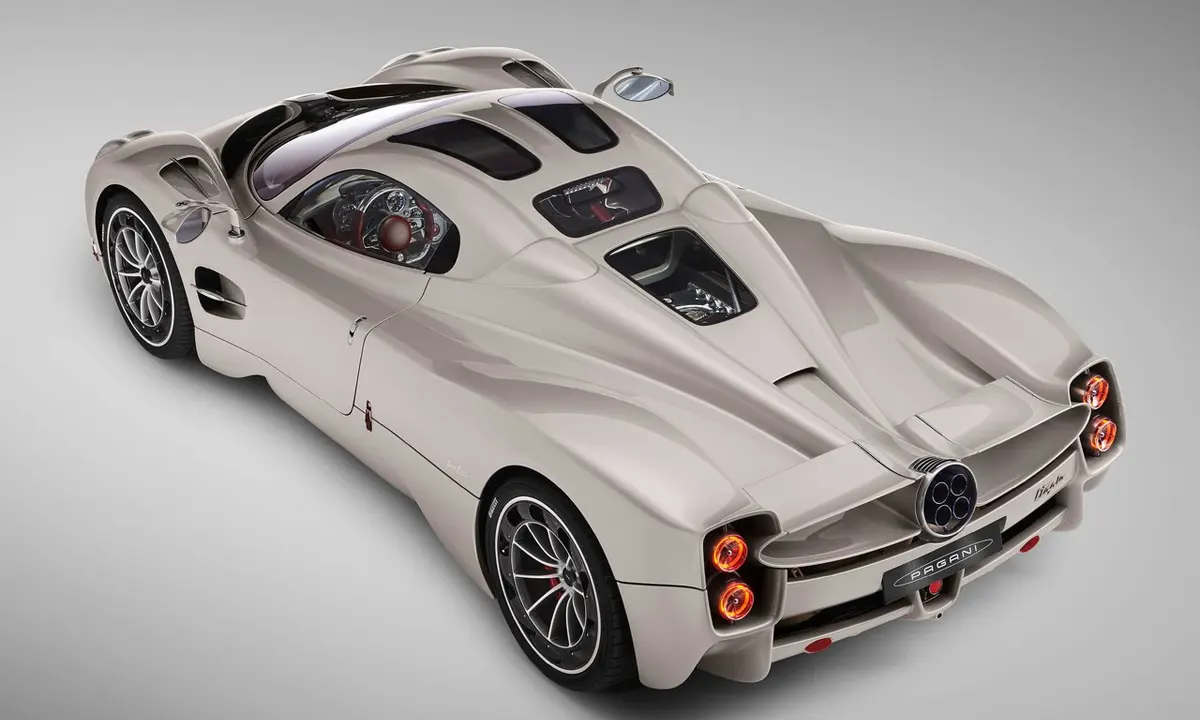
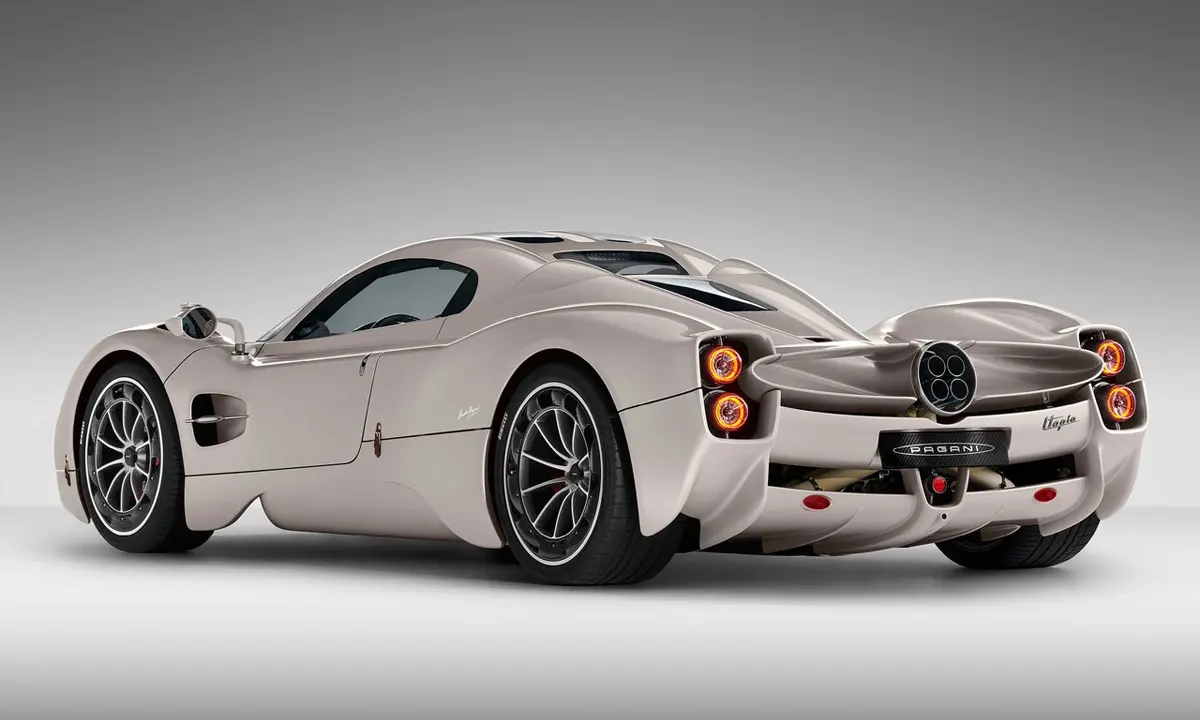
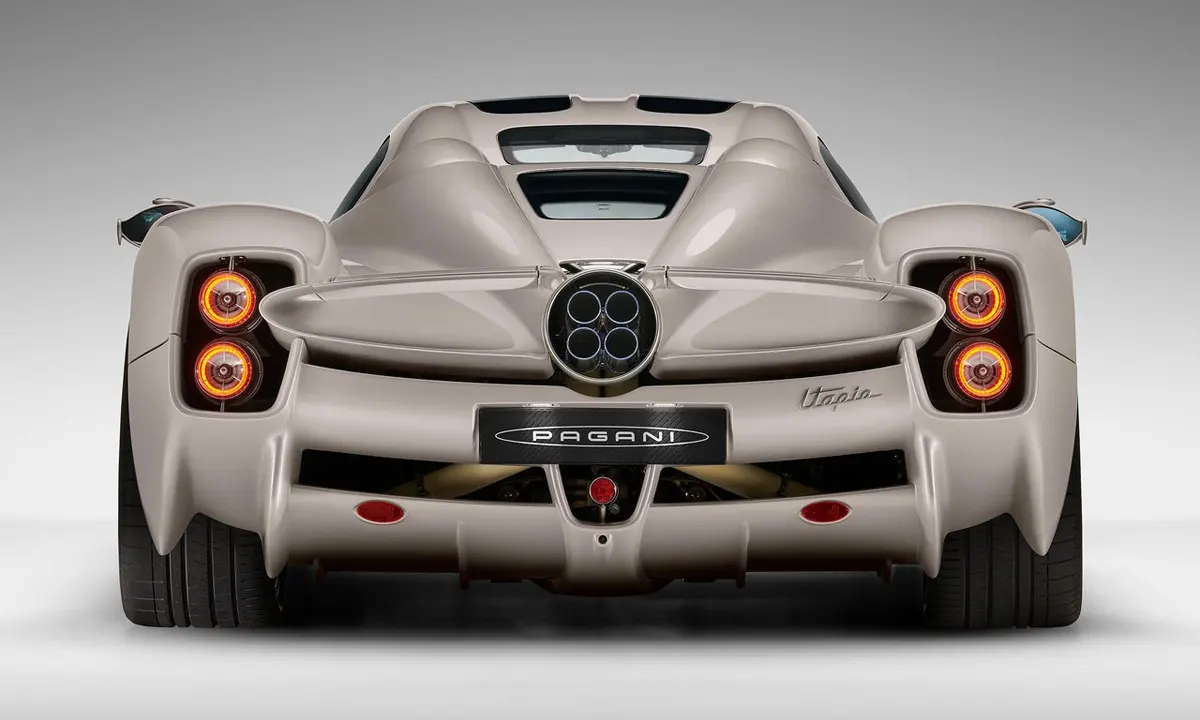
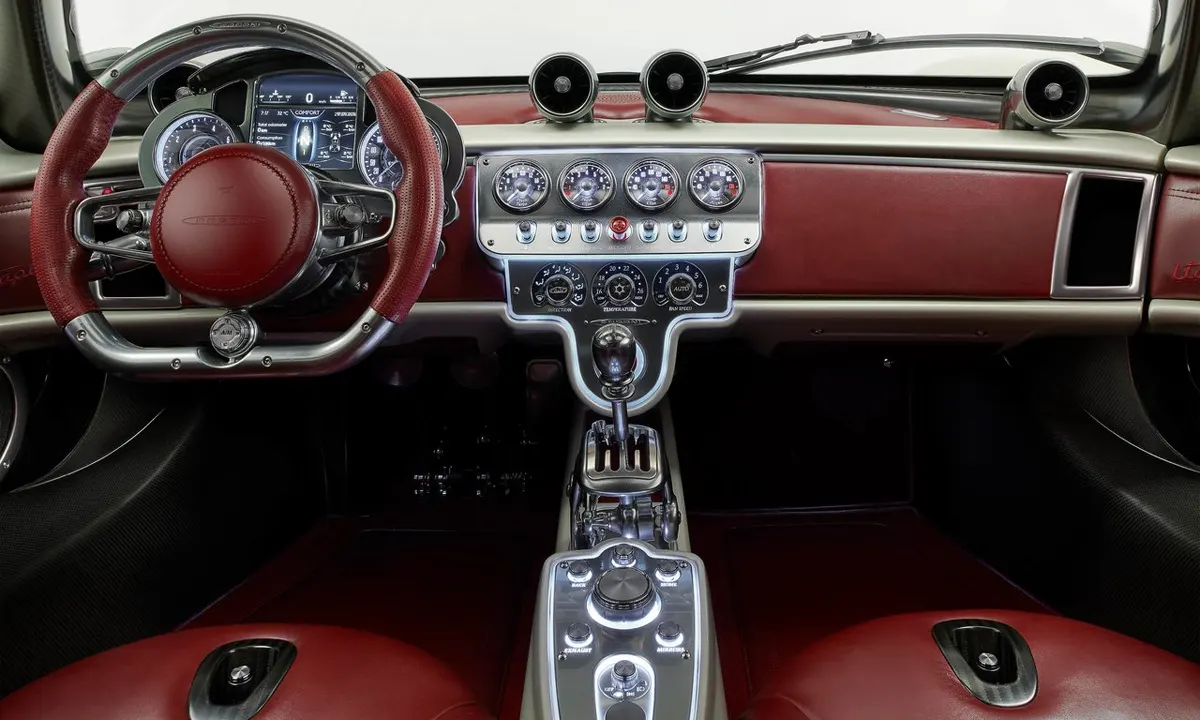
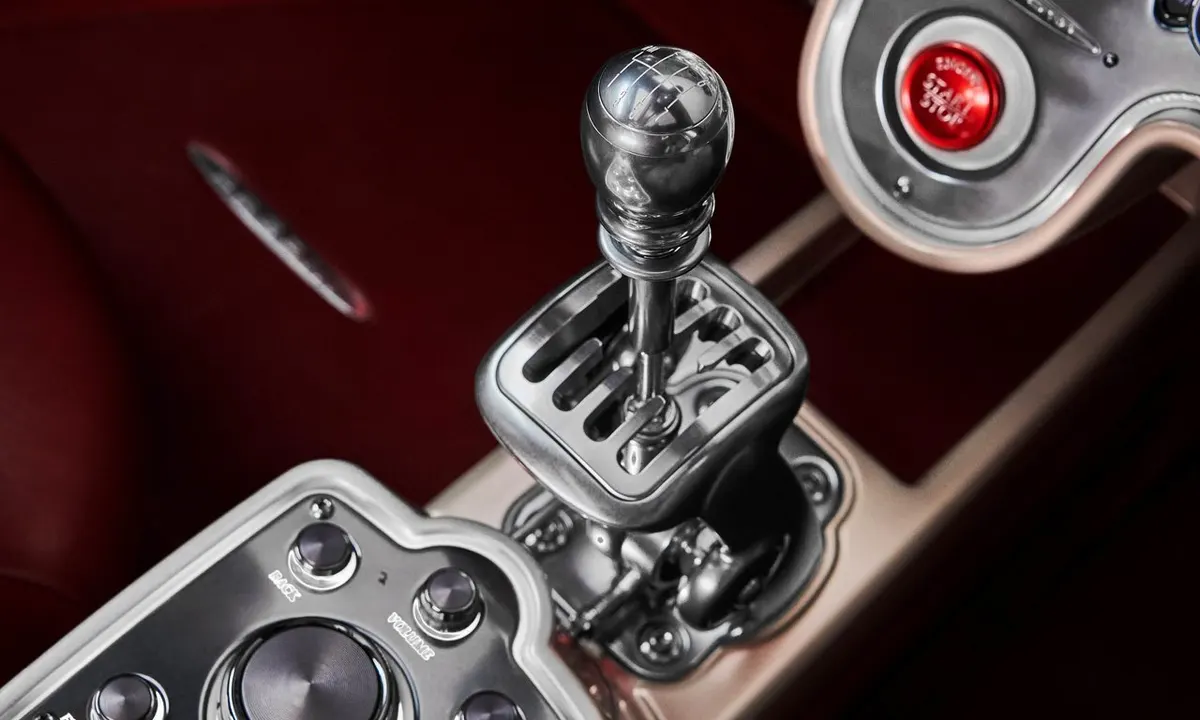
The Engine: AMG’s Last Great V12 in Its Most Extreme Application
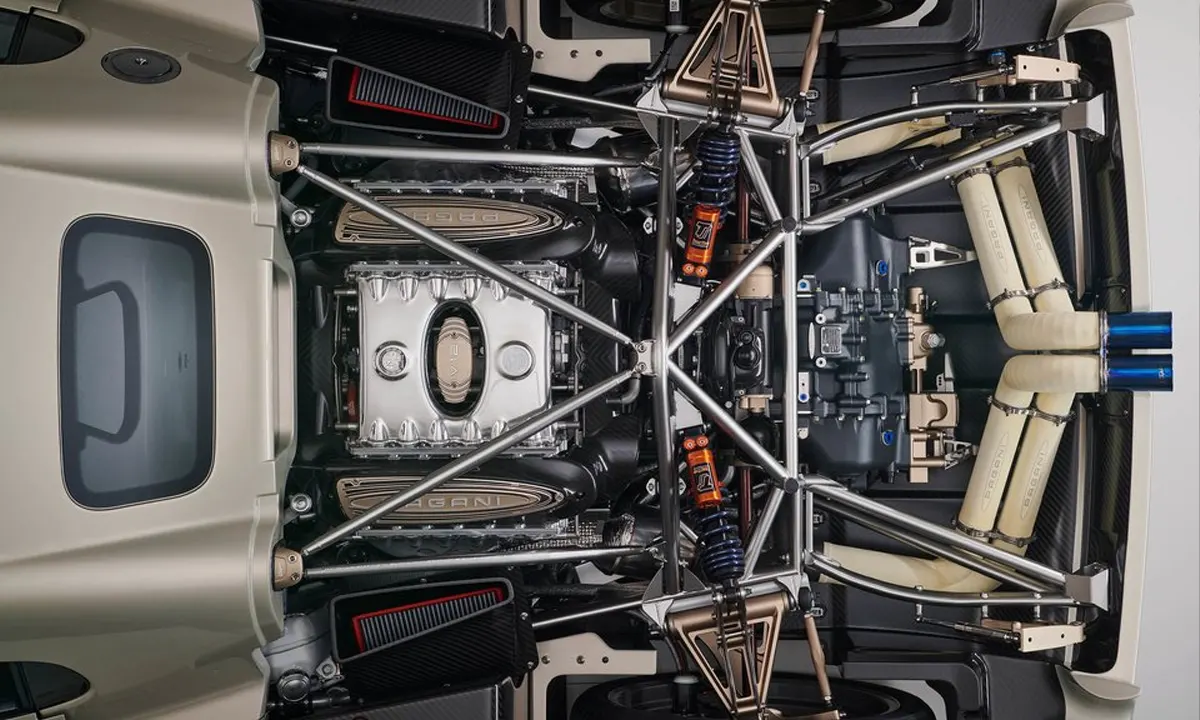
The Pagani Utopia’s powertrain is a 6.0-litre twin-turbocharged V12 developed by Mercedes-AMG — a unit whose fundamental architecture traces its lineage to the AMG 65 V12 but whose application in the Utopia represents the most extreme and most comprehensively developed version of the engine that AMG has produced for any customer. In Utopia specification, the V12 produces 829 horsepower and 1,100 Newton-metres of torque — figures that emerge from a twin-turbocharger arrangement whose boost pressure, intercooler specification and engine management calibration Pagani and AMG developed collaboratively rather than adopting the standard AMG application’s parameters.
The engine’s longitudinal mounting position — oriented along the car’s centreline ahead of the rear axle in a mid-engine configuration whose weight distribution optimisation reflects the same fundamental packaging logic that every serious performance car applies — provides the mass centralisation that the Utopia’s dynamic character demands while accommodating the V12’s considerable dimensional footprint in a manner that the transversely mounted alternatives that packaging efficiency might otherwise suggest would prevent. The longitudinal V12’s weight distribution contribution is not merely theoretical — it is measurable in the Utopia’s cornering behaviour, whose balance and progressiveness reflect a mass distribution that the engine’s central positioning enables.
The torque figure of 1,100 Newton-metres deserves particular attention in the context of the hybrid rejection argument — because one of the most frequently cited justifications for hybrid hypercar architecture is the electric motor’s ability to provide immediate low-speed torque that turbocharged combustion engines cannot deliver with equivalent immediacy due to the spool time that turbocharger inertia imposes. At 1,100 Newton-metres, the Utopia’s V12 produces torque in a quantity that makes the electric motor’s low-speed torque fill contribution — meaningful in engines of more modest output — a marginal addition to an already overwhelming abundance. The turbocharger lag that might theoretically justify electric assistance is not perceptible at a torque level whose real-world effect is to make traction management the primary driver skill requirement rather than torque availability.
The Gearbox: Manual Courage in the Automated Era
The Utopia’s most provocative specification — more provocative even than the V12’s rejection of hybrid assistance — is the availability of a seven-speed manual gearbox as a primary transmission option. In a hypercar landscape where dual-clutch automated transmissions are universally adopted on the basis of shift speed advantage measured in milliseconds and where the manual gearbox’s survival in performance cars above a certain performance threshold has been declared definitively concluded by every serious automotive analyst for the better part of a decade, Pagani’s decision to develop and offer a seven-speed manual for the Utopia is an act of engineering commitment whose cost and complexity cannot be justified by any commercial calculation and whose justification must therefore be found in the philosophical domain that Pagani’s entire product philosophy inhabits.
The seven-speed manual’s development required Pagani and its transmission partner to create a gearbox whose ratios, shift quality and mechanical feedback match the V12’s power and torque characteristics in a way that a repurposed lower-output manual cannot achieve. The result — which first-drive assessments from the limited press access that Pagani has provided describe as producing shift quality of extraordinary precision and mechanical satisfaction — represents a transmission engineering achievement that the automated alternative’s performance advantage in lap time terms cannot render irrelevant for the buyer whose purchase decision includes the quality of the mechanical interaction between driver and machine as a primary criterion.
Why the Utopia Rejects Hybrid Power: The Engineering Argument
The case against hybrid power in the Utopia’s specific context is more substantive than the philosophical argument alone — it is an engineering position whose technical foundation Pagani has articulated with the precision of a manufacturer whose hypercar development experience produces conclusions based on real-world dynamic testing rather than theoretical preference.
The Utopia’s target kerb weight is approximately 1,280 kilograms — a figure whose achievement required the comprehensive application of carbon fibre construction, titanium fastener specification and the elimination of every component whose weight could not be justified by a direct performance contribution. A hybrid system — whose electric motor, battery pack, power electronics and associated wiring harness collectively add between 80 and 150 kilograms to any hypercar architecture whose electrification is sufficiently developed to provide meaningful performance contribution — would increase the Utopia’s kerb weight by a percentage whose effect on the power-to-weight ratio, the inertial response to steering input and the mechanical feedback that the unassisted chassis provides would be directly and measurably negative in the dynamic context that Pagani’s performance priorities define.
The weight argument is the most immediately quantifiable dimension of the hybrid rejection case — but it is not the only dimension. The complexity argument — whose relevance increases as the systems whose interaction must be managed multiply — reflects Pagani’s assessment that the Utopia’s driving experience is maximised by the simplicity of a powertrain whose behaviour the driver can fully understand, predict and exploit rather than one whose hybrid system management layer introduces variables whose effect on throttle response, regenerative braking behaviour and power delivery character the driver must accommodate rather than master.
The Philosophical Case: What Pagani Believes a Hypercar Should Be
Beyond the engineering arguments — whose validity is genuine but whose application reflects choices rather than necessities — the Utopia’s rejection of hybrid power is a philosophical statement about what a Pagani hypercar should mean in the ownership experience and in the cultural context of automotive history.
Horacio Pagani has described the Utopia’s development as a search for the essence of what makes a car emotionally involving rather than merely technically impressive — a distinction that the hypercar market’s performance escalation has made increasingly important to articulate as the gap between the fastest cars and the most rewarding cars has widened. A hypercar whose combined system output of 1,200 horsepower arrives with the seamless, electronically mediated consistency that hybrid architecture enables may be faster around a circuit than the Utopia’s 829 horsepower V12 — but the experience of driving it, in Pagani’s considered assessment, is less transparently connected to the mechanical reality of what is happening beneath the driver and less demanding of the skill, judgment and physical engagement that the greatest driving machines have always required of their drivers.
The Utopia exists to be the greatest driving machine rather than the fastest measured one — and in making that distinction the foundation of its engineering brief, Pagani has produced a hypercar whose AMG V12 is not a compromise forced by the absence of hybrid development resources but a deliberate, considered and philosophically coherent choice whose justification extends from the weight calculation to the rev counter and from the gear lever to the fundamental question of what an automobile, at its most extraordinary, should ask of the person behind its wheel.
Pagani Utopia AMG V12 Key Specifications
| Category | Specification |
| Engine | 6.0-Litre Twin-Turbocharged AMG V12 |
| Power Output | 829 hp |
| Torque | 1,100 Nm |
| Engine Orientation | Longitudinal Mid-Mounted |
| Transmission Options | 7-Speed Manual / 7-Speed Automated Single-Clutch |
| Hybrid System | None — Deliberately Rejected |
| Kerb Weight | Approx. 1,280 kg |
| Power-to-Weight Ratio | Approx. 648 hp per tonne |
| 0–100 km/h | Approx. 3.3 Seconds |
| Top Speed | Approx. 350 km/h |
| Production Volume | 99 Units |
| Chassis | Carbon Fibre Monocoque (Pagani Carbotanium) |
| Starting Price | Approx. $2,200,000 |
| Primary Rivals | Koenigsegg Jesko / Bugatti Chiron Super Sport |