Why the Pagani Utopia Will Be a Future Multi-Million Dollar Collectible
99 Examples, a Manual Gearbox That No Other Hypercar Manufacturer Had the Courage to Offer, an AMG V12 Whose Production Discontinuation Makes Every Utopia Increasingly Irreplaceable, a Design Whose Handcrafted Complexity Rewards Decades of Visual Engagement and the Convergence of Historical, Technical and Cultural Factors That Makes the Pagani Utopia Not Merely a Hypercar Purchase But the Most Compelling Automotive Investment Argument of the Current Generation
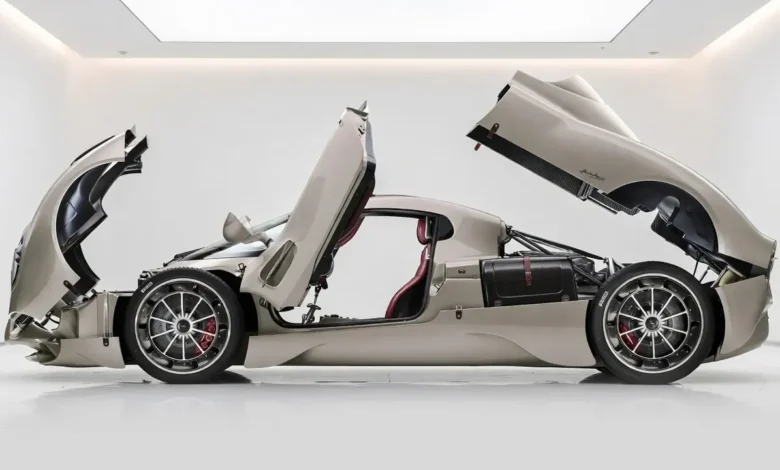
There are automobiles that depreciate, automobiles that hold their value and automobiles that appreciate — and within that third, rarest category, there exists a subset of vehicles whose appreciation trajectory is not merely probable but structurally predetermined by a convergence of factors whose alignment occurs so infrequently in automotive history that recognising it at the moment of a vehicle’s production represents a genuine analytical achievement rather than retrospective obviousness. The Pagani Utopia belongs to that subset. The case for its future status as a multi-million dollar collectible is not speculative enthusiasm dressed in investment language — it is a structured argument whose foundations are the production volume, the powertrain irreplaceability, the manufacturing philosophy, the cultural timing and the collector market dynamics that have historically determined which hypercars ascend to the category of generational automotive art and which ones merely depreciate more slowly than the vehicles their owners traded to acquire them.
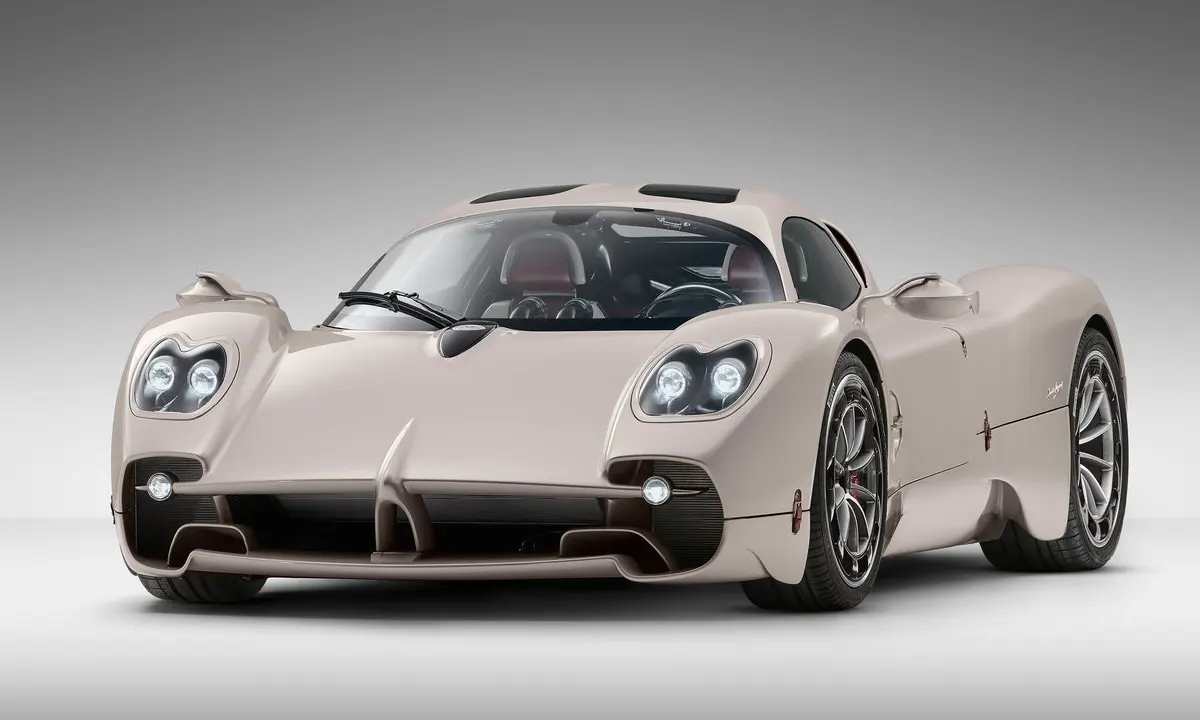
Gallery: Pagani Utopia
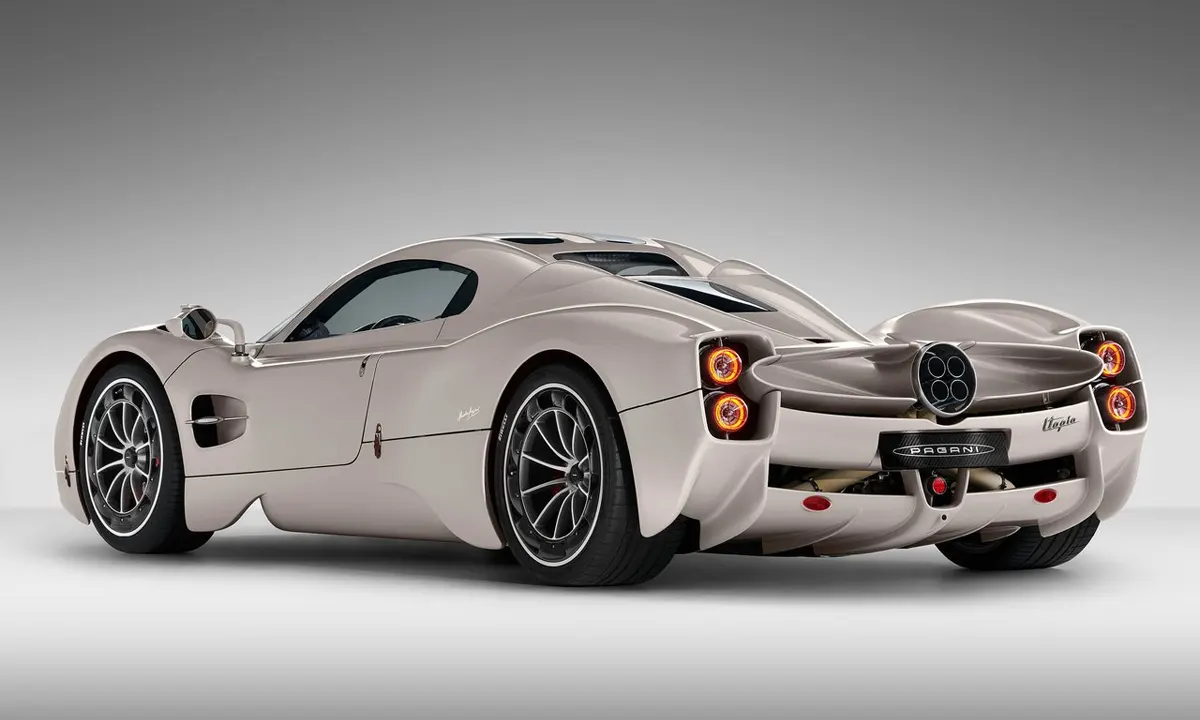
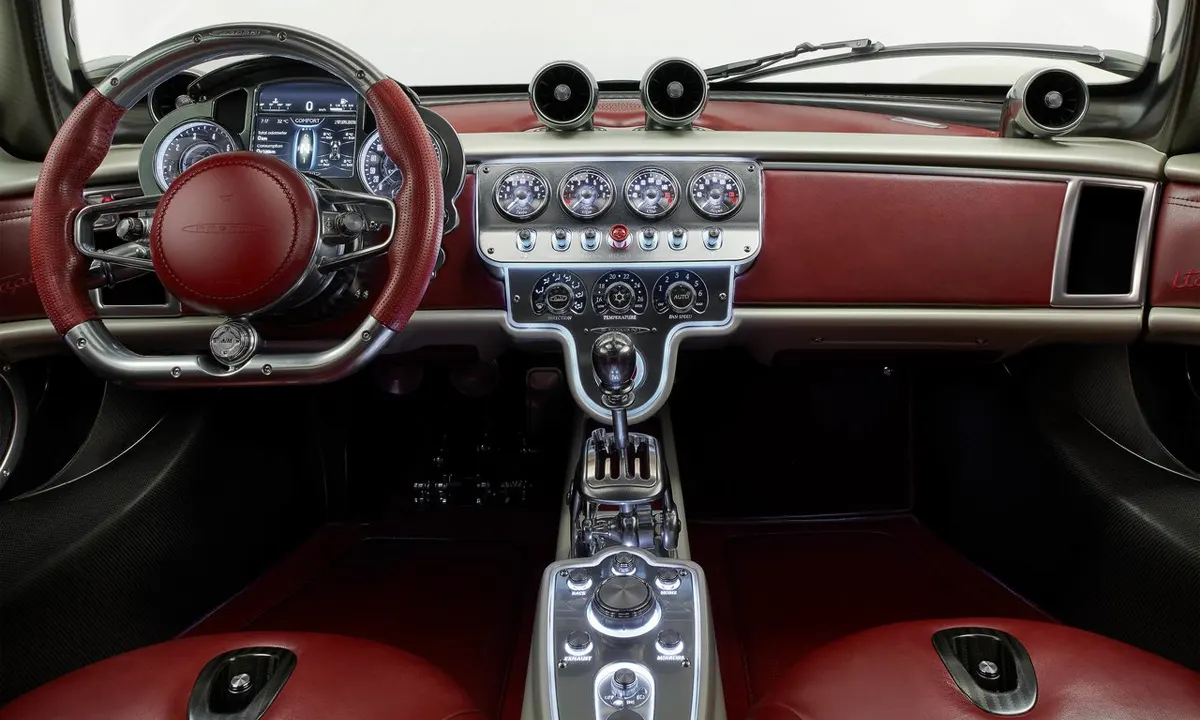
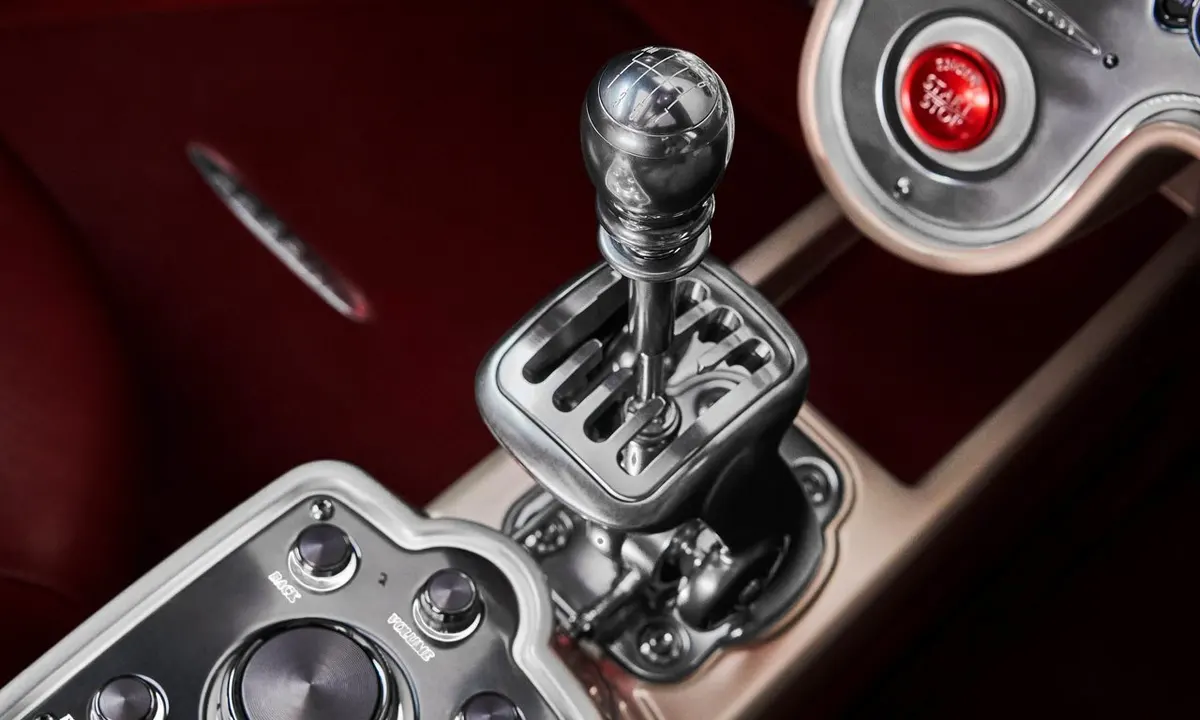
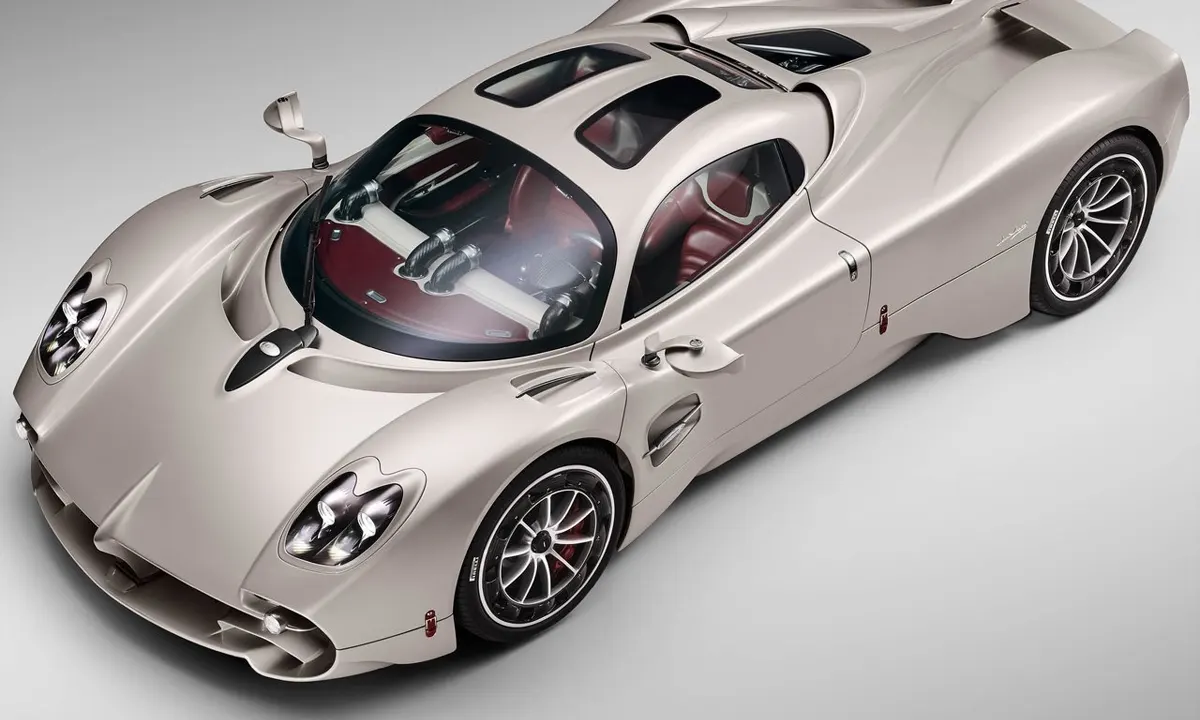
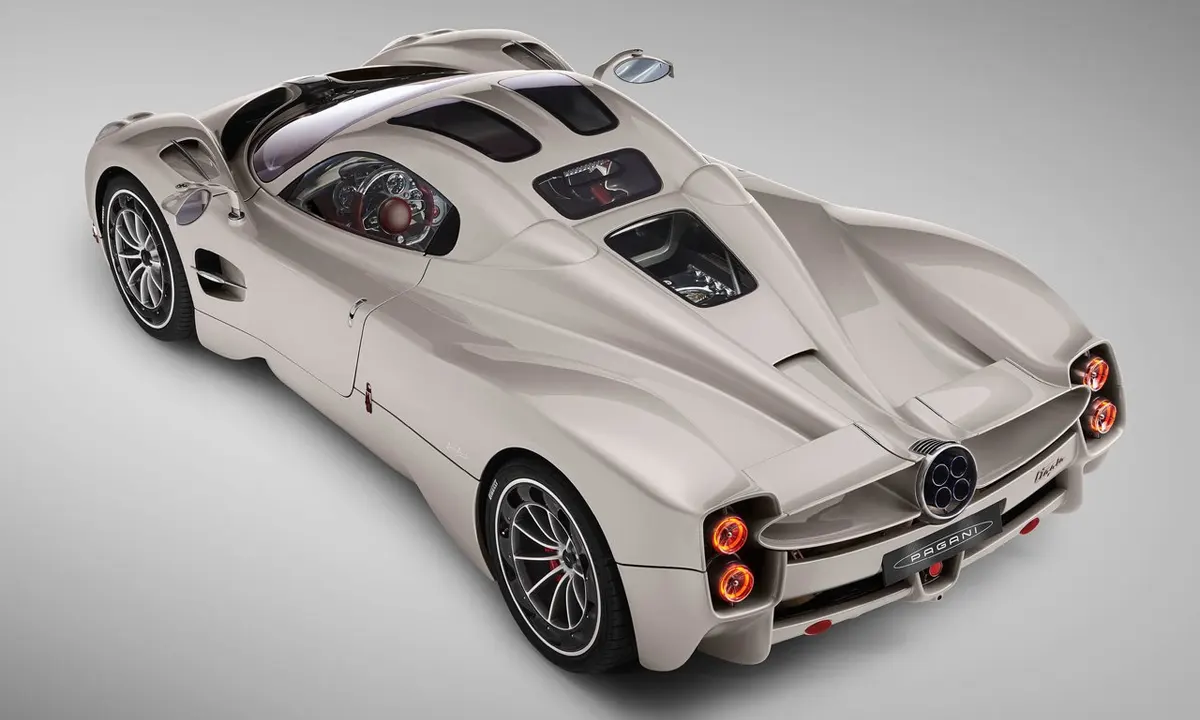
The 99-Unit Production Argument: Scarcity as Foundation
Every serious collectible automobile valuation begins with production volume — because scarcity is the structural prerequisite for the sustained appreciation that distinguishes investment-grade collector cars from merely expensive ones. The Pagani Utopia’s 99-unit global production allocation establishes the scarcity foundation with a figure that is simultaneously small enough to guarantee genuine rarity and large enough to ensure that the Utopia appears in major collections, museum acquisitions and auction house consignments across the decades of appreciation that its other characteristics support.
The 99-unit figure requires contextualisation against the broader hypercar production landscape to understand its significance fully. The Ferrari LaFerrari’s 499-unit production volume — which has produced auction results exceeding $7 million for well-documented examples — establishes a reference point whose scarcity-to-appreciation relationship the Utopia’s five-times-smaller production volume amplifies considerably. The Pagani Zonda — whose various limited production variants across a fifteen-year production window have produced auction results that place the most significant examples above $10 million — demonstrates the appreciation trajectory that Pagani’s production philosophy, combined with the brand’s passionate collector community, generates across the ownership timeline that separates initial delivery from generational collectible status.
At 99 units distributed globally across a buyer demographic that includes the world’s most committed automotive collectors, the probability of significant Utopia examples reaching the open auction market within the next decade is structurally low — creating the supply constraint that sustained price appreciation requires as its most basic precondition.
The AMG V12: An Irreplaceable Heart
The single most powerful factor in the Utopia’s long-term collectible case is the powertrain at its centre — the 6.0-litre twin-turbocharged AMG V12 whose production discontinuation by Mercedes-AMG makes every vehicle currently using this engine architecture an increasingly irreplaceable artefact of an engineering era whose conclusion the regulatory environment has rendered permanent rather than temporary.
Mercedes-AMG’s V12 engine family is ending production — a consequence of emissions legislation, electrification mandates and the commercial reality that the development cost of maintaining a V12 engine family’s regulatory compliance across successive certification cycles cannot be justified by the volumes at which V12-powered vehicles sell in the modern market. Every Pagani Utopia therefore contains an engine that cannot be replaced with a new equivalent — not because Pagani lacks the resources to source an alternative but because the alternative does not exist and will not exist again. The AMG V12 in the Utopia is not merely a powertrain specification — it is a historical artefact whose irreplaceability will be understood with increasing clarity as the years between its production conclusion and the collector market’s assessment of its significance accumulate.
The historical parallel that the collector car market provides for this dynamic is instructive. Vehicles powered by the Ferrari Colombo V12 — an engine family whose production conclusion created exactly the irreplaceability dynamic that the AMG V12’s discontinuation replicates — command premiums whose magnitude reflects the collector community’s retrospective understanding of what the engine’s production conclusion meant for the vehicles it powered. The Utopia’s owners are living through the AMG V12’s production conclusion in real time — a perspective whose investment significance the collector market will value with the clarity of hindsight that current market pricing does not yet fully incorporate.
Manual Gearbox in a Paddle-Shift World: The Rarest Specification
The Pagani Utopia’s seven-speed manual gearbox — available as a primary transmission option in a hypercar landscape where no competitor at any price point currently offers an equivalent — creates a specification distinction whose rarity will intensify rather than diminish across the ownership timeline. The manual hypercar is not merely uncommon in 2026 — it is effectively unique above a certain performance threshold, a distinction that reflects both the engineering courage required to develop a manual transmission for a 1,100 Newton-metre application and the commercial confidence required to offer it to buyers whose purchase decision the unconventional specification might complicate.
Collector car history demonstrates consistent and substantial premiums for manual transmission examples of vehicles offered with automatic alternatives — premiums that reflect both the driving engagement that manual transmission provides and the production rarity that typically results from buyers choosing the more convenient automatic option in greater numbers. In the Utopia’s case, the manual transmission is not merely a specification preference — it is the specification that future collectors will identify as the definitive Utopia, the configuration that most completely expresses the car’s philosophical commitment to mechanical engagement over electronic mediation.
Pagani’s Handcraft Manufacturing: Time-Intensive Rarity
The manufacturing philosophy that Pagani applies to the Utopia — whose construction involves handwork whose time intensity per vehicle no volume manufacturer could sustain commercially and whose material specification includes Carbotanium composite, titanium fasteners and components whose fabrication reflects artistic as much as engineering intent — produces vehicles whose physical character rewards the close examination that collector ownership provides across decades of appreciation.
Each Pagani Utopia requires approximately 8,000 to 10,000 hours of skilled labour to complete — a figure that contextualises the car’s approximately $2.2 million purchase price against the manufacturing investment it represents and that creates the physical quality whose examination reveals increasing complexity and craftsmanship with each successive engagement. Collector cars that reward sustained visual and tactile engagement — whose details reveal themselves gradually rather than exhausting their interest in a single inspection — accumulate the devoted ownership communities whose enthusiasm drives the auction results that define generational collectible status.
Read: Inside the Pagani Utopia’s AMG V12 and Why It Rejects Hybrid Power
Cultural Timing: The Last Analogue Hypercar Argument
The Utopia arrives at a cultural moment whose significance the collector market has historically rewarded with substantial appreciation premiums — the moment when a manufacturing philosophy is reaching its conclusion and when the vehicles that represent its fullest expression become recognisable as the final examples of a category rather than simply the current ones.
The naturally aspirated, manually engaged, analogue hypercar — unassisted by electric motors, uncomplicated by hybrid management systems and unmediated by the digital layer that modern performance cars increasingly interpose between driver and machine — is approaching the end of its production feasibility as regulatory requirements make its survival progressively more difficult to justify commercially. The Utopia is not merely one of the last examples of this category — it is the most complete expression of it available at any price, from any manufacturer, in the current production landscape.
Future collectors examining the 2020s performance car landscape will identify the moment when the analogue hypercar became impossible to build — and they will pay accordingly for the vehicles that represented that philosophy at its highest development level at its historical conclusion.
Read: Inside the Pagani Utopia’s AMG V12 and Why It Rejects Hybrid Power
Pagani Utopia — Collectible Investment Summary
| Factor | Collectible Significance |
| Production Volume | 99 Units Global — Exceptional Scarcity |
| Powertrain | AMG V12 — Discontinued / Irreplaceable |
| Transmission | 7-Speed Manual — Unique at Performance Level |
| Manufacturing | 8,000–10,000 Hours Per Vehicle |
| Material | Carbotanium / Titanium — Handcrafted |
| Starting Price (New) | Approx. $2,200,000 |
| Projected 10-Year Value | $4,000,000–$8,000,000+ (Significant Examples) |
| Comparable Appreciation | Pagani Zonda — $10M+ for Significant Variants |
| Cultural Timing | Last Analogue Hypercar Era |
| Collector Community | Pagani — Among Most Passionate Globally |
| Auction Market Readiness | High — Established Pagani Collector Demand |
| Long-Term Risk Factor | Low — Multiple Independent Value Drivers |