Plug-In Hybrid Cars With Longest Electric Range In USA. Ranked by Electric Range for 2026
- Mercedes GLC 350e leads with 54 miles EV range
- Toyota RAV4 PHEV offers ~50 miles with larger battery
- Prius Prime delivers 44 miles at lower price point
- Ford Escape PHEV tops total range (~560 miles)
- PHEVs ranked by electric range, total range and value
Plug-In Hybrid Cars With Longest Electric Range: The plug-in hybrid vehicle occupies a unique and increasingly compelling position in the 2026 American automotive landscape. It offers the daily-driving economics of an electric vehicle — zero fuel consumption for commutes that fall within its electric range — combined with the unlimited range confidence of a gasoline engine for longer journeys that would require charging stops in a pure EV. For American drivers whose daily commute is under 40 miles but who regularly take weekend trips of 200 miles or more, a PHEV eliminates both the fuel cost of daily gasoline consumption and the range anxiety of a single-powertrain EV simultaneously. The question that separates PHEVs by practical value in 2026 is electric range — specifically, how many miles a fully charged PHEV can travel before its gasoline engine activates. A PHEV with 20 miles of electric range requires the gasoline engine for approximately half of a typical American commute. A PHEV with 50 miles of electric range completes the average American’s daily driving entirely on electricity for the majority of commuting days. This guide ranks every significant PHEV sold in the American market in 2026 by electric-only range, explains the practical implications of each, and provides the total range and value context that makes the selection decision complete.
Why Electric Range Is the Most Important PHEV Specification
The electric-only range of a plug-in hybrid is the metric that most directly determines its financial advantage over a conventional hybrid or gasoline vehicle for a specific buyer. A PHEV that cannot cover the owner’s daily commute on electricity produces fuel savings only at the margins — occasional short trips might be completed electrically, but the gasoline engine activates for the majority of daily driving, and the vehicle’s economics are effectively those of a standard hybrid rather than an electric vehicle.
The U.S. Department of Transportation data places the average American’s daily driving at approximately 37 miles. A PHEV with 40 or more miles of electric range covers the average American’s entire daily driving on electricity on the majority of days — requiring the gasoline engine only for above-average days and longer trips. At an electricity rate of $0.15 per kilowatt-hour and a gasoline price of $3.32 per gallon, completing 37 daily miles on electricity rather than gasoline saves approximately $1.50 per day — approximately $547 per year at five days per week. For a buyer who charges at home nightly and whose daily commute falls within the PHEV’s electric range, this saving is realised with the consistency and predictability of a fixed cost reduction rather than the variable benefit of fuel price movements.
The practical PHEV threshold for eliminating most daily gasoline consumption for the average American commuter is 40 miles of electric range. PHEVs below this threshold require the gasoline engine for a meaningful proportion of typical daily driving and are best understood as highly efficient hybrids with occasional electric capability rather than true daily electric vehicles with gasoline backup.
1. Mercedes-Benz GLC 350e 4MATIC: The Electric Range Leader at 54 Miles
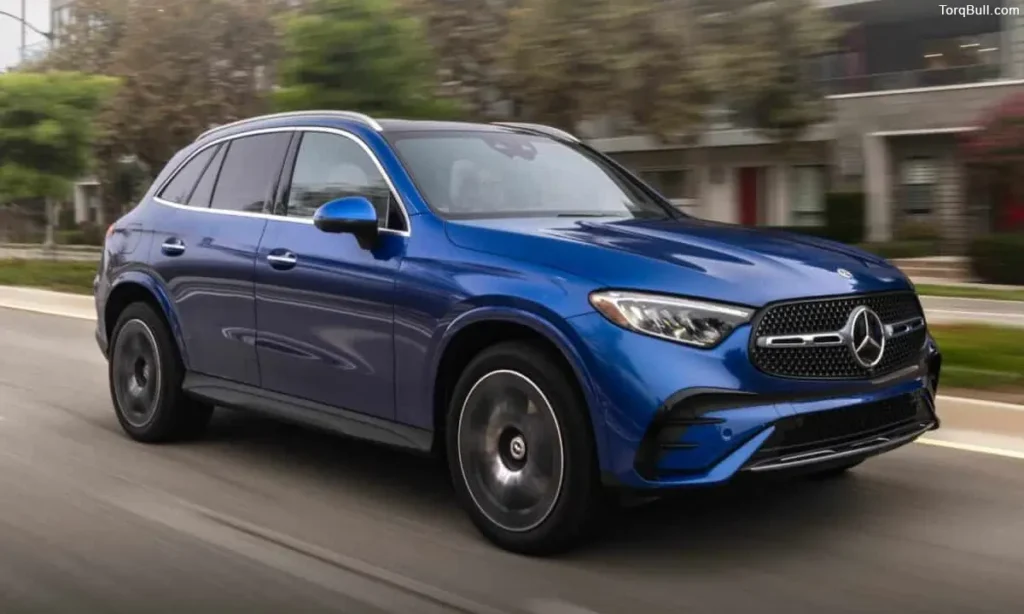
Electric Range: 54 miles (EPA) | Battery: 24.8 kWh | Total System Power: 313 hp | DC Fast Charging: 60kW | Starting Price: ~$63,000
The 2026 Mercedes-Benz GLC 350e 4MATIC leads all plug-in hybrid vehicles sold in the American market by EPA electric-only range, achieving 54 miles on a fully charged 24.8 kilowatt-hour battery pack. Autoblog identifies it as sitting “at the top of the PHEV range leaderboard” and notes that its electric range is sufficient for most American commuters to complete their entire daily driving without activating the gasoline engine — transforming gasoline from a daily necessity into a long-distance backup.
What separates the GLC 350e from every other PHEV on this list is its DC fast charging capability — rated at 60 kilowatts, a feature that Autoblog specifically notes is “rare in the PHEV space.” While most PHEVs are limited to Level 2 AC charging at 6 to 11 kilowatts — requiring four to eight hours for a full charge — the GLC 350e can charge from 10 to 80 percent in approximately 20 to 30 minutes at a compatible DC fast charger. This capability transforms long-distance road trip dynamics: rather than relying entirely on the gasoline engine after the initial charge is depleted, a 30-minute charging stop at a highway fast charger restores 40 to 50 miles of electric range. The 2.0-litre turbocharged four-cylinder engine and electric motor combine for 313 horsepower, enabling 0-60 in 6.3 seconds alongside the class-leading electric range.
Read: Should You Buy the 2026 Audi Q3 Plug-In Hybrid? The Pros, Cons and Hidden Costs Nobody Mentions
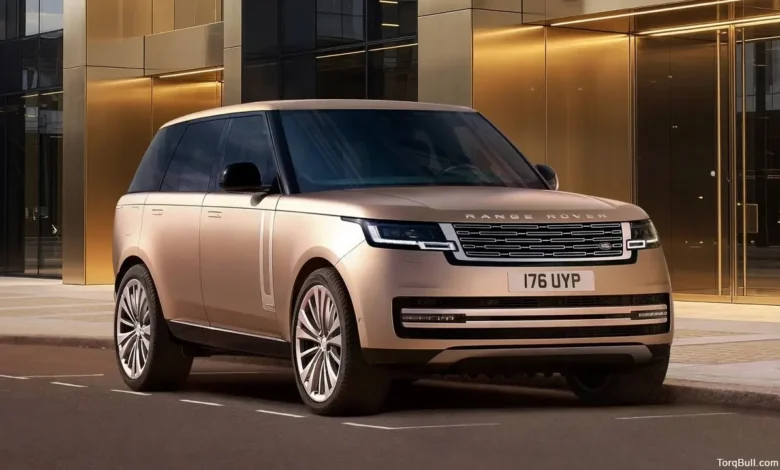
2. Range Rover P550e: 50–53 Miles of Electric Range in Full-Size Luxury
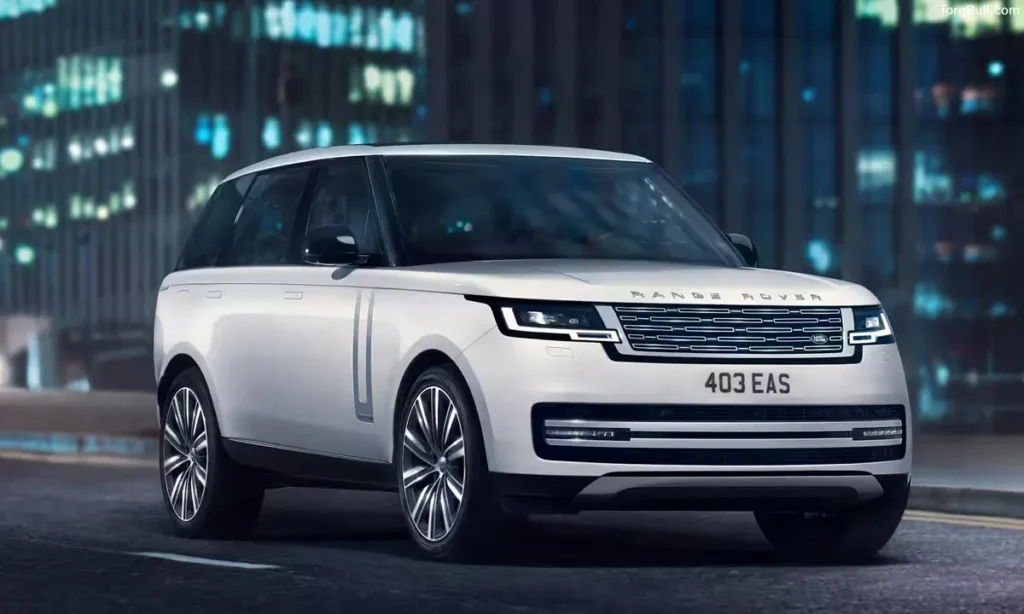
Electric Range: ~50–53 miles | System Power: 550+ hp | Starting Price: ~$125,000+
The Range Rover P550e brings long-range PHEV capability to the full-size luxury SUV segment, delivering approximately 50 to 53 miles of electric driving range from a powerful inline-six hybrid system producing over 500 horsepower. Autoblog identifies it as the only vehicle that pairs genuine off-road capability, flagship luxury and long electric range simultaneously — a combination unavailable anywhere else in the PHEV market. At over $125,000, it addresses a specific buyer who requires true terrain capability and maximum luxury alongside the environmental and fuel cost advantages of a long-range PHEV.
3. Toyota RAV4 PHEV (2026 Upgrade): 50 Miles With Enhanced Battery
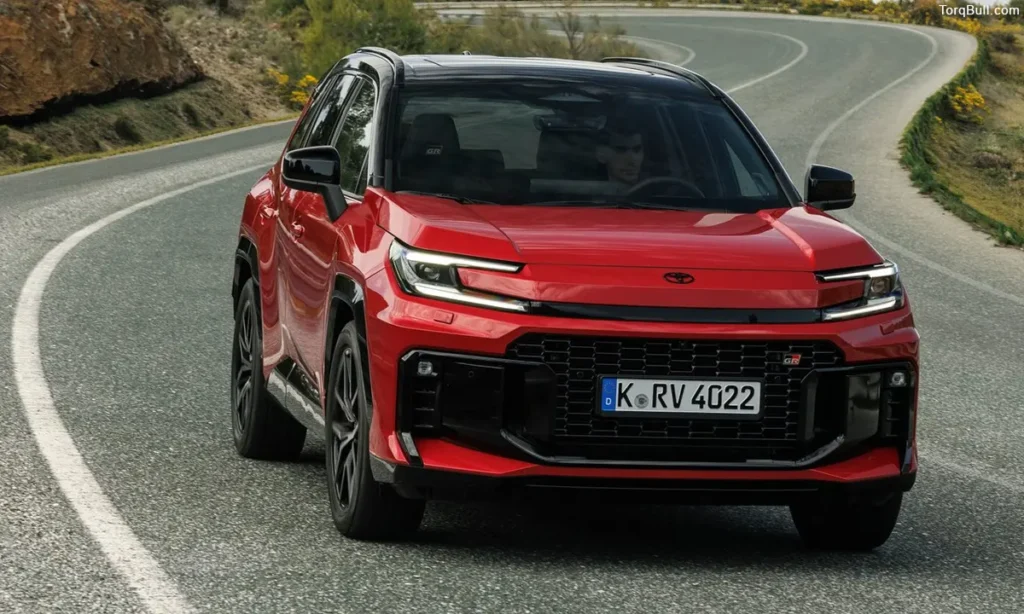
Electric Range: 50 miles (2026) | Battery: 22.7 kWh (upgraded from 18.1 kWh) | System Power: 320 hp | Starting Price: ~$44,000
The 2026 Toyota RAV4 PHEV receives a significant upgrade that elevates it from 42 miles of electric range in 2025 to approximately 50 miles in 2026, courtesy of an enlarged 22.7 kilowatt-hour battery replacing the previous 18.1 kilowatt-hour pack. Autoevolution identifies this upgrade as placing the RAV4 PHEV among the long-range PHEV leaders while maintaining the Toyota reliability record and competitive pricing below $50,000. The upgraded 2026 RAV4 PHEV also introduces DC fast charging support on higher trim grades — addressing one of the most significant limitations of its predecessor.
The RAV4 PHEV’s three-motor electric drive system produces 320 combined horsepower in 2026 specification, enabling a 0-60 time of approximately 5.5 seconds. Standard all-wheel drive across the lineup, Toyota’s class-leading reliability record and a well-established service network make the RAV4 PHEV one of the most comprehensively practical long-range PHEVs in the American market — providing 50 miles of electric range in one of the best-selling vehicle formats in the country at a price accessible to mainstream buyers.
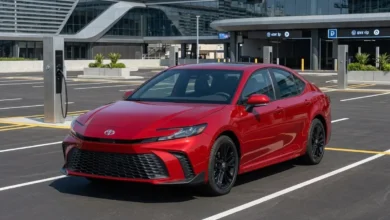
4. Toyota Prius Prime: 44 Miles and Best-in-Class Fuel Efficiency
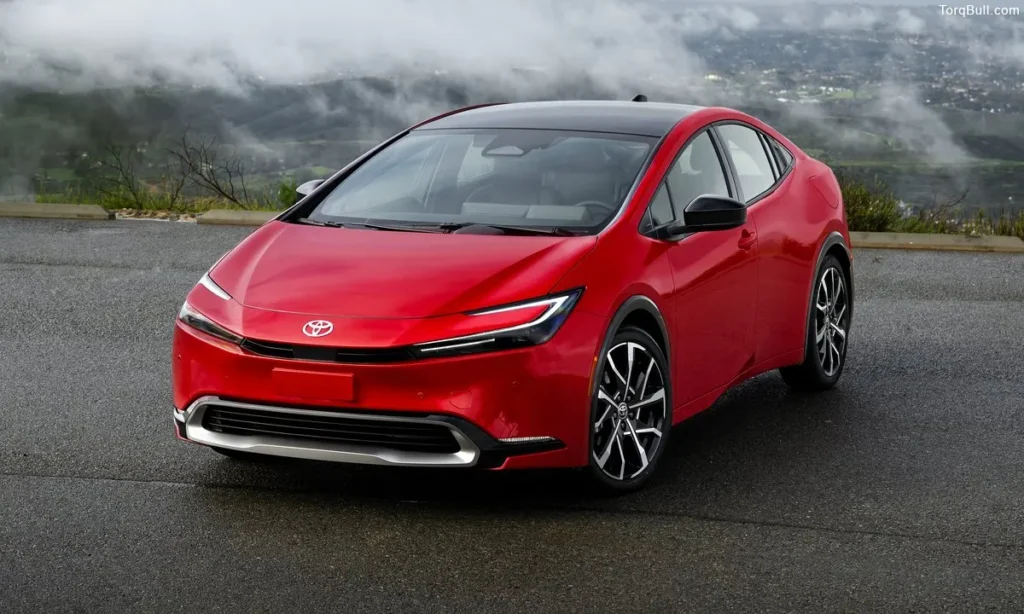
Electric Range: 44 miles | MPGe: 127 combined (charged) | MPG: 52 combined (depleted) | Starting Price: ~$33,000
The 2026 Toyota Prius Prime delivers 44 miles of electric-only range and the best fuel efficiency of any PHEV in the American market once the battery is depleted — 52 MPG combined on gasoline alone. U.S. News specifically praises the Prius Prime as a car that is “fun to drive” despite its fuel economy focus, with “beautifully tuned” suspension that absorbs road imperfections and a well-equipped interior featuring wireless Apple CarPlay, Android Auto and an 8-inch touchscreen. At approximately $33,000, it is the most affordable vehicle in the long-range PHEV category — offering 44 miles of electric capability alongside 127 MPGe on a charged battery.
The Prius Prime’s combination of long electric range, class-leading hybrid fuel economy when the battery is depleted, Toyota’s reliability record and accessible pricing makes it the most comprehensively rational long-range PHEV choice for buyers whose priority is maximum fuel cost reduction across all driving scenarios. For the buyer who charges daily at home and also makes frequent longer highway trips, no other PHEV delivers both the daily electric driving efficiency and the extended-range fuel economy of the Prius Prime at this price point.
5. Ford Escape PHEV: Longest Total Range at 560 Miles Combined
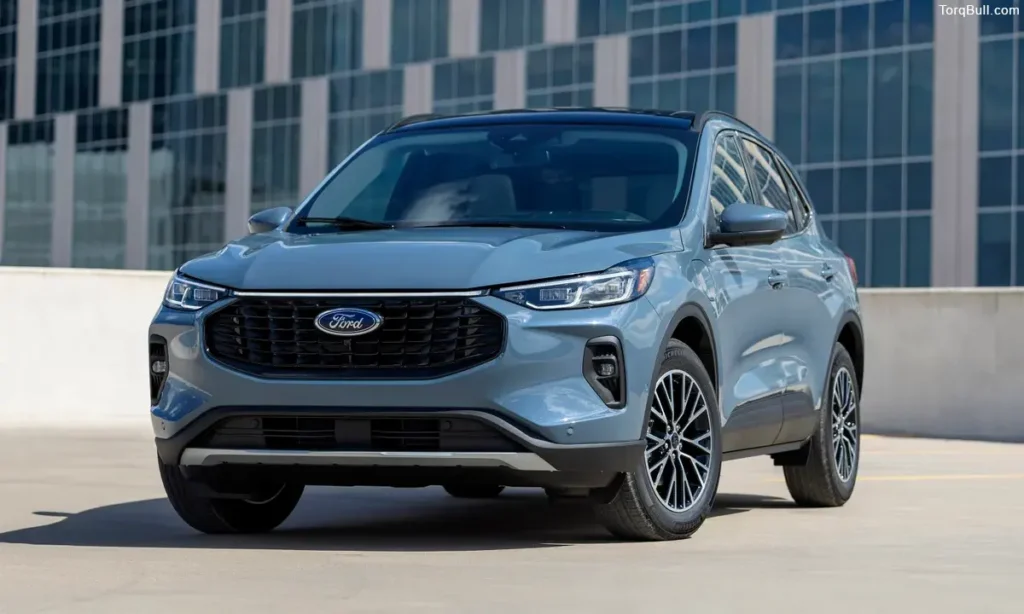
Electric Range: 37 miles | Total Range: 560 miles | System Power: 210 hp | Starting Price: ~$36,000
The Ford Escape PHEV leads all 2026 PHEVs in total combined range — gas and electric combined — at 560 miles per full fuel and charge cycle, according to Cars.com January 2026 data. Its 37-mile electric-only range falls short of the 40-mile threshold that covers the average American commute, but its 560-mile total range is unmatched in the segment, making it the optimal choice for buyers who value maximum refuelling and recharging intervals in a value-positioned compact SUV. The 2.5-litre turbocharged four-cylinder and electric motor combine for 210 horsepower in a package priced around $36,000 for the PHEV configuration.
6. Kia Niro PHEV: 33 Miles Electric and 510 Miles Total Range
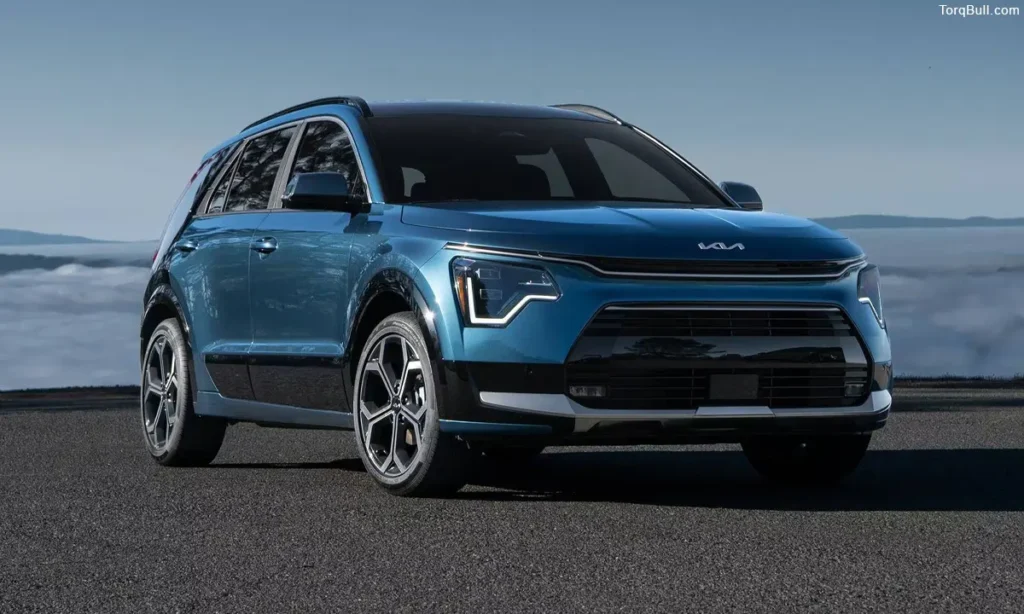
Electric Range: 33 miles | Total Range: 510 miles | Starting Price: ~$33,000
The Kia Niro PHEV delivers 33 miles of electric range and 510 miles of total range, placing it among the longer-range mainstream PHEV options at an accessible price point. Kia’s 10-year, 100,000-mile powertrain warranty provides exceptional ownership security, and the Niro’s compact crossover body style appeals to buyers seeking urban practicality. At 33 miles of electric range, the Niro PHEV covers roughly 89 percent of average American daily driving electrically — a meaningful but not complete commute solution for average drivers.
Read: 2026 Suzuki Across Combines Plug-in Hybrid Power with SUV Versatility
Plug-In Hybrid Cars With Longest Electric Range USA 2026 — Complete Ranked Chart
| Rank | PHEV Model | Electric Range | Battery Size | Total Range | DC Fast Charging | Starting Price |
| 1 | Mercedes-Benz GLC 350e | 54 miles | 24.8 kWh | ~380 miles | Yes — 60kW | ~$63,000 |
| 2 | Range Rover P550e | ~50–53 miles | Large format | ~500+ miles | Limited | ~$125,000+ |
| 3 | Toyota RAV4 PHEV (2026) | ~50 miles | 22.7 kWh | ~500+ miles | Yes (higher trims) | ~$44,000 |
| 4 | Toyota Prius Prime | 44 miles | 18.1 kWh | ~580 miles | No | ~$33,000 |
| 5 | Mercedes-Benz GLC 450e | 49 miles | Larger format | ~380 miles | Yes | ~$73,000 |
| 6 | Ford Escape PHEV | 37 miles | 14.4 kWh | 560 miles | No | ~$36,000 |
| 7 | Volvo XC60 T8 | 36 miles | 18.8 kWh | 560 miles | Limited | ~$63,000 |
| 8 | BMW 750e xDrive | 35 miles | 18.7 kWh | 460 miles | No | ~$115,000 |
| 9 | Kia Niro PHEV | 33 miles | 11.1 kWh | 510 miles | No | ~$33,000 |
| 10 | Kia Sportage PHEV | 33 miles | 13.8 kWh | 470 miles | No | ~$37,000 |
| 11 | Volvo XC90 T8 | 33 miles | 18.8 kWh | 530 miles | Limited | ~$70,000 |
| 12 | Lincoln Corsair Grand Touring | 27 miles | 14.4 kWh | 450 miles | No | ~$54,000 |
The Key PHEV Decision: Electric Range vs Total Range vs Price
Understanding which PHEV best serves a specific buyer’s needs requires applying two separate frameworks — the daily commute framework and the total ownership cost framework — because PHEVs optimise differently across these dimensions.
The daily commute framework prioritises electric-only range as the primary selection criterion. For the commuter who drives 40 or fewer miles daily and charges at home overnight, a PHEV with 40-plus miles of electric range effectively eliminates gasoline from daily driving expenses. The Mercedes-Benz GLC 350e (54 miles), the 2026 Toyota RAV4 PHEV (50 miles) and the Toyota Prius Prime (44 miles) all meet this threshold — with the Prius Prime doing so at the lowest price point by a significant margin and the GLC 350e adding DC fast charging capability that no other mainstream PHEV in this range provides.
The total ownership cost framework weighs electric range against purchase price and total combined range. The Toyota Prius Prime’s combination of 44 miles of electric range, 52 MPG when the battery is depleted, Toyota reliability and a starting price of approximately $33,000 produces the lowest total cost of ownership among long-range PHEVs for buyers who charge daily at home. The Ford Escape PHEV’s 560-mile total range at approximately $36,000 serves buyers whose longer trip frequency makes total range a higher priority than electric-only capability.
The fast charging consideration is increasingly relevant as PHEV electric ranges extend beyond 40 miles — creating meaningful opportunity to partially restore electric range at highway charging stops during longer journeys. The Mercedes-Benz GLC 350e’s 60kW DC fast charging capability is currently unique among production PHEVs in the American market, enabling 30-minute charging stops that restore 40 to 50 miles of electric range — a capability that genuinely changes the road trip economics of a long-range PHEV.