- Seventy percent of verified 2026 Toyota Highlander owners recommend the SUV, with 63 percent giving it a five-star rating.
- Owners rate comfort and styling as the Highlander’s strongest qualities.
- Common complaints include cramped third-row space, noisy turbocharged engine performance and weaker value ratings.
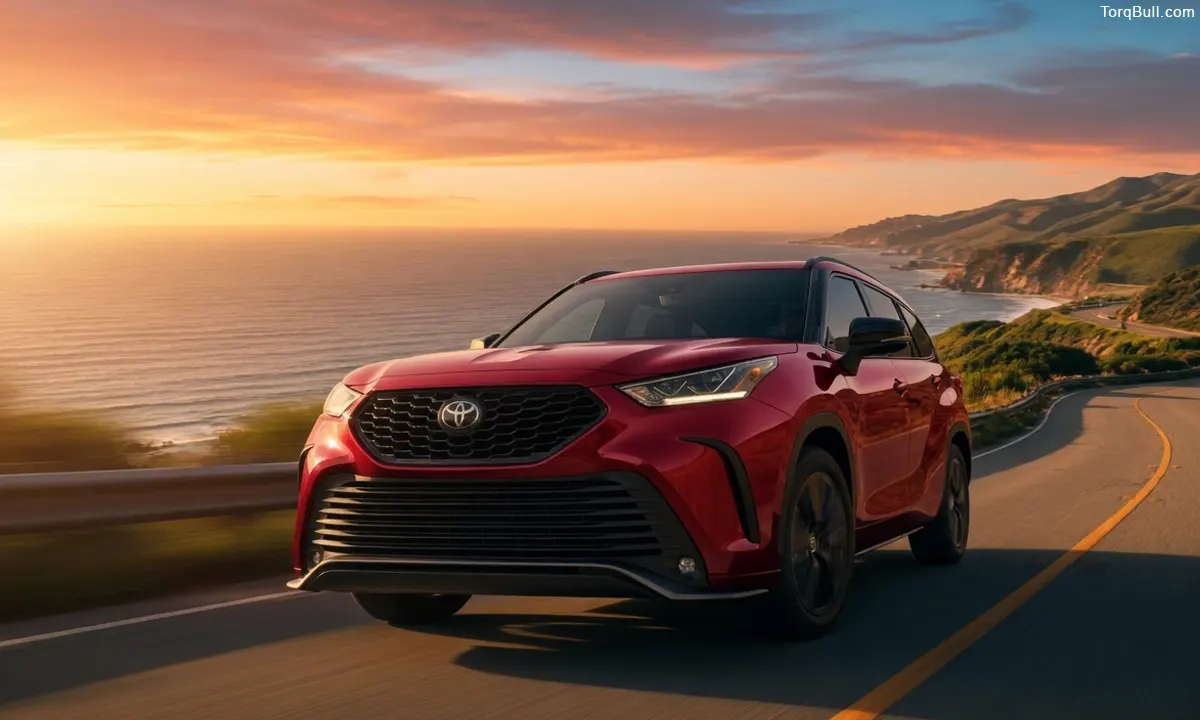
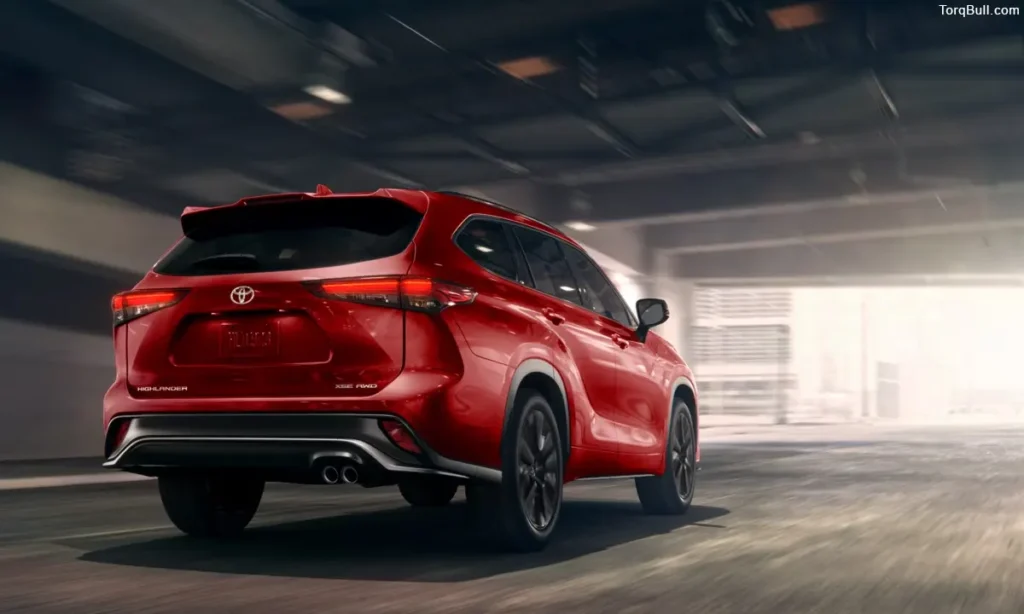
The Toyota Highlander is one of the most consistent performers in the three row midsize SUV segment — a vehicle that has maintained its family SUV benchmark status through multiple generations by delivering a specific and reliable combination of Toyota reliability, generous second row space, strong safety credentials and resale value that competing manufacturers find difficult to match. The 2026 model year brings meaningful standard equipment upgrades, most notably the standardisation of all wheel drive across every trim level and the discontinuation of the base LE trim in favour of the better equipped XLE as the entry point. Verified owner feedback across 64 reviews for the 2026 generation is predominantly positive, with reliability and styling as the most consistently praised attributes alongside the smooth, comfortable ride. But the same owner community also documents specific and recurring limitations — particularly around third row space, turbo engine noise and the perception that the Highlander’s high price does not always match the content it provides at lower trim levels. This guide presents both sides with equal detail.
The Real Ownership Context: Who Is Buying the Highlander and Why
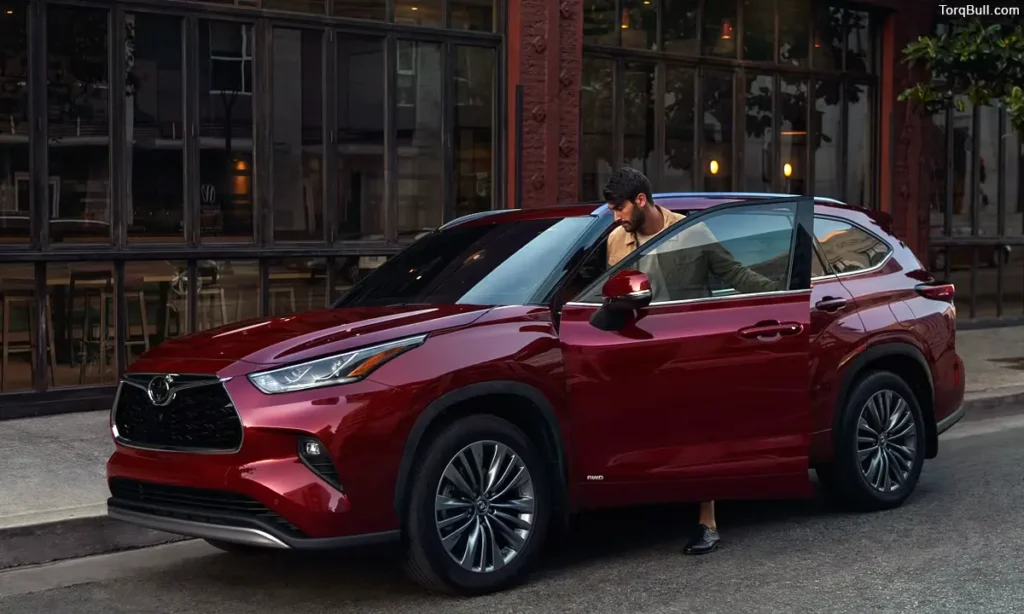
The typical Highlander owner in 2026 is a repeat buyer with a long relationship with the nameplate. One verified owner who purchased her fourth Highlander in 23 years describes the 2026 model as one she likes everything about — consistent with the brand loyalty that Toyota has cultivated across multiple Highlander generations. Verified owner data confirms 70 percent of 2026 Highlander owners recommend the vehicle, with 63 percent awarding the maximum five star rating. The Hybrid variant shows even stronger sentiment, with 85 percent of owners recommending it and 72 percent rating it five stars.
The 2026 Highlander starts at $47,065 for the base XLE with now standard all wheel drive — a meaningful price increase from the previous generation’s front wheel drive base configuration. The range topping Platinum starts at $54,720. These prices position the Highlander above the Kia Telluride and Honda Pilot at equivalent configurations, a positioning that the owner community specifically flags in their value assessments.
Read: Toyota Highlander Ride Quality vs Competitors. Is It More Comfortable Than Its Rivals?
The Pros: What Real Owners Consistently Praise
Pro 1: Comfort and Ride Quality That Owners Describe as the Vehicle’s Signature Strength
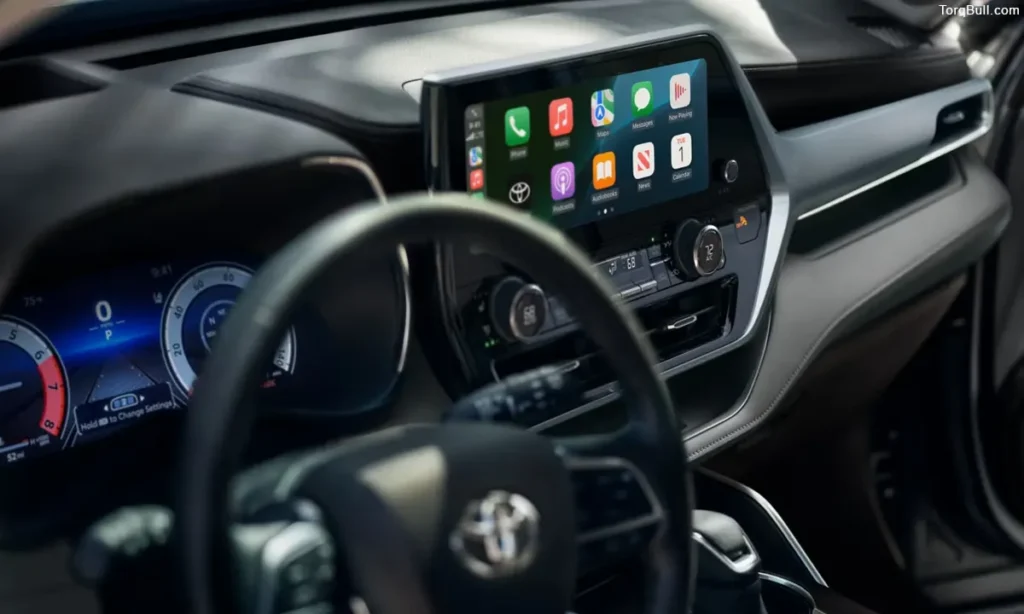
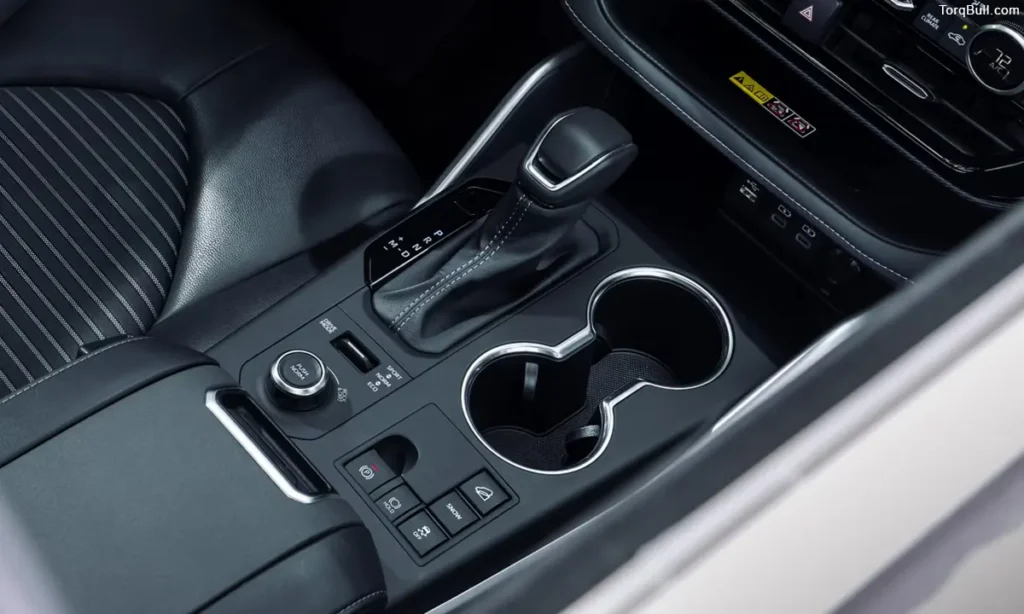
Comfort is the single highest rated attribute across the 64 verified 2026 Highlander owner reviews — scoring above reliability, performance, quality and styling on the aggregated consumer satisfaction index. Multiple owners specifically describe the ride as smooth, plush and pleasant in a way that makes long family journeys enjoyable rather than fatiguing. A repeat Highlander owner who has driven the vehicle loaded with bikes, a kayak and a roof box on road trips to Arizona and Maine specifically praises the great ride and describes it as a great travelling vehicle. The suspension’s ability to smooth large and small road imperfections while avoiding the floaty, disconnected feeling that some comfort tuned SUVs exhibit produces the composed ride quality that professional evaluations consistently confirm — 7.4 seconds to 60 MPH in independent testing with a ride quality described as pleasantly plush.
Pro 2: Toyota Reliability and Resale Value That Repeat Buyers Trust
Reliability ranks as the top owner rated attribute for the Hybrid variant, and strong reliability sentiment appears consistently across both gas and hybrid owner reviews. Toyota’s industry leading reliability track record — consistently ranked among the top three manufacturers across multiple independent reliability studies — is the foundational reason that repeat Highlander buyers continue returning to the nameplate. Professional assessment confirms the long term reliability, stellar safety ratings and strong resale value that the Toyota brand is famous for as core Highlander strengths. For buyers planning five to ten years of ownership, the Highlander’s documented durability record provides ownership confidence that few competing vehicles match at equivalent pricing.
Pro 3: Comprehensive Standard Safety Technology on Every Trim
Toyota Safety Sense 2.5 Plus is standard across every 2026 Highlander trim — providing automatic emergency braking with pedestrian detection, adaptive cruise control with lane centering, lane departure alert with steering assist, automatic high beam control, blind spot monitoring with rear cross traffic alert and road sign assist at every price point. Verified owners consistently praise the safety features as working well and being easy to use. One owner specifically highlights blind spot monitoring, lane assist and intelligent cruise control as nice to have features that contribute positively to daily driving confidence. The five star overall NHTSA safety rating and Top Safety Pick recognition from the IIHS validate these active safety systems with the strongest available passive crash protection credentials.
Pro 4: Second Row Passenger Space and Family Practicality
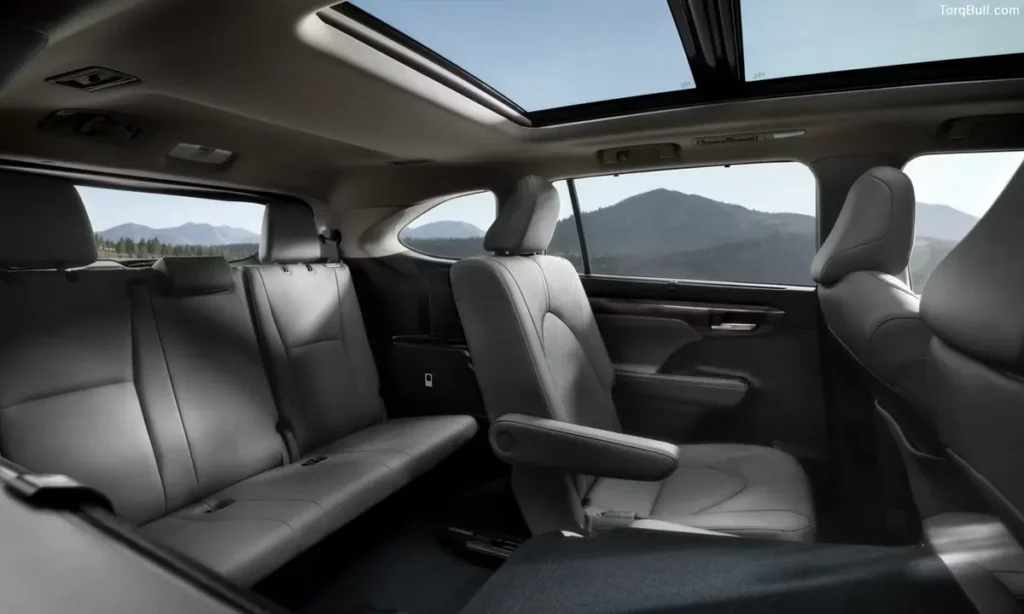
Owner reviews consistently confirm generous second row space as a genuine daily ownership strength. The 38.7 inches of second row legroom accommodate adult passengers comfortably and the wider door openings facilitate easier loading and unloading than many competing three row SUVs provide. One owner specifically notes the second row is very roomy, contrasting this with the third row experience. The 14 cupholders and multiple USB ports distribute charging access throughout the vehicle in a way that families with multiple device carrying passengers specifically appreciate on longer journeys.
Pro 5: Hybrid Efficiency That Transforms the Operating Cost
The Highlander Hybrid’s EPA ratings of 35 to 36 MPG combined represent the most fuel efficient non plug in hybrid option in the three row midsize SUV class at the Highlander’s price point. Multiple hybrid owners specifically praise the fuel economy as a daily ownership highlight — one describing 27 MPG on a loaded road trip with bikes, kayak and roof box as impressive for a vehicle of this size. The hybrid’s regenerative braking extends brake service intervals and the smooth, quiet hybrid powertrain eliminates the engine noise concerns that gas model owners document.
The Cons: Where Real Owners Document Genuine Frustrations
Con 1: Third Row Space Described as Horrendous for Adults
The most consistently and most emphatically documented Highlander owner complaint is the third row — and the specific language owners use is more critical than standard automotive euphemisms like snug or cosy. A verified owner describes the third row seat as absolutely horrendous, stating there is no room at all for adults. Professional evaluation confirms the 28 inches of third row legroom as a structural limitation that places the standard Highlander behind the Kia Telluride, Hyundai Palisade and Grand Highlander on this specific dimension. For families whose third row passengers are typically children under ten, this limitation is largely irrelevant. For families who regularly transport teenagers, grandparents or adult friends in the third row on extended journeys, this is the single most functionally significant limitation in the entire ownership package. Toyota’s own response to this limitation is the Grand Highlander — a four inch longer version of the vehicle with meaningfully improved third row dimensions sold simultaneously at comparable pricing.
Con 2: Turbocharged Four Cylinder Engine Noise Under Load
The transition from the previous generation’s 3.5 litre naturally aspirated V6 to the current 2.4 litre turbocharged four cylinder engine is the most consistently discussed quality trade off among repeat Highlander buyers. Multiple verified owner accounts describe the four cylinder engine as making more noise than the V6 it replaced — initially annoying in the words of one experienced Highlander owner who specifically contrasts the noise level with her previous V6 experience. Under hard acceleration — merging onto highways, climbing sustained grades and passing on two lane roads — the turbocharged engine’s acoustic character is noticeably more intrusive than the V6’s smooth, refined power delivery. Professional evaluation confirms the engine gets noisy under hard acceleration. Most owners report adapting to the noise over time, but the transition is specifically noticed and specifically lamented by owners who experienced the previous V6 generation.
Con 3: Value Rated as the Weakest Consumer Scored Attribute
Value is the lowest owner scored category across the 64 verified 2026 Highlander reviews — scoring 3.8 out of 5 against comfort at 4.3 and styling at 4.3. This consistent pattern reflects two specific owner experiences. The first is the Highlander’s higher starting price compared to Korean competitors: the Kia Telluride and Hyundai Palisade both start below the Highlander and offer comparable or superior standard equipment at those entry points. The second is the perception that higher trim levels are necessary to access the features that constitute the full Highlander experience — with the base XLE at $47,065 requiring meaningful upgrades to access the dual 12.3 inch displays, ventilated seats and premium audio that the segment’s value leaders include at lower price points. One owner specifically notes that higher trim levels are necessary to get the full package of desirable features as a characterisation of the ownership value equation.
Con 4: Navigation System and Electronics Complaints
Navigation system criticism appears consistently across Highlander owner reviews across multiple model years. One verified owner describes the navigation package as awful, noting they keep using their phone instead because Google Maps beat the factory navigation’s route suggestion by 15 minutes on a specific trip. Limitations in the navigation’s real time traffic processing and route optimisation relative to smartphone navigation apps are specifically mentioned. Android Auto interaction issues — one owner noting it limits what you can do while driving to an extent they find not worth using — represent a technology integration frustration that appears across multiple reviews. Professional evaluation confirms some owners faced problems with electronics as a recurring theme.
Con 5: Fuel Tank Capacity vs Advertised Range
A specific and quantified owner complaint concerns the Hybrid variant’s actual usable fuel tank capacity versus the manufacturer specified 17.1 gallon tank. One verified owner documents receiving only 12.5 to 13 gallons when the display reads zero miles remaining — significantly less than the 17.1 gallon specification. After dealer investigation, the owner reports being told by the dealer that Toyota acknowledges buyers will only access approximately 14 gallons of the specified capacity, reducing the practical range to approximately 450 miles rather than the 600 miles the combination of tank size and fuel economy rating theoretically produces. This discrepancy between specified and usable capacity affects range planning on longer journeys.
Toyota Highlander 2026 Pros and Cons — Real Owner Summary Chart
| Category | Verdict | Owner Evidence |
| Ride comfort | Strong Pro | Highest owner rated attribute; consistent five star praise |
| Reliability and resale value | Strong Pro | Repeat buyers return across generations; strong long term data |
| Safety technology standard | Pro | Toyota Safety Sense 2.5 Plus on all trims; five star NHTSA |
| Second row space | Pro | 38.7 inches legroom; family practical |
| Hybrid fuel economy | Pro | 85 percent of Hybrid owners recommend; 35 to 36 MPG combined |
| Third row adult space | Real Con | Owner: absolutely horrendous; 28 inches legroom |
| Turbo four cylinder noise | Real Con | Multiple owners: noisier than previous V6; hard acceleration issue |
| Value perception | Con | Lowest owner scored category at 3.8 of 5 |
| Navigation system | Con | Multiple owners prefer phone navigation; beats factory nav |
| Usable fuel tank capacity | Con | Hybrid owners report 13 gallons accessible vs 17.1 gallon specification |