- U.S. News says both the Toyota Highlander and Honda Pilot offer a smooth ride, but the Pilot handles corners with better body control.
- The Kia Telluride beats the Highlander in ride and handling with a more refined and balanced driving feel.
- The comparison shows how the Highlander performs against rivals in comfort, stability, and overall driving dynamics.
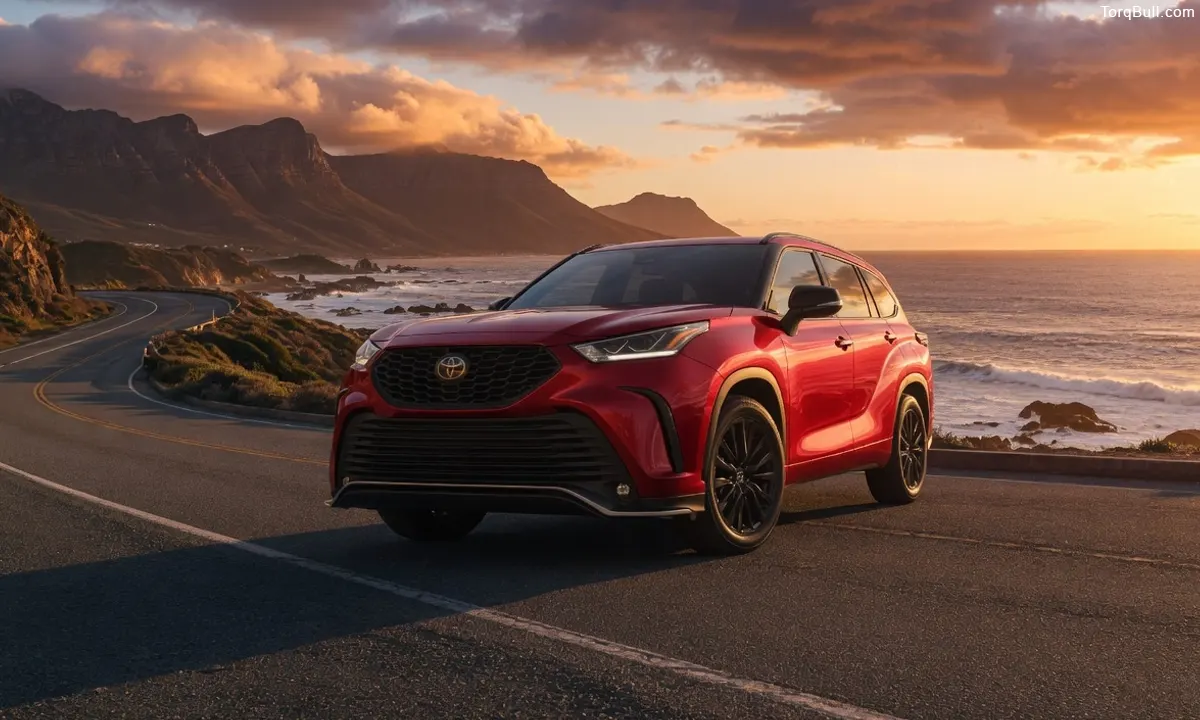
The Toyota Highlander’s ride quality is one of its most consistently praised ownership attributes — a smooth, settled highway character that the vehicle has delivered across multiple generations and that represents Toyota’s deliberate engineering priority of comfort over sportiness in its flagship family SUV. But the midsize three-row SUV segment in 2026 is the most competitive it has ever been, with the Kia Telluride, Honda Pilot, Hyundai Palisade and Volkswagen Atlas each making credible cases for ride quality leadership. Understanding precisely where the Highlander leads, where it matches and where it genuinely trails its primary competitors in this specific category requires examining the available evidence from U.S. News, Edmunds and professional head-to-head evaluations rather than relying on any single source’s overall ranking. The ride quality finding is more nuanced than the Highlander’s overall segment position suggests.
Toyota Highlander Ride Quality: The Baseline Assessment
The 2026 Toyota Highlander’s ride quality baseline is established by its fourth-generation platform — the TNGA-K architecture shared with the Lexus RX that Toyota specifically engineered for improved driving dynamics and body control over the previous-generation Highlander’s platform. The suspension uses a MacPherson strut front and multi-link rear setup, tuned for the specific comfort-over-sport priority that the Highlander’s family SUV positioning demands.
U.S. News’ extended Highlander evaluation describes the ride experience accurately: the Highlander delivers a smooth, comfortable ride. The vehicle’s tendency to absorb larger road inputs — freeway expansion joints, road undulations and surface variations — without transmitting them harshly into the cabin reflects tuning that prioritises passenger comfort over the sharp body control that more dynamically focused vehicles prioritise. Edmunds’ assessment of the Highlander confirms a plush ride quality that most family buyers find appealing for long-distance travel and daily commuting.
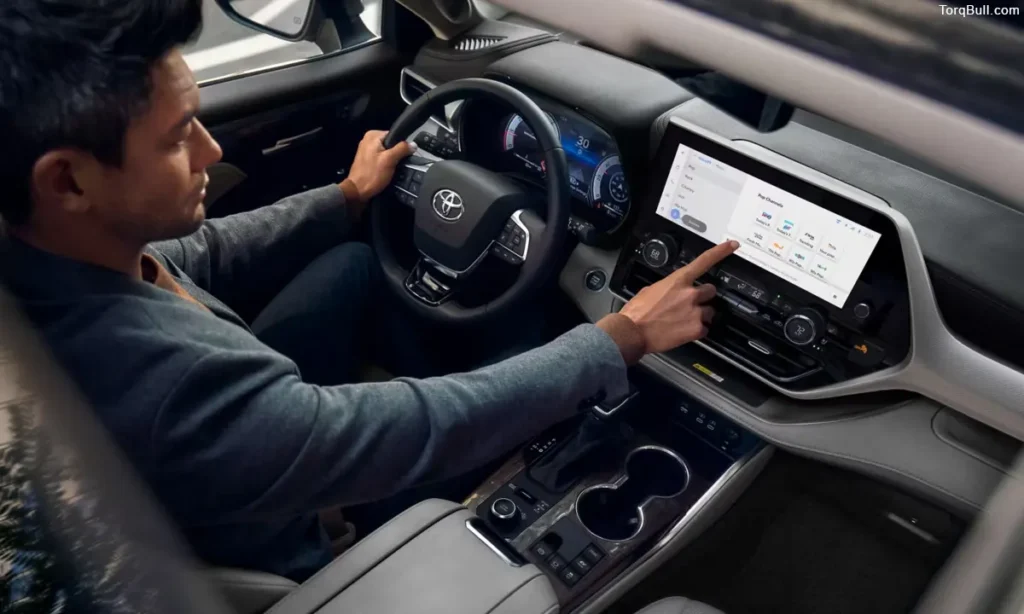
The most consistently noted limitation in the Highlander’s ride and handling assessment is its steering weight calibration — U.S. News specifically identifies some buyers finding the Highlander’s steering to be overly light. Light steering reduces driver fatigue on long highway drives — which is partly intentional — but reduces the connected, responsive feel that makes more dynamically oriented vehicles feel engaging on winding roads. The Highlander is categorically a comfort-first vehicle whose steering and suspension calibration prioritise ease and smoothness over the feedback and precision that a sportier tuning would produce.
Toyota Highlander vs Kia Telluride: The Most Direct Comparison
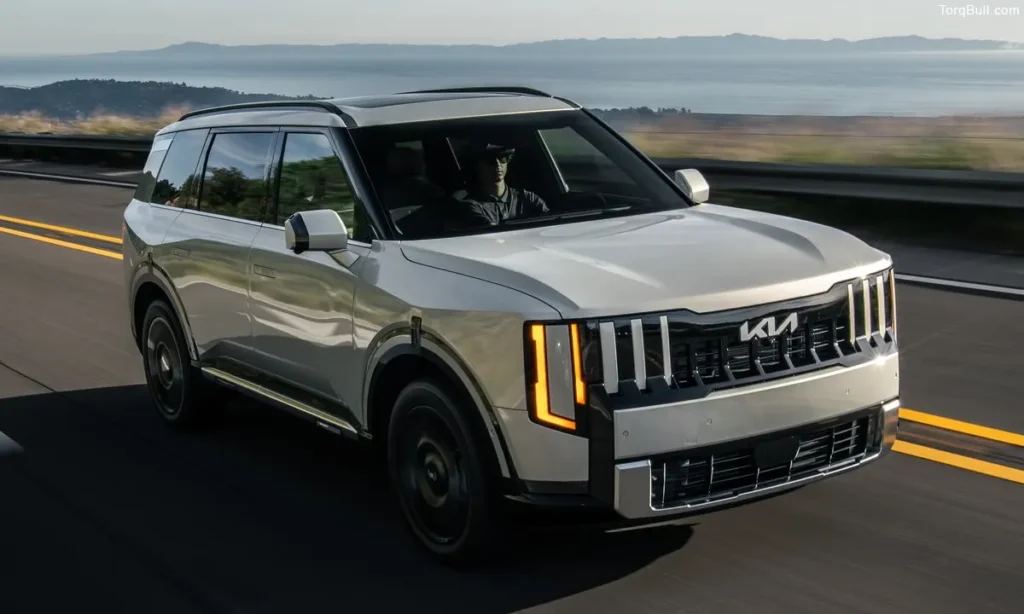
The Telluride versus Highlander is the most extensively documented and most commercially significant ride quality comparison in the three-row midsize segment — because these two vehicles are the segment’s most closely contested alternatives on most buyer priority lists.
U.S. News’ comprehensive head-to-head between the 2025 Kia Telluride and Toyota Highlander delivers a clear verdict on ride and handling: both offer easy, composed rides, but U.S. News gives the win to the Telluride for its more well-rounded on- and off-road handling capabilities. The specific praise for the Telluride includes: balanced and light steering, minimal body roll on curvy roads despite the vehicle’s size and strong brakes that bring the Kia to smooth stops. This assessment is not a marginal finding — U.S. News scores the Telluride over the Highlander in eight categories to the Highlander’s one, with the Highlander’s sole category win being fuel economy.
The Telluride’s ride quality advantage over the Highlander is specifically the combination of composure and capability. Where the Highlander’s more comfort-tuned suspension can become unsettled over more aggressive road variations — the kind of surface change that a driver might encounter accelerating from a highway on-ramp or navigating a sweeping bend — the Telluride’s slightly firmer but more controlled setup maintains flatter body posture. Telluride owners describing highway comfort consistently note the vehicle as quiet and settled in a way that makes cross-country road trips notably relaxing, while the Highlander’s lighter steering character can feel less reassuring to some drivers on high-speed highway sections.
Toyota Highlander vs Honda Pilot: The Closest Ride Quality Contest
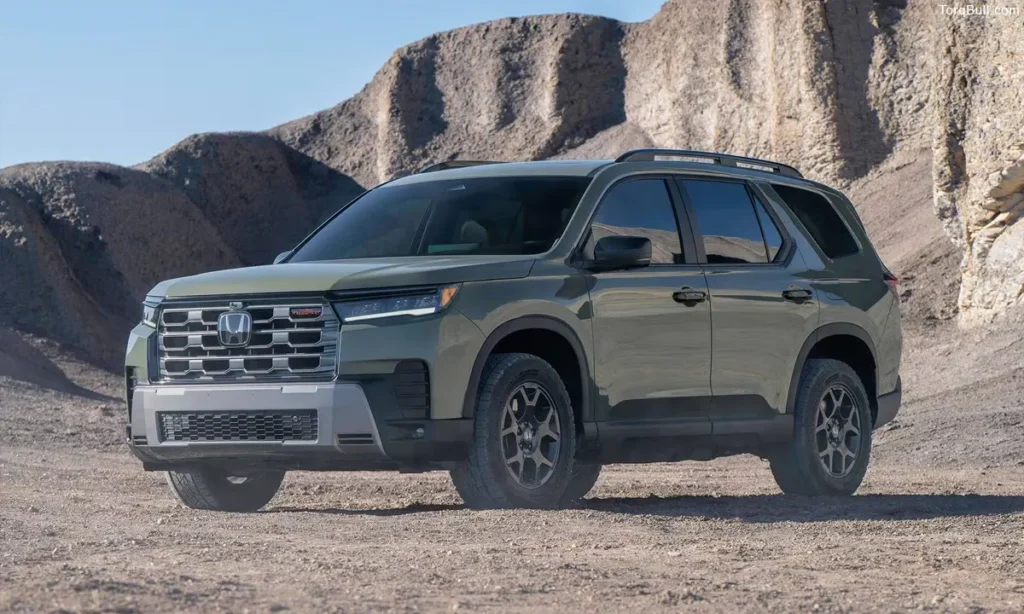
The Honda Pilot comparison produces a different and more nuanced finding — one where the two vehicles are far more closely matched on ride quality than the Telluride comparison suggests, and where the verdict depends on which specific aspect of the ride experience is being evaluated.
U.S. News’ 2025 Pilot versus Highlander head-to-head reaches an unusually balanced conclusion on ride quality: the Highlander and Pilot may go about it slightly differently, but each delivers a ride that stays smooth and settled, even when the road doesn’t cooperate — with steering feeling accurate and direct and brakes responding with reassuring strength in both vehicles. Despite this near-parity finding, U.S. News gives the handling crown to the Pilot, citing confident handling with tight body control and specifically noting that some buyers find the Highlander’s steering overly light.
The Honda Pilot’s tighter body control compared to the Highlander reflects the 2023 redesign’s specifically improved suspension calibration and the adoption of a more sophisticated multi-link rear suspension that improves cornering composure. Where the Highlander’s suspension allows slightly more body lean during lane changes and cornering, the Pilot’s more controlled setup produces a more car-like response that some drivers prefer. The practical consequence for most family buyers is minimal — neither vehicle is driven at speeds where the difference in cornering composure matters in typical use — but the Pilot’s handling advantage is real and measurable in back-road evaluations.
Where the Highlander specifically compensates is fuel economy, which U.S. News identifies as the Highlander’s advantage over both the Telluride and the Pilot — and in the ride quality category specifically, the Highlander Hybrid’s additional mass from the hybrid system components does not meaningfully alter the comfort character relative to the gas model. The Highlander Hybrid and gas model ride similarly in everyday use.
Read: Kia Telluride vs Toyota Highlander: Which Three-Row SUV Is Actually Better?
Toyota Highlander vs Hyundai Palisade: The Space-for-Comfort Trade
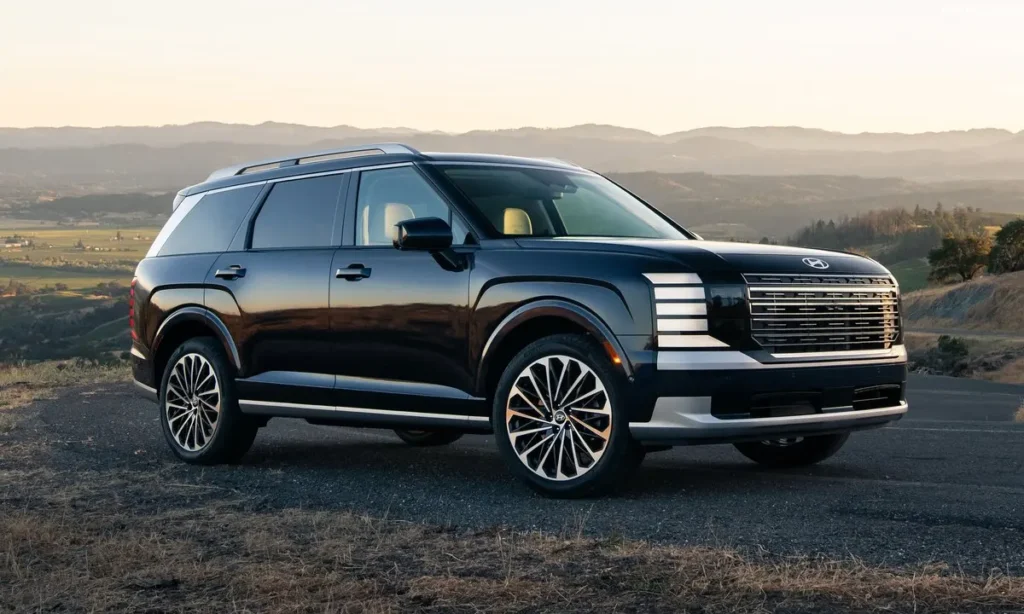
The Hyundai Palisade — the Telluride’s sibling on the same platform — provides a useful secondary comparison for the Highlander’s ride quality because the Palisade and Telluride share their fundamental chassis while being positioned at slightly different buyer profiles.
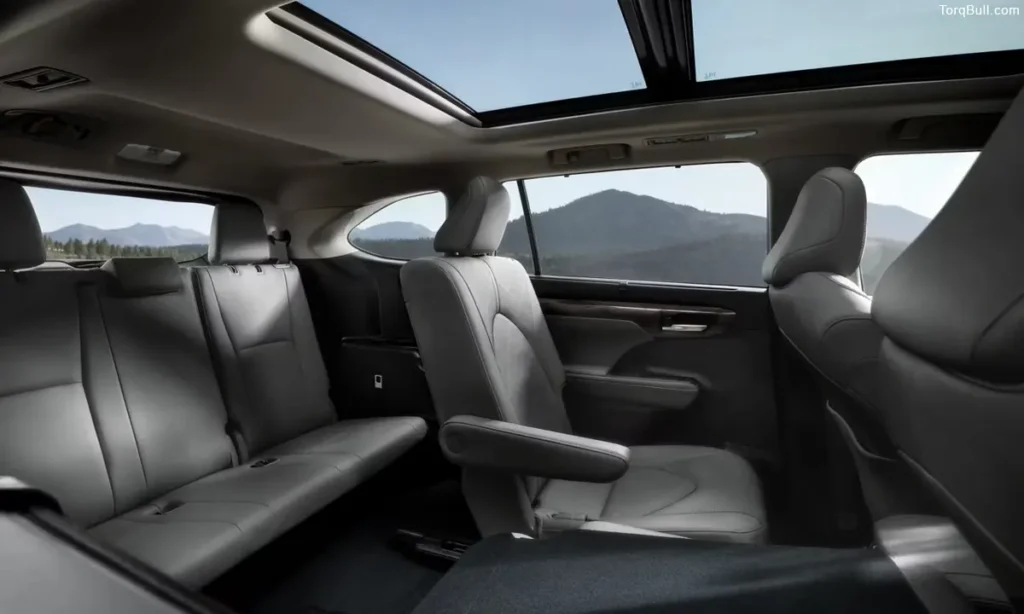
The Palisade’s ride quality mirrors the Telluride’s composed, settled character while additionally offering more interior space — the Palisade provides more rear seat legroom and third-row accommodation than the Highlander’s more constrained dimensions. For buyers who find the Highlander’s third-row legroom of 28 inches insufficient for adult passengers and who want ride quality comparable to or better than the Highlander’s, the Palisade represents the most complete alternative — combining the Kia-Hyundai platform’s ride quality advantage over the Highlander with interior packaging that the Highlander’s standard wheelbase cannot match.
The Palisade’s ride quality is specifically comparable to the Telluride’s in professional evaluations, maintaining the composed, controlled character over varied road surfaces that both U.S. News and Edmunds identify as strengths of the Korean platform versus the Highlander’s Toyota architecture.
Toyota Highlander Ride Quality vs Competitors — Complete Assessment Chart
| Competitor | Ride Comfort | Body Control | Steering Feel | Highway Isolation | Handling (Overall) | Winner |
| Toyota Highlander (baseline) | Smooth, plush | Adequate | Light (divides opinion) | Good | Comfort-focused | Baseline |
| Kia Telluride vs Highlander | Both smooth | Telluride better | Telluride more balanced | Telluride quieter | Telluride (U.S. News) | Telluride |
| Honda Pilot vs Highlander | Near-tied | Pilot tighter | Pilot more connected | Both good | Pilot (U.S. News) | Pilot |
| Hyundai Palisade vs Highlander | Comparable | Palisade better | Palisade similar | Both excellent | Palisade (comparable to Telluride) | Palisade |
| Toyota Highlander Hybrid vs Highlander Gas | Identical in practice | Same | Same | Same | Tie | Tie |
Where the Highlander Does Lead: Ride Comfort in Urban Use
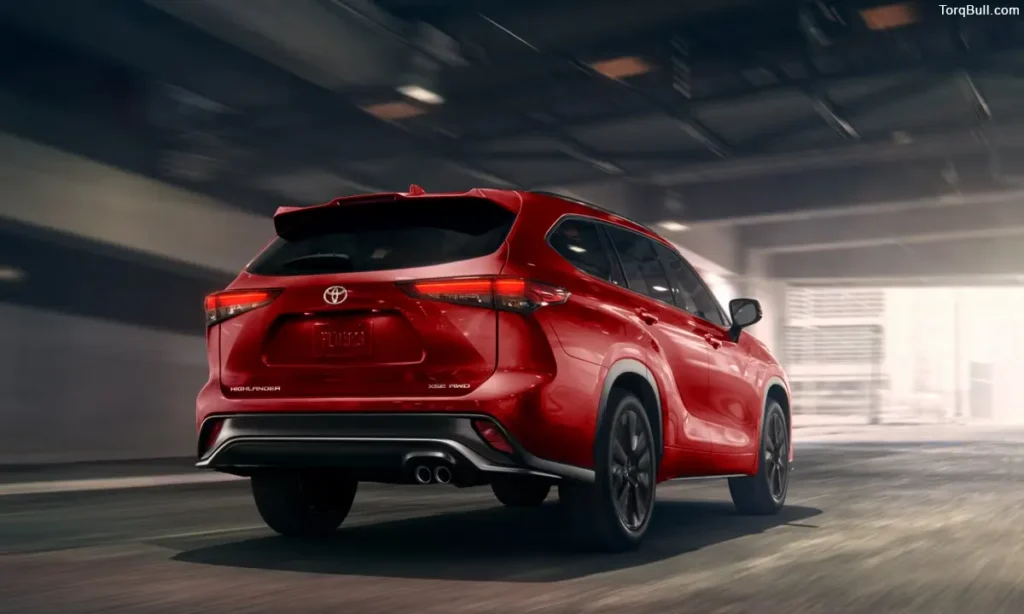
The competitive picture above does not mean the Highlander is a poor riding vehicle — it means that in a segment where the Korean alternatives (Telluride, Palisade) and the redesigned Honda Pilot have all invested heavily in ride and handling refinement, the Highlander’s comfortable but slightly disconnected character no longer represents the unchallenged segment standard it once occupied.
Where the Highlander specifically maintains genuine ride quality advantages is in urban and suburban use scenarios. U.S. News and Edmunds both confirm the Highlander’s smooth and comfortable character on city and suburban roads where surface variations are frequent and where the light steering reduces effort in low-speed manoeuvring situations. The Highlander’s light steering — the characteristic that some evaluators identify as a limitation at highway speeds — is specifically an urban ease advantage, requiring less physical effort in parking manoeuvres, tight urban turns and stop-and-go traffic management than the Pilot’s more weighted steering demands.
The Highlander Hybrid’s smooth power delivery — the electric motor’s silent, seamless contribution to acceleration — adds a specific ride quality dimension that the gas model and most non-hybrid competitors cannot replicate. The absence of powertrain vibration, gear hunting or transmission lag in the hybrid’s operation creates a quiet, seamless driving environment that amplifies the cabin’s acoustic comfort even when road surfaces are not ideal.
The Honest Verdict: Who Should Still Choose the Highlander for Ride Quality
The Toyota Highlander remains a genuinely comfortable three-row family SUV with ride quality that most buyers will find fully satisfying for their actual use — daily commutes, school runs, grocery trips and annual family road trips. It is not, by the evidence of multiple professional comparisons, the segment’s ride quality leader in 2026.
The Kia Telluride and Hyundai Palisade deliver a more composed, more controlled and in most professional evaluations more complete ride and handling experience at lower or comparable prices. The Honda Pilot delivers tighter body control and more connected steering feedback. These are real competitive differences — not marketing claims.
The Highlander’s ride quality remains the correct choice for buyers who specifically value the smoothest possible urban-driving comfort, who prioritise Toyota’s reliability record and fuel economy over ride dynamics leadership, or who want the Highlander Hybrid’s specific combination of quiet, smooth hybrid powertrain delivery with comfortable ride quality. For buyers who find the Telluride’s competitive pricing and ride quality combination compelling, the ride quality evidence supports the Telluride as the better choice for the specific characteristic being evaluated.