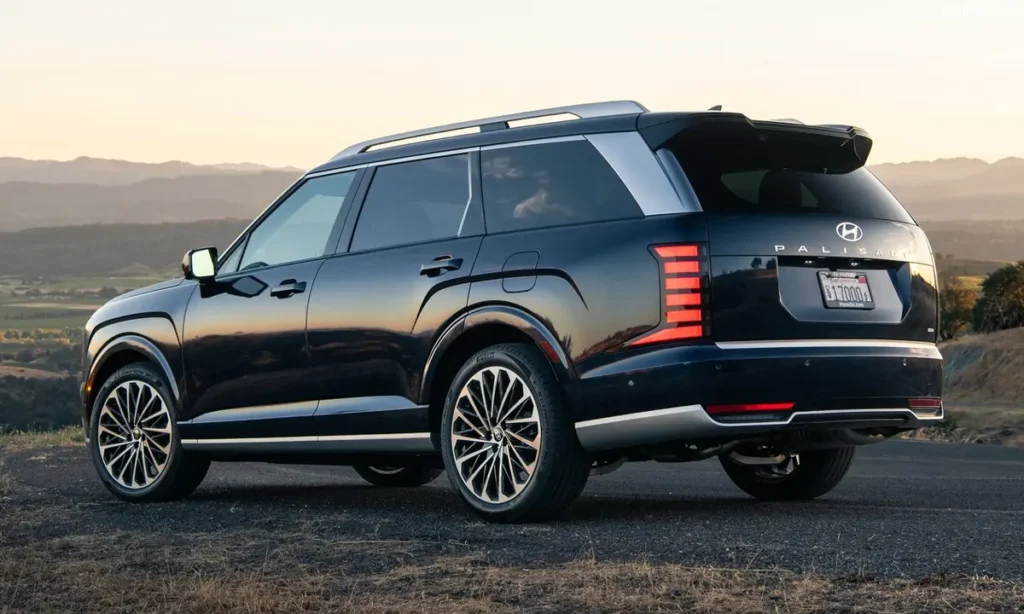
- The 2026 Hyundai Palisade starts at $39,435 and offers generous interior space with strong third-row comfort.
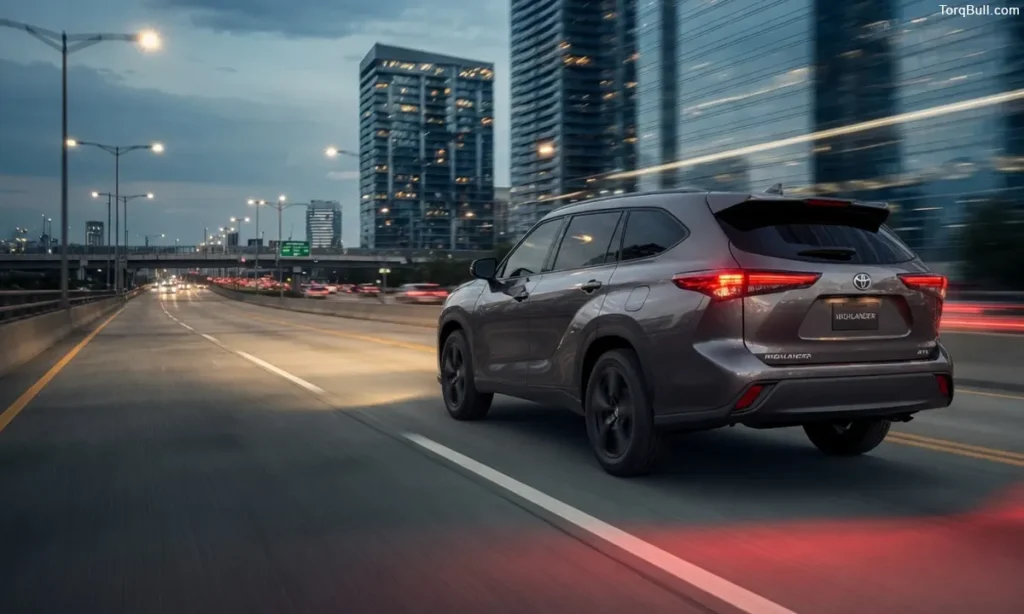
- The 2026 Toyota Highlander starts at $47,465 with standard AWD, Toyota Safety Sense 2.5 Plus and an available 35 MPG hybrid model.
- Both SUVs deliver strong family-focused features, but differ in pricing, efficiency and interior packaging.
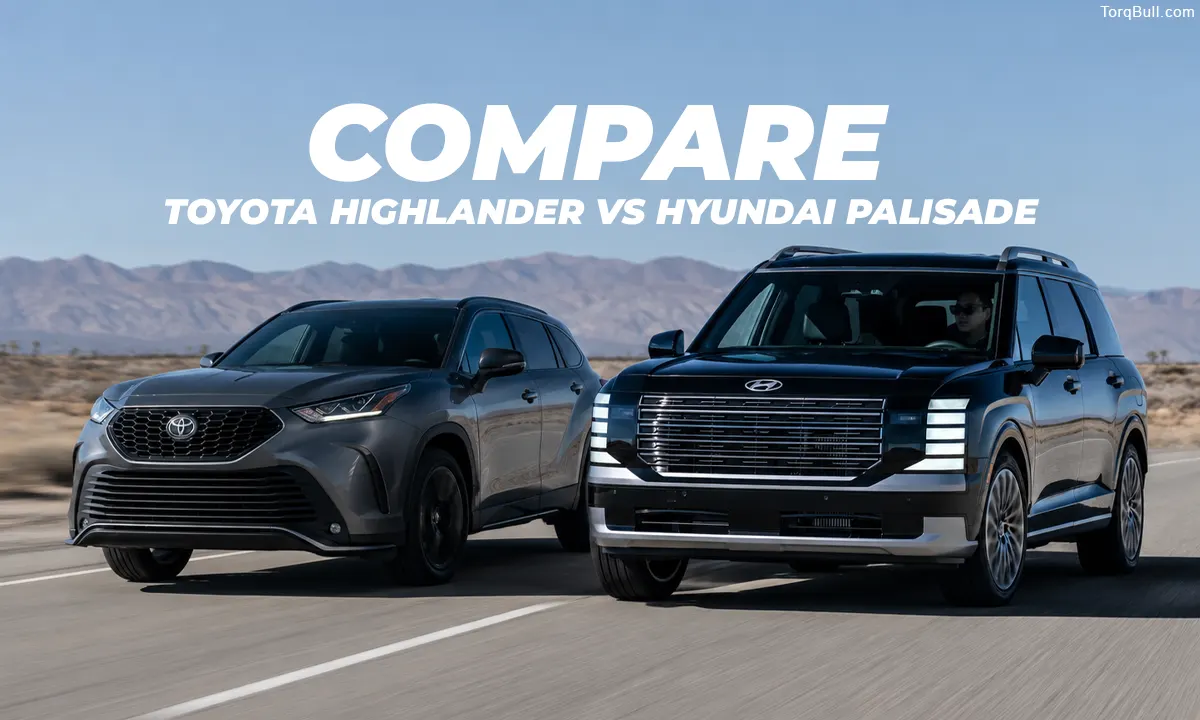
The Toyota Highlander and Hyundai Palisade are the two most frequently cross shopped three row midsize SUVs in the American market — and for good reason. Both seat up to eight passengers. Both achieve five star NHTSA safety ratings. Both offer hybrid powertrains. Both carry strong reliability credentials from manufacturers with established long term quality records. The comparison between them is genuinely competitive and genuinely consequential — the differences between these vehicles are real and meaningful for daily family use in specific ways that make one vehicle a clearly better fit for specific buyer priorities. This guide examines every feature category that matters in the comparison to produce the most practically useful verdict for families deciding between these two excellent vehicles.
Price: Palisade’s Most Immediate Advantage
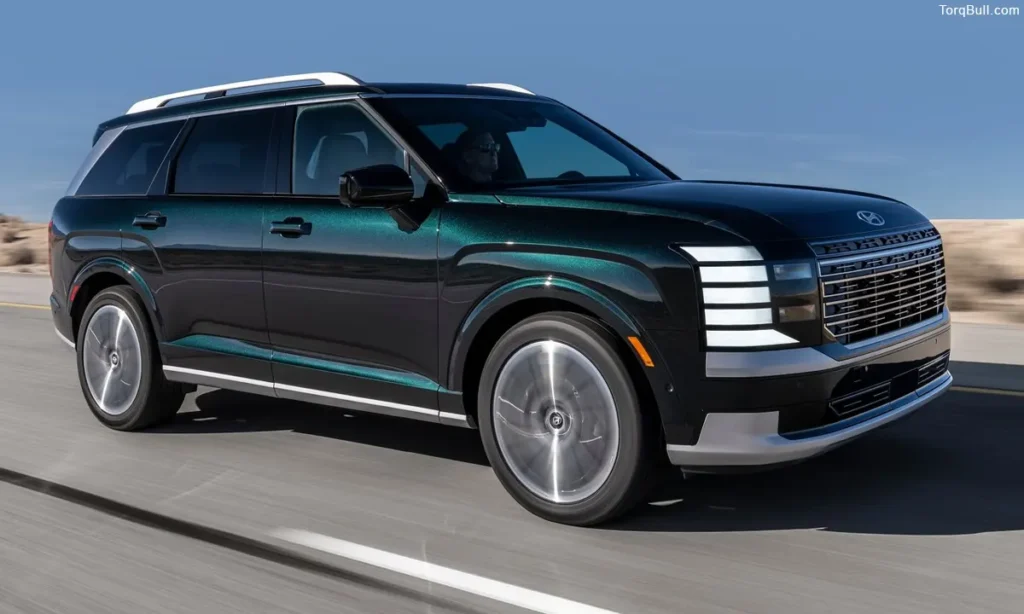
The starting price comparison between the 2026 Hyundai Palisade and 2026 Toyota Highlander is the most immediately striking number in the entire comparison — a gap significant enough to shift the complete value calculation for budget conscious family buyers.
The 2026 Hyundai Palisade SE starts at $39,435. The similarly equipped 2026 Toyota Highlander XLE — the base trim after the LE was discontinued for 2026 — starts at $47,465. This represents a difference of approximately $8,030 at the entry level. For families comparing base to base, this gap is the largest single financial difference in the entire feature comparison and represents a meaningful portion of the first year’s vehicle loan payments at typical financing rates.
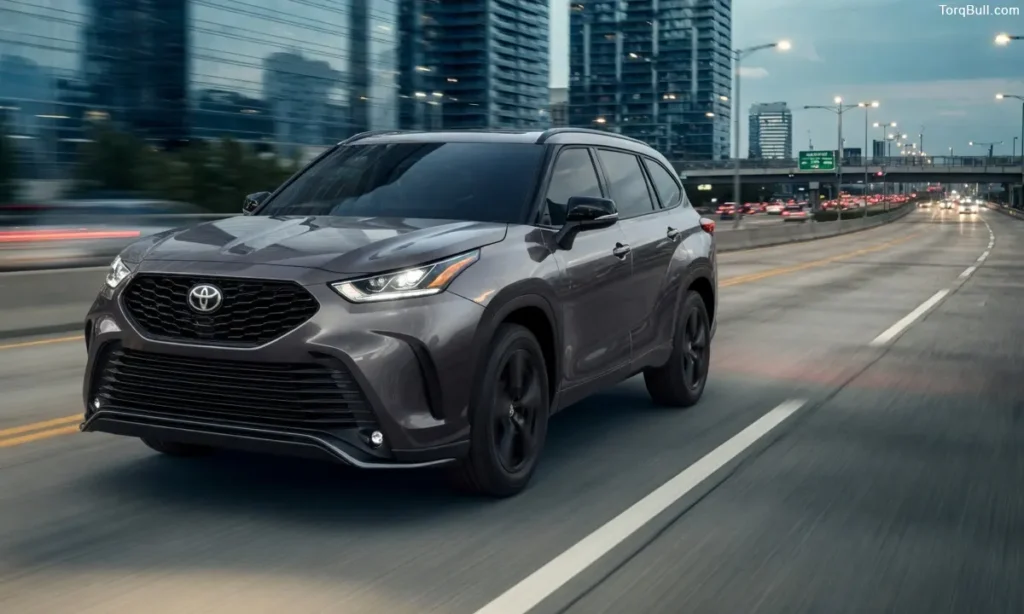
At upper trims, the gap narrows but persists. The Palisade Calligraphy with AWD reaches approximately $57,555. The Highlander Platinum reaches approximately $54,720 — a reversal at the top of each lineup where the Highlander’s highest trim costs less than the Palisade’s flagship configuration, reflecting the Palisade Calligraphy’s more comprehensive luxury equipment specification.
The practical implication for most family buyers shopping in the $40,000 to $50,000 range is that the Palisade provides a more comprehensively equipped vehicle at every price point within that range — a consistent finding across multiple trim level comparisons that reflects Hyundai’s deliberate strategy of aggressive feature inclusion at competitive prices.
Interior Space: Palisade’s Most Decisive Feature Advantage
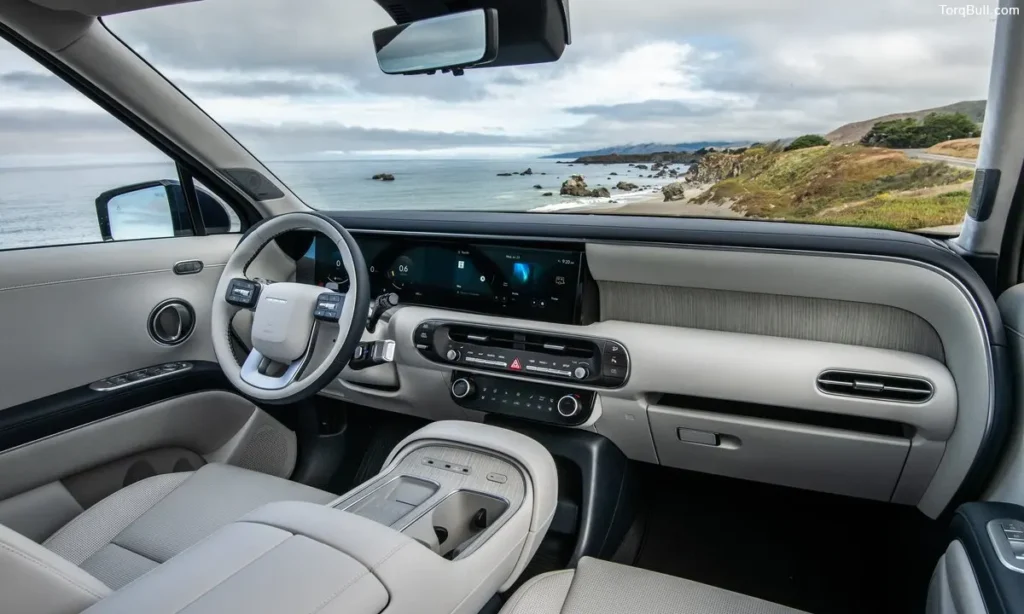
Interior space is the category where the 2026 Hyundai Palisade holds its most comprehensively documented and most practically meaningful advantage over the Toyota Highlander — and this advantage is most acutely felt in the third row where families who regularly transport seven or eight passengers discover the most significant daily functional difference between these vehicles.
The Palisade provides 161.9 cubic feet of total passenger volume versus the Highlander’s 139.5 cubic feet — a difference of 22.4 cubic feet that is one of the largest interior volume gaps between any two vehicles commonly compared as direct alternatives. The Palisade’s front row legroom of 44.2 inches exceeds the Highlander’s 42.0 inches. The Palisade’s second row legroom of 43.0 inches substantially exceeds the Highlander’s 38.7 inches — a 4.3 inch difference that determines whether an adult in the second row feels comfortable or feels constrained across a three hour family road trip.
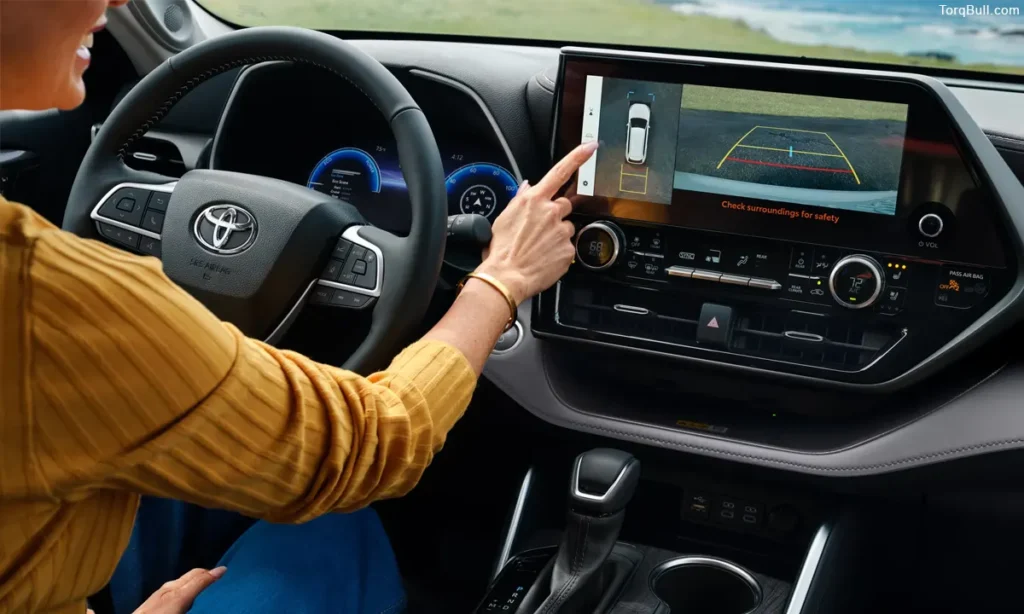
The third row legroom comparison is where the difference most critically affects family purchase decisions. The Palisade provides 32.1 inches of third row legroom. The Highlander provides 28 inches — a 4.1 inch difference that represents the gap between an adult who can sit comfortably for a moderate trip and an adult who is actively uncomfortable after the first 30 minutes. For families with teenagers, grandparents or adult friends who regularly occupy the third row, this dimensional difference is the most functionally important specification in the entire comparison.
Cargo space behind the third row gives the Palisade an advantage of 3.1 cubic feet — 19.1 cubic feet against the Highlander’s 16.0 cubic feet. This behind third row figure is the most relevant cargo measurement for the most common family use scenario: all seats occupied with luggage or shopping behind the rearmost passengers.
Read: Toyota Highlander Pros and Cons. Real Owner Review for 2026
Powertrain and Fuel Economy: Highlander Leads on Efficiency
The powertrain comparison between these vehicles requires examining both the base gasoline engines and the hybrid alternatives — because the efficiency differences between powertrains are large enough to significantly affect the long term ownership financial calculation.
The 2026 Hyundai Palisade uses a 3.5 litre naturally aspirated V6 producing 287 horsepower and 260 pound feet of torque in non hybrid specification — a smooth, linear power delivery that multiple evaluations describe as confident for highway merging and adequate for family towing applications up to 5,000 pounds. The Palisade Hybrid pairs a turbocharged 2.5 litre four cylinder with two electric motors for 329 combined horsepower — a powerful and efficient combination that achieves approximately 33 to 35 MPG combined depending on configuration.
The 2026 Toyota Highlander uses a turbocharged 2.4 litre four cylinder producing 265 horsepower and 310 pound feet of torque — 22 fewer peak horsepower than the Palisade’s V6 but with a higher torque figure that arrives lower in the rev range due to turbocharging. The Toyota Highlander’s EPA ratings of 21 MPG city and 28 MPG highway provide a modest efficiency advantage over the Palisade’s 19 MPG city and 25 MPG highway in non hybrid configuration. The Highlander Hybrid achieves 35 to 36 MPG combined — the highest fuel economy figure available in either vehicle and one of the best available in the three row midsize segment.
For families who specifically value the lowest annual fuel cost, the Highlander Hybrid’s 35 to 36 MPG combined produces approximately $1,323 per year at 15,000 annual miles and $3.08 per gallon — compared to approximately $1,848 for the non hybrid Highlander and approximately $2,100 for the non hybrid Palisade. The Highlander Hybrid’s fuel economy advantage over the non hybrid Palisade represents approximately $777 per year — a meaningful ongoing financial benefit for high mileage families.
Standard AWD is now included across every 2026 Highlander trim — the elimination of the front wheel drive base option simplifies the purchase decision and ensures every Highlander buyer receives all weather traction without additional cost or configuration complexity.
Technology and Safety: Palisade Leads on Standard Screen Size, Highlander on Standard Safety Suite Across All Trims
Technology and safety feature distribution across trim levels is where the comparison between these vehicles most specifically rewards careful evaluation.
The 2026 Hyundai Palisade SE base trim includes a 12.3 inch touchscreen as standard — the largest standard display in the three row midsize SUV segment at the entry level. The panoramic curved dual display on Calligraphy trim integrates the instrument cluster and infotainment into a single cohesive visual experience that multiple evaluations describe as closer to a luxury SUV presentation than a mainstream family hauler. Wireless Apple CarPlay and Android Auto are standard across the lineup. Upper trims add a heads up display, integrated dash cam and the fingerprint authentication engine start that no competing vehicle in the segment offers.
The 2026 Toyota Highlander provides an 8 inch touchscreen on the base XLE trim — substantially smaller than the Palisade’s 12.3 inch standard display at a higher starting price. The dual 12.3 inch displays arrive on Limited and Platinum trims, requiring buyers to spend significantly above the base price to access the large screen presentation that the Palisade provides from the entry level.
Toyota Safety Sense 2.5 Plus is standard across every Highlander trim — providing pre collision warning with automatic emergency braking, full speed adaptive cruise control with lane centering, lane departure alert with steering assist, automatic high beam control and blind spot monitoring with rear cross traffic alert at every price point. The Palisade’s SmartSense suite is similarly comprehensive across trims, with the Palisade additionally providing enhanced second row protection and advanced monitoring features in the 2026 redesign.
Read: Toyota Highlander Ride Quality vs Competitors. Is It More Comfortable Than Its Rivals?
Warranty and Reliability: Palisade Leads on Coverage, Highlander on Established Track Record
Both vehicles carry strong reliability credentials from manufacturers with documented long term quality reputations — but the specific warranty coverage and the depth of the long term reliability data favour different vehicles in different aspects of this comparison.
The Hyundai Palisade provides a 5 year, 60,000 mile basic warranty and a 10 year, 100,000 mile powertrain warranty alongside three years of complimentary scheduled maintenance. This is the most comprehensive warranty coverage available in the three row midsize SUV segment — substantially exceeding the Toyota Highlander’s 3 year, 36,000 mile basic warranty and 5 year, 60,000 mile powertrain coverage.
The Toyota Highlander’s reliability advantage is the depth of its historical data. The nameplate has been in continuous production since 2001 and carries one of the most extensively documented long term reliability records in the segment — multiple generations of owner data confirming the kind of low unscheduled repair frequency that the Palisade’s newer production history cannot yet match. The Highlander’s ToyotaCare programme provides two years of complimentary scheduled maintenance as standard with new vehicle purchase.
Toyota Highlander vs Hyundai Palisade 2026 — Complete Features Comparison Chart
| Feature Category | Toyota Highlander | Hyundai Palisade | Winner |
| Starting Price | $47,465 (XLE) | $39,435 (SE) | Palisade ($8,030 less) |
| Standard AWD | Yes (all trims 2026) | Yes (all trims) | Tie |
| Total Passenger Volume | 139.5 cu ft | 161.9 cu ft | Palisade |
| Third Row Legroom | 28 inches | 32.1 inches | Palisade |
| Second Row Legroom | 38.7 inches | 43.0 inches | Palisade |
| Cargo Behind Third Row | 16.0 cu ft | 19.1 cu ft | Palisade |
| Base Engine Power | 265 hp, 310 lb ft (turbo 4-cyl) | 287 hp, 260 lb ft (V6) | Highlander (torque) / Palisade (hp) |
| Non Hybrid Combined MPG | 24 MPG (gas AWD) | 20 MPG (non hybrid AWD) | Highlander |
| Hybrid Combined MPG | 35 to 36 MPG | 33 to 35 MPG | Highlander (slight) |
| Max Towing | 5,000 lbs (gas) / 3,500 lbs (hybrid) | 5,000 lbs | Tie |
| Standard Screen (base trim) | 8 inch | 12.3 inch | Palisade |
| Standard Safety Suite | Toyota Safety Sense 2.5 Plus all trims | SmartSense all trims | Tie |
| NHTSA Safety Rating | 5 stars overall | 5 stars overall | Tie |
| IIHS Safety Rating | Top Safety Pick | Top Safety Pick | Tie |
| Basic Warranty | 3 yr / 36,000 mi | 5 yr / 60,000 mi | Palisade |
| Powertrain Warranty | 5 yr / 60,000 mi | 10 yr / 100,000 mi | Palisade |
| Complimentary Maintenance | ToyotaCare 2 yr / 25,000 mi | 3 yr / 36,000 mi | Palisade |
| Reliability Track Record | Extensive multi generation data | Newer history; strong trajectory | Highlander |
| TrueCar Owner Rating | 4.82 out of 5 | 4.9 out of 5 | Palisade |
Read: 2026 Hyundai Palisade Hidden Features. The Complete Owner’s Guide
The Honest Verdict: Which Vehicle Serves Which Family Better
The Toyota Highlander is the better choice for families who specifically prioritise maximum fuel economy — particularly the Hybrid’s 35 to 36 MPG combined, which leads both vehicles and most of the segment. It is also the better choice for families who value Toyota’s more extensively documented long term reliability track record as their primary decision criterion and who plan ownership extending well beyond the warranty period where historical failure rate data provides more confidence than warranty coverage alone. The standard AWD across every trim and the ToyotaCare complimentary maintenance are additional Highlander advantages for specific buyer profiles.
The Hyundai Palisade is the better choice for the majority of families who prioritise interior space — particularly the 32.1 inch third row legroom that makes the Palisade genuinely adult accessible in a way the Highlander’s 28 inch third row cannot match. It is also the better choice for families who value the most comprehensive warranty coverage in the segment, a larger standard touchscreen at lower trim prices, a lower starting price and the fingerprint authentication, integrated dash cam and Nappa leather available on the Calligraphy that no Highlander trim provides. The 4.9 out of 5 TrueCar owner rating versus 4.82 for the Highlander reflects an owner satisfaction edge that the Palisade’s feature generosity at competitive prices consistently produces.