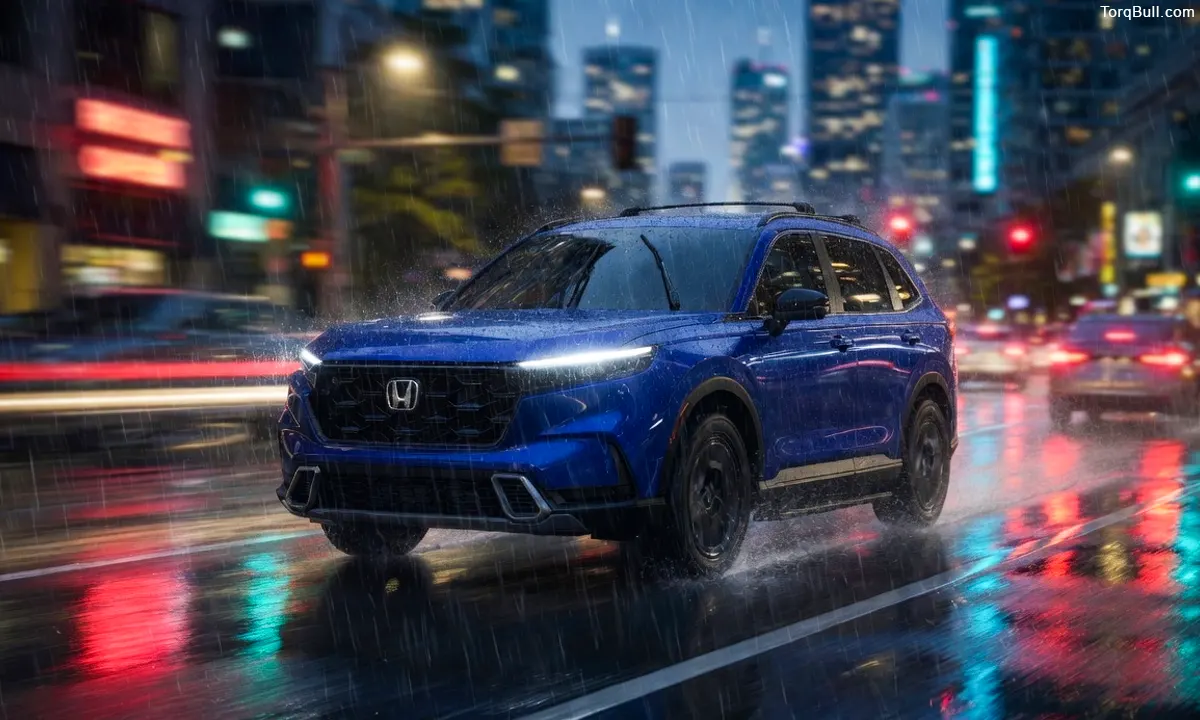
- The 2026 Honda CR-V EX starts at about $32,350, while the EX-L costs roughly $2,250–$2,650 more.
- The EX-L adds leather-trimmed seating, driver memory settings, rear parking sensors and a larger digital gauge display.
- The EX already includes key features such as a moonroof, heated seats and dual-zone climate control, making it the stronger value choice for many buyers.
The Honda CR-V EX versus EX-L comparison is one of the most frequently searched trim comparisons in the compact crossover segment — because these two trims are positioned close enough in price to make the decision feel difficult, while the feature differences between them are specific and small enough to make the choice genuinely consequential only for buyers who care about particular features. Understanding exactly what the $2,250 to $2,650 EX-L premium buys — and what it does not add that some buyers expect it to include — is the complete knowledge that makes this decision straightforward rather than uncertain. This guide covers every meaningful difference between the two trims, the honest case for each and the buyer profile that each configuration best serves.
What the EX and EX-L Share: The Important Starting Point
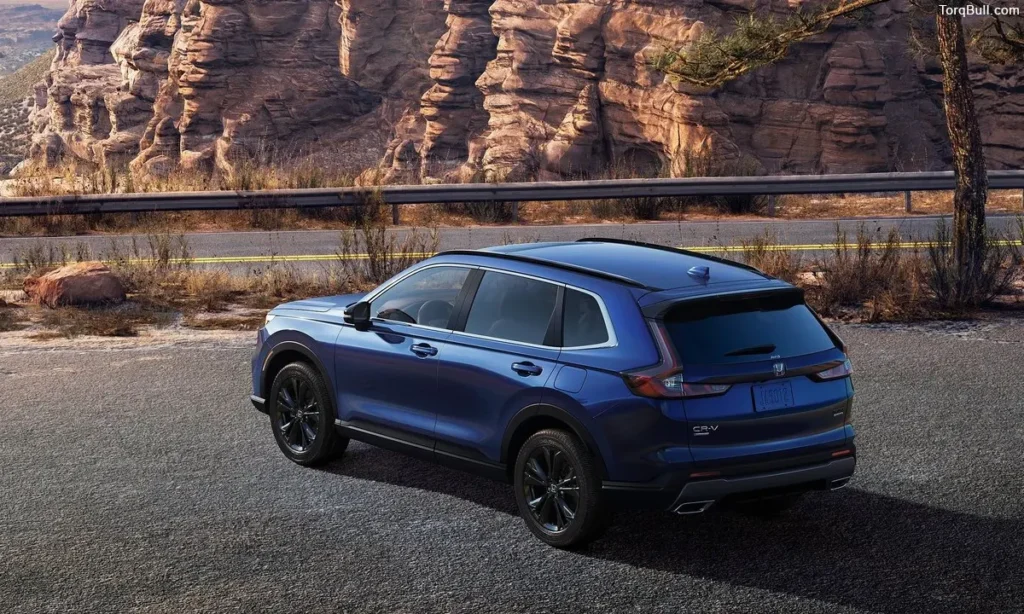
Before examining differences, establishing the substantial common ground between these two trims prevents the most common buyer error — assuming the EX-L’s higher price means it includes everything the EX has and more across every category. In reality, both trims share the same powertrain, the same core safety technology and the large majority of their feature content.
Both the 2026 CR-V EX and EX-L use the same turbocharged 1.5-litre four-cylinder engine producing 190 horsepower and 179 pound-feet of torque through a continuously variable automatic transmission. Both offer front-wheel drive as the standard drivetrain with all-wheel drive available as a paid upgrade. Both achieve the same EPA fuel economy ratings of 28 MPG city and 34 MPG highway in FWD configuration. Neither trim is meaningfully faster, more efficient or mechanically different from the other — any performance advantage is entirely absent from this comparison.
Both trims include Honda Sensing safety technology standard — automatic emergency braking with pedestrian detection, adaptive cruise control with low-speed follow, lane keeping assist, road departure mitigation and traffic sign recognition. This comprehensive safety suite is identical across EX and EX-L, meaning safety technology is not a reason to choose between these trims. Blind-spot monitoring and rear cross-traffic alert are also included on both trims, confirming the safety parity.
Both trims include a nine-inch touchscreen with wireless Apple CarPlay and Android Auto, wireless phone charging, a one-touch power moonroof, dual-zone automatic climate control, heated front seats, remote engine start, USB-C charging ports and Smart Entry with Walk Away Auto Lock. These features — which represent the most commonly cited daily comfort and convenience items in any compact crossover — are fully present on the less expensive EX.
Read: Honda CR-V Real World Range. How Far It Actually Goes Per Tank vs EPA Estimates
What the EX-L Adds: The Specific Differences
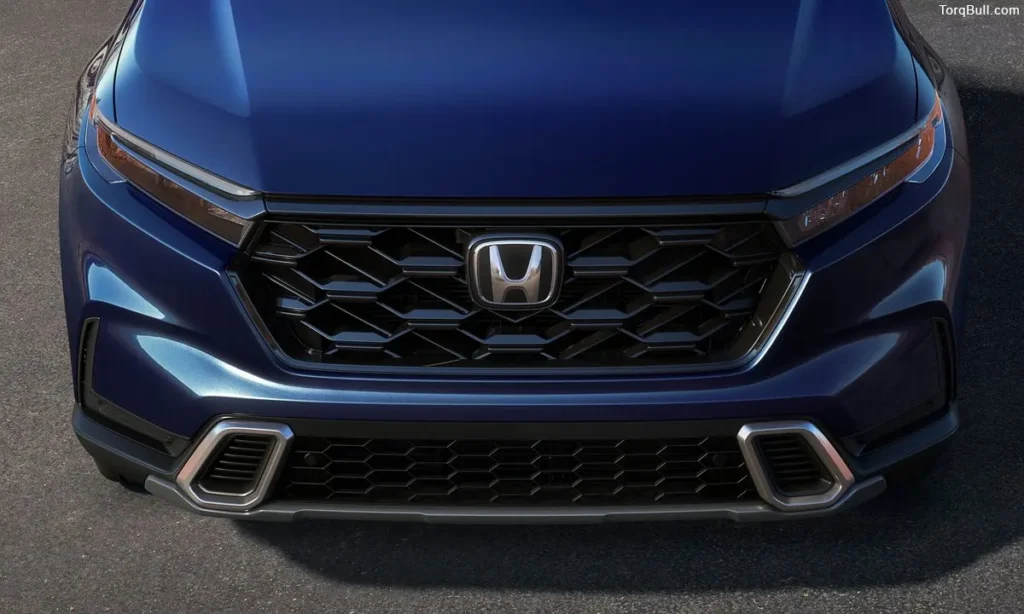
The EX-L’s specific additions over the EX are concentrated in four categories: seating material, steering and shift finishes, parking technology and the instrument cluster display.
Leather-Trimmed Seating — The Primary Differentiator
The most significant and most discussed difference between the EX and EX-L is the seating material. The EX uses cloth upholstery. The EX-L replaces cloth with leather-trimmed seats across all seating positions.
This is the primary practical reason to choose the EX-L over the EX — and whether it justifies the premium is entirely determined by the buyer’s personal valuation of leather over cloth in a compact SUV.
Leather seats carry specific advantages and specific disadvantages compared to cloth in daily family ownership. Leather’s primary advantage is wipeable surface cleaning — spills, food residue, dirt and the general mess that families with children generate in vehicle interiors wipes off leather surfaces rather than absorbing into cloth fibres. This cleaning advantage is the most practically relevant daily ownership difference for buyers with young children. Leather’s primary long-term disadvantage is cracking as the material ages — leather that is not regularly conditioned in dry climates, or that undergoes significant temperature cycling, develops surface cracks that cloth does not. The EX’s cloth upholstery is described as more durable against aging in the specific context of avoiding the cracking that occurs in leather as vehicles age. Neither material is universally superior — the preference depends on the buyer’s specific climate, use pattern and maintenance habits.
Leather-Wrapped Steering Wheel and Shift Knob
The EX-L adds leather wrapping to both the steering wheel and the shift knob — providing a more premium tactile feel at the two points the driver contacts most frequently during every drive. This distinction is subtle in the first weeks of ownership and becomes more apparent when comparing the two trims directly. For buyers who value the feel of leather at every primary driver touchpoint, this addition contributes to the EX-L’s more premium daily character. For buyers who have never noticed the difference between a wrapped and a non-wrapped steering wheel in daily driving, this addition provides no practical benefit.
Driver Seat Memory Function
The EX-L adds a driver seat memory function — storing preferred seat position settings that can be recalled automatically when a specific key is detected or when a memory button is pressed. This feature is most useful in households where two or more drivers of significantly different sizes share the same vehicle regularly — eliminating the need to manually readjust the seat every time a different driver takes the wheel. For single-driver households or households where drivers have similar proportions, the memory function is convenient but rarely used in practice.
Rear Parking Sensors
The EX-L adds rear parking sensors that provide an audible warning when the vehicle is reversing toward an obstacle within a specific proximity — supplementing the standard rearview camera with acoustic distance feedback. This feature is most useful in tight parking environments where camera view alone does not fully communicate obstacle proximity. The parking sensors on the EX-L specifically affect resale value since for some buyers these sensors are quite helpful when parking in tight spaces — a practical resale consideration noted in owner comparisons.
Larger Digital Instrument Display
For 2026, the EX-L adds a larger digital instrument cluster display compared to the standard instrument display in the EX — providing a more visually impressive driver information interface with more configurable information layout. This is a new differentiator introduced with the 2026 model year’s technology update that made the nine-inch touchscreen standard across all trims, with the EX-L receiving the larger instrument cluster as an additional step in the technology hierarchy.
What the EX-L Does NOT Add Over the EX
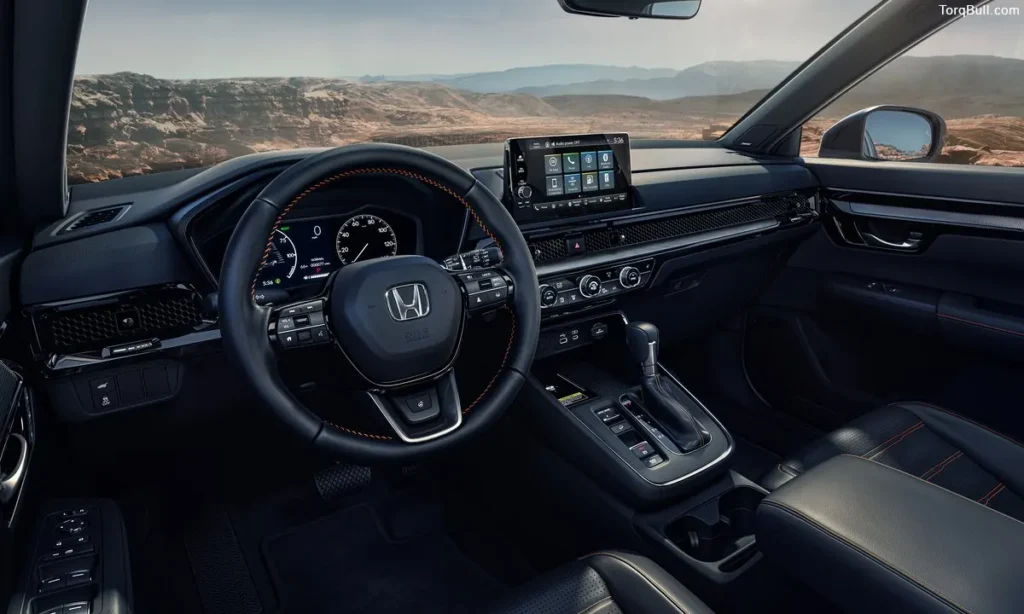
Several features that buyers might expect the EX-L to include — given its higher price — are actually absent from the EX-L’s incremental additions. The EX-L does not add a significantly different audio system — both trims use Honda’s standard audio installation without a premium branded upgrade. The EX-L does not add a panoramic sunroof — the moonroof is identical on both trims. The EX-L does not add ventilated seats — both trims offer heated front seats without ventilation. The EX-L does not add navigation — both trims use wireless Apple CarPlay and Android Auto as the navigation source rather than a built-in navigation system.
Read: Is a 72-Month Car Loan a Bad Idea for a Used Honda CR-V? Complete Financial Analysis Before Signing
2026 Honda CR-V EX vs EX-L — Complete Feature Comparison Chart
| Feature | EX | EX-L | Notes |
| Starting Price (FWD) | approximately $32,350 | approximately $35,000 | Approximately $2,250 to $2,650 price gap |
| Engine | 1.5L Turbo 190 hp | 1.5L Turbo 190 hp | Identical |
| Fuel Economy (FWD) | 28 city / 34 hwy | 28 city / 34 hwy | Identical |
| Honda Sensing Suite | Standard | Standard | Identical |
| Blind Spot Monitor | Standard | Standard | Identical |
| 9-inch Touchscreen | Standard | Standard | Both include 2026 update |
| Wireless Apple CarPlay and Android Auto | Standard | Standard | Identical |
| Wireless Phone Charging | Standard | Standard | Identical |
| One-Touch Moonroof | Standard | Standard | Identical |
| Heated Front Seats | Standard | Standard | Identical |
| Dual-Zone Climate Control | Standard | Standard | Identical |
| Remote Engine Start | Standard | Standard | Identical |
| Seat Upholstery | Cloth | Leather-trimmed | Primary daily difference |
| Steering Wheel and Shift Knob | Standard | Leather-wrapped | Tactile premium difference |
| Driver Seat Memory | Not included | Standard | Useful for multi-driver households |
| Rear Parking Sensors | Not included | Standard | Adds parking confidence in tight spaces |
| Digital Instrument Cluster | Standard size | Larger display | 2026 EX-L upgrade |
| Ventilated Seats | Not available | Not available | Neither trim includes this |
| Premium Audio System | Not included | Not included | Requires Sport Touring Hybrid upgrade |
Read: Average Lifespan of Honda CR-V Battery in Hot Climates. What Every Owner Should Know About
The Honest Verdict: Which Trim Is the Better Value?
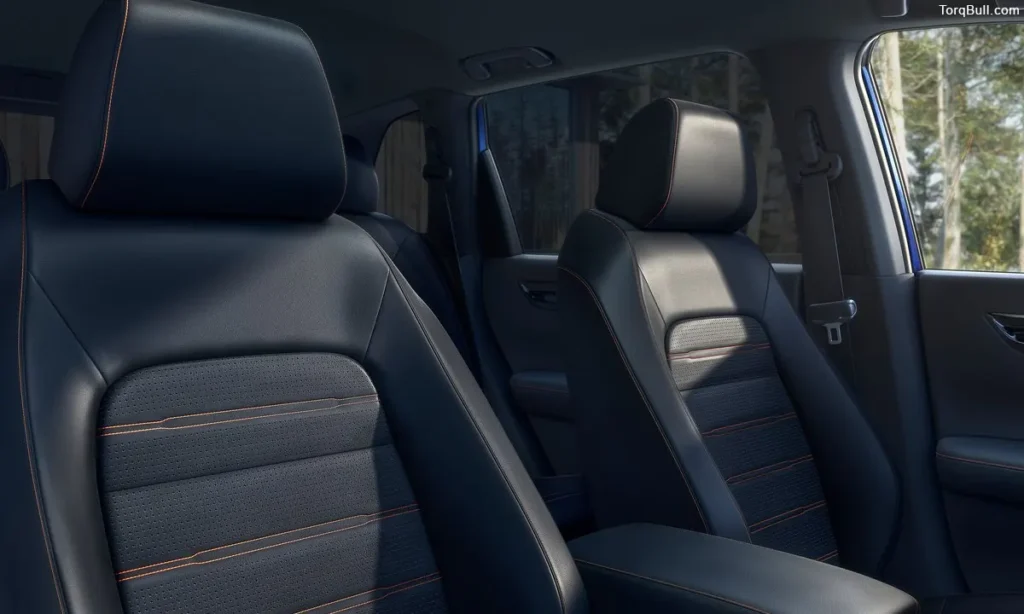
The EX is the better value choice for the majority of CR-V buyers — and this conclusion is specific and defensible rather than merely a default preference for saving money. At approximately $32,350, the EX includes every feature that defines comfortable daily ownership in the compact crossover segment — the moonroof, heated seats, wireless connectivity, dual-zone climate control and the complete Honda Sensing safety suite — while leaving approximately $2,250 that the EX-L premium would consume available for other ownership priorities. For single-driver households, buyers in climates where leather cracking is a concern, buyers who have never used a seat memory function in daily driving and buyers for whom rear parking sensors are not a daily use item, the EX’s value case is clear and well-supported.
The EX-L is the better choice for buyers who specifically value leather seating for daily cleaning convenience — particularly families with young children whose spills and messes make wipeable surfaces a genuine daily quality of life improvement. It is also the better choice for multi-driver households who will consistently use the seat memory function and for buyers who parallel park in tight urban spaces frequently enough that rear parking sensors provide genuine daily value. The resale value note is also legitimate — the EX-L’s leather seats and parking sensors support higher used-market pricing that partially offsets the initial purchase premium over the ownership period.
The honest framing is simple: if you specifically want leather seats, the EX-L is your only choice in the gas-only CR-V lineup. If cloth seats are sufficient, the EX is the better value by a straightforward margin.