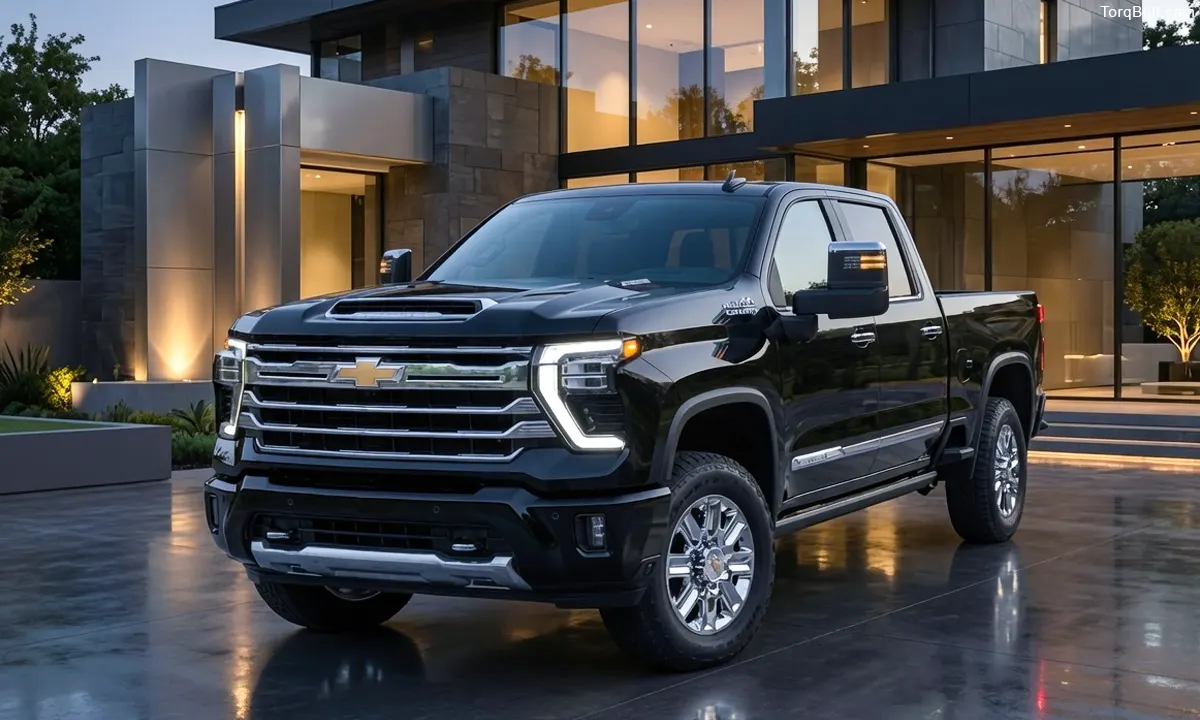
- The 2026 Chevrolet Silverado 1500 offers a maximum payload of 2,380 pounds in select Regular Cab Long Bed configurations.
- Crew Cab models typically provide payload capacities of around 2,030 to 2,040 pounds, while the Silverado 2500HD and 3500HD can carry substantially more.
- The payload rating shown on the driver’s door-jamb certification label is the only legally applicable capacity for a specific truck.
Payload capacity is the specification that matters most when the Silverado is being used for what full-size trucks are fundamentally built to do — carry loads in the bed and transport occupants simultaneously. It is also the specification most commonly misquoted, misunderstood and misapplied by buyers who compare marketing-sheet maximums without understanding that those maximums apply only to the specific vehicle configurations engineered to achieve them. The 2026 Silverado 1500’s maximum payload of 2,380 pounds applies to one specific cab, bed, drivetrain and engine combination. The Crew Cab with four doors that most family truck buyers prefer produces a lower and different payload rating — because the heavier cab adds kerb weight that reduces the available margin between the truck’s Gross Vehicle Weight Rating and its loaded maximum. This complete guide explains every configuration’s payload rating, the physics behind how those ratings are calculated and what the door jamb certification label means for every Silverado owner.
The Fundamental Calculation: How Payload Capacity Is Determined
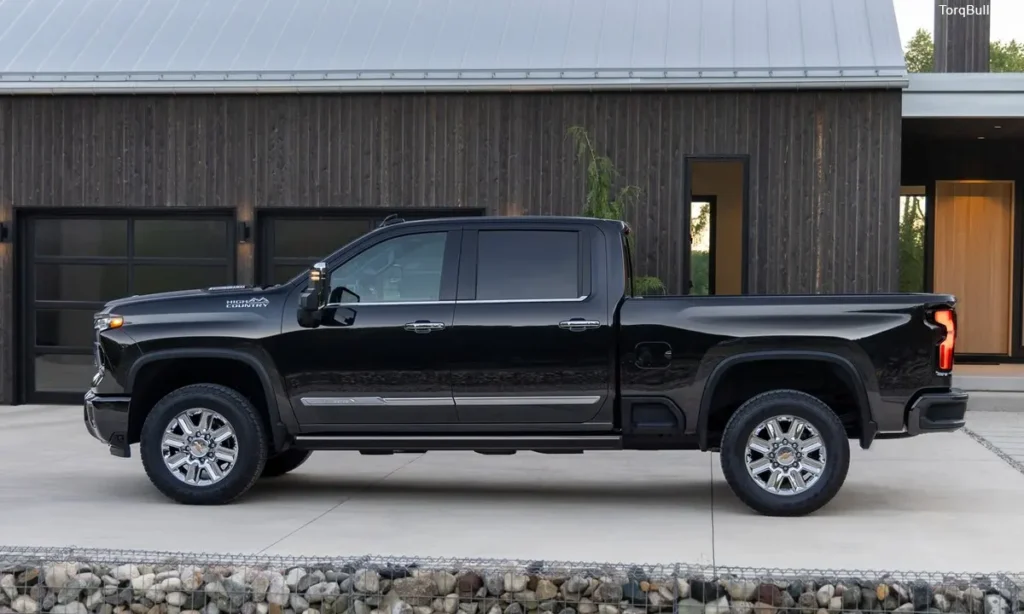
The Silverado 1500’s payload capacity is calculated through the same engineering framework used for every full-size truck in the American market — a calculation that starts with the Gross Vehicle Weight Rating and ends with the number on the driver’s door jamb certification label.
The Gross Vehicle Weight Rating is the maximum allowable total weight of the fully loaded Silverado — the vehicle itself plus every passenger, every item in the cab, every item in the bed and a full fuel tank. This is the safety ceiling that Chevrolet’s engineers determined based on the truck’s frame strength, suspension capacity, brake performance and axle ratings. It represents the maximum mass the vehicle can safely support across its designed operating conditions.
The kerb weight is the weight of the specific truck as built at the factory — with all factory-installed equipment and options, all standard fluids and a full fuel tank, but without passengers or cargo. Every option added at the factory increases the kerb weight. A Crew Cab body is heavier than a Regular Cab. A 4WD transfer case and front axle are heavier than a 2WD drivetrain. A heavier engine adds weight. A sunroof adds weight. The maximum payload package and its specific components may actually reduce payload in some configurations by adding equipment weight while not proportionally increasing the Gross Vehicle Weight Rating.
The payload capacity is the mathematical difference between the Gross Vehicle Weight Rating and the kerb weight of that specific truck. A Silverado 1500 with a Gross Vehicle Weight Rating of 7,200 pounds and a kerb weight of 4,820 pounds has 2,380 pounds of payload. The same truck with a Crew Cab that weighs 5,170 pounds at kerb has 2,030 pounds of payload from the same Gross Vehicle Weight Rating. Every added pound of factory equipment reduces the available payload by exactly one pound.
Read: Chevrolet Silverado 2.7 Turbo Reliability. Long-Term Ownership Insights 2026
Silverado 1500 Payload by Engine: The Most Impactful Variable After Cab Style

The engine choice is the second most significant variable in the Silverado 1500’s payload calculation — because engine weight differences between the available powertrains directly affect kerb weight and therefore directly affect the available payload.
The naturally aspirated 5.3-litre EcoTec3 V8 is the engine associated with the 2026 Silverado 1500’s highest payload ratings — achieving the 2,380-pound lineup maximum in the Regular Cab Long Bed 4WD configuration. The naturally aspirated V8’s weight and power delivery characteristics in this configuration produce the specific combination of Gross Vehicle Weight Rating and kerb weight that maximises the payload margin.
The 2.7-litre TurboMax turbocharged four-cylinder is the fuel economy leader in the Silverado 1500 lineup and also produces strong payload ratings in key configurations — reaching 2,040 pounds in the Double Cab Standard Bed 2WD configuration and 2,030 pounds in the Crew Cab Short Bed 2WD. The four-cylinder’s lighter weight relative to V8 alternatives partially compensates for its lower Gross Vehicle Weight Rating assignment in most configurations.
The 6.2-litre EcoTec3 V8 is the performance engine — delivering more power and towing capacity than the 5.3-litre but in some configurations producing lower payload ratings due to its greater engine mass. The Max Trailering Package — identified by RPO code NHT — has a meaningful effect on payload capacity depending on the specific configuration. In the Double Cab Standard Bed 4WD configuration with the 6.2-litre V8, the Max Trailering Package raises payload from 1,790 pounds to 2,050 pounds — a specific engineering adjustment worth noting for buyers who need both maximum towing and maximum payload simultaneously.
The 3.0-litre Duramax turbodiesel produces the Silverado 1500’s highest fuel economy — reaching 26 MPG at 75 MPH highway in real-world testing, and 28 MPG highway in rear-wheel drive form on the highway cycle — but carries the diesel engine’s additional weight that reduces payload relative to the naturally aspirated V8 in equivalent configurations.
Cab Style and Bed Length: How Body Configuration Changes Everything
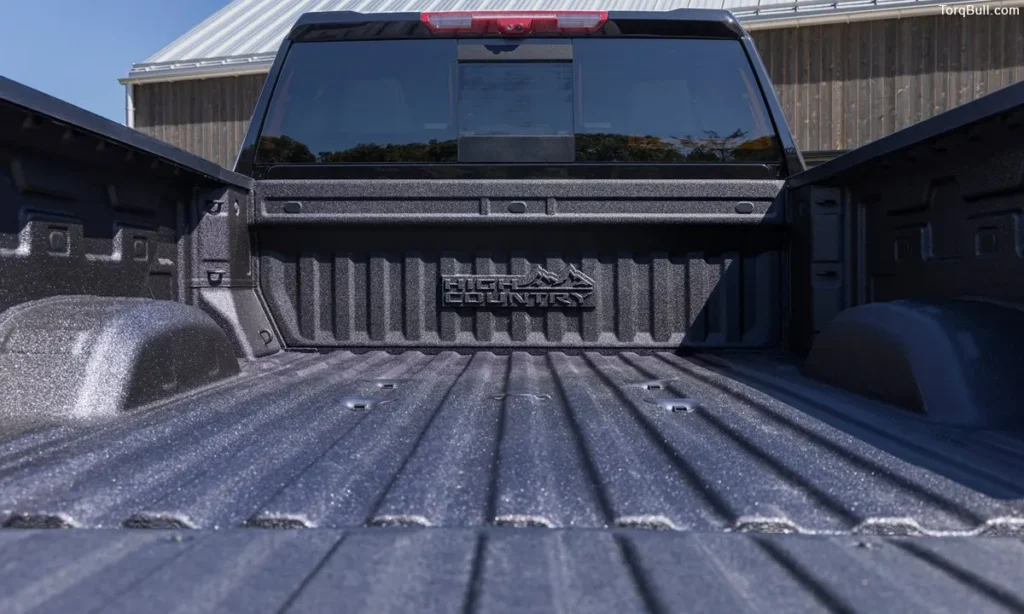
The cab style and bed length combination is the most immediately controllable payload variable for buyers who are configuring a new Silverado specifically around payload requirements.
The Regular Cab provides the lightest cab weight in the Silverado 1500 lineup — housing the driver and up to two passengers in a single-row seating arrangement without the additional structure, doors and seating of extended or crew cab configurations. The Regular Cab Long Bed 4WD configuration produces the 2,380-pound lineup maximum because it combines the lightest cab with the configuration that Chevrolet assigns the highest Gross Vehicle Weight Rating.
The Crew Cab is the highest-volume configuration — four full-size doors, a complete rear seating row and the dimensions that family truck buyers specifically prefer. The Crew Cab’s additional structure increases kerb weight by approximately 300 to 400 pounds compared to an equivalent Regular Cab configuration — reducing available payload by the same margin. The Crew Cab Standard Bed 4WD with the TurboMax engine still delivers as much as 1,960 pounds — a capable result that meets most payload requirements while providing full family seating.
The 8-foot Long Bed provides maximum cargo length and volume but also increases the truck’s overall length to its maximum. The 5.75-foot Short Bed and 6.5-foot Standard Bed trade bed volume for more manageable overall vehicle length in urban and suburban environments.
The Silverado HD Models: When 1500 Payload Is Not Enough
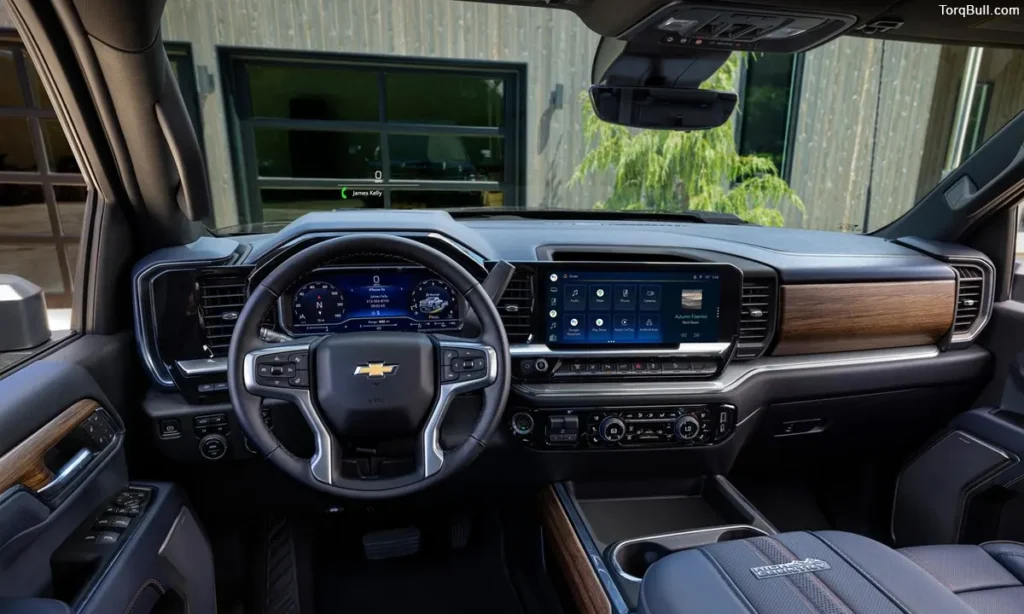
The Silverado 1500’s payload maximum of 2,380 pounds serves the majority of light-duty hauling applications — but buyers who regularly haul loads approaching or exceeding this figure should evaluate the Heavy Duty models whose payload ratings operate in a completely different capability class.
The 2026 Silverado 2500HD provides maximum payload of 4,081 pounds in the Regular Cab Long Bed 2WD configuration with 18-inch or 20-inch wheels and the gas engine — nearly double the Silverado 1500’s maximum. This payload capacity accommodates commercial construction materials, agricultural supplies and industrial equipment loads that the 1500 cannot safely carry.
The 2026 Silverado 3500HD reaches a maximum payload of 7,442 pounds in optimal configurations — with the Single Rear Wheel gas engine Regular Cab Long Bed 2WD producing 7,290 pounds as the highest commonly specified configuration. The 3500HD’s Dual Rear Wheel configurations and Duramax diesel variants produce different and in some cases lower payload ratings due to engine weight and drivetrain differences, but all significantly exceed any 1500 payload capability.
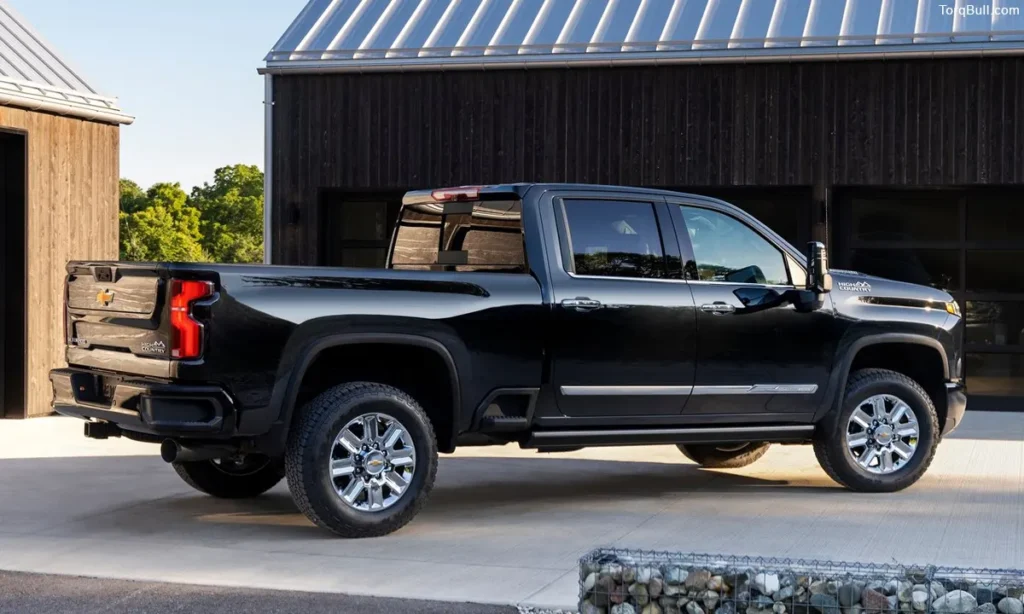
2026 Chevrolet Silverado Payload Capacity — Complete Configuration Chart
| Model and Configuration | Engine | Drivetrain | Maximum Payload | Notes |
| 1500 Regular Cab Long Bed | 5.3L V8 naturally aspirated | 4WD | 2,380 lbs | Lineup maximum for 1500 |
| 1500 Double Cab Standard Bed | 2.7L TurboMax | 2WD | 2,040 lbs | High-volume cab with strong payload |
| 1500 Crew Cab Short Bed | 2.7L TurboMax | 2WD | 2,030 lbs | Most common family configuration |
| 1500 Crew Cab Standard Bed | 2.7L TurboMax | 4WD | 1,960 lbs | Comfort and capability balanced |
| 1500 Double Cab Standard Bed | 6.2L V8 with Max Trailering Package | 4WD | 2,050 lbs | NHT package raises payload significantly |
| 1500 Crew Cab (upper trims) | Various | 4WD | 1,500 to 1,800 lbs | Luxury content adds kerb weight |
| 2500HD Regular Cab Long Bed | 6.6L V8 gas | 2WD | 4,081 lbs | Heavy Duty entry maximum |
| 3500HD Regular Cab Long Bed SRW | 6.6L V8 gas | 2WD | 7,290 lbs | 3500HD gas maximum |
| 3500HD Maximum payload | 6.6L V8 gas | Various | 7,442 lbs | Highest Silverado payload available |
| Silverado EV WT Standard Range | Electric | 4WD | 2,350 lbs | EV lineup maximum |
All figures are manufacturer-rated maximums for specified configurations. Individual vehicle payload is printed on the driver’s door jamb certification label and supersedes all published figures.
Read: Toyota Tacoma Towing Capacity Real Test Results. What The Numbers Actually Mean in 2026
The Door Jamb Sticker: The Only Number That Legally Matters
No published payload figure — not the 2,380-pound maximum on Chevrolet’s specification page, not the number in this guide, not the figure the salesperson cited during the purchase process — applies to any specific Silverado except the one whose door jamb certification label states that exact number.
Every Silverado delivered to every buyer carries a certification label inside the driver’s door jamb. This label states the Gross Vehicle Weight Rating and the resulting payload capacity for that exact vehicle as assembled at the factory — with every factory-installed option, every selected package and every configuration choice incorporated into the kerb weight calculation that produces the payload figure. This is the legally binding payload limit for that specific truck.
Operating the Silverado above its door jamb payload rating creates three specific risk categories that every owner should understand. Safety risk: the suspension, brakes and frame that Chevrolet engineered for the rated load are operating beyond their designed parameters, reducing braking effectiveness and destabilising the truck’s handling dynamics. Financial risk: insurance coverage for an accident occurring while the truck is overloaded may be disputed, because operating outside certified parameters is a material breach of standard policy terms. Legal risk: in commercial hauling contexts, exceeding rated payload can create regulatory violations and liability exposure under applicable state and federal commercial vehicle laws.
The practical guidance for any Silverado buyer who plans regular high-payload use is to weigh actual loads using public scales at truck stops, grain elevators and construction suppliers before departure — confirming that the combined weight of passengers, in-cab cargo and bed cargo remains within the door jamb payload rating every time significant loads are carried.