- The Chevrolet Silverado 2.7-liter TurboMax has experienced issues including cracked engine blocks, injector-related software faults and valvetrain concerns in certain model years.
- Other reported trouble areas include carbon buildup, timing chain wear and turbocharger heat-related stress.
- Despite these concerns, many owners report surpassing 100,000 miles with few major problems when maintenance is performed consistently and on schedule.
The Chevrolet Silverado’s 2.7 litre turbocharged four-cylinder engine — designated the L3B in early production and updated to the TurboMax specification from 2022 onward — represents General Motors’ most consequential powertrain decision in the full-size truck segment in two decades: replacing a naturally aspirated V8’s traditional character with a smaller, turbocharged four-cylinder that produces more torque at lower RPM, better fuel economy across most driving conditions and a fundamentally different long-term ownership calculus. Whether this was a good decision for reliability depends significantly on which model year is being evaluated, what maintenance discipline the owner brings to the relationship and what comparison basis is used for the reliability assessment. This complete guide examines every documented reliability concern, every relevant recall, the owner community’s high-mileage experience and the maintenance habits that most clearly determine long-term outcomes.
The Reliability Assessment by Model Year: A Mixed but Improving Picture
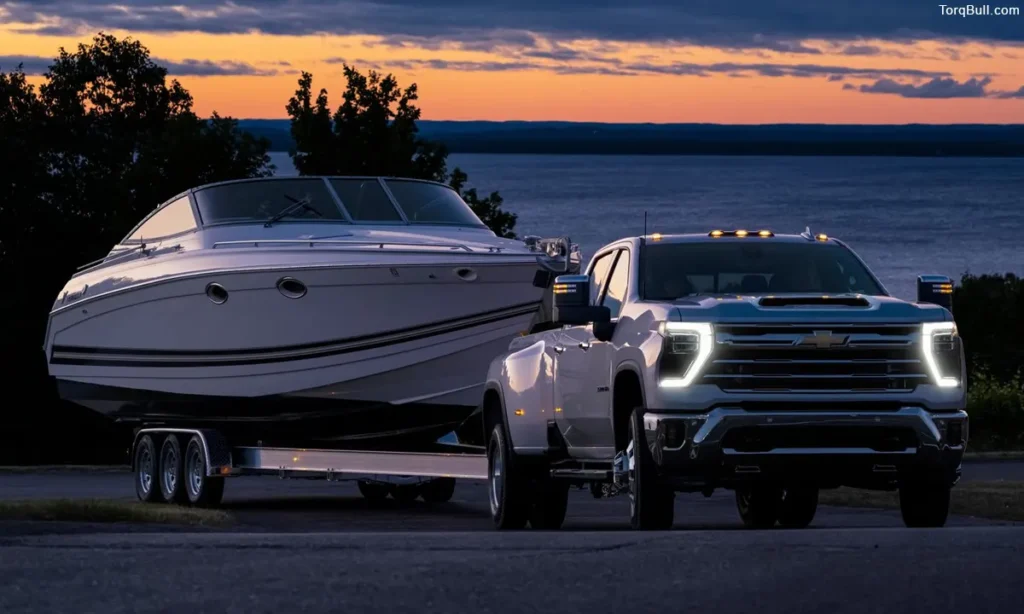
The 2.7 litre engine’s reliability story cannot be told as a single finding — because the engine’s documented reliability has changed meaningfully across production years as General Motors addressed specific failure modes through recalls, customer satisfaction programmes, software updates and hardware revisions.
The 2025 Chevrolet Silverado 1500 with the 2.7 litre turbocharged engine is rated as more reliable than other cars from the same model year in independent owner survey data — the most positive single reliability assessment available for the engine in the current generation. This above-average rating reflects the cumulative effect of multiple rounds of engineering improvements that General Motors applied to the L3B and TurboMax across the 2023, 2024 and 2025 production cycles, specifically addressing the most consequential failure modes that early production years revealed.
The 2023 production year is the most concerning in the engine’s documented history — a cracked engine block recall affecting 2023 Silverado 1500 and Colorado models equipped with the 2.7 litre engine. General Motors recalled affected vehicles and replaced cracked engine blocks at no cost to owners. The severity of a cracked engine block — rendering the engine non-operational and requiring complete replacement — makes this recall the most significant reliability event in the 2.7 litre engine’s production history. For buyers evaluating 2023 used examples, confirming whether the specific vehicle’s VIN was subject to this recall and whether the remedy has been completed is essential due diligence before purchase.
The 2019 to 2022 production years were affected by a separate fuel injector software issue — a miscalibrated Engine Control Module that caused injectors to deliver incorrect fuel quantities under specific driving conditions, producing rough idle, hesitation under load and potential emissions violations. General Motors addressed this through a Customer Satisfaction Programme initiated in February 2024, offering a software update that corrects the ECM calibration without requiring physical hardware replacement. This is a less severe reliability concern than the cracked block issue — no mechanical failure, no parts replacement required — but its multi-year scope across 2019 to 2022 production demonstrates the engine’s early production-year quality challenges.
The Most Consistently Documented Reliability Concerns
Across owner community data, professional reliability assessments and independent technical analysis, five specific concern categories appear consistently enough to represent the 2.7 litre engine’s characteristic reliability profile rather than isolated individual failures.
Carbon Buildup on Intake Valves
The 2.7 litre engine uses direct fuel injection exclusively — injecting fuel directly into the cylinder rather than through the intake port. This injection method, while delivering the precise fuel control that maximises power and efficiency, also means that no fuel spray washes the intake valves during operation. The intake valves accumulate carbon deposits from oil vapour and combustion byproducts without the cleaning effect that port-injected engines receive with every fuel delivery cycle.
Carbon buildup on intake valves is not a defect unique to the 2.7 litre engine — it is a characteristic of direct injection architecture that the BMW, Mercedes-AMG and Ford EcoBoost engines share. But it becomes a reliability concern when allowed to accumulate without maintenance attention. Severe carbon buildup reduces airflow into the cylinder, causing rough idle, chugging at low speeds, hesitation under load and power reduction that owners describe as the engine feeling sluggish and unresponsive. Professional decarbonisation using walnut shell blasting or chemical intake cleaning every 60,000 to 80,000 miles is the preventative maintenance that most directly controls carbon buildup. The procedure costs approximately $200 to $400 at a shop with appropriate equipment.
Timing Chain Wear
Premature timing chain wear is the most mechanically significant long-term concern documented across owner forums and independent technical analysis for the 2.7 litre engine at higher mileage. Timing chain wear produces a characteristic rattling sound at cold startup — the sound of a chain with increased slack contacting the timing cover or tensioner guide during the brief period before oil pressure fully develops. Owners who catch this symptom early and address it through timing chain replacement face a repair cost of approximately $1,000 to $2,500. Owners who ignore the symptom until chain failure produces engine damage face substantially higher repair costs.
The timing chain’s longevity in the 2.7 litre application is strongly correlated with oil change discipline — fresh oil of the manufacturer’s specified viscosity and quality maintains the timing chain tensioner’s hydraulic function and lubricates the chain’s pin and roller surfaces. Owners who stretch oil change intervals beyond 7,500 miles — particularly with conventional rather than full synthetic oil — accelerate the timing chain wear that produces this failure mode. Most consistent early timing chain wear reports in the owner community come from owners who acknowledged extended oil change intervals or used oil below the manufacturer’s specification.
Fuel Injector Reliability
Fuel injector issues appear in two distinct categories in the 2.7 litre engine’s documented history. The software-based calibration errors affecting 2019 to 2022 production — addressed through the Customer Satisfaction Programme software update — represent the first category. The second category is physical injector wear or clogging that can develop in higher-mileage applications — particularly in engines operating on fuel with higher ethanol content or fuel that sits in the injection system during extended storage periods. Updated injector hardware specifications in the TurboMax version from 2022 onward specifically address the physical injector durability concerns from earlier L3B production years.
Turbocharger Heat Stress
The turbocharger’s turbine section operates at temperatures exceeding 900 degrees Celsius under sustained high-load operation — creating heat stress on the turbocharger bearing, seals and compressor wheel that accumulates with every sustained towing event, long uphill grade and extended high-power driving session. Turbocharger heat stress manifests as oil leaks around the turbo assembly, a high-pitched whistle during boost, reduced maximum boost pressure and visible oil consumption through the turbo’s breather system.
The most important post-high-load driving habit for turbocharger longevity is the idle-down cool-down period — allowing the engine to idle for two to three minutes after any sustained towing or high-speed driving before shutdown. This allows the turbocharger’s turbine section to cool partially before oil circulation stops, preventing oil coking — where residual oil in the turbo bearing burns to a carbon deposit that damages bearing surfaces. This discipline is specifically important after the engine’s maximum 7,200-pound towing rating is engaged.
Lifter Collapse
Lifter collapse — a specific failure mode where the hydraulic lifter in the valve train loses its hydraulic function and causes the affected cylinder to stop operating normally — has been documented in the 2.7 litre engine at lower frequency than in the GM 6.2 litre V8 but at sufficient frequency to merit attention. Lifter collapse produces a distinctive ticking sound that does not resolve with oil pressure buildup, often accompanied by a check engine light and cylinder misfire code. The repair involves lifter replacement at a cost of approximately $800 to $1,500 depending on how many lifters require attention.
Read: Toyota Tacoma Towing Capacity Real Test Results. What The Numbers Actually Mean in 2026
Chevrolet Silverado 2.7 Turbo Reliability — Complete Concern Reference Chart
| Concern | Production Years Affected | Severity | GM Response | Owner Prevention |
| Cracked engine block | 2023 | Very High | Recall — full engine replacement at no cost | Verify recall completion on 2023 used examples |
| Fuel injector software failure | 2019 to 2022 | Moderate | Customer Satisfaction Programme — software update | Verify update completed on pre-2023 used examples |
| Carbon buildup on intake valves | All production years | Moderate (progressive) | No recall — maintenance item | Decarbonise every 60,000 to 80,000 miles |
| Timing chain wear | All production, higher mileage | High if untreated | No systematic recall | Strict 5,000-mile oil change adherence |
| Fuel injector physical wear | Early L3B (2019 to 2021) | Moderate | Updated hardware in TurboMax (2022 onward) | High-quality fuel; avoid extended storage |
| Turbocharger heat stress | All production, towing use | Moderate to High | No recall — maintenance sensitivity | Post-tow idle cool-down routine |
| Lifter collapse | All production | High when it occurs | Limited recall activity | Fresh oil; strict change intervals |
Read: Toyota Tacoma vs Ford Ranger Reliability Comparison. The Complete Head-to-Head Analysis
High-Mileage Owner Experience: The 100,000-Mile Report
The owner community data for the 2.7 litre TurboMax at genuine high-mileage ownership produces the most practically useful reliability signal available — because it reflects real-world outcomes across the full range of maintenance disciplines and driving styles rather than isolated early-production failure events.
The consistent pattern from high-mileage owner accounts — specifically those reporting 100,000-plus miles of TurboMax ownership — is that maintenance discipline is the primary differentiator between the positive and negative outcome categories. Owners who maintained oil changes at 5,000-mile intervals with full synthetic oil of the manufacturer’s specified viscosity, performed decarbonisation cleaning at 60,000 to 70,000 miles and practised the post-towing idle-down routine consistently report minimal issues through 100,000 miles and beyond. Owners who treated the engine like a traditional naturally aspirated V8 — stretching oil to 10,000 miles, ignoring catch-can drains, skipping software updates — produced the horror stories that appear in the most alarming owner community accounts.
The honest characterisation of the 2.7 litre TurboMax’s reliability is exactly this: a maintenance-sensitive engine, not a maintenance-free one. It requires more active owner engagement than a simple naturally aspirated V8 whose mechanical forgiveness across modest maintenance lapses is legendary. In exchange for that engagement, many owners have crossed 200,000 miles with this engine without major powertrain events.