- Honda estimates the CR-V Hybrid battery will last 6–10 years or up to 100,000 miles under warranty coverage.
- Real-world ownership data suggests many battery packs remain effective for 150,000–200,000 miles before significant degradation occurs.
- Battery replacement costs are estimated at roughly $4,000–$4,200, while the 2026 CR-V Hybrid is expected to deliver above-average reliability.
The question every Honda CR-V Hybrid buyer eventually asks — how long will the battery last and what happens when it fails — is one of the most financially consequential specifications in the entire ownership decision. The hybrid battery is the component that most distinguishes a hybrid purchase from a conventional gasoline engine purchase, and understanding its designed lifespan, its real-world longevity from owner community data, the factors that most influence how long any specific battery lasts, the warranty coverage that protects against early failure and the replacement cost that eventual battery service entails is the foundational knowledge every prospective and current CR-V Hybrid owner needs. This complete guide addresses every dimension of CR-V Hybrid battery life.
The Official Battery Life Estimate: Honda’s Specification and What It Means
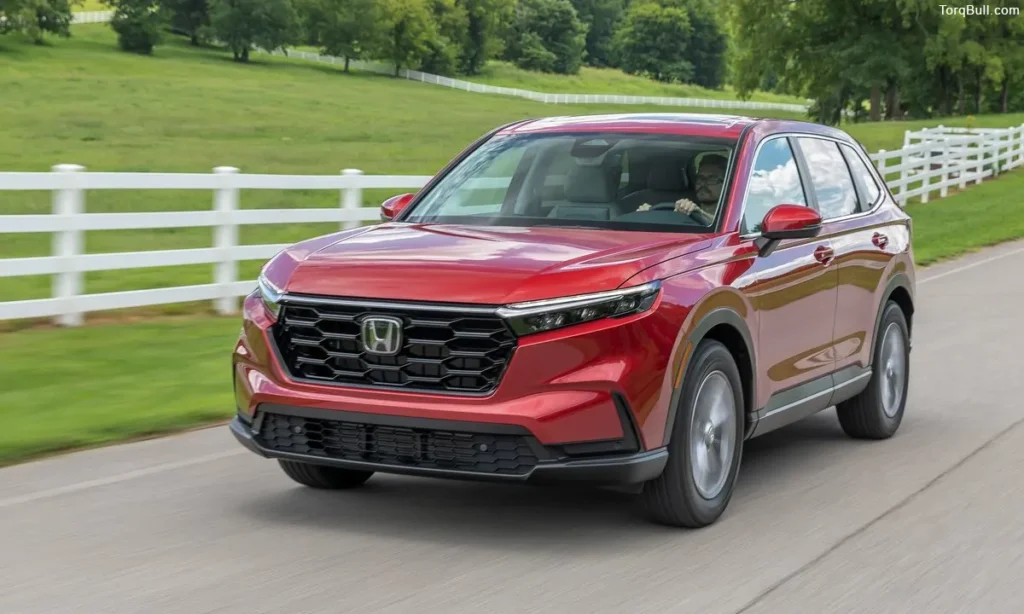
Honda estimates the CR-V Hybrid’s lithium-ion high-voltage battery pack will last 6 to 10 years or up to 100,000 miles — the official factory position that represents the conservative, warranty-supported lifespan the manufacturer is prepared to stand behind financially.
This estimate is a floor rather than a ceiling. The 100,000-mile and 6 to 10 year figures represent the minimum expected lifespan under Honda’s warranty and support obligations — not the maximum lifespan that the battery technology is capable of producing with appropriate care. Honda’s warranty coverage for the hybrid battery reflects this conservative design margin: the CR-V Hybrid battery is warranted for 8 years or 80,000 miles in most states, extending to 10 years or 150,000 miles in California emissions states that follow California’s more stringent hybrid component warranty requirements.
The battery technology at the core of the CR-V Hybrid is lithium-ion — the same chemistry used in consumer electronics, electric vehicles and the majority of modern hybrid vehicles. Lithium-ion batteries are specifically valued for their energy density and longevity characteristics, and the 2.0-litre CR-V Hybrid’s battery management system specifically manages charge and discharge cycles to keep the battery within the 20 to 80 percent state of charge range that minimises electrochemical stress and maximises long-term capacity retention. This thermal and charge management is the engineering detail that extends the practical battery lifespan well beyond the 6 to 10 year official estimate for most owners.
Read: Honda CR-V EX vs EX-L: Is the Higher Trim Worth the Extra Cost?
Real-World Battery Longevity: What Owner Community Data Shows
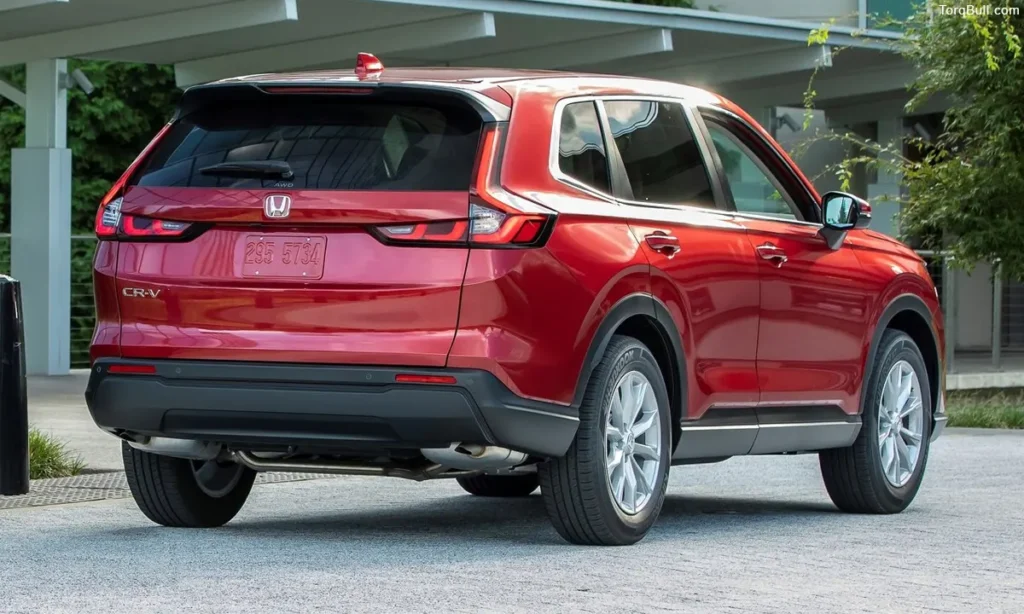
The most practically useful battery life information comes not from Honda’s official estimate — which is determined by warranty obligation rather than real-world performance — but from the owner community reports that have accumulated from the CR-V Hybrid’s production across multiple generations.
The CR-V Hybrid owner community across verified owner forums consistently reports battery packs designed to last a long time, with many hybrid owners seeing 150,000 to 200,000 miles or more before noticeable degradation. This real-world longevity figure substantially exceeds Honda’s official 100,000-mile estimate and is consistent with the industry-wide pattern where hybrid batteries in well-maintained vehicles regularly outlast the manufacturer’s conservative warranty position by 50 to 100 percent of the specified mileage.
Honda Master Technicians who have serviced multiple generations of CR-V Hybrids across their full service life describe the 2.0-litre hybrid powertrain as the more robust option among current CR-V configurations — more durable at high mileage than the 1.5-litre turbocharged gasoline alternative, which carries documented concerns about oil dilution and other longevity issues that the hybrid system avoids through its different operating characteristics.
The broader Honda CR-V across all powertrain variants maintains a 10.6 percent probability of reaching 250,000 miles based on large-scale analysis of over 174 million vehicles — 2.2 times higher than the industry average for vehicles reaching this mileage milestone. While this figure covers all CR-V configurations rather than the hybrid specifically, it reflects the nameplate’s documented longevity credentials that inform the baseline confidence in CR-V Hybrid long-term ownership.
Factors That Determine How Long the Battery Actually Lasts
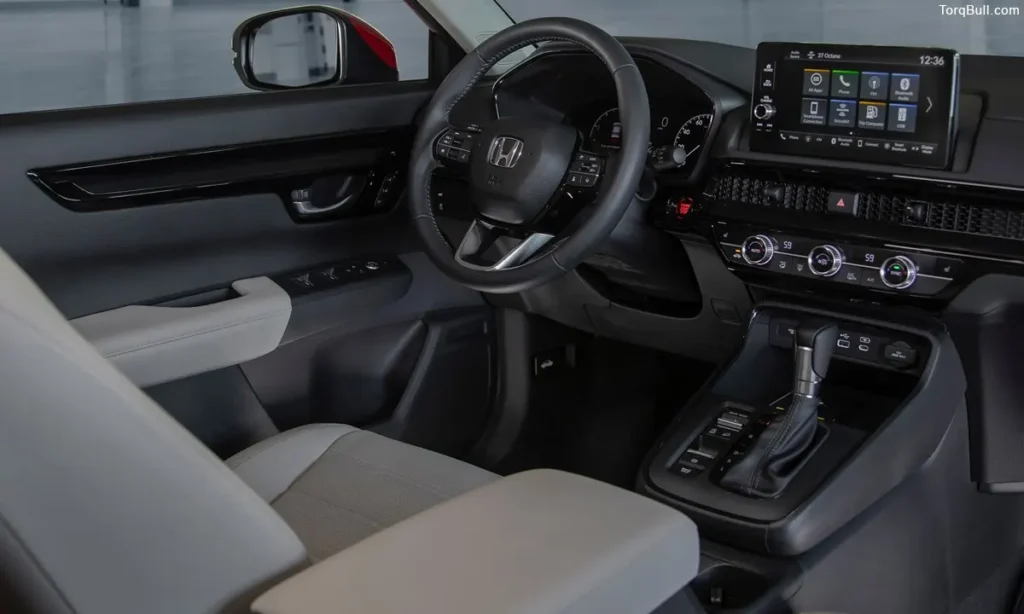
The CR-V Hybrid battery’s real-world lifespan is not fixed at Honda’s 100,000-mile estimate or the community-reported 150,000 to 200,000-mile ceiling — it is determined by a combination of owner behaviours, environmental conditions and maintenance practices that collectively either extend or shorten the battery’s useful life.
Temperature Environment
Extreme temperatures — both sustained high heat and prolonged cold — are the most consistently documented environmental factors affecting lithium-ion battery longevity. High ambient temperatures accelerate the electrochemical degradation that reduces battery capacity over time. Vehicles operated primarily in hot-climate regions should anticipate more battery capacity loss over equivalent mileage than vehicles in cooler environments. The CR-V Hybrid’s battery management system includes thermal management to keep the battery within its optimal operating temperature range, but sustained environmental extremes place more demands on this system than moderate climate operation.
Charging and Discharge Patterns
The battery management system’s maintenance of the battery’s state of charge within the 20 to 80 percent range is the most important single factor in extending battery lifespan. For the CR-V Hybrid — which is not a plug-in vehicle and therefore does not allow owners to directly control charging behaviour — this management occurs automatically. The system’s calibration specifically avoids the full charge and complete discharge cycles that most rapidly degrade lithium-ion capacity. Owners cannot directly influence this factor other than through driving style: aggressive acceleration and heavy brake application reduce the system’s efficiency in managing charge cycles optimally.
Maintenance Discipline
While the high-voltage battery itself requires no owner maintenance beyond monitoring, the supporting systems that affect battery health require consistent attention. Coolant system maintenance — ensuring the cooling loop that manages battery temperature remains clean and fully functional — is the most directly relevant conventional maintenance item for battery longevity. Oil change discipline affects the hybrid system indirectly through the gasoline engine’s efficiency and heat management, which affects how much work the hybrid system performs and therefore how intensively the battery cycles.
Driving Patterns
Stop-and-go urban driving actually benefits the CR-V Hybrid battery system in a specific way — the regenerative braking recovery that occurs during every deceleration event in urban traffic returns energy to the battery rather than dissipating it as brake heat. This regenerative recovery reduces the frequency of deep discharge events that put more stress on the battery chemistry. Highway-dominant driving at sustained cruise speeds produces fewer regenerative opportunities but also places less peak demand on the battery for acceleration assistance — a different usage pattern that is neither better nor worse for battery longevity but differently characterised.
Hybrid Battery Replacement Cost: The Financial Planning Reality
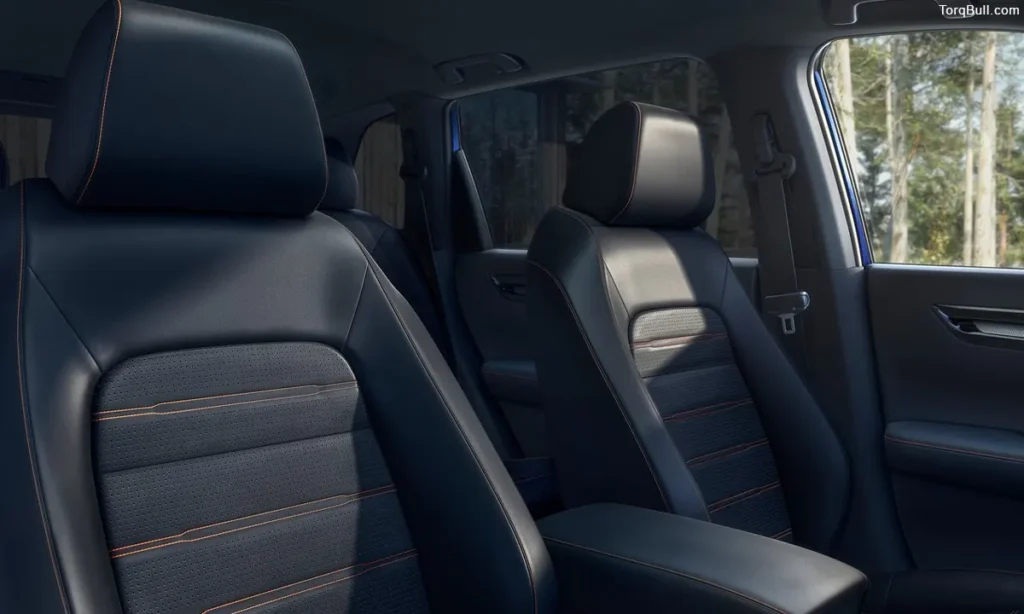
The most important battery life financial preparation for any CR-V Hybrid owner is understanding the cost of eventual battery replacement — so that the timing and financial impact of this eventual service event can be planned rather than discovered as an unexpected expense.
The high-voltage battery replacement for the 2025 Honda CR-V Hybrid costs $4,003 to $4,231 including labour at a Honda dealer. This figure covers the complete battery pack replacement using a new Honda OEM battery unit. Third-party remanufactured battery options are available at lower cost through independent shops, typically ranging from $1,500 to $2,500 depending on whether the core unit is rebuilt or replaced, but with shorter warranties than the Honda OEM replacement.
The financially important context for this replacement cost is its relationship to the vehicle’s remaining value at the time the battery requires replacement. A CR-V Hybrid at 120,000 miles and 10 years of age retains meaningful market value — typically $8,000 to $14,000 depending on condition and market — because the Honda reliability reputation sustains used-market demand for high-mileage examples. A $4,000 to $4,200 battery replacement at this mileage and value point represents approximately 30 to 50 percent of the vehicle’s remaining market value — a repair that is financially justified for a vehicle in otherwise good condition, and that produces another 100,000 or more miles of hybrid operation with the fresh battery.
Read: GAP Insurance vs New Car Replacement for Honda CR-V: Which Coverage Is Better?
Honda CR-V Hybrid Battery Life — Complete Reference Chart
| Battery Specification | Detail |
| Battery Type | Lithium-ion high-voltage pack |
| Honda Official Lifespan Estimate | 6 to 10 years or up to 100,000 miles |
| Real-World Community Reports | 150,000 to 200,000 miles without noticeable degradation |
| Warranty (most states) | 8 years or 80,000 miles |
| Warranty (California emissions states) | 10 years or 150,000 miles |
| Charge Range Management | 20 to 80 percent state of charge maintained automatically |
| Thermal Management | Active battery cooling system standard |
| 2025 Replacement Cost (dealer) | $4,003 to $4,231 including labour |
| Third-Party Rebuilt Replacement | $1,500 to $2,500 (shorter warranty) |
| 2026 CR-V Hybrid Reliability Prediction | More reliable than average new car |
| CR-V 250,000-Mile Probability | 10.6 percent (2.2 times industry average) |
| Recommended Battery Care | Consistent coolant maintenance, normal driving patterns |
| Factors Extending Battery Life | Moderate climate, consistent maintenance, gradual acceleration |
| Factors Reducing Battery Life | Sustained high heat, aggressive driving patterns |
Read: Honda CR-V Real World Range. How Far It Actually Goes Per Tank vs EPA Estimates
The Common Battery Concern Question: Is It Worth Buying Hybrid?
One documented owner account captures the most common battery concern directly: the owner who traded a 2018 gasoline CR-V for a 2026 CR-V Hybrid was told by people that the cost to replace the battery is not worth what will be saved in gas.
This concern is most accurately evaluated through the total financial calculation rather than the replacement cost figure alone. The CR-V Hybrid’s fuel economy advantage over the gasoline CR-V — approximately 40 MPG combined versus 30 MPG combined in FWD configurations — produces annual fuel savings of approximately $400 to $500 at 15,000 annual miles and national average fuel prices. Over 10 years, this cumulative saving reaches $4,000 to $5,000 — comparable to or exceeding the battery replacement cost that occurs at end of battery life.
The financial calculation becomes clearer when the battery’s expected lifespan of 10 to 15 or more years is incorporated: the fuel savings accumulated across 10 years of hybrid ownership reach $4,000 to $5,000 before the battery requires replacement, at which point the replacement cost is offset by the prior fuel savings. For owners who extend ownership beyond this point with a refreshed battery, all subsequent fuel savings represent net financial benefit above the battery replacement investment.
The 2026 CR-V Hybrid is predicted to be more reliable than the average new car based on data from 2024, 2025 and 2026 model performance — the most directly relevant current reliability signal for buyers making purchase decisions today.