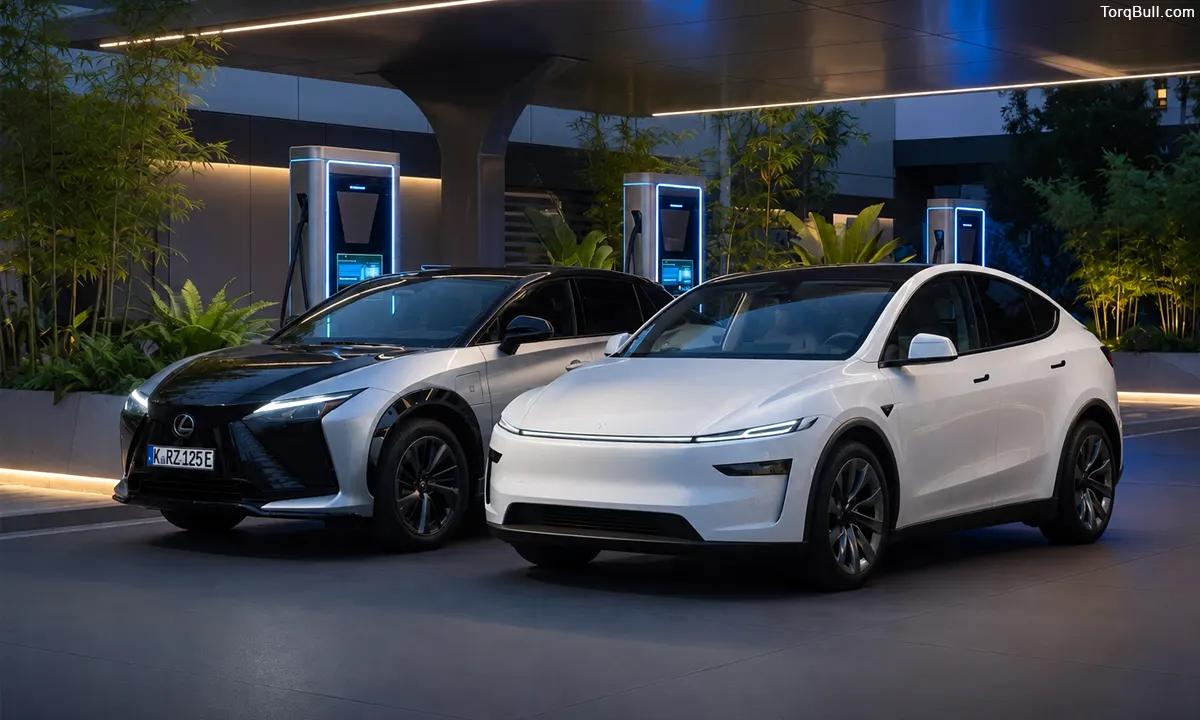
- The 2026 Lexus RZ 350e delivers up to 300–302 miles of EPA-estimated range, while the RZ 450e and RZ 550e F Sport offer lower range figures.
- Most Tesla Model Y variants provide greater driving range than their Lexus RZ counterparts, particularly the Long Range AWD model.
- Both vehicles now use the NACS charging standard, giving owners access to a broader fast-charging network.
The 2026 Lexus RZ’s most significant upgrade is the most consequential change possible for a vehicle whose early generations were specifically criticised for inadequate range: a 34 to 40-mile increase across the lineup that brings the RZ 350e within touching distance of the Tesla Model Y Standard and produces the first Lexus electric vehicle that can legitimately be evaluated on equal range footing with the segment’s efficiency leader. Whether this range improvement is sufficient to recommend the RZ over the Model Y depends entirely on what the buyer values most — because in pure range numbers, Tesla maintains its lead across most configurations, but in the dimensions beyond range that define the daily ownership experience, the comparison becomes genuinely competitive in ways that previous RZ generations could not claim. This complete guide examines every range figure, every charging number and every relevant dimension of this specific comparison.
The Range Numbers: Where Each Vehicle Stands
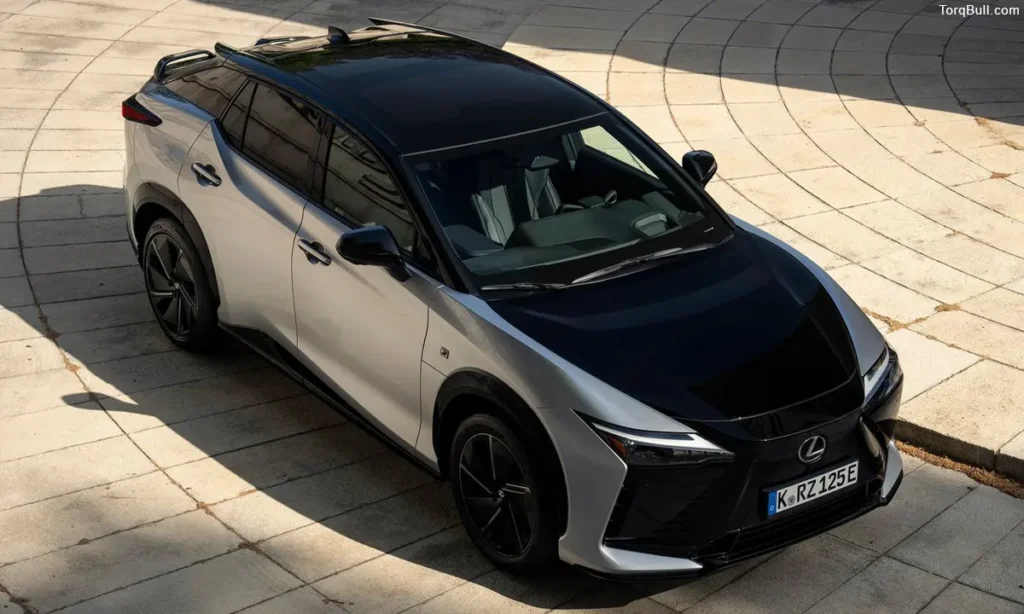
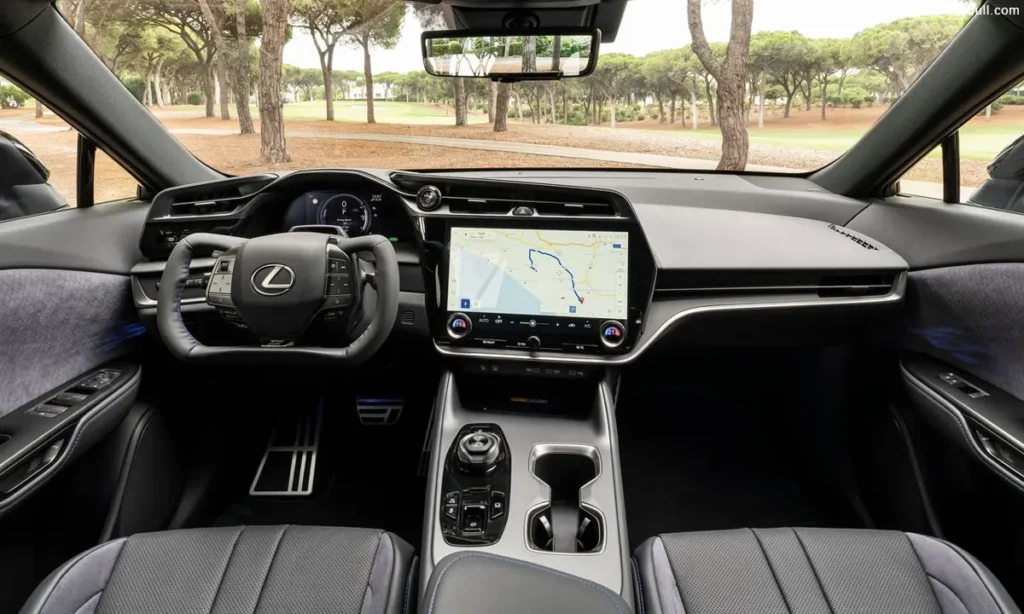
The range comparison between the 2026 Lexus RZ and Tesla Model Y requires specific configuration matching — because both vehicles offer multiple range variants that produce meaningfully different results depending on which specific models are compared.
The 2026 Lexus RZ 350e achieves approximately 300 to 302 miles of EPA-estimated range from its 74.69 kWh battery pack with 201 horsepower in front-wheel drive — the longest-range configuration in the 2026 RZ lineup. This represents a 34-mile improvement over the previous generation’s best-case range and is the figure that brings the RZ closest to parity with the Model Y standard configuration.
The 2026 Lexus RZ 450e AWD achieves approximately 260 to 264 miles of EPA-estimated range — up approximately 40 miles from the equivalent previous generation configuration — from its 74.7 kWh battery with 308 combined horsepower through dual electric motors.
The new 2026 Lexus RZ 550e F Sport AWD achieves approximately 229 miles of EPA-estimated range — the lowest in the 2026 RZ lineup — from its larger 77 kWh battery producing 402 horsepower. The 550e’s performance priority over efficiency produces this range reduction as the direct trade-off for a 4.1-second 0-60 MPH capability.
The 2026 Tesla Model Y Standard RWD achieves approximately 321 miles of EPA-estimated range at a starting price of $39,990. The Model Y Long Range AWD achieves approximately 327 miles of EPA-estimated range — the longest range in the standard Model Y lineup. In some reporting configurations, the Model Y’s single-motor range is cited as high as 357 miles depending on the specific trim and configuration tested.
The direct comparison produces a clear finding: the RZ 350e at approximately 300 to 302 miles narrowly trails the Model Y Standard RWD at 321 miles by approximately 19 to 21 miles. The RZ 450e AWD at 260 to 264 miles trails the Model Y Long Range AWD at 327 miles by approximately 63 to 67 miles. Across every direct configuration comparison, Tesla maintains a range advantage — the magnitude of that advantage varying from modest to significant depending on which trims are being compared.
Read: Lexus RZ Highway Range Test 2026. Does It Meet Expectations on Long Trips?
Real-World Range: Where Lexus Claims Advantage
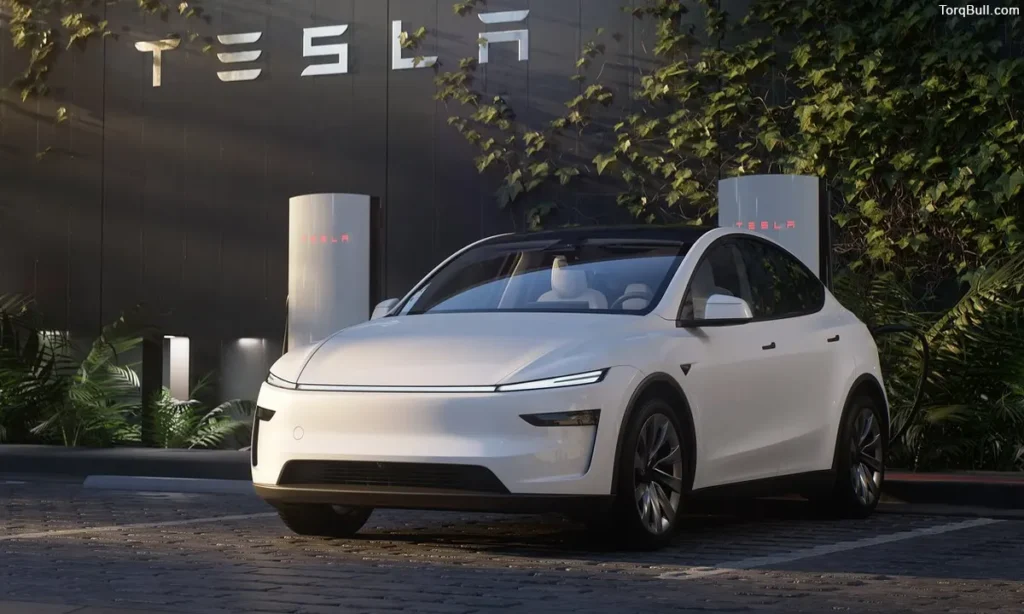
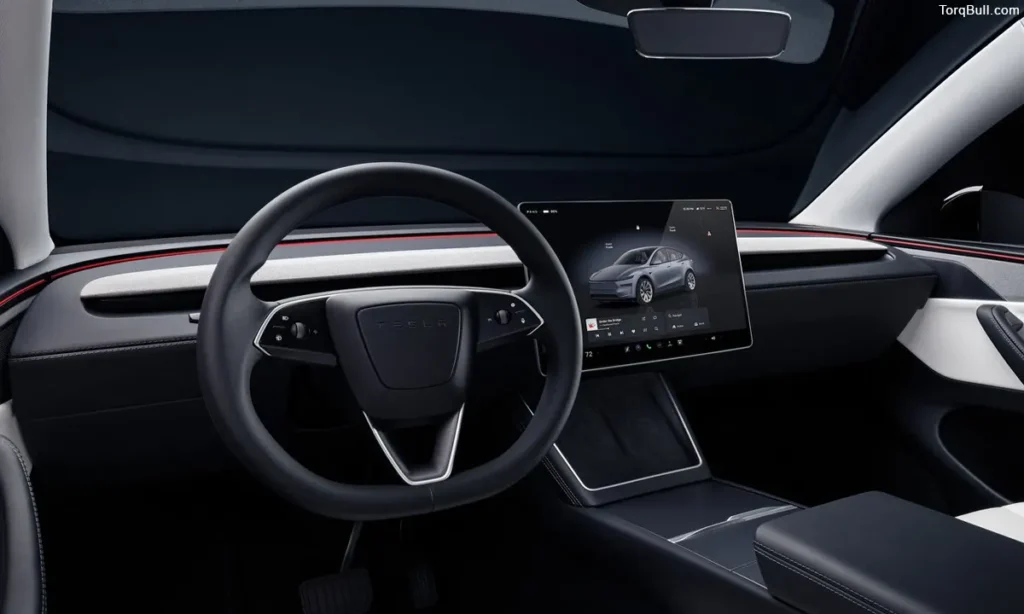
The EPA range figure is the most convenient comparison point but not the most complete one — because real-world driving conditions produce different results from the standardised test cycle, and the gap between EPA claim and real-world achievement varies between manufacturers and models.
One owner who traded a Tesla Model Y for a Lexus RZ 450e documents getting 275 to 400 miles of real-world range — a claim that significantly exceeds both the EPA rating and the Model Y’s figures when range optimisation techniques are applied. This upper-bound claim should be understood as representing ideal driving conditions with deliberate efficiency techniques rather than typical daily driving.
Professional real-world testing consistently shows that Tesla Model Y falls short of its EPA figures in real-world conditions — particularly at highway speeds where aerodynamic drag reduces efficiency below the EPA test cycle’s lower-speed assumptions. The Model Y’s real-world highway range at 75 MPH consistently registers below the EPA estimate by 10 to 20 percent depending on temperature and driving conditions. The Lexus RZ provides more consistent range estimates in varied driving conditions according to some evaluations — a characterisation that suggests the RZ’s real-world delivery relative to its EPA estimate may be more consistent than the Model Y’s across diverse operating conditions.
The honest summary of real-world range is that both vehicles deliver somewhat below their EPA estimates in typical highway driving, that neither consistently beats its EPA figure in real-world mixed use and that the EPA gap between them likely translates to a similar real-world gap under comparable conditions.
Charging: Where Both Vehicles Now Share an Advantage
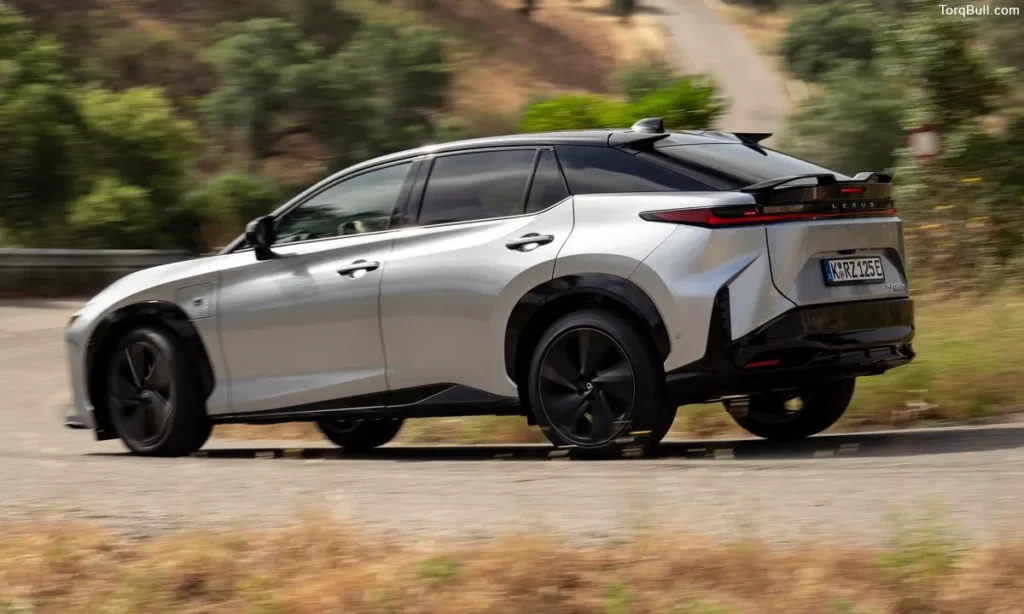
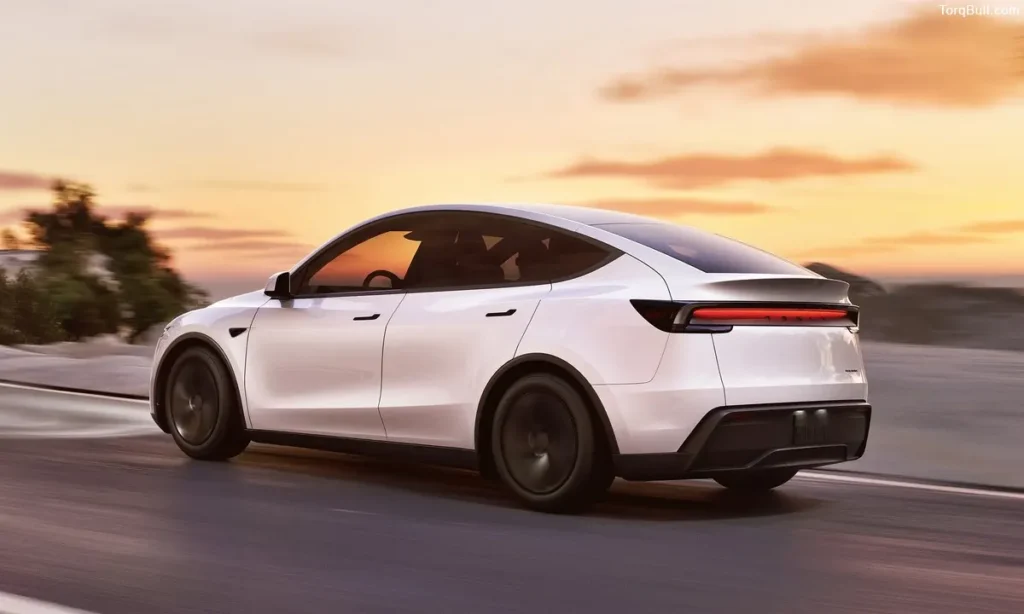
The charging comparison between the 2026 Lexus RZ and Tesla Model Y changed fundamentally for 2026 with the RZ’s adoption of the NACS port — the same charging standard that Tesla Superchargers use — giving RZ owners direct access to the same network that Model Y owners use without requiring an adapter.
The Lexus RZ provides access to over 25,000 Tesla Supercharger stations in North America through the built-in NACS port — along with other DC fast-charging networks. The Tesla Model Y accesses the full Tesla Supercharger network globally, with worldwide coverage exceeding 50,000 locations.
DC fast-charging speed for the 2026 RZ reaches approximately 150 kW peak — enabling a 10 percent to 80 percent charge in approximately 30 minutes at a compatible DC fast charger. The Tesla Model Y achieves similar 10 to 80 percent charging times through its optimised battery management with the Supercharger network.
Home charging provides 11 kW for the RZ versus 11.5 kW for the Model Y — a negligible difference in practical overnight charging speed. Both vehicles complete a full charge from near-empty within a typical overnight period at these AC charging rates.
The charging network reliability advantage historically belongs to Tesla — the Supercharger network’s documented uptime and availability significantly exceeds competing networks. With the RZ now accessing Superchargers directly through NACS, both vehicles effectively share the same most-reliable charging network — eliminating one of the RZ’s most significant previous competitive disadvantages.
Read: Lexus RZ Luxury Features Review 2026. Does This Electric SUV Feel Truly Premium?
2026 Lexus RZ vs Tesla Model Y — Complete Range and Specification Chart
| Specification | RZ 350e FWD | RZ 450e AWD | RZ 550e F Sport AWD | Model Y Standard RWD | Model Y Long Range AWD |
| EPA Range | 300 to 302 miles | 260 to 264 miles | 229 miles | 321 miles | 327 miles |
| Horsepower | 201 hp | 308 hp | 402 hp | 295 hp | 514 hp |
| 0-60 MPH | 7.1 seconds | 4.9 seconds | 4.1 seconds | 5.3 seconds | 4.6 seconds |
| Battery Capacity | 74.69 kWh | 74.7 kWh | 77 kWh | approximately 75 kWh | approximately 75 kWh |
| Charging Port | NACS standard | NACS standard | NACS standard | NACS standard | NACS standard |
| DC Fast Charge | 150 kW peak | 150 kW peak | 150 kW peak | V3 Supercharger 250 kW | V3 Supercharger 250 kW |
| 10 to 80% DC Time | approximately 30 min | approximately 30 min | approximately 30 min | approximately 28 min | approximately 28 min |
| Home Charging | 11 kW | 11 kW | 11 kW | 11.5 kW | 11.5 kW |
| Starting Price | approximately $47,295 | approximately $52,995 | approximately $58,295 | $39,990 | approximately $49,990 |
| Federal Tax Credit | Not eligible | Not eligible | Not eligible | $7,500 eligible | $7,500 eligible |
The Price and Tax Credit Reality: The Most Impactful Non-Range Factor
The range comparison does not occur in isolation from price — and the price comparison between these vehicles is distorted by a factor that the MSRP numbers alone do not communicate: federal electric vehicle tax credit eligibility.
The Tesla Model Y Standard RWD starts at $39,990 and qualifies for the $7,500 federal EV tax credit — reducing the effective purchase price to approximately $32,490 for eligible buyers. The Lexus RZ at $47,295 starting does not qualify for the federal EV tax credit due to its manufacturer’s country of origin and price structure. The effective price gap between the lowest-priced configurations is therefore not $47,295 minus $39,990 equals $7,305 — it is closer to $47,295 minus $32,490 equals $14,805 when the tax credit’s full impact is incorporated.
This effective price gap is the most significant competitive disadvantage the Lexus RZ faces against the Tesla Model Y beyond the range deficit. Buyers who qualify for the federal tax credit face a substantial financial argument for the Model Y that the RZ’s quality and interior character must overcome to justify the premium.
Read: Lexus RZ Charging Time at Home. Real-World Charging Time Breakdown
Who Should Choose Each Vehicle
The Tesla Model Y is the analytically stronger choice for buyers whose primary criteria are maximum EPA range, lowest effective purchase price with tax credit utilisation, access to regular over-the-air technology updates and the most cargo-efficient interior layout among electric crossovers in this price range. The Model Y’s longer range, lower effective cost after tax credits and proven charging network reliability make it the most financially rational EV purchase for the majority of electric crossover buyers.
The Lexus RZ is the better choice for buyers who specifically value the Lexus interior craftsmanship quality — the quiet cabin, the premium material choices and the dealer service experience — over the Model Y’s more spartan interior character. One owner who traded from the Model Y to the RZ specifically documents preferring the Lexus service experience, the accessible 12-volt battery and the responsive customer support as ownership advantages that the Model Y’s objectively superior range specification does not compensate for in their personal ownership priorities.