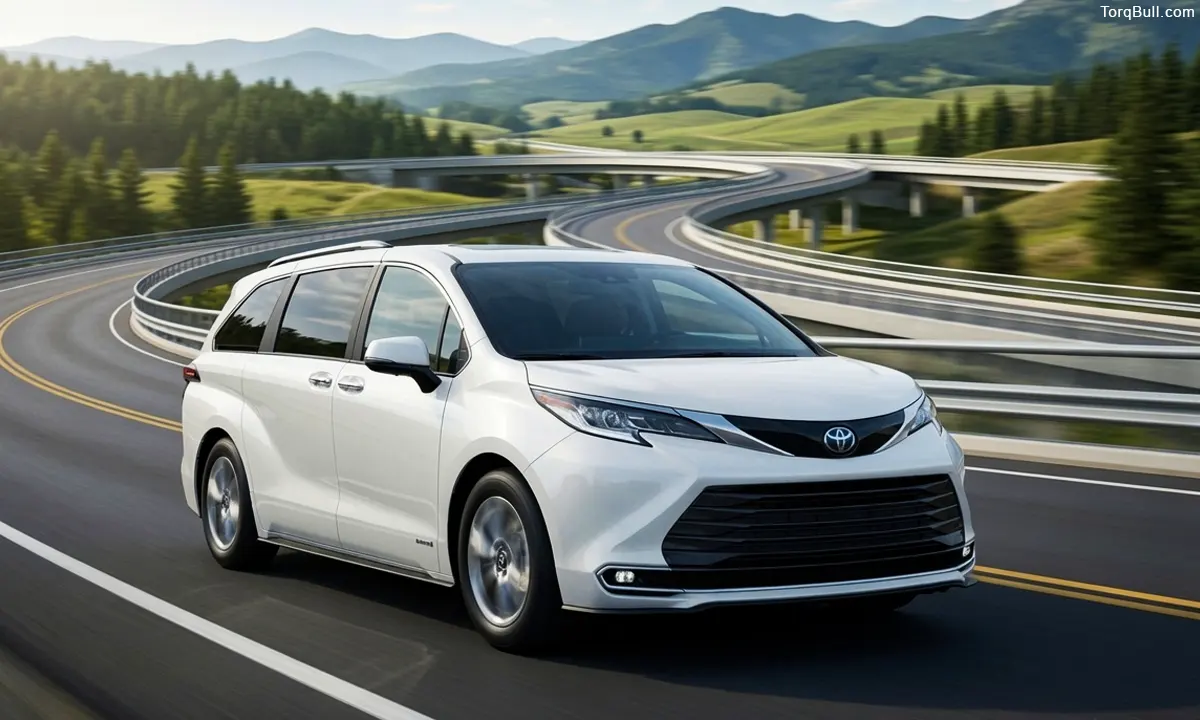
- Many Toyota Sienna owners report exceptional longevity, with third-generation models regularly exceeding 200,000 miles and some surpassing 400,000 miles.
- The 2015–2020 Sienna is particularly respected for durability thanks to its proven 3.5-liter V6 powertrain.
- While the 2025 model has faced several recalls, the 2026 Sienna currently has no reported recalls or complaints and is expected to continue the model’s strong reliability tradition.
The Toyota Sienna’s 300,000-mile question has a specific and honest answer that depends entirely on which generation is being evaluated and how consistently it has been maintained. The third-generation Sienna’s 3.5-litre naturally aspirated V6 is the engine that the high-mileage owner community knows best — late-model third-generation examples from 2015 to 2020 are specifically described as legendary for their durability, capable of surpassing 200,000 miles with basic fluid changes and maintenance in a way that earns the characterisation of tanks in the proverbial sense. The fourth-generation all-hybrid Sienna that launched for 2021 is still accumulating the high-mileage ownership data that will eventually answer the 300,000-mile question for this generation — but the early evidence from reliability scores, owner accounts spanning 450,000 miles across multiple Siennas and the Toyota hybrid battery’s documented multi-model longevity track record suggests the fourth generation is building toward a similar answer. This complete guide provides the honest reliability assessment across every generation and every model year.
The Cross-Generation Reliability Average: Consistent Performance
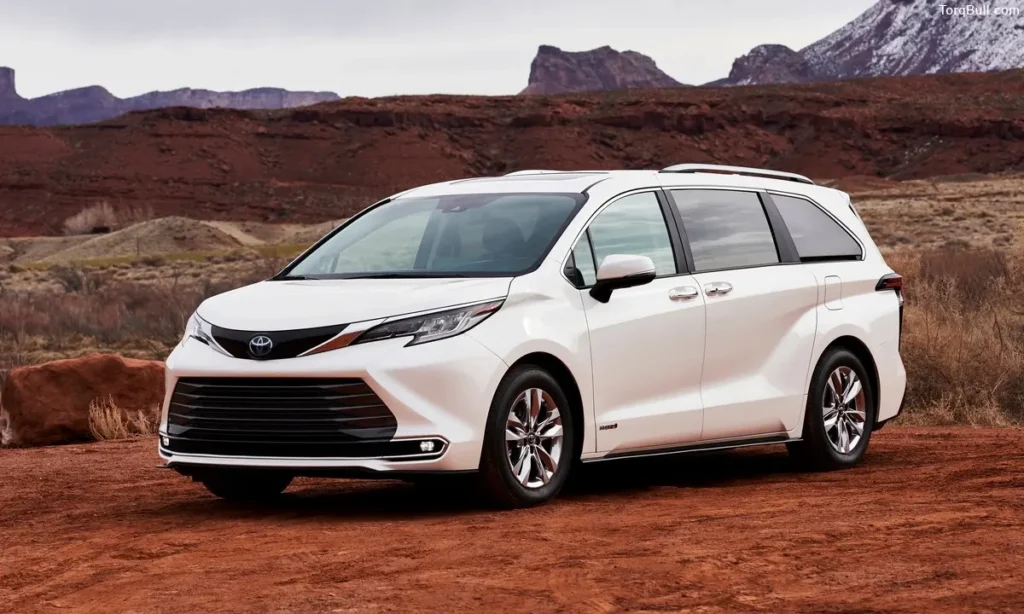
The Toyota Sienna maintains one of the highest industry standards for long-term durability across its entire production span — with no model years serving as statistical outliers in reliability data. The Sienna’s cross-model-year reliability average of 73 out of 100 — rated Good — reflects a consistent performance history rather than the volatile model-year-to-model-year swings that some competing minivans produce.
The 2026 Sienna carries a predicted reliability score of 74 out of 100 with zero recalls and zero owner complaints on file — the most positive early production reliability signal the Sienna has recently produced. The 2026 model is expected to be slightly more reliable than the 2025 model according to comprehensive reliability prediction based on 2023, 2024 and 2025 production data. This predicted above-average positioning for 2026 continues the Sienna’s tradition of consistent reliability without the dramatic improvements or alarming declines that complicate competitive nameplate evaluations.
The 2024 Sienna earned the designation of more reliable than other cars from the same model year — a significant competitive positioning statement in the minivan segment where the Chrysler Pacifica has historically carried higher repair frequency. The 2023 Sienna earns the best single-year reliability score in the nameplate’s recent production history at 76 out of 100 — the combination of the all-hybrid powertrain’s accumulated production refinement and the 2023 model year’s relatively low recall and complaint volume producing the most reliable single-year result available in the current Sienna’s production run.
The 2025 Sienna carries the most concerning recent reliability profile — rated below average for its model year with 5 recalls and 134 owner complaints. The recalls include a third-row seatback bolt that may not be tightened properly, affecting 2021 through 2025 Sienna Hybrid vehicles and creating occupant safety risk that dealers resolve through bolt tightening inspection at no cost.
Read: Best Toyota Sienna Trim to Buy 2026. Finding the Perfect Minivan for Your Needs
The Third-Generation Legacy: The 300,000-Mile Foundation
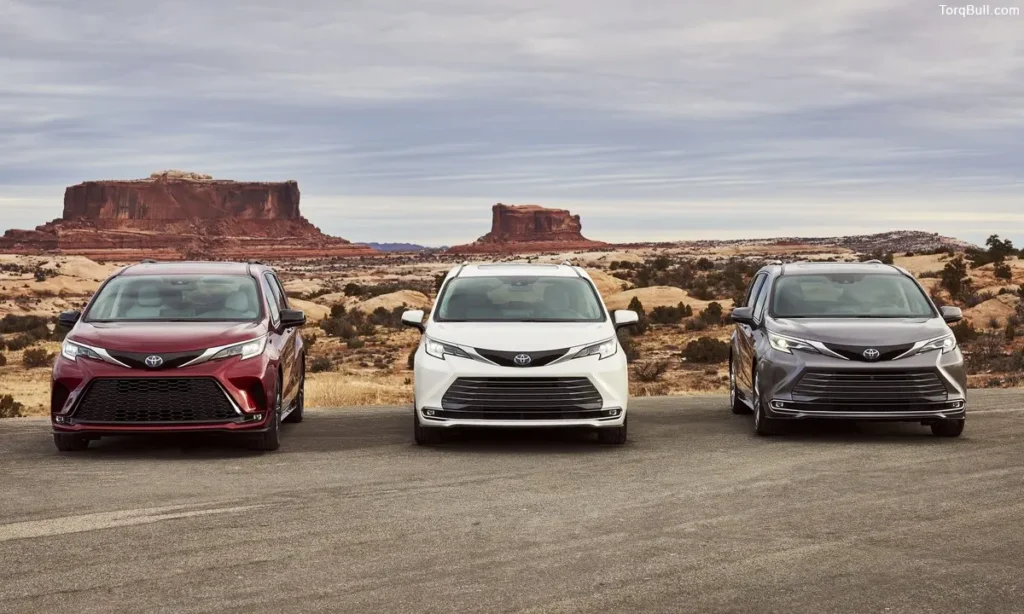
The third-generation Toyota Sienna produced from 2011 to 2020 — and specifically the late-production years from 2015 to 2020 — provides the most compelling documented evidence for the Sienna’s 300,000-mile potential. This generation’s 3.5-litre naturally aspirated V6 engine is the powertrain whose long-term reliability has been documented across enough high-mileage owner accounts to represent a statistically meaningful reliability pattern rather than exceptional individual outcomes.
The specific characterisation of third-generation Sienna models as legendary for their durability from a mechanical standpoint reflects the naturally aspirated V6’s specific maintenance simplicity. Natural aspiration means no turbocharger to heat cycle and eventually fail, no intercooler system to leak and no boost pressure components whose wear accumulates across high-mileage operation. The V6’s mechanical simplicity relative to turbocharged alternatives produces the forgiveness across maintenance lapses that no turbocharged alternative replicates — and makes the 200,000-mile result achievable with basic fluid changes and maintenance rather than the precision discipline that turbocharged applications require.
The most common problems in the third generation were power sliding door motor failures and premature wear on factory-fitted tyres — neither of which represents a mechanical reliability failure in the powertrain sense. Power sliding door motor failures are annoying and occasionally costly but do not affect the vehicle’s fundamental mobility. Tyre wear is a consumable replacement event rather than a reliability failure. From a strictly mechanical drivetrain standpoint, late third-generation Sienna models represent among the most durable American-market minivans available at any price.
One owner who specifically drove over 450,000 miles across three Siennas — the most recent being a 2024 — represents the documented ceiling of Sienna ownership longevity. This 450,000-mile multi-Sienna ownership account confirms that the nameplate’s durability extends across generations rather than being limited to a specific production period.
The Fourth Generation Hybrid: The 200,000-Mile Question
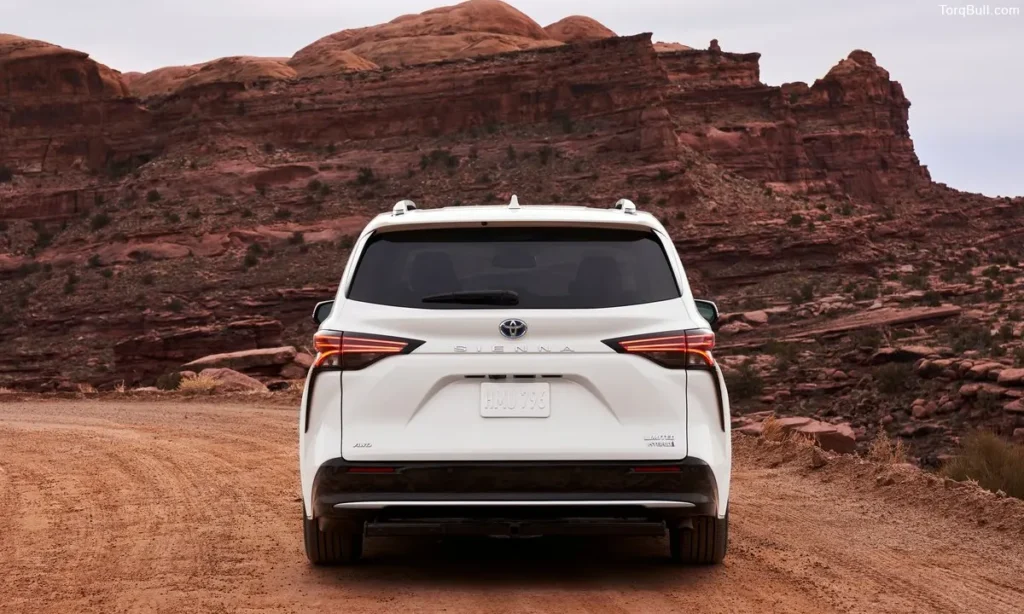
The fourth-generation all-hybrid Sienna launched for 2021 replaces the third generation’s naturally aspirated V6 with a 2.5-litre four-cylinder hybrid system producing 245 combined horsepower — a powertrain transition that introduces different long-term durability considerations alongside the dramatic fuel economy improvement from 21 MPG combined to 36 MPG combined.
The most critical fourth-generation Sienna long-term durability question is the hybrid battery’s longevity across the 150,000 to 300,000-mile ownership horizon that the third generation’s V6 achieved in documented owner accounts. The hybrid battery warranty coverage of 10 years or 150,000 miles in most states provides financial protection across the primary ownership window — but the 200,000 to 300,000-mile range falls outside this warranty protection, requiring the battery’s inherent longevity rather than warranty coverage to sustain the vehicle’s economic viability at high mileage.
Toyota’s hybrid battery technology across the Prius, Camry Hybrid, RAV4 Hybrid and Highlander Hybrid platforms provides the most relevant longevity evidence for the Sienna Hybrid — a multi-model track record documenting hybrid batteries reaching 150,000 to 200,000 miles in well-maintained owner accounts without premature failure. The Sienna Hybrid’s specific battery pack differs in size and configuration from these alternatives but shares the same fundamental Toyota hybrid battery management approach — maintaining state of charge between 40 and 80 percent to minimise electrochemical stress and extend usable capacity across years of cycling.
The liquid-cooled battery pack that the Sienna Hybrid uses is a specific thermal management advantage over air-cooled hybrid battery alternatives — maintaining battery temperature within the optimal operating range during sustained summer heat and cold winter operation that air-cooled systems struggle to manage as effectively.
Read: Toyota Sienna Resale Value After 5 Years. The Complete 2026 Depreciation Guide
Active Recalls: What Current Owners Must Verify
Several active and recent recalls affect Sienna production across multiple model years — and verifying their completion is the single most immediately important reliability action for any current or prospective Sienna owner.
The third-row seatback bolt recall affecting 2021 through 2025 Sienna Hybrid vehicles addresses bolts that may not have been tightened properly during assembly — creating seatback failure risk during crash events. Dealers inspect and tighten or replace the affected bolts at no cost. Any 2021 through 2025 Sienna Hybrid owner should verify through the NHTSA VIN-specific recall lookup whether this recall applies to their specific vehicle and confirm its completion.
The panoramic view monitor software recall affecting 2022 through 2026 Siennas with the Panoramic View Monitor system addresses a software error that may cause the rearview camera to freeze or display a blank screen when the vehicle is in reverse — resolved through a dealer parking assist software update at no cost.
The 2026 Sienna’s clean record of zero recalls and zero complaints represents the most positive early production signal of any recent model year — confirming that production quality for the current year is consistent with the nameplate’s durability reputation.
Toyota Sienna Reliability by Model Year — Complete Reference Chart
| Model Year | Reliability Score | Recalls | Owner Complaints | Primary Concerns | Recommendation |
| 2026 | 74 out of 100 (Predicted) | 0 | 0 | None recorded | Highly recommended; clean early record |
| 2025 | 72 out of 100 (Good) | 5 | 134 | Seatback bolt, rearview camera, seatbelt retractor | Verify all recalls completed |
| 2024 | 74 out of 100 (Good) | 3 | Lower | Seatback bolt recall | Recommended; more reliable than average |
| 2023 | 76 out of 100 (Best recent year) | Lower | Lowest recent | Less active recall year | Best recent model year purchase |
| 2022 | 74 out of 100 (Good) | Average | Average | Consistent with generation pattern | Good option; verify recalls |
| 2021 | Launch year hybrid | Higher | Higher | First year all-hybrid | More caution; first generation hybrid |
| 2015 to 2020 (third gen) | Excellent historical | Lower than hybrid era | Lower | Sliding door motors, tyre wear | Legendary durability; V6 proven |
Read: Toyota Sienna Common Problems. What Owners Need to Know Before Buying
The Honest Answer: Can It Last 300,000 Miles?
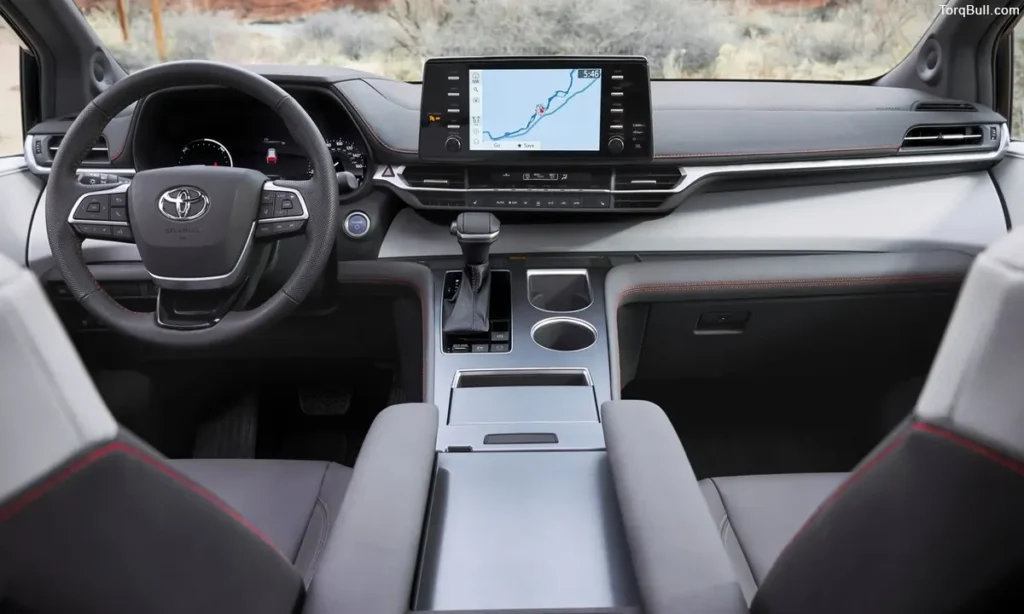
The honest answer to whether the Toyota Sienna can last 300,000 miles is generation-dependent and maintenance-dependent in equal measure.
For third-generation Siennas from 2015 to 2020 with the naturally aspirated V6: Yes — the documented owner evidence specifically supports 200,000 miles as a reasonable expectation for maintained examples, and the mechanical simplicity of the naturally aspirated V6 makes 300,000-mile ownership a realistic aspiration for owners who maintain the vehicle with consistent oil changes, transmission fluid service and timing belt replacement at the manufacturer-specified intervals.
For fourth-generation all-hybrid Siennas from 2021 onward: Potentially yes — the Toyota hybrid platform’s multi-model longevity track record provides the most credible basis for optimism, but the 300,000-mile evidence is not yet as comprehensively documented for this generation as it is for the third generation’s V6. The one owner documenting 450,000 miles across three Siennas provides the most aspirational individual evidence — and confirms that the nameplate’s relationship with extreme high mileage is not accidental or isolated but the product of consistent Toyota engineering quality applied across multiple generations.
The maintenance discipline that determines the outcome is the same across both generations: consistent oil changes at or before manufacturer intervals, transmission and hybrid system fluid services at specified mileages, prompt resolution of any recall notices and attention to the power sliding door system’s lubrication and cable condition that third-generation owners specifically cite as the maintenance item most likely to require attention before the engine or transmission in a properly maintained example.