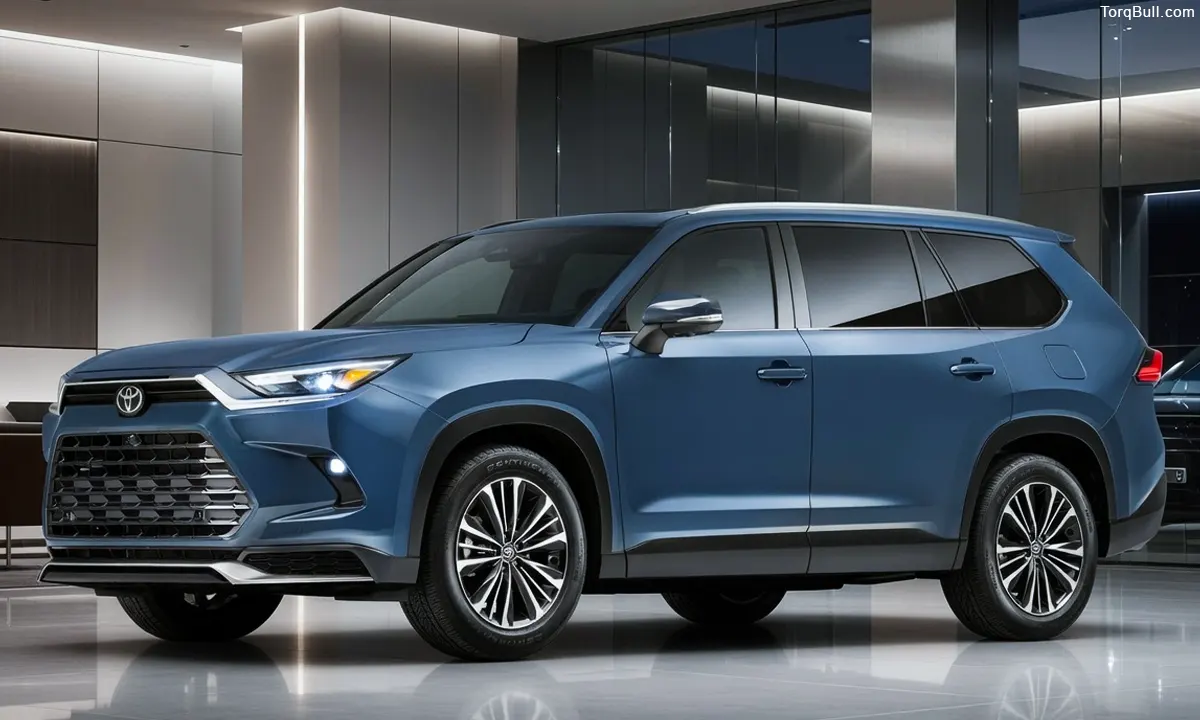
- The 2026 Toyota Grand Highlander is projected to retain value better than many midsize three-row SUVs, with estimated five-year depreciation of about $21,622.
- Early market data shows particularly strong resale performance for both the gas and hybrid versions, with relatively low depreciation during the first two years of ownership.
- Overall, the Grand Highlander delivers above-average resale value, helping offset its higher initial purchase price over the long term.
The Toyota Grand Highlander entered the market for 2024 as a first-generation nameplate with all the uncertainty that new vehicles carry , and its resale value performance across its first three years of production has answered the most important question prospective buyers ask about new nameplates: does the Toyota brand’s documented reliability reputation extend to this new platform quickly enough to sustain strong used-market demand? The answer from the available depreciation data is clearly positive. The 2024 Grand Highlander’s 13 percent two-year depreciation rate placing it in the top 10 percent for depreciation among all 2024 SUVs is a remarkable achievement for a first-generation vehicle that had no historical resale track record when it launched. This complete guide examines every dimension of the Grand Highlander’s resale value performance , from the verified two-year and five-year depreciation data through the hybrid versus gas comparison and the competitive segment context.
The Five-Year Depreciation Numbers: Two Datasets, One Clear Direction
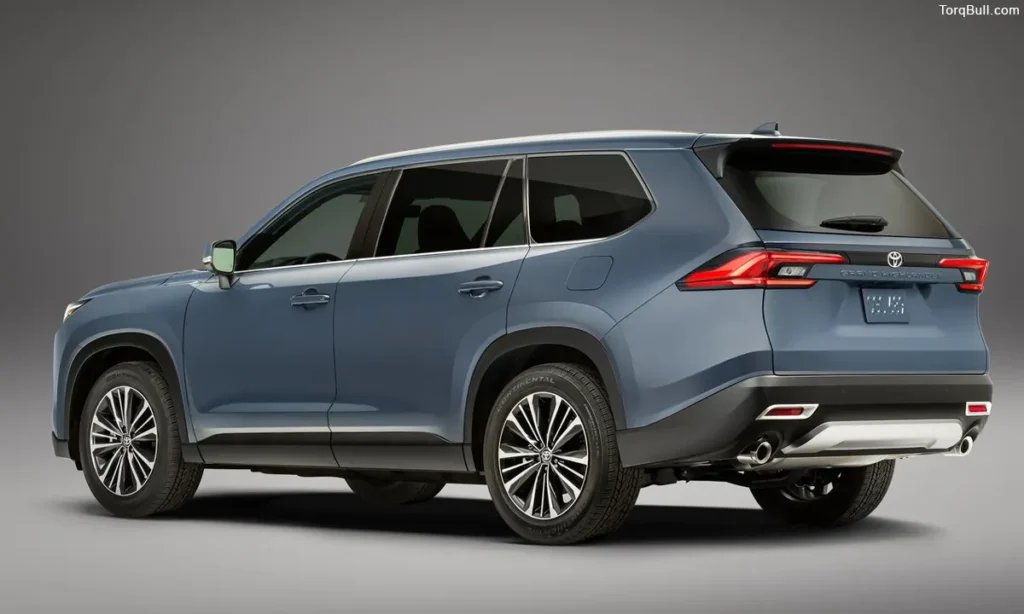
The Toyota Grand Highlander’s five-year depreciation is documented across two complementary sources that each reflect different methodology assumptions and produce results that frame the realistic range for planning purposes.
The most comprehensive ownership cost dataset places the 2026 Toyota Grand Highlander’s five-year depreciation at $21,622, leaving a residual value of $21,733 from a five-year total ownership cost calculation based on an approximately $43,355 starting price. This represents approximately 50 percent five-year depreciation, which is consistent with the broader midsize SUV segment’s typical depreciation range before Toyota’s brand premium sustains values toward the better end of the segment average.
An independent depreciation analysis platform places the Toyota Grand Highlander’s five-year depreciation rate at 30 percent, with an estimated five-year residual value of $36,974 from a typically equipped average transaction price of $52,513. The difference between these two datasets reflects the different purchase price assumptions each methodology uses, the first calculated from the starting MSRP and the second from the average equipped transaction price that includes options and packages. Both datasets point in the same direction: the Grand Highlander retains value more effectively than the segment average, with the Toyota brand’s reliability reputation sustaining used-market demand at prices that reward original buyers and provide genuine value for used buyers simultaneously.
Read: Toyota Grand Highlander Third Row Comfort 2026. Is It Spacious Enough for Adults?
The Two-Year Depreciation: The First-Generation Validation
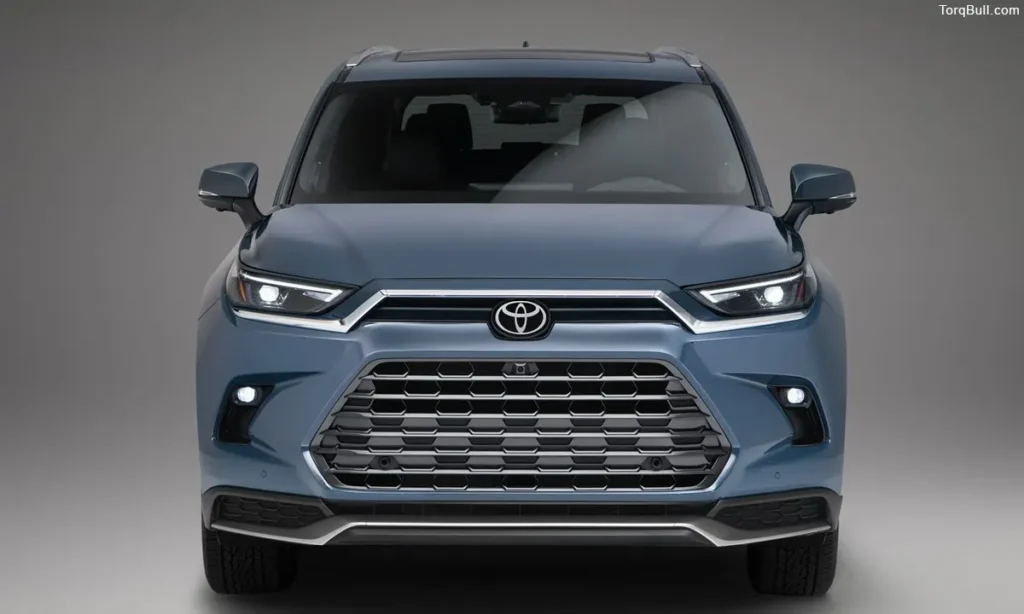
The most compelling single Grand Highlander resale value data point is the 2024 model’s two-year depreciation performance, because it specifically validates the Toyota brand premium during the first-generation nameplate’s most vulnerable value retention period.
The 2024 Toyota Grand Highlander gas model depreciated $6,155 or 13 percent in its first two years, leaving a current resale value of $40,100 and trade-in value of $39,000 from an original purchase price of approximately $46,255. This 13 percent two-year depreciation rate places the 2024 Grand Highlander in the top 10 percent for depreciation among all 2024 SUVs, a segment-wide ranking that confirms the Grand Highlander’s value retention is genuinely competitive across the broader SUV market rather than only within its direct three-row midsize competitors.
The 2024 Toyota Grand Highlander Hybrid performed even better on two-year depreciation, shedding only $5,155 or 10 percent of its original value to reach a current resale value of $42,800 and trade-in value of $40,700. The Hybrid’s superior two-year retention, 10 percent versus 13 percent for the gas model, reflects the sustained and growing used-market demand for hybrid powertrain efficiency in the midsize SUV segment. As fuel costs remain meaningful for family buyers and hybrid systems become more familiar and trusted in the used market, the Hybrid’s efficiency advantage specifically sustains used transaction prices above the gas equivalent.
Both the 2024 gas and Hybrid Grand Highlander models are ranked among the best for depreciation in their respective 2024 SUV class comparisons, confirming that the first-generation nameplate challenge did not prevent the Grand Highlander from quickly establishing the strong value retention profile that the Toyota brand’s reputation predicted.
The Year-by-Year Depreciation Curve: Understanding the Pattern
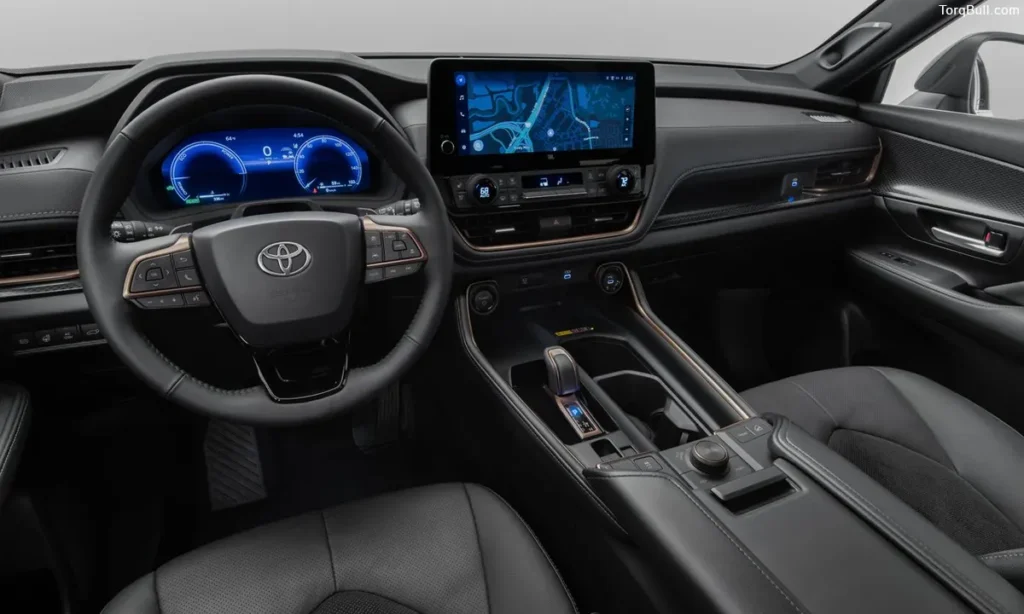
The Toyota Grand Highlander’s depreciation follows the front-loaded pattern that virtually all vehicles produce, with the largest percentage loss occurring in the first year as the new vehicle premium disappears and subsequent years producing progressively smaller percentage reductions as the vehicle enters the mature used-car pricing zone.
Year one produces the steepest loss as the transition from new to pre-owned status occurs , typically representing 10 to 15 percent of the original purchase price in the first 12 months. For a $43,355 Grand Highlander, this Year 1 loss of approximately $4,335 to $6,500 represents the period when the original buyer absorbs the cost that used buyers specifically avoid by purchasing at one year of age.
Years two and three produce the next tier of losses, smaller in percentage terms as the vehicle establishes its used-market pricing identity. The 2024 Grand Highlander’s two-year 13 percent total depreciation suggests an annualised rate of approximately 6 to 7 percent per year across the first two years, substantially lower than the segment average that most midsize SUVs produce.
Years four and five produce the smallest annual percentage losses as the vehicle reaches the mature used pricing range where Toyota’s reliability reputation most actively sustains transaction values above segment average alternatives. Families who specifically seek three to five-year-old Grand Highlander examples find used prices that reflect sustained demand from the broad Toyota nameplate buyer population, a demand base that keeps resale prices firm relative to less-proven first-generation SUV nameplates at equivalent age.
Toyota Grand Highlander vs Standard Highlander: Resale Value Comparison
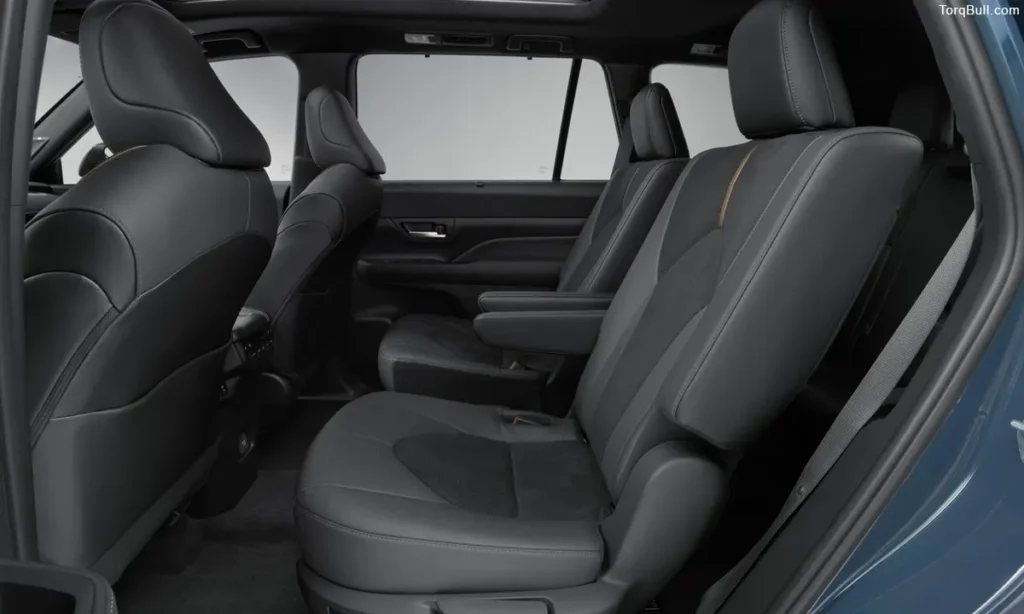
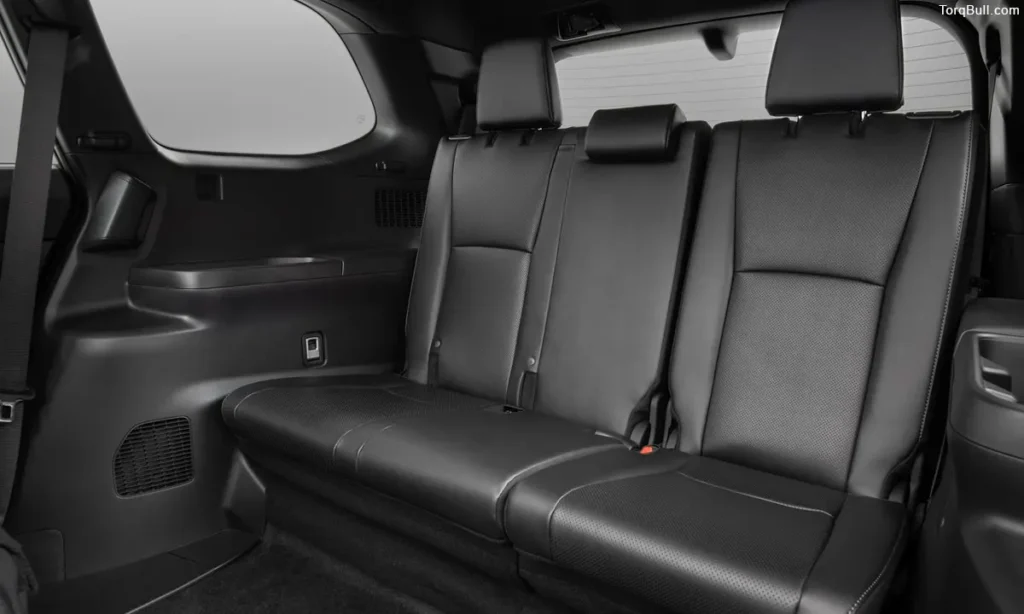
The Toyota Grand Highlander’s resale value should be evaluated alongside the standard Toyota Highlander’s documented value retention, because many buyers who consider one nameplate also evaluate the other and the comparison informs which provides stronger long-term financial performance.
The standard Toyota Highlander’s five-year depreciation rate of 21 percent positions it among the top 20 vehicles across all vehicle categories for value retention, a deeply established resale reputation built across multiple generations of production. The Grand Highlander’s 30 percent five-year depreciation rate from independent analysis is higher than the standard Highlander’s 21 percent figure, reflecting the new nameplate’s shorter track record and the larger absolute purchase price from which its depreciation is calculated.
However, the Grand Highlander’s absolute residual value of approximately $36,974 after five years from an average equipped transaction price of $52,513 represents meaningful retained value that rewards patient extended ownership. The key insight for buyers choosing between the two nameplates on resale value grounds is that the standard Highlander’s percentage retention rate is stronger, but the Grand Highlander’s superior interior space, larger third-row accommodation and additional capability justify its higher purchase price for the specific buyer whose needs align with what the Grand Highlander uniquely provides.
Read: Toyota Grand Highlander Hybrid vs Gas. Which One Delivers Better Long-Term Value?
Toyota Grand Highlander Resale Value, Complete Reference Chart
| Configuration | Starting Data Point | Two-Year Depreciation | Two-Year Residual | Five-Year Depreciation | Five-Year Residual | Segment Ranking |
| 2024 Grand Highlander Gas | $46,255 original | $6,155 or 13% | $40,100 (private party) | Projected | Projected | Top 10% all 2024 SUVs |
| 2024 Grand Highlander Hybrid | $47,955 original | $5,155 or 10% | $42,800 (private party) | Projected | Projected | Top 10% all 2024 SUVs |
| 2026 Grand Highlander | $43,355 starting MSRP | N/A (new) | N/A | $21,622 (5-yr projection) | $21,733 | Above average segment |
| Grand Highlander (average equipped) | $52,513 transaction avg | N/A | N/A | $15,539 or 30% | $36,974 | Above average segment |
| Standard Highlander (comparison) | Lower than Grand Highlander | Below Grand Highlander rate | Higher percentage rate | 21% after 5 years | approximately $36,496 | Top 20 all vehicles |
| 2024 Grand Highlander Trade-In | $39,000 (gas) | , $40,700 (hybrid) | Dealer typically 3 to 5% below private party | Strong trade-in demand |
Read: Toyota Grand Highlander Reliability Review. What Makes This Family SUV a Smart Buy?
Above Average Resale Value: What the Segment Data Confirms
The Toyota Grand Highlander’s resale value is described as above average for its segment , the direct independent assessment that validates the depreciation data across both the two-year and five-year tracking periods. This above-average positioning is the most useful single characterisation for buyers who want a clear competitive verdict without needing to compare every specific percentage point across competing nameplates.
Above-average resale value in the midsize three-row SUV segment means the Grand Highlander specifically retains more of its original value than the typical comparable vehicle including the Kia Telluride, Hyundai Palisade and Volkswagen Atlas. The Toyota brand premium that buyers pay in the initial purchase price sustains in the used market through the consistent demand that the Toyota nameplate generates from used-car buyers who specifically seek Toyota reliability credentials alongside their space and efficiency requirements.
For buyers evaluating the Grand Highlander’s pricing as slightly higher than the segment average, a characterisation directly acknowledged in independent review data , the above-average resale value provides the financial counterbalance that makes the initial premium more defensible as a total-cost-of-ownership decision rather than purely a purchase-day cost comparison. Paying more upfront for a vehicle that retains more value produces a lower net depreciation cost across the ownership period than paying less for a vehicle that depreciates faster, and the Grand Highlander’s top-10-percent two-year SUV depreciation ranking confirms this counterbalancing effect as genuinely meaningful rather than marginal.