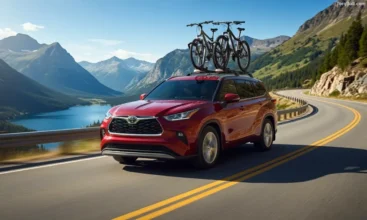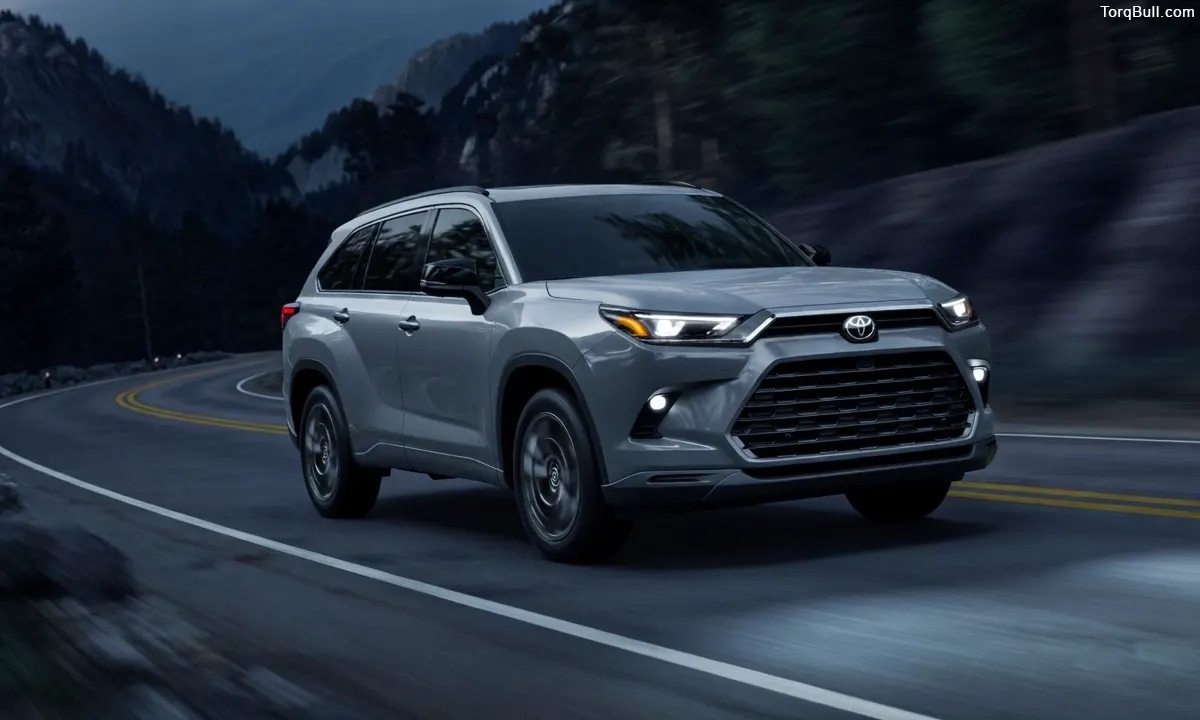
- The 2026 Toyota Grand Highlander can tow up to 5,000 pounds when equipped with either the standard turbocharged gas engine or the Hybrid MAX powertrain.
- The standard Hybrid model is rated for 3,500 pounds, making it suitable for smaller trailers, boats and recreational equipment.
- Trailer Sway Control, intelligent AWD and towing-calibrated drivetrain systems help provide stable and confident towing performance across the lineup.
The Toyota Grand Highlander’s towing capacity is one of the most practically important specifications for families who view this three row SUV as a do it all vehicle, capable of school runs during the week and hauling a camper, boat or utility trailer on weekends. The headline number that most shoppers focus on, 5,000 pounds, only applies to specific powertrain configurations, and understanding exactly which Grand Highlander variants reach that figure versus which are limited to 3,500 pounds is essential before assuming any Grand Highlander on a dealer lot can tow what the brochure advertises. This complete review breaks down towing capacity by powertrain, explains the engineering that supports these ratings and provides realistic guidance for what each capacity level can actually handle.
The Two Tier Towing Structure: 3,500 Pounds vs 5,000 Pounds
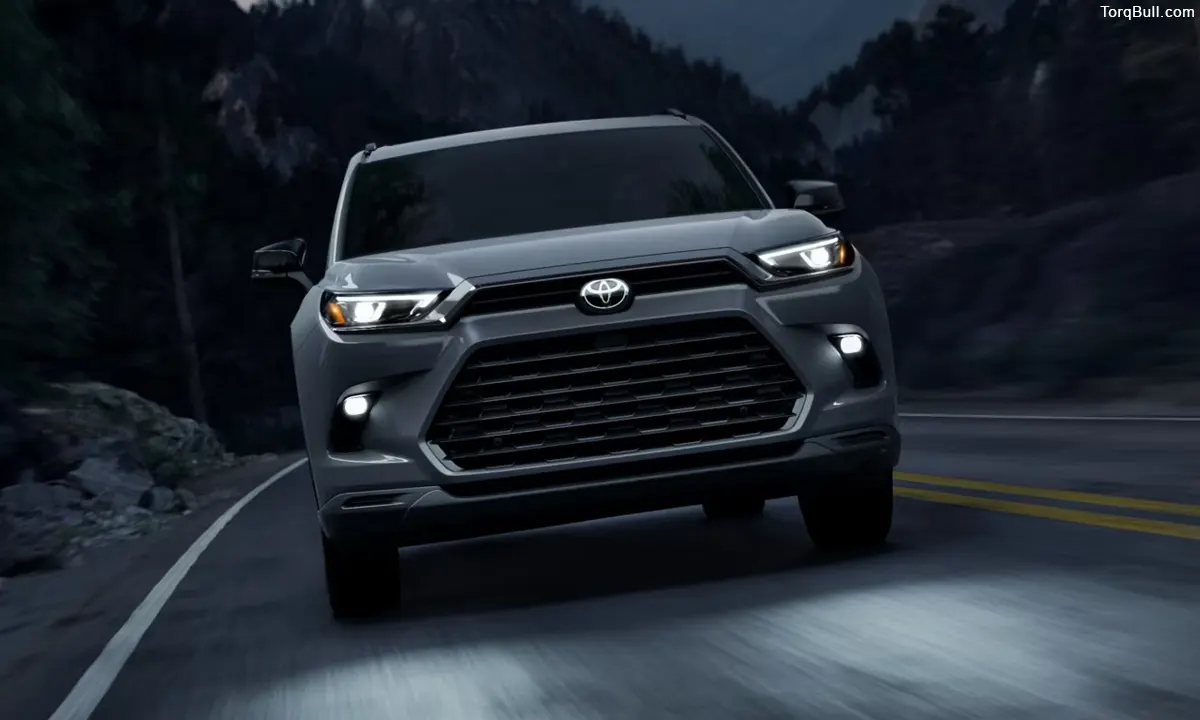
The 2026 Grand Highlander’s towing capacity splits cleanly into two tiers depending entirely on which powertrain is selected, and this distinction is the single most important piece of information for any buyer who plans to tow.
The standard Hybrid model, using the 2.5 litre hybrid engine producing approximately 245 horsepower, offers a towing capacity of up to 3,500 pounds when properly equipped. This is plenty for smaller recreational gear or light duty towing, covering the majority of what typical families bring along, including small utility trailers, personal watercraft on a trailer, pop up campers and modest cargo trailers.
The non hybrid gas configuration and the Hybrid Max configuration, which uses the 2.4 litre turbocharged performance engine producing 362 horsepower and 400 pound feet of torque, both reach the maximum towing capacity of 5,000 pounds when properly equipped. This higher tier opens up towing categories that the standard hybrid cannot handle, including larger travel trailers, larger boats and heavier equipment trailers.
For buyers whose towing needs are genuinely modest, the standard hybrid’s 3,500 pound capacity paired with its superior fuel economy makes it the sensible choice. For buyers who know they need to tow anything approaching or exceeding 4,000 pounds, the gas or Hybrid Max powertrain is not optional but mandatory, since the standard hybrid simply cannot be configured to reach the higher rating.
Read: Toyota Grand Highlander Resale Value. Why It’s One of the Strongest in Its Class
What 3,500 Pounds Actually Covers
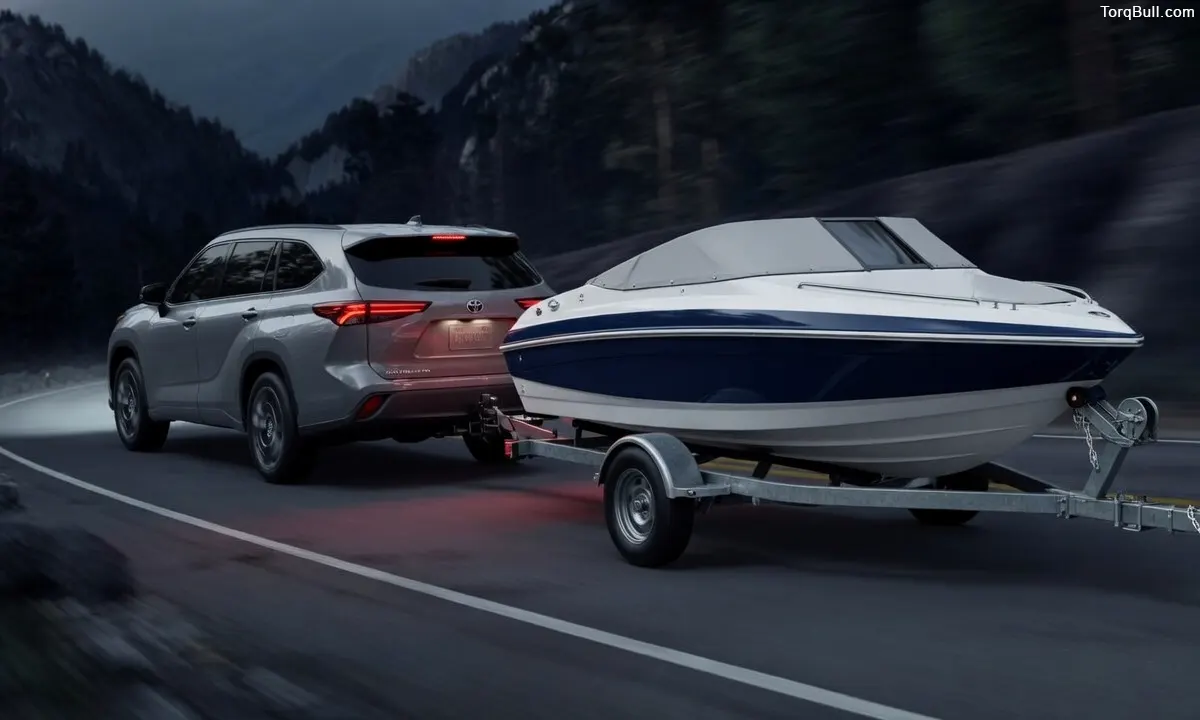
Understanding what fits within the 3,500 pound limit helps buyers honestly assess whether the standard hybrid’s towing capacity matches their actual needs rather than their aspirational needs.
A 3,500 pound capacity comfortably covers small to medium utility trailers loaded with yard equipment, furniture or building materials for home improvement projects. It covers most personal watercraft trailers carrying one or two jet skis. It covers small pop up campers and teardrop trailers designed for lightweight camping. It covers small fishing boats on trailers, particularly aluminium hulled boats under 18 feet.
What it does not comfortably cover includes most travel trailers designed for extended camping with onboard living amenities, larger fishing and pontoon boats, car haulers carrying another vehicle, and enclosed cargo trailers loaded with substantial equipment. Buyers should always remember that the maximum capacity assumes the trailer itself is loaded near its lightest practical weight, and that the towing vehicle’s own passengers and cargo count against the total combined weight rating, meaning a fully loaded Grand Highlander with five passengers and luggage has less effective towing margin than the bare maximum figure suggests.
What 5,000 Pounds Opens Up
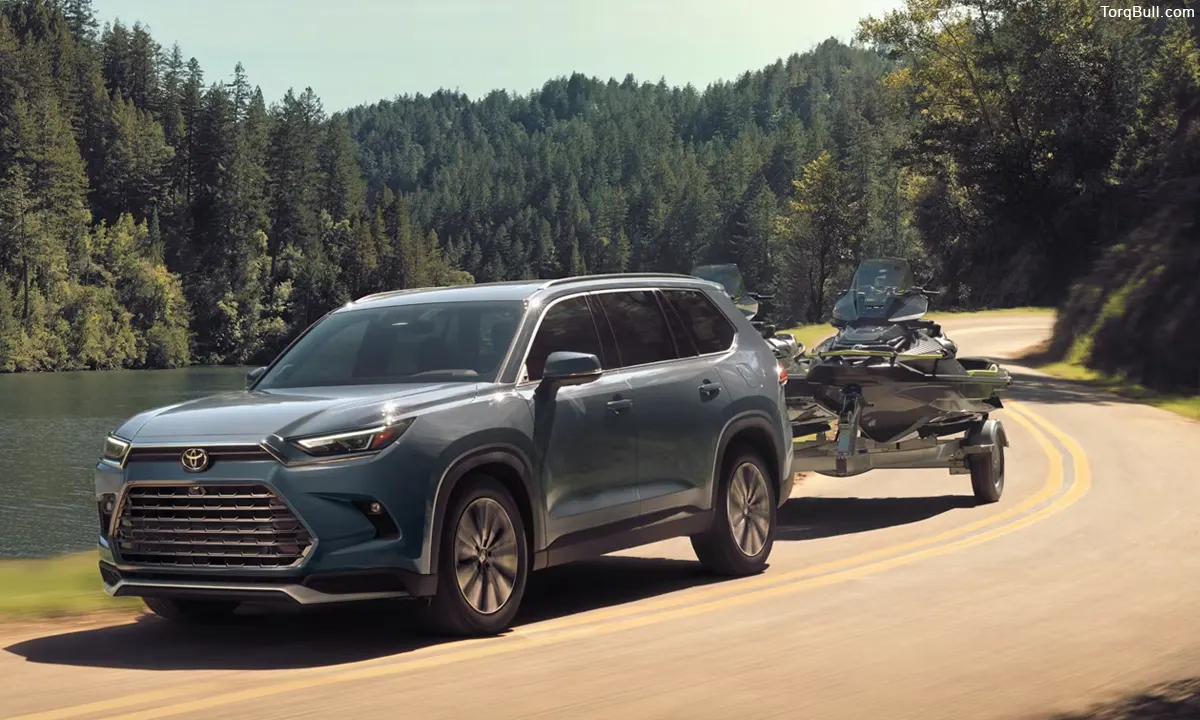
The 5,000 pound capacity available on the non hybrid and Hybrid Max configurations represents a meaningful step up in towing versatility, opening categories that the standard hybrid cannot access.
This capacity covers many smaller to mid size travel trailers used for weekend and extended camping, larger boats up to roughly 20 to 22 feet depending on hull weight and trailer construction, single car trailers for hauling motorcycles, ATVs or small vehicles, and larger enclosed cargo trailers for contractors or hobbyists transporting substantial equipment.
The Hybrid Max powertrain’s combination of 362 horsepower and 400 pound feet of torque is particularly relevant for towing performance beyond the raw capacity number. Torque, more than horsepower, determines how confidently a vehicle accelerates from a stop while towing and how it performs on grades, and the Hybrid Max’s torque output gives it a meaningful advantage when towing near its maximum rating on hilly terrain compared to the standard hybrid’s more modest output.
Read: Toyota Grand Highlander Third Row Comfort 2026. Is It Spacious Enough for Adults?
The Engineering Behind the Numbers
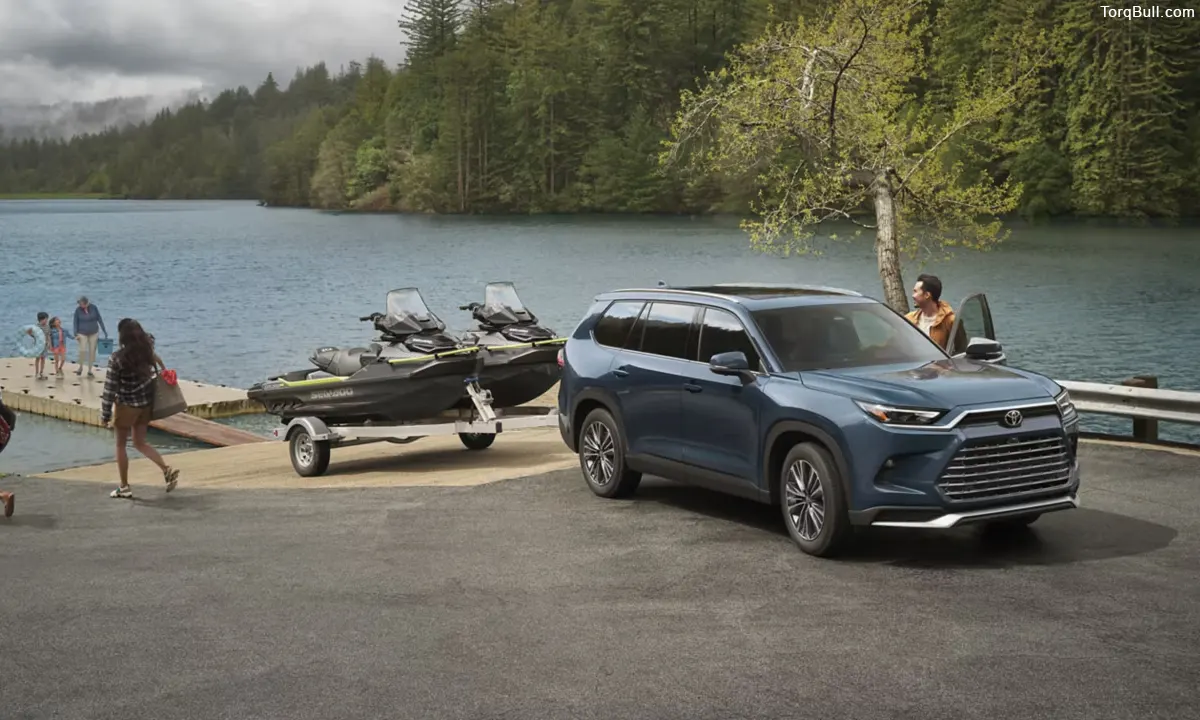
Several engineering systems work together across the Grand Highlander lineup to make these towing ratings achievable and to keep the vehicle stable and controlled while towing near capacity.
Trailer sway control is standard across the lineup and helps stabilise movement by applying selective braking to individual wheels and adjusting engine torque as needed when the system detects a trailer beginning to sway, a common issue on windy highways or during sudden lane changes.
Trims with higher tow ratings often include enhanced cooling systems, such as reinforced radiators and additional oil coolers, that manage the increased heat generated by the engine and transmission when working harder under load. Towing for extended periods, especially in hot weather or on long grades, generates substantially more heat than normal driving, and these cooling upgrades protect the powertrain from the kind of heat related stress that can shorten component life if left unaddressed.
The intelligent AWD system, featuring dynamic torque vectoring on AWD equipped XLE, Limited and Platinum trims, helps maintain traction when pulling a trailer, particularly important when starting from a stop on loose surfaces like gravel campsites or boat launches where wheel spin under load can be a genuine problem.
A towing optimised transmission with eight speed electronic control provides the gear ratios necessary for the engine to operate efficiently whether climbing a steep highway grade with a loaded trailer or maintaining speed on flat ground, and the transmission’s calibration is tuned specifically to avoid the gear hunting that can occur when a vehicle is working near its capacity limit.
Every Grand Highlander configured for towing comes with a factory installed hitch receiver, a pre wired harness for trailer lighting and brake controller readiness, meaning the electrical infrastructure for a brake controller is already in place even if the controller itself is an additional purchase.
2026 Toyota Grand Highlander Towing Capacity — Complete Reference Chart
| Powertrain | Horsepower | Maximum Towing Capacity | Best Suited For | Fuel Economy Trade Off |
| Standard Hybrid (2.5L) | Approximately 245 hp | 3,500 lbs | Small utility trailers, personal watercraft, small campers | Best fuel economy, up to 36 mpg combined |
| Non Hybrid Gas (2.4L Turbo) | 265 hp | 5,000 lbs | Mid size travel trailers, larger boats, car trailers | Lower fuel economy than hybrid options |
| Hybrid Max (2.4L Turbo Performance) | 362 hp, 400 lb-ft torque | 5,000 lbs | Same as gas plus stronger grade performance | Around 27 combined mpg |
| GVWR Range (Hybrid models) | N/A | 6,140 to 6,340 lbs | Determines effective payload plus trailer margin | Varies by trim and AWD |
| Standard Equipment Across All | N/A | N/A | Trailer sway control, hitch receiver, pre wired harness | Brake controller sold separately |
Read: Toyota Grand Highlander Hybrid vs Gas. Which One Delivers Better Long-Term Value?
Real World Towing Considerations Before You Buy
Beyond the published maximum figures, several practical factors determine whether a Grand Highlander configuration genuinely suits a buyer’s towing plans.
Always confirm the actual trailer weight when loaded, not the empty or dry weight listed by the trailer manufacturer. A travel trailer’s dry weight might fall comfortably under 5,000 pounds, but once water tanks, propane, gear, food and personal belongings are added, the loaded weight can climb significantly closer to or even exceed the towing limit, leaving little margin for safety.
Consider the combined weight of passengers, cargo and the trailer together against the gross combined weight rating, not just the trailer weight in isolation. A family of five with luggage heading out with a loaded trailer needs to account for all of that weight cumulatively, and the towing capacity figures assume the rest of the vehicle is not already near its own weight limits.
For buyers who tow occasionally and lightly, the standard hybrid’s 3,500 pound capacity combined with its fuel economy advantage represents the most balanced choice for the majority of ownership. For buyers with a specific trailer, boat or camper already in mind that approaches or exceeds 3,500 pounds when loaded, the gas or Hybrid Max configuration is not a luxury upgrade but a functional necessity, and this decision should be made before finalising any trim selection rather than discovered after purchase.