2027 Volkswagen Atlas Review: What America’s Favourite German Family SUV Is Expected to Deliver Next
A Significant Update to the Model That Redefined Volkswagen's Relevance in the American Family SUV Market — New Technology, Refined Design, Enhanced Powertrain Options and a Continued Commitment to the Third-Row Practicality That Made the Atlas the Most Convincing European Alternative to the Korean and Japanese Three-Row Segment Leaders
There are vehicles whose importance to a manufacturer’s American market strategy cannot be overstated — models whose commercial performance determines not merely a product line’s profitability but the brand’s fundamental credibility with the family buyers whose purchasing decisions shape the mass-market SUV segment. The Volkswagen Atlas is that vehicle for Volkswagen in the United States. Conceived specifically for the American market, engineered around the space and practicality priorities that distinguish the American family SUV buyer from the European consumer whose preferences had historically driven Volkswagen’s global product planning, and produced at the brand’s Chattanooga, Tennessee assembly facility in a deliberate statement of commitment to the American market, the Atlas has delivered something that Volkswagen’s American operation had not consistently experienced in the SUV segment before its arrival — sustained relevance, genuine competitive strength and sales volume that justifies the investment its development required.
Gallery: 2027 Volkswagen Atlas
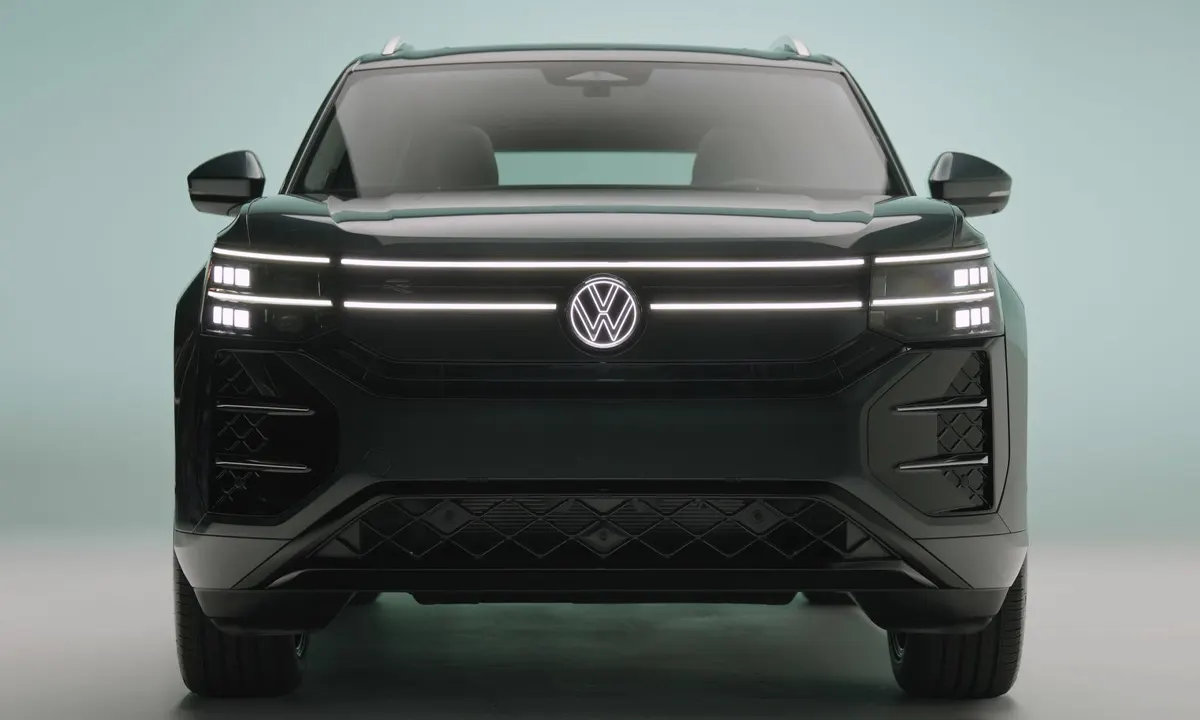
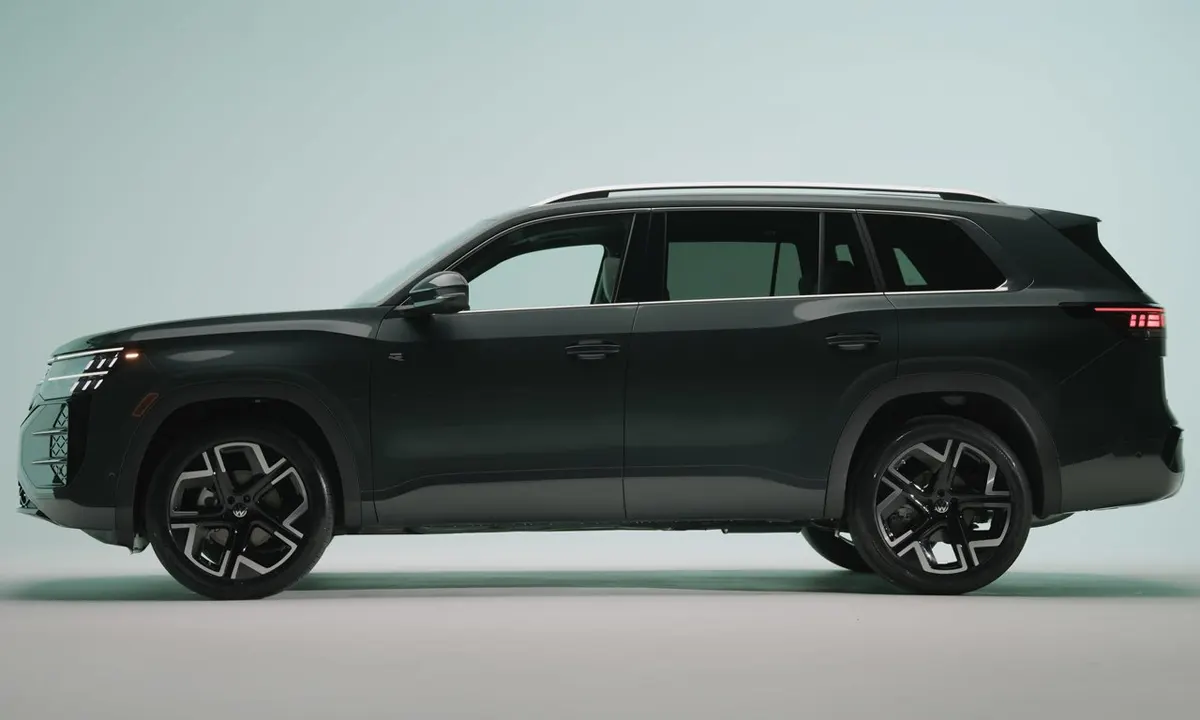
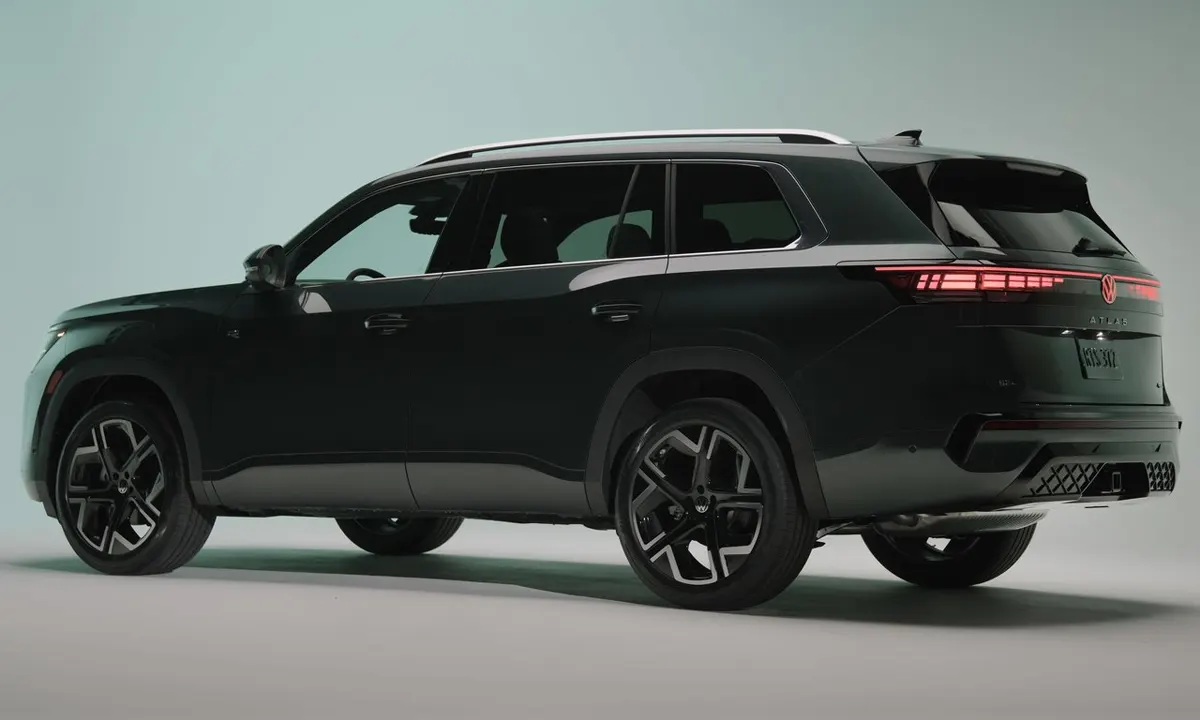
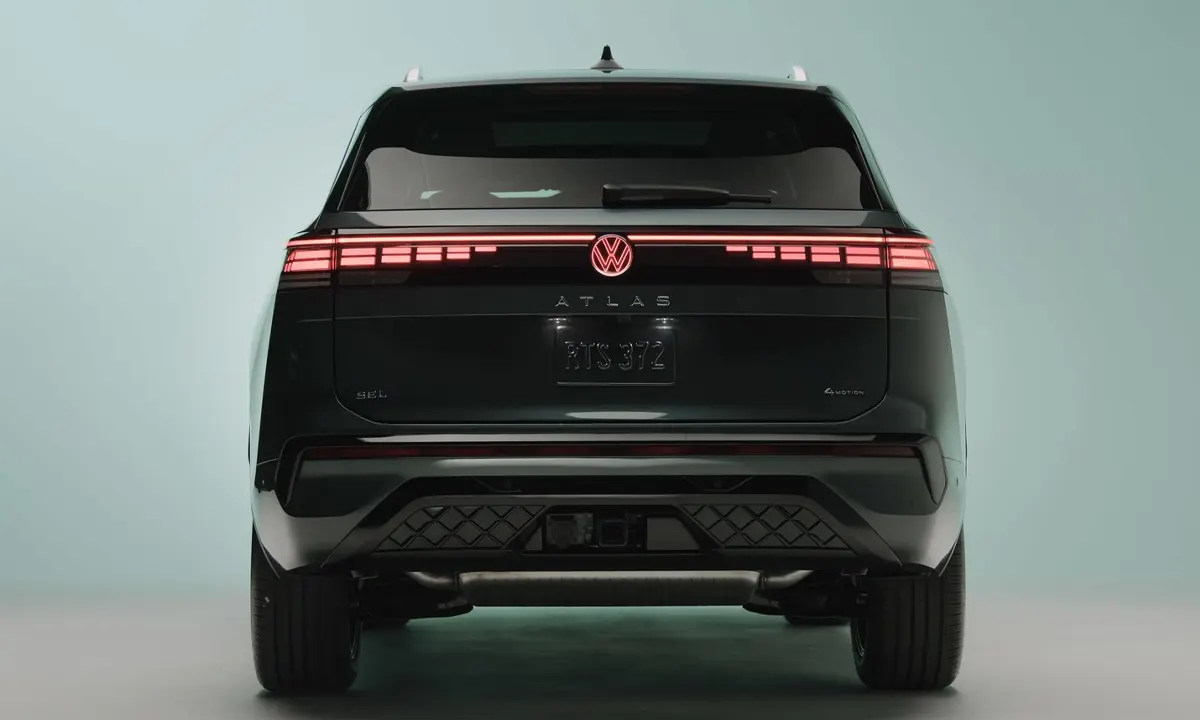
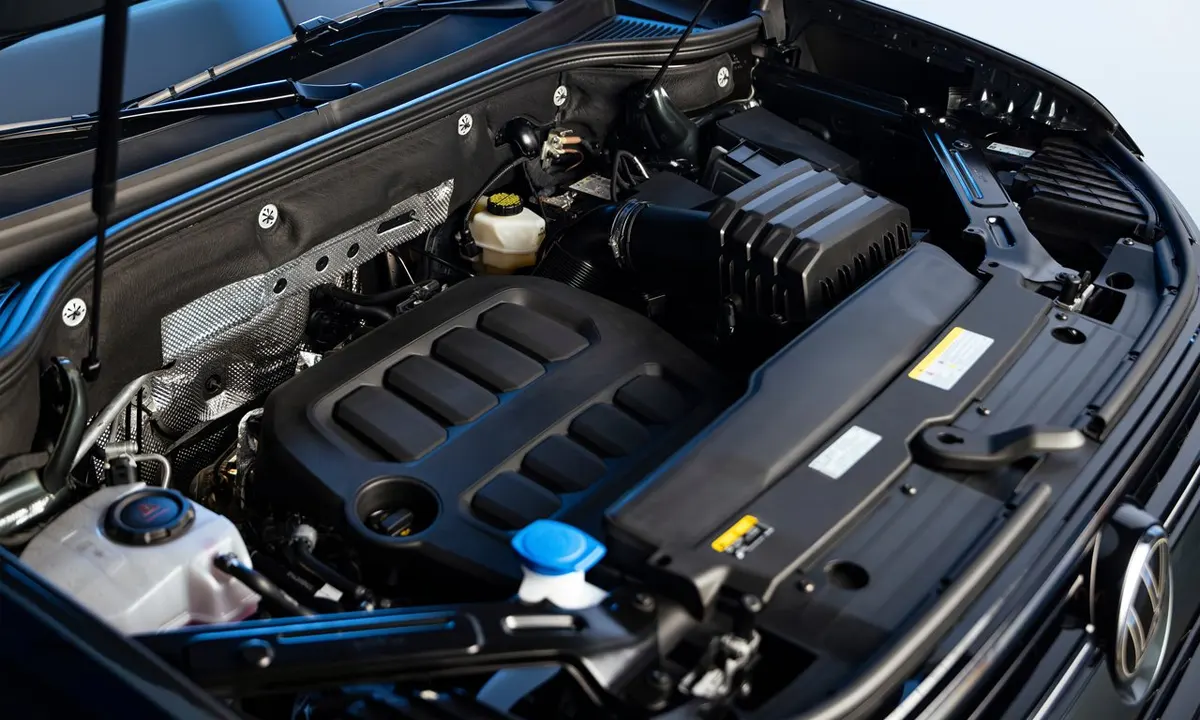
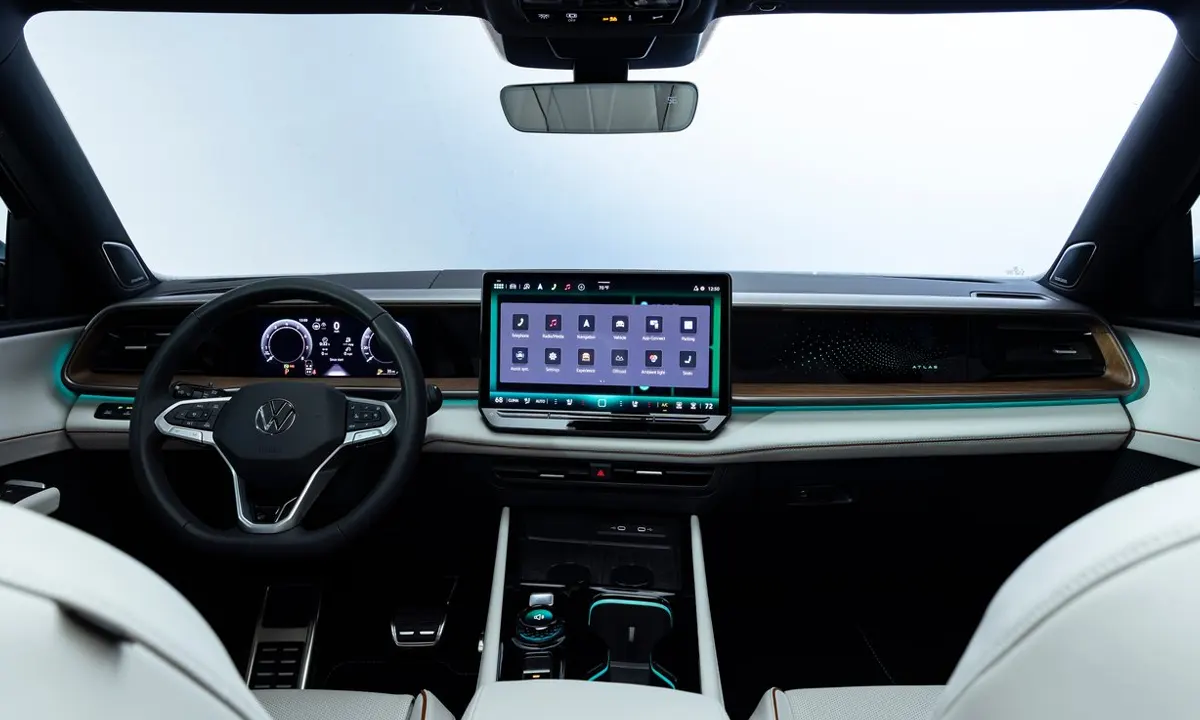
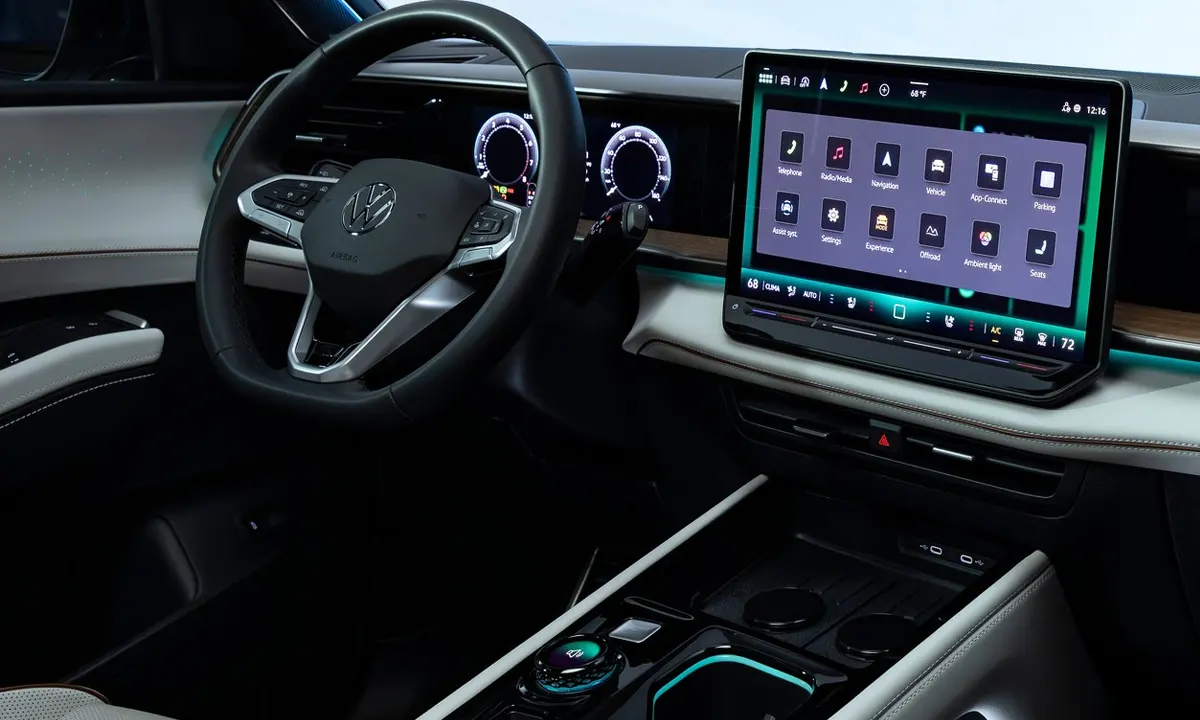
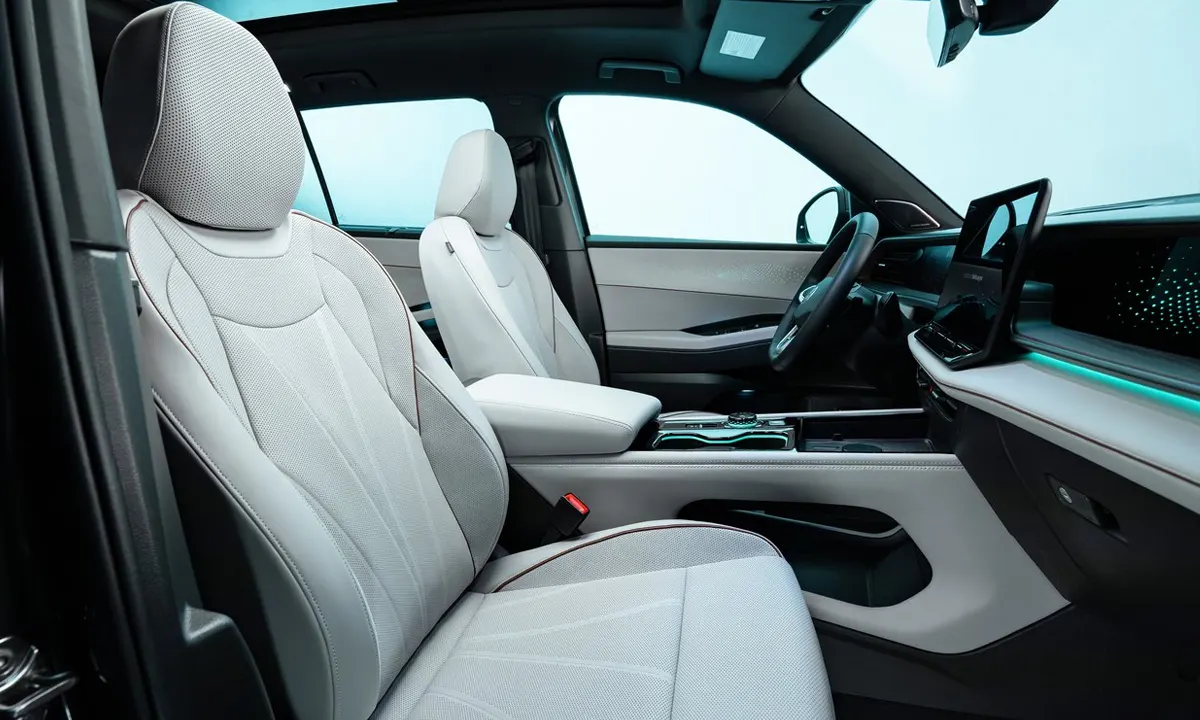
The 2027 Volkswagen Atlas is expected to build on the foundation of the second-generation model — introduced for the 2018 model year, comprehensively updated for 2024 with a redesigned exterior, a new interior architecture and expanded technology integration — with a further significant update that addresses the competitive evolution of the three-row family SUV segment and extends the Atlas’s technology and efficiency credentials into territory that the current generation’s specifications do not yet reach. What follows is a comprehensive account of what is known, credibly anticipated and reasonably expected about the 2027 Atlas — a vehicle whose significance to Volkswagen’s American future makes its development one of the brand’s most consequential current engineering programmes.
The Atlas in Context : Why the 2027 Update Carries Strategic Weight
The American three-row family SUV segment in which the Atlas competes has undergone more rapid competitive development across the past three years than at any previous point in its history. The Kia Telluride and Hyundai Palisade — whose arrival the Atlas effectively anticipated and whose success it partially enabled by demonstrating that non-Japanese three-row SUVs could achieve meaningful American market volumes — have continued to raise their specification, quality and value credentials with each model year update. The Toyota Highlander’s hybrid powertrain has made fuel efficiency a competitive dimension that the Atlas’s current powertrain lineup does not address with comparable conviction. The Chevrolet Traverse’s 2024 redesign produced a more competitive interior environment than its predecessor. The Ford Explorer’s continued development has maintained the only rear-wheel-drive derived platform in the mainstream segment.
Against this competitive backdrop, the 2027 Atlas update must accomplish several objectives simultaneously — extending the vehicle’s technology leadership in areas where the 2024 refresh established credibility, introducing powertrain options that address the hybrid efficiency gap that currently represents the Atlas’s most significant competitive vulnerability, and maintaining the third-row legroom and overall interior volume leadership that remains the model’s most distinctive and most defensible competitive advantage in the segment.
Exterior Design: Refinement That Respects the Current Generation’s Success
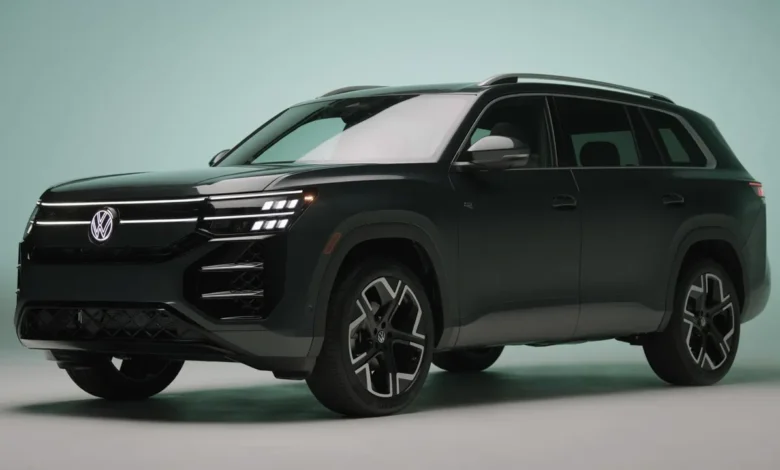
The 2027 Volkswagen Atlas exterior update is expected to follow the evolutionary design philosophy that characterises Volkswagen’s approach to mid-cycle and generational SUV updates — refining and advancing the established visual language rather than departing from it in ways that might unsettle the existing owner base or create discontinuity in the model’s visual identity. The 2024 redesign already delivered a significant exterior transformation — introducing the illuminated VW logo, the full-width light bar connecting the headlight clusters, the more upright front fascia and the cleaner surfacing treatment that brought the Atlas’s exterior into alignment with Volkswagen’s contemporary global design language.
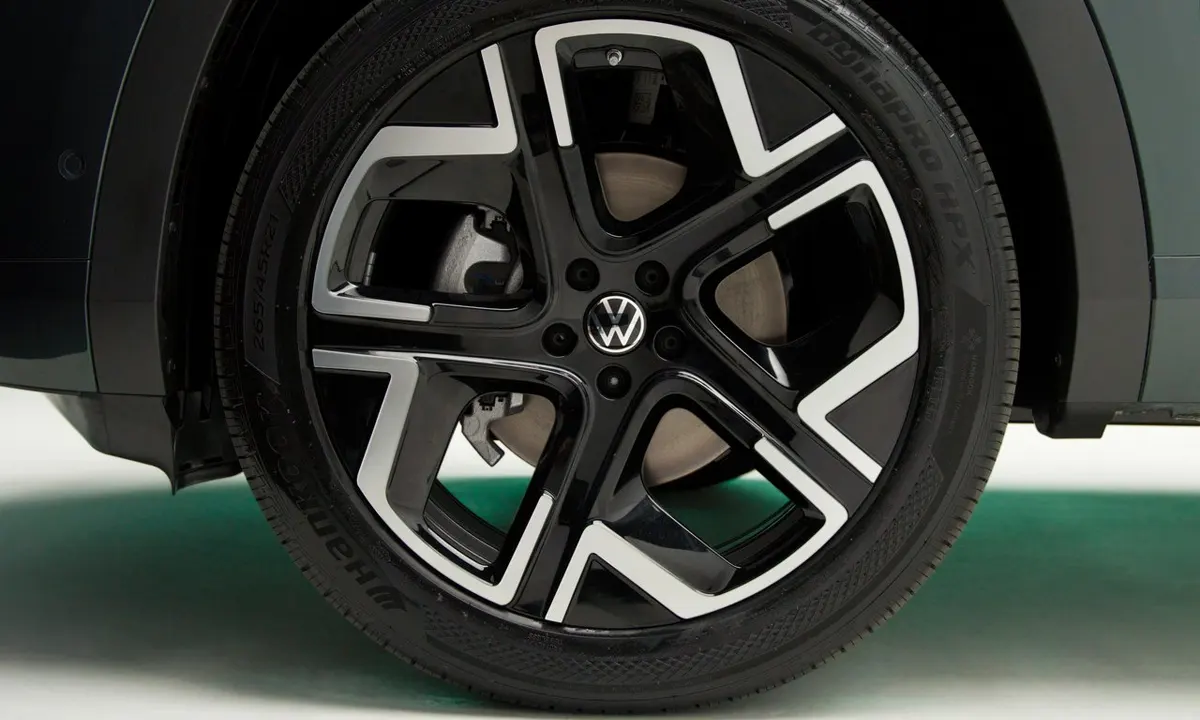
The 2027 update is expected to focus on lighting technology advancement — introducing the pixel LED matrix headlight system that Volkswagen’s European models have adopted and that provides both improved illumination performance and expanded graphic capability for the light signatures that increasingly define a vehicle’s visual identity in low-light conditions. Wheel design updates and new exterior colour offerings are anticipated to refresh the model’s visual appeal without requiring the tooling investment of a more fundamental design revision. The overall silhouette — the Atlas’s upright, wide-shouldered proportions that communicate interior space so effectively — is expected to be preserved in recognition that the form’s communicative efficiency with family SUV buyers represents a product asset rather than a design constraint.
Interior and Technology: The MIB4 Generation Takes Centre Stage
The most consequential development anticipated in the 2027 Volkswagen Atlas is the introduction of Volkswagen’s MIB4 infotainment generation — the software and hardware platform that the brand has developed to address the persistent interface criticism that accompanied MIB3’s touchscreen-heavy approach and that the American market’s family SUV buyers, whose usability expectations are shaped by the intuitive interface performance of their smartphones and home technology ecosystems, found less satisfying than the hardware it replaced.
MIB4’s anticipated improvements in processing speed, voice command recognition accuracy, wireless smartphone integration responsiveness and over-the-air update capability address the specific shortcomings that Atlas owner surveys and automotive press assessments have consistently identified in the current generation’s technology execution. The expected introduction of ChatGPT-integrated voice assistance — already deployed in European Volkswagen models and anticipated for American market introduction across the Atlas update cycle — extends the conversational capability of the IDA voice assistant beyond the command-response paradigm of current in-vehicle voice control into the genuinely useful natural language interaction that transforms voice assistance from a novelty into a practical daily utility.
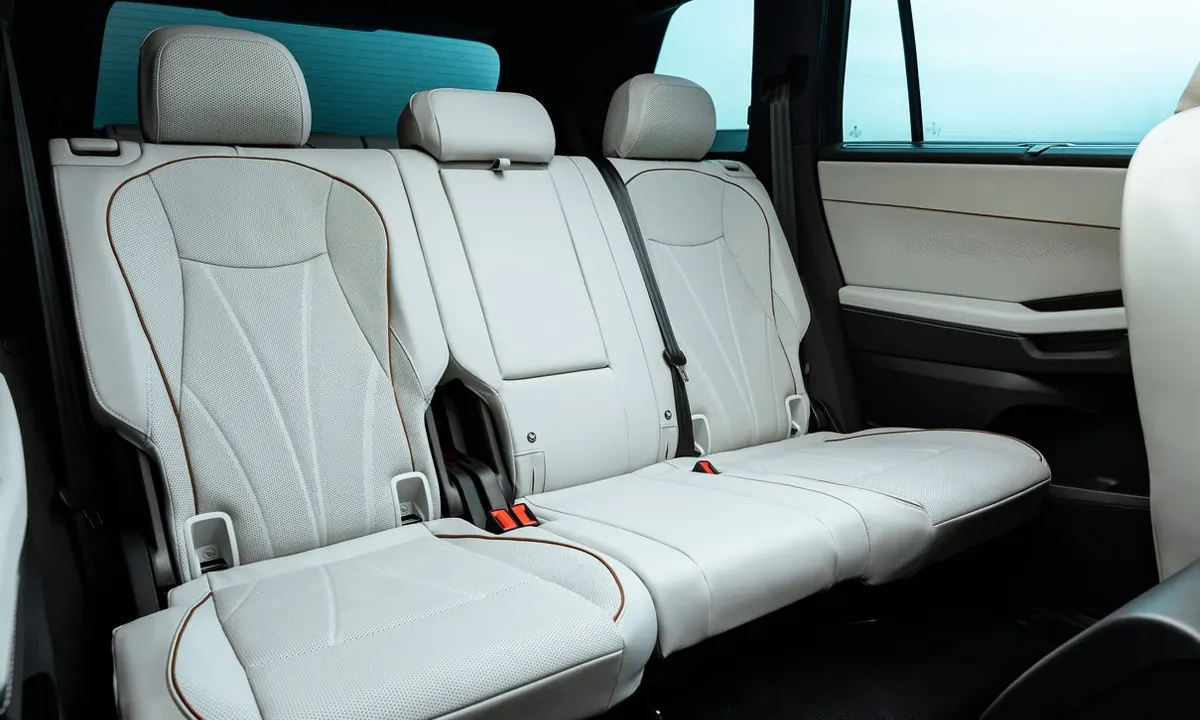
The physical interior environment is expected to see targeted enhancement rather than comprehensive redesign — with improved material quality in the contact surfaces that daily use most frequently degrades, expanded ambient lighting customisation that the current generation’s system provides only in limited form, and enhanced third-row passenger provision in the form of additional USB-C charging points, dedicated climate control adjustment capability and improved seat cushion ergonomics that address the longest-journey comfort limitations that third-row occupants in the current generation experience across extended family road trips.
Powertrain Strategy: The Hybrid Question That 2027 Must Answer
The most significant strategic decision facing the 2027 Atlas development programme is the introduction of an electrified powertrain option that addresses the fuel efficiency competitive gap that the current generation’s exclusively turbocharged four-cylinder and V6 powertrain lineup creates against the Toyota Highlander Hybrid’s 36 MPG combined and the emerging hybrid options from Korean competitors. The American family SUV buyer’s relationship with hybrid powertrains has matured considerably across the period since the current Atlas generation’s introduction — with hybrid and plug-in hybrid consideration rates among three-row SUV buyers rising to levels that make a pure combustion powertrain lineup a competitive liability in a segment where efficiency credentials increasingly influence purchase decisions.
A 48-volt mild hybrid system integrated with the Atlas’s 2.0-litre turbocharged four-cylinder engine is anticipated as the most likely first step in the model’s electrification journey for the 2027 update — providing meaningful fuel economy improvement over the current naturally aspirated equivalent, enabling cylinder deactivation and start-stop refinement that the 48-volt system’s power availability supports, and adding a degree of electrification marketing credibility at a system cost and complexity level that the Atlas’s price positioning can absorb without requiring the purchase price increases that a full hybrid or plug-in hybrid system would impose.
A full hybrid or plug-in hybrid variant — potentially using a powertrain derived from Volkswagen Group’s broader electrification architecture — remains subject to confirmation for the 2027 model year but represents the more complete answer to the efficiency competitive pressure that the segment’s hybrid leaders are applying. The plug-in hybrid architecture that Volkswagen has deployed in European Tiguan and Passat applications provides a technical foundation that an Atlas PHEV variant could adapt, though the battery packaging requirements of a full-size three-row SUV application introduce engineering challenges that the compact and mid-size European applications do not face in equivalent form.
The existing 2.0-litre TSI four-cylinder and 3.6-litre VR6 powertrain options are expected to continue in updated form — with emissions calibration refinements and efficiency improvements that maintain their compliance with tightening American market regulatory requirements while preserving the performance characteristics that buyers selecting above the base specification specifically choose these engines to access.
Atlas Cross Sport: The Two-Row Companion That 2027 Brings Forward
The Volkswagen Atlas Cross Sport — the two-row, five-passenger variant that shares the Atlas’s platform and powertrain options while delivering a more rakish roofline and a sportier exterior character at the cost of the third-row accommodation that the standard Atlas provides — is expected to receive parallel updates for the 2027 model year that maintain its visual and technology alignment with the three-row model. The Cross Sport’s buyer profile — typically younger, less focused on maximum passenger capacity and more responsive to exterior styling credentials than the family-focused Atlas buyer — makes the technology and design updates that both variants will share particularly relevant to its competitive positioning against the Ford Edge successor, the Jeep Grand Cherokee and the two-row European premium alternatives that its price positioning brings into consideration.
The Cross Sport’s 2027 update is expected to introduce the same MIB4 technology generation and lighting refinements as the three-row Atlas — maintaining the product family’s coherence while allowing the Cross Sport’s more expressive exterior design language to continue differentiating it from the three-row model’s more conservative family SUV visual identity.
Safety and Driver Assistance: IQ.DRIVE Expands Its Capability
Volkswagen’s IQ.DRIVE driver assistance suite — encompassing adaptive cruise control with stop-and-go capability, lane-keeping assistance, blind-spot monitoring, rear traffic alert and travel assist semi-autonomous highway driving support — is expected to receive meaningful capability expansion in the 2027 Atlas through the enhanced sensor suite and processing capability that the MIB4 platform’s improved computing architecture enables. The introduction of a more capable automatic emergency braking system with expanded detection capability for cyclists, pedestrians in low-light conditions and stationary vehicles at higher approach speeds is anticipated — reflecting both regulatory pressure from the NHTSA’s evolving automatic emergency braking performance requirements and competitive pressure from the IIHS’s increasingly demanding front crash prevention evaluation protocols.
The expansion of over-the-air update capability that MIB4 enables is anticipated to transform the Atlas’s long-term driver assistance evolution from the static post-purchase specification that current generation owners experience into a continuously improving system whose capability advances across the ownership period — addressing the competitive disadvantage that conventionally updated vehicles face against the software-defined vehicle architecture that Tesla pioneered and that an increasing number of mainstream competitors are adopting.
Read: 2027 Infiniti QX65 Review. The FX Spirit Is Finally Back and It Brought Everything With It
2027 Volkswagen Atlas Anticipated Specifications
| Category | Expected Specification |
| Platform | MQB evo (Updated) |
| Body Style | Full-Size Three-Row Family SUV |
| Seating | Seven or Eight Passengers |
| Base Engine | 2.0-Litre TSI Turbocharged Four-Cylinder |
| Base Power Output | ~269 hp (Est.) |
| Mild Hybrid Option | 2.0-Litre TSI + 48V MHEV System |
| V6 Option | 3.6-Litre VR6 (Continued) |
| PHEV Option | TBC — Under Evaluation |
| Transmission | 8-Speed Automatic |
| Drivetrain | FWD Standard / 4MOTION AWD Available |
| Infotainment | MIB4 — 12-Inch+ Touchscreen |
| Voice Assistant | IDA with ChatGPT Integration (Anticipated) |
| Driver Assistance | IQ.DRIVE (Enhanced) |
| Headlights | Pixel LED Matrix (Anticipated) |
| Expected Reveal | Mid to Late 2026 |
| On-Sale Date | 2027 Model Year |
| Est. Starting MSRP (US) | ~$38,000 |
| Assembly | Chattanooga, Tennessee, USA |
The Family SUV That America Built for Volkswagen — Updated for the Next Chapter
The 2027 Volkswagen Atlas update represents Volkswagen’s continued commitment to the proposition that launched the model in 2017 and that has sustained its American market relevance across two generations — that a German-engineered, American-market-focused, Tennessee-assembled three-row family SUV can compete with the volume and credibility of the Japanese and Korean alternatives that define the segment’s mainstream, while offering the European engineering character and interior quality that differentiate it from the domestic American alternatives whose scale advantages it cannot match but whose design and quality credentials it consistently exceeds. The 2027 update’s technology advancement, anticipated electrification step and continued third-row practicality leadership suggest that the Atlas’s next chapter will be written with the same conviction as the chapters that preceded it.