You know the sound. You’re rolling up to a red light, you press the pedal, and your car lets out a screech that turns every head at the crosswalk. It’s mortifying. It’s also, if you understand what it’s telling you, one of the most useful noises your vehicle will ever make.
That squeal is not random. In most cases it’s a tiny piece of metal doing exactly its job, and the difference between listening to it and ignoring it is the difference between a routine bill and a genuinely expensive one. So let’s cut through the mystery. I’ll tell you why your brakes are talking to you, what new pads actually cost across America right now, and where shops love to pad the bill. Pun absolutely intended.
What That Squeal Is Actually Telling You
Here’s the thing most drivers don’t know: a lot of brake squeal is designed in on purpose. Manufacturers build a small metal tab called a wear indicator into the pad. When the friction material wears down to about 2 or 3 millimeters, that tab starts kissing the rotor and produces a high-pitched squeal every time you slow down. It’s a deliberate early warning system, and it’s begging you to book a service before things get ugly.
But not every squeak is a crisis. A light squeal on a damp morning that vanishes after a few stops is almost always just a thin film of surface rust burning off the rotor. Totally normal. Debris, brake dust, or a bit of moisture can cause the same brief chirp. The noise you actually need to worry about is the persistent one, the screech that shows up every single time you brake and refuses to quit. That’s worn pads talking.
And there’s one sound that is never fine. If the squeal has turned into a harsh metallic grinding, stop reading and get to a shop. Grinding means the pad material is completely gone and the metal backing plate is chewing directly into your rotor. That’s the moment a cheap pad job becomes a costly pad and rotor job.
The Real Numbers: What New Pads Cost in 2026
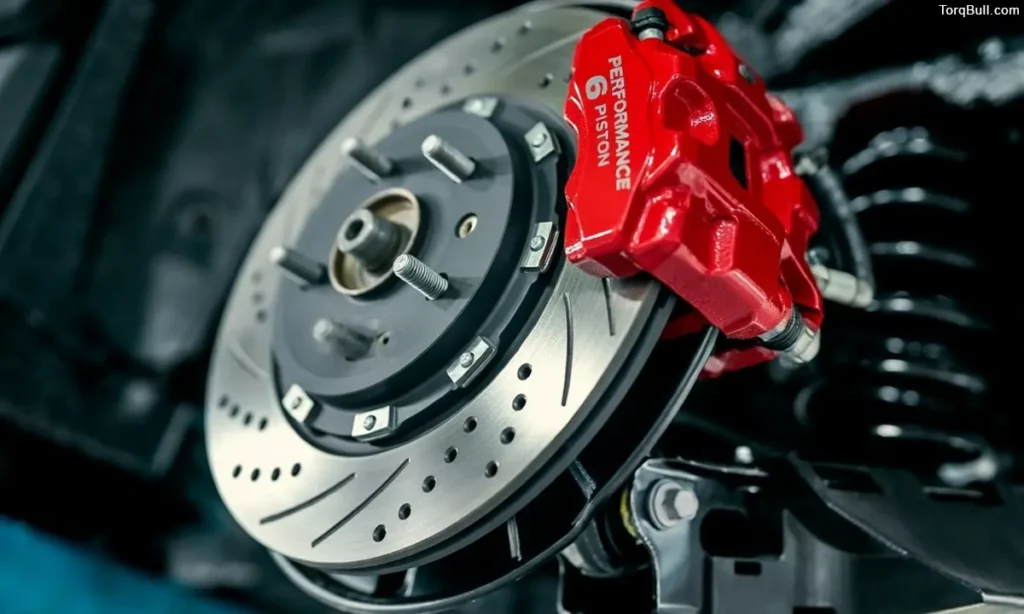
Let’s talk money, because the range out there is wide enough to make your head spin. For a pad-only job on a typical car, you’re looking at roughly $150 to $400 per axle in 2026. Remember, an axle means two wheels, so that’s your front pair or your rear pair, not all four.
Here’s how it breaks down by vehicle and by where you take it.
| Service | Typical Cost (Per Axle) |
| Economy car pads (Civic, Corolla) | $150 to $250 |
| Mid-size sedan or crossover pads | $200 to $350 |
| Truck, SUV, or performance pads | $250 to $400+ |
| Luxury or European pads (BMW, Porsche) | $450 to $1,500 |
| Pads AND rotors together | $300 to $900 |
| All four pads in one visit | $300 to $800 |
The two biggest levers on that final number are labor and location. Independent shops typically run 30 to 50 percent cheaper than a dealer for the exact same work. Labor rates in 2026 sit around $140 to $220 an hour at an independent and can hit $180 to $320 at a dealership, and most pad jobs eat one to two hours per axle. A newer wrinkle: cars from 2018 onward often have electronic parking brakes on the rear, which means the tech has to retract the caliper with a scan tool. That adds 30 to 45 minutes of labor to a rear job, so don’t be shocked when the rears aren’t the bargain you expected.
Read: Engine Overheating Causes and Solutions. Here Is Exactly What Is Wrong and How to Fix It
Pick Your Pad: Cheaper Isn’t Always Smarter
Not all pads are created equal, and the compound you choose affects both your wallet and whether you’ll be hearing that squeal again soon. There are three main players.
Organic pads are the cheapest, the quietest, and the gentlest on your rotors, but they wear out fast and fade when they get hot. They’re fine for a light commuter car and not much else. Semi-metallic pads are the workhorses you’ll find on most trucks and SUVs. They bite hard and handle heat beautifully, but they’re the noisy ones. They throw off dark dust that coats your wheels and are the most likely to squeal right out of the box.
Then there’s ceramic, the premium choice and my pick for most daily drivers. They cost more upfront, often $80 to $220 per axle just for the parts, but they run quiet, produce barely any dust, and frequently last twice as long. Most German cars ship with a ceramic-style compound from the factory for exactly that reason. Spending a little more here often means fewer headaches and fewer repeat visits down the road.
Where Shops Pad the Bill (And How to Push Back)
Brakes are one of the most common places drivers get upsold, so walk in armed. The single biggest one is unnecessary rotor replacement. Yes, sometimes rotors genuinely need to go, when they’re below the minimum thickness stamped right on the part, warped enough to pulse your pedal, or deeply grooved. But if your rotors still measure up, fresh pads on existing rotors are perfectly safe. Always ask for the rotor thickness measurement in writing before you authorize replacement. A shop that won’t give you that number is a shop to be wary of.
A few more things worth knowing. A proper job includes new hardware, the clips, shims, and anti-rattle springs, which usually runs $20 to $80 per axle. Skipping that hardware is one of the top reasons brand new brakes start squealing three weeks later, so this is the rare upsell you should say yes to. A brake fluid flush, often quoted at $120 to $200, is legitimate maintenance if your fluid is a few years old, but it’s optional for the pad job itself. And if a quote leaves out hardware or a rotor inspection entirely, that’s a red flag, not a discount.
One pro move after any pad job: make sure the shop bedded the pads in, or do it yourself with a series of moderate stops from around 30 mph. That transfers an even layer of material onto the rotor and heads off noise and vibration before it starts.
The Bottom Line: Listen to Your Car
Here’s the honest truth about brake pads. They are a wear item, they will always eventually need replacing, and the cost is genuinely reasonable if you act at the right time. A $200 to $400 pad job is just the price of driving. The disaster is the procrastination tax. Ignore that friendly wear-indicator squeal for a few months, let the metal grind into your rotors, and you’ve turned a simple pad swap into a $600 to $1,200 pad-and-rotor overhaul, sometimes more on a truck or a luxury ride.
So the next time your car screeches at a stoplight, don’t crank up the radio to drown it out. That noise is the cheapest mechanic you’ll ever have. Book the inspection, ask the right questions, choose the right pads, and you’ll keep both your car and your bank account happy. Your brakes are trying to tell you something. The smart money listens.