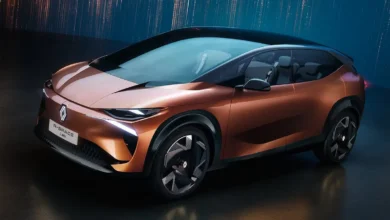
2026 Toyota C-HR BEV Brings Stylish Electric Power to Compact SUVs
Toyota’s Expanding Electric Strategy in the United States
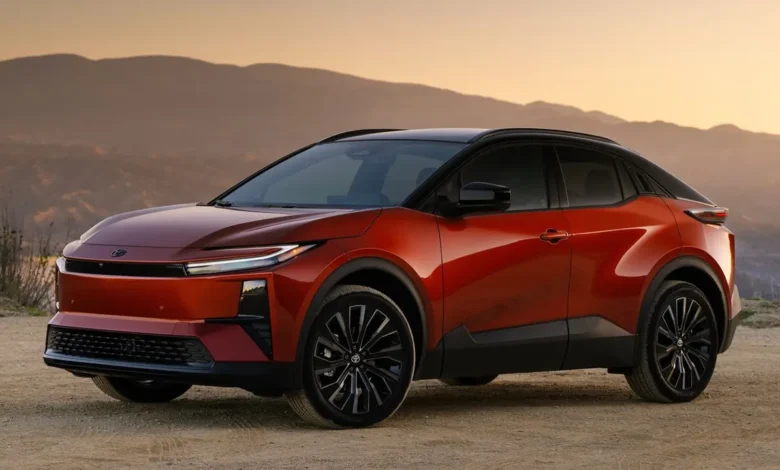
The 2026 Toyota C-HR BEV marks an important milestone in Toyota’s growing electric vehicle strategy for the United States market. Over the past decade, Toyota has built a global reputation as a leader in hybrid technology, with models such as the Prius and Corolla Hybrid becoming synonymous with fuel efficiency and reliability. However, as the global automotive industry rapidly transitions toward fully electric mobility, Toyota has accelerated its investment in battery-electric vehicles. The introduction of the C-HR BEV for the U.S. market demonstrates the brand’s commitment to expanding its EV lineup while maintaining the practicality and affordability that have defined its vehicles for decades.
The original Toyota C-HR, first introduced as a compact crossover with bold styling, appealed to drivers seeking a sporty design and urban-friendly dimensions. With the 2026 C-HR BEV, Toyota reimagines the concept of a compact crossover by replacing the traditional gasoline powertrain with an advanced electric drivetrain. This transformation allows the vehicle to deliver zero-emission driving while maintaining the practicality and versatility expected from a compact SUV.
Gallery: 2026 Toyota C-HR BEV
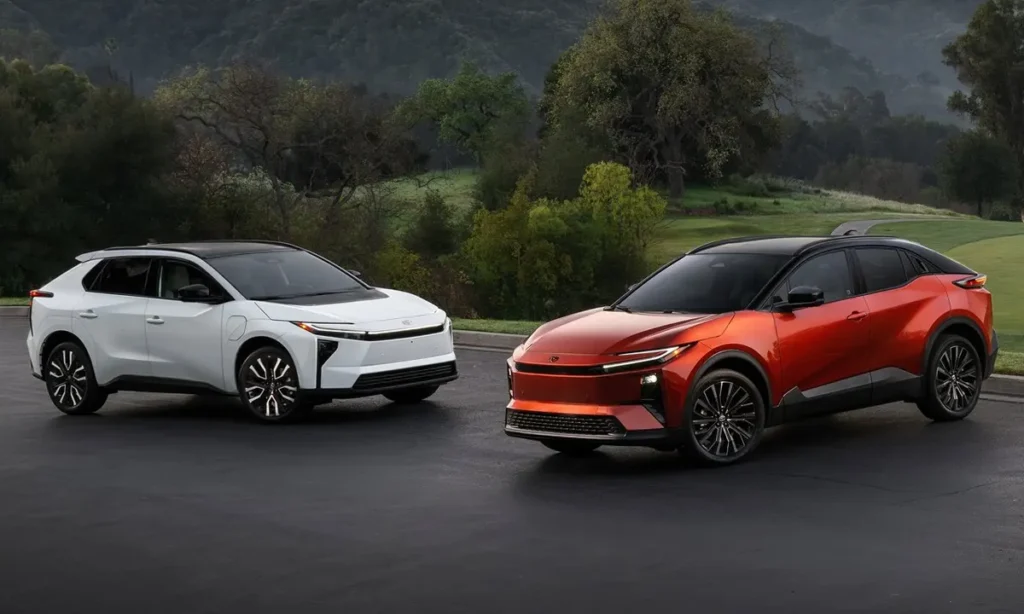
The C-HR BEV is positioned as an accessible electric vehicle for urban drivers and young families. Its compact size makes it well suited for city environments, while its electric powertrain provides smooth acceleration and low operating costs. At the same time, Toyota has incorporated modern design elements, digital technology, and advanced safety features to ensure that the vehicle remains competitive in the rapidly expanding electric SUV segment.
The 2026 Toyota C-HR BEV also reflects Toyota’s broader goal of offering electrified options across multiple vehicle categories. By introducing electric vehicles in both compact and larger segments, Toyota aims to make sustainable mobility more accessible to a wide range of consumers.
Exterior Design: A Bold Electric Identity
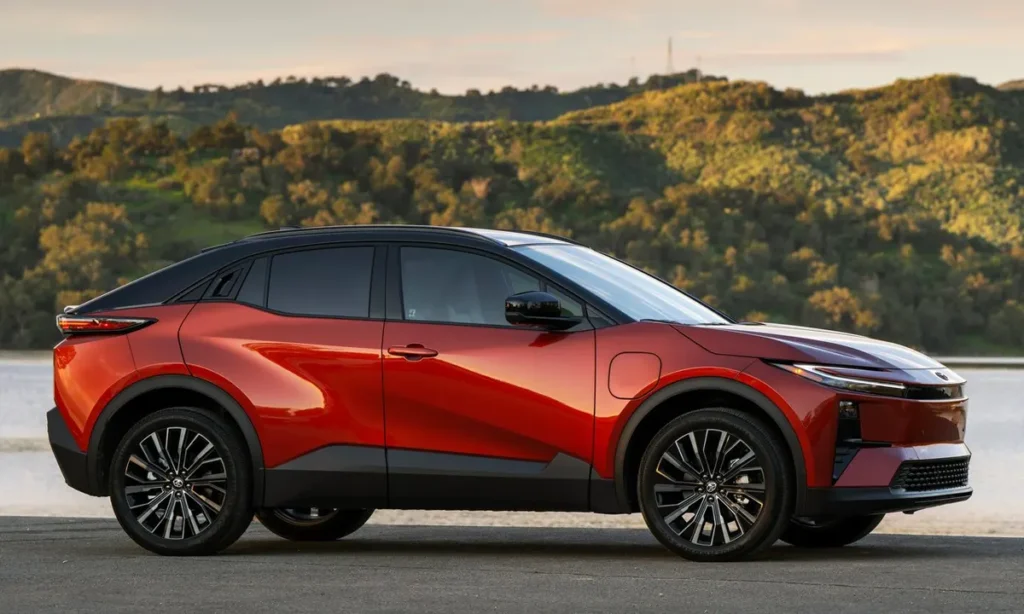
The exterior design of the 2026 Toyota C-HR BEV retains the bold styling that made the original C-HR popular while incorporating modern elements that emphasize its electric character. Toyota designers have carefully refined the vehicle’s proportions to create a sleek and aerodynamic appearance that enhances efficiency without sacrificing visual impact.
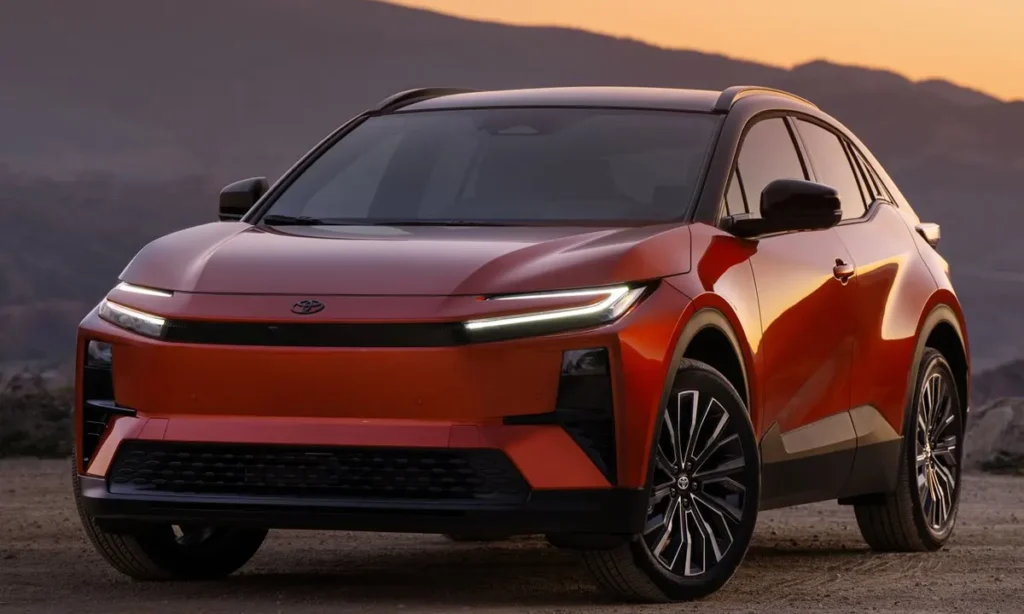
At the front, the C-HR BEV features a closed grille design typical of electric vehicles. Since electric motors generate less heat than traditional combustion engines, the large grille openings found on gasoline vehicles are no longer necessary. Instead, the smooth front fascia improves airflow and contributes to better aerodynamic performance.
Slim LED headlights stretch toward the sides of the vehicle, creating a distinctive lighting signature that enhances the crossover’s modern appearance. These headlights are connected by a thin LED light strip that spans the front of the vehicle, emphasizing its width and futuristic design.
The sculpted hood and angular front bumper add a sporty character to the vehicle. Aerodynamic channels integrated into the bumper help guide airflow around the wheels, reducing drag and improving energy efficiency.
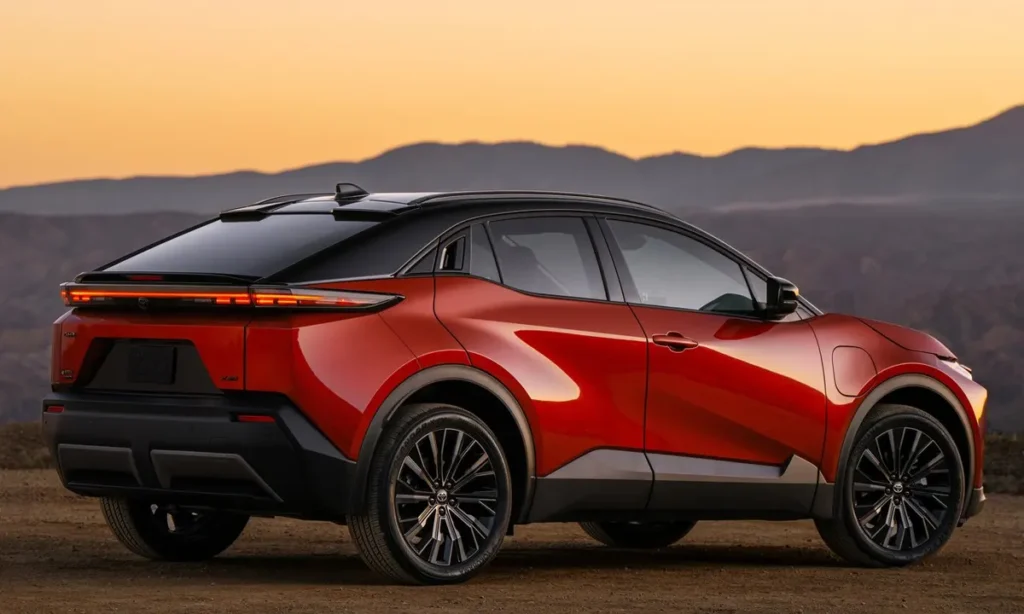
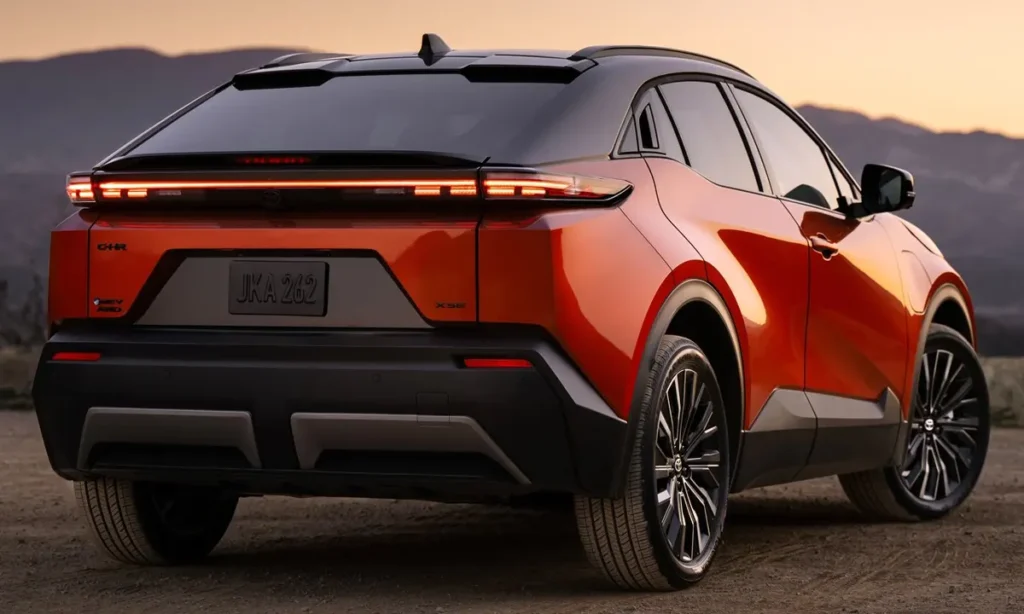
From the side, the C-HR BEV maintains its coupe-inspired crossover silhouette. The sloping roofline gives the vehicle a dynamic profile, while the pronounced wheel arches emphasize its sporty stance. Flush door handles further enhance aerodynamic efficiency while contributing to the vehicle’s clean design.
Large alloy wheels designed specifically for electric vehicles reduce aerodynamic resistance while maintaining a striking visual appearance. Black cladding around the lower body panels adds durability and reinforces the vehicle’s crossover identity.
At the rear, the C-HR BEV features a full-width LED light bar integrated into the tailgate. This design element creates a recognizable nighttime signature while visually widening the vehicle. A subtle rear spoiler enhances aerodynamic performance while maintaining the crossover’s sporty character.
Overall, the design of the 2026 Toyota C-HR BEV combines bold styling with aerodynamic efficiency, creating a vehicle that feels both futuristic and practical.
Electric Powertrain and Performance
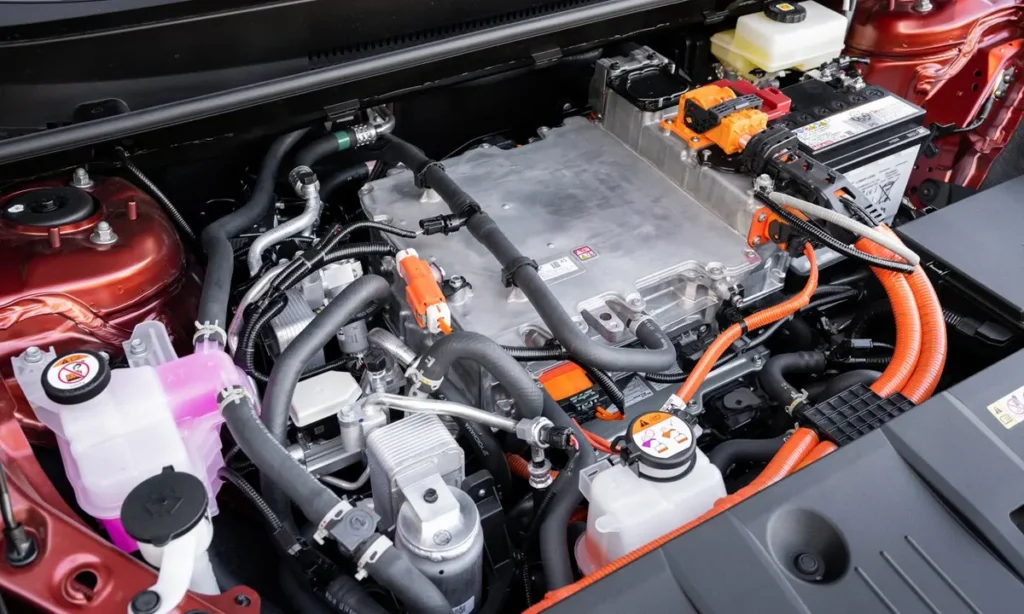
The 2026 Toyota C-HR BEV is powered by an advanced electric drivetrain designed to deliver both efficiency and responsive performance. Toyota has developed the vehicle using its dedicated electric vehicle architecture, which allows engineers to optimize battery placement, weight distribution, and interior space.
The C-HR BEV is expected to feature a single electric motor mounted on the front axle, producing approximately 200 horsepower. This configuration provides smooth and quiet acceleration, making the vehicle ideal for urban commuting.
Electric motors deliver instant torque, allowing the C-HR BEV to accelerate quickly from a standstill. This responsiveness enhances the driving experience, particularly in city environments where frequent stops and starts occur.
The vehicle’s battery pack is likely to have a capacity of around 70 kWh. This battery is expected to provide a driving range of approximately 300 to 350 miles under ideal conditions, making the C-HR BEV competitive with other compact electric SUVs.
Fast charging capability is another important feature. Using a DC fast charger, the battery can recharge from around 10 percent to 80 percent in approximately 30 minutes. This rapid charging capability makes long-distance travel more convenient for electric vehicle owners.
Toyota has also integrated advanced thermal management systems that help maintain optimal battery temperature. These systems ensure consistent performance and extend battery lifespan.
Interior Design: A Digital and Comfortable Cabin
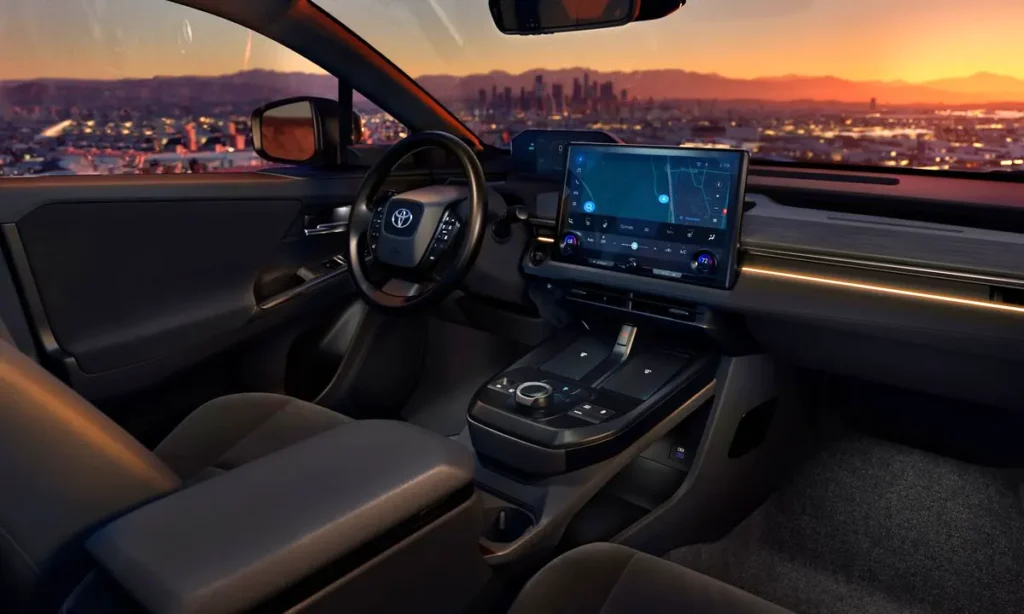
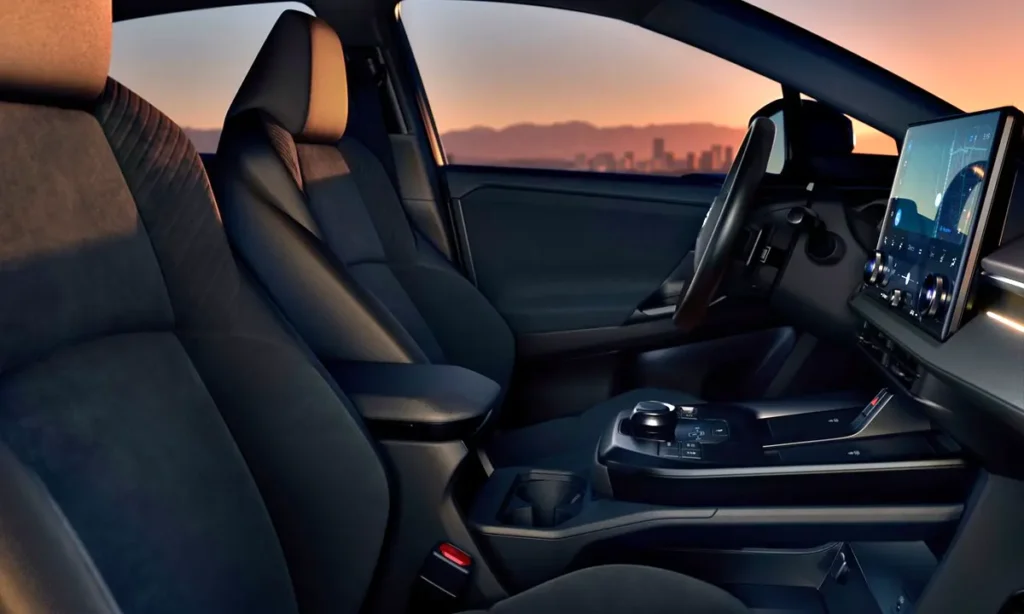
Inside the 2026 Toyota C-HR BEV, the cabin reflects Toyota’s focus on modern digital design and passenger comfort. The interior layout is clean and minimalistic, with an emphasis on technology and functionality.
The dashboard is dominated by a large touchscreen infotainment display that provides access to navigation, entertainment, and vehicle settings. This display is positioned centrally for easy visibility and control.
A fully digital instrument cluster replaces traditional analog gauges, allowing drivers to customize the information displayed. Drivers can view battery range, energy usage, navigation directions, and other key data.
High-quality materials are used throughout the cabin, including soft-touch surfaces and durable fabrics. Toyota has also incorporated sustainable materials in certain areas to reduce environmental impact.
The seating layout accommodates up to five passengers, with supportive front seats designed for long-distance comfort. Rear passengers benefit from improved legroom thanks to the flat floor made possible by the electric platform.
Cargo capacity remains practical for everyday use. The rear hatch provides easy access to the luggage compartment, and folding rear seats allow drivers to expand the cargo area when transporting larger items.
Technology and Connectivity
The 2026 Toyota C-HR BEV incorporates a wide range of advanced connectivity features designed to enhance convenience and entertainment. The infotainment system supports wireless Apple CarPlay and Android Auto integration, allowing drivers to connect their smartphones without cables.
Voice recognition technology allows drivers to control navigation, climate settings, and entertainment using natural speech commands. This feature enhances safety by reducing the need for manual input while driving.
Wireless charging pads and multiple USB ports ensure that passengers can keep their devices powered during long journeys.
Over-the-air software updates allow Toyota to improve vehicle systems and introduce new features throughout the car’s lifespan.
Safety and Driver Assistance Systems
Toyota has equipped the 2026 C-HR BEV with the latest version of Toyota Safety Sense, a comprehensive suite of driver assistance technologies designed to enhance safety.
These features include adaptive cruise control, lane departure warning, lane keeping assist, and automatic emergency braking. Together, these systems help drivers navigate traffic more safely and reduce the risk of collisions.
A 360-degree camera system and parking sensors make it easier to maneuver the vehicle in tight spaces, particularly in urban environments.
Driving Experience: Smooth and Efficient
Driving the 2026 Toyota C-HR BEV offers a refined and quiet experience. Electric propulsion eliminates engine noise, creating a calm cabin environment.
The suspension system has been tuned to provide a comfortable ride while maintaining stability during cornering. The low center of gravity created by the battery placement enhances handling and overall driving dynamics.
Electric power steering ensures precise control, making the vehicle easy to maneuver in city environments.
Toyota’s Vision for Compact Electric SUVs
The 2026 Toyota C-HR BEV represents Toyota’s vision for the future of compact electric SUVs in the United States. By combining bold design, efficient electric performance, and advanced digital technology, the vehicle offers a compelling option for drivers seeking a practical and stylish electric crossover.
As the EV market continues to expand, models like the C-HR BEV will play an important role in making electric mobility accessible to a wider audience.
Read: 2026 Toyota C-HR Reveals Bold Design and Advanced Hybrid Technology
2026 Toyota C-HR BEV (US) – Specifications Chart
| Category | Specification |
| Vehicle Type | Compact Electric Crossover |
| Powertrain | Single Electric Motor |
| Power Output | Approx. 200 hp |
| Drivetrain | Front-Wheel Drive |
| Battery Capacity | Approx. 70 kWh |
| Estimated Range | 300–350 miles |
| Charging | DC Fast Charging |
| 0–60 mph | Approx. 7 seconds |
| Seating Capacity | 5 passengers |
| Infotainment | Touchscreen Digital Interface |
| Connectivity | Apple CarPlay, Android Auto |
| Safety Systems | Toyota Safety Sense |