2026 Toyota C-HR Reveals Bold Design and Advanced Hybrid Technology
The Next Generation of Toyota’s Urban Crossover
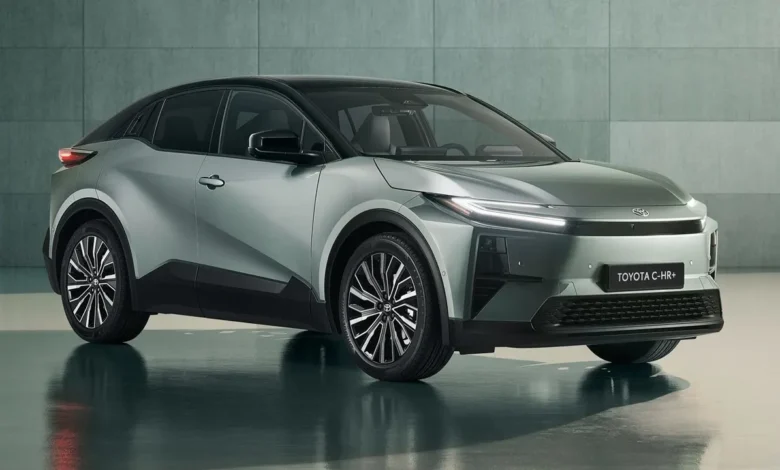
The 2026 Toyota C-HR represents a significant step forward for Toyota’s compact crossover lineup, combining bold styling, advanced hybrid technology, and modern connectivity features into a vehicle designed for the demands of contemporary urban life. Since its original debut, the Toyota C-HR has stood out in the crowded compact SUV market thanks to its futuristic design, coupe-like profile, and efficient hybrid powertrain. With the 2026 model, Toyota continues to refine this formula while introducing new technologies and design improvements that make the vehicle more competitive than ever.
Compact SUVs have become one of the fastest-growing segments in the global automotive market. Drivers are increasingly drawn to vehicles that offer the versatility of an SUV combined with the efficiency and practicality of smaller cars. The Toyota C-HR has been developed specifically to meet these expectations, delivering a combination of dynamic styling, comfortable interior space, and environmentally friendly performance.
Toyota’s strategy for the 2026 C-HR focuses heavily on electrification. As governments around the world push for lower emissions and more sustainable transportation, hybrid and plug-in hybrid vehicles are becoming increasingly popular. The new C-HR reflects Toyota’s commitment to reducing environmental impact while maintaining the reliability and practicality that the brand is known for.
Beyond efficiency, the 2026 Toyota C-HR also aims to provide a more engaging driving experience. Engineers have refined the vehicle’s suspension and chassis design to deliver improved handling and ride comfort. Meanwhile, the latest generation of Toyota Safety Sense driver assistance technologies ensures that the C-HR remains one of the safest vehicles in its class.
Gallery: 2026 Toyota C-HR
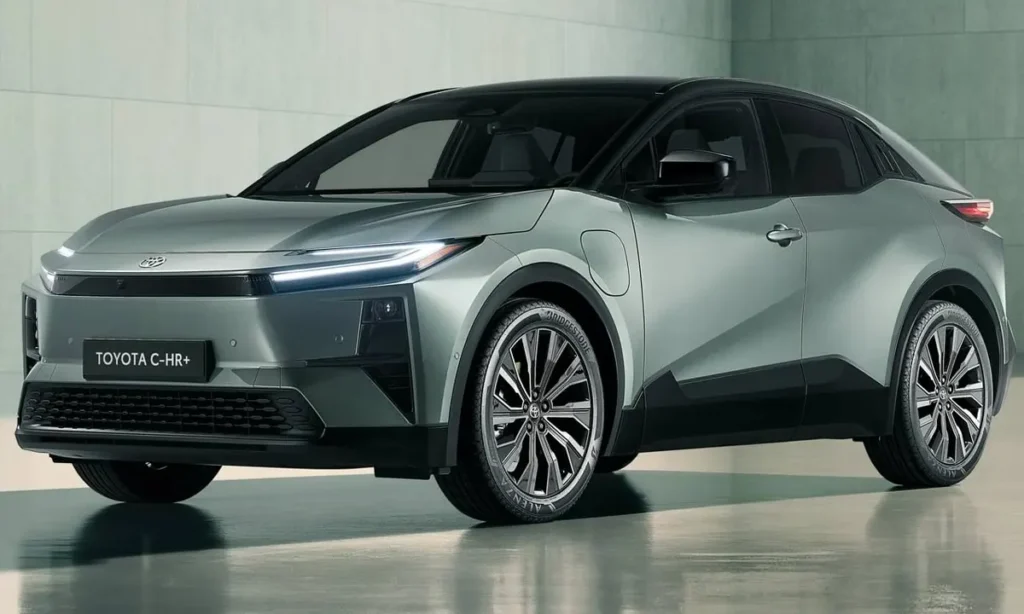
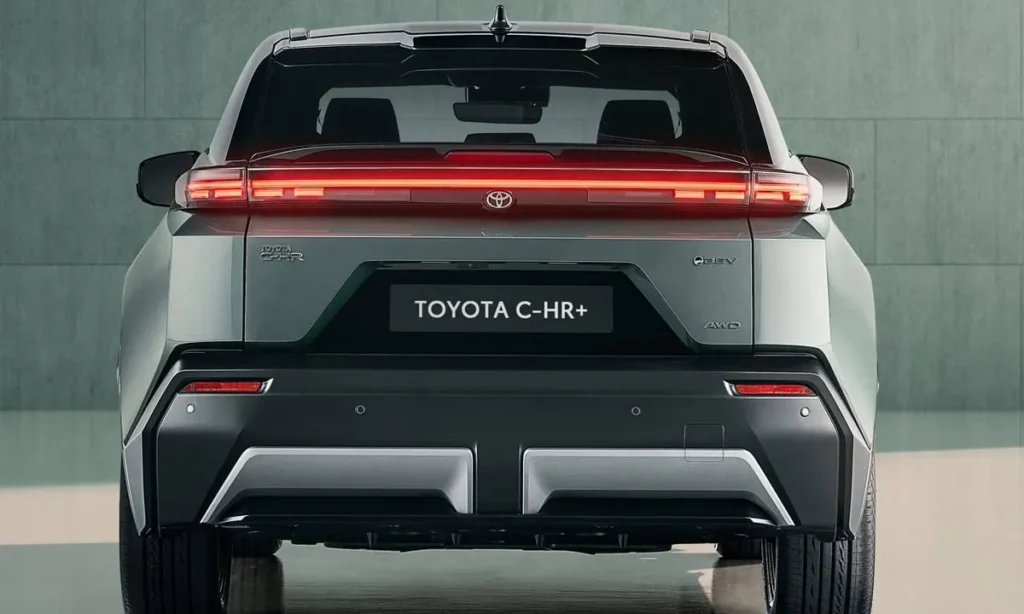
With its bold design, efficient hybrid technology, and modern digital features, the 2026 Toyota C-HR stands as a strong contender in the compact SUV segment.
Exterior Design: A Futuristic Coupe-Inspired SUV
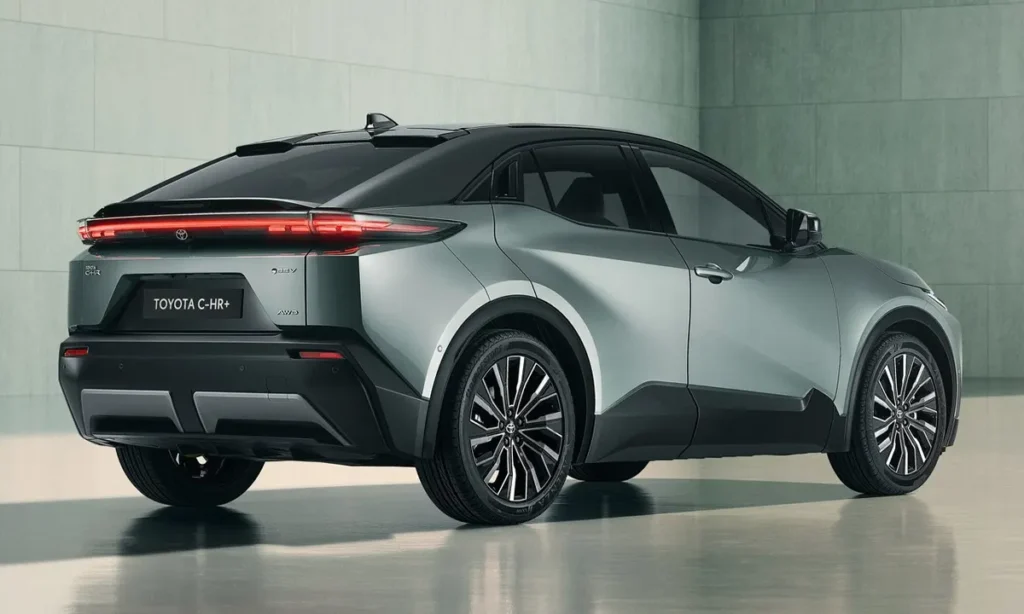
One of the defining characteristics of the Toyota C-HR has always been its distinctive exterior design. Unlike many compact SUVs that prioritize conservative styling, the C-HR embraces a bold and futuristic aesthetic that immediately sets it apart on the road. The 2026 model continues this tradition with an even more dramatic design language inspired by Toyota’s latest concept vehicles.
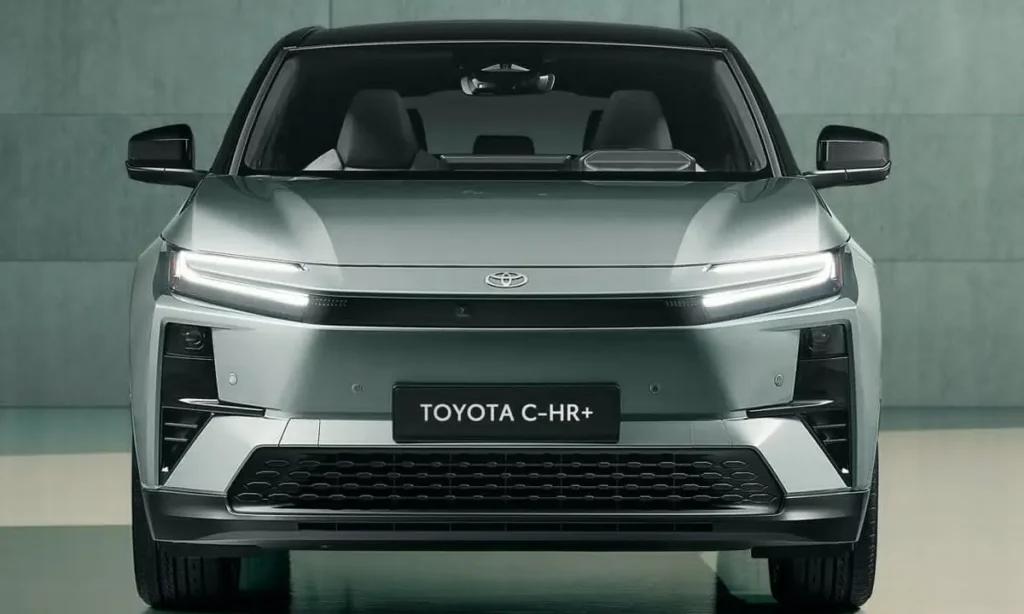
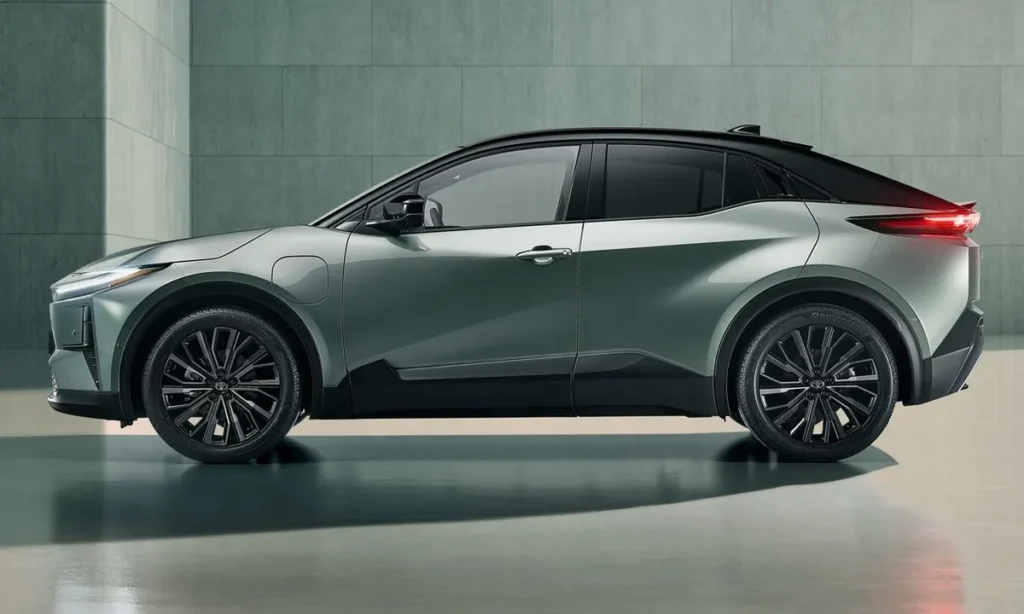
At the front of the vehicle, the C-HR features a striking new grille design that integrates seamlessly with slim LED headlights. The headlights incorporate advanced lighting technology that improves visibility while giving the car a modern and aggressive appearance. Sharp body lines extend from the front bumper toward the sides of the vehicle, creating a sense of movement even when the car is stationary.
The coupe-like roofline is another defining feature of the C-HR’s design. This sloping roof gives the SUV a sporty silhouette that distinguishes it from more traditional compact crossovers. While maintaining a stylish appearance, Toyota designers have carefully balanced aesthetics with practicality to ensure that rear passengers still have adequate headroom.
Large alloy wheels and sculpted wheel arches add to the vehicle’s dynamic presence. The 2026 model also introduces new color options and contrasting roof finishes that allow buyers to personalize their vehicles. These design choices appeal particularly to younger drivers who value individuality and modern styling.
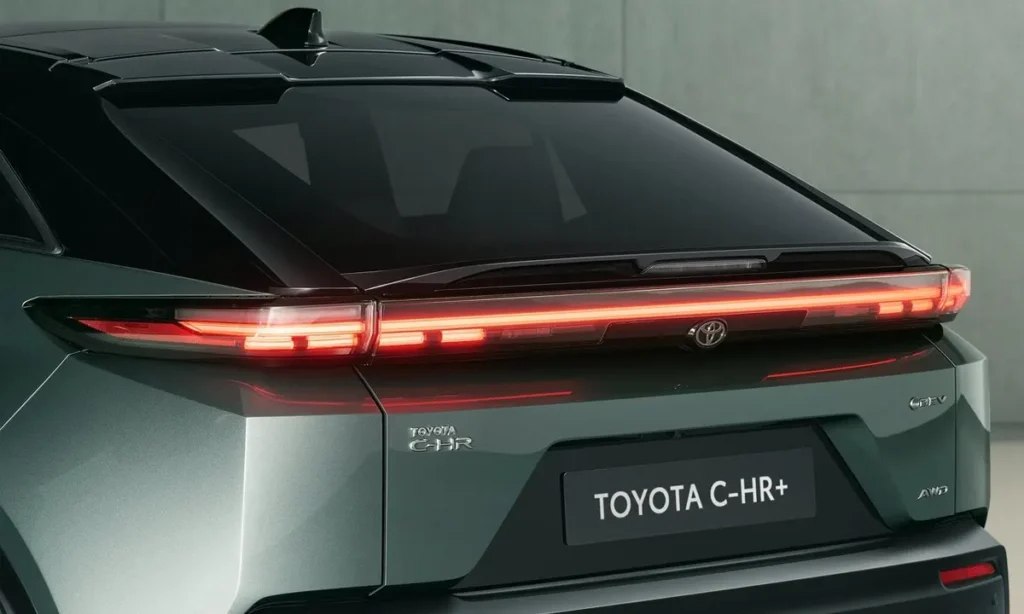
At the rear, the Toyota C-HR features a full-width LED taillight bar that enhances both safety and visual appeal. The sculpted rear bumper and integrated spoiler contribute to the car’s aerodynamic efficiency while reinforcing its sporty identity.
Overall, the exterior design of the 2026 Toyota C-HR reflects Toyota’s commitment to innovation and bold styling. The vehicle manages to combine futuristic aesthetics with functional aerodynamics, creating an SUV that stands out in a competitive market.
Hybrid Powertrain and Performance
The 2026 Toyota C-HR continues Toyota’s long tradition of hybrid technology leadership. Hybrid systems have become a central part of Toyota’s global strategy for reducing emissions and improving fuel efficiency, and the new C-HR benefits from the latest advancements in this technology.
The vehicle is expected to be offered with multiple electrified powertrain options, including a traditional hybrid system and a plug-in hybrid variant. The hybrid system combines a fuel-efficient gasoline engine with one or more electric motors, delivering smooth acceleration and impressive fuel economy.
In everyday driving situations, the electric motor can power the vehicle at low speeds, reducing fuel consumption and emissions. When additional power is required, the gasoline engine works together with the electric motor to provide strong acceleration. This seamless integration between electric and gasoline power sources creates a driving experience that feels both responsive and efficient.
The plug-in hybrid version of the C-HR offers an even greater level of electrification. Equipped with a larger battery pack, the plug-in hybrid model can travel significant distances using electric power alone. This capability makes the vehicle particularly appealing to urban drivers who want to reduce their reliance on gasoline.
Toyota engineers have also focused on improving the vehicle’s driving dynamics. The 2026 C-HR is built on Toyota’s advanced TNGA platform, which provides improved structural rigidity and optimized weight distribution. These enhancements contribute to more responsive handling and a smoother ride.
Despite its compact size, the C-HR offers a surprisingly engaging driving experience. The combination of efficient powertrains and refined suspension tuning allows the vehicle to perform confidently on both city streets and highways.
Interior Design and Comfort
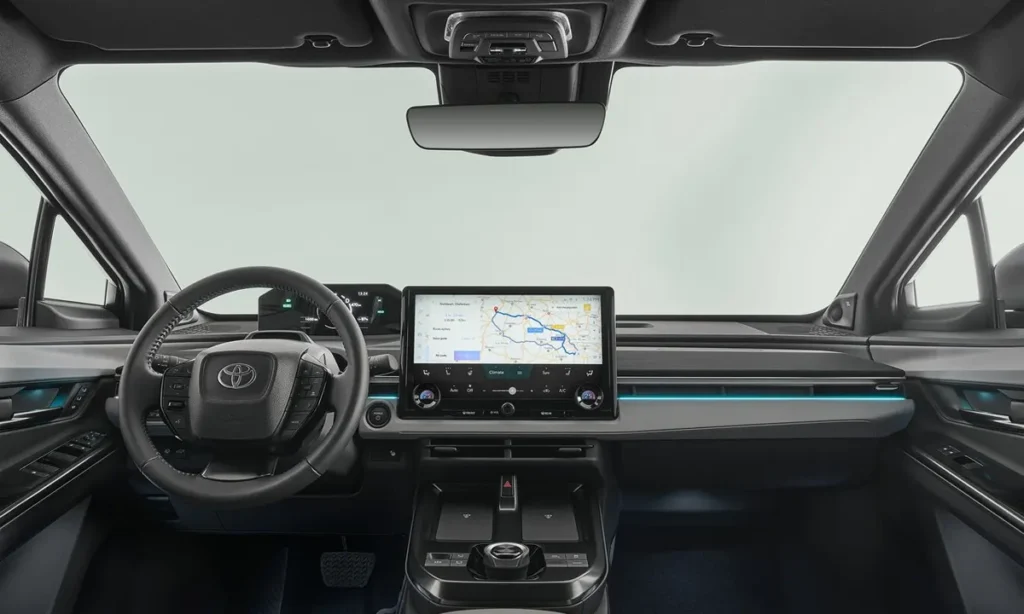
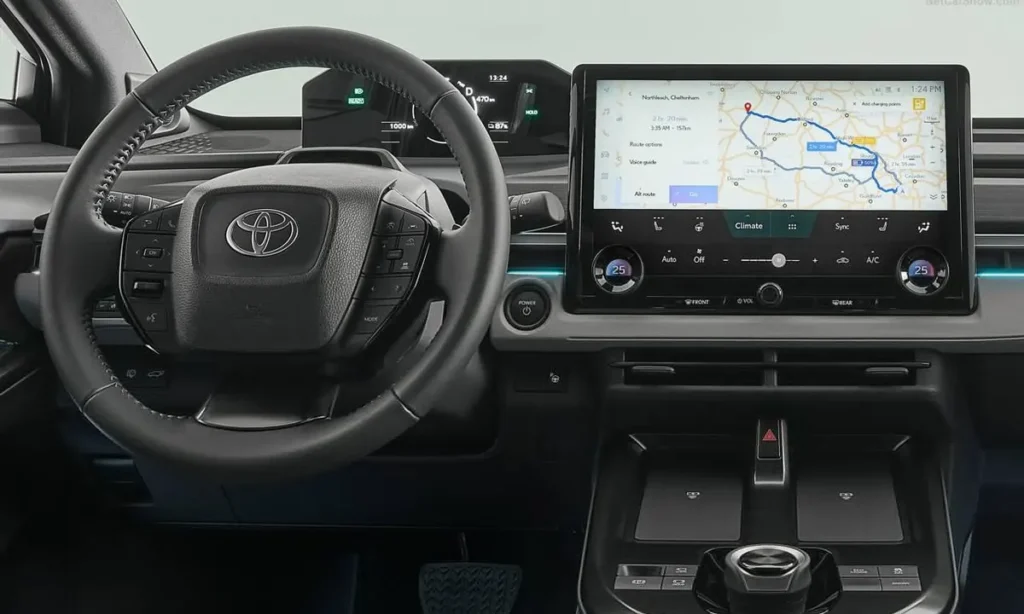
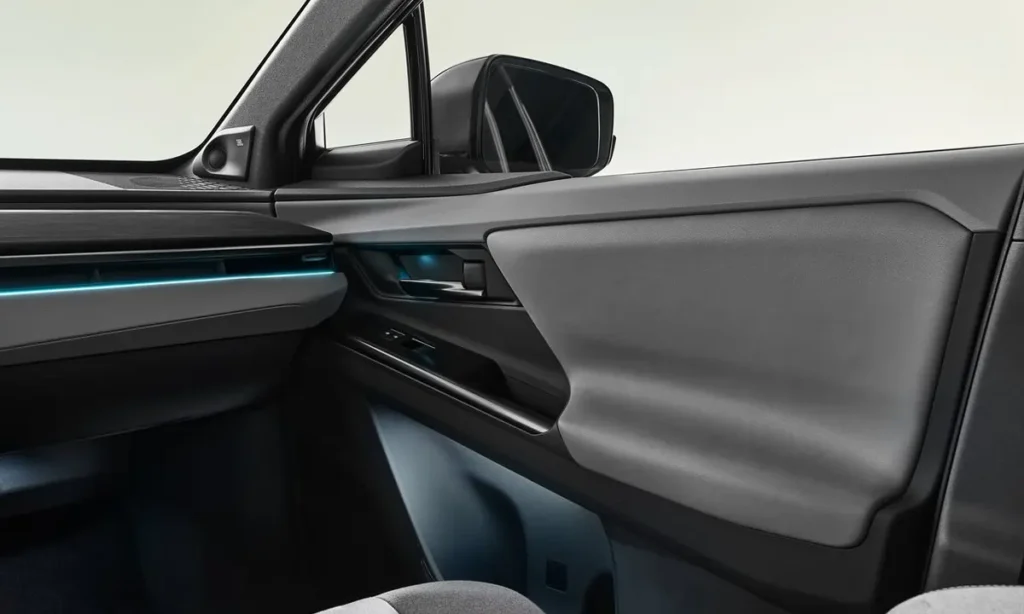
Inside the 2026 Toyota C-HR, the cabin has been redesigned to provide a more modern and comfortable environment for drivers and passengers. Toyota has focused on improving material quality, digital connectivity, and overall ergonomics.
The dashboard features a sleek layout centered around a large touchscreen infotainment system. This display provides access to navigation, entertainment, and vehicle settings through an intuitive interface. Smartphone integration through Apple CarPlay and Android Auto allows drivers to connect their devices easily.
The digital instrument cluster provides customizable information displays that help drivers stay informed without distraction. Drivers can view essential information such as speed, battery status, and navigation directions directly in front of them.
Comfort has also been a key priority in the design of the C-HR’s interior. The seats are designed to provide strong support during long journeys while maintaining a compact footprint that maximizes interior space. Soft-touch materials and high-quality trim elements create a refined atmosphere within the cabin.
Rear passengers benefit from improved legroom and redesigned seating that enhances comfort. Meanwhile, the cargo area offers enough storage capacity for everyday needs such as groceries, luggage, or sports equipment.
The overall interior design balances practicality with modern technology, making the C-HR suitable for both daily commuting and longer road trips.
Technology and Safety Features
Modern vehicles are expected to include advanced technology that enhances both convenience and safety, and the 2026 Toyota C-HR delivers in this area. Toyota has equipped the vehicle with the latest generation of its Toyota Safety Sense system.
This comprehensive safety suite includes features such as adaptive cruise control, lane departure warning, lane-keeping assist, and automatic emergency braking. These technologies use sensors and cameras to monitor the surrounding environment and assist the driver in avoiding potential hazards.
In addition to safety systems, the C-HR also includes a range of convenience features designed to simplify everyday driving. Wireless smartphone charging, voice-activated controls, and connected vehicle services allow drivers to stay connected while on the road.
The infotainment system supports over-the-air updates, ensuring that software improvements and new features can be added without requiring a visit to the dealership.
Market Position and Competitors
The compact SUV segment is one of the most competitive areas of the automotive market, with numerous manufacturers offering vehicles designed to attract urban buyers. The 2026 Toyota C-HR competes with models such as the Honda HR-V, Hyundai Kona, and Nissan Juke.
Toyota’s advantage lies in its reputation for reliability and its leadership in hybrid technology. By offering efficient powertrains and advanced safety features, the C-HR appeals to buyers who want a vehicle that combines style with practicality.
In addition, the C-HR’s distinctive design helps it stand out from more conservative competitors. For drivers seeking a compact SUV that offers both personality and efficiency, the C-HR represents a compelling option.
Read: Toyota GRGT Concept Unveils the Future of High-Performance Hybrid Engineering
Conclusion: A Stylish and Efficient Urban SUV
The 2026 Toyota C-HR continues to build on the strengths that have made the model popular among compact SUV buyers. With its bold exterior design, advanced hybrid technology, and modern interior features, the vehicle offers a balanced combination of style, efficiency, and practicality.
Toyota’s commitment to electrification ensures that the C-HR remains relevant in an era where environmental sustainability is becoming increasingly important. At the same time, the vehicle retains the reliability and usability that have long defined the Toyota brand.
For drivers seeking a compact SUV that delivers distinctive styling, efficient performance, and advanced technology, the 2026 Toyota C-HR stands out as one of the most attractive options in its class.
2026 Toyota C-HR Specifications Chart
| Category | Specification |
| Vehicle Type | Compact Hybrid SUV |
| Platform | Toyota TNGA Platform |
| Powertrain | Hybrid / Plug-in Hybrid |
| Engine | 2.0-Liter Hybrid Engine |
| Combined Power | Approx. 190 hp |
| Transmission | e-CVT Automatic |
| Drivetrain | Front-Wheel Drive / All-Wheel Drive |
| Electric Range (PHEV) | Up to 65 km (estimated) |
| Infotainment Display | 12.3-inch Touchscreen |
| Safety System | Toyota Safety Sense |
| Seating Capacity | 5 Passengers |
| Cargo Capacity | Approx. 370 Liters |
| Fuel Efficiency | Up to 60 mpg combined |
| Body Style | 5-Door Compact SUV |