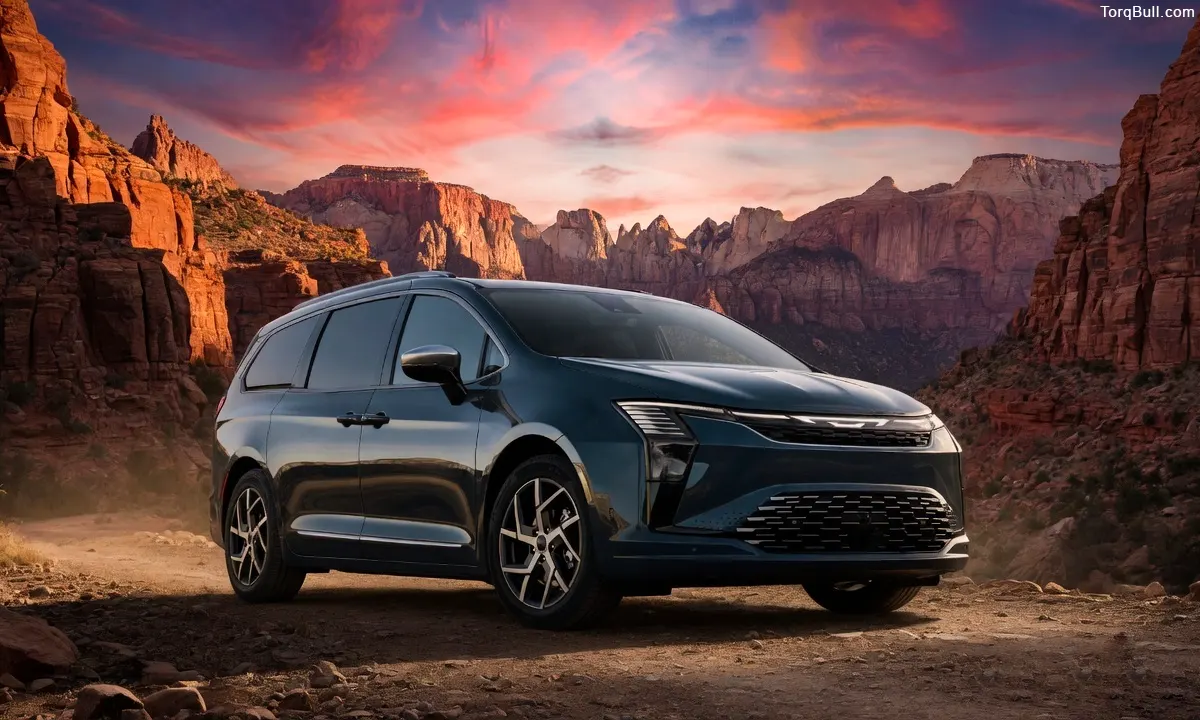
Let me start with the good news, because there is some. The 2027 Chrysler Pacifica looks better than it has in years. Chrysler took its aging minivan to the plastic surgeon and came back with a genuinely modern face. New lighting, a slick illuminated badge, the works. Walk past one in a parking lot and you will do a small double take. For a vehicle entering its tenth model year, that is no small feat.
Now the bad news, and it is the kind that makes me set down my coffee and sigh. Chrysler killed the hybrid. Not the kind of “we will bring it back next year” killed. Dead and buried. The Pacifica Plug-In Hybrid, discontinued in 2025, will not return for 2027.
And here is why that stings. The Pacifica plug in was the only plug in hybrid minivan in America. It was the Pacifica’s superpower, the one thing no rival could match. Chrysler just threw it in the trash right as the rest of the minivan world races toward electrification. So let’s talk about what you gain and what you lose, because this is a more complicated story than a pretty new grille.
The Glow Up Is Real (Mostly)
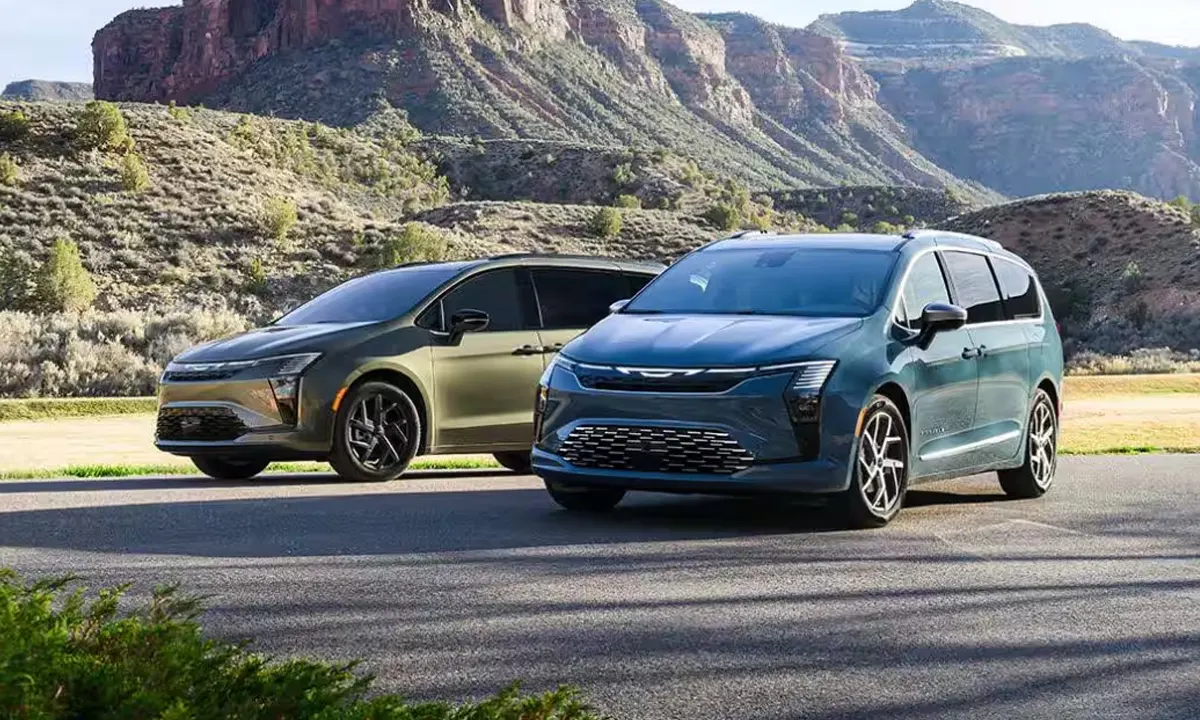
Credit where it is due. The refresh genuinely modernizes the Pacifica’s look. The reworked face brings a new vertical headlight layout, a lightbar spanning the top of the grille, and a new lighted Chrysler logo at the center, with the headlamps mounted lower for a much more modern nighttime look. There is also an illuminated wing badge and a completely restyled front fascia.
Now, not everyone loves it. One outlet bluntly called the new front end a bad ripoff of modern Kias. I see where they are coming from, that full width light bar is having a moment across the whole industry, but in person I think it works. It gives the old girl some presence.
There is one catch you should know about. The base LX trim does not get the facelift. Instead it inherits the discontinued Voyager’s appearance, a look last seen on the 2020 Pacifica. So if you want the cool new face, you cannot buy the cheapest one. Step up to the Select for about 2,000 dollars over the LX and you get the refreshed front styling plus more standard equipment and available eight passenger seating. That is the trim I would point you toward.
Stow ‘n Go Is Still the Heavyweight Champ
Here is the thing that keeps the Pacifica relevant no matter how many candles are on its birthday cake. The seats. Specifically, the seats that vanish into the floor.
The Stow ‘n Go Seating and Storage System lets you fold the second and third row seats into the floor, creating up to 140.5 cubic feet of cargo space. Chrysler, in peak dad energy, helpfully notes that is enough room for 20 folded strollers, 14 friendly Labrador retrievers, 3 mountain bikes, over 400 pieces of firewood, or 826 footballs.
I laughed, but the point lands. No rival makes its second row seats disappear like this. In a Sienna or an Odyssey, you are wrestling heavy captain’s chairs out to your garage and hoping you remember where you put them. In the Pacifica, you pull a strap and the floor swallows them whole. That party trick of over 140 cubes without heaving out a single seat never gets old. Ten years on, it is still the smartest packaging in the class.
Now Let’s Talk About the Elephant That Left the Room
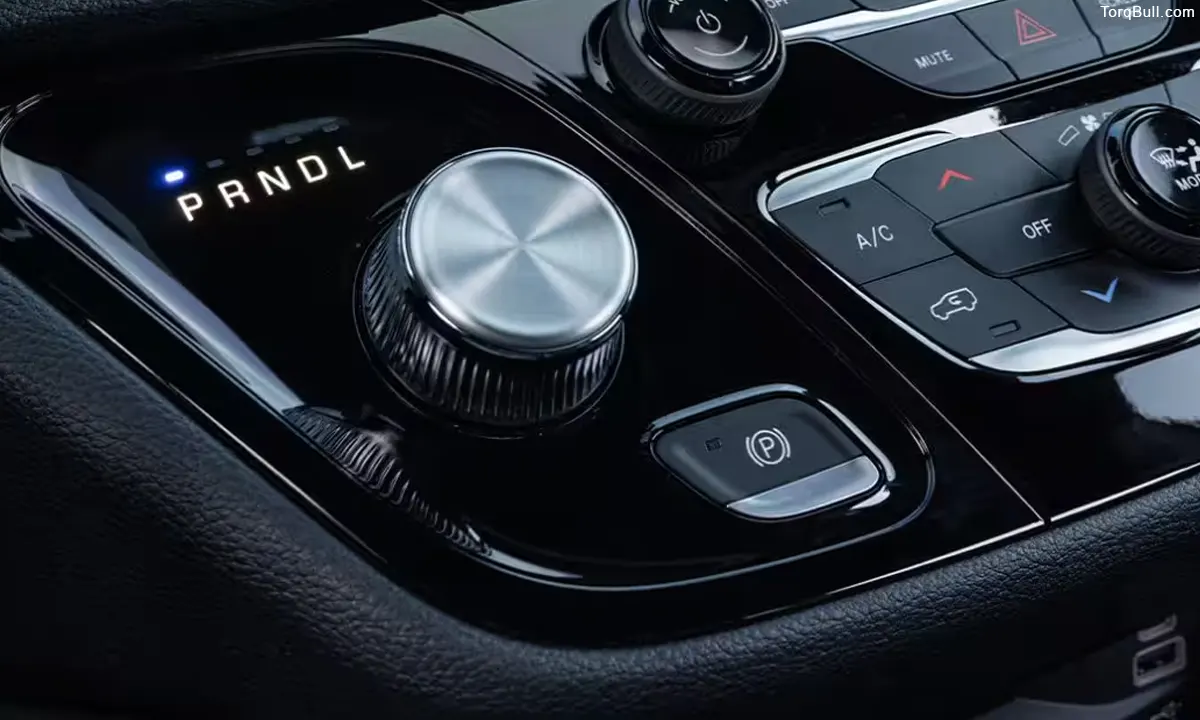
So what powers the 2027 Pacifica? One thing, and one thing only. Every variant uses the same 3.6 liter Pentastar V6 producing 287 horsepower and 262 pound feet of torque, paired with a nine speed automatic. It is a fine engine, the definition of competent. It moves the Pacifica with confidence rather than vigor, with enough power to make for swift and serene progress.
But “fine” is the problem, because the gas only Pacifica has a glaring weakness. The hybrid is gone, and the gas model’s fuel economy is mediocre. And this is where killing the plug in really hurts. The competition is sprinting in the opposite direction. The Toyota Sienna comes standard with a hybrid making 245 combined horsepower, and the Kia Carnival now offers a Carnival Hybrid for $41,390 with 242 horsepower. Want an efficient minivan in 2026? The reviewers now openly tell you to shop elsewhere. If you want a more efficient minivan, consider a Toyota Sienna. Ouch. That is Chrysler’s own segment telling buyers to walk across the showroom.
Read: Why Families Are Obsessed With the New 2026 Hyundai Palisade’s Cabin
How It Stacks Up
Here is where the refreshed Pacifica lands against the minivan field.
| Model | Engine | Power | Electrified Option | Starting Price |
| 2027 Chrysler Pacifica | 3.6L V6 | 287 hp | None anymore | About $41,495 |
| Toyota Sienna | Hybrid I4 | 245 hp combined | Standard hybrid | About $40,420 |
| Honda Odyssey | 3.5L V6 | 280 hp | None | About $42,795 |
| Kia Carnival | 3.5L V6 | 287 hp | Available hybrid | About $37,390 |
The pricing tells its own story. The base Pacifica LX starts at $41,495 before a $1,995 destination charge, which looks expensive next to the cheapest Kia Carnival at $37,390. Chrysler heard the complaints loud and clear. After criticism of the high launch pricing, Chrysler cut prices on several trims, with the well equipped Limited all wheel drive getting the largest reduction at $2,060. Smart move, but it tells you the original numbers landed badly.
The Stuff That’s Still Genuinely Nice
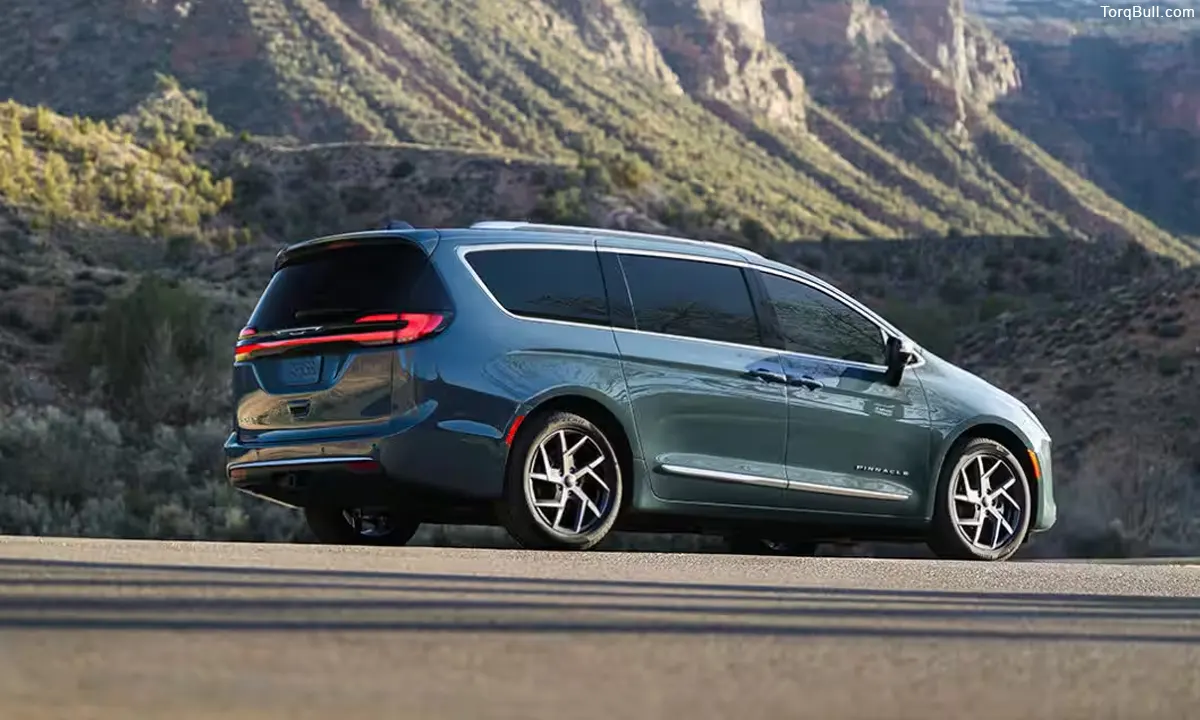
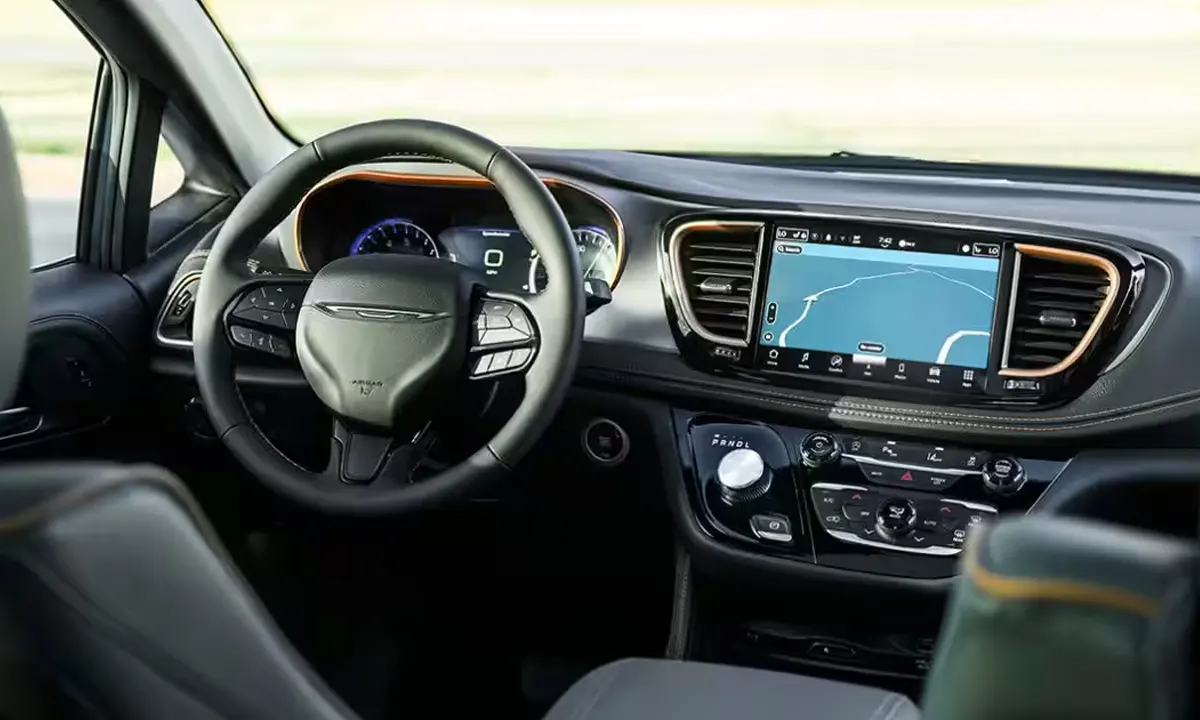
I do not want to leave you thinking the Pacifica is hopeless, because it absolutely is not. It still offers available all wheel drive on three grades, seven or eight seat configurations, and a new Blue Agave Nappa leather interior on the Pinnacle. That top Pinnacle trim is genuinely plush, with Nappa leather and copper accents lifting the ambiance. There is even a patriotic flourish. An America250 Special Edition arrives this year, limited to just 2,100 units for the U.S. to mark the nation’s 250th anniversary.
It also remains hugely practical and family friendly, with that bottomless cargo hold, a long list of standard safety gear, and the kind of road trip comfort minivans do better than any SUV. As a tool for hauling humans and their endless stuff, it is still very, very good.
My Verdict: A Nice Refresh That Misses the Point
Here is where I land, and it is bittersweet. The 2027 Pacifica is a perfectly good minivan that just made itself less interesting.
The new face is welcome. Stow ‘n Go is still the best seating trick in the business. The Pinnacle is plush, the cargo space is bananas, and a refreshed look will keep it competitive on the showroom floor for a few more years. If you want a roomy, comfortable, V6 powered family hauler and you do not care about fuel economy, the Pacifica still does that job with class.
But I cannot get past the hybrid. The Pacifica plug in was a genuine differentiator, the one minivan that let families plug in and run errands on electricity alone. In an era where even Toyota and Kia are leaning hard into electrification, Chrysler walked away from its own head start. That is not pushing boundaries. That is retreating from them. And it stings more when you remember the Pacifica is now the only model Chrysler sells, with the brand’s future genuinely uncertain.
So yes, the 2027 Pacifica got a fresh face. I just wish Chrysler had spent less time on the nose and more time keeping the heart that made it special. Buy the Select, enjoy the new look and those magical disappearing seats, but know that the most forward thinking version of this van is now something you can only find on the used lot. That is a shame, and I do not think I am the only one who feels it.