- Toyota ranks 2nd in J.D. Power dependability
- Tacoma named most reliable midsize pickup
- Ford Ranger wins Edmunds year-long comparison
- Ranger maintenance cost ~ $810 annually
- Reliability verdict depends on long-term vs real-world testing
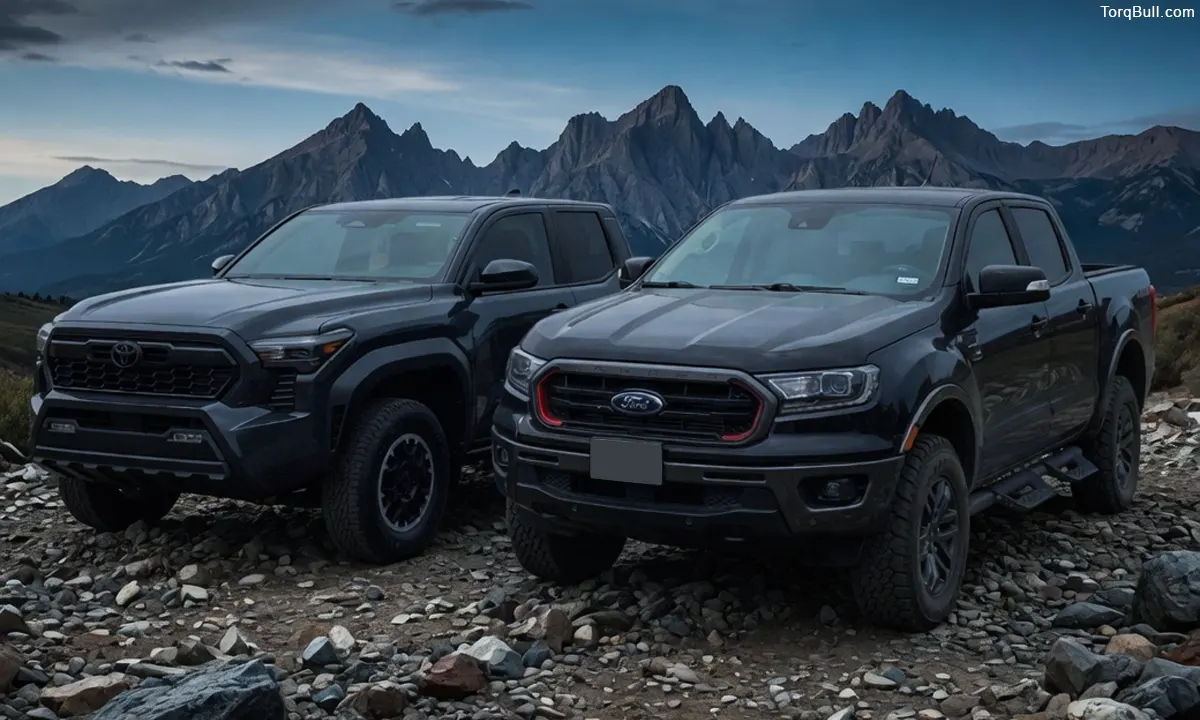
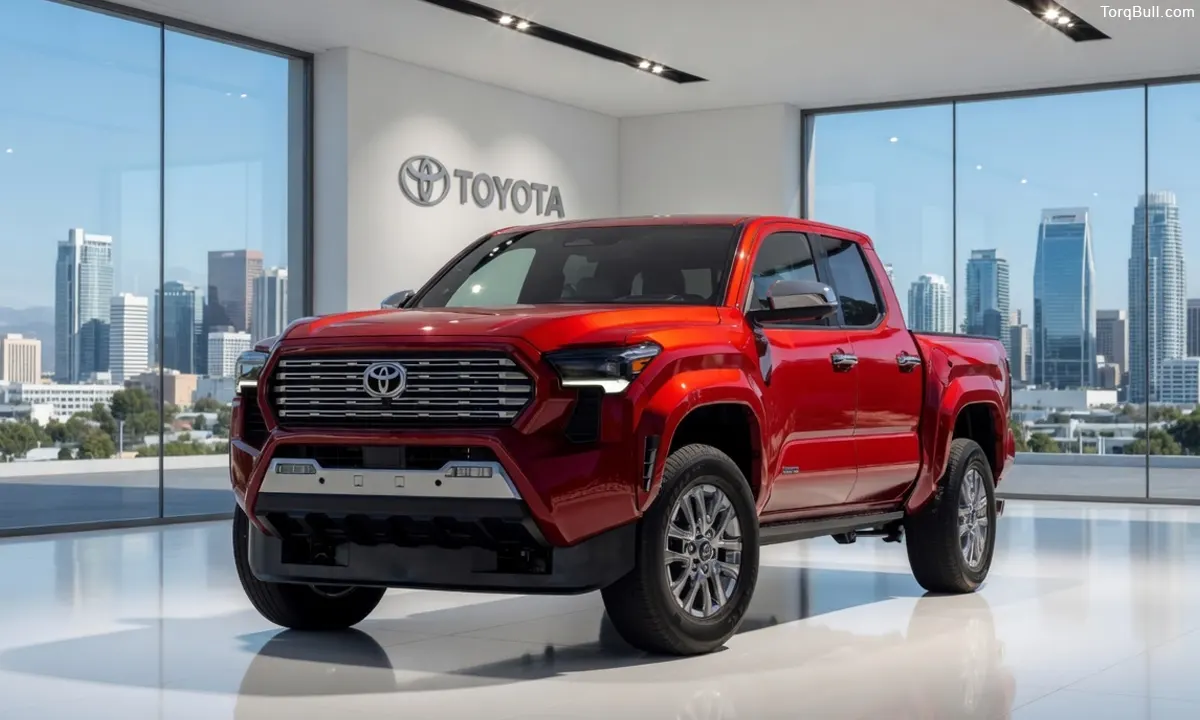
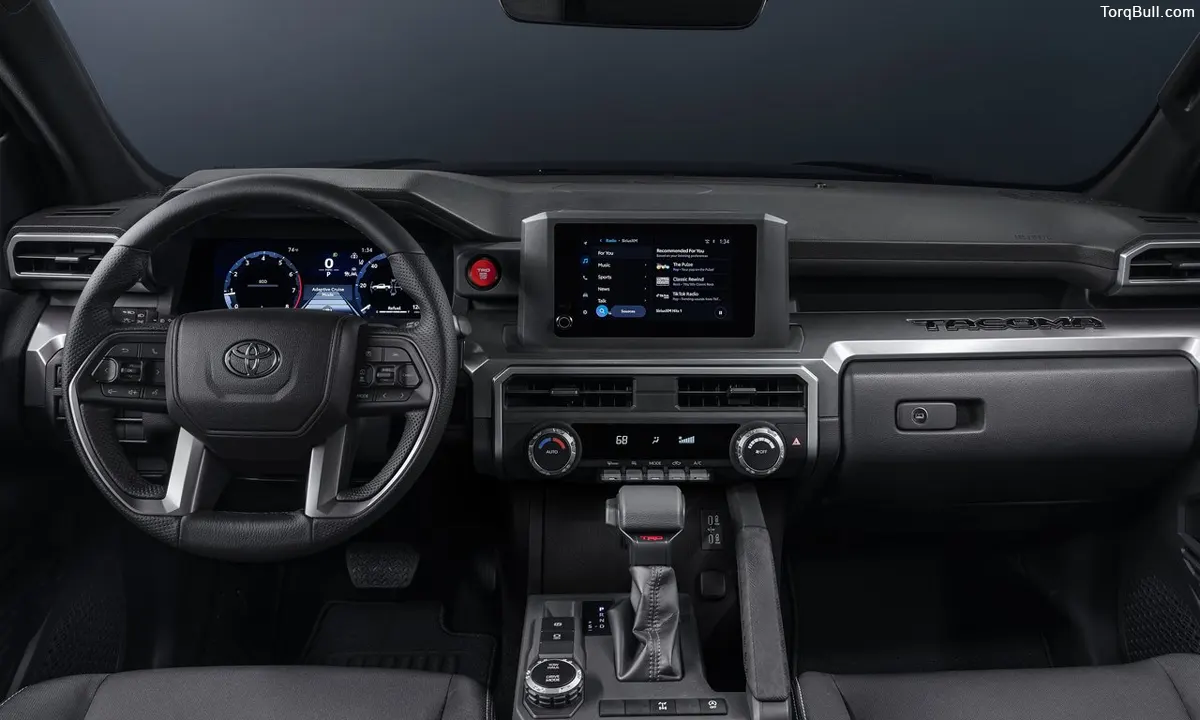
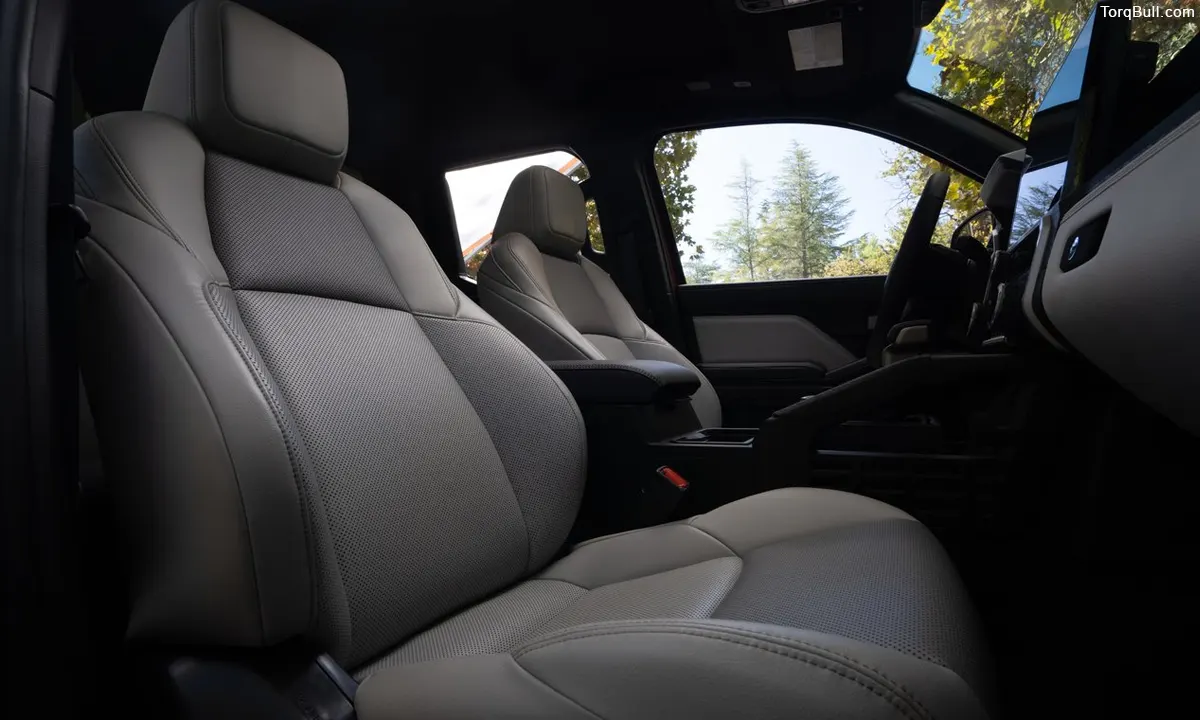
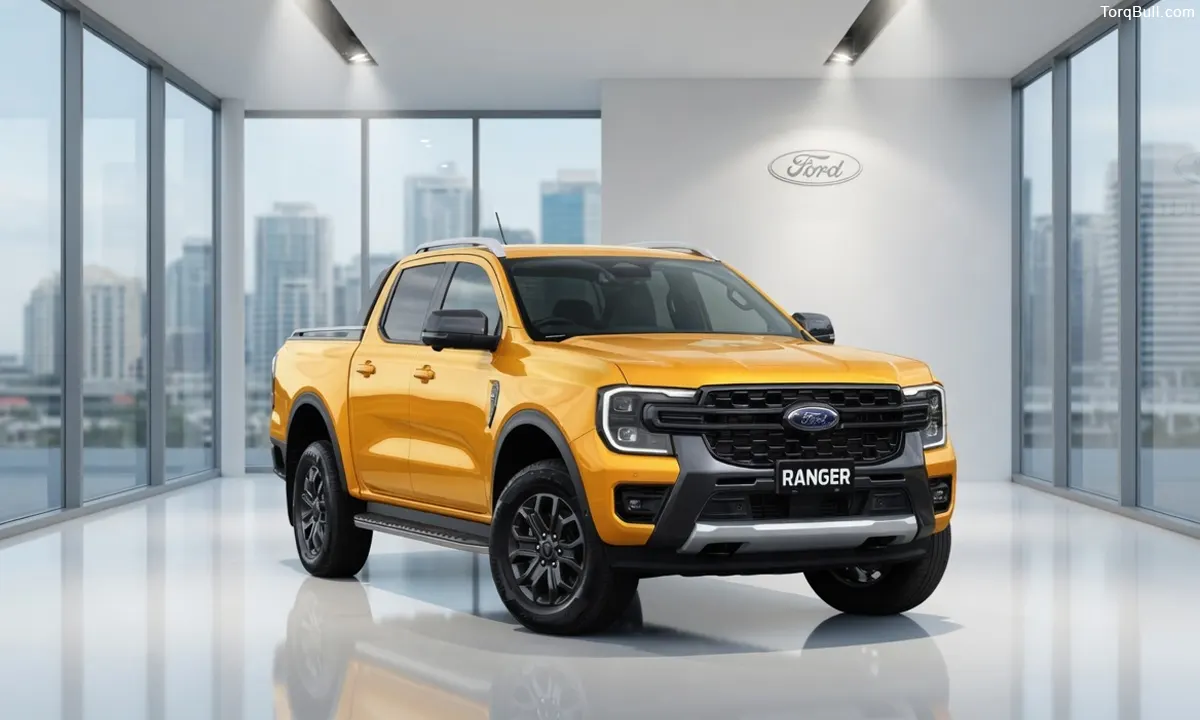
Toyota Tacoma vs Ford Ranger: The Toyota Tacoma versus Ford Ranger is the most consequential reliability comparison in the midsize truck segment — because these two trucks together account for a disproportionate share of the market’s volume, and because the reliability difference between them is genuinely more nuanced than either brand’s marketing suggests. The Tacoma’s reliability reputation is the most established in its class, backed by two consecutive JD Power Most Reliable Midsize Pickup awards and 23 consecutive years of Best Resale Value recognition from KBB. The Ranger’s reliability story is newer, less documented and in some ways more impressive for the recent generation — Edmunds drove a 2024 Ranger alongside a Tacoma and Colorado for a full year and concluded that all three trucks were extremely reliable, with the Ranger edging out the competition in their overall verdict. This guide examines the reliability evidence from every available angle and delivers the most accurate 2026 verdict available.
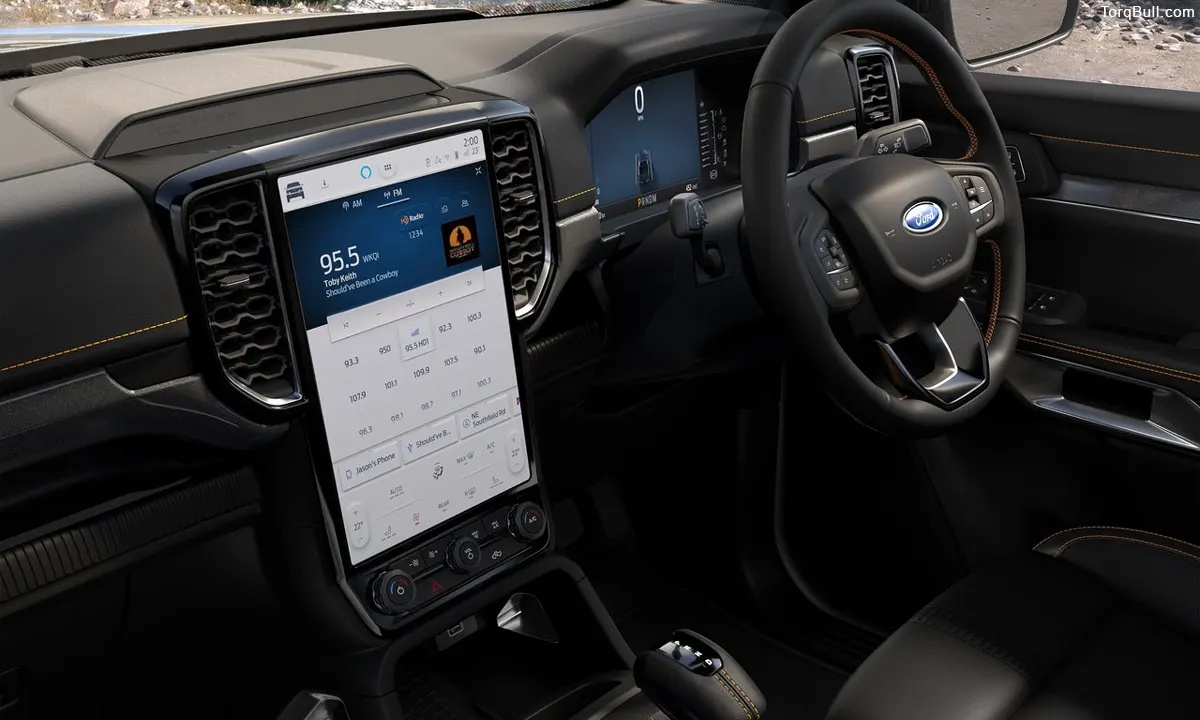
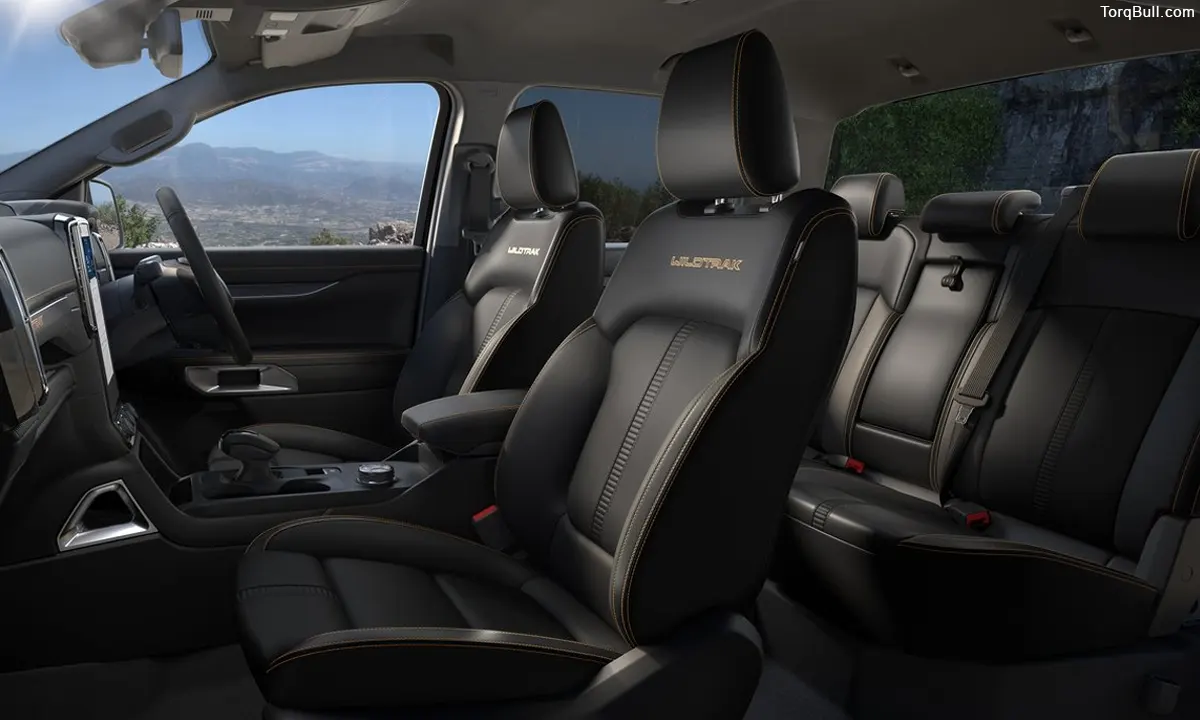
Gallery: Toyota Tacoma vs Ford Ranger
Independent Reliability Ratings: What the Data Actually Says
JD Power Vehicle Dependability Study
JD Power’s 2026 Vehicle Dependability Study — which measures owner-reported problems after three years of ownership from verified vehicle owners — provided the Tacoma with its second consecutive Most Reliable Midsize Pickup award, noting that no other model in the segment scored at or above the segment average. This is a meaningful result from the most widely cited independent vehicle quality study. Toyota ranked second overall among all automotive manufacturers in the 2026 JD Power assessment.
Ford ranked 23rd overall in JD Power’s 2024 Vehicle Dependability Study — a result that represents a significant gap from Toyota’s second-place position. This disparity in manufacturer-level reliability scores reflects systemic differences in quality consistency across both brands’ entire lineup rather than specifically Tacoma versus Ranger performance, but it provides important context for the two trucks’ reliability track records.
Consumer Reports
Consumer Reports’ reliability rankings — drawn from its annual survey of more than half a million vehicles across all model years in its subscriber network — place Toyota third overall among all manufacturers for reliability consistency, while Ford ranks thirteenth. Consumer Reports assigns predicted reliability scores based on historical data and current-generation owner surveys, and the Toyota versus Ford gap in their rankings is consistent with the JD Power directional finding.
RepairPal
RepairPal ranks the Toyota Tacoma first out of eight midsize trucks with a 4 out of 5 reliability rating based on actual cost, frequency and severity of unscheduled repairs. The Ford Ranger receives a 3.5 out of 5 rating on the same scale — still above average in RepairPal’s absolute ranking system but a half-point below the Tacoma and representing a category difference rather than marginal variation.
Read: What Makes The HEMI V8 So Special In 2026 Ram 1500 and Why Its Return Is the Truck Story of The Year
The Edmunds Year-Long Real-World Test: Where the Ranger Impressed
The most practically revealing reliability data comes not from annual surveys but from Edmunds’ comprehensive year-long road test of all three major midsize trucks — a 2024 Toyota Tacoma, Ford Ranger and Chevrolet Colorado driven simultaneously by the same team of journalists under consistent conditions to produce directly comparable real-world durability data.
The verdict on reliability was remarkably positive for all three trucks. Edmunds explicitly confirmed that all three were extremely reliable across the year-long evaluation — no major issues, no unexpected repairs and maintenance costs that were characterised as minor. The Tacoma recorded the lowest annual maintenance spend of the three at $773. The Ranger came in second at $810 — only $37 more than the Tacoma across a full year of real-world use. The Colorado was highest at $867.
The $37 annual maintenance cost difference between the Tacoma and Ranger is trivially small — it represents the cost of a single oil change in most markets and cannot be characterised as a meaningful financial reliability advantage for the Tacoma. What the Edmunds year-long test confirms is that the current fourth-generation Tacoma and current third-generation Ranger are genuinely close in day-to-day reliability experience — a finding that somewhat tempers the large manufacturer-level gap that JD Power and Consumer Reports document at the brand level.
Edmunds’ overall verdict of the year-long test gave the edge to the Ford Ranger — not specifically on reliability grounds but on the holistic ownership experience including driving dynamics, cabin quality and overall refinement. This result positions the Ranger as the preferred choice in Edmunds’ expert assessment while the Tacoma retains superior advantages on resale value and off-road specialisation.
Read: Built Beyond The Road. 5 Reasons The Ford Ranger Raptor Beats Every Other Pickup Truck
Recall History: The Most Objective Reliability Measure
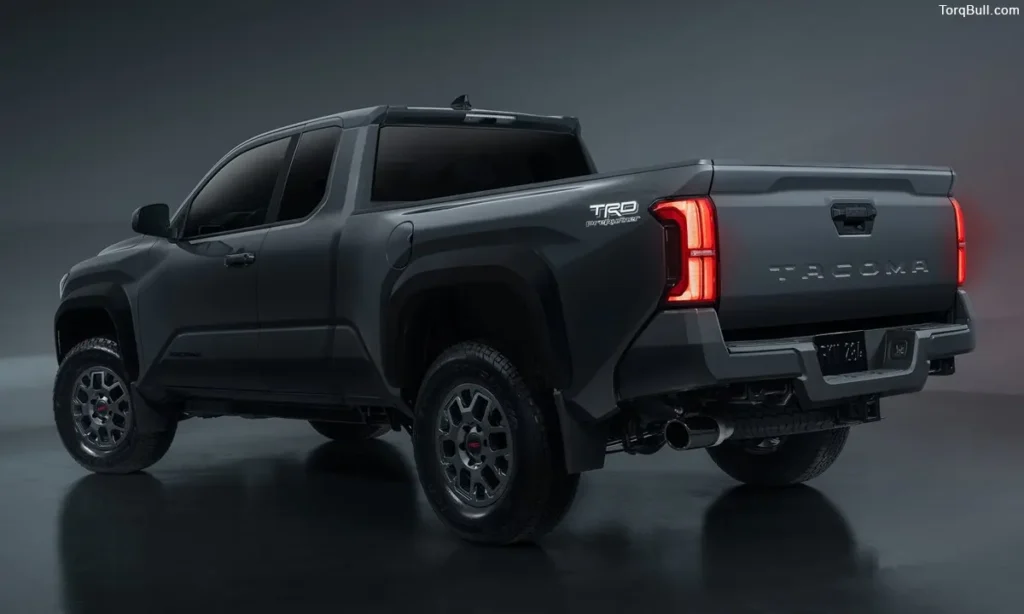
Vehicle recall history provides the most objective and verifiable measure of production quality and engineering confidence — and for the current generation of both trucks, the record is relevant.
The 2026 Toyota Tacoma currently carries no active recalls according to NHTSA’s public database. RepairPal confirms this no-recall status and notes a 3-year, 36,000-mile basic warranty with no confirmed issues at this stage of production. The current generation’s clean recall record for the 2026 model year reflects the maturation of a platform that debuted in 2024 and worked through initial production quality stabilisation across its first two model years.
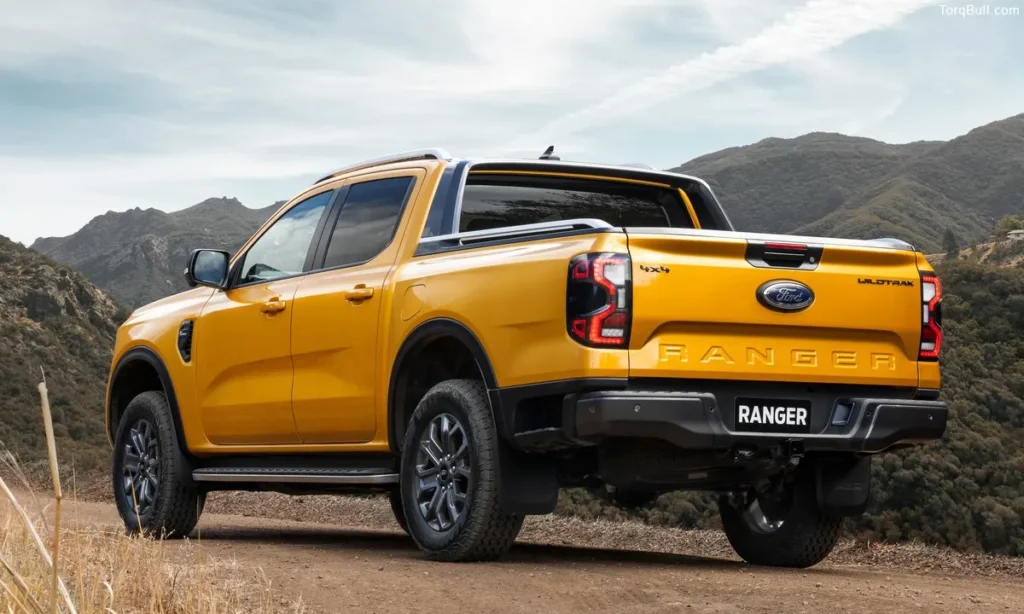
The 2023 and 2024 generation Ford Ranger has carried several NHTSA investigations and service bulletins related to transmission and powertrain calibration — primarily addressing shift quality concerns in the eight-speed automatic transmission under cold-start conditions. Some 2024 Ranger owners on owner forums reported transmission behaviour that required dealer calibration updates. These issues were addressed through software updates and calibration revisions rather than hardware replacement in most cases, reflecting software-addressable rather than fundamental mechanical concerns, but they represent a quality control pattern that the Tacoma’s generation has not exhibited at the same documented frequency.
Owner Community Feedback: What Verified Buyers Report
Beyond independent ratings and professional tests, the aggregated feedback from verified buyers on KBB and Edmunds’ owner review platforms provides the most detailed picture of what long-term reliability actually feels like in daily ownership.
Tacoma owner reviews present a divided picture that mirrors the larger reliability story. Multiple reviewers who replaced third-generation Tacomas with the fourth-generation describe the new truck as meeting or exceeding expectations on reliability and build quality. One owner reviewing a 2024 SR5 replacement for an 2018 Tacoma described the newer truck as having far exceeded expectations, with well-built construction and no issues encountered. However, a significant minority of fourth-generation Tacoma owners — primarily those who previously owned the V6-powered third generation — document specific complaints about the turbocharged four-cylinder’s cold-start rough shifting, engine noise under load and fuel economy below EPA estimates. One verified owner’s KBB review notes issues with rough first-gear engagement when cold, A/C compressor activation vibration and city fuel economy as low as 13.5 MPG — complaints that appear consistently enough across multiple independent owner accounts to constitute a documented pattern rather than isolated incidents.
Edmunds’ summary of its 2026 Tacoma owner reviews characterises overall sentiment as mixed — with owners praising the powerful engine, stylish appearance and modern features while some reporting reliability concerns including transmission behaviour and check engine lights. Edmunds notes specifically that some owners are unhappy with reliability in the current generation — a finding that represents a departure from the previous generation’s near-uniformly positive reliability owner sentiment.
Ford Ranger owner sentiment across the same platforms is notably more uniformly positive in the 2024 and 2025 model years. Owners consistently describe the engine and transmission combination as well-tuned — one owner specifically praising the absence of stumbles or weird shifts across their ownership experience. The Ranger’s turbocharged 2.3-litre EcoBoost, while a different engine family from the Tacoma’s 2.4-litre, has a longer track record in Ford applications and benefits from calibration refinement across multiple vehicle generations that appears to have produced a more consistent shift quality experience than the Tacoma’s newer turbocharged unit.
Read: Why the Ford Ranger XL Is Dominating the Work Truck Segment
Toyota Tacoma vs Ford Ranger Reliability — Complete Comparison Chart
| Reliability Metric | Toyota Tacoma | Ford Ranger | Advantage |
| JD Power VDS 2026 | Most Reliable Midsize Pickup (#1) | Below segment average | Tacoma |
| JD Power Manufacturer Rank | Toyota: 2nd overall | Ford: 23rd overall | Tacoma |
| Consumer Reports Manufacturer Rank | Toyota: 3rd | Ford: 13th | Tacoma |
| RepairPal Rating | 4/5, #1 of 8 midsize trucks | 3.5/5 | Tacoma |
| Edmunds Year-Long Annual Maintenance | $773 | $810 | Tacoma (marginal) |
| Edmunds Year-Long Overall Verdict | Strong, reliable | Won overall verdict | Ranger |
| Current Recalls (2026) | None confirmed | None (current model year) | Tie |
| Owner Review Sentiment (KBB/Edmunds) | Mixed; cold-start complaints | Positive; fewer complaints | Ranger |
| Resale Value (5-year) | Best in class; 23 consecutive KBB awards | Below Tacoma | Tacoma |
| Long-Term Track Record | Decades of documented reliability | Shorter current-gen history | Tacoma |
Resale Value as a Reliability Proxy: The Tacoma’s Decisive Long-Term Advantage
One of the most persuasive indirect measures of long-term reliability confidence is used-market resale value — because used buyers specifically avoid vehicles with documented reliability concerns and pay premiums for trucks with proven durability records. On this measure, the Tacoma’s advantage over the Ranger is substantial and has been consistently maintained across multiple market cycles.
KBB has awarded the Tacoma its Best Resale Value award in the compact and midsize truck segment for 23 consecutive years — a result that reflects consistent used market demand driven by the vehicle’s documented long-term durability record. A Tacoma purchased today will depreciate approximately $13,238 over five years according to KBB’s current projection — among the lowest five-year depreciation rates of any pickup truck in the American market.
The Ford Ranger’s resale value, while competitive within the segment relative to the Chevrolet Colorado and Nissan Frontier, does not approach the Tacoma’s used market performance. Edmunds specifically noted in its year-long three-truck comparison that the Tacoma took the biggest depreciation hit of the three in their 12-month evaluation period — an interesting counterpoint to the KBB five-year projection data, suggesting that the fourth-generation Tacoma’s transition from the beloved V6 to the turbocharged four-cylinder may have modestly affected short-term used-market enthusiasm among buyers specifically seeking the previous-generation powertrain.
The Verdict: Which Truck Is More Reliable in 2026?
The Toyota Tacoma holds the superior long-term reliability track record — backed by JD Power’s Most Reliable Midsize Pickup designation, Consumer Reports’ significantly higher manufacturer ranking, RepairPal’s number one rating in the category and decades of real-world owner experience that has produced the segment’s best resale value for 23 consecutive years. For a buyer planning to own the truck for seven to ten or more years, the Tacoma’s accumulated reliability history provides a more confident ownership projection than the Ranger’s shorter current-generation track record.
The Ford Ranger is not an unreliable truck — Edmunds’ year-long test explicitly confirms near-equal day-to-day reliability, and the Ranger’s owner community shows fewer specific complaints about the fourth-generation powertrain than the Tacoma’s community does about the turbocharged four-cylinder transition. For a buyer planning a three to five-year ownership period, the practical reliability difference between the two trucks is unlikely to produce meaningful cost or inconvenience differences in normal use.
The honest recommendation is this: buyers who prioritise the longest possible ownership period, the highest resale value return and the most comprehensively documented reliability history should choose the Tacoma. Buyers whose ownership priorities include the best overall driving experience, the strongest towing capacity at 7,500 to 7,800 pounds and a truck that professional testers currently rank first in the segment should give the Ranger serious consideration, knowing that its reliability record — while less extensively documented than the Tacoma’s — has proven genuinely strong in Edmunds’ controlled year-long evaluation.