- The 5.3-liter EcoTec3 V8 remains the most established naturally aspirated V8 option in the 2026 Chevrolet Silverado lineup and continues to be favored by buyers prioritizing long-term durability.
- The engine’s most commonly discussed long-term concern is AFM/DFM lifter failure, particularly on older high-mileage examples, though not every engine is affected.
- Strong recent quality ratings support the 5.3L’s reputation, but prospective owners should continue monitoring reports regarding lifter-related issues as long-term 2026 ownership data becomes available.
The Chevrolet Silverado’s 5.3-litre EcoTec3 V8 occupies a specific and increasingly significant position in the full-size truck market in 2026 — not as the performance engine of the lineup, but as the reliability choice that most informed buyers are selecting precisely because of what has happened to the alternatives. The 6.2-litre V8 is under active federal investigation following a 2025 recall of nearly 600,000 vehicles that failed to prevent the catastrophic engine failures owners continued to report. The 3.0-litre Duramax diesel has its own documented thrust bearing concerns. The 2.7-litre TurboMax brings a different set of early-generation reliability questions. Against this backdrop, the 5.3-litre V8 has emerged as the engine that long-term truck buyers most consistently choose when they specifically want the most proven, most documented and most mechanically forgiving powertrain in the Silverado lineup. This complete assessment examines the 5.3L’s specific strengths, its documented long-term concerns and the maintenance discipline that determines which side of the reliability spectrum any individual truck ends up on.
The 5.3L’s Reliability Position in 2026: The “Least-Worst” Analysis

The framing that best captures the 5.3L’s current market position comes from long-term Silverado owners who describe it as the only decent option remaining when evaluating the full range of Silverado engine choices available in 2026 and 2025 production. This is simultaneously a compliment and a cautionary statement — the 5.3L’s reliability advantage is partly intrinsic and partly relative to the specific problems that have afflicted the alternatives.
The 5.3-litre V8’s intrinsic reliability case rests on a multi-decade production history that predates every competing GM half-ton powertrain currently in production. The engine architecture has been refined across generations of Silverado production, its failure modes are well-documented across a massive owner population, and independent repair networks have the parts availability and technical knowledge to service the 5.3L that newer, less-established powertrains cannot yet claim. This documentation depth — accumulated across millions of 5.3L trucks in real-world ownership — provides the reliability confidence that buyers who specifically research their powertrain choice increasingly value over the newer alternatives whose long-term track records remain shorter.
The 2025 Silverado 1500 ranked highest in initial quality among large light-duty pickups in the JD Power assessment, and the engine complaints within the 2025’s 76 owner complaints most commonly concentrated in the engine category with 17 documented concerns. The 2026 Silverado carries zero recalls and zero owner complaints in early production data, earning an 85 out of 100 Excellent reliability rating that is the strongest early-production signal the current generation has produced.
Read: Chevrolet Silverado Long Term Ownership Review. Real Pros and Cons of Everyday Ownership
The AFM and DFM Lifter Issue: The 5.3L’s Primary Long-Term Concern
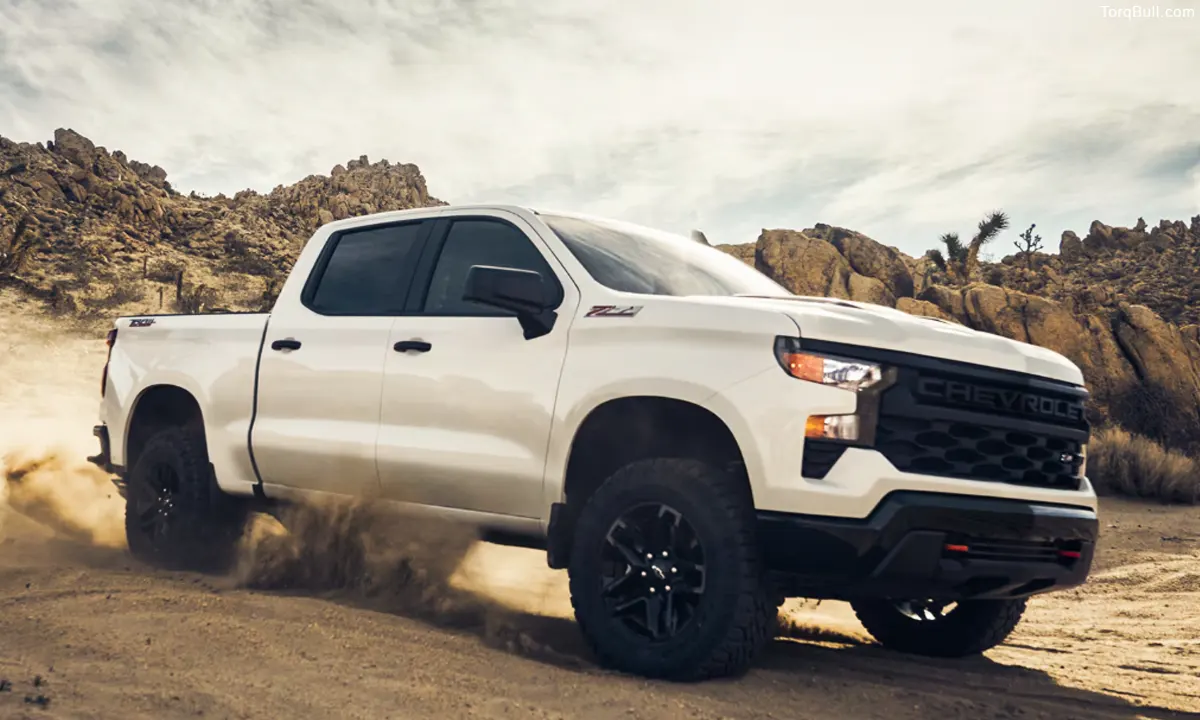
The 5.3L EcoTec3 V8’s most consistently documented long-term reliability concern is lifter failure connected to the Active Fuel Management (AFM) system and its successor, Dynamic Fuel Management (DFM) — the cylinder deactivation technologies that GM has used across multiple Silverado generations to improve fuel economy by deactivating cylinders under light-load conditions.
The special lifters used in AFM and DFM operation are prone to collapsing or sticking over time, which can lead to misfires, ticking noises, oil consumption and in worst cases camshaft damage. The owner-reported AFM and DFM lifter failures on 2014 to 2018 Silverado trucks are most commonly reported around 119,500 miles — a specific mileage threshold that provides a planning reference for owners of these production years who are approaching or surpassing this range.
The 2025 Silverado 1500 has experienced lifter-related problems in 5.3L engines linked to the DFM system, with issues leading to engine ticking noises and in some cases engine failure. As of the most current available data, there is no official confirmation from GM that the lifter noise issues reported in 2025 models have been resolved for the 2026 Silverado. This uncertainty is the honest assessment that 5.3L buyers need before committing to the 2025 or 2026 models based on the positive initial quality rankings alone.
The lifter failure concern specifically affects the AFM and DFM variants — the most common 5.3L configurations in the Silverado lineup. Owners who specifically disable AFM and DFM through aftermarket range devices or who select the limited configurations that do not use cylinder deactivation report substantially fewer lifter-related failures at high mileage. This represents the most immediately actionable reliability management decision available to current 5.3L owners.
Oil Consumption History: The Earlier Generation Issue
The 5.3L V8 in the 2011 to 2014 Silverado production years carried a documented oil consumption problem connected to defective piston rings in the LC9 engine variant. A class action lawsuit covering this specific issue was settled in 2025, with eligible class members covering Chevrolet Silverado trucks from 2011 to 2014 receiving compensation. This settlement confirms the systematic nature of the earlier-generation issue and its resolution through the legal process rather than through any recall or service campaign that automatically addressed affected vehicles.
For buyers evaluating used 2011 to 2014 Silverado trucks with the 5.3L engine, understanding this oil consumption history and verifying the engine’s oil consumption rate through a pre-purchase inspection and oil level monitoring across known intervals is the appropriate due diligence. Later production years with updated piston ring specifications addressed this specific concern.
Read: Best Chevrolet Silverado Trim for Value 2026. Finding the Sweet Spot Between Price and Features
Years to Approach With Caution
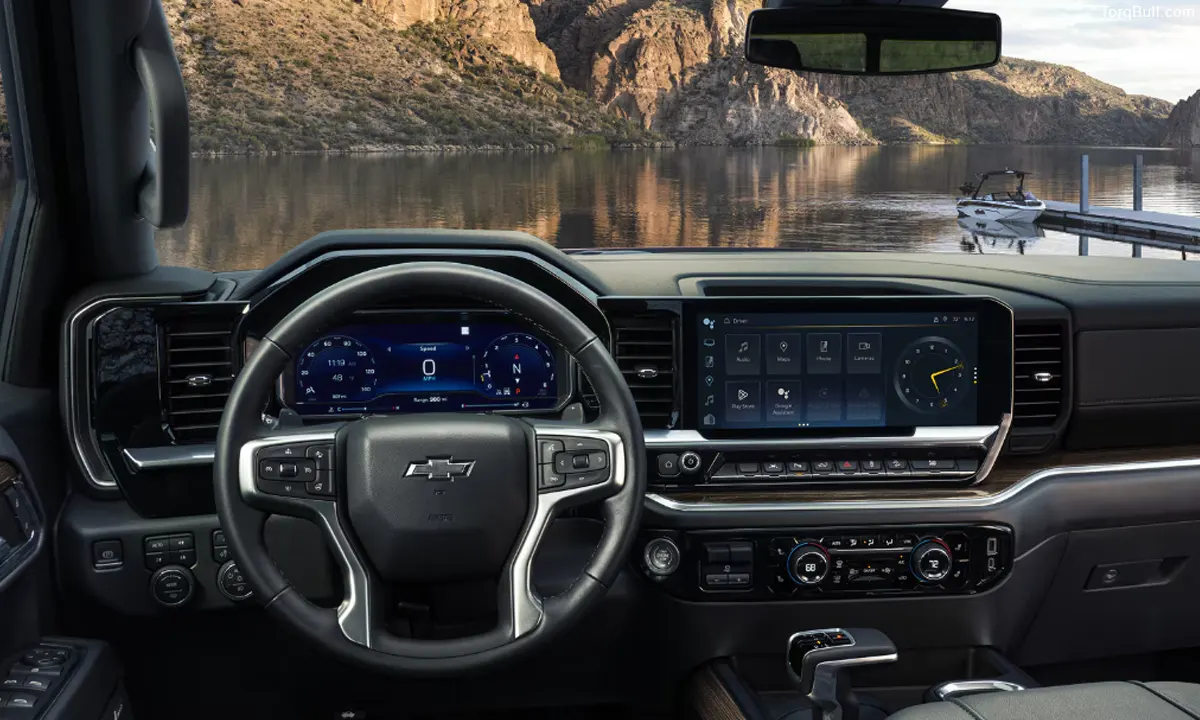
The AFM lifter failure data specifically clusters around the 2014 to 2018 production window for the most commonly reported high-mileage lifter failures. Within this range, trucks that have accumulated 80,000 to 150,000 miles are in the highest-risk window based on documented owner reporting patterns — the mileage range where AFM lifter wear reaches the failure threshold most frequently in real-world ownership.
The 2019 to 2023 production years introduced the DFM system that replaced AFM, and while the DFM system carries its own documented concerns, the failure documentation for this range is less extensive than the AFM era simply because these trucks have been in service for fewer years and have generally accumulated less mileage in the owner population.
Chevrolet Silverado 5.3 V8 Reliability — Complete Assessment Chart
| Factor | 2011 to 2014 Models | 2014 to 2018 AFM Models | 2019 to 2023 DFM Models | 2024 to 2026 Models | Notes |
| Primary documented concern | Oil consumption (piston rings) | AFM lifter failure | DFM lifter failure | DFM lifters, ticking | Most commonly reported at 119,500 miles |
| Class action or recall status | Class action settled 2025 | No systematic recall | No systematic recall | NHTSA inquiry ongoing | Individual legal remedies for earlier years |
| Mileage concern threshold | Develops progressively | Most common around 119,500 miles | Building data | Still accumulating | AFM era most extensively documented |
| AFM or DFM disable available | Aftermarket range device | Aftermarket range device | Aftermarket range device | Aftermarket range device | May void warranty on newer trucks |
| 2025 initial quality ranking | N/A current gen | N/A current gen | Strong | Highest large pickup | JD Power initial quality ranking |
| 2026 early reliability signal | N/A | N/A | N/A | 85 out of 100, 0 recalls | Best current-gen early production data |
| Versus 6.2L for reliability | More documented concerns 6.2L | More documented concerns 6.2L | 6.2L faces 600K recall | 5.3L clearly preferred | Federal investigation of 6.2L ongoing |
| Versus 2.7L TurboMax | N/A different gen | N/A different gen | N/A different gen | 5.3L more proven long-term | TurboMax still building track record |
| Oil change discipline impact | High impact | High impact | High impact | High impact | Critical for AFM and DFM longevity |
Read: Chevrolet Silverado Family Truck Review. Can a Full-Size Pickup Replace an SUV?
The Maintenance That Determines Long-Term 5.3L Outcomes
The maintenance decisions that most directly determine where any 5.3L Silverado ends up on the reliability spectrum are consistent across every generation’s owner documentation — and they are well-established from decades of community knowledge that owners who research before ownership can apply from the first day of possession.
Oil change adherence using the manufacturer’s specified full-synthetic oil at or before the recommended interval is the foundational 5.3L maintenance decision. The AFM and DFM lifters specifically require the correct oil specification and fresh oil quality to receive adequate lubrication during their specialised collapse and return cycling. Degraded oil that has exceeded its service life provides inadequate protection to these high-wear components, and the failures that occur at 100,000-plus miles are disproportionately concentrated in the owner population that extended oil changes beyond the manufacturer’s recommendation across the accumulation of mileage leading to the failure threshold.
The AFM and DFM disable decision — using an aftermarket device to prevent cylinder deactivation from engaging during operation — is the most discussed long-term 5.3L management strategy in the Silverado owner community. Disabling these systems eliminates the specific failure mode associated with the specialised lifters at the cost of the fuel economy improvement that AFM and DFM provide. On trucks still within warranty coverage, this approach may compromise warranty coverage on the affected components. On trucks outside warranty coverage, this is the most direct available prevention for the failure mode most commonly associated with high-mileage 5.3L reliability concerns.