- A 900-mile evaluation of the 2026 Ford Explorer demonstrated excellent long-distance comfort, with minimal driver fatigue and strong seat support.
- Ford’s BlueCruise 1.5 significantly reduces workload on extended highway journeys, making road trips more relaxing.
- The Explorer Active delivered impressive highway efficiency, averaging about 28 MPG during high-speed interstate driving.
The 2026 Ford Explorer makes the list of the best eight SUVs for comfort, safety and long road trips — a recognition that aligns with the specific professional road trip testing that produced the most compelling comfort assessment available for the current generation: a 900-mile Death Valley to Colorado journey in the Explorer Tremor that ended without back ache and without significant fatigue, specifically credited to BlueCruise 1.5’s ability to take the sustained stress out of long-distance highway driving. The Explorer’s road trip case rests on the specific combination of a quiet and comfortable cabin confirmed across multiple long-distance evaluations, BlueCruise hands-free highway technology that reduces driver fatigue on extended stretches, available multicontour massaging front seats, eight USB ports serving all three rows and up to 5,000 pounds of towing capacity for families who pull recreational equipment to their destinations. This complete road trip review covers every dimension of the Explorer’s long-distance family hauling performance.
The BlueCruise Difference: What Hands-Free Highway Driving Actually Provides
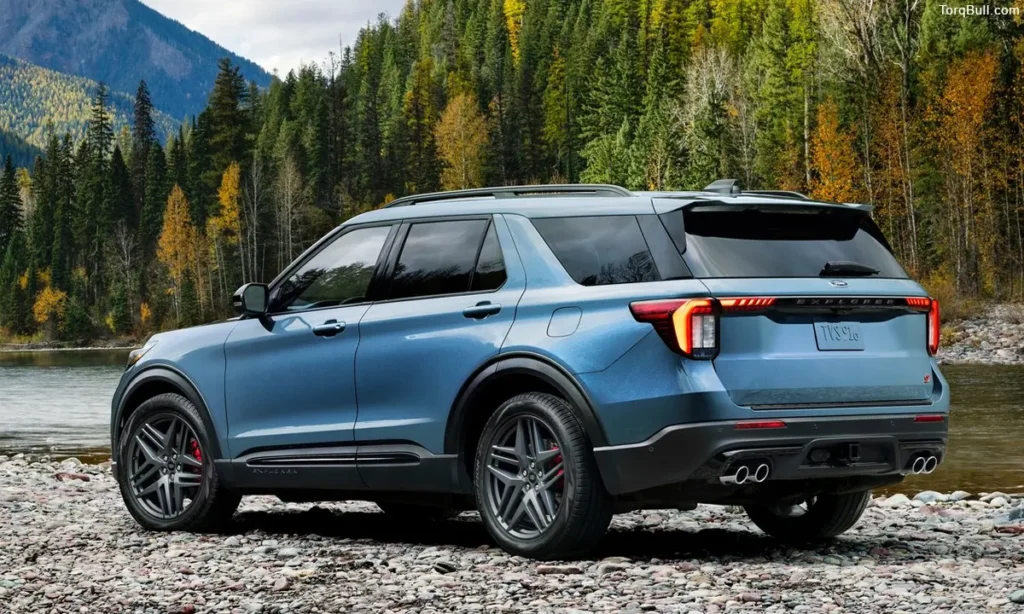
BlueCruise hands-free driving is the technology that most directly defines the 2026 Explorer’s road trip comfort advantage over competing three-row SUVs — and its specific benefit is not convenience alone but the measurable fatigue reduction that eliminating sustained hand-on-wheel tension produces across the highway hours that long family road trips consist of.
BlueCruise 1.5 operates on over 130,000 miles of pre-mapped divided highway across North America — the roadway coverage that includes not just major interstate corridors but many state highways and US routes that cross-country travel regularly uses. When the vehicle is on a qualifying road section, the system maintains lane position and following distance automatically without requiring the driver to keep hands on the steering wheel, while the driver monitoring camera confirms the driver’s eyes remain on the road.
Professional road trip evaluation credits BlueCruise specifically as taking a lot of the fatigue out of long-distance stretches where you’d otherwise have to hang onto the wheel for hours on end — the direct experiential characterisation that translates the technology’s function into its ownership consequence. The hours that would otherwise require sustained physical engagement with the steering wheel become hours where the driver can rest arms, shift posture and manage the fatigue accumulation that turns a six-hour drive into an exhausting endurance event for the driver while passengers rest comfortably.
The subscription model that BlueCruise requires after the included trial period is the feature’s one documented friction point — one evaluator specifically noted that being irked by subscriptions prevented full evaluation of the system during a one-week test. For families who specifically purchase the Explorer for its road trip capability, the BlueCruise subscription cost should be evaluated as an ongoing ownership expense alongside the vehicle’s other operating costs.
Read: Ford Explorer ST Review 2026. Here’s What Makes It So Exciting to Drive
Cabin Comfort: Quiet, Spacious and Consistently Praised
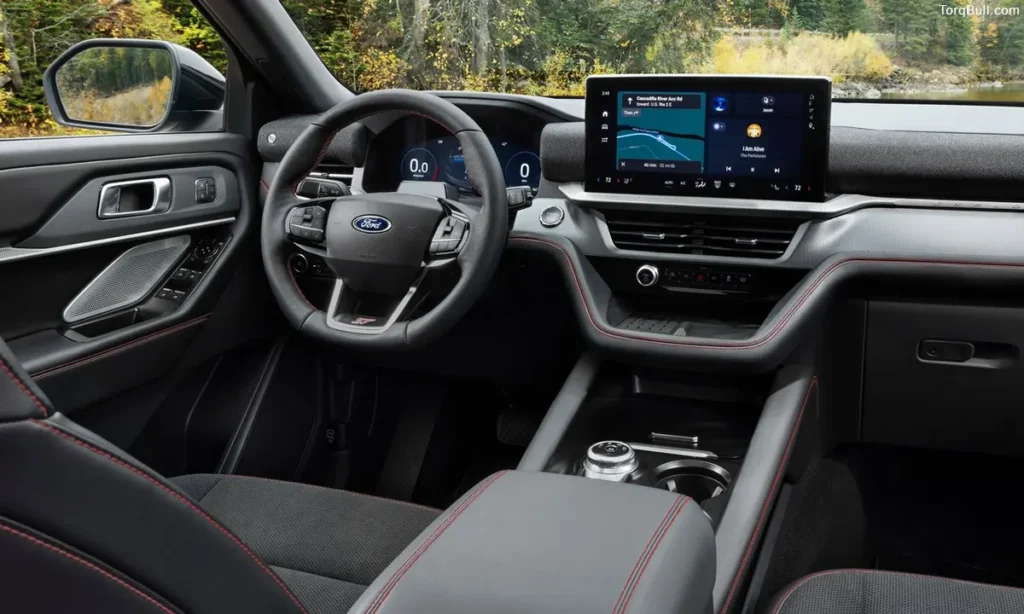
The 2026 Explorer’s most consistent road trip praise across every professional evaluation is the cabin’s quiet character — the absence of wind noise and low road noise that characterises the evaluation of the Explorer Active during a Grand Canyon road trip as evidence of VERY solid construction with excellent fits and finishes, in one evaluator’s specific emphasis.
Active noise cancellation and acoustic glass work together to create a noticeably quieter cabin even at highway speeds — the technologies whose effect specifically changes the tone of the drive by making conversations easier and music clearer without requiring the volume increases that a noisier cabin demands. Long-distance family road trips at 70 to 80 MPH produce sustained exposure to aerodynamic and tyre noise that the Explorer’s acoustic treatment specifically addresses.
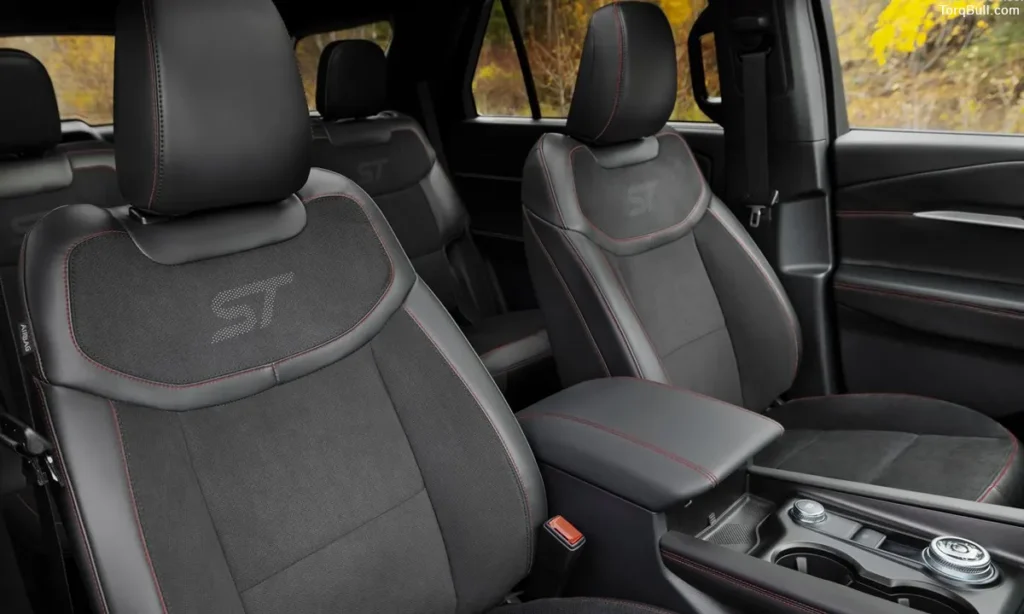
The front seat comfort confirmation across multiple road trip evaluations is equally consistent. One evaluator at 6 feet 2 inches specifically found more than enough head and legroom up front with a range of seat and steering wheel adjustments that made an ideal driving position easy to find. The available multicontour massaging front seats gently adjust as you drive — the subtle benefit that becomes hard to give up once experienced, specifically because their continuous micro-adjustments prevent the sustained pressure on any single body contact point that produces the back and hip discomfort that long drives without seat adjustment accumulate into genuine fatigue.
Heated and ventilated front seats alongside available heated second-row seating ensure that comfort is not limited to the driver — a specific road trip consideration for families where rear-seat passenger comfort across multiple hours is as important as driver comfort for the vehicle’s overall road trip experience quality.
Fuel Economy on the Road: The Real-World Numbers
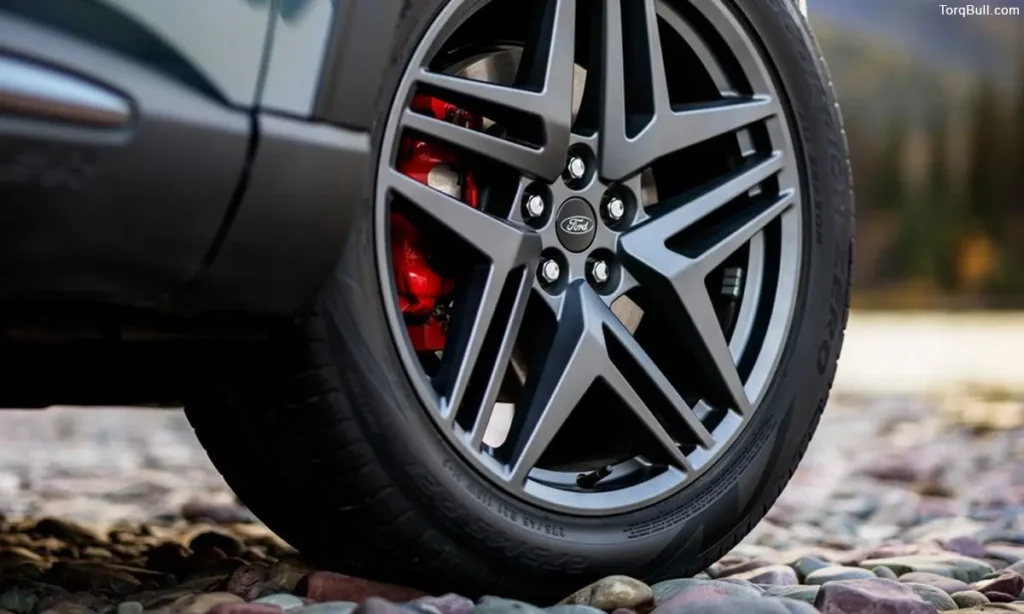
The Explorer’s fuel economy on road trips produces results that vary significantly by engine and speed — and the specific real-world data from professional road trip evaluations provides the most practically useful planning figures for families budgeting their long-distance fuel costs.
The 2026 Explorer Active with the 2.3-litre EcoBoost four-cylinder averaged 28 MPG in highway driving at speeds approaching 80 MPH — the result that one evaluator described as pleasantly surprising given the city and canyon driving average of 20 to 24 MPG across the same evaluation period. This 28 MPG highway result at near-80 MPH is the most directly relevant fuel economy figure for families whose road trips consist primarily of sustained interstate travel at or near the speed limit.
The Explorer ST with the 3.0-litre twin-turbocharged V6 averaged 20.7 MPG over the course of a week of mixed driving — the V6’s expected fuel cost premium for its 400-horsepower performance output. For road trip fuel budgeting, the four-cylinder Explorer’s 28 MPG highway compares favourably against the Honda Pilot’s 27 MPG highway, the Jeep Grand Cherokee L’s 26 MPG highway and the Chevrolet Traverse’s 26 MPG highway — confirming the Explorer four-cylinder as a highway fuel economy leader in the three-row midsize SUV segment.
At 15,000 annual highway-dominant miles and $3.08 per gallon, the four-cylinder Explorer at 28 MPG highway produces approximately $1,650 per year in highway fuel costs — approximately $145 per month that families planning frequent long-distance travel should incorporate into the Explorer’s total ownership budget.
Read: Ford Explorer Insurance Cost 2026. The Hidden Expense Every Buyer Should Consider
Three-Row Space: The Honest Road Trip Assessment
The Explorer seats up to seven passengers in captain’s chair configuration or seven to eight in bench second-row configuration — providing the seating capacity that family road trips with multiple children require. Second-row passenger experience is consistently praised for the legroom and headroom that adult passengers find comfortable across extended highway travel.
The third row receives the most nuanced road trip assessment — consistently capable for children and adequate for brief adult stints, but not the first recommendation for families who regularly transport adult passengers in the third row across extended distances. One evaluator who found the Explorer a blast to drive on winding roads and capable for hauling lumber and gravel specifically suggested that families planning regular third-row adult use consider roomier alternatives first — the Grand Highlander and Volkswagen Atlas being specifically named.
For families whose third row primarily serves children — the most common three-row family road trip configuration — the Explorer’s third row provides functional accommodation that children find comfortable across typical family trip durations. Eight USB ports distributed across all three rows ensure that every passenger’s devices remain charged throughout the journey — the specific infrastructure detail that connected families with multiple device users specifically require.
2026 Ford Explorer Road Trip Assessment — Complete Summary Chart
| Road Trip Category | Rating | Evidence |
| Driver fatigue management | Excellent | 900-mile Tremor trip produced zero back ache and no fatigue |
| BlueCruise hands-free highway | Excellent | Takes a lot of fatigue out of long stretches; 130,000 miles of eligible roads |
| Cabin noise at highway speeds | Excellent | Active noise cancellation and acoustic glass; very solid construction confirmed |
| Front seat comfort extended | Very Good | Multicontour massage available; 6 ft 2 in evaluator comfortable with adjustment range |
| Second row adult comfort | Very Good | Generous legroom and headroom; heated second-row seating available |
| Third row road trip | Adequate | Best for children; adult use better served by alternatives for extended trips |
| Highway fuel economy (4-cylinder) | Very Good | 28 MPG at speeds near 80 MPH; leads segment |
| Highway fuel economy (V6 ST) | Moderate | 20.7 MPG mixed; performance engine expected fuel cost |
| Cargo space | Good | Sufficient for family luggage; expands substantially with third row folded |
| Towing for road trips | Very Good | Up to 5,000 lbs with trailer sway control standard |
| Device charging infrastructure | Excellent | Eight USB ports across all three rows |
| Navigation | Good | 13.2-inch touchscreen; wireless Apple CarPlay |
| Audio quality (Bang and Olufsen) | Excellent | 12-speaker premium system available on ST and Platinum |
Read: Ford Explorer Hybrid Real World MPG. The Complete 2026 Fuel Economy Guide
The Tremor: The Explorer for Road Trips That Include the Unpaved Part
The 2026 Explorer Tremor adds the dimension that specifically serves road trip families whose destinations include unpaved access routes alongside the interstate miles that most of the journey covers.
The Tremor’s lifted suspension providing additional ground clearance, all-terrain tyres, Torsen limited-slip rear differential and underside protection skid plates collectively expand the range of terrain the Explorer can access at the destination — without requiring the driver to compromise the highway comfort that the non-Tremor Explorer provides across the paved majority of any family road trip.
Professional evaluation of the 900-mile Death Valley to Colorado Tremor journey specifically identifies it as the most compelling Explorer since the old truck-based models — the most refined Explorer to date — confirming that the Tremor’s adventure hardware does not meaningfully compromise the highway comfort that the standard Explorer provides.