Too Big for Compact, Too Small for Luxury? Where the Mercedes-Benz GLB Fits in 2027
- Seven-seat layout in a compact SUV footprint
- Advanced MBUX infotainment system
- Wide powertrain range from efficient petrol to AMG variants
- Practical upgrade over GLA without stepping up to GLC
- One of the most versatile premium compact SUVs in its class
There is a segment of the premium compact SUV market that exists in the gap between two well-defined categories — the gap between the genuinely compact premium SUV whose five-seat limitation and modest dimensions serve the urban buyer whose parking constraints are real, and the mid-size premium SUV whose seven-seat capability, larger dimensions and higher price point serve the established family buyer whose space requirements justify the additional investment. This gap has historically been underserved — populated by vehicles that attempted to serve both markets and satisfied neither with the completeness that either required.
Gallery: 2027 Mercedes-Benz GLB
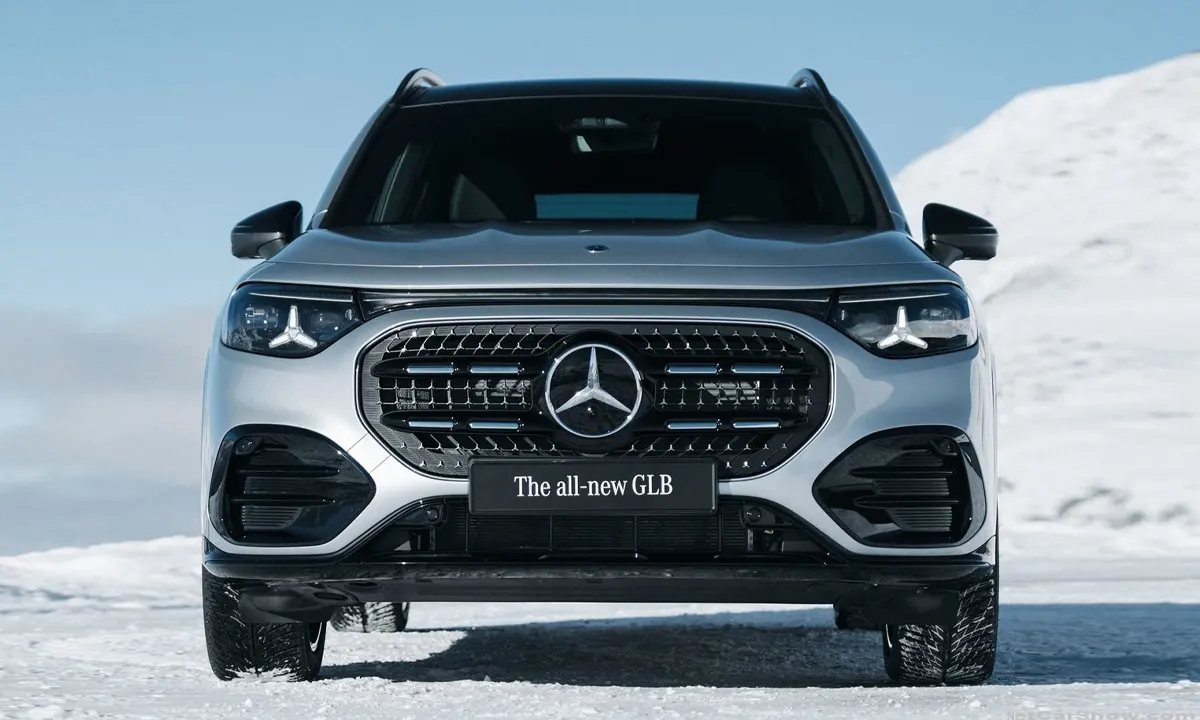
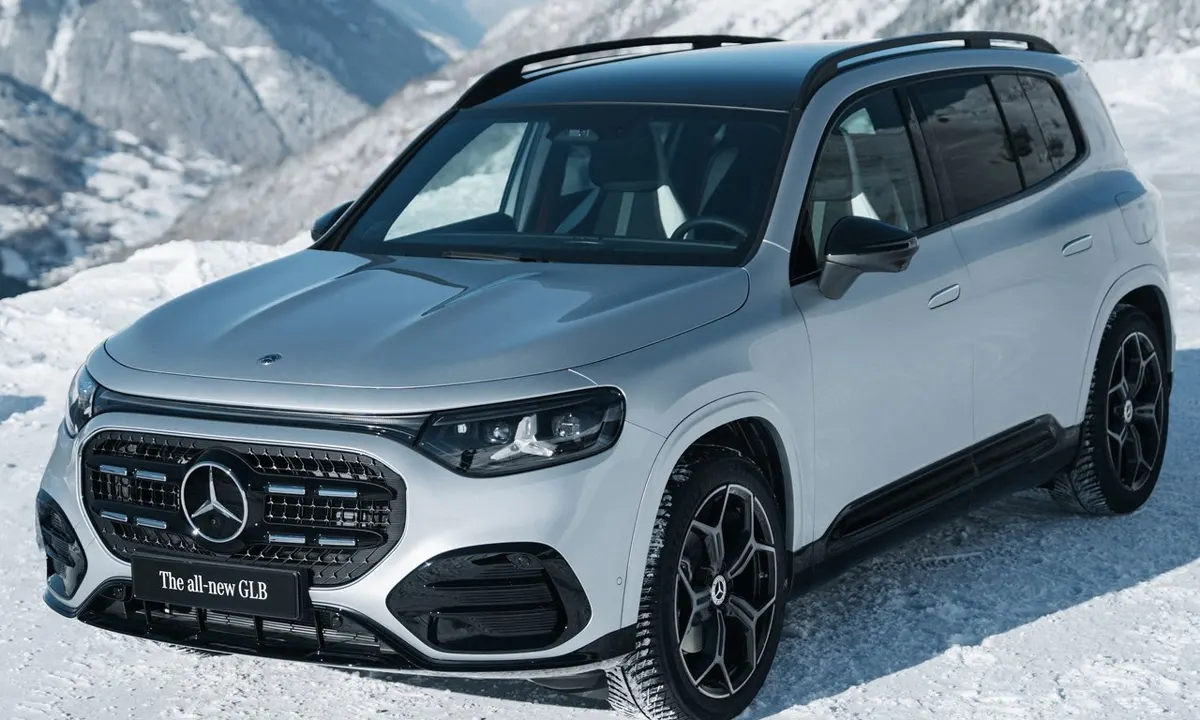
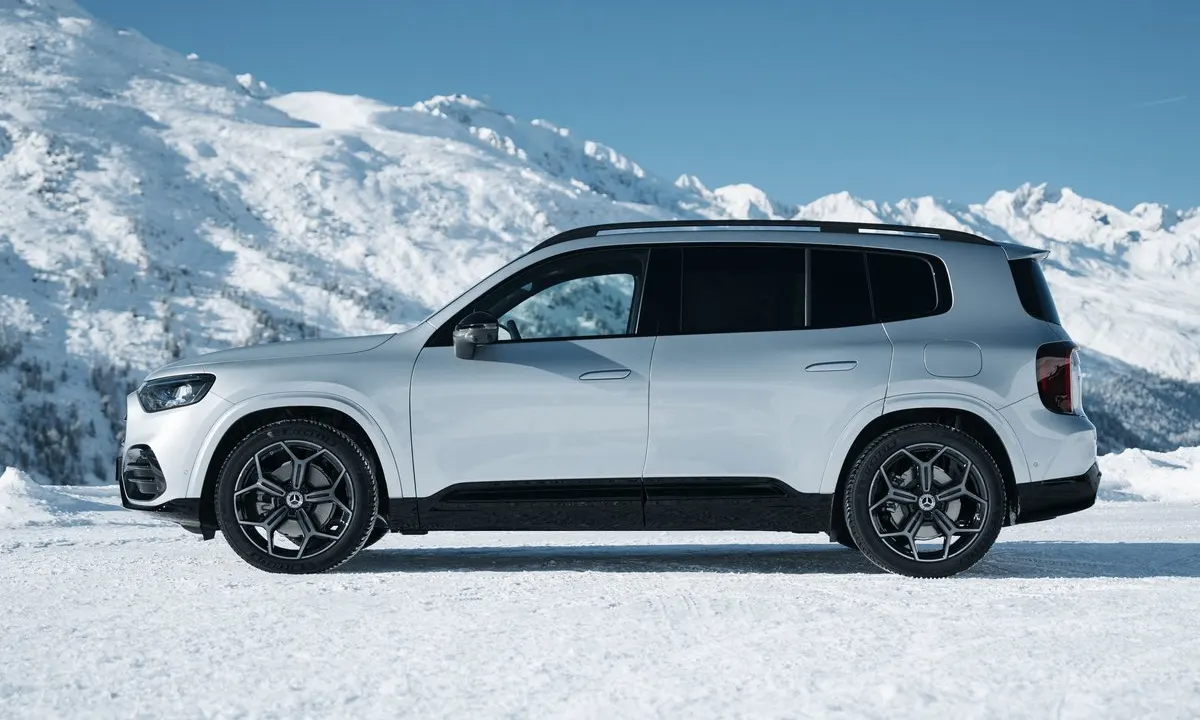
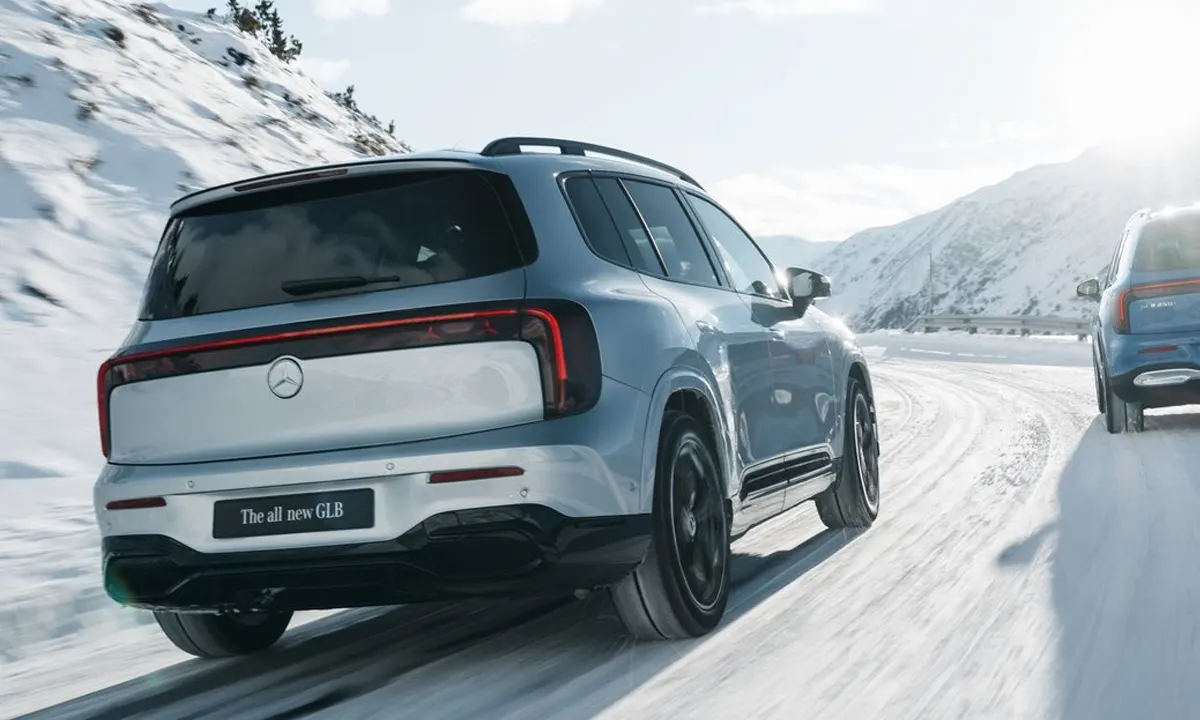
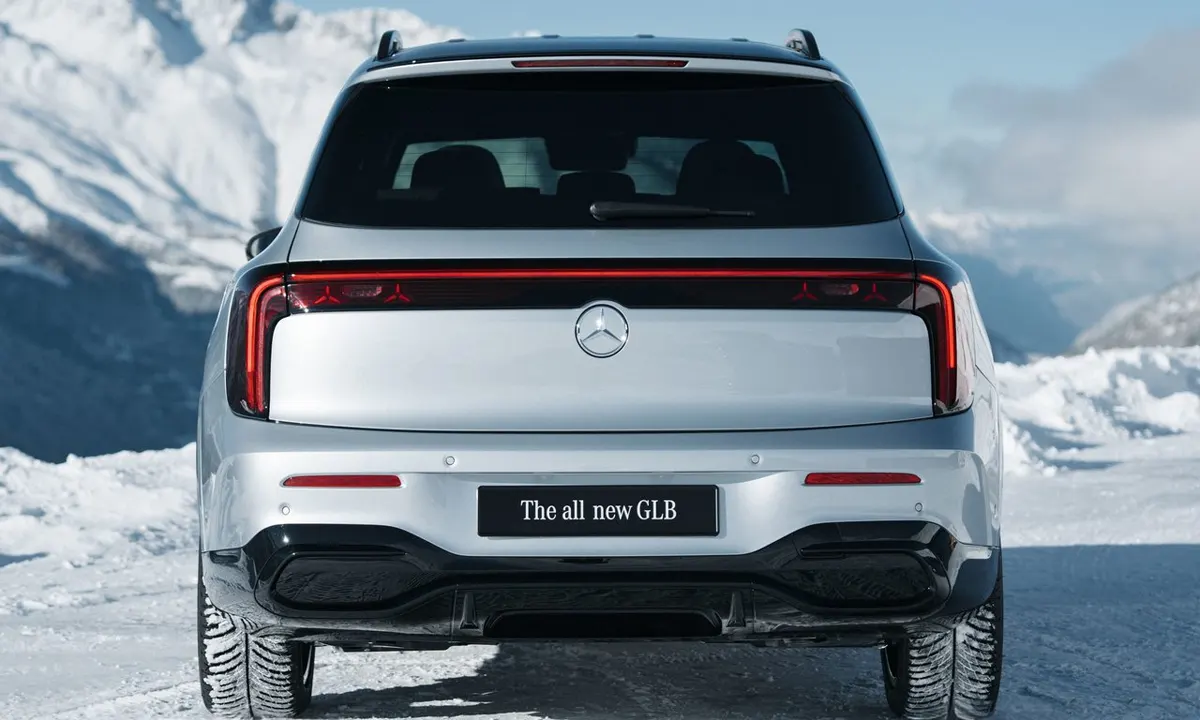
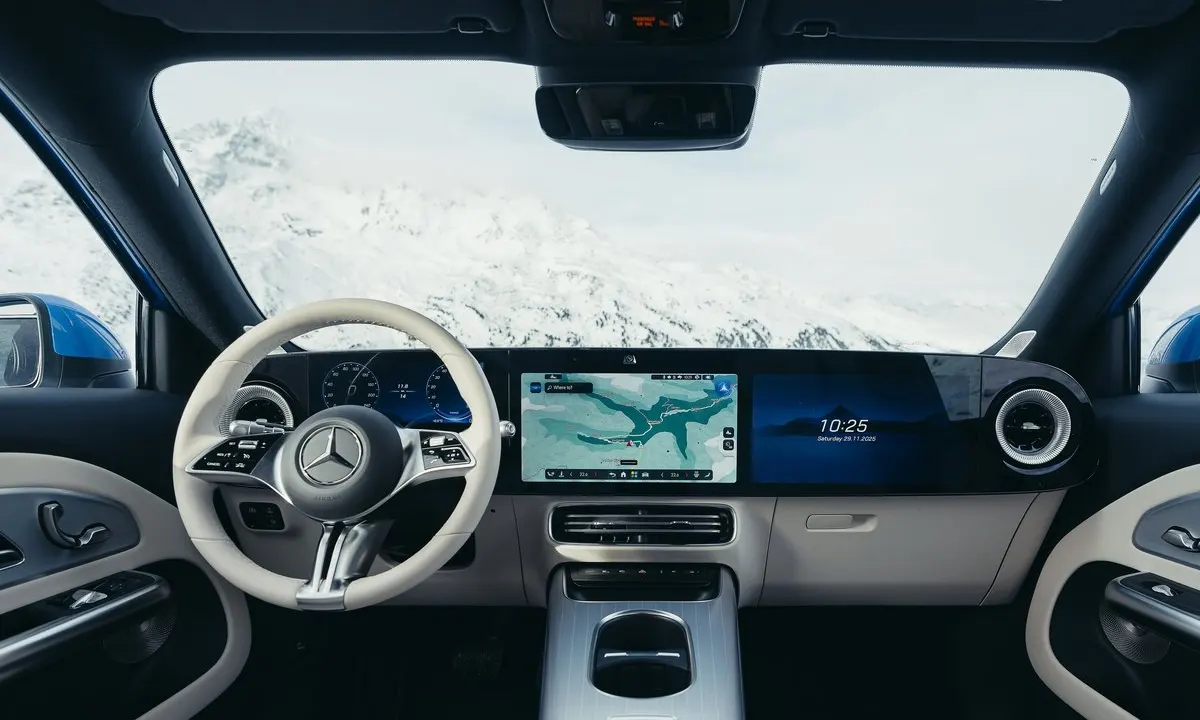
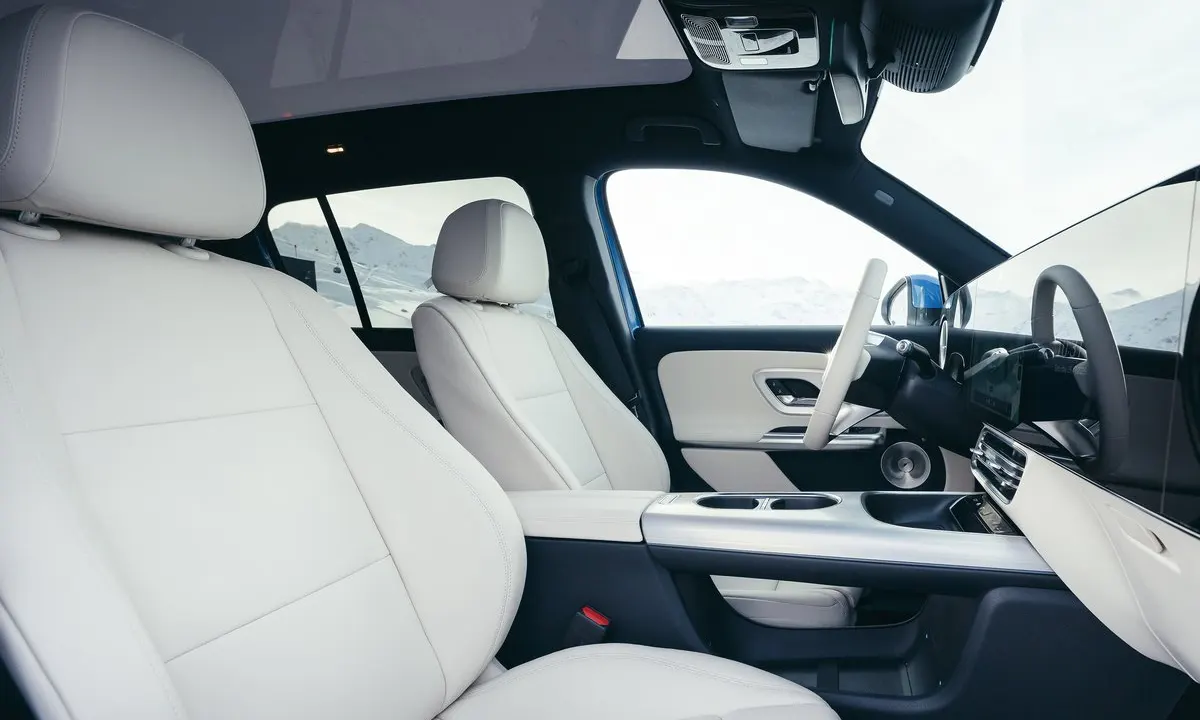
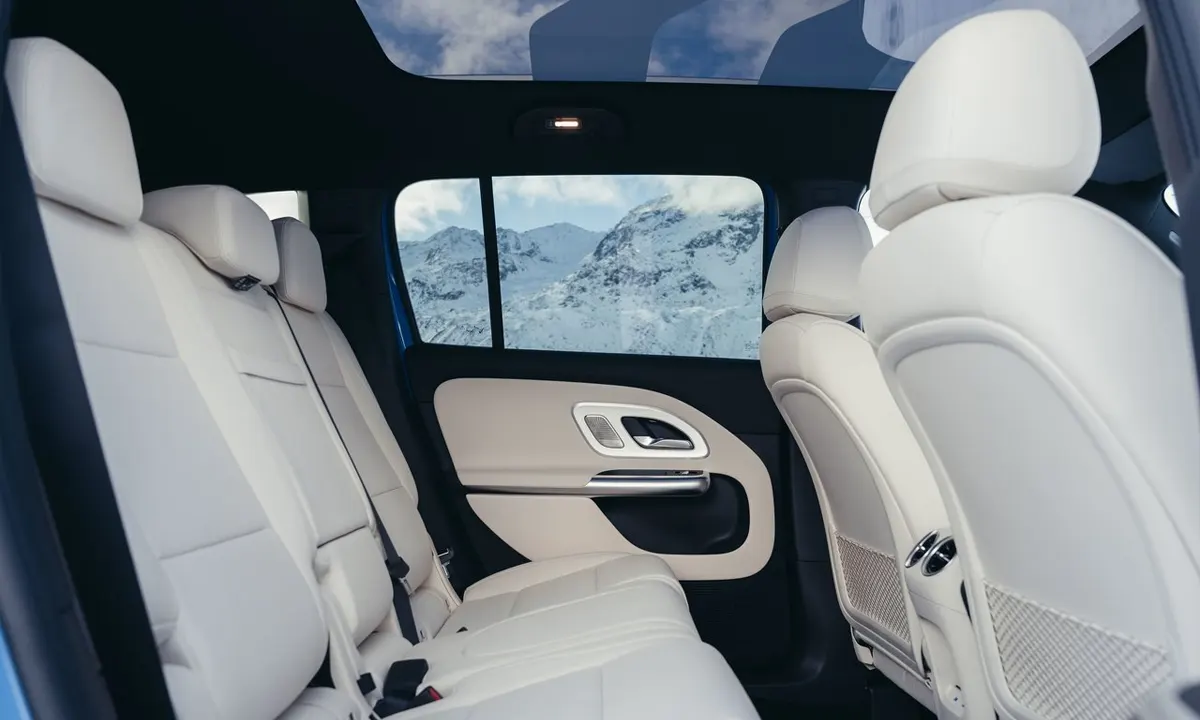
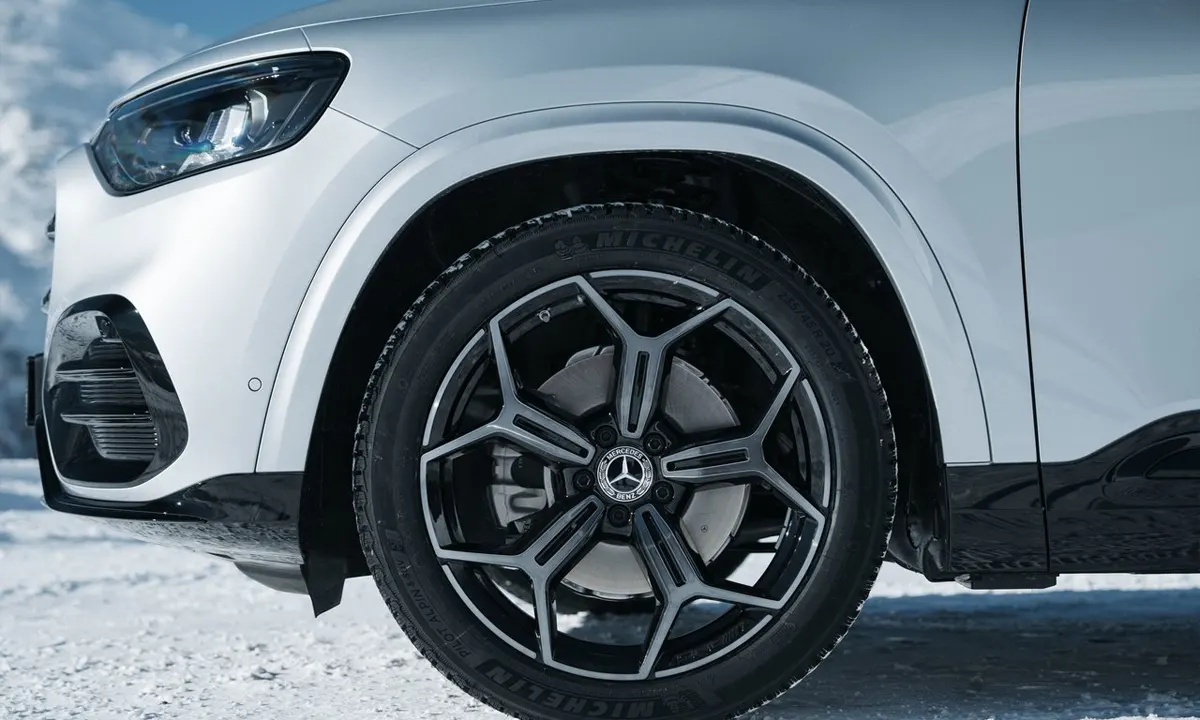
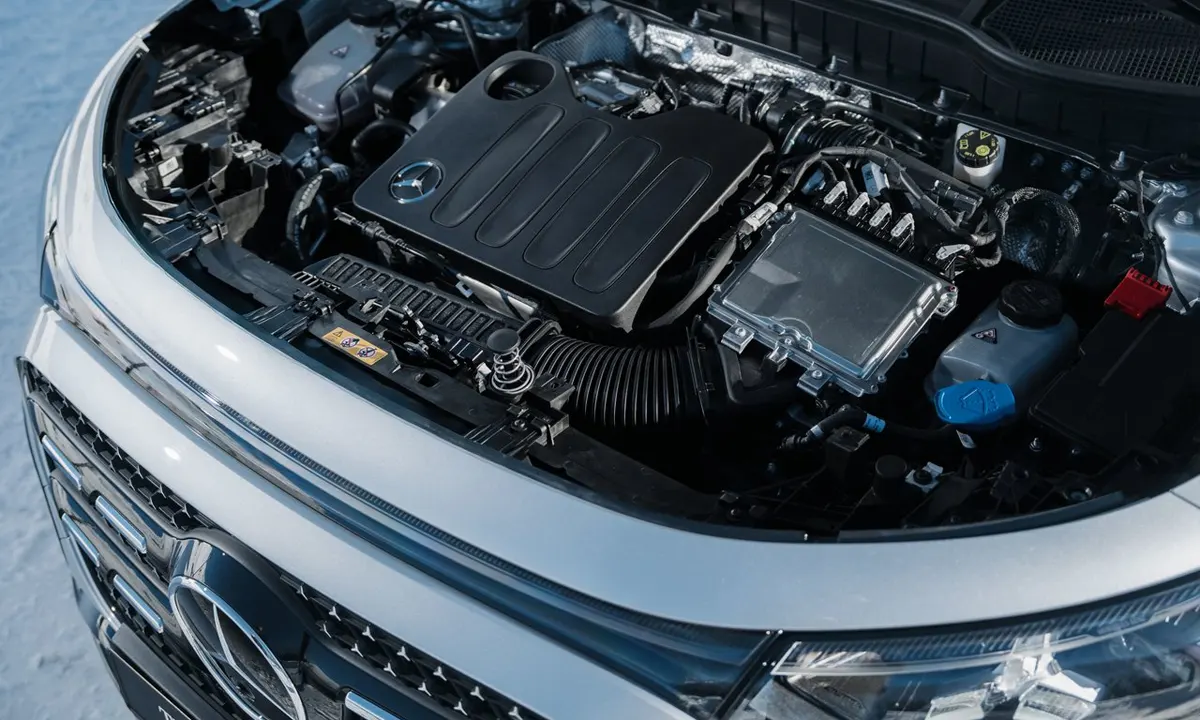
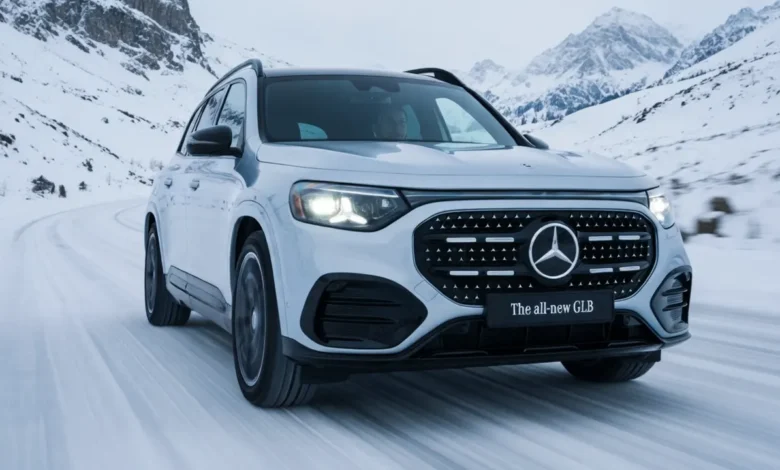
The Mercedes-Benz GLB occupies this gap with a specificity and a deliberateness that makes it one of the automotive industry’s most intelligently positioned premium vehicles of the current era. In 2027, as the GLB reaches the mature phase of its current generation development and as the competitive landscape has solidified around it, the question of where it fits is not merely academic — it is the purchase decision framework that every buyer considering a premium compact to mid-size SUV must navigate before the correct choice can be made with confidence.
The Dimensional Argument: Compact Footprint, Unexpected Capability
The Mercedes-Benz GLB’s external dimensions — whose 4,634-millimetre length and 1,834-millimetre width position it firmly within the compact SUV category that parking infrastructure in urban environments was designed to accommodate — conceal an internal space efficiency whose achievement reflects the boxy, upright body style’s packaging advantage over the rakish, coupe-influenced rooflines that premium compact SUV competitors have adopted in pursuit of visual distinction at the cost of interior volume.
The GLB’s flat roofline and near-vertical rear glass create interior headroom whose consistency from front to rear provides the cabin airiness that taller passengers appreciate and that the coupe-SUV silhouette’s sloping rear cannot match. The third-row seating — whose availability in the GLB is unique among vehicles of its external dimensions and whose practical usability for passengers up to approximately 170 centimetres provides genuine supplementary accommodation rather than the emergency seating that third rows in larger SUVs sometimes represent — creates a seven-seat capability that buyers comparing the GLB against five-seat compact alternatives find genuinely transformative in the purchase decision’s practicality assessment.
The cargo volume behind the third row — approximately 130 litres in seven-seat configuration — is honest about the trade-off that third-row deployment imposes, providing the space for soft bags and incidental items rather than the family holiday luggage load that requires the third row to be folded. With the third row folded, the 560-litre cargo volume provides the practical family carrying capacity that weekend use demands — a figure whose adequacy for most real-world family use cases the GLB’s ownership community consistently confirms in satisfaction data.
MBUX Technology: The Software Advantage That Justifies Premium Positioning
The Mercedes-Benz GLB’s MBUX — Mercedes-Benz User Experience — infotainment and vehicle management system represents the GLB’s most decisive competitive advantage over every rival in its price segment and the dimension of the ownership experience whose daily interaction quality most consistently justifies the brand premium over mainstream seven-seat alternatives.
The MBUX system’s conversational voice control — whose “Hey Mercedes” activation provides the natural language vehicle interaction that commands the widest range of vehicle functions of any premium compact SUV system currently available — reduces the driver distraction that touchscreen interaction imposes in driving conditions where eyes-off-road duration creates genuine safety implications. The system’s ability to understand contextual commands — “I’m cold” adjusting the climate control without requiring menu navigation, “I want to stop for coffee” initiating navigation to nearby coffee locations without explicit search — reflects an artificial intelligence integration depth whose sophistication the mainstream competitors’ voice systems cannot approach with equivalent naturalness or equivalent command breadth.
The available augmented reality navigation — whose real-world camera view overlaid with navigation arrows provides the most intuitively legible turn guidance of any production vehicle system — addresses the urban navigation challenge that compact SUV buyers in dense city environments encounter daily, providing the confidence of knowing precisely which lane to occupy and which turn to take without the interpretive effort that conventional map-based navigation requires in unfamiliar urban environments.
Powertrain Range: Efficiency to Performance
The 2027 GLB powertrain range — whose configuration reflects Mercedes-Benz’s progressive electrification strategy applied to the compact SUV platform — provides the buyer with a spectrum of power and efficiency combinations whose breadth accommodates the commuter buyer’s efficiency priority alongside the performance buyer’s dynamic aspiration without requiring either to compromise their primary objective.
The GLB 200 — whose 1.3-litre four-cylinder producing 163 horsepower provides the urban and suburban efficiency that the compact SUV’s primary use case rewards — delivers the accessible entry to the GLB ownership experience with fuel consumption figures whose real-world adequacy for buyers whose primary driving is urban and suburban satisfies the efficiency expectation that the premium compact segment’s increasing regulatory pressure demands. The GLB 250 4MATIC’s 224-horsepower 2.0-litre turbocharged four-cylinder provides the all-wheel-drive traction and performance headroom that family loading, winter driving conditions and the occasional extended journey demand from a vehicle whose premium positioning implies dynamic competence alongside practical capability.
The AMG GLB 35 — whose 306-horsepower AMG-developed 2.0-litre turbocharged four-cylinder, AMG-tuned chassis and specific exhaust character represent the performance flagship — provides the GLB with the dynamic ambition that positions it against the BMW X2 M35i and the Audi SQ2 in the compact performance SUV segment, offering AMG performance credentials within the GLB’s practical seven-seat body rather than requiring the buyer to choose between performance specification and family accommodation.
The plug-in hybrid GLB 250 e — whose 218 combined horsepower and approximately 50 kilometres of electric-only range address the regulatory efficiency requirements of European markets whose taxation structures incentivise PHEV adoption — provides the electrified option that the GLB range’s commercial completeness demands without the full battery-electric commitment that the GLB EQ variant would require.
Where the GLB Fits Against Its Rivals in 2027
The competitive landscape that the GLB navigates in 2027 has evolved since the model’s introduction — with the BMW X1 seven-seat variant, the Volvo XC40 seven-seat configuration and the Audi Q3 Sportback’s five-seat alternative all presenting competing arguments for the premium compact SUV buyer whose decision the GLB’s specific proposition must address more completely than any rival.
Against the BMW X1 — whose seven-seat configuration provides the most direct comparable argument — the GLB offers MBUX’s technology superiority, the AMG performance variant’s dynamic aspiration and the Mercedes-Benz brand’s premium positioning that BMW’s equivalent compact platform cannot match in residual value performance. Against the Volvo XC40 — whose Scandinavian design, safety technology leadership and Google-based infotainment provide a genuinely different luxury interpretation — the GLB offers seven-seat capability that the XC40’s five-seat limitation cannot provide and the AMG performance variant’s dynamic range that Volvo’s electrification-focused lineup does not replicate with equivalent combustion performance.
The GLB’s most honest competitive weakness is the third row’s size limitation — whose suitability for adults up to 170 centimetres positions it as supplementary rather than primary seating for taller passengers and whose honest assessment requires the buyer with regular adult third-row requirements to consider the GLC’s larger footprint as the more practically complete solution.
Read: Quietly Brilliant. 5 Reasons the 2026 Mazda3 Hatchback Is Better Than You Think
The Verdict: Who the GLB Is Actually For
The Mercedes-Benz GLB in 2027 is the optimal premium compact SUV for a specific and well-defined buyer — one whose circumstances align with the GLB’s specific strengths rather than requiring capabilities whose delivery demands the larger, more expensive alternatives that the GLB’s positioning deliberately avoids.
The buyer with occasional seven-seat requirements rather than regular third-row adult use, whose urban and suburban primary environment rewards the GLB’s compact external dimensions, whose daily technology interaction expectations include the MBUX system’s conversational sophistication and whose premium brand aspiration includes the Mercedes-Benz nameplate’s residual value performance and dealer network depth — this buyer finds in the GLB a more complete answer to their specific requirements than any competitor at its price point provides.
Too big for compact and too small for luxury? The honest answer is that the GLB is precisely the right size for the buyer whose requirements sit between those categories — and that the automotive industry’s tendency to define vehicles by category rather than by buyer requirement has obscured the GLB’s specific excellence for longer than its specification deserves.
Read: Small Car, Big Presence! Why the Mini Cooper Still Feels More Premium Than Most Hatchbacks in 2026
2027 Mercedes-Benz GLB Specifications Overview
| Category | GLB 200 | GLB 250 4MATIC | AMG GLB 35 | GLB 250 e (PHEV) |
| Engine | 1.3L Turbo I4 | 2.0L Turbo I4 | 2.0L AMG Turbo I4 | 1.3L Turbo + Electric |
| Power | 163 hp | 224 hp | 306 hp | 218 hp (Combined) |
| Drivetrain | FWD | AWD | AWD | FWD |
| 0–100 km/h | ~8.7 sec | ~6.8 sec | ~5.2 sec | ~7.9 sec |
| Fuel Economy | ~6.5 L/100km | ~7.2 L/100km | ~8.5 L/100km | ~1.5 L/100km (Charged) |
| Electric Range | None | None | None | ~50 km |
| Seating | 5 or 7 | 5 or 7 | 5 | 5 or 7 |
| Infotainment | MBUX 10.25-Inch | MBUX 10.25-Inch | MBUX AMG 10.25-Inch | MBUX 10.25-Inch |
| Starting Price (EU) | ~€43,000 | ~€49,000 | ~€58,000 | ~€52,000 |