Porsche Cayenne Electric vs Tesla Model X: The Ultimate Luxury EV SUV Comparison
The Cayenne Turbo Electric stands as the heaviest Porsche ever built, driven by its massive battery pack, dual-motor performance system, structural reinforcements and luxury features. This in-depth analysis explains why the vehicle carries unprecedented mass and how Porsche’s advanced engineering compensates for the weight while preserving signature performance, handling precision and long-term durability.
The luxury electric SUV market is entering a new era of performance, innovation and upscale refinement. For years, the Tesla Model X has dominated this segment by delivering impressive range, lightning-fast acceleration and industry-leading software. However, Porsche’s upcoming Cayenne Electric is set to challenge Tesla’s leadership with its exceptional engineering, high-voltage architecture and unmistakable Porsche driving dynamics. As consumers demand a blend of performance, comfort and long-term reliability, the comparison between the Porsche Cayenne Electric and the Tesla Model X has become one of the most anticipated matchups in the EV landscape. This comprehensive analysis dives deep into what these two luxury SUVs have to offer, providing a detailed evaluation across design, battery technology, performance, interior experience, charging capability, advanced driver assistance systems and long-term ownership value. For prospective buyers seeking the best luxury electric SUV, this in-depth comparison clarifies which model stands out as the true game-changer.
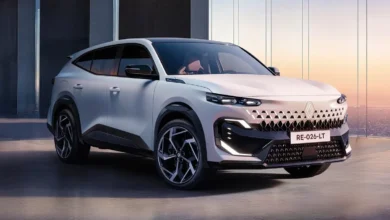
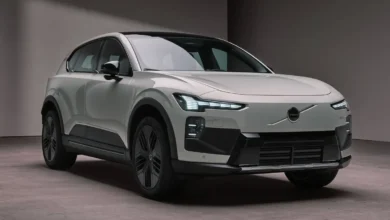
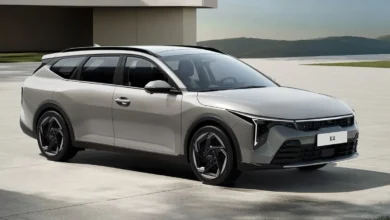
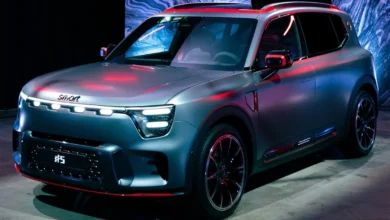
Gallery: Porsche Cayenne Electric
Design and Exterior Philosophy
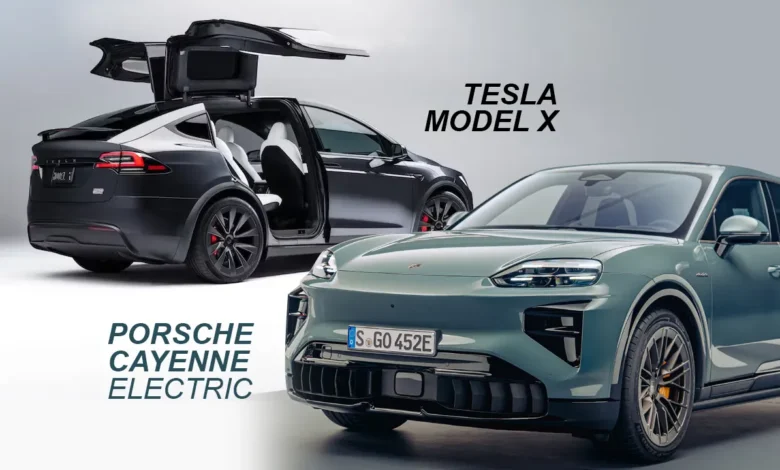
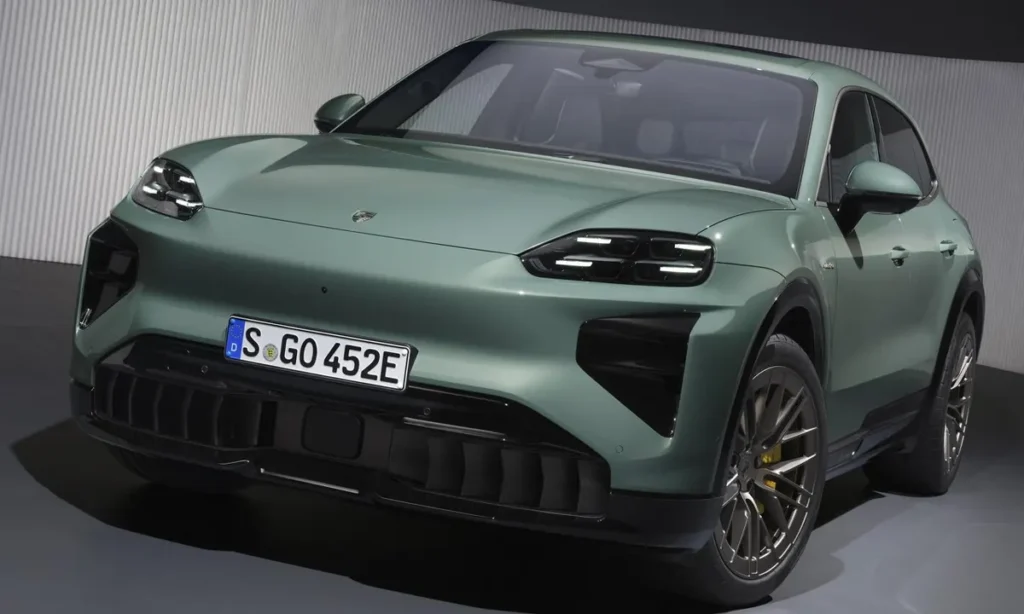
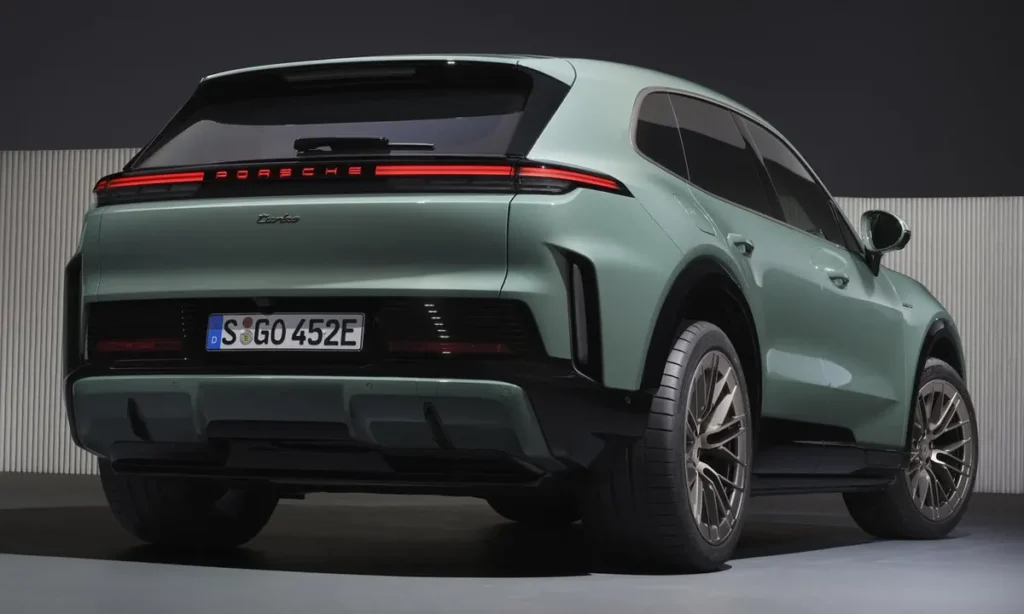
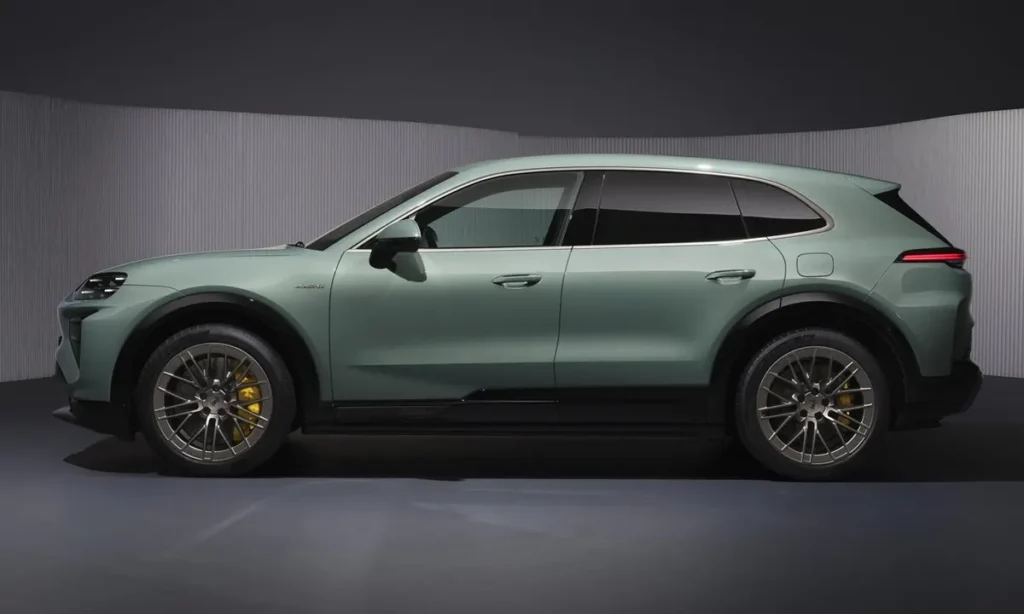
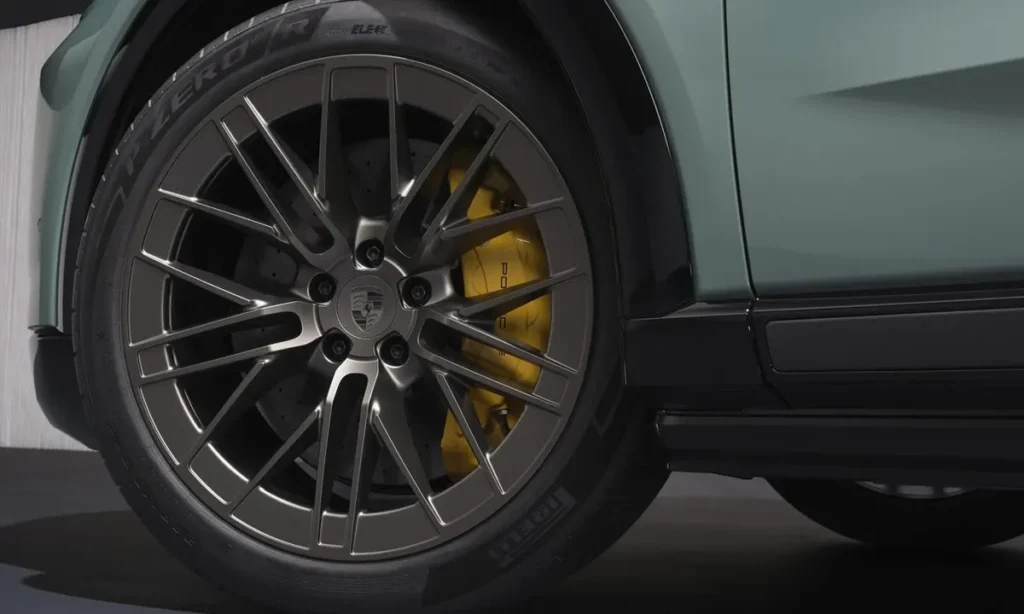
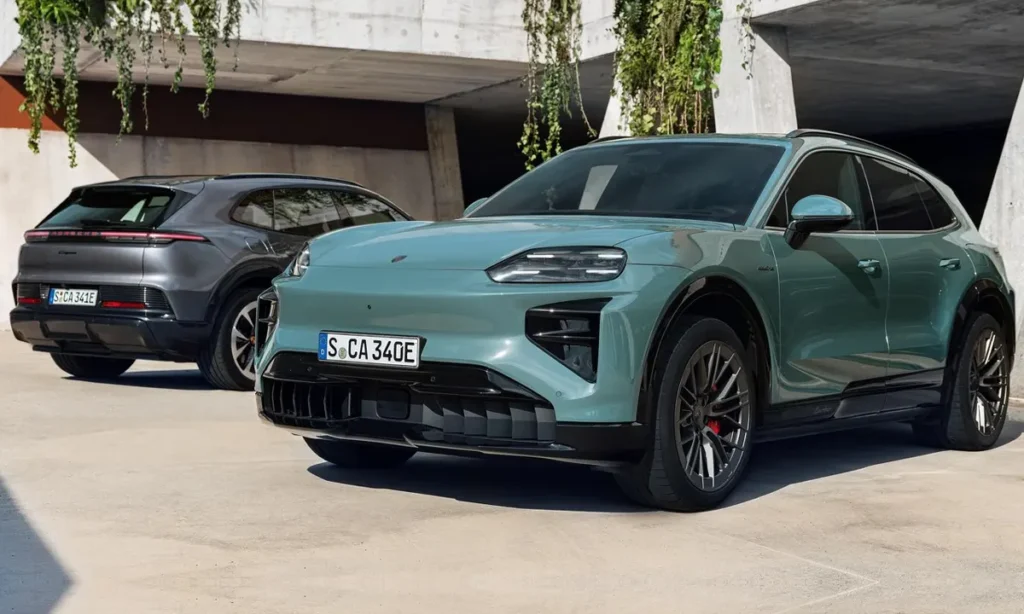
The design differences between the Porsche Cayenne Electric and the Tesla Model X begin with their core brand philosophies. Porsche maintains a commitment to muscular proportions, sporty body lines and aerodynamic refinement that subtly conveys performance. The Cayenne Electric continues this language with a bold stance, streamlined hood contours, adaptive aerodynamic components and precise German craftsmanship. Every element—from the headlights to the sculpted rear profile—reflects Porsche’s performance-first design culture.
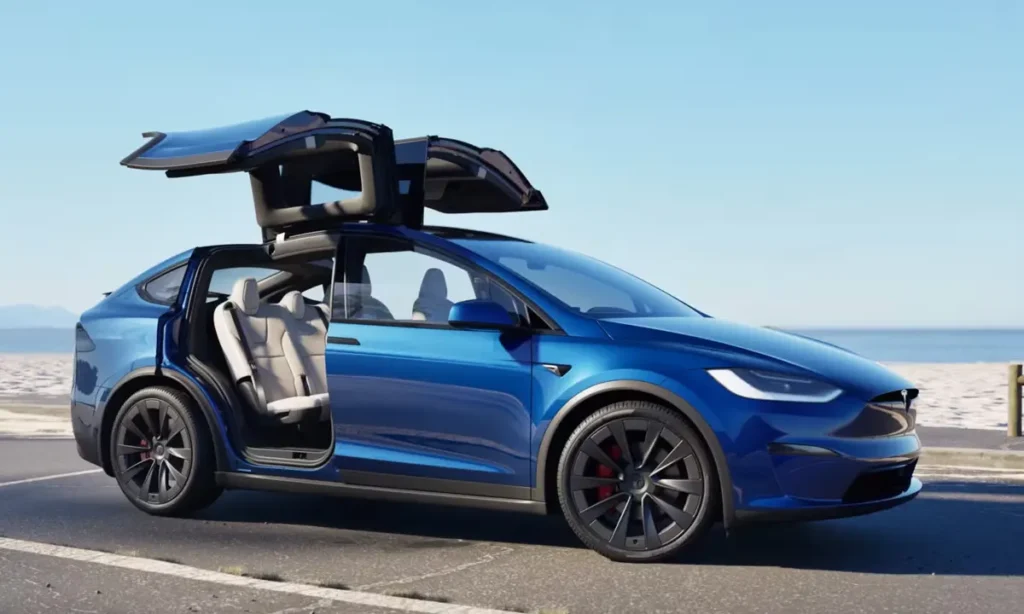
Tesla’s Model X follows a minimalist approach. With smooth surfaces, clean lines and an absence of traditional grille structures, its design language emphasizes efficiency and aerodynamic flow over aggressive styling. The Model X is instantly recognizable due to its broad windshield and signature Falcon Wing doors—an engineering novelty that makes the SUV stand out visually while enabling unique accessibility.
The Cayenne Electric delivers a more premium, refined and artistic aesthetic, while the Model X aligns with futuristic simplicity.
Interior Experience and Cabin Technology
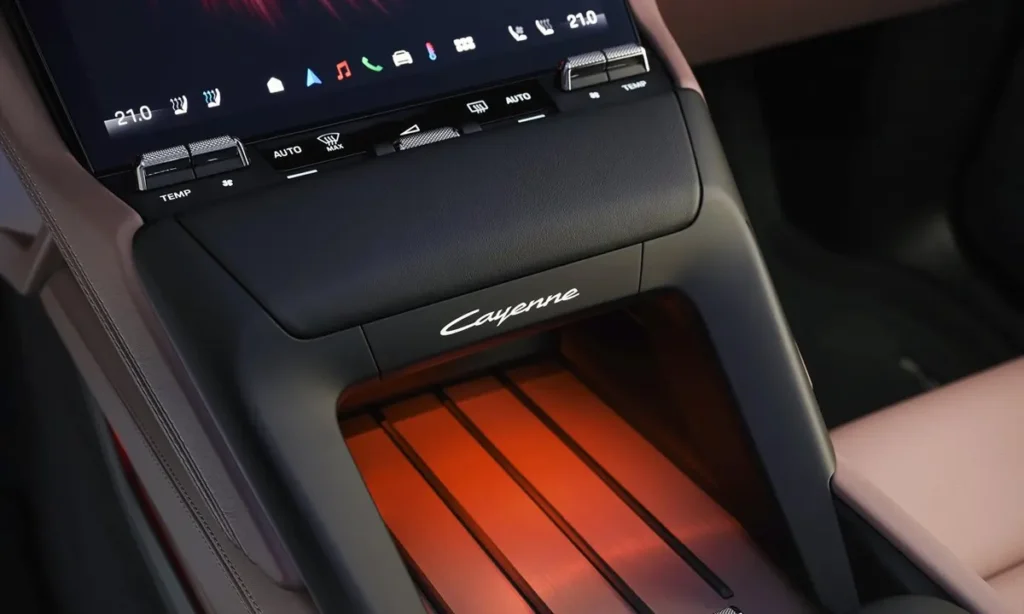
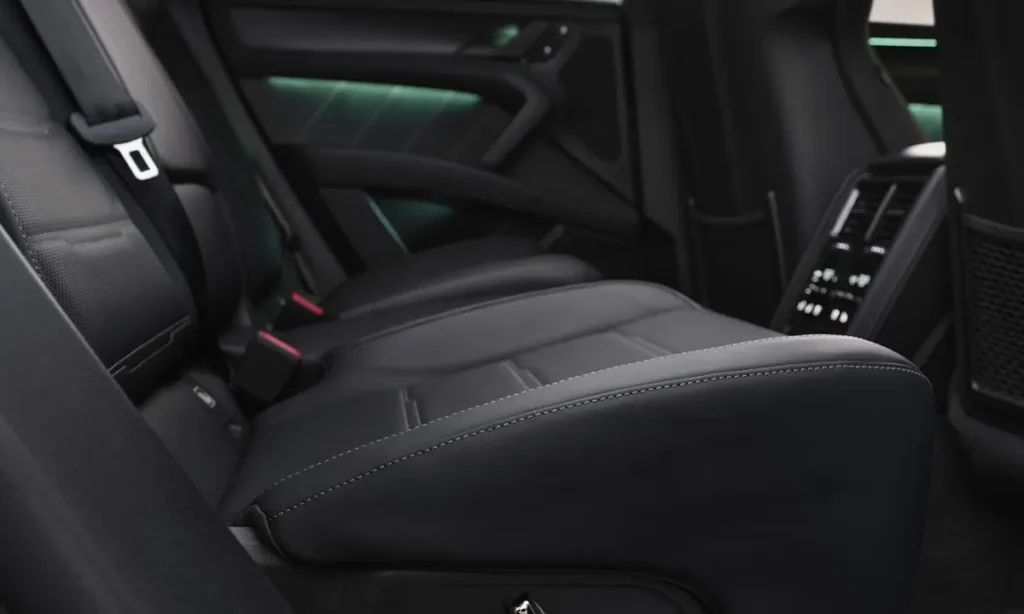
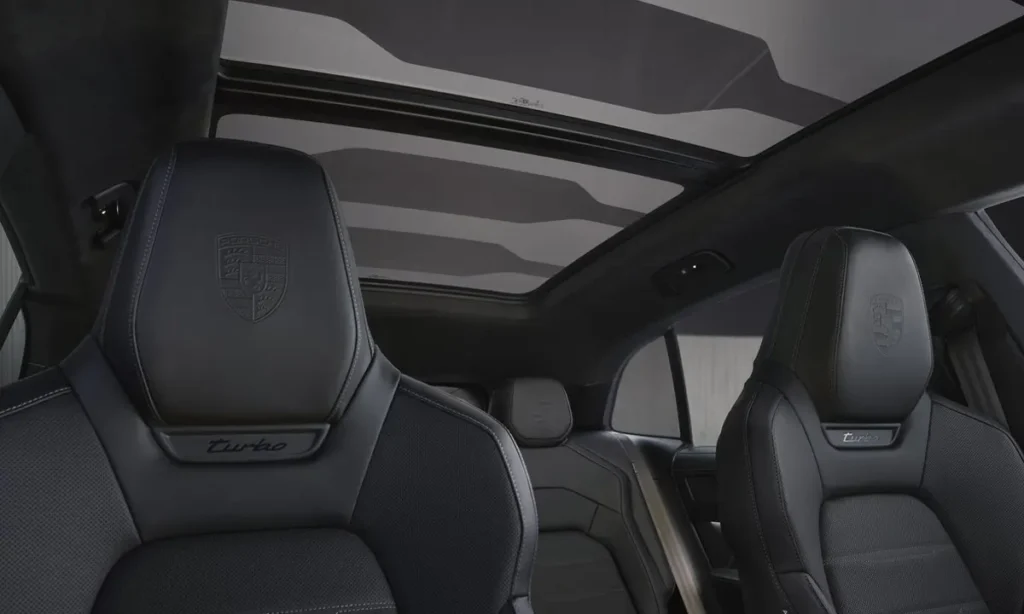
The Porsche Cayenne Electric elevates interior luxury to a high-performance environment infused with digital sophistication. High-quality materials, advanced tactile finishes and ergonomic precision demonstrate Porsche’s dedication to craftsmanship. A multi-display cockpit provides a dynamic interface, allowing drivers to customize vehicle settings, performance data and navigation. The seamless integration of passenger-side screens, augmented reality navigation and refined digital controls enhances the immersive cabin environment.
The Tesla Model X interior takes a more modern, minimalistic approach. A panoramic windshield extends well above the driver’s head, providing a spacious and open-feeling cabin. Tesla’s signature 17-inch center touchscreen controls almost the entirety of the car’s functions, resulting in a clean, uncluttered dashboard. While material quality has improved in recent revisions, the Model X still leans toward a tech-focused rather than premium-luxury aesthetic.
Porsche appeals to luxury enthusiasts who prefer tactile sophistication, while Tesla appeals to tech-forward drivers who value simplicity and futuristic styling.
Battery Technology and Range Expectations
Battery technology is at the core of any EV comparison. The Porsche Cayenne Electric is expected to utilize high-density NMC lithium-ion cells combined with Porsche’s proven 800-volt architecture. This ensures superior thermal management, sustained performance, fast charging and reliable long-term durability. While official range figures have not been confirmed, Porsche is aiming for competitive long-distance capability without sacrificing performance.
The Tesla Model X has historically offered exceptional range due to its efficient powertrain and aerodynamic profile. Tesla’s proprietary cell chemistry and energy management systems support its vehicles in achieving some of the highest real-world ranges in the industry. With variants capable of exceeding 550 km on a single charge, the Model X remains one of the market leaders in distance capability.
The Cayenne Electric will likely offer slightly lower range than the Tesla Model X but compensate with better performance consistency and long-term battery durability due to its advanced thermal controls.
Performance and Driving Dynamics
Driving performance illustrates some of the biggest differences between the two SUVs. Porsche’s engineering pedigree ensures that the Cayenne Electric will deliver near-instant throttle response, highly responsive steering and exceptional road handling. Its dual- and potential triple-motor configurations are engineered to provide precise torque vectoring, agile cornering and performance that mirrors Porsche’s sports car DNA.
The Tesla Model X, particularly the Plaid version, offers staggering acceleration that outpaces many supercars. The tri-motor setup delivers explosive acceleration from a standstill, making the Model X one of the fastest SUVs ever built. However, Tesla’s handling characteristics tend to be more linear and less dynamically engaging compared to Porsche’s performance-oriented tuning.
Porsche will likely dominate the category in handling and driving enjoyment, while Tesla maintains superiority in straight-line acceleration.
Charging Capabilities and Real-World Usability
The Cayenne Electric’s 800-volt charging system enables ultra-fast charging that dramatically reduces downtime during long road trips. Porsche’s thermal preconditioning prepares the battery for optimal fast-charging conditions, allowing consistent performance even in extreme climates. This system ensures high charging repeatability and long-term protection against degradation.
Tesla’s Supercharger network remains the most robust charging infrastructure in the world. Model X owners enjoy unparalleled convenience with thousands of high-speed chargers strategically placed across major travel routes. While Tesla uses a lower-voltage architecture compared to Porsche, its charging ecosystem ensures widespread accessibility and ease of use.
Porsche offers superior charging hardware, but Tesla leads in charging infrastructure availability.
Software, Infotainment and Driver Assistance Systems
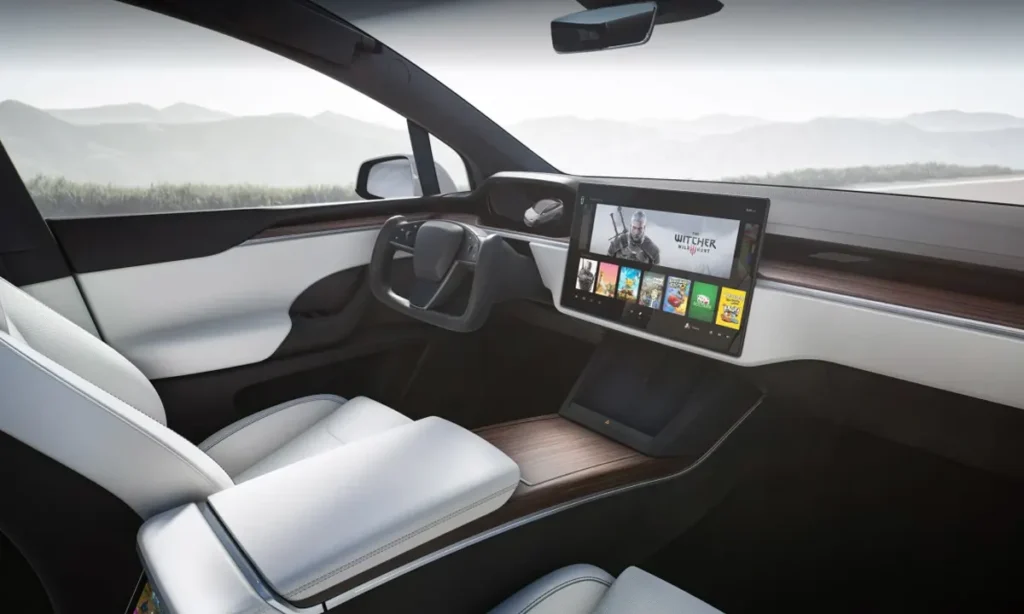
Tesla has long been the industry leader in software innovation. The Model X receives frequent over-the-air software updates, enhancing performance, adding new features and refining driver assistance systems. Tesla’s Full Self-Driving (FSD) suite continues to evolve, offering advanced autonomous-driving capabilities unmatched by most competitors.
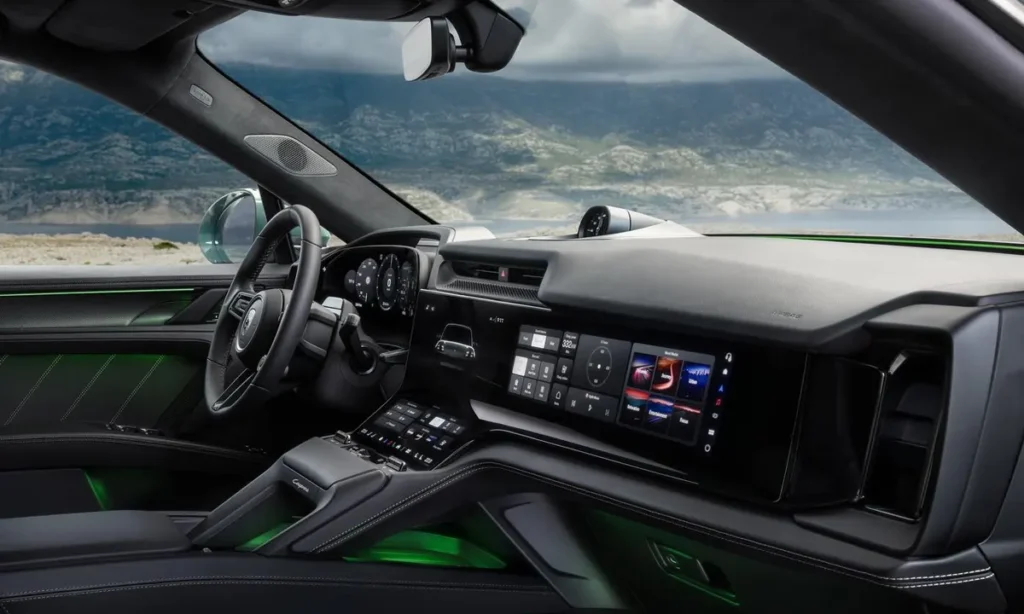
The Cayenne Electric features Porsche’s latest-generation software platform, integrating real-time performance data, predictive navigation, adaptive driving profiles and deep connectivity features. Porsche’s driver assistance features focus on enhancing safety and comfort without compromising driving engagement.
Tesla is superior in autonomous-driving technology and over-the-air updates, while Porsche offers a more balanced combination of digital sophistication and driver-preserving engagement.
Space, Practicality and Comfort
The Model X has a spacious cabin with three-row seating, making it ideal for families. Its flat floor and expansive interior volume create excellent legroom and cargo capacity. The Falcon Wing doors add practical flair for tight parking areas but require sufficient overhead clearance.
The Cayenne Electric follows a more traditional luxury SUV layout with premium seating, refined ergonomics and a focus on comfort rather than maximum cabin capacity. While it may not match the Model X in sheer interior volume, it exceeds in material quality, seat comfort and acoustic refinement.
Tesla wins in passenger space, while Porsche excels in luxury and comfort.
Read: 2026 Jeep Recon Reinvents the Electric Off-Road SUV
Long-Term Ownership, Reliability and Resale Value
Tesla has proven reliability in electric powertrains but has faced concerns over build quality and trim durability in some markets. Over time, Tesla’s resale values have fluctuated due to rapid model updates and industry competition.
Porsche’s reputation for long-term durability, meticulous craftsmanship and stable resale value positions the Cayenne Electric as a more resilient long-term investment. Its battery longevity is expected to outperform typical EV degradation curves, enhancing ownership confidence for a decade or more.
Porsche holds an edge in long-term reliability and market stability.
Comparison Chart: Porsche Cayenne Electric vs Tesla Model X
| Category | Porsche Cayenne Electric | Tesla Model X |
| Design Philosophy | Sporty, luxurious, performance-focused | Futuristic, minimalist, aerodynamic |
| Interior Quality | Ultra-premium materials, high craftsmanship | Tech-focused, modern, spacious |
| Battery Architecture | Advanced 800V NMC pack | High-efficiency Tesla battery system |
| Charging Speed | Ultra-fast charging capabilities | Excellent charging access via Superchargers |
| Range Expectation | Slightly lower, performance-tuned | Typically higher range |
| Motor Configuration | Dual/Tri-motor performance tuning | Dual/Tri-motor with supercar acceleration |
| Handling and Dynamics | Superior agility and precision | Excellent acceleration, less dynamic handling |
| Driver Assistance | Safety-focused, refined tech | Industry-leading autonomy features |
| Practicality | Premium two-row SUV | Spacious three-row configuration |
| Long-Term Durability | Exceptional build quality and longevity | Proven powertrain; variable build quality |
Conclusion: The Ultimate Luxury EV SUV Choice
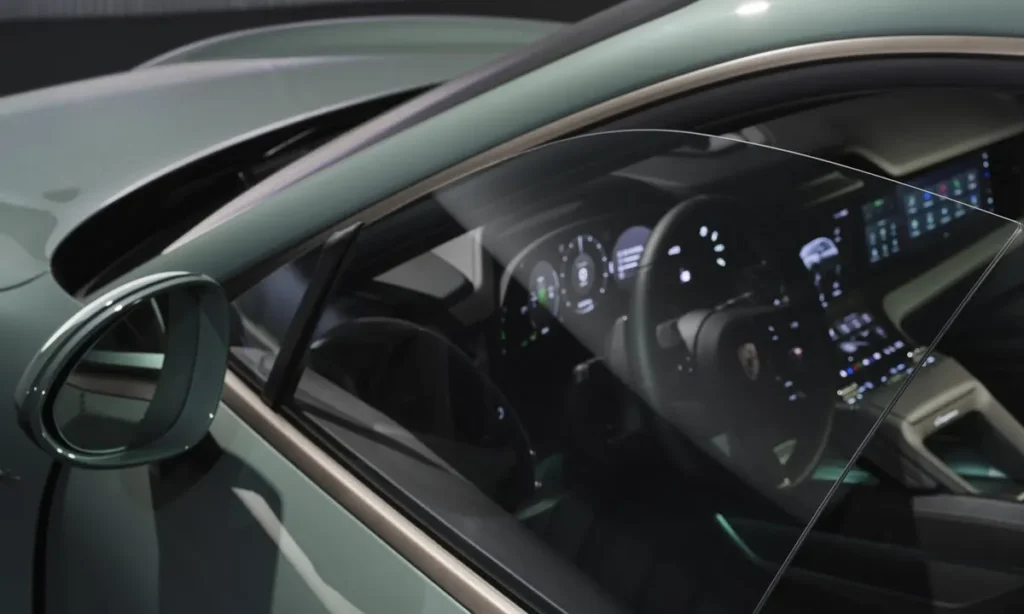
The Porsche Cayenne Electric and Tesla Model X represent two different philosophies in the luxury EV SUV category. Tesla prioritizes cutting-edge technology, industry-leading range and breathtaking acceleration. Its minimalist cabin, autonomous features and Supercharger network cater to tech-forward buyers seeking futuristic mobility.
Porsche, on the other hand, focuses on driving excellence, premium craftsmanship, long-term durability and a refined blend of performance and luxury. The Cayenne Electric promises an engaging handling experience unmatched in the EV SUV segment, combined with advanced engineering that preserves battery health and driving enjoyment.
For buyers prioritizing dynamic performance, interior quality and long-term reliability, the Porsche Cayenne Electric emerges as the clear leader. For those seeking range dominance, tech-centric features and rapid acceleration, the Tesla Model X remains a strong contender.
Both vehicles push the boundaries of what an electric SUV can be, but the Cayenne Electric’s combination of engineering precision, high-voltage technology and luxurious refinement makes it a potential game-changer in the world of premium EVs.