Why the Cayenne Turbo Electric Is Now the Heaviest Porsche Ever
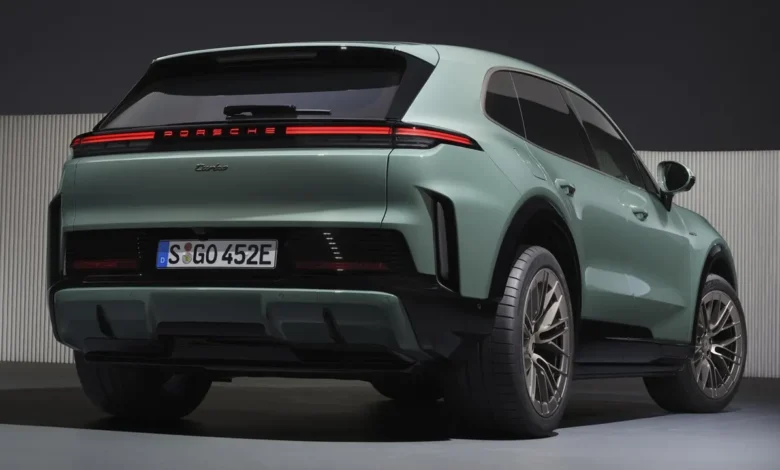
The introduction of the Porsche Cayenne Turbo Electric marks a pivotal moment in the history of the brand. For decades, Porsche has been synonymous with lightweight engineering, precision handling and performance-oriented design. However, the shift to electrification has brought new engineering challenges, forcing even the most iconic performance brands to rethink weight management, energy density and structural architecture. With the Cayenne Turbo Electric officially becoming the heaviest Porsche ever built, the automotive world is taking notice. While increased mass may seem contradictory to Porsche’s motorsport heritage, it is the direct result of advanced battery technology, high-performance electric motors, structural reinforcements and luxury components that define the modern EV. This article explores in depth why the Cayenne Turbo Electric has reached this record weight, how Porsche has engineered around this challenge and how the vehicle still delivers the signature Porsche performance experience despite being the heaviest model in the brand’s history.
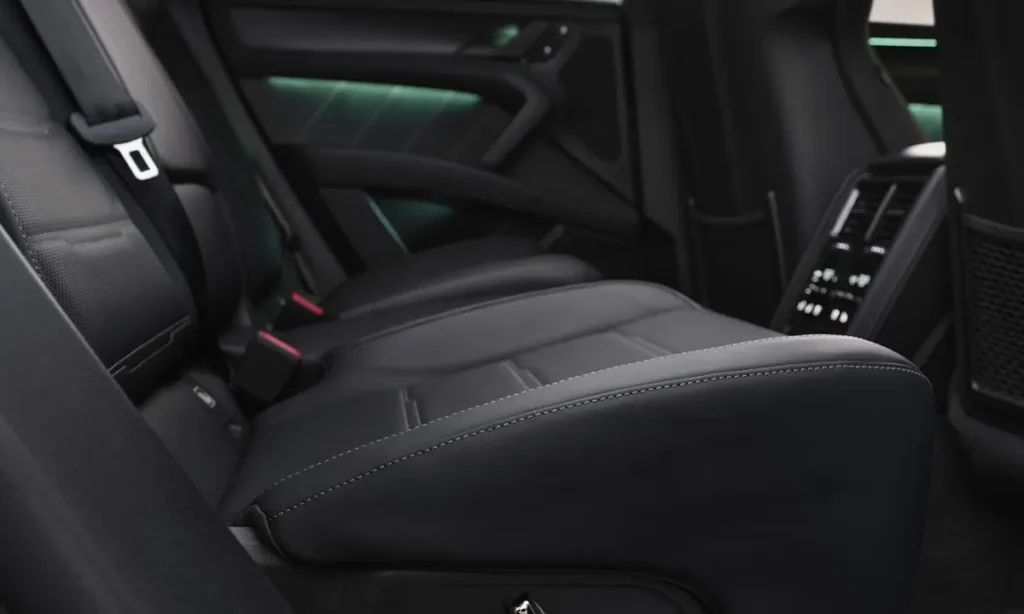
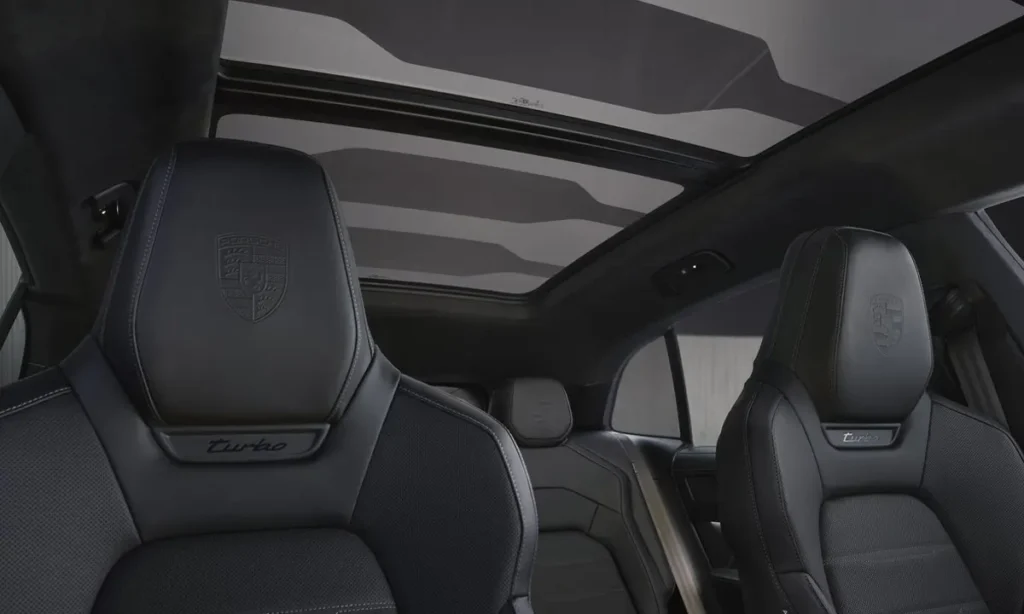
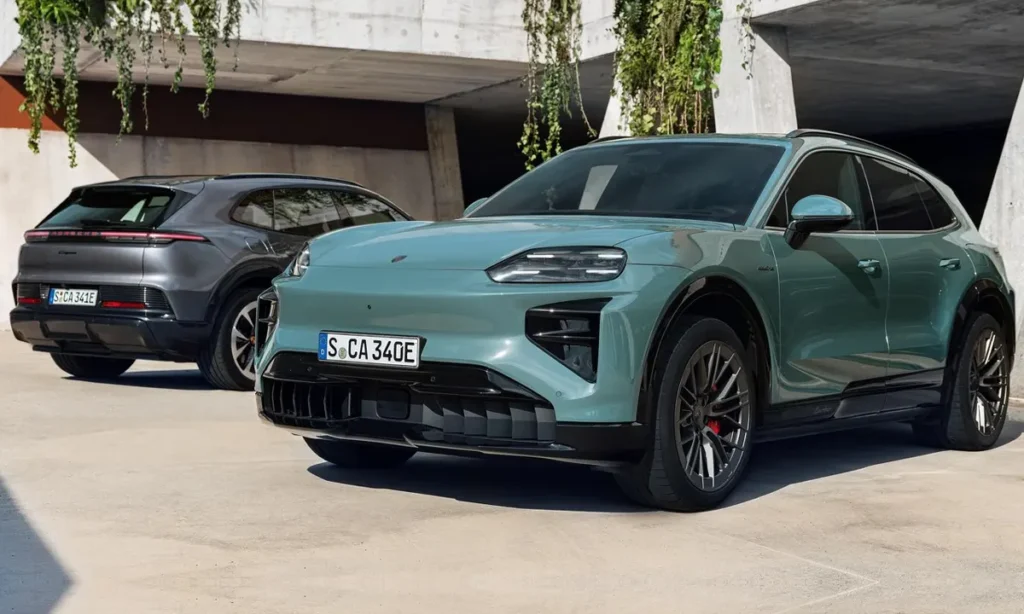
Gallery: Cayenne Turbo Electric
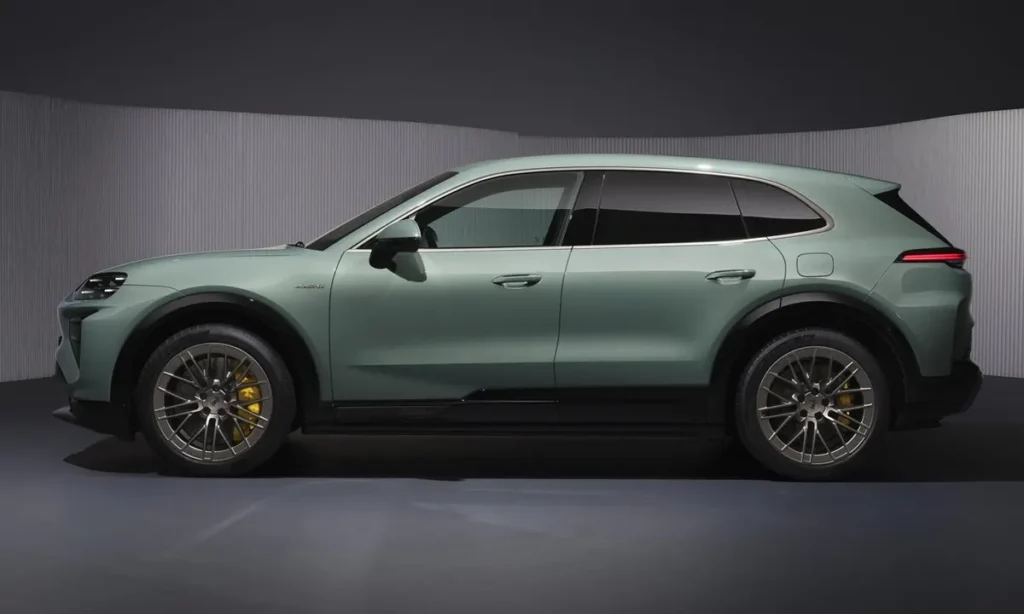
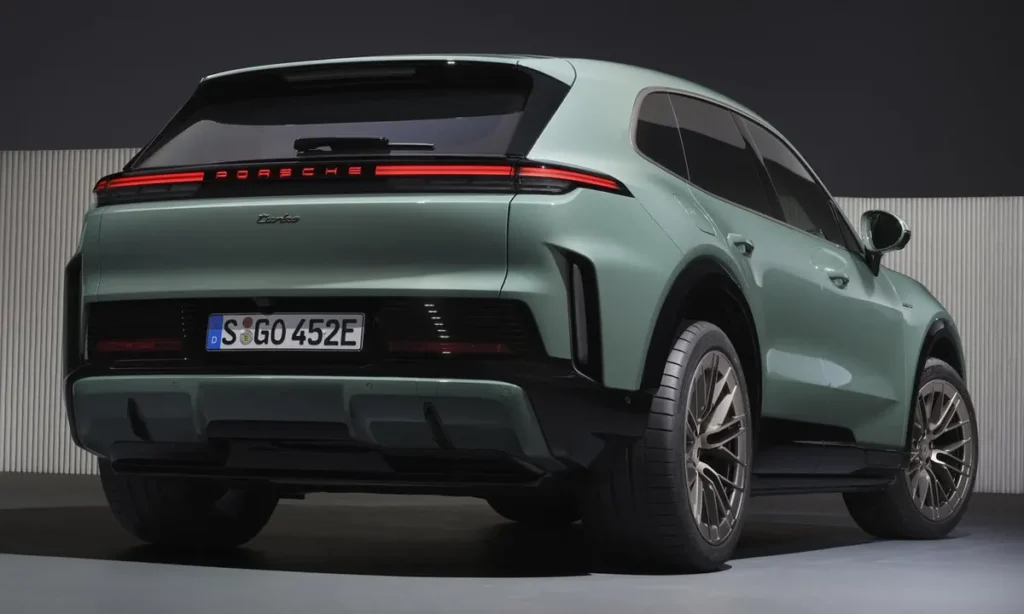
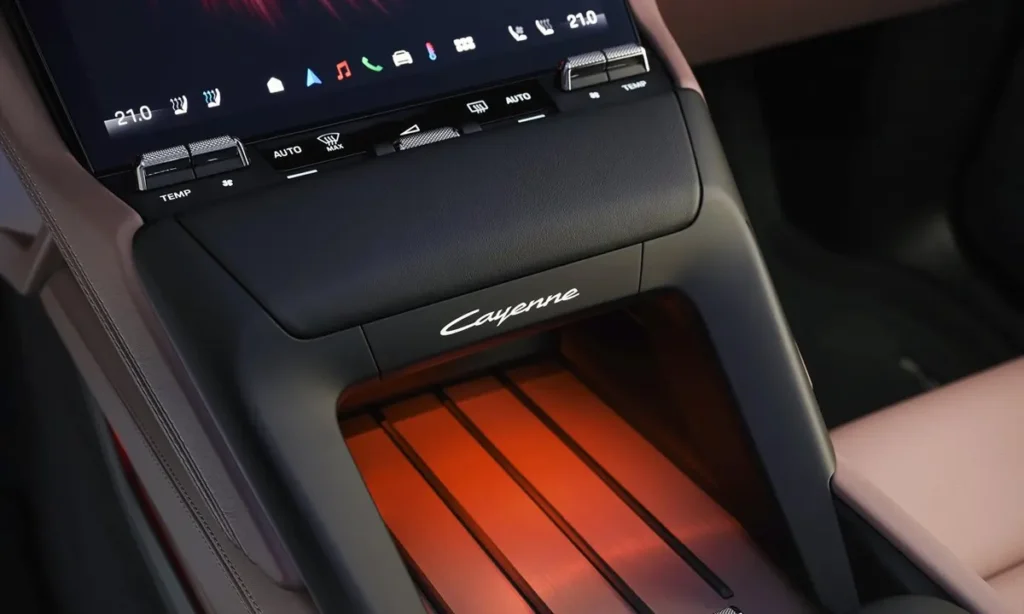
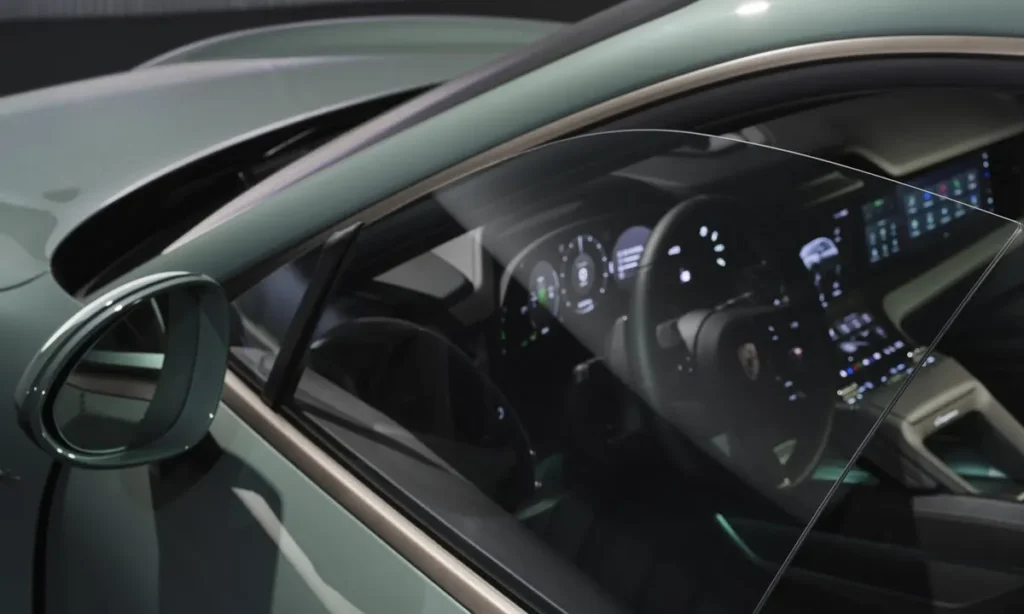
Understanding the Weight Increase: EV Architecture vs. Combustion Engineering
The transition from combustion engines to electrified powertrains fundamentally transforms how weight is distributed, managed and integrated within a performance vehicle. The Cayenne Turbo Electric uses a large-capacity high-voltage battery pack positioned within the vehicle’s floor architecture. This battery alone accounts for hundreds of kilograms of weight, making it significantly heavier than traditional fuel tank systems. Moreover, electric motors, cooling systems, inverters and reinforced chassis structures add substantial mass compared to their combustion-engine counterparts.
Porsche’s decision to prioritize range, performance and longevity results in a larger battery pack than what is typically found in mainstream EVs. This high-density pack is engineered for durability and sustained output, enabling the Cayenne Turbo Electric to deliver consistent power delivery even under high-performance driving conditions. As a result, the SUV’s weight surpasses all previous Porsche models, establishing a new benchmark in the brand’s electrification journey.
The Largest Battery Ever Installed in a Porsche
At the core of the weight increase lies the Cayenne Turbo Electric’s massive battery pack. Porsche has designed a high-capacity lithium-ion battery engineered to support long-range driving, rapid charging cycles and repeated high-power demands. The pack incorporates advanced NMC chemistry, which provides a high energy density but requires robust safety and cooling systems.
The battery is housed in a structural casing that reinforces the SUV’s rigidity. This contributes to improved handling but significantly raises overall mass. Porsche’s engineering prioritizes safety, performance and longevity, meaning every element of the battery architecture—cooling plates, modules, insulation layers, structural barriers and power electronics—adds to the vehicle’s curb weight.
This battery setup is responsible not only for powering the motors but also for supporting advanced electronics, infotainment systems, driver assist features and the vehicle’s high electrical load. In short, the battery represents both the technological heart of the Cayenne Turbo Electric and the primary reason behind its record-setting mass.
High-Performance Electric Motors and Powertrain Components
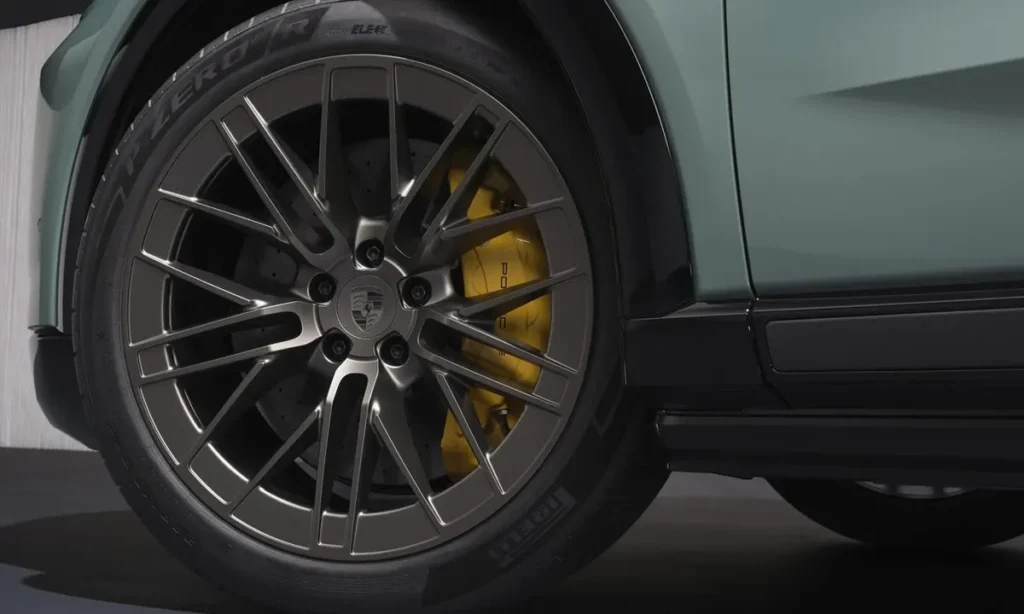
Unlike combustion engines, EV motors deliver instant torque, which requires additional structural reinforcement to ensure vehicle stability and durability. The Cayenne Turbo Electric uses powerful electric motors that generate staggering levels of torque and power. These motors are larger and heavier than standard EV units due to Porsche’s performance tuning and cooling requirements.
In addition to the motors themselves, supporting power electronics such as inverters, converters, high-voltage cabling and advanced cooling systems add further weight. Porsche’s performance objectives demand that these components operate at high efficiency under extreme loads, meaning larger and more robust assemblies are required. The result is a vehicle optimized for extreme performance but significantly heavier than anything in Porsche’s previous combustion lineup.
Reinforced Body Structure and Safety Requirements
As battery packs introduce additional weight and alter a vehicle’s center of gravity, Porsche had to redesign the Cayenne Turbo Electric’s body structure to ensure optimal safety, crash protection and handling precision. The SUV incorporates high-strength steel sections, aluminum reinforcements and battery protection barriers that add structural integrity.
Crash safety requirements for EVs differ from combustion vehicles due to battery positioning and the need to isolate electrical hazards. As a result, the Cayenne Turbo Electric’s underbody is heavily reinforced. This not only protects the battery pack but also enhances safety during collisions. These reinforcements significantly contribute to the SUV’s weight, making it one of the most heavily protected electric vehicles in its class.
Luxury Features and Comfort Systems Add Further Mass
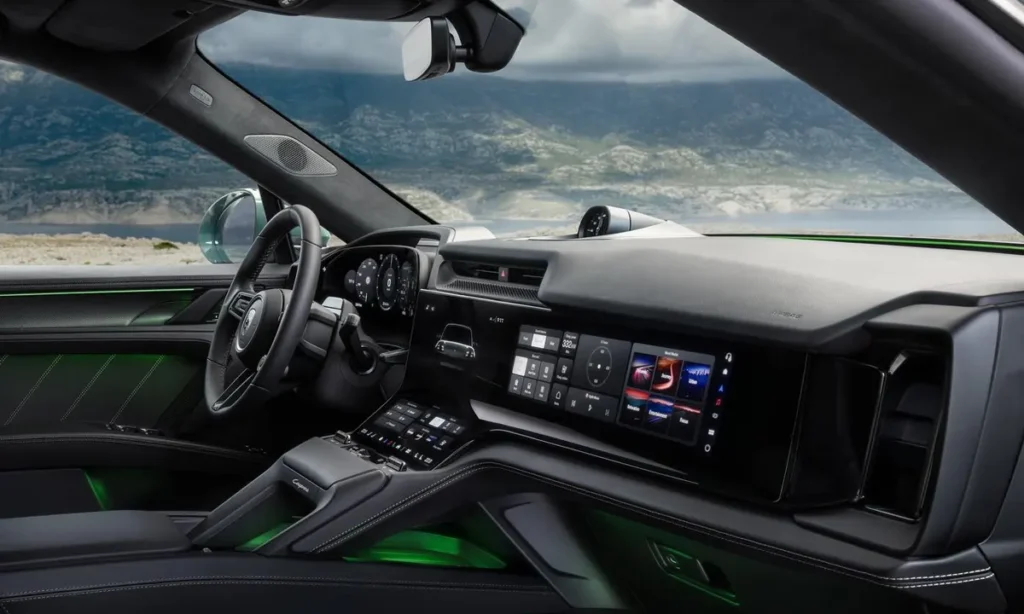
Beyond its performance capabilities and battery architecture, the Cayenne Turbo Electric is engineered as a luxury SUV. Premium comfort features, multi-zone climate systems, acoustic insulation, large infotainment displays, advanced seats, premium materials and sound-dampening components all add to the overall weight.
Electric vehicles tend to incorporate more insulation than combustion models because the absence of engine noise makes cabin quietness more perceptible. Porsche’s commitment to interior refinement means the Cayenne Turbo Electric includes sound-absorbing materials, laminated glass and additional padding that enhance luxury but contribute significantly to mass.
Handling, Suspension and Chassis Tuning to Counteract the Weight
Despite being the heaviest Porsche ever, the Cayenne Turbo Electric remains a high-performance SUV thanks to Porsche’s intelligent engineering. The weight is counterbalanced by a sophisticated chassis system that includes adaptive air suspension, rear-wheel steering, active roll stabilization and electronically controlled damping systems.
Porsche’s active suspension adjusts in real time to compensate for body roll, shifts in center of gravity and aggressive cornering forces. These systems enable the Cayenne Turbo Electric to handle with precision, making the driving experience feel lighter and more agile than the SUV’s weight would suggest. Rear-wheel steering enhances maneuverability at low speeds and stability at high speeds, reinforcing the Cayenne’s performance identity.
High-Voltage 800-Volt Architecture Enhances Efficiency and Performance
Another reason for the vehicle’s weight is Porsche’s inclusion of an advanced 800-volt electric architecture. This system enables ultra-fast charging, improved power delivery and enhanced thermal management. However, it requires additional wiring insulation, cooling components and electronic safeguards.
While the 800-volt platform adds mass, it significantly improves real-world efficiency and driving performance. Faster charging means less heat buildup, which reduces stress on the battery and prolongs lifespan. Porsche’s engineering reflects a balance between weight and functional benefit, prioritizing long-term durability and high performance.
Read: 2026 Porsche Cayenne Electric Redefines the Luxury Performance EV SUV
Why Porsche Accepts the Weight Trade-Off
Porsche’s decision to accept additional mass reflects a strategic shift toward electrification without compromising driving dynamics. In high-performance EVs, weight is not the primary determinant of driving excitement. Instead, torque response, chassis tuning and battery placement influence the experience more directly.
The Cayenne Turbo Electric uses its weight to its advantage. The lower center of gravity provided by the battery pack improves stability. The additional mass enhances ride comfort by dampening vibrations. Meanwhile, Porsche’s performance systems ensure that handling remains precise and controlled despite the increased weight.
Comparison Chart: Cayenne Turbo Electric vs Past Porsche Models by Weight
| Porsche Model | Approximate Curb Weight | Powertrain Type | Notes |
| Cayenne Turbo Electric | Heaviest Porsche Ever | Fully Electric | Large battery pack, dual/tri-motor, reinforced structure |
| Taycan Turbo S | Heavy EV Sedan | Fully Electric | Advanced 800V platform; lighter than Cayenne EV |
| Cayenne Turbo GT (ICE) | Lighter | Internal Combustion | High power but significantly less mass |
| Panamera Turbo S E-Hybrid | Heavy Hybrid | PHEV | Battery contributes weight but smaller than Cayenne EV |
| 911 Turbo S | Much Lighter | Internal Combustion | Lightweight performance opposed to EV mass |
Long-Term Implications for Porsche’s Electrification Strategy
The Cayenne Turbo Electric’s weight highlights the engineering challenges EVs face, particularly in performance and luxury segments. As Porsche continues developing its EV portfolio, improvements in battery density, solid-state technology and lightweight materials may reduce mass in future generations. However, for now, the Cayenne Turbo Electric stands as a testament to Porsche’s ability to deliver world-class performance even under the constraints of modern EV platforms.
Conclusion: A New Era of Performance and Engineering
The Cayenne Turbo Electric may be the heaviest Porsche ever, but it represents far more than a number on a scale. It is a symbol of Porsche’s transition into electrified performance, where weight becomes a calculated engineering trade-off in exchange for explosive power, exceptional stability, advanced safety and luxurious comfort. Porsche has proven that even in the era of heavy EVs, it can deliver driving dynamics that stay true to its legacy. The Cayenne Turbo Electric sets a new benchmark for electric performance SUVs and signals a bold new direction for the brand—one where engineering brilliance overcomes the limitations of modern electrification.