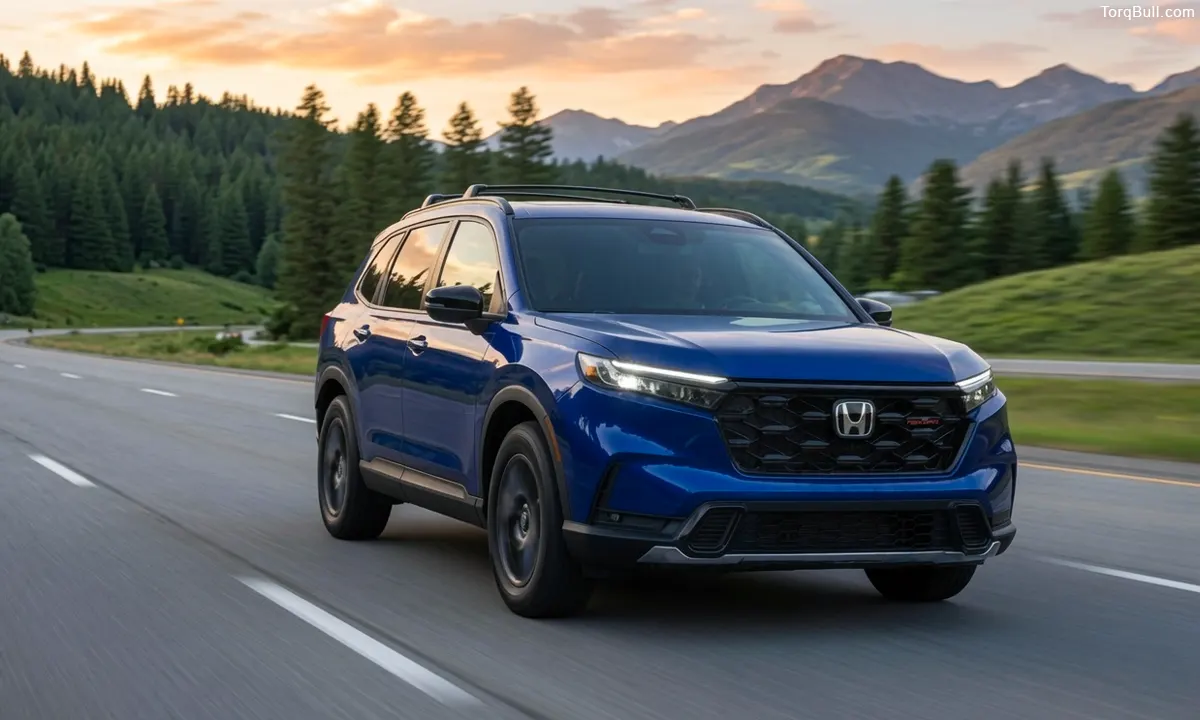
- Honda Pilot owners praise the SUV for long-term reliability, with 75 percent giving it five-star ratings on KBB.
- Annual repair costs average $542, below the midsize SUV segment average, while long-term ownership costs remain competitive.
- Despite strong reliability expectations, the 2025 model has four NHTSA recalls and the 2026 reliability forecast is rated average.
The Honda Pilot is one of the most consistently family recommended three row midsize SUVs in the American market — a vehicle with a loyal ownership community that has generated decades of positive long term feedback about durability, practicality and ongoing value. The question of whether to buy the Pilot for long term use is one of the most practically important a family can ask about this vehicle, because the Pilot’s strongest financial and practical arguments depend entirely on the ownership duration. A family who trades every three years absorbs the steepest depreciation and captures the least of the fuel and maintenance cost savings that accumulate over extended ownership. A family who keeps the vehicle for seven to ten or more years captures the maximum financial return from the Pilot’s documented ownership cost profile and proven Honda reliability legacy. This complete guide addresses every dimension of long term Pilot ownership to produce the most honest and most useful verdict available.
The Long Term Reliability Case: What the Data Actually Shows
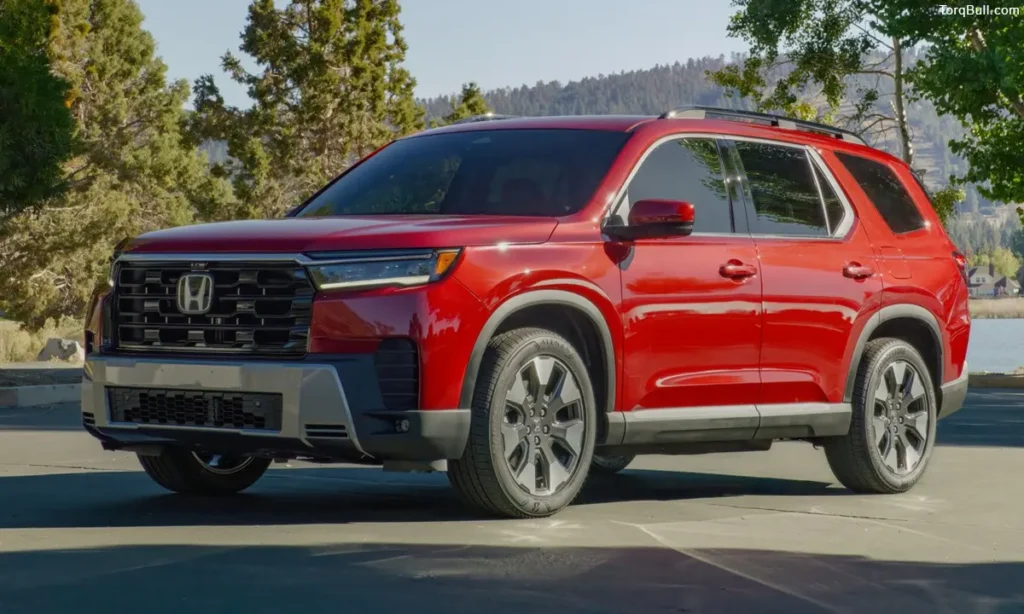
The Honda Pilot’s long term reliability picture is a genuinely mixed assessment in 2026 — more positive than the brand’s mainstream reputation alone suggests, but more varied across model years than a blanket Honda reliability endorsement captures.
The fourth generation Pilot, which debuted for 2023 and continues through 2026 with progressive updates, is assessed by analysts who have examined decades of consumer feedback, technical service bulletins and maintenance data as likely the most reliable Honda Pilot yet produced. This assessment is made with the caveat that insufficient long term data from independent quality studies has accumulated for the fourth generation to produce the high confidence reliability projections that the third and earlier generation Pilots carry based on years of ownership history.
Independent analysis of the 2026 Pilot predicts average reliability compared to the average new car — a meaningful improvement from the 2025 model’s assessment as less reliable than other cars from the same model year, based on data from the 2023, 2024 and 2025 generation. The 2025 model carries four NHTSA recalls — a number that represents active manufacturing and software quality issues that Honda is resolving through dealer notifications and warranty repairs, but that signals a generation still working through early production quality refinement.
The annual repair cost data from a broad analysis of actual Pilot repair invoices places average annual repair and maintenance costs at $542 — below the $573 midsize SUV average and substantially below the $652 all vehicle average. This below average repair cost is the most practically useful long term financial metric, because it reflects what owners actually spend on unscheduled repairs across the full range of Pilot ownership scenarios rather than what any individual repair event costs in isolation.
The frequency of repair visits is rated as higher than normal for the Pilot’s category, indicating that while the severity of issues when they occur is average, Pilot owners visit repair shops somewhat more often than the typical midsize SUV owner. For long term owners who value predictable, infrequent maintenance needs over the full ownership period, this higher repair frequency is worth noting alongside the below average annual cost figure.
The Long Term Financial Case: Depreciation, Resale and Total Cost of Ownership
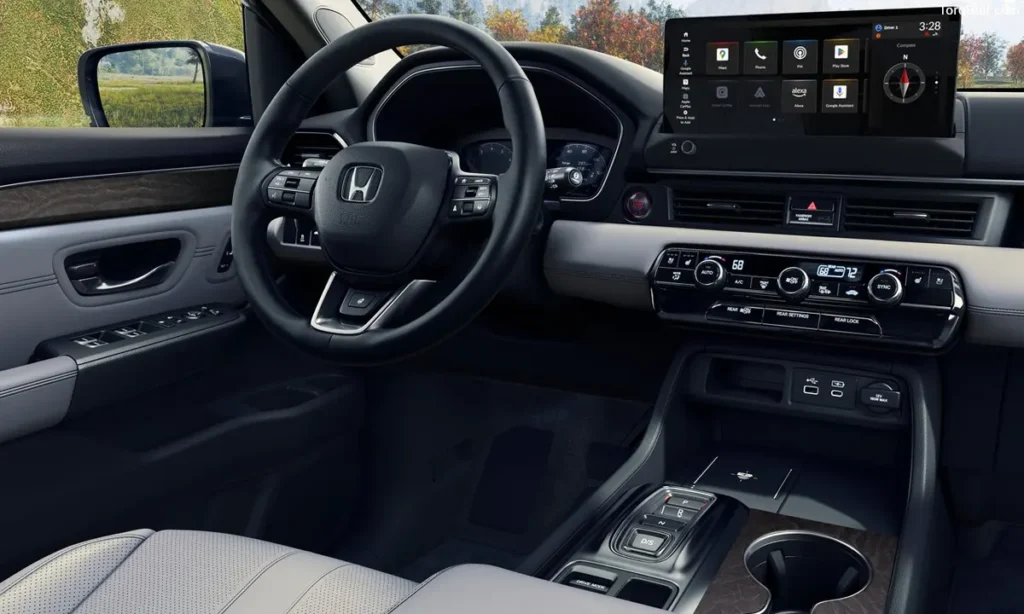
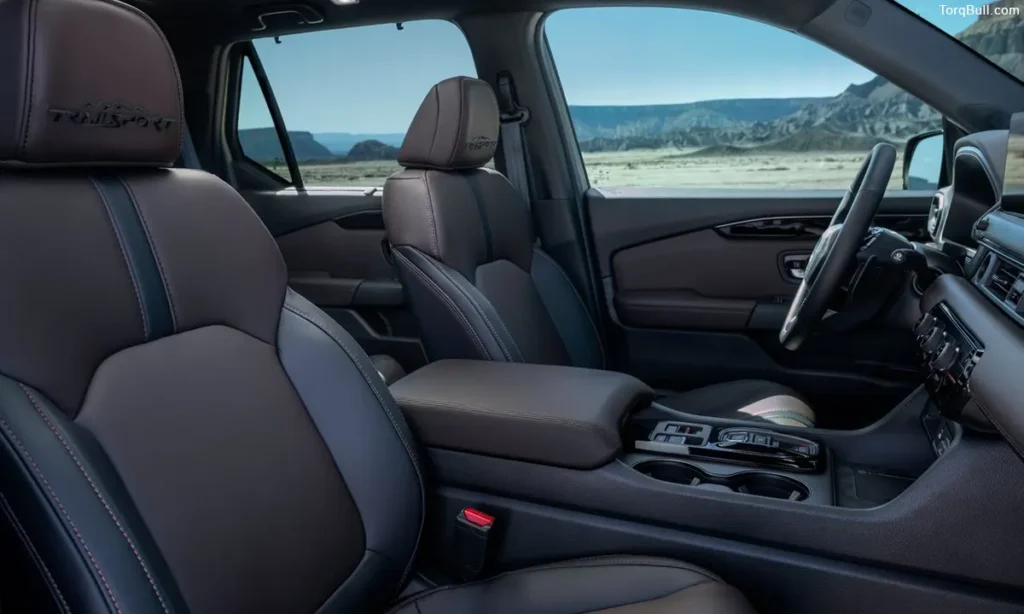
The Pilot’s long term financial case rests on two specific pillars: the below average total ownership cost over ten years and the resale value that Honda’s reliability reputation sustains in the used vehicle market.
A ten year projection of Honda Pilot ownership costs positions it as an economical long term choice, with maintenance and repair costs estimated below the industry average for popular SUV models over this extended period. This ten year projection is the most relevant financial benchmark for families planning genuinely long term ownership — it captures the full cost of the vehicle beyond the purchase price including insurance, fuel, maintenance and repairs, and it consistently shows the Pilot performing better than the segment average in total ownership cost terms.
The five year resale value range of approximately $21,535 to $27,868 reflects national average market values for well maintained Pilot examples at this age. For buyers who purchase new and plan to sell or trade within five years, the resale value represents the recovery of a meaningful portion of the original purchase price — though depreciation remains the largest single cost in any new vehicle’s five year ownership period regardless of the vehicle’s reliability or brand reputation.
The depreciation reality for any new vehicle purchase is significant enough to affect the long term financial calculation substantially. Every new Pilot purchased today begins losing value from the moment it leaves the dealership — at rates that front load the financial loss in the first three years before flattening as the vehicle ages. Buyers who are specifically optimising for long term financial value rather than new vehicle experiences are frequently better served by purchasing a three to five year old Pilot that has already absorbed the steepest depreciation while retaining the majority of its practical life and Honda’s reliability credentials intact. A used Pilot that is between three and five years old can yield thousands in savings versus buying new, and reduces the buyer’s exposure to the depreciation loss that is unavoidable for new vehicle purchasers.
Practical Long Term Ownership Attributes: What Matters Most Year Six Through Year Ten
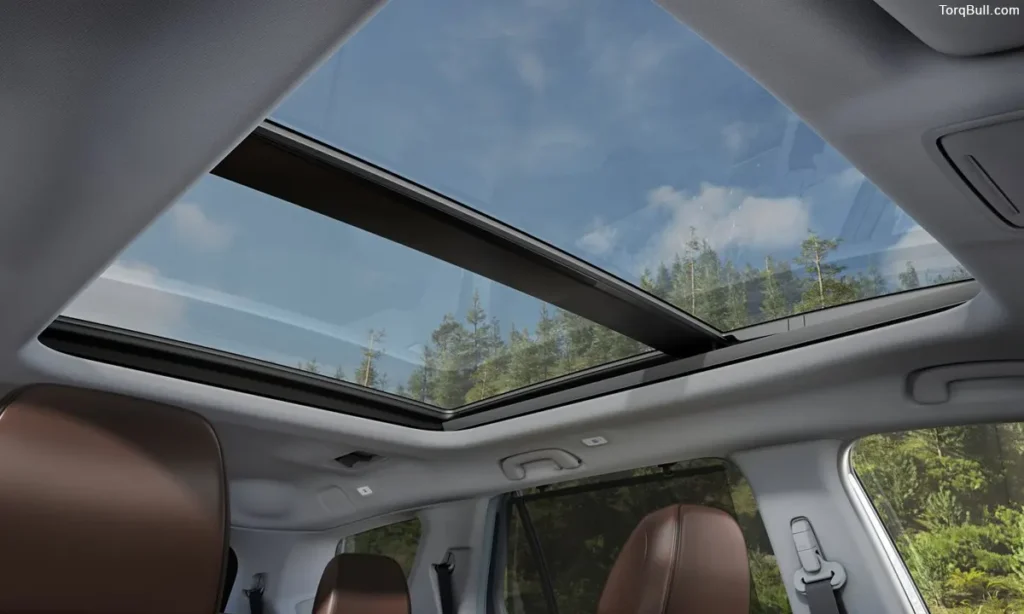
Beyond financial projections, long term Pilot ownership success depends on the practical vehicle attributes that either remain pleasant or become fatiguing across years of daily use — the ride quality, the seating flexibility, the technology accessibility and the ownership experience dimensions that determine whether a family is still enthusiastic about their vehicle in year eight or actively planning to replace it.
The 2026 Pilot’s 3.5 litre V6 engine producing 285 horsepower through a 10 speed automatic transmission is a mature and proven powertrain that professional evaluators describe as tranquil on the highway and comfortable to live with across extended ownership. The V6 is specifically noted for being enjoyable to drive without feeling cumbersome — a meaningful long term quality for a vehicle that accumulates tens of thousands of highway miles in family ownership. Honda’s naturally aspirated V6 is mechanically simpler than turbocharged alternatives in competing vehicles, with a track record of reliability across multiple generations that provides stronger statistical confidence for long term ownership than newer turbocharged engines carry.
The standard Honda Sensing safety suite — automatic emergency braking, adaptive cruise control, lane keeping assist and blind spot monitoring across all trims — provides safety assistance that genuinely reduces driver fatigue on long highway drives. This is one of the most practically valuable long term ownership features in any modern family vehicle, as the accumulated hours of highway driving over a seven to ten year ownership period represent a meaningful safety and fatigue risk that these systems measurably reduce.
The removable second row centre seat — the segment exclusive feature that enables seven or eight passenger configuration based on the day’s needs — continues to be one of the most consistently praised long term ownership features by Pilot owners who use it regularly. The practical flexibility this feature provides for families whose passenger count varies between school runs and extended family road trips remains genuinely useful across the full ownership period rather than only during the initial novelty phase.
Read: Is the Honda Pilot Good for First-Time SUV Buyers? The Complete 2026 Guide
Where Long Term Pilot Ownership Faces Challenges
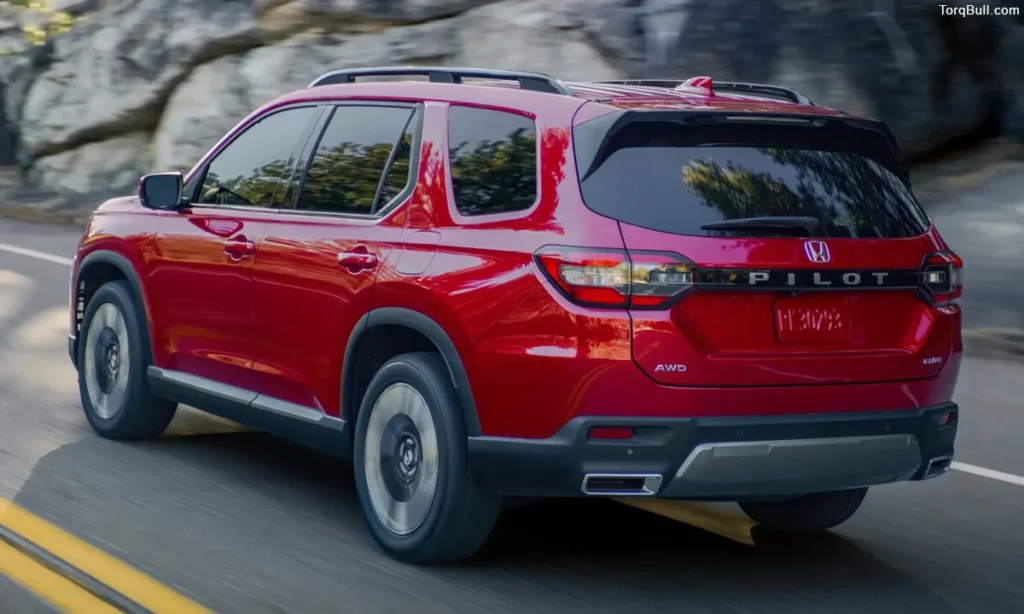
A complete long term assessment requires acknowledging the Pilot’s specific limitations that become more consequential over extended ownership periods.
The absence of a hybrid powertrain option in 2026 becomes progressively more financially relevant as annual fuel costs accumulate across a ten year ownership period. The Pilot’s 21 to 22 MPG combined at the national average gasoline price of $3.08 per gallon costs approximately $2,100 to $2,200 per year for 15,000 annual miles. A comparable vehicle achieving 35 MPG combined through hybrid technology costs approximately $1,323 per year for the same mileage — a saving of approximately $780 per year that accumulates to $7,800 over ten years of ownership. For buyers planning genuinely long term ownership, the absence of hybrid efficiency is the most significant financial limitation the Pilot carries relative to hybrid equipped competitors.
Water ingress complaints documented by verified owners of early 2026 Pilots — water found in the driver’s floorboard and lower cargo area after rain — represent a seal quality concern that Honda needs to address through manufacturing improvement. These seal failures, if present at delivery and unresolved, can develop into more significant interior damage concerns over long term ownership in climates with regular rainfall. Any prospective Pilot buyer should specifically verify seal integrity around all door frames, the rear liftgate and the cargo area before accepting delivery or completing a used vehicle purchase.
The third row’s 34.8 inches of legroom is adequate for children and occasional adult use but insufficient for regular adult occupancy on longer journeys. Families who specifically need the third row for adults on regular road trips will find this limitation becomes more pronounced over time rather than more acceptable — the seat dimensions do not change with ownership duration.
Should You Buy the Honda Pilot for Long Term Use? — Complete Assessment Chart
| Long Term Factor | Assessment | Notes |
| Long term reliability prediction | Average (2026 model) | Fourth gen likely most reliable yet; needs more data |
| Annual repair cost | Below average ($542 vs $573 avg) | Good indicator for long term ownership budget |
| Repair frequency | Higher than normal | More shop visits but lower severity |
| Ten year total cost projection | Below industry average | Supports long term ownership financial case |
| Powertrain durability | Very Good | Proven naturally aspirated V6; mechanically simpler |
| Honda Sensing standard | All trims | Long term safety and fatigue reduction |
| No hybrid powertrain | Significant con | $780 per year fuel cost disadvantage vs hybrid rivals |
| Third row adult accommodation | Limited | 34.8 inches legroom; adults only occasional use |
| Resale value (5 year) | $21,535 to $27,868 range | Decent but not segment leading |
| Water ingress concerns | Active concern | Verify seal integrity at purchase or delivery |
| Removable second row centre seat | Unique ongoing advantage | Segment exclusive; flexibly valuable over years |
| KBB owner satisfaction | 4.4 out of 5; 75% five stars | High owner satisfaction supports long term confidence |
| Best for long term | 3 to 5 year used purchase | Absorbs depreciation; retains Honda reliability |
Read: Which Honda Pilot Variant Offers the Best Value? The Complete 2026 Trim-by-Trim Breakdown
The Honest Verdict: For Which Buyers Is Long Term Pilot Ownership a Smart Decision?
The Honda Pilot is a smart long term purchase for buyers who specifically value the naturally aspirated V6’s proven durability over turbocharged alternatives, who regularly use the seven or eight passenger configuration the segment exclusive removable centre seat enables, who prioritise Honda’s ownership experience and service network and who plan to purchase a three to five year old used example that has already absorbed the steepest depreciation while retaining the majority of practical life.
It is a less straightforward long term choice for buyers whose primary long term ownership concern is minimising total fuel cost — where the Pilot’s lack of a hybrid alternative costs approximately $7,800 more in fuel over ten years compared to hybrid equipped competitors. For buyers in high mileage families or those planning genuinely decade long ownership, this fuel cost disadvantage narrows the Pilot’s total ownership cost advantage relative to hybrid alternatives significantly enough to warrant serious comparative evaluation before committing.
The Pilot has a very loyal base of owners who praise it for years and many miles — and the data that supports their loyalty is real and validated. The vehicle is well suited to its role as a family SUV, as professional assessors have concluded. For families whose lifestyle and priorities align with what the Pilot provides, long term ownership is a well supported and financially reasonable decision.