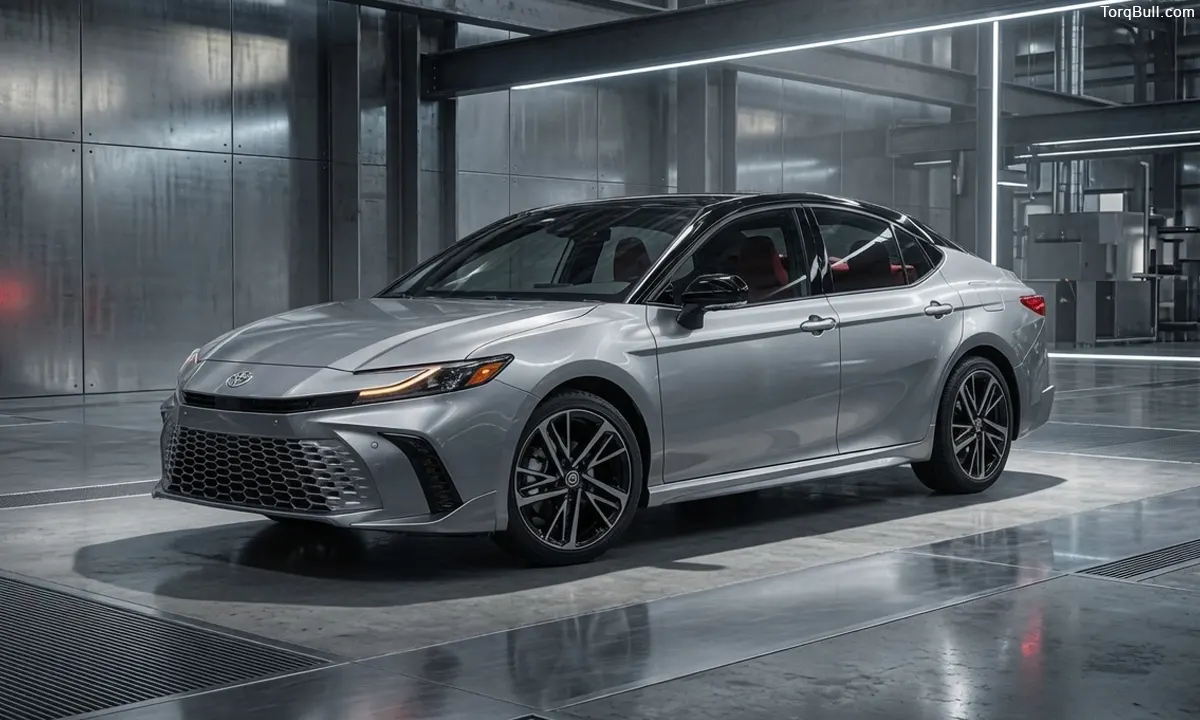
- The 2026 Toyota Camry retains value exceptionally well, with projected five-year depreciation of about $12,759 and a residual value of approximately $17,536.
- Compared with the average vehicle, the Camry loses value more slowly, potentially saving owners around $2,500 in depreciation over five years.
- For used-car buyers, the 2024 Camry represents one of the strongest value propositions, offering most of the vehicle’s useful life at a meaningful discount to a new model.
The Toyota Camry’s resale value story is one of the most consistently positive in the midsize sedan segment — and across the broader vehicle market, the Camry’s five-year depreciation rate of 35.5 to 37.7 percent positions it among the top performers for retained value in its vehicle category. The average car loses 45.6 percent of its value over five years. The Camry loses approximately 37.7 percent in the same period — a meaningful difference that translates into real money when the vehicle is sold or traded, and that compounds into thousands of dollars of net advantage over competing sedans with weaker resale value performance. The Camry Hybrid’s 40.7 percent five-year depreciation rate, while slightly higher than the gas Camry’s figure in percentage terms, reflects the hybrid’s higher purchase price from which a smaller absolute dollar loss produces a larger percentage. This complete guide examines every dimension of the Camry’s five-year resale value performance.
The 2026 Camry’s Five Year Depreciation: The Verified Numbers
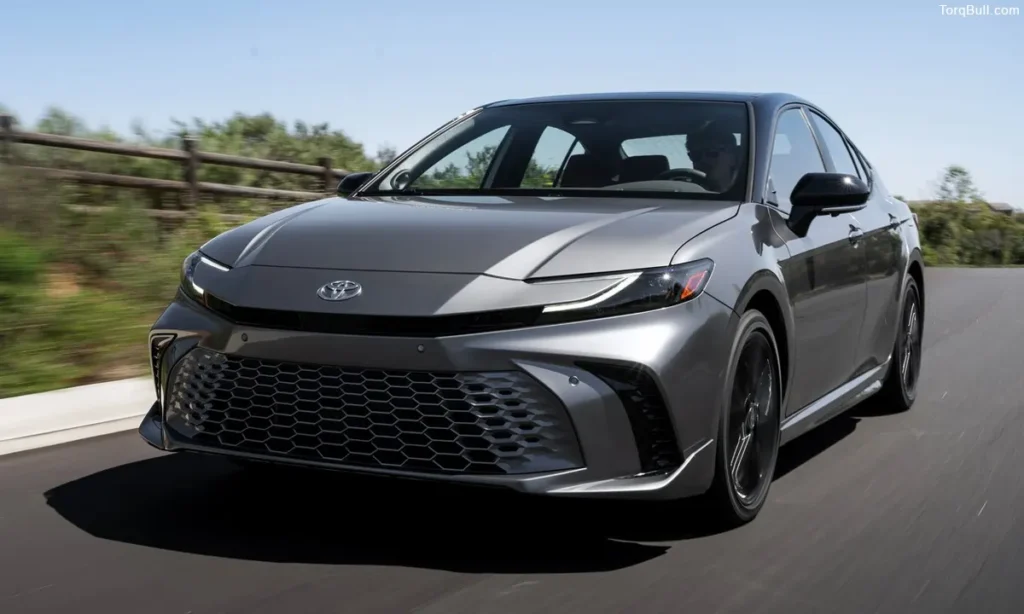
The 2026 Toyota Camry’s verified five-year depreciation data places the total loss at $12,759 — leaving a five-year residual value of $17,536 from a starting purchase price of approximately $30,295 for a typically equipped configuration.
This five-year depreciation of $12,759 represents approximately 42.1 percent of the original purchase price — a figure that when expressed as a percentage appears slightly above the Camry’s historically strong retention rates. The explanation lies in the 2026 Camry’s specific context: it is the first model year of the all-hybrid Camry lineup, carrying the hybrid premium that elevates the starting MSRP while the depreciation dollar amount reflects the absolute loss from this higher starting point. The 2025 Camry’s $13,446 five-year depreciation from a $29,795 MSRP produces a slightly higher absolute loss at a similar percentage rate — confirming that the year-to-year consistency is strong while absolute dollar losses reflect the purchase price level.
The most practically comparable metric for understanding Camry resale value is the percentage depreciation rate — the proportion of original value retained versus lost — rather than the absolute dollar loss that varies with purchase price. At 35.5 to 37.7 percent five-year depreciation, the Camry specifically ranks number 25 among all vehicles for the lowest five-year depreciation rate, confirming that its performance is competitive across the entire vehicle market rather than only in the midsize sedan segment.
Read: Toyota Camry Luxury Features Review. Does This Midsize Sedan Feel Premium Enough?
The Five Year Depreciation Curve: Year by Year
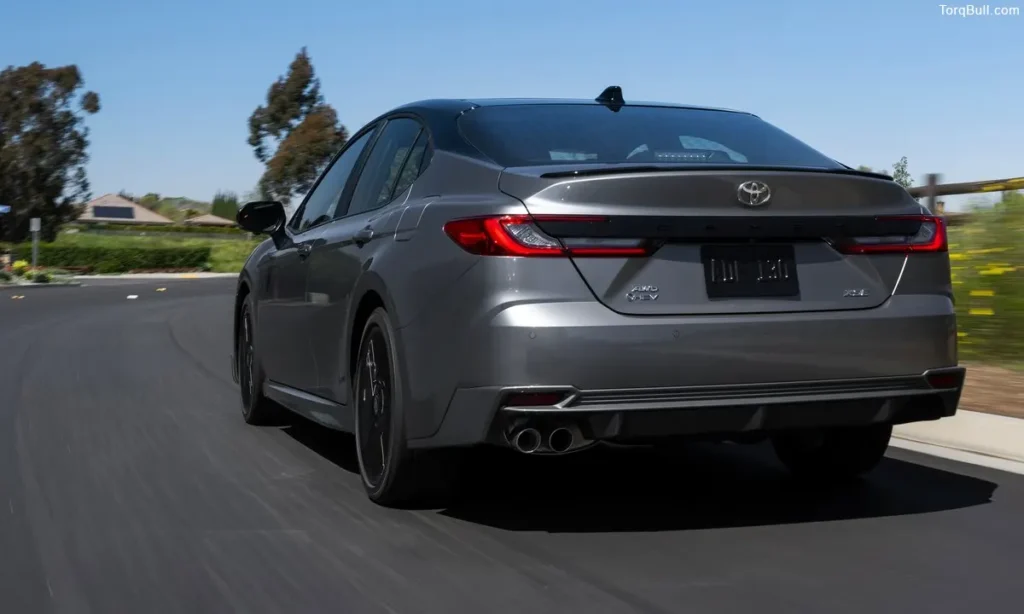
Understanding how the Camry’s depreciation distributes across the five-year ownership period is more financially actionable than the five-year total alone — because the depreciation is heavily front-loaded in the first two years when the vehicle transitions from new to used in the market’s valuation framework.
Year 1 produces the largest single-year depreciation loss — the new vehicle premium disappears as the Camry transitions to used status, typically producing 15 to 20 percent of the original purchase price in the initial 12 months. For a $30,295 Camry, this first-year loss of approximately $4,544 to $6,059 represents the period when the most significant value reduction occurs per time period. Buyers who specifically want to avoid this front-loaded depreciation absorption should consider one to two-year-old Camry examples that have already absorbed this steepest portion of the depreciation curve.
Years 2 through 4 produce progressively smaller annual losses as the vehicle enters the mature used-car pricing zone where Toyota’s reliability reputation most actively supports transaction prices — buyers who seek two to three-year-old Camry examples do so knowing the vehicle’s durability record and are willing to pay a premium above what other sedans at equivalent age command because of this documented advantage.
Year 5 produces the smallest annual depreciation of the five-year period — at this stage the vehicle has been absorbed into the mature used market where incremental aging produces smaller marginal value reductions than the dramatic new-to-used transition of Year 1.
The 2024 Camry: The Best Used Value Available Right Now
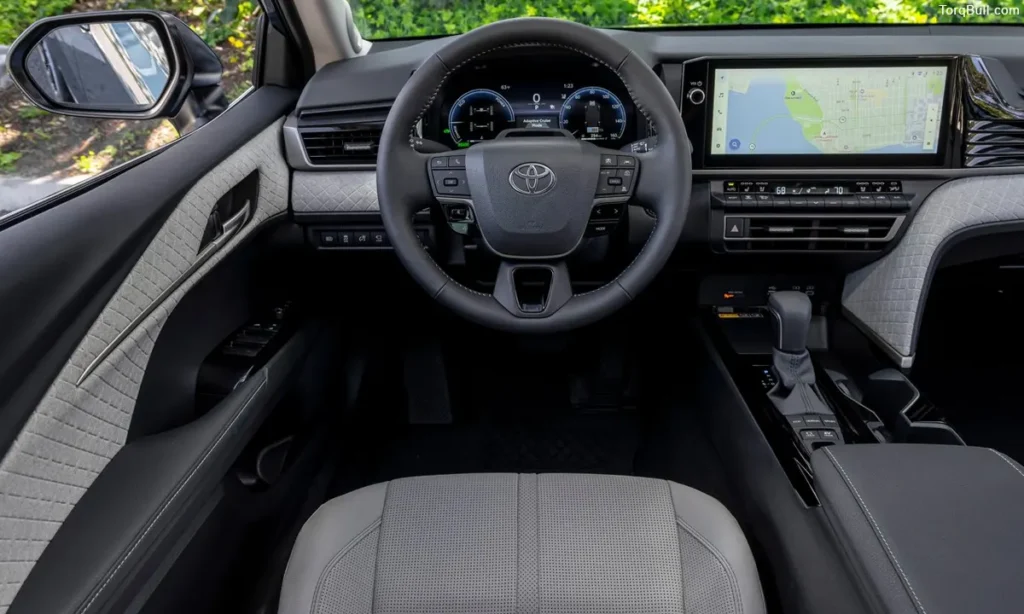
Independent vehicle value analysis identifies the 2024 Toyota Camry as the top pick for best model year value — paying on average 78 percent of the new price while retaining 92 percent of the vehicle’s useful life remaining. The 2023 and 2022 model years are also identified as attractive alternatives that provide relatively good value.
The 2024 Camry’s specific value proposition — 78 percent of new price for 92 percent of remaining life — is the mathematically optimal point on the Camry’s depreciation curve for buyers who want to maximise value per dollar spent. The first-year depreciation that the original buyer absorbed — the $4,500 to $6,000 initial loss that no degree of careful ownership can prevent — has already occurred, leaving the used buyer to acquire the remaining 92 percent of useful life at the reduced 78 percent price.
For buyers whose budget is flexible and who are considering new versus used Camry purchase, the 2024 Camry’s value equation deserves specific consideration alongside the 2026’s all-hybrid standard powertrain. The 2024 model was the last year of mixed gas and hybrid availability — buyers who specifically prefer a gas-only powertrain must purchase a 2024 or older example, as the 2025 and 2026 Camry are hybrid-only across the entire lineup.
The Camry Hybrid’s Resale Value: A Specific Assessment
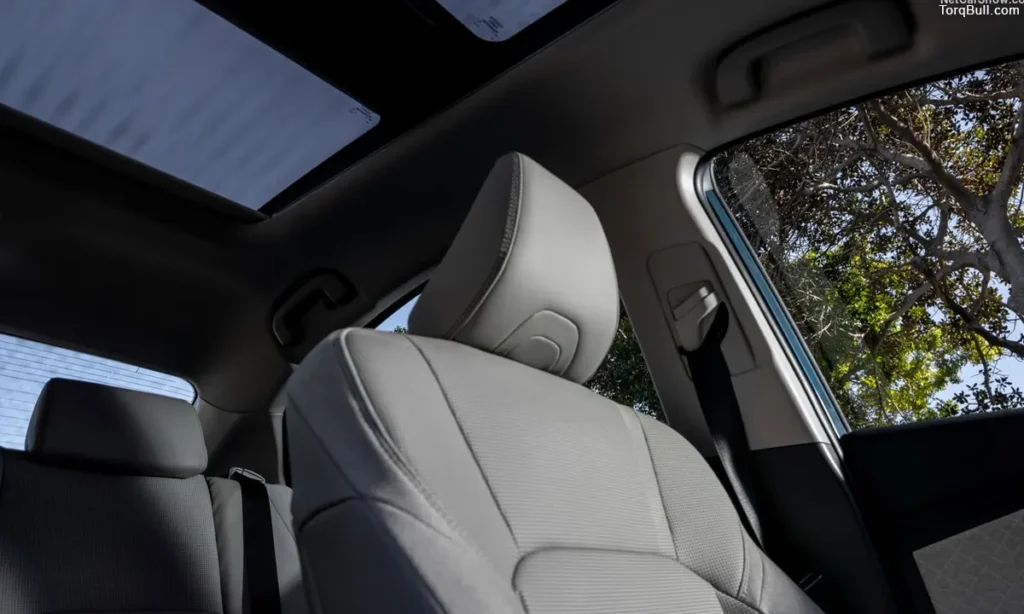
The Toyota Camry Hybrid’s five-year depreciation rate of 40.7 percent — slightly above the gas Camry’s 37.7 percent — deserves specific analysis because the percentage comparison can be misleading without the purchase price context.
The Camry Hybrid’s higher starting price from which this 40.7 percent is calculated means the absolute dollar loss in higher-trim Hybrid configurations may be larger than the equivalent gas Camry’s absolute loss despite the similar percentage — reflecting the higher-priced purchase from which depreciation is calculated. However, the Camry Hybrid’s used-market demand has been progressively strengthening as hybrid efficiency becomes more valued in the secondary market, and the 10-year or 150,000-mile hybrid battery warranty that transfers to subsequent owners specifically supports Hybrid resale prices by reducing used-buyer concerns about battery replacement costs.
The Camry Hybrid’s 40.7 percent five-year depreciation rate still substantially outperforms the 45.6 percent all-vehicle average — confirming that despite the slightly higher percentage rate than the gas Camry, the Hybrid retains significantly more value than the typical vehicle across the same period.
Read: Toyota Camry AWD vs FWD. Which One Fits Your Driving Needs Best?
Toyota Camry Resale Value After 5 Years — Complete Reference Chart
| Year and Configuration | 5-Year Depreciation | 5-Year Residual Value | Depreciation Rate | vs Average Vehicle | Notes |
| 2026 Camry (typical equipped) | $12,759 | $17,536 | approximately 42% | Better than 45.6% average | All-hybrid first year |
| 2025 Camry (gas plus hybrid) | $13,446 | $16,349 | 37.7% | 7.9% better than average | MSRP $29,795 |
| Gas Camry (multi-year average) | approximately $9,388 to $13,000 | varies | 35.5 to 37.7% | Top 25 all vehicles | Ranked 25th lowest depreciation |
| Camry Hybrid (multi-year) | approximately 40.7% | varies | 40.7% | 4.9% better than average | Hybrid premium purchase price |
| 2024 Camry (best used value) | Already absorbed by seller | 78% of original new price paid | 22% already lost | Buyer avoids 78% of year-1 drop | 92% of useful life remaining |
| 2022 to 2023 Camry | Above average retention | Good used value | Competitive | Better than segment average | Good used buy options |
| 10-year residual (gas average) | Loses approximately 60% | approximately $13,405 | 60% total | Better than many alternatives | Still meaningful used value |
Read: Toyota Camry Ownership Cost Breakdown 2026. A Detailed Cost and Value Analysis
Why the Camry Holds Its Value Better Than Most Midsize Sedans
The Toyota Camry’s above-average value retention reflects three specific and interconnected factors that together produce the sustained used-market demand that supports transaction prices across the vehicle’s aging lifecycle.
The documented reliability record is the primary demand driver — used-vehicle buyers who seek the Camry specifically because of Toyota’s reputation for long-term durability sustain transaction prices above what competing sedans with less-proven reliability records command at equivalent age and mileage. A Camry at 100,000 miles commands better used-market pricing than many competing alternatives at 80,000 miles because buyers specifically value what the Toyota nameplate’s reliability record suggests about the higher-mileage example’s remaining useful life.
The broad used-vehicle buyer demographic for the Camry — spanning first-time car buyers, budget-conscious commuters, value-oriented family buyers and every demographic that prioritises reliability and low long-term cost over styling novelty — creates the widest possible demand base for used Camry examples. This broad demand base prevents the narrow buyer pool that causes some vehicles to require aggressive pricing discounts to find buyers at advanced age and mileage.
The Camry’s consistent styling evolution without dramatic design changes between generations means that used Camry examples from two to three model years ago look similar enough to current examples that styling obsolescence does not contribute to accelerated depreciation — a specific disadvantage that more dramatic styling changes impose on competing vehicles whose used examples look noticeably dated compared to current-year alternatives.