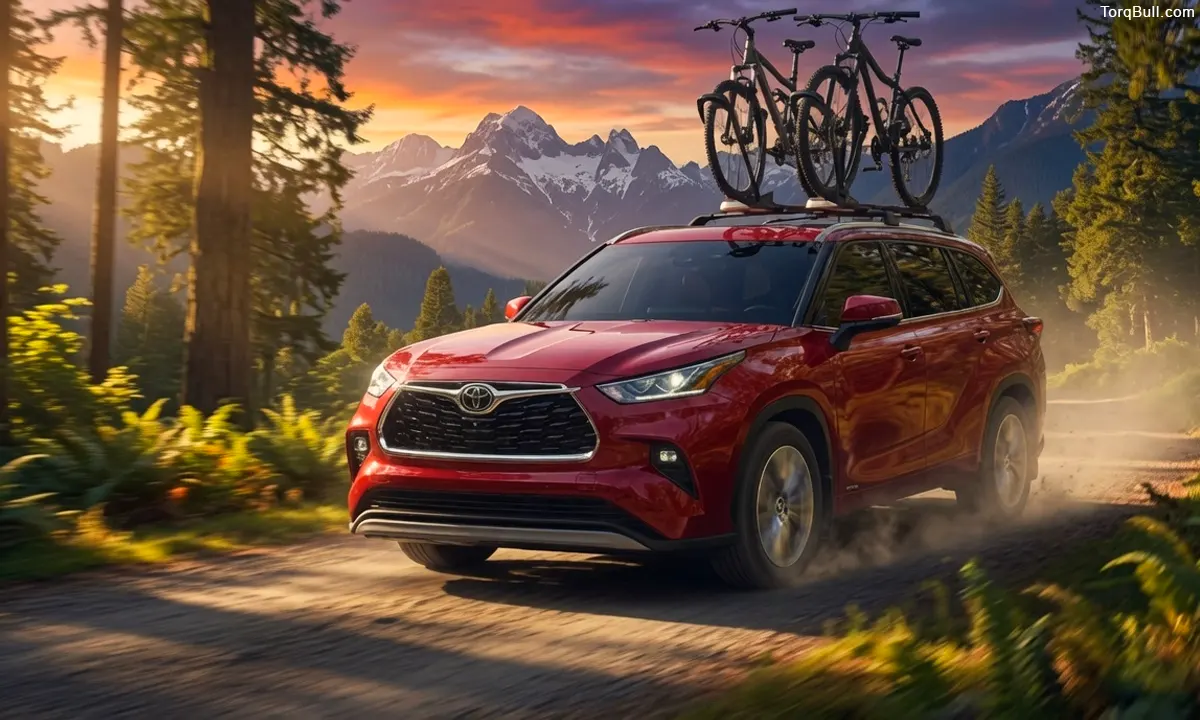
- Toyota Highlander insurance costs in 2026 typically range from $2,180 to $2,765 per year, below the midsize SUV average.
- Full coverage averages about $136 per month, while the 2025 Highlander averages around $1,433 annually.
- USAA and Progressive offer some of the lowest reported rates, depending on driver profile and eligibility.
The Toyota Highlander’s insurance cost profile is one of the most financially favourable in the three-row midsize SUV segment — a vehicle whose combination of Toyota’s reliability record, strong active safety technology ratings and competitive replacement cost produces insurance premiums that consistently fall below the midsize SUV segment average and below the national average for all vehicles. The average Highlander insurance cost of $2,180 to $2,765 per year depending on the dataset’s methodology and coverage assumptions represents a 4 to 10 percent cost advantage over the national vehicle average — a meaningful ongoing financial benefit that compounds across the ownership period and contributes to the Highlander’s strong total cost of ownership positioning. But these national averages are starting points rather than predictions, because the actual premium any individual Highlander owner pays is determined by a combination of factors — driver age, location, driving record, coverage selection and the specific insurer — that can produce results ranging from $1,050 to over $5,000 per year for the same vehicle in different ownership scenarios. This complete guide examines every factor and every opportunity to reduce what you actually pay.
The National Average: Understanding the Range in the Data
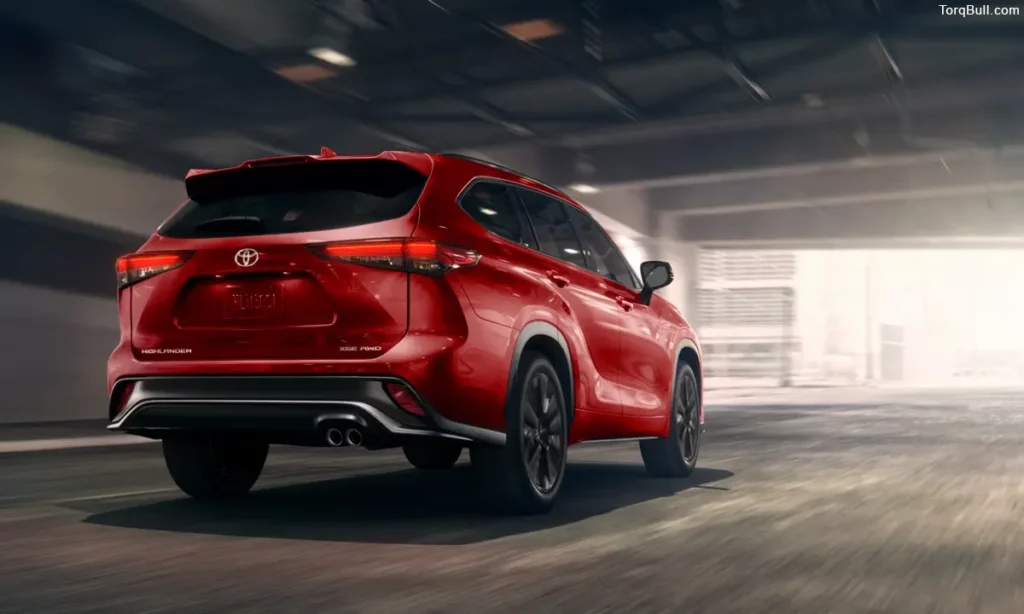
The Toyota Highlander’s insurance cost produces a wider range in reported averages than any single number communicates — because different insurance data sources use different driver profiles, coverage assumptions and geographic sampling to produce their results. Understanding these methodology differences explains why published averages for the same vehicle can differ by hundreds of dollars.
The most comprehensive industry dataset places the 2026 Highlander’s average annual insurance cost at $2,765 based on a 40-year-old male driver with full coverage, a $500 deductible, a clean driving record and good credit driving 10,000 annual miles on a single-car policy. A separate large-scale analysis placing the Highlander at $2,180 per year uses a similar driver profile but incorporates a broader geographic and insurer sample that produces the lower figure. The $136 per month full coverage estimate represents yet another methodology’s output for what Toyota has positioned as the average Highlander driver. All three figures are professionally derived and all three are legitimate — they simply measure the same vehicle across different but equally valid driver and coverage assumptions.
For practical planning purposes, the $2,180 to $2,765 range represents a reasonable annual insurance budget estimate for a typical 35 to 55-year-old Highlander owner with full coverage, a clean record and good credit. Younger drivers, drivers in high-cost states, drivers with recent incidents and drivers with lower credit scores should budget substantially above this range. Older drivers with exemplary records in low-cost states can reasonably expect to pay below it.
Read: Toyota Highlander Reliability After 100,000 Miles. Common Issues, Maintenance and Longevity
Model Year Impact: How the Highlander’s Age Affects Your Premium
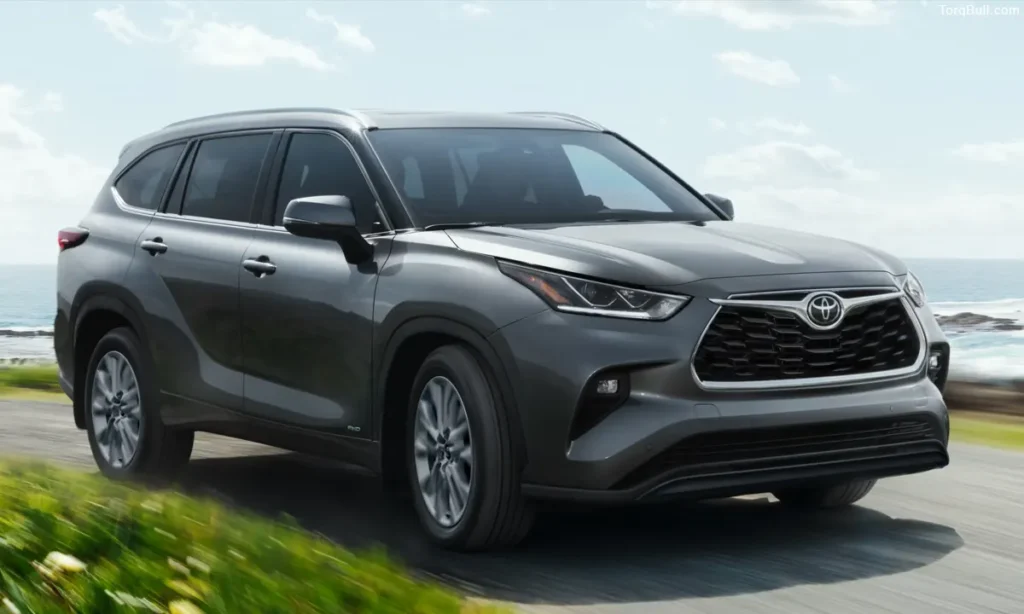
Insurance premiums for the Toyota Highlander vary significantly by model year — a pattern that reflects both the vehicle’s current market value and the specific safety technology improvements that newer generations include.
The most recent model years carry the highest premiums because the higher replacement cost of a newer Highlander produces higher comprehensive and collision coverage costs. The 2025 Highlander averages approximately $1,433 per year in one dataset — while a 2024 model averages approximately $1,247 and a 2023 model averages approximately $818 in the same data. These differences reflect the combination of declining vehicle values as model years age, the lower replacement cost of older examples and the statistical performance data that insurance actuaries use when pricing specific model years.
The 2026 Highlander — the newest model year — carries the highest premium for this nameplate in 2026, reflecting its maximum current market value. As the 2026 model ages through subsequent years, its insurance cost will decline in parallel with its depreciating replacement value — making the insurance premium a cost that naturally decreases over time rather than one that remains static.
The Cheapest Carriers: Where the Real Savings Are

The most actionable finding in any insurance cost comparison is not the average premium but the range between the cheapest and most expensive carriers for the same vehicle and driver profile — because this range consistently exceeds the difference that any other factor produces.
For the current generation Highlander, the cheapest published carrier rates across multiple datasets are consistently from USAA at approximately $1,050 per year for eligible members, Progressive at approximately $132 per month for the latest model and various regional insurers who undercut national carrier averages for specific geographic markets. The most expensive carriers for the same vehicle and equivalent driver profile regularly charge $3,000 to $4,000 per year — three to four times the cheapest option’s rate for identical coverage.
USAA’s rate advantage is specifically available to active military service members, veterans and their immediate family members. For eligible buyers who are not currently using USAA for their auto insurance, the potential saving of $1,000 to $1,500 per year compared to national carrier averages makes USAA evaluation a financially essential step in any Highlander insurance purchase process.
For buyers without USAA eligibility, Progressive’s competitive Highlander rates are the broadest accessible alternative to the cheapest available coverage. Progressive’s advantage is specifically pronounced for the newest model years where its pricing algorithm produces below-average rates for vehicles with strong safety technology ratings — the Highlander’s Toyota Safety Sense suite specifically benefits from this actuarial assessment.
Driver Age: The Most Significant Individual Variable

Driver age produces the widest insurance cost variation of any individual factor in the Highlander premium calculation — because actuarial data consistently shows that accident probability and severity vary enormously across age groups in ways that insurance pricing directly reflects.
Teen drivers in their late teens and early twenties pay substantially more than the national average regardless of their specific driving record, because the statistical accident probability for young inexperienced drivers produces higher base rates that no amount of discounting fully offsets. Adding a teenage driver to a Highlander policy typically increases the family premium by $1,500 to $3,000 per year depending on the teen’s age, gender and driving record. This cost gradually decreases as the young driver accumulates years of claim-free driving history.
Drivers in their 30s through 50s typically pay near or below the national average — this is the statistical low-accident-probability age range that produces the most favourable base rates and where all available discounts apply most effectively. Drivers in their late 60s and 70s may see premiums begin to rise again as actuarial data incorporates the increased accident probability associated with older drivers — though this increase is typically more gradual than the young driver surcharge.
Read: Best Toyota Highlander Trim for Families. Which Model Delivers the Most Value In 2026?
How Location Changes Everything: State by State Variation
Geographic location produces the second most significant premium variation after driver age — because state-level insurance regulations, local accident frequency, weather-related claim rates, theft rates and medical cost environments all differ dramatically across the country.
The most expensive states for Highlander insurance include Michigan — whose no-fault system with unlimited medical coverage produces the nation’s highest average premiums — New York, Florida and Louisiana, where high population density, litigation rates and specific local risk factors drive premiums substantially above national averages. Highlander owners in these states should expect annual premiums 30 to 70 percent above the national average even with clean driving records and good credit.
The least expensive states for Highlander insurance include Ohio, Iowa, Idaho, Maine and Vermont — states with lower population density, fewer natural disaster claims, lower medical costs and regulatory environments that produce more competitive insurance markets. Highlander owners in these states with clean records may pay as little as $800 to $1,200 per year for full coverage.
Toyota Highlander Insurance Cost — Complete Reference Chart
| Factor | Low End | National Average | High End | Notes |
| 2026 Highlander (new model) | approximately $1,500/yr | $2,765/yr | $4,500/yr | Newest model has highest replacement cost |
| 2025 Highlander | approximately $1,050/yr (USAA) | $1,433/yr | $3,000/yr | Cheapest: USAA at $1,050 |
| 2024 Highlander | approximately $911/yr (cheapest carrier) | $1,247/yr | $2,500/yr | Below midsize SUV average |
| Monthly full coverage (all years avg) | approximately $88/mo | $136 to $230/mo | $375/mo | Progressive: $132/mo for latest model |
| Teen driver addition | approximately $1,500/yr extra | $2,500/yr extra | $4,000/yr extra | Age 16 to 19; decreases with experience |
| Good driver discount | 10 to 15% | 12% | 20% | Applied to all eligible drivers |
| Multi-policy bundle discount | 5% | 10% | 25% | Combining home and auto is most effective |
| Highest cost state (Michigan) | 50% above national | 70% above national | 100%+ above national | No-fault unlimited medical system |
| Lowest cost state (Ohio, Iowa) | 30% below national | 40% below national | 50% below national | Lower density, lower medical costs |
| Highlander vs midsize SUV average | $190 less per year | Highlander costs less than class average | ||
| Highlander vs all vehicles average | $96 less per year | Below the national all-vehicle average |
The Highlander Hybrid: Slightly Higher Insurance Than Gas
The Highlander Hybrid carries modestly higher insurance premiums than the equivalent gas model — reflecting the hybrid system’s higher replacement cost that comprehensive coverage must account for. The premium difference between gas and hybrid Highlander configurations is approximately $100 to $300 per year depending on the insurer and driver profile.
For buyers who are choosing between gas and hybrid Highlander configurations primarily on total cost of ownership grounds, the hybrid’s higher annual insurance cost of approximately $150 to $200 per year partially offsets but does not eliminate the hybrid’s approximately $602 per year fuel cost advantage over the gas model. The hybrid’s net annual operating cost advantage after the insurance premium difference is approximately $400 to $450 per year — still significant and financially meaningful for high-mileage owners who hold the vehicle for multiple years.
Read: Toyota Highlander Hybrid vs Gas: Pros, Cons and Best Choice for Families
How to Reduce Your Highlander Insurance Cost: Practical Steps
The difference between the highest and lowest available Highlander insurance premiums for an identical driver profile is consistently $800 to $1,500 per year — making comparison shopping the single most financially productive action available to any Highlander owner.
Getting competitive quotes from at least four to five carriers every one to two years — not only at initial purchase — ensures that the savings available from carrier competition are captured on an ongoing basis rather than only at the point of first purchase. Most drivers who have been with the same insurer for three or more years without comparison shopping are paying above the competitive market rate for their specific profile.
Increasing the collision and comprehensive deductible from $500 to $1,000 typically reduces the annual premium by 10 to 15 percent — approximately $200 to $400 per year for the average Highlander policy. This strategy makes financial sense for drivers who maintain an emergency fund capable of absorbing the higher out-of-pocket cost in the event of a claim.
Bundling the Highlander policy with a homeowners or renters policy from the same carrier produces the most consistently available multi-policy discount — typically 10 to 25 percent depending on the insurer. For homeowners who currently use separate insurers for auto and home coverage, consolidating both with the most competitive combined-rate carrier can save $300 to $700 per year.