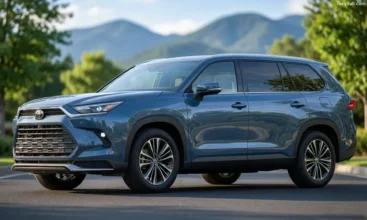
The 2027 Toyota Highlander has no gas engine. No hybrid option. No V6. None of it. For the first time in the Highlander’s 26-year production history, every new Highlander coming off the line in Georgetown, Kentucky, will be fully electric. The base FWD model makes 221 horsepower from a 77-kWh battery with 287 miles of range. The AWD model gets 338 horsepower and up to 320 miles of range from a 95.8-kWh pack. There is bidirectional charging. Tesla Supercharger access through NACS. And an interior with the largest panoramic roof ever offered in any Toyota vehicle. The question is whether the millions of families who built their lives around the gas Highlander will follow it into this new chapter.
I have been thinking about this question for months. Not just as an automotive journalist, but as someone who has watched the Toyota Highlander become the definition of dependable family transportation for a quarter century. My neighbors have Highlanders. My colleagues have Highlanders. The school pickup line at six-fifteen on a Tuesday afternoon is basically a Highlander advertisement with occasional interruptions from other vehicles.
When Toyota announced the 2027 Highlander would go fully electric, I immediately thought about every one of those owners. The ones who specifically chose the Highlander because it was the opposite of complicated. Gas goes in. Miles come out. Decades of proven reliability in between.
And then I looked at the actual product Toyota built. And the question got considerably more interesting.
What Toyota Actually Built
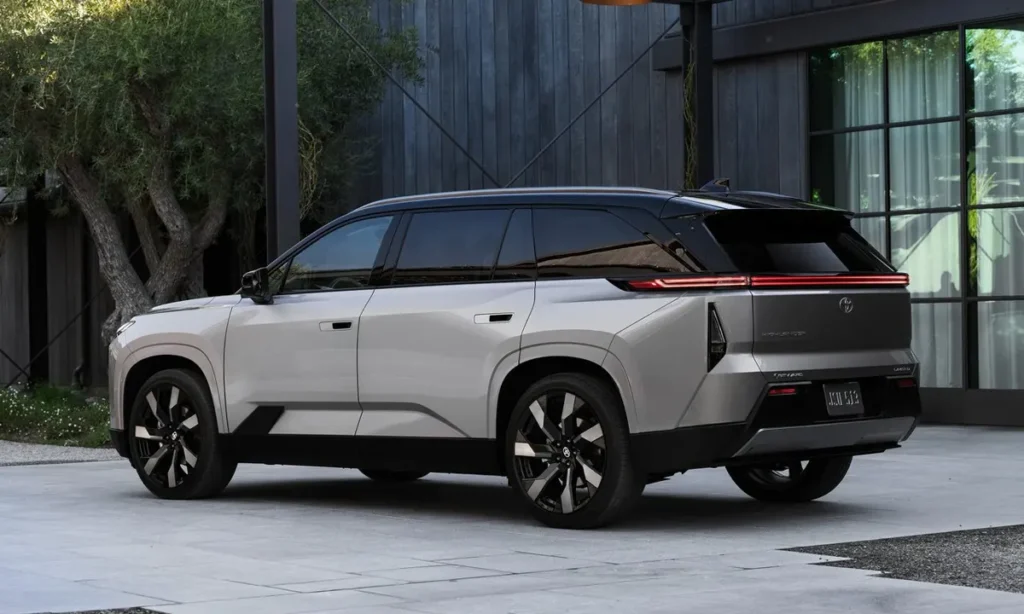
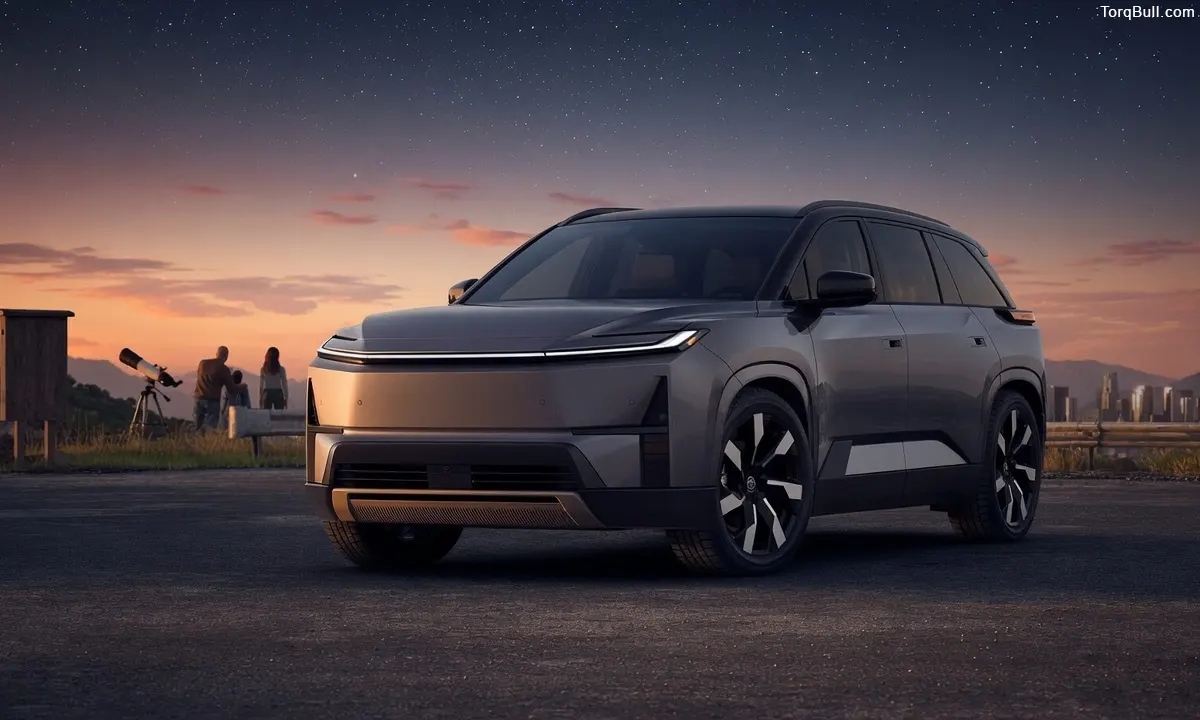
Let me put the actual vehicle on the table first, because the emotional reaction to the powertrain change can only be honestly evaluated against what the car actually is.
The 2027 Highlander is the fifth-generation model, built on a modified TNGA-K electric platform and assembled at Toyota’s Georgetown, Kentucky facility, the same plant that has built Highlanders for American families for years. Battery modules are assembled at a North Carolina facility, giving the electric Highlander what Toyota is rightly calling Made in America bragging rights.
The base XLE comes standard with front-wheel drive, 221 horsepower, 198 pound-feet of torque, and a 77-kilowatt-hour battery delivering 287 miles of EPA-estimated range. AWD buyers can choose between the 77-kilowatt-hour battery at 270 miles of range or step up to the 95.8-kilowatt-hour battery for the class-leading 320-mile range figure that directly answers the most common range anxiety objection in the three-row family SUV segment.
The top-tier Limited comes standard with AWD and the 95.8-kilowatt-hour battery, 338 horsepower and 323 pound-feet of torque, and the largest panoramic glass roof ever offered in any Toyota vehicle.
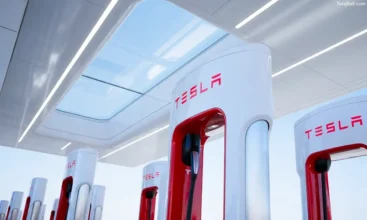
Charging happens through a standard NACS port, giving every Highlander buyer immediate access to the Tesla Supercharger network, the most reliable and most expansive fast-charging infrastructure in America. A ten percent to eighty percent charge takes approximately 30 minutes on a DC fast charger.
The 2027 Highlander is also Toyota’s first EV in the United States to offer bidirectional charging, allowing the vehicle to send power back to the home or to external devices. This is a feature that even Tesla’s most popular vehicles do not currently offer, and it transforms the Highlander from a transportation appliance into a household energy asset.
The Interior That Loyal Buyers Will Actually Appreciate
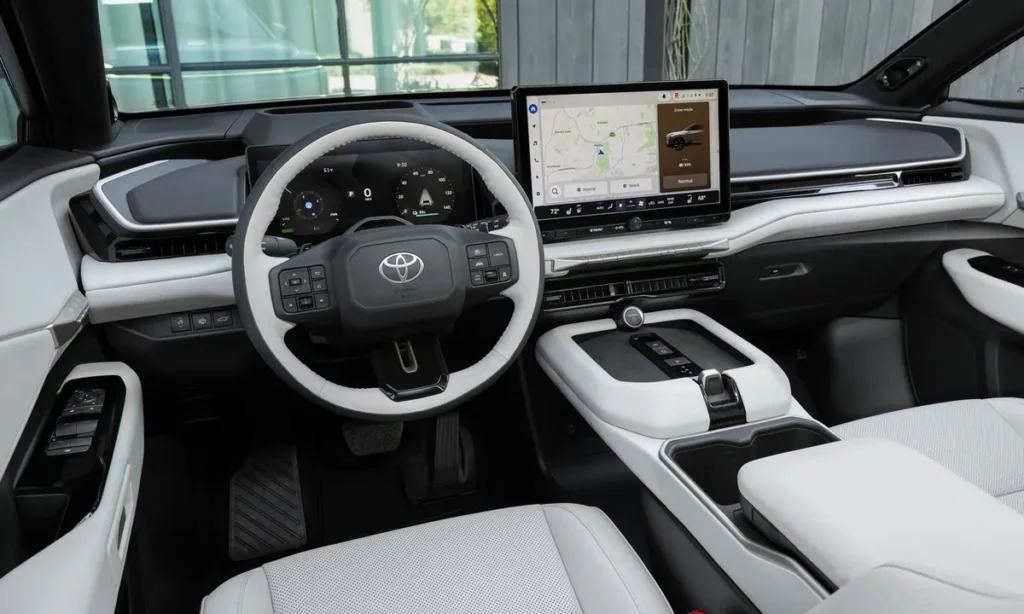
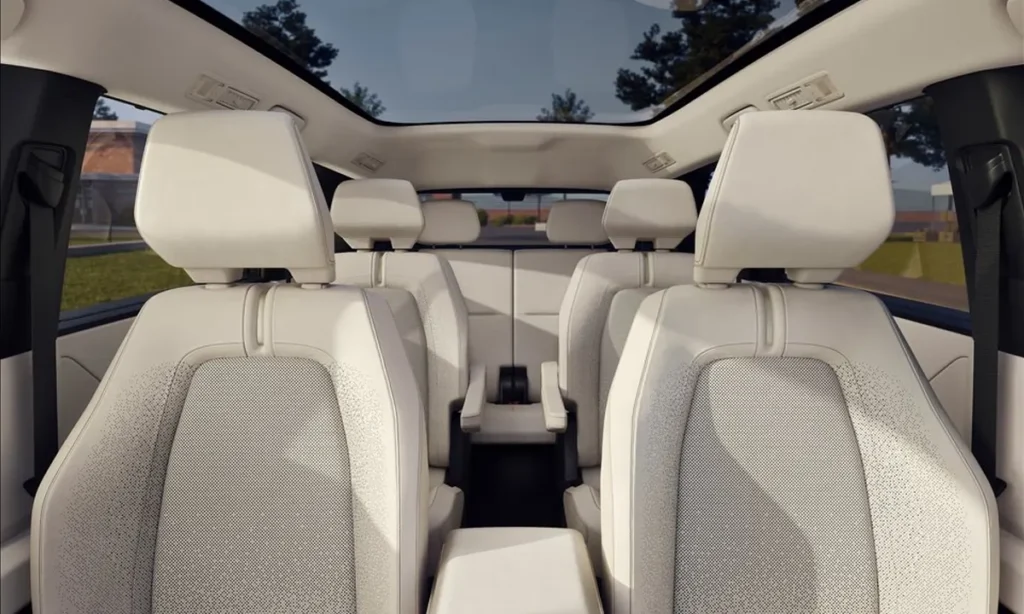
Here is where I think Toyota makes its most convincing case to the Highlander faithful, because the interior is where this vehicle’s family usefulness is most directly expressed.
A standard 14-inch touchscreen pairs with a 12.3-inch digital instrument cluster. Dual wireless phone chargers sit on the dashboard. Wireless Apple CarPlay and Android Auto are standard. Physical buttons handle temperature and volume adjustment, a specific and important decision that keeps the most frequently used controls tactile and operable without looking away from the road.
The wheelbase grew nearly eight inches versus the gas Highlander, and that additional length directly benefits the passengers who needed it most. The third row gains one inch of headroom and 1.5 inches of legroom compared to the outgoing gas model. For anyone who has ever watched a teenager fold themselves awkwardly into the back row of a previous-generation Highlander and then complained about it for the entire trip, this improvement is genuinely meaningful.
Cargo space behind the third row is 15.9 cubic feet. With the third row folded, this expands to 45.6 cubic feet. With both rear rows folded, the maximum cargo volume reaches 80 cubic feet, more than enough for the airport runs, Costco trips, and camping adventures that define Highlander ownership in American families.
Eighteen cupholders. USB-C ports in every row. Sixty-four color ambient lighting on higher trims. Acoustic glass for reduced cabin noise. And the panoramic roof on Limited trim that is the single largest Toyota has ever offered in any vehicle it makes.
This is not an SUV that gave up its family credentials to become an electric vehicle. This is an SUV that expanded them.
The Key Worry: Is 320 Miles Enough for Road-Trip Families?
Here is where I will be genuinely honest with you, because this is the specific concern I hear most consistently from Highlander loyalists when the conversation about the 2027 model comes up.
The gas Highlander Hybrid could cover nearly 600 miles on a single tank. The electric Highlander’s maximum range is 320 miles. That gap of approximately 280 miles represents real planning difference for road-trip families who are accustomed to getting in the car on a Friday afternoon and simply driving until they arrive, with a single fuel stop somewhere along the way.
The practical answer is that 320 miles is competitive among three-row electric SUVs. It exceeds the Kia EV9’s long-range configuration. It exceeds the Rivian R1S’s standard range. And the 30-minute NACS fast charge from ten to eighty percent means that a family road trip stop for lunch, coffee and a bathroom break at a Supercharger location produces nearly a full charge by the time everyone is ready to leave.
But the practical answer is not the emotional answer, and the emotional answer for buyers who have organized their road trips around the Highlander Hybrid’s exceptional range for years is that the transition requires a behavioral change they did not ask for and did not choose. That is real, and acknowledging it honestly is more useful than dismissing it.
Toyota’s decision to keep the Grand Highlander available with the Hybrid Max powertrain alongside the fully electric new Highlander provides a partial answer to this concern. Buyers for whom maximum range and no charging infrastructure dependence is the primary ownership requirement can step up to the Grand Highlander’s hybrid system. Buyers for whom the original Highlander’s dimensions and the electric model’s new capabilities align more naturally with their actual driving patterns have the 2027 Highlander.
Read: 2026 Toyota bZ Woodland: Toyota Just Built a Rugged Electric Wagon and It Packs 375 Horses
2027 Toyota Highlander Powertrain and Specification Chart
| Specification | FWD XLE | AWD XLE | AWD Limited |
| Drivetrain | Single motor, front-wheel drive | Dual motor, all-wheel drive | Dual motor, all-wheel drive standard |
| Battery Capacity | 77 kWh | 77 kWh or 95.8 kWh | 95.8 kWh standard |
| Horsepower | 221 hp | 338 hp | 338 hp |
| Torque | 198 lb-ft | 323 lb-ft | 323 lb-ft |
| EPA Range (77 kWh) | 287 miles | 270 miles | Not offered |
| EPA Range (95.8 kWh) | Not offered | 320 miles | 320 miles |
| DC Fast Charge (10 to 80%) | Approximately 30 minutes | Approximately 30 minutes | Approximately 30 minutes |
| Charging Port | NACS standard | NACS standard | NACS standard |
| Bidirectional Charging | Available | Available | Available |
| Wheelbase | 120.1 inches | 120.1 inches | 120.1 inches |
| Overall Length | 198.8 inches | 198.8 inches | 198.8 inches |
| Seating | 6 or 7 passengers | 6 or 7 passengers | 6 or 7 passengers |
| Cargo (behind third row) | 15.9 cubic feet | 15.9 cubic feet | 15.9 cubic feet |
| Cargo maximum (both rows folded) | 80 cubic feet | 80 cubic feet | 80 cubic feet |
| Third-row legroom gain | Plus 1.5 inches vs gas model | Plus 1.5 inches vs gas model | Plus 1.5 inches vs gas model |
| Third-row headroom gain | Plus 1 inch vs gas model | Plus 1 inch vs gas model | Plus 1 inch vs gas model |
| Touchscreen | 14 inches standard | 14 inches standard | 14 inches standard |
| Digital Instrument Cluster | 12.3 inches | 12.3 inches | 12.3 inches |
| Wireless Chargers | Dual Qi standard | Dual Qi standard | Dual Qi standard |
| Panoramic Roof | Available | Available | Largest ever in Toyota, standard |
| Safety Suite | Toyota Safety Sense 4.0 | Toyota Safety Sense 4.0 | Toyota Safety Sense 4.0 |
| Assembly | Georgetown, Kentucky | Georgetown, Kentucky | Georgetown, Kentucky |
| On Sale | Late 2026 | Late 2026 | Late 2026 |
| Base Price | TBA | TBA | TBA |
Will the Loyal Buyers Come Back? My Honest Answer
Here is where I land after spending real time with the specifications, the first-look reviews, the competitor comparisons, and the buyer sentiment I have absorbed from the Highlander community over the past several months.
Most of them will come back. Not all immediately. Not without some initial resistance or exploration of alternatives. But most of them, eventually, will come back, and here is why I believe that.
The Highlander name carries 26 years of family trust. Toyota has not done anything to damage the engineering quality, the safety credentials, the manufacturing location, or the fundamental family usefulness that name represents. What they changed is the fuel source. And the fuel source they chose comes with specific, documented advantages that the families who use Highlanders for school runs, weekend trips and family vacations will feel every single day.
Charging at home means never stopping for gas on a weekday morning. The 30-minute Supercharger stop integrates naturally into road trip bathroom-and-lunch breaks. Bidirectional charging means the Highlander can power the camping trip gear and potentially keep the refrigerator running during a power outage. The bigger third row means the teenagers stop complaining. The panoramic roof on Limited trim means the kids stop asking if they are there yet.
Toyota could have announced a Highlander EV that felt like an obligation. What they built feels like an upgrade. The loyal buyers will figure that out the moment they get behind the wheel, and that is the moment Toyota is counting on.