Top 10 Cheapest Supercars to Maintain in 2026. Performance Without the Punishment
Annual Service Costs, Parts Availability, Reliability Records, Insurance Considerations and Real Owner Data Across Ten Production Supercars Whose Purchase Price Is Only the Beginning of the Financial Conversation — The Definitive Guide to Which High-Performance Cars Deliver Extraordinary Performance Without the Extraordinary Maintenance Bills That Make Supercar Ownership a Privilege Few Can Sustain Beyond the First Ownership Year
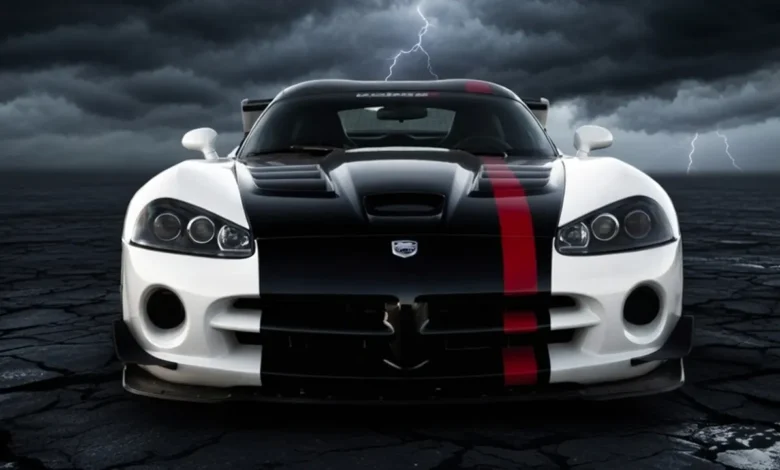
Cheapest Supercars to Maintain: Buying a supercar is the conversation the automotive world loves to have. Maintaining one is the conversation it consistently avoids — until the first major service invoice arrives, the first specialist tyre replacement is quoted and the first insurance renewal figure lands with the particular impact that only a number with too many digits can deliver. The gap between a supercar’s purchase price and its true cost of ownership across a decade of real-world use is where automotive dreams most frequently encounter financial reality, and where the distinction between the supercars that reward their owners with years of engaged, accessible performance and those that punish them with bills proportionate to their engineering complexity becomes most consequential.
The 2026 supercar landscape offers genuine choice for the performance-oriented buyer who approaches ownership with total cost of ownership discipline rather than purchase price fixation alone. Across a price spectrum from approximately $60,000 to $200,000, there exist production supercars whose maintenance requirements, parts availability, service interval generosity and real-world reliability records combine to make sustained high-performance ownership financially viable for a buyer population considerably broader than the ultra-high-net-worth demographic that the segment’s reputation might suggest. These are those ten cars — ranked by the combination of annual maintenance cost, parts availability, service complexity and long-term reliability evidence that determines the true cost of keeping a supercar on the road across multiple years of genuine use.
1. Chevrolet Corvette C8: The Benchmark for Affordable Supercar Ownership
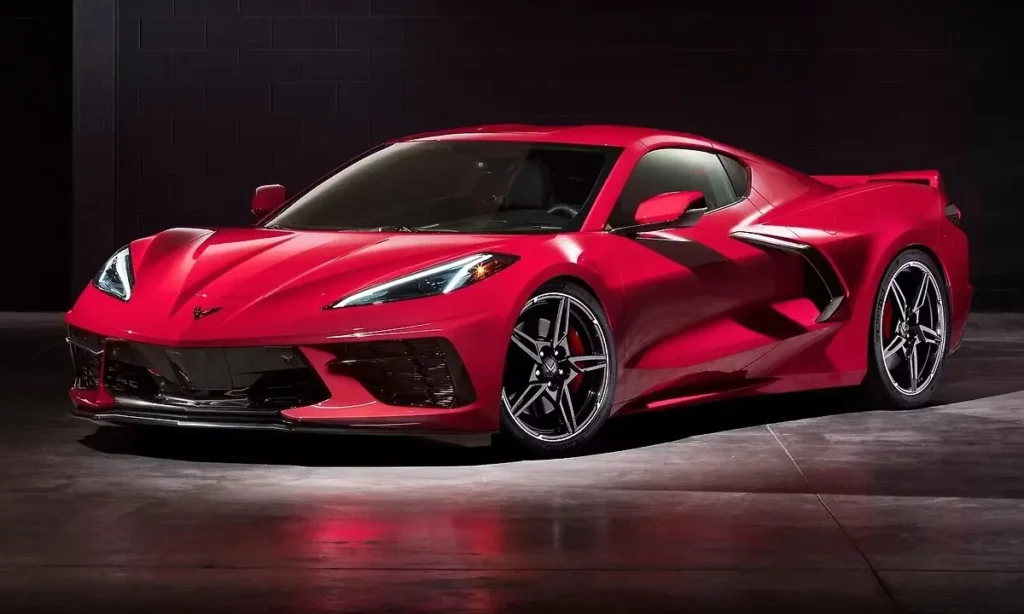
The mid-engine Chevrolet Corvette C8 establishes the standard against which every other entry on this list must be measured — a 495-horsepower naturally aspirated mid-engine supercar whose annual maintenance costs, based on aggregated owner data across the first four years of C8 production, average approximately $700 to $900 per year under normal driving conditions. The 6.2-litre LT2 V8 engine uses proven, durable internal architecture whose parts are manufactured at the volume that General Motors’ production scale enables — making replacement components available through both GM dealer networks and a deep independent aftermarket at prices that no European supercar manufacturer’s parts supply can approach.
The C8’s service intervals extend to 7,500 miles or twelve months for oil changes — a generous schedule that reduces the annual service visit frequency that older supercar ownership required as a matter of routine. Tyres represent the most significant recurring maintenance expense for most C8 owners, with the Michelin Pilot Sport 4S fitment wearing at rates that track use accelerates considerably — but even at replacement, the standardised tyre sizes used on the C8 attract competitive pricing from multiple suppliers. The Corvette’s dealer network coverage across the United States provides the geographic service access that exotic European alternatives with specialist-only service requirements cannot match for buyers outside major metropolitan areas.
2. Porsche 718 Cayman: European Precision With Accessible Running Costs
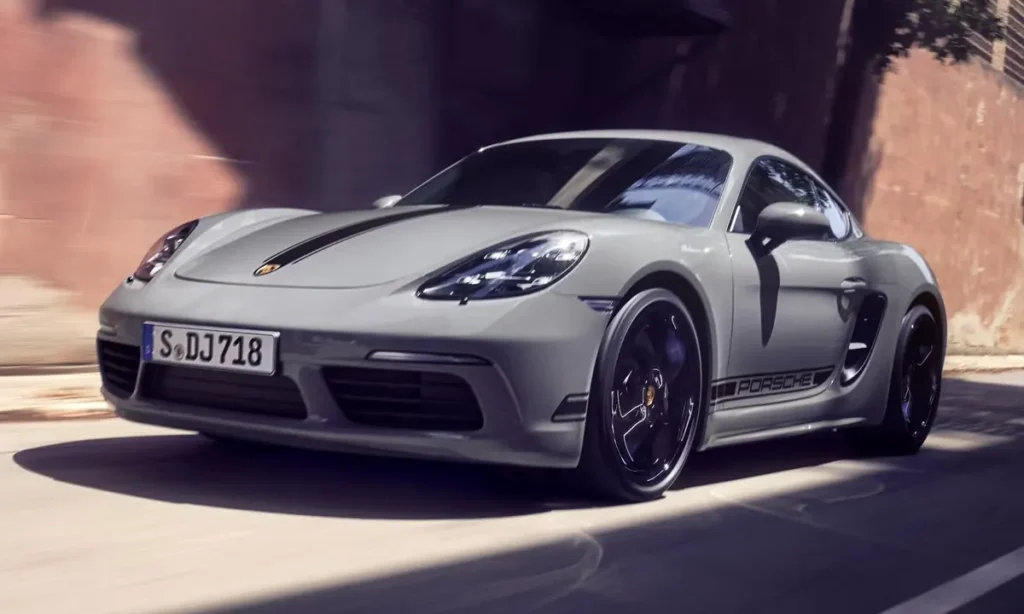
The Porsche 718 Cayman delivers the mid-engine sports car experience with a maintenance cost profile that Porsche’s reputation for engineering durability and the depth of its independent service network combine to make considerably more manageable than the brand’s premium positioning might suggest. Annual maintenance costs for the 718 Cayman average approximately $1,200 to $1,800 depending on mileage, driving pattern and whether dealer or independent Porsche specialist service is used — with independent specialists in most major American and European markets offering service quality equivalent to dealer standards at costs meaningfully below official network pricing.
The 718’s flat-four turbocharged engines — whose introduction attracted criticism from purists mourning the previous naturally aspirated flat-six — have demonstrated strong long-term durability across the ownership population, with the intermediate shaft bearing issue that affected earlier Porsche flat-six engines absent from the 718’s architecture. The PDK dual-clutch transmission’s service requirements are modest, and the 718’s braking system — whose iron rotors on non-PCCB specification cars represent a significant cost saving over the carbon ceramic alternative — wears at rates that normal road driving makes entirely predictable and budgetable.
3. Ford Mustang Shelby GT500: American Muscle, American Parts Pricing
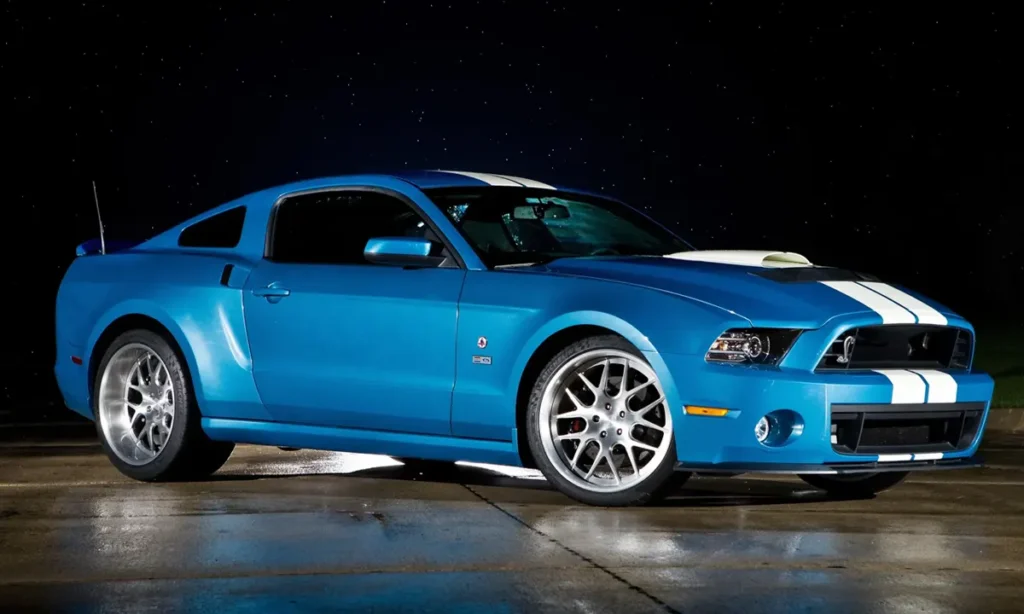
The supercharged 5.2-litre flat-plane-crank V8 producing 760 horsepower in the Shelby GT500 represents one of the most extraordinary performance-per-maintenance-dollar propositions in the 2026 supercar landscape. Annual maintenance costs average $800 to $1,200 for owners whose use is primarily road-oriented — a figure that reflects the deep Ford dealer and independent service network, the volume-production parts pricing that Ford’s manufacturing scale enables and the proven durability of an engine architecture whose supercharged V8 configuration, while technically sophisticated, uses components whose availability and pricing the American performance car aftermarket has always supported generously.
The GT500’s magnetic ride dampers require periodic fluid replacement that adds to the service cost over extended ownership, and the carbon fibre track pack’s Shelby-specific components carry premium replacement pricing — but for buyers specifying the road-oriented GT500 without track-focused options, the annual maintenance cost profile is remarkably accessible for a 760-horsepower production car.
4. Audi R8: German Engineering With Surprisingly Manageable Service Costs
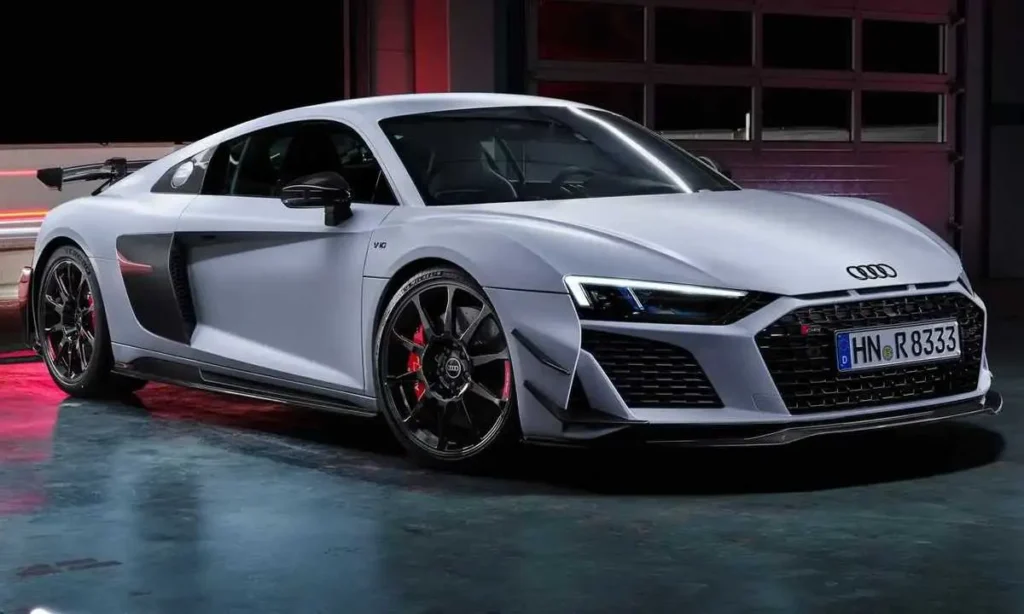
The Audi R8’s naturally aspirated 5.2-litre V10 — one of the last high-displacement naturally aspirated supercar engines in production before the model’s discontinuation — established a long-term reliability record whose consistency across the R8’s extended production run makes used examples attractive ownership propositions and whose current-generation maintenance cost profile averages $2,000 to $3,000 annually for road-oriented use. The R8’s Volkswagen Group platform sharing with the Lamborghini Huracán provides parts supply benefits that the Lamborghini’s standalone pricing does not — with many mechanical components shared between the two vehicles but carrying Audi catalogue pricing rather than Lamborghini specialist rates.
The R8’s quattro all-wheel-drive system adds service complexity relative to rear-drive alternatives, and the DSG dual-clutch transmission’s fluid service requirements add to the ownership cost picture — but the V10’s naturally aspirated simplicity, absence of turbocharger maintenance requirements and strong long-term reliability record make the R8 one of the most financially sensible European supercar ownership choices for the buyer whose budget extends to the $3,000 annual maintenance range.
5. Nissan GT-R: The Maintenance Cost Reality of the Godzilla Legend
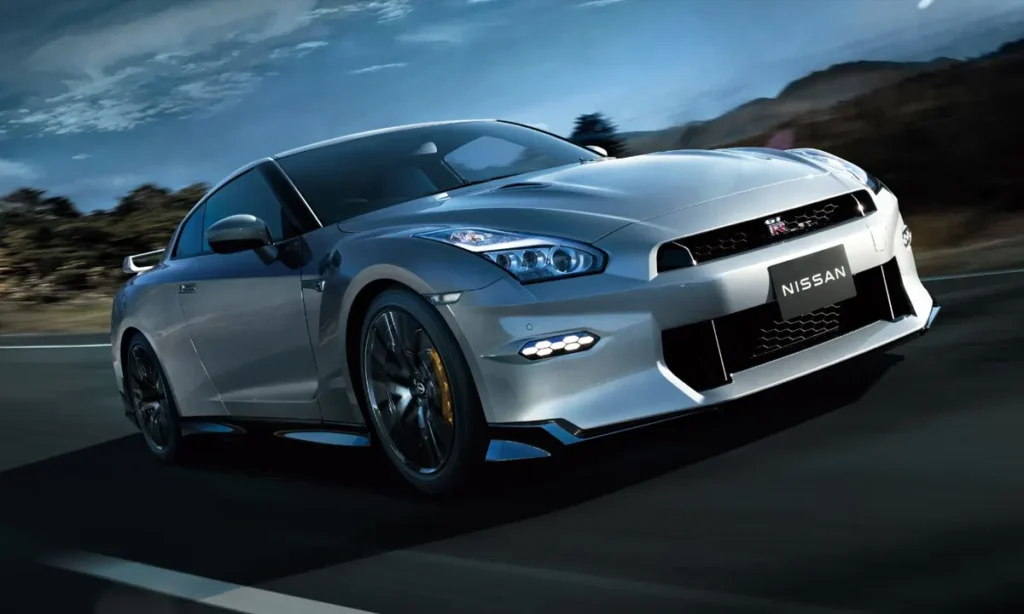
The Nissan GT-R’s reputation as a supercar accessible to ordinary budgets requires qualification when total ownership costs are considered — because while the GT-R’s purchase price positions it below most European competitors of comparable performance, its specialist service requirements, the cost sensitivity of its twin-turbocharged VR38DETT engine and the mandatory dealer service requirements that Nissan has applied to maintain warranty coverage combine to produce annual maintenance costs of $2,500 to $4,000 for owners who follow the manufacturer’s service schedule.
The GT-R’s value proposition remains compelling for buyers who factor the performance-per-dollar equation across the total cost calculation — a car whose 565 horsepower, 2.7-second zero-to-60 performance and all-weather all-wheel-drive capability competes with supercars costing twice its purchase price. Managing the GT-R’s maintenance costs requires engagement with the specialist GT-R service community — independent shops whose GT-R-specific expertise allows service quality equivalent to the dealer network at costs that the dealer-only service requirement’s pricing cannot approach for buyers outside warranty coverage periods.
6. McLaren 570S: The Most Accessible McLaren Ownership Experience
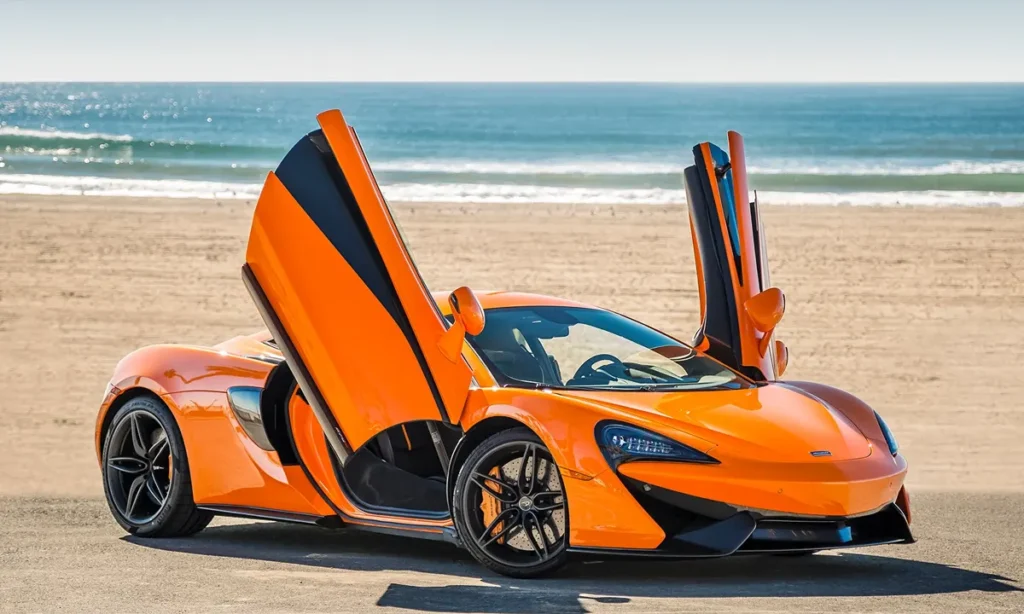
The McLaren 570S occupies a specific position in the British manufacturer’s Sports Series lineup — a 562-horsepower twin-turbocharged supercar whose annual maintenance costs of approximately $3,000 to $5,000 reflect McLaren’s characteristic engineering sophistication balanced against the relatively accessible service requirements of a production car whose carbon fibre MonoCell chassis, hydraulic suspension system and twin-turbocharged V8 use components developed for longevity as well as performance.
The McLaren independent service network — whose depth has expanded considerably across the 570S’s production lifetime — provides alternatives to official McLaren dealer pricing that make sustained ownership more cost-accessible than the brand’s exotic positioning might suggest. The hydraulic suspension system’s service requirements represent the most distinctive maintenance consideration relative to conventional supercar alternatives, but the system’s reliability record across the 570S ownership population has been sufficiently positive to make catastrophic failure an uncommon rather than anticipated ownership event.
7. Ferrari California T: Ferrari’s Most Maintenance-Friendly Production Car
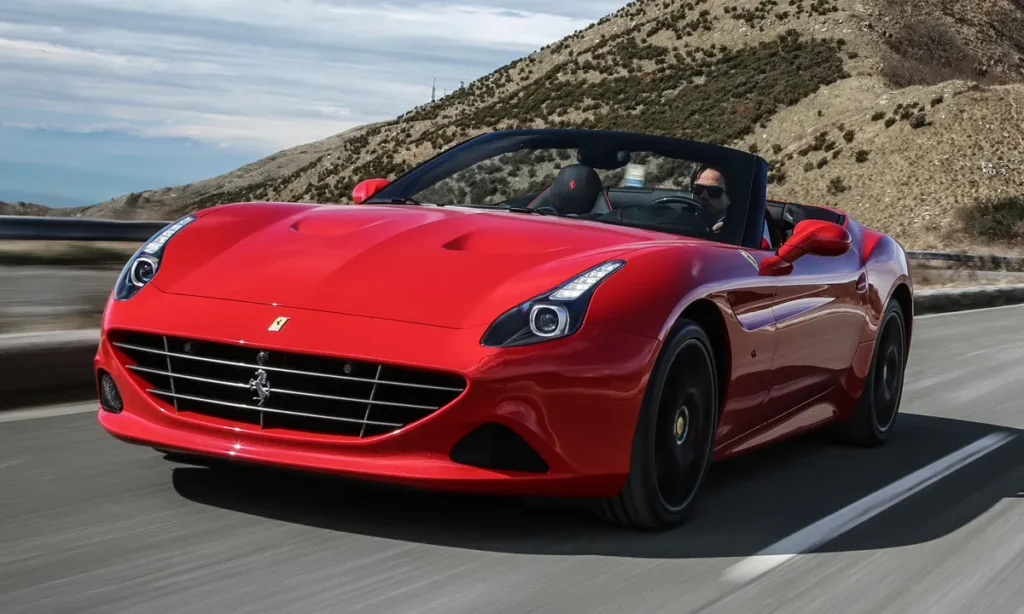
The Ferrari California T occupies a unique position on this list — a front-engine grand touring Ferrari whose twin-turbocharged V8, conventional folding metal roof and relatively orthodox mechanical architecture produce annual maintenance costs of $3,500 to $5,500 that are the most accessible in the Ferrari lineup by a considerable margin. The major service interval — whose cost represents the most significant single maintenance expense in Ferrari ownership — arrives less frequently on the California T than on Ferrari’s mid-engine models, and the car’s grand touring orientation means that the tyre wear rates and brake consumption figures that track-capable mid-engine alternatives produce are not characteristic of normal California T ownership.
For buyers whose supercar aspiration includes the Ferrari nameplate and whose usage pattern prioritises comfortable long-distance touring over maximum circuit performance, the California T delivers the brand’s emotional and experiential qualities with a maintenance cost profile that no other Ferrari in the lineup approaches.
8. Lotus Emira: British Engineering With Competitive Running Costs
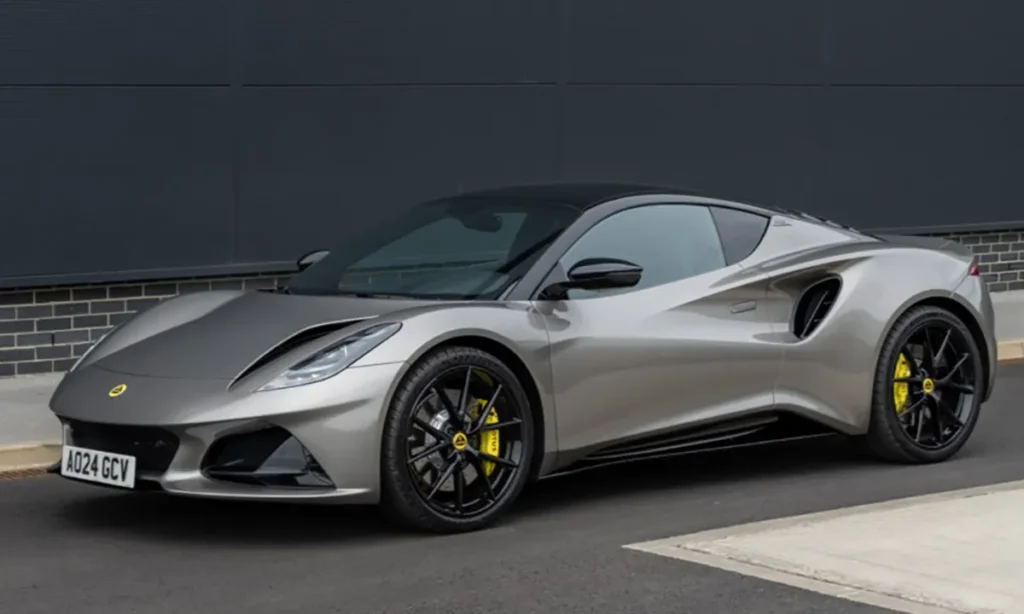
The Lotus Emira — the last internal combustion engine Lotus before the brand’s full electrification — delivers 400 horsepower from either a Toyota-sourced supercharged V6 or a BMW-AMG sourced four-cylinder turbocharged unit, with annual maintenance costs averaging $1,500 to $2,500 depending on powertrain choice and service provider. The Toyota-sourced V6 variant’s engine architecture benefits from the Japanese manufacturer’s reliability engineering philosophy, while the parts supply benefits of a high-volume Toyota engine block in a low-volume British sports car create a cost advantage in replacement component pricing that pure-specialist alternatives cannot achieve.
The Emira’s competitive annual maintenance cost reflects Lotus’s recognition that ownership accessibility is a commercial requirement for a manufacturer rebuilding its market position — and the result is a genuinely driver-focused supercar experience whose running costs are among the most competitive at any performance level.
9. Alpine A110: The Lightweight French Alternative
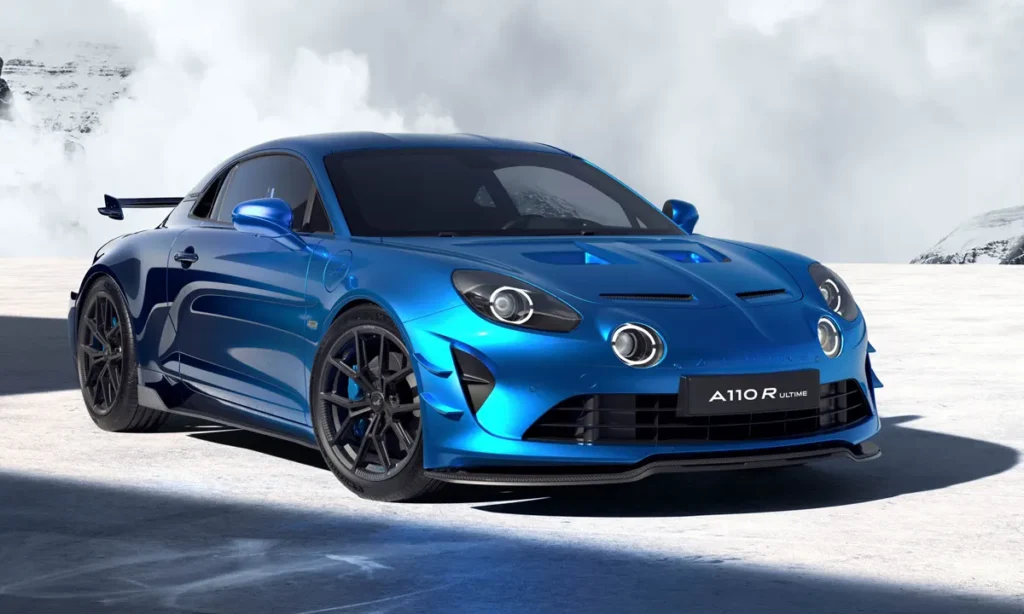
The Alpine A110’s 300-horsepower turbocharged four-cylinder, aluminium construction and focused lightweight philosophy combine to produce annual maintenance costs of approximately $1,200 to $2,000 — a figure that reflects the relative mechanical simplicity of a car whose performance philosophy prioritises weight reduction over power addition and whose Renault-derived powertrain components carry volume-production pricing rather than exotic specialist rates.
The A110’s European market orientation means that American market buyers face parts availability considerations that European owners do not encounter, but for buyers in markets where Alpine’s service network provides adequate coverage, the annual maintenance cost profile represents outstanding value for a car whose dynamic capabilities and driving character exceed what its modest specification figures suggest.
Read: The Fastest Sedans Under $60,000 in 2026. Four Doors, Serious Speed and Zero Apologies
10. Dodge Viper ACR: Raw Performance, Surprisingly Accessible Maintenance
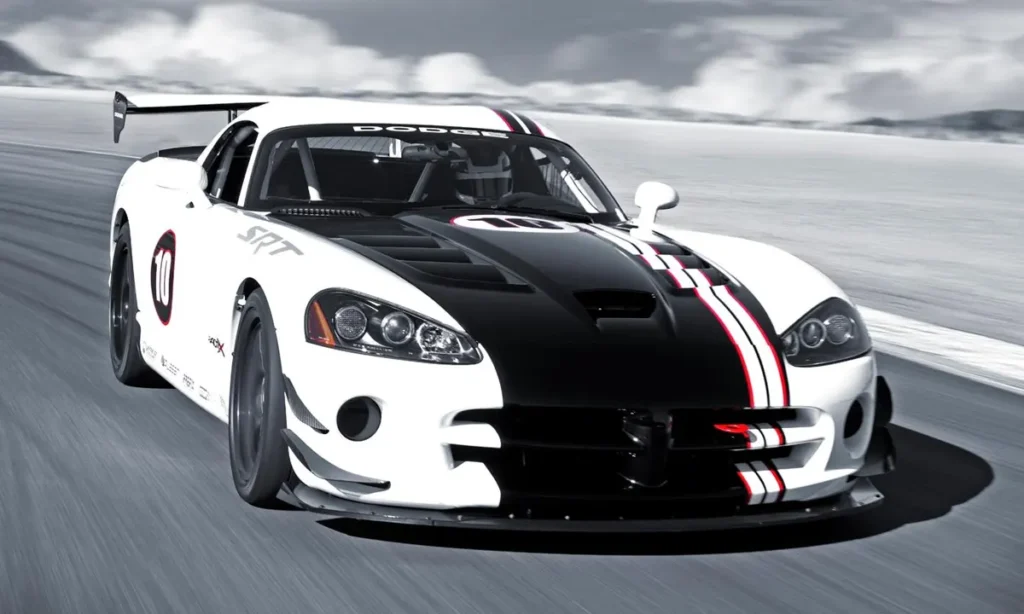
The Dodge Viper ACR’s naturally aspirated 8.4-litre V10 producing 645 horsepower represents the final expression of American supercar engineering whose maintenance philosophy prioritises mechanical accessibility over technological sophistication. Annual maintenance costs average $1,500 to $2,500 — a figure that reflects the absence of turbocharger maintenance requirements, the deep American performance car aftermarket’s Viper component support and the mechanical simplicity of an engine architecture whose size substitutes for complexity in producing its extraordinary output.
The Viper’s high-performance Michelin tyre fitment represents the most significant recurring cost for track-oriented owners, and the ACR’s extreme aerodynamic components require periodic inspection — but for buyers whose ownership is primarily road-oriented, the Viper ACR delivers its extraordinary performance with a maintenance cost profile that no European supercar of comparable capability approaches.
Read: Best Entry-Level Supercars Under $150,000 in 2026, Price That Does Not Require a Second Mortgage
Top 10 Cheapest Supercars to Maintain in 2026 — Cost Comparison
| Rank | Model | Est. Annual Maintenance | Key Cost Advantage |
| 1 | Chevrolet Corvette C8 | $700–$900 | Volume parts / Wide dealer network |
| 2 | Ford Mustang Shelby GT500 | $800–$1,200 | American aftermarket depth |
| 3 | Lotus Emira (V6) | $1,500–$2,500 | Toyota-sourced engine components |
| 4 | Porsche 718 Cayman | $1,200–$1,800 | Independent specialist network |
| 5 | Alpine A110 | $1,200–$2,000 | Renault-derived powertrain pricing |
| 6 | Dodge Viper ACR | $1,500–$2,500 | Naturally aspirated simplicity |
| 7 | Nissan GT-R | $2,500–$4,000 | Performance-per-dollar total value |
| 8 | Audi R8 | $2,000–$3,000 | VW Group parts sharing |
| 9 | McLaren 570S | $3,000–$5,000 | Expanded independent network |
| 10 | Ferrari California T | $3,500–$5,500 | Most accessible Ferrari service costs |