Fastest Naturally Aspirated Cars of 2026. When Engines Breathe Free
Screaming Flat-Plane V8s, High-Revving V10s, Free-Breathing V12s and the Purist Engineering Philosophy That Produces the Most Emotionally Rewarding Performance Cars on the Planet — The Definitive Ranking of 2026's Fastest Production Cars That Achieve Their Extraordinary Performance Without a Single Turbocharger, Supercharger or Electric Motor Assist
Fastest Naturally Aspirated Cars: There is a particular kind of automotive experience that no amount of forced induction sophistication, no quantity of electric motor torque fill and no calibration of turbocharger lag management has yet succeeded in replicating — the experience of a naturally aspirated engine at full throttle, climbing through its rev range toward a power peak whose arrival is announced not by a sudden surge of boost pressure but by a continuous, linear, operatic crescendo of mechanical sound and acceleration that builds from idle to redline in a single uninterrupted narrative. The naturally aspirated engine’s relationship between throttle input and power output is immediate, transparent and honest in a way that forced induction and electrification — for all their engineering brilliance and performance advantage — cannot precisely duplicate.
In 2026, the naturally aspirated performance engine is an endangered species. Turbocharged engines dominate the performance car landscape because the power density, fuel efficiency and emissions compliance advantages they provide are simply too substantial for manufacturers operating under regulatory pressure to ignore. But endangered does not mean extinct — and the naturally aspirated performance cars that survive into 2026 do so because their manufacturers have made a deliberate, considered and commercially courageous decision that the experience their engines provide justifies the engineering investment required to make them competitive with forced induction alternatives whose power outputs the atmospheric engine achieves only by spinning faster, displacing more or both.
These are the fastest naturally aspirated production cars available in 2026 — ranked by performance, examined by engineering architecture and celebrated for the increasingly rare experience they provide.
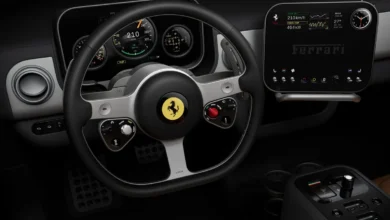
1. Ferrari 12Cilindri: The Last Great Naturally Aspirated V12
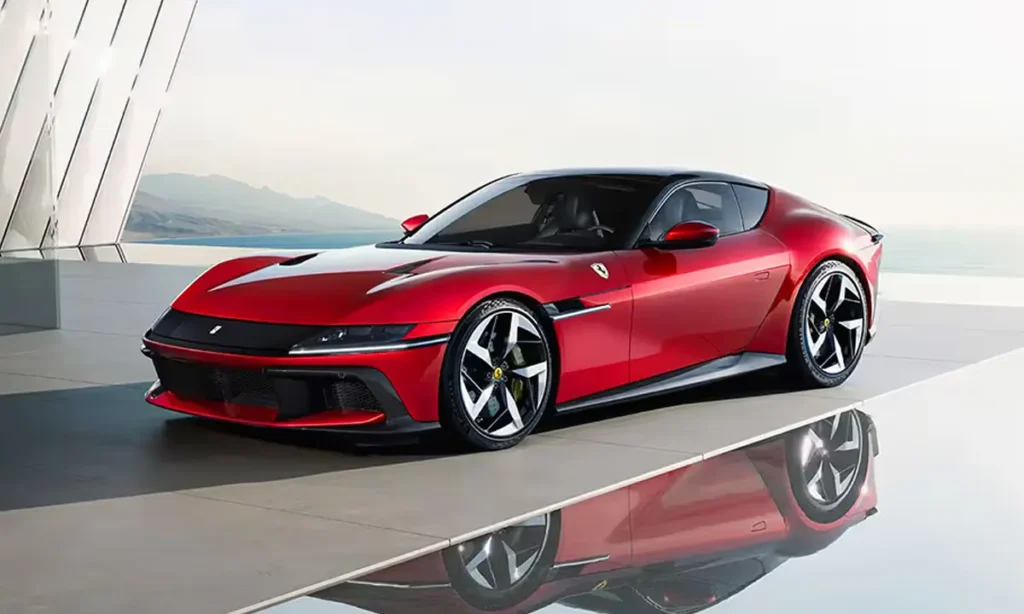
The Ferrari 12Cilindri’s 6.5-litre naturally aspirated V12 producing 819 horsepower at 9,000 rpm is the most powerful naturally aspirated road car engine Ferrari has ever built — a statement that, in the context of a manufacturer whose naturally aspirated V12 lineage extends across seven decades of production, carries extraordinary historical weight. The engine’s 9,000 rpm redline is not merely a specification achievement but a daily auditory experience whose character at maximum revs represents the most dramatic sound produced by any production road car currently available from any manufacturer at any price.
The 12Cilindri covers zero to 100 kilometres per hour in 2.9 seconds — a figure that places it in the performance territory previously occupied exclusively by turbocharged or hybrid hypercars and that it achieves through the combination of 819 horsepower, a relatively modest 1,560-kilogram kerb weight and a dual-clutch transmission whose shift speed at full throttle compresses the time between gear changes to near-imperceptibility. The car’s aerodynamic architecture generates 360 kilograms of downforce in its highest-downforce configuration, providing the cornering capability that the extraordinary straight-line performance demands as a companion.
At approximately $400,000 in the American market, the 12Cilindri is the most expensive car on this list — but it is also the most technically extraordinary naturally aspirated road car in production and the strongest possible argument that the free-breathing V12 deserves to survive the forced induction era with its dignity and its redline intact.
2. Lamborghini Huracán Sterrato: V10 Fury Meets All-Terrain Capability
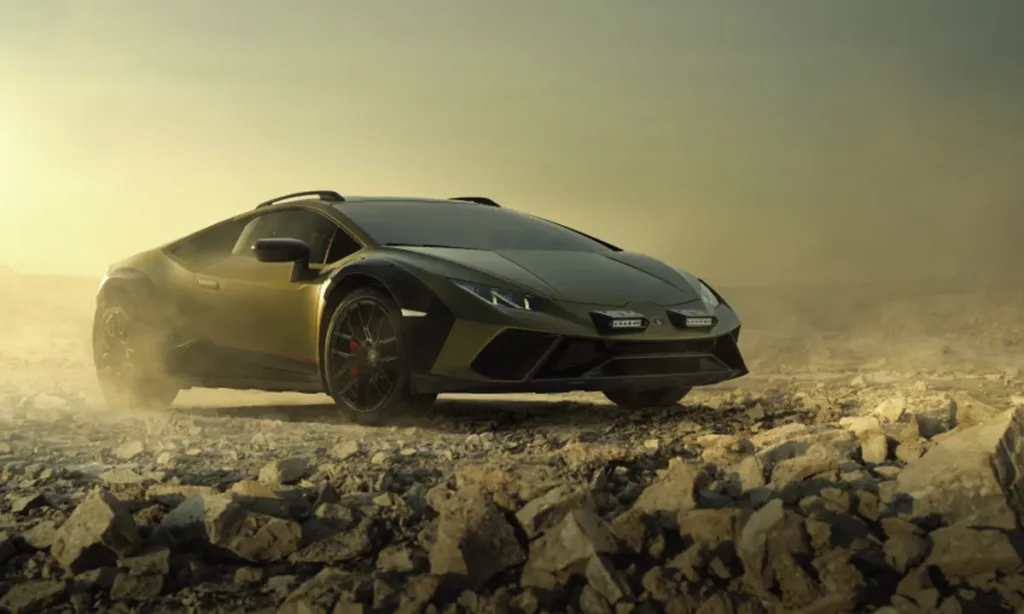
The Lamborghini Huracán Sterrato carries the 5.2-litre naturally aspirated V10 that has defined Lamborghini’s mid-range supercar offering across more than a decade of production — an engine whose 610 horsepower output at 8,000 rpm and whose flat-plane-crank acoustic character at full throttle produce an experience that the Urus’s turbocharged V8 and the forthcoming Temerario’s electrified architecture cannot replicate. In the Sterrato’s adventure-oriented application — with raised ride height, all-terrain tyres and all-wheel-drive optimised for loose surface traction — the V10’s linear power delivery proves particularly well-suited to the progressive throttle management that gravel and dirt surface driving demands.
Zero to 100 kilometres per hour arrives in 3.4 seconds from the Sterrato despite its all-terrain orientation and additional mass — a performance figure that contextualises the V10’s output within the real-world driving experience rather than the circuit-focused envelope of the Huracán STO. The Sterrato represents a genuinely unique product in the 2026 performance car landscape — a naturally aspirated V10 supercar that can be driven on the kind of unmade roads and adventure destinations that its buyers’ lifestyle ambitions encompass, providing the V10 experience in contexts where no other naturally aspirated supercar is designed to follow.
3. Aston Martin Vantage GT3 Road: Racing Architecture for Public Roads
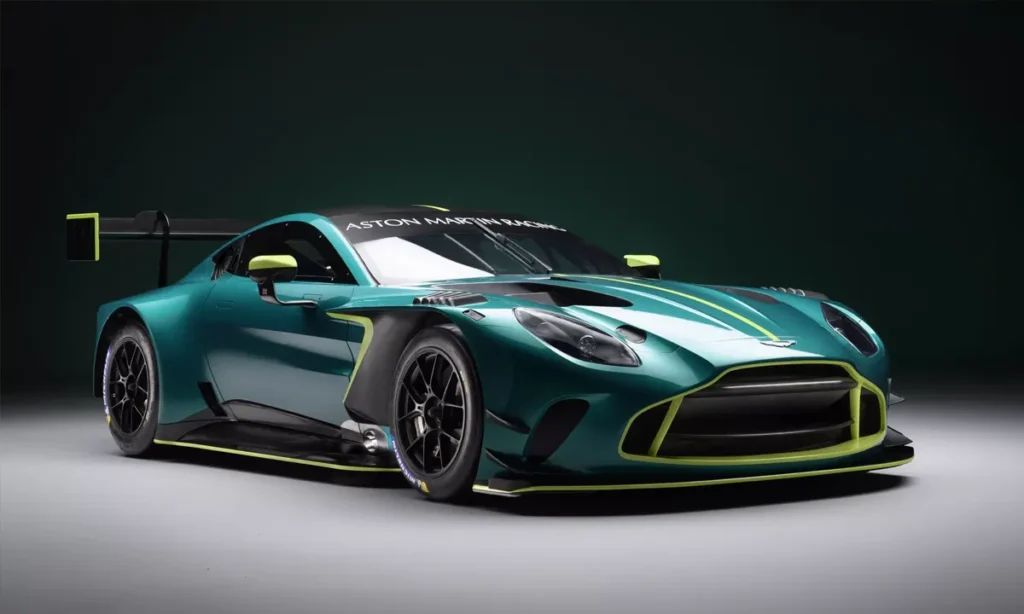
The Aston Martin Vantage GT3 Road variant — developed from the competition-specification GT3 racing car whose aerodynamic and chassis architecture has been adapted for road legality — uses a naturally aspirated specification that its racing application demands for Balance of Performance compliance in the GT3 category. The engine produces figures that Aston Martin’s road car turbocharged alternative exceeds in outright output, but whose character, sound and high-rpm delivery produce a driving experience whose qualitative distinction from the forced induction alternative justifies its existence as a separate product for buyers whose priorities place sensory experience above specification sheet supremacy.
The GT3 Road’s circuit-derived aerodynamic package — whose downforce figures reflect genuine racing car development rather than road car aerodynamic theatre — provides the cornering capability that its naturally aspirated power delivery enables drivers to exploit with the progressive, manageable throttle response that high-downforce naturally aspirated circuit driving uniquely rewards.
4. Porsche 911 GT3 RS: The Purist’s Performance Benchmark
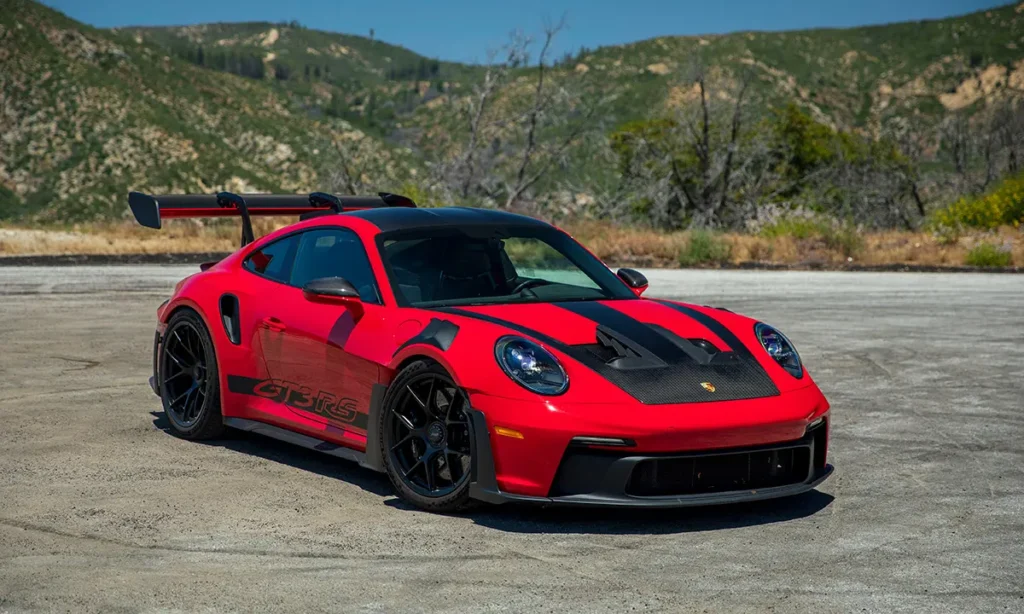
The Porsche 911 GT3 RS and its 4.0-litre naturally aspirated flat-six producing 525 horsepower at 9,000 rpm represents the most developed expression of the naturally aspirated horizontally opposed six-cylinder engine in production road car application — an architecture whose rear-mounted positioning, distinctive acoustic signature and high-revving character have defined the purist Porsche ownership experience across decades of 911 development. The GT3 RS covers zero to 100 kilometres per hour in 3.2 seconds and achieves a Nürburgring Nordschleife lap time of 6 minutes 49.3 seconds — a figure that places it among the fastest production cars ever to complete the circuit regardless of engine configuration.
The GT3 RS’s Weissach Package — whose additional carbon fibre components, magnesium wheels and titanium exhaust contribute a meaningful weight reduction — produces the most focused and most performance-oriented naturally aspirated road car experience that Porsche’s engineering team has delivered in the modern era. The PDK dual-clutch transmission’s availability alongside the traditional manual gearbox option provides a choice between maximum performance and maximum driver engagement that naturally aspirated Porsche purists continue to consider the most important option decision in any GT3 specification exercise.
5. Ferrari 296 GT3 Stradale: Homologation Heroics With a Free-Breathing Twist
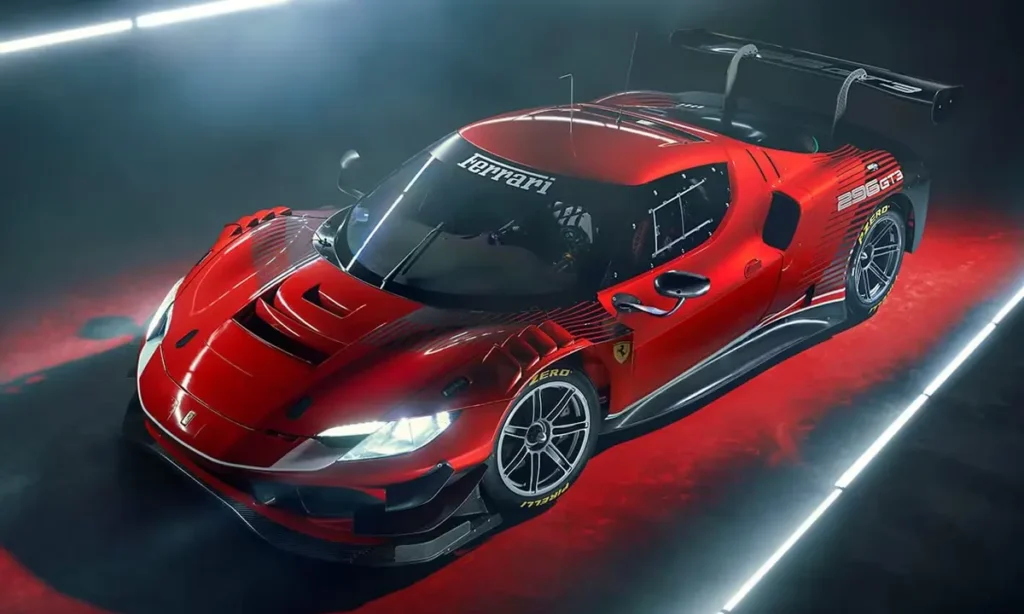
While the standard Ferrari 296 GTB uses a turbocharged V6, the GT3 homologation requirements for the 296 GT3 racing variant mandate a naturally aspirated engine configuration — and the road-legal Stradale variant that Ferrari produces to satisfy homologation minimum production requirements uses a naturally aspirated specification whose character represents a fundamentally different driving experience from the standard car’s turbocharged alternative. The homologation Stradale’s naturally aspirated engine produces its output at higher revs, with more immediate throttle response and with an acoustic signature that the turbocharged standard car’s exhaust system cannot approach in terms of mechanical drama at maximum engine speed.
6. Dodge Viper ACR: American Naturally Aspirated Excess
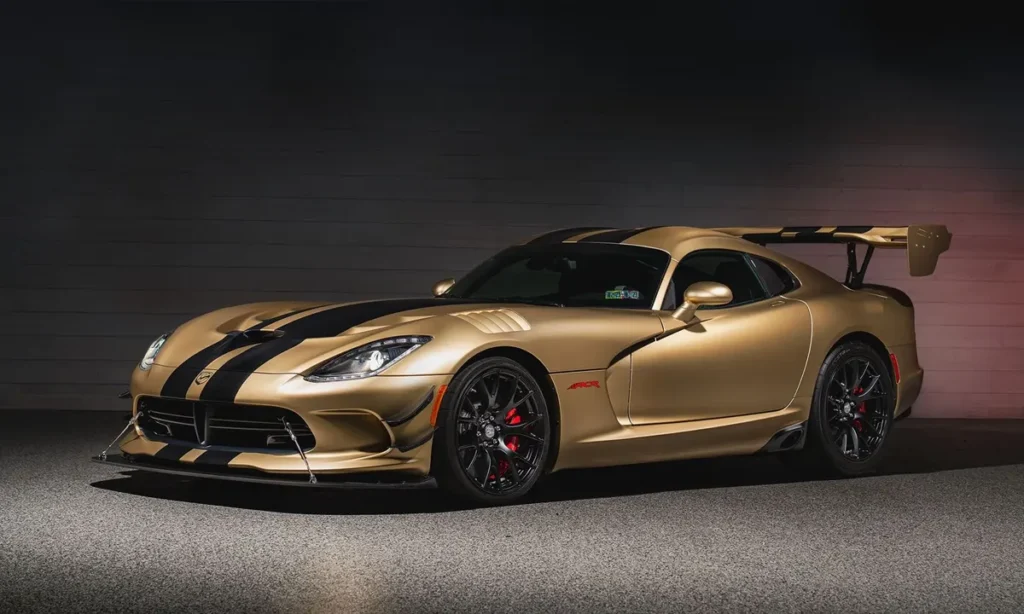
The Dodge Viper ACR’s 8.4-litre naturally aspirated V10 producing 645 horsepower represents the American performance car industry’s most committed and most uncompromising statement on behalf of the naturally aspirated engine in the modern era — a unit whose displacement substitutes for the engine speed at which European naturally aspirated alternatives achieve their power peaks, producing its maximum output at a relatively modest 6,200 rpm with a torque delivery whose breadth and accessibility make the Viper’s extraordinary performance available at throttle positions and engine speeds that its European V10 and V12 competitors demand considerably more commitment to access.
Zero to 60 miles per hour in 3.5 seconds from a car whose 1,200 kilograms of aerodynamic downforce at 177 miles per hour makes the straight-line figure almost secondary to the cornering capability it enables — the Viper ACR is the naturally aspirated performance car that makes no concession to comfort, sophistication or accessibility in pursuit of a singular, unmediated performance experience that the American market has consistently valued above all other automotive virtues.
7. McLaren 750S: The Turbocharged Exception That Proves the Naturally Aspirated Rule
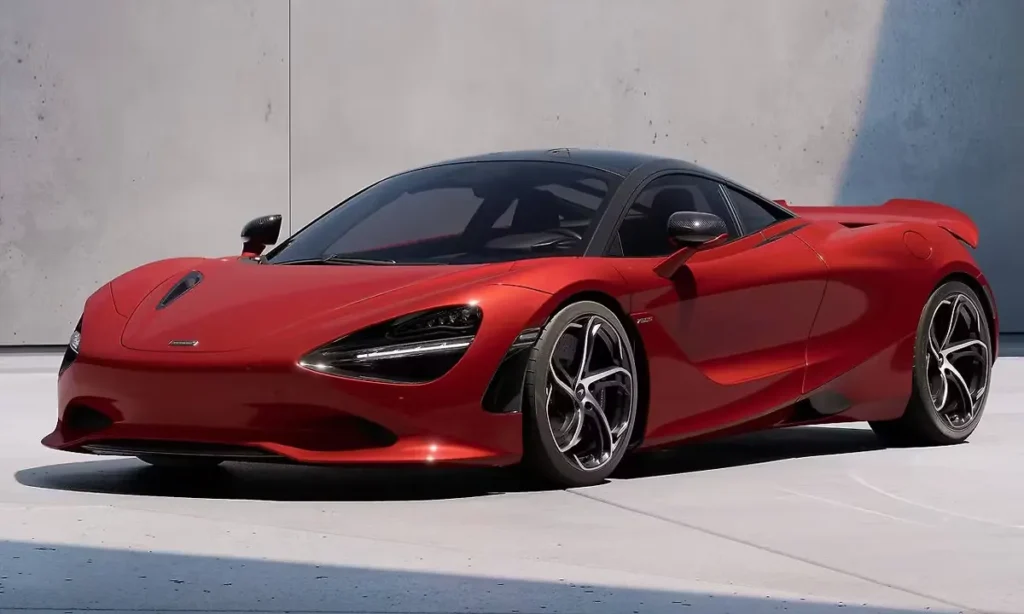
The McLaren 750S appears on this list as an acknowledgement of an important contextual reality — that at the extreme performance end of the 2026 market, the naturally aspirated engine faces its most intense competitive pressure from turbocharged alternatives whose performance advantage is most pronounced. The 750S, with its twin-turbocharged 4.0-litre V8, represents the competitive standard that naturally aspirated alternatives must contextualise their performance claims against — covering zero to 100 kilometres per hour in 2.8 seconds and achieving top speeds that the naturally aspirated cars above cannot approach.
Its inclusion is not as a naturally aspirated alternative but as the forced induction benchmark — the car that defines what the turbocharged competition delivers and against which the experiential case for naturally aspirated performance must be made honestly.
8. Honda NSX Type S Final Edition: VTEC’s Greatest Expression
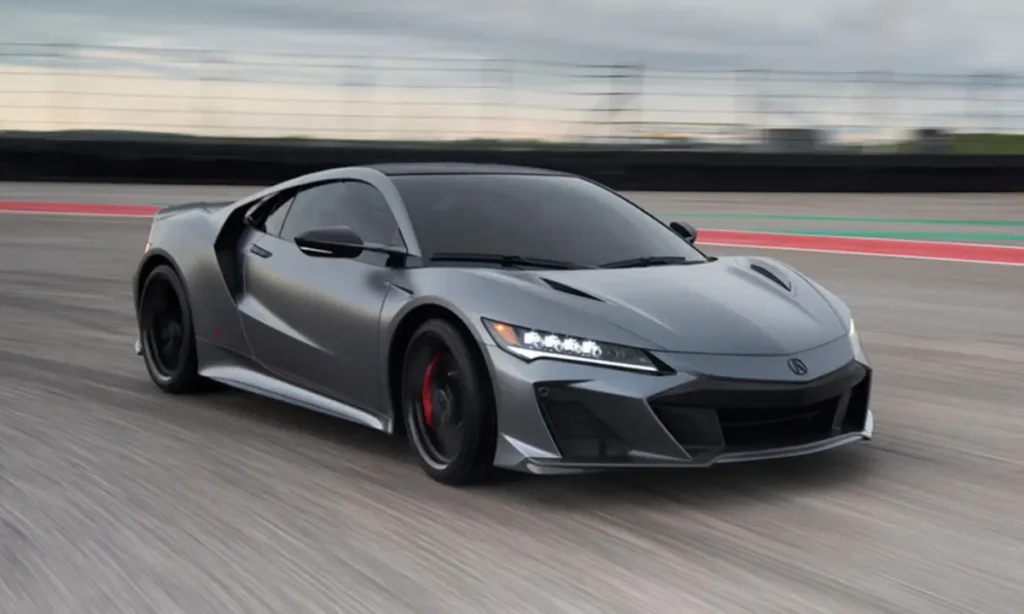
The Honda NSX Type S Final Edition — produced in strictly limited numbers as the NSX nameplate’s production conclusion — pairs Honda’s naturally aspirated V6 base architecture with the VTEC variable valve timing system that has defined Honda’s high-performance engine philosophy across three decades of production. While the NSX’s hybrid system adds electric motor contribution to the overall performance output, the naturally aspirated base engine’s character — its response, its sound and its connection to Honda’s high-revving performance heritage — provides the naturally aspirated dimension of what is ultimately a hybrid performance experience.
The NSX Type S’s position on this list reflects the hybrid architecture’s natural aspiration component rather than its combined system output — acknowledging that the line between pure naturally aspirated performance and electrified assistance will only become more complex as the decade progresses and as manufacturers find increasingly creative ways to preserve the naturally aspirated engine experience within architectures whose electrification their emissions targets require.
9. Lexus LFA: The Legend That Refuses to Depreciate or Disappoint
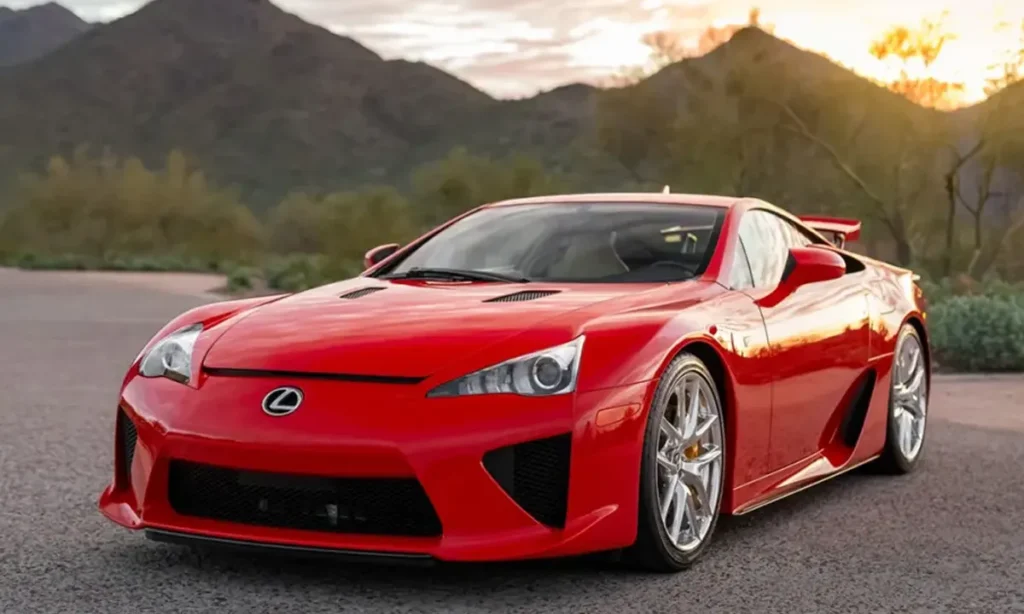
The Lexus LFA’s 4.8-litre naturally aspirated V10 — producing 552 horsepower at a 9,000 rpm redline and generating an acoustic signature that acoustic engineers spent years perfecting and that remains the most celebrated engine sound in production car history — continues to define what naturally aspirated performance means at the highest level despite its 2012 production conclusion. Used examples in 2026 trade at multiples of their original purchase price, confirming that the market’s assessment of the LFA’s naturally aspirated V10 places it beyond the category of mere collector’s item into the territory of irreplaceable sensory experience.
The LFA’s inclusion on a 2026 list reflects the reality that naturally aspirated performance car rankings cannot be conducted in a temporal vacuum — that the most significant naturally aspirated cars in current ownership and in the cultural consciousness of the performance car world include examples whose production predates the current model year but whose relevance and desirability remain undiminished by the passage of time.
Read: Cheapest AWD SUVs In The USA 2026. All-Wheel Drive Without the Premium Price Tag
10. Gordon Murray Automotive T.50: The Ultimate Naturally Aspirated Statement
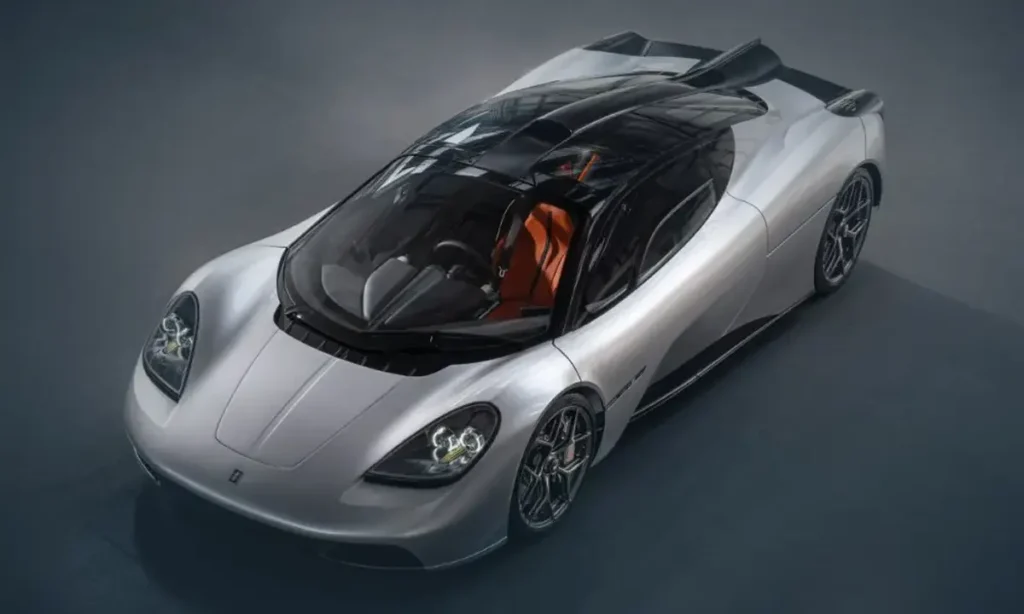
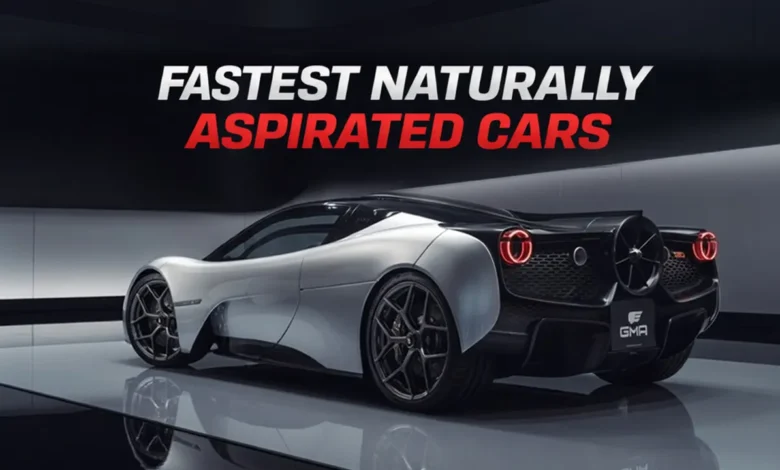
The Gordon Murray Automotive T.50 — whose 3.9-litre Cosworth-developed naturally aspirated V12 produces 654 horsepower at 12,100 rpm in a car weighing just 986 kilograms — represents the most extreme expression of the naturally aspirated performance philosophy available in a production road car in 2026. The 12,100 rpm redline is the highest of any production road car engine in history. The 986-kilogram kerb weight is the lowest of any car on this list by a margin that makes comparison with heavier alternatives almost categorically inappropriate.
The T.50’s fan-assisted aerodynamic system — whose 48-volt electric fan actively manages underbody airflow rather than generating downforce through passive aerodynamic surfaces — produces ground effect grip without the drag penalty that wing-based downforce generation imposes, enabling a top speed of 370 kilometres per hour from an engine whose power output the turbocharged competition exceeds while its character, its sound and its 12,100 rpm redline they cannot approach.
Read: Best Entry-Level Supercars Under $150,000 in 2026, Price That Does Not Require a Second Mortgage
2026 Fastest Naturally Aspirated Cars — Performance Comparison
| Rank | Model | Engine | Power | 0–100 km/h | Redline |
| 1 | Ferrari 12Cilindri | 6.5L NA V12 | 819 hp | 2.9 sec | 9,000 rpm |
| 2 | Gordon Murray T.50 | 3.9L NA V12 | 654 hp | 2.9 sec | 12,100 rpm |
| 3 | Porsche 911 GT3 RS | 4.0L NA Flat-Six | 525 hp | 3.2 sec | 9,000 rpm |
| 4 | Lamborghini Huracán Sterrato | 5.2L NA V10 | 610 hp | 3.4 sec | 8,000 rpm |
| 5 | Dodge Viper ACR | 8.4L NA V10 | 645 hp | 3.5 sec | 6,200 rpm |
| 6 | Lexus LFA | 4.8L NA V10 | 552 hp | 3.7 sec | 9,000 rpm |
| 7 | Aston Martin Vantage GT3 Road | NA V8 (GT3 Spec) | ~500 hp | ~3.5 sec | ~8,500 rpm |
| 8 | Honda NSX Type S | NA V6 + Hybrid | 600 hp (combined) | 2.9 sec | 7,500 rpm |
| 9 | Ferrari 296 GT3 Stradale | NA V6 (Homologation) | ~620 hp | ~3.0 sec | ~9,500 rpm |
| 10 | McLaren 750S (Benchmark) | 4.0L Twin-Turbo V8 | 750 hp | 2.8 sec | 8,500 rpm |