The Best Daily Driver Supercars for Reliability in 2026. Performance You Can Live With Every Day
Real-World Dependability Data, Ownership Cost Evidence, Service Interval Generosity, Parts Availability Across Independent and Dealer Networks and the Honest Assessment of Which High-Performance Cars Deliver Supercar Excitement on Monday Morning Without the Workshop Appointment That Too Many of Their Competitors Schedule for Tuesday — The Definitive Guide to the Most Reliable Supercars You Can Drive Every Single Day
The daily driver supercar is automotive culture’s most demanding paradox — a vehicle required to deliver the performance envelope of a track-focused machine and the dependability of a family saloon simultaneously, asked to start without complaint on a cold winter morning after three weeks of disuse and to lap a circuit without mechanical protest the following weekend, expected to cover 20,000 miles per year in the hands of an owner whose relationship with it is love rather than reverence and whose usage pattern includes supermarket car parks, school runs and motorway commutes alongside the occasional canyon road or track day that the purchase was emotionally justified by. Most supercars fail at least one dimension of this requirement. The best daily driver supercars of 2026 fail at none of them.
The distinction between a supercar that can theoretically be driven daily and one that genuinely rewards daily use with consistent reliability is more consequential and more nuanced than any single specification comparison captures. It is a distinction built from service interval length, from the depth of the independent service network, from the thermal management quality that determines cold-start behaviour in winter conditions, from the suspension compliance that determines whether the morning commute over broken urban surfaces is a character-building exercise or a spine-compressing ordeal and from the software maturity that determines whether the car’s electronic systems contribute to the driving experience or intrude upon it with the demands of their own complexity. The cars on this list have been assessed against all of these criteria — not merely their performance credentials, which are substantial across every entry, but their genuine suitability for the ownership pattern that daily driving imposes.
1. Porsche 911 Carrera: The Undisputed Daily Driver Supercar Champion
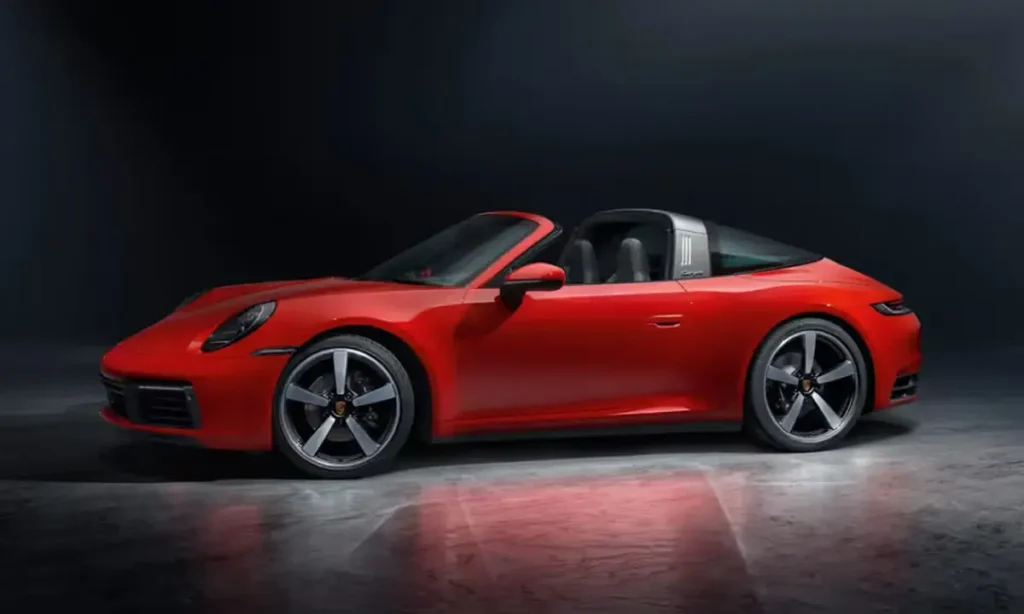
No serious assessment of daily driver supercar reliability begins anywhere other than the Porsche 911 Carrera — a car whose combination of performance capability, engineering durability, service network depth and real-world usability has established it as the definitive answer to the daily driver supercar question across every generation of its production life and whose current 992.2 generation iteration is the most refined, most technologically accomplished and most dependable version of the concept that Porsche has yet produced.
The 911 Carrera’s 3.0-litre twin-turbocharged flat-six producing 394 horsepower is an engine whose long-term reliability record across the current generation’s ownership population is exceptional — with Consumer Reports reliability scores that place it among the highest in the entire sports car segment and with owner-reported repair frequency figures that reflect the conservative engineering calibration Porsche applies to engines whose reputation for durability is commercially as valuable as their performance capability. The PDK dual-clutch transmission’s service requirements are modest, its reliability record is outstanding and its daily usability — in automatic mode for commuting, in manual mode for engagement on appropriate roads — is the benchmark against which every performance transmission in the segment is measured.
The 911’s service intervals extend to two years or 20,000 miles — a generosity that reduces the service visit frequency that older performance car ownership required as a matter of routine and that reflects genuine engineering confidence in the powertrain’s durability between scheduled maintenance interventions. The Porsche dealer network’s geographic coverage across every major market, combined with the depth of the independent Porsche specialist network whose pricing provides meaningful cost relief relative to official dealer rates, ensures that ownership support is accessible regardless of location. Daily driving a 911 Carrera in 2026 is not a compromise. It is the optimal expression of what the car was designed to do.
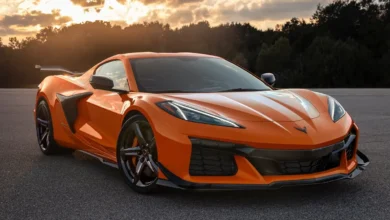
2. Chevrolet Corvette C8: American Reliability Engineering at Supercar Performance Levels
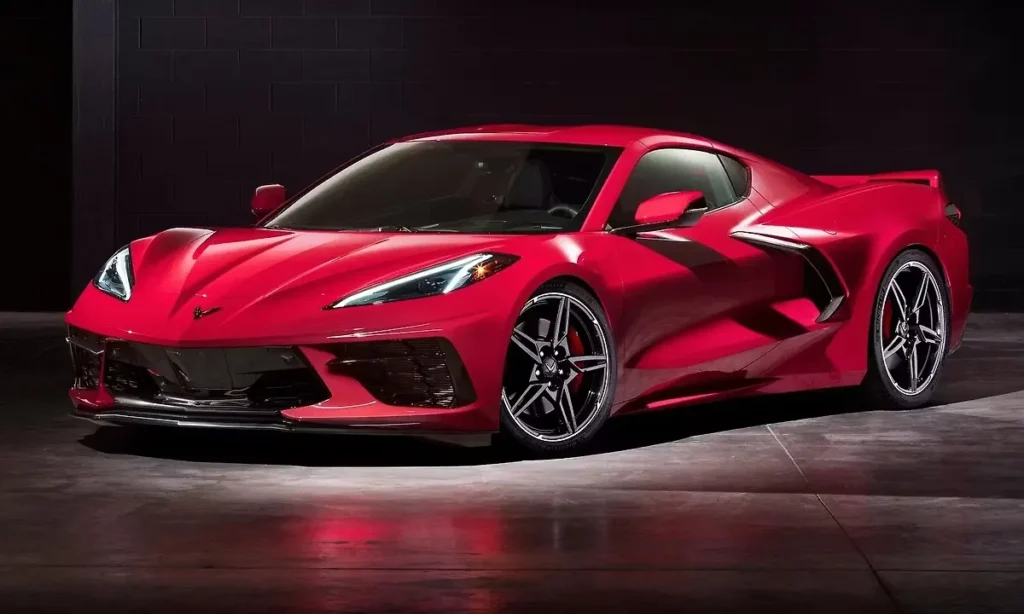
The mid-engine Chevrolet Corvette C8’s position as the most reliable American supercar available for daily driving in 2026 reflects both the maturity of the 6.2-litre LT2 naturally aspirated V8’s proven architecture and the manufacturing quality improvements that General Motors has delivered across the C8’s production run as the initial model year’s teething issues — common to any fundamentally new vehicle architecture — have been progressively resolved through engineering updates and quality control refinements.
The LT2’s naturally aspirated configuration eliminates the turbocharger maintenance variables that forced induction alternatives introduce — no turbocharger bearing wear, no intercooler maintenance requirements, no boost-related thermal stress on gaskets and seals that operating pressures above atmospheric impose. The engine’s conservative 6,500 rpm redline relative to the European naturally aspirated alternatives reflects a calibration philosophy that prioritises longevity alongside performance — an approach whose long-term reliability dividend is measurable in the ownership cost data that accumulates across the C8’s ownership population. Annual maintenance costs averaging $700 to $900 for normal driving use make the C8 not merely the most reliable daily driver supercar on this list but the most financially accessible to sustain across a genuine daily driving ownership pattern.
The C8’s practicality credentials support the daily driver case as directly as its reliability data. The front trunk provides genuine cargo capacity. The visibility, while restricted compared to a conventional sports car, is adequate for urban navigation. The ride quality in Tour mode is sufficiently compliant for daily use on imperfect surfaces. The air conditioning, infotainment and connectivity systems reflect General Motors’ investment in the interior technology that daily use demands — making the C8 a car that its owner is as happy to commute in as to drive enthusiastically on an appropriate road.
3. Audi R8: German Precision With Exceptional Daily Usability
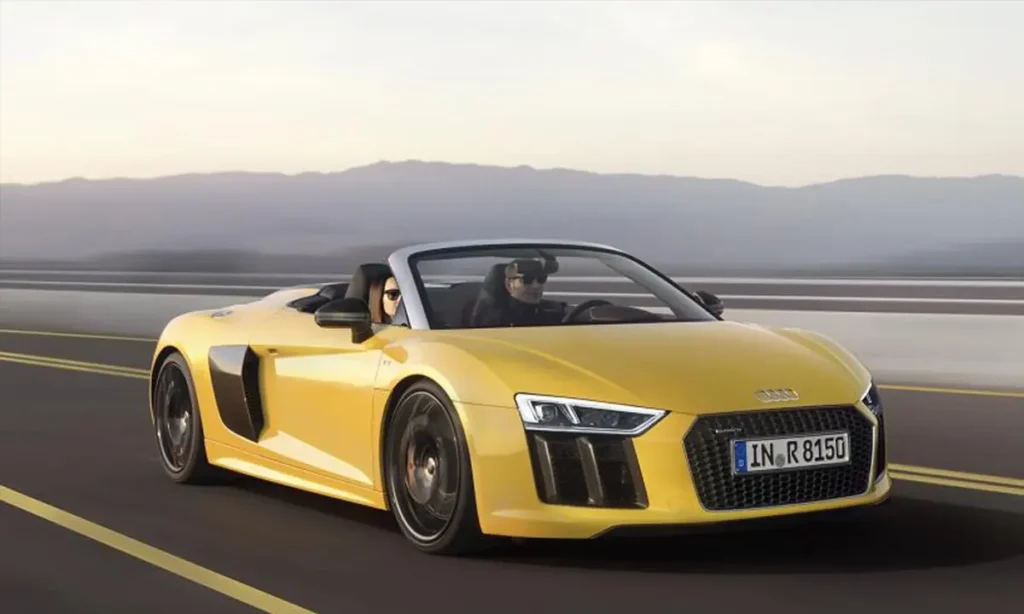
The Audi R8’s final generation — whose production conclusion makes surviving examples increasingly valuable and whose naturally aspirated 5.2-litre V10 represents one of the last high-displacement naturally aspirated supercar engines available in a vehicle configured for genuine daily use — combines the performance credentials of a genuine supercar with the build quality, interior comfort and electronic system sophistication that Audi’s mainstream product development investment transfers to even its most exotic offerings.
The R8’s quattro permanent all-wheel-drive system provides the all-weather traction capability that rear-drive supercar alternatives cannot match in the cold, wet and occasionally snow-affected conditions that daily driving across northern markets imposes for several months annually. The magnetic ride suspension’s ability to adapt between genuinely comfortable daily driving compliance and focused performance firmness in a single control input makes the transition between commuting and enthusiastic driving as seamless as any suspension system available on a car of this performance level. The R8’s shared Volkswagen Group electronic architecture provides the software maturity and system reliability that bespoke exotic car electronics — developed at lower volume and with less real-world validation data — often cannot match.
4. McLaren GT: The Grand Tourer That Reframes McLaren Reliability
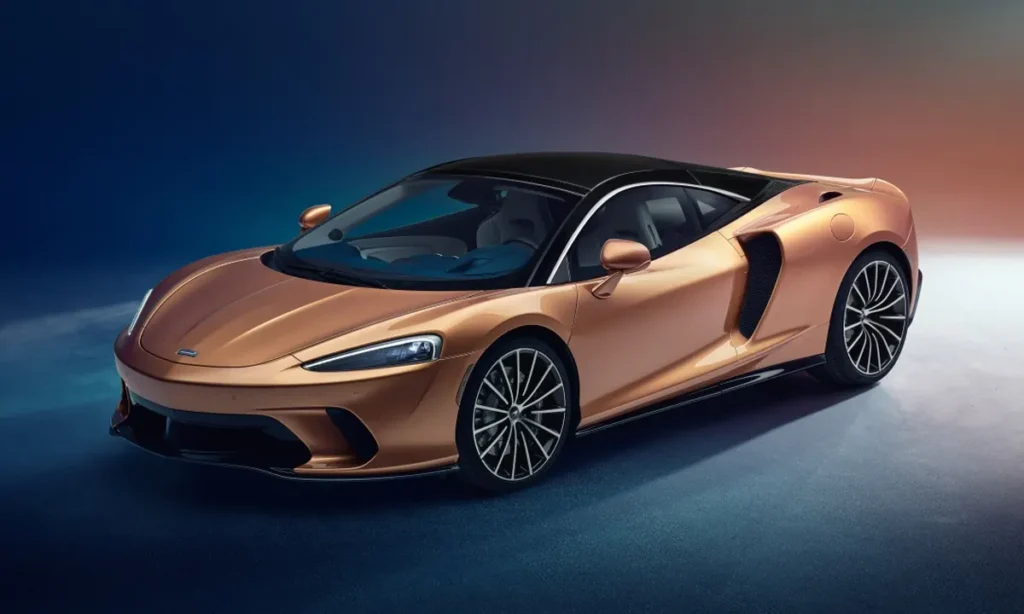
The McLaren GT represents the British manufacturer’s most direct acknowledgement that a segment of its customer base requires daily driver capability from their supercar investment — a vehicle developed with explicit luggage capacity, explicit long-distance comfort intent and an explicit suspension calibration philosophy that prioritises grand touring refinement over the circuit-focused firmness of the 720S and 765LT. The 4.0-litre twin-turbocharged V8’s 620 horsepower output provides the performance that the McLaren nameplate demands, while the GT’s revised spring rates, retuned hydraulic suspension and additional sound insulation create a daily driving experience that no other McLaren model approaches in comfort terms.
The McLaren GT’s reliability record within the ownership population has been more consistent than the wider McLaren lineup’s historical reputation for electronic system sensitivity might suggest — a reflection of the GT’s development priority toward durability and usability rather than the extreme performance extraction that creates the engineering trade-offs where reliability compromises most frequently originate. The independent McLaren specialist network, whose depth has increased considerably across the GT’s production life, provides service access and pricing alternatives to official dealer rates that make sustained daily driving financially more predictable than the McLaren brand’s exotic positioning might initially suggest.
5. Ferrari Roma: La Ferrari Più Pratica
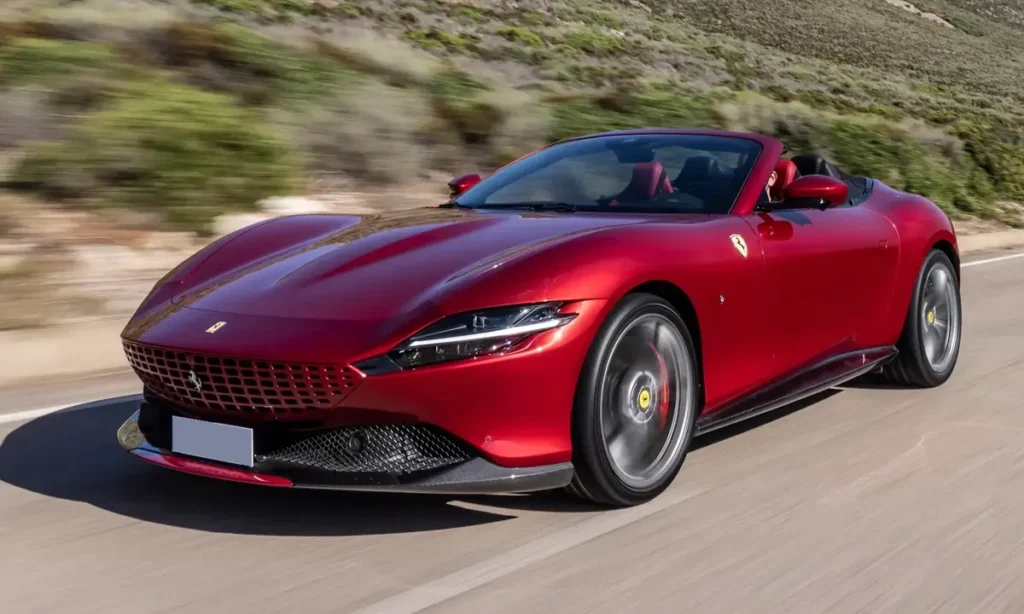
The Ferrari Roma occupies a position in the Ferrari lineup that no previous Ferrari has occupied with equivalent conviction — a grand touring supercar whose design, performance and Ferrari nameplate credentials are unimpeachable and whose daily usability, ride quality and ownership practicality represent a genuine departure from the track-focused philosophy that has historically defined the brand’s product priorities. The Roma’s 3.9-litre twin-turbocharged V8 producing 612 horsepower delivers its performance through a calibration whose smoothness, linearity and accessibility in daily driving conditions reflect a deliberate engineering decision to prioritise usability alongside outright performance rather than treating them as competing objectives.
The Roma’s reliability record within the Ferrari ownership community has been strong for a Ferrari — a qualification whose importance should not be underestimated, since Ferrari’s historical reliability reputation relative to more conservative manufacturers reflects engineering priorities that the Roma’s grand touring mission partially rebalances toward durability. The eight-speed dual-clutch transmission’s behaviour in automatic daily driving mode is among the most refined in the supercar segment — smooth, intelligent and unobtrusive in a manner that transforms the Roma’s character from exotic to effortless for the driver whose morning commute demands the latter.
6. Lexus LC500: Japanese Reliability Philosophy in a Grand Touring Package
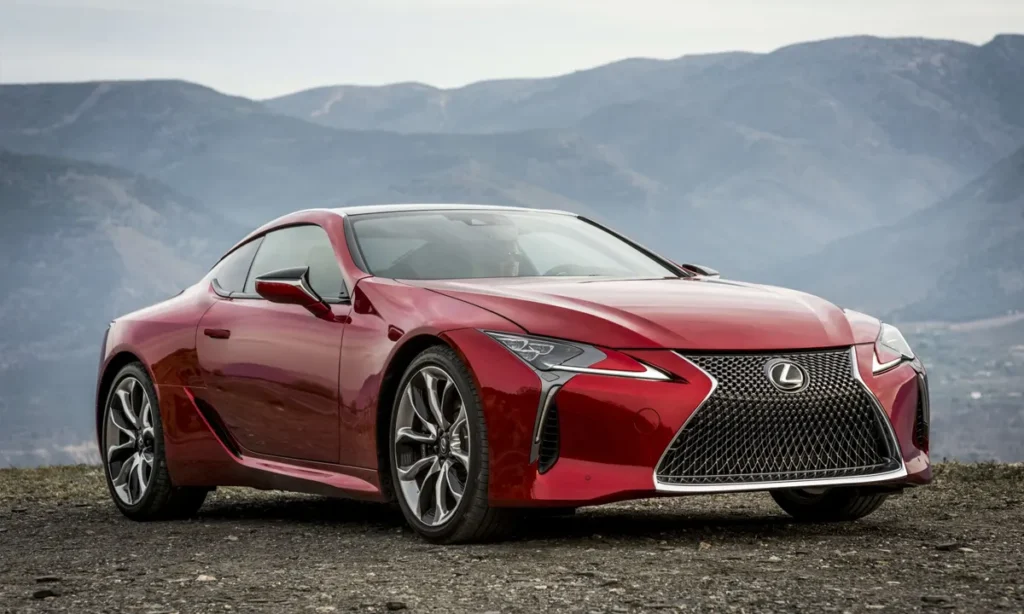
The Lexus LC500’s 5.0-litre naturally aspirated V8 producing 471 horsepower brings the Japanese manufacturer’s legendary reliability engineering philosophy — forged across decades of Lexus ownership data that consistently places the brand at the top of every long-term dependability survey conducted in the American and global markets — to a grand touring supercar whose performance credentials, while not matching the European and American entries on this list at their most focused, are entirely convincing across the real-world performance envelope that daily driving and weekend enthusiasm encompass.
The LC500’s reliability advantage over every European supercar on this list is not marginal — it is categorical. The naturally aspirated V8’s conservative engineering, the transmission’s proven durability record, the electronic system’s stability across temperature extremes and the build quality whose consistency reflects Toyota Group manufacturing discipline at the production volume that makes quality control genuinely achievable combine to produce a grand touring supercar whose long-term ownership cost and reliability confidence no European competitor can match at equivalent performance levels.
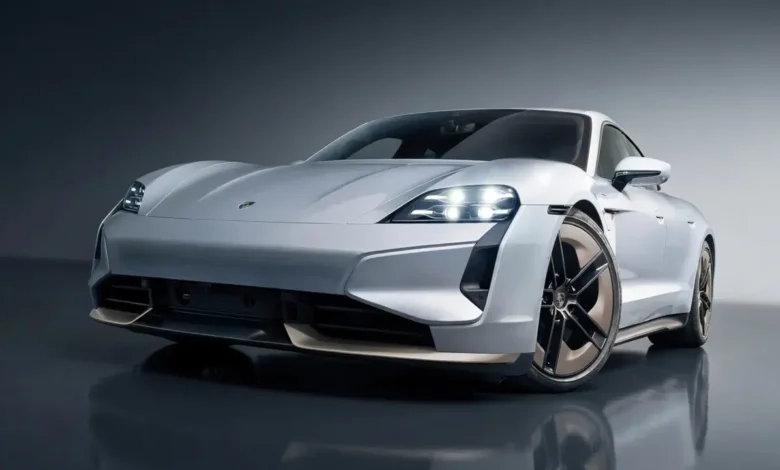
7. Porsche Taycan: The Electric Daily Driver Supercar That Redefines Reliability
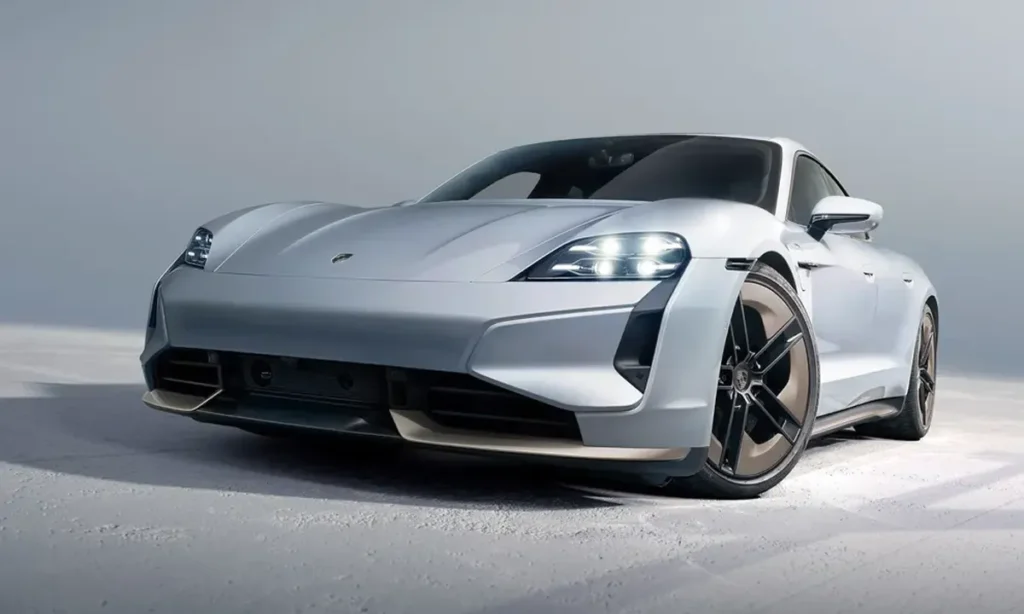
The Porsche Taycan’s inclusion on a daily driver supercar reliability list reflects an important and increasingly relevant reality — that battery-electric powertrains, in the context of a well-engineered premium performance vehicle, eliminate entire categories of mechanical reliability concern that combustion-powered supercars carry as inherent characteristics of their powertrain architecture. No oil changes. No belt or chain service. No turbocharger bearing maintenance. No clutch wear. No exhaust system deterioration. The mechanical simplicity of the Taycan’s electric powertrain removes the components whose service requirements and failure modes constitute the majority of combustion supercar maintenance events.
The Taycan’s performance credentials — 590 horsepower in base Turbo specification, zero to 100 kilometres per hour in 3.2 seconds and the instant torque delivery that electric motor architecture provides — are entirely convincing within the supercar performance category. The real-world reliability data accumulated across the Taycan’s ownership population confirms the theoretical reliability advantage of electric powertrain simplicity in practice — with repair frequency figures that, for powertrain-related events, consistently underperform the combustion supercar segment’s equivalent statistics in the most positive possible sense.
8. Aston Martin DB12: British Charm With Mercedes-AMG Reliability Underpinning
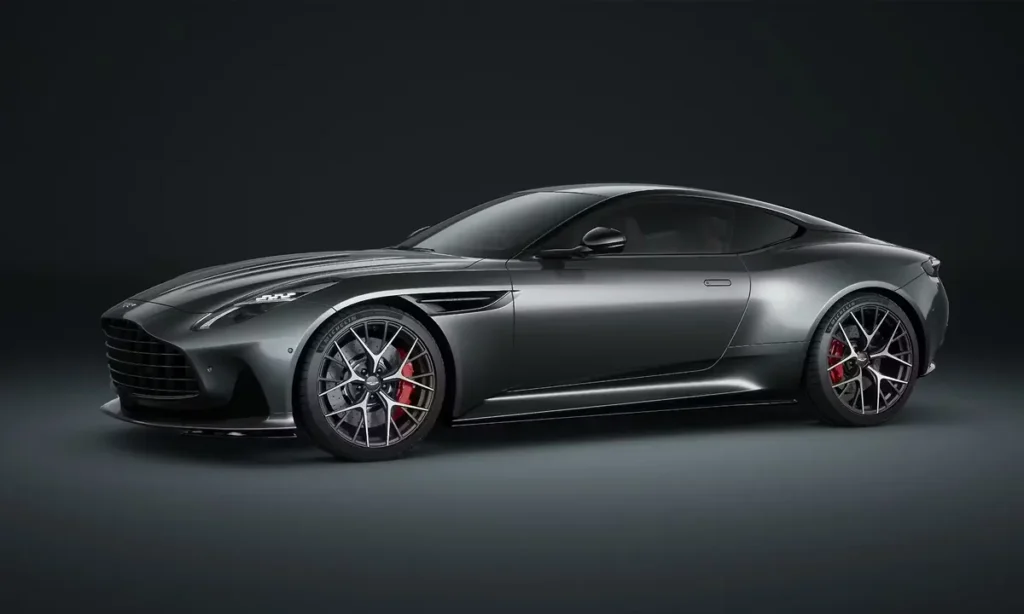
The Aston Martin DB12’s adoption of the Mercedes-AMG 4.0-litre twin-turbocharged V8 as its powertrain foundation — an engine whose development costs, reliability validation programme and real-world ownership data reflect Mercedes-AMG’s enormous engineering resources rather than Aston Martin’s more constrained budget — provides the DB12 with a mechanical reliability foundation that previous Aston Martin models, whose bespoke powertrains required the manufacturer to bear the full burden of reliability development independently, could not match with equivalent consistency.
The DB12’s 671 horsepower output, zero to 100 kilometres per hour time of 3.6 seconds and grand touring body provide the daily driver supercar credentials that the Aston Martin ownership experience demands, while the AMG-derived powertrain’s proven durability record across multiple AMG GT and Mercedes-AMG applications provides the reliability confidence that the British brand’s previous independent engine development history made more difficult to guarantee. The DB12 represents Aston Martin’s most dependable daily driver supercar proposition in the modern era — a British character delivered on a foundation of German engineering reliability that the marriage of the two manufacturers’ strengths has made possible.
Read: Best Entry-Level Supercars Under $150,000 in 2026, Price That Does Not Require a Second Mortgage
Best Daily Driver Supercars for Reliability — 2026 Comparison
| Rank | Model | Engine | Power | Est. Annual Maintenance | Daily Driver Rating |
| 1 | Porsche 911 Carrera | 3.0L Twin-Turbo Flat-Six | 394 hp | $1,200–$1,800 | Exceptional |
| 2 | Chevrolet Corvette C8 | 6.2L NA V8 | 495 hp | $700–$900 | Exceptional |
| 3 | Lexus LC500 | 5.0L NA V8 | 471 hp | $900–$1,400 | Outstanding |
| 4 | Porsche Taycan | Dual Motor Electric | 590 hp+ | $600–$1,000 | Outstanding |
| 5 | Audi R8 | 5.2L NA V10 | 562 hp | $2,000–$3,000 | Very Good |
| 6 | Ferrari Roma | 3.9L Twin-Turbo V8 | 612 hp | $3,000–$5,000 | Very Good |
| 7 | Aston Martin DB12 | 4.0L Twin-Turbo V8 (AMG) | 671 hp | $2,500–$4,000 | Very Good |
| 8 | McLaren GT | 4.0L Twin-Turbo V8 | 620 hp | $3,000–$5,000 | Good |