The Best Inline-Four Used Motorcycles You Can Buy for Under $5000
Best Inline-Four Motorcycles: There is a sound that every motorcyclist who has ever been within earshot of a high-revving inline-four engine carries with them permanently — a mechanical shriek that begins somewhere around eight thousand RPM and continues climbing toward a redline that feels more like a jet engine than a road vehicle, producing a sensory experience that no parallel-twin, V-twin or single-cylinder motorcycle has ever replicated or come close to replacing. That sound — and the riding experience built around it — was once exclusively the territory of buyers with new-bike budgets and the mechanical confidence to match. In 2025, it is the territory of anyone with five thousand dollars and the discipline to find a clean, well-maintained example of the machines that defined the golden era of the supersport segment. The used market has transformed what was once a premium proposition into an accessible one. These are the best inline-four motorcycles your money can buy for under five thousand dollars.
Yamaha YZF-R6 (2003–2016): The Default Track Weapon
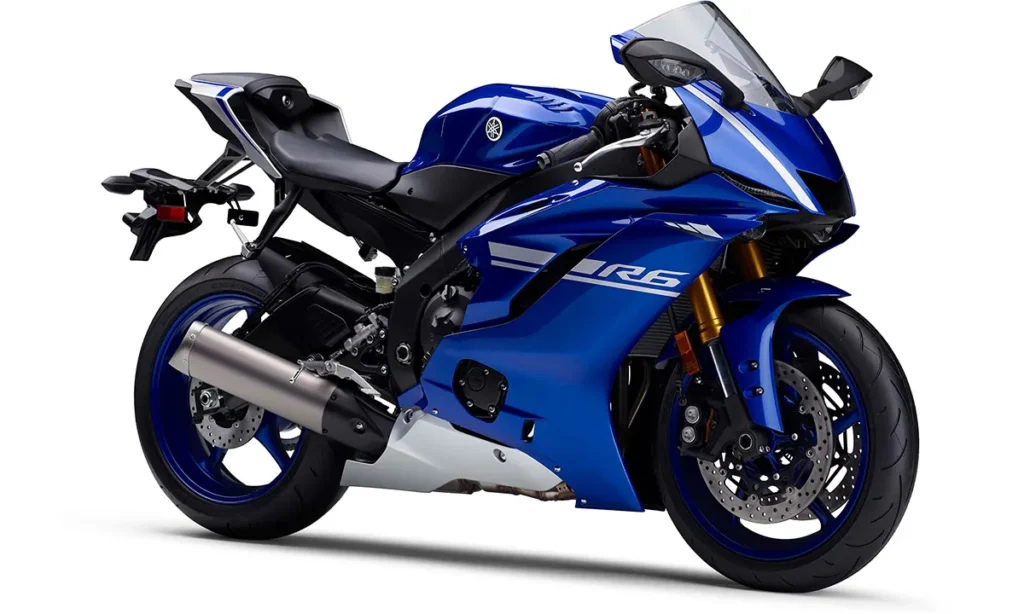
If the used supersport market under five thousand dollars has a single universally recommended choice for buyers whose priorities include circuit performance, handling precision and aftermarket support depth, the Yamaha YZF-R6 is it. The R6’s reputation as the default track bike of its generation is not marketing mythology — it is the accumulated verdict of decades of track day riders, club racers and road riders who found that the Yamaha’s chassis balance, front-end feel and suspension tuning produced a riding experience that rewarded commitment more naturally than any of its direct rivals. The 599cc inline-four engine revs freely to a 16,000 RPM redline, producing power that arrives progressively through the mid-range and then builds with genuine intensity in the upper reaches of the tachometer — the behavior that defines the inline-four experience at its most characteristically rewarding.
Used R6 examples from the 2006 to 2012 period — representing the second and third generations of the model — are consistently available in the $3,500 to $4,800 range in the United States market, with pricing reflecting mileage, condition and modification history rather than any fundamental scarcity. The aftermarket for the R6 is, by any measure, the most developed of any 600cc supersport on the used market, meaning that everything from suspension upgrades and quick-shifter installations to exhaust systems and bodywork replacements is both available and competitively priced. The R6’s ergonomics are the most aggressive of the class — a riding position that suits the track more naturally than the street — but for buyers whose primary purpose is circuit use, that is a feature rather than a compromise.
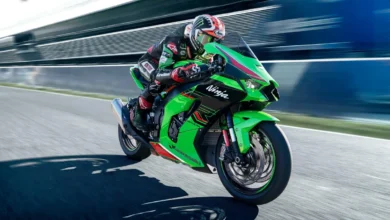
Kawasaki Ninja ZX-6R 636 (2003–2006, 2013–2016): The Midrange Monster
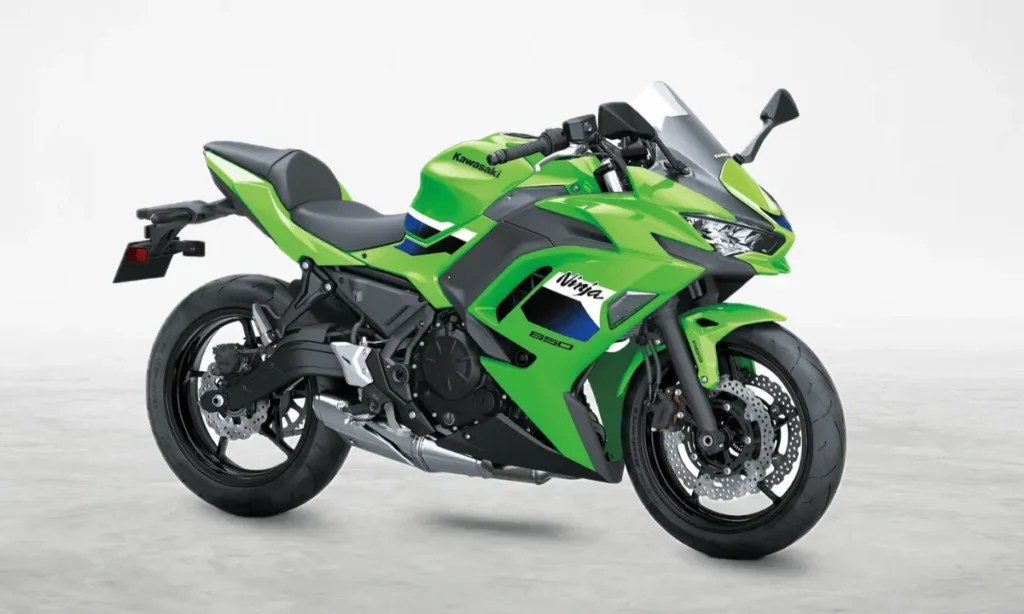
The Kawasaki Ninja ZX-6R occupies a unique position in the 600cc supersport segment because it is, technically, not a 600cc motorcycle at all. Kawasaki’s decision to expand the road-going ZX-6R’s displacement to 636cc — a calibration they maintained across the 2003–2006 and 2013–2016 production periods — produced a bike whose additional cubic centimeters translated directly into midrange torque that the true 600cc competitors simply could not match. In a class defined by upper-RPM power delivery, the 636’s willingness to pull strongly from lower in the rev range made it demonstrably more usable on public roads and more forgiving of the occasional lazy gear selection that no real-world rider entirely avoids.
The ZX-6R’s electronics package — which on later 2013 and newer models includes traction control and multiple power modes — gives it a meaningful technology advantage over comparable-era R6 and CBR600RR examples that Kawasaki’s rivals had not yet matched. Used examples from the 2013–2016 period are available in the $4,000 to $5,000 range for clean, low-mileage examples, with earlier 636 generations from the 2003–2006 production run accessible from as little as $3,000. The ZX-6R is also the most ergonomically accommodating of the Japanese 600cc supersports — an attribute that makes it the most sensible choice for buyers intending to cover real distances on public roads rather than exclusively targeting track use.
Honda CBR600RR (2005–2012): The Championship-Pedigreed Choice
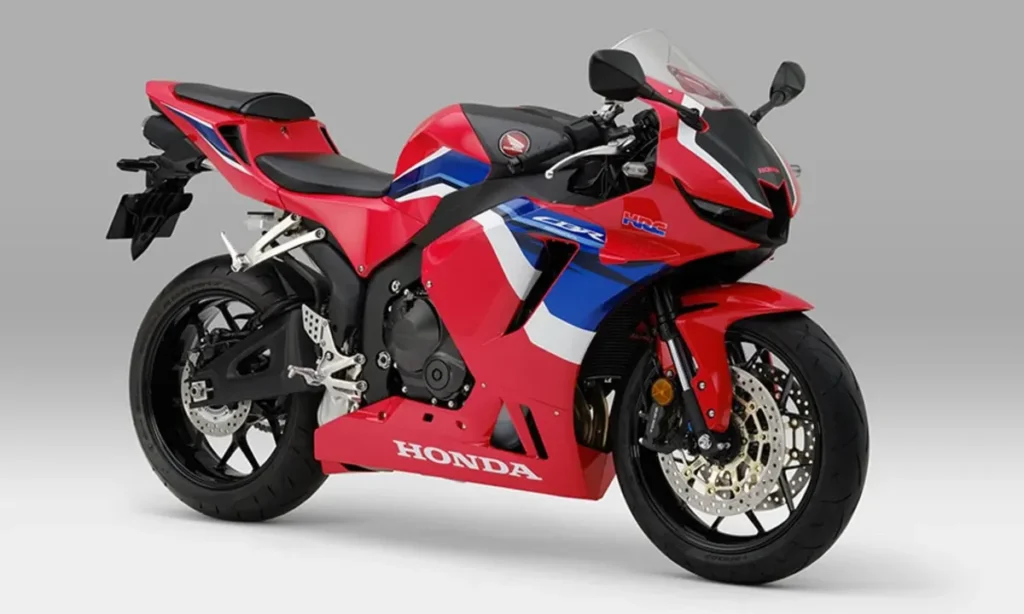
Honda built the CBR600RR from a starting point that no other manufacturer in the class could claim — they designed a prototype racing motorcycle first and then asked their production engineers to make it street legal, rather than following the conventional path of adapting a road bike for competition use. The results across the World Supersport Championship — where the CBR600RR accumulated eight titles out of twelve seasons from its introduction — validated that approach definitively. On the road, the CBR600RR’s character is the most linear and most accessible of the Japanese 600cc class. Its torque curve — relatively flat from two thousand RPM, climbing to a plateau that holds from mid-range through the top of the rev band — produces a riding experience that feels less peaky and more approachable than the R6’s upper-RPM concentration, without sacrificing the ultimate performance that the inline-four configuration provides.
Honda’s legendary reliability record accompanies every CBR600RR to its second, third and fourth owners without dilution — the engine, maintained to Honda’s service schedule, has no known systematic failure modes and routinely reaches high mileage without internal drama. The 2007 update brought lighter weight, improved aerodynamics and suspension refinements that elevated the model’s handling precision meaningfully. Clean 2007 to 2012 examples are available in the $3,500 to $4,800 range, representing exceptional value for a motorcycle whose competition record and engineering foundation remain among the best the 600cc class ever produced.
Suzuki GSX-R600 (2006–2010): The Balanced All-Rounder
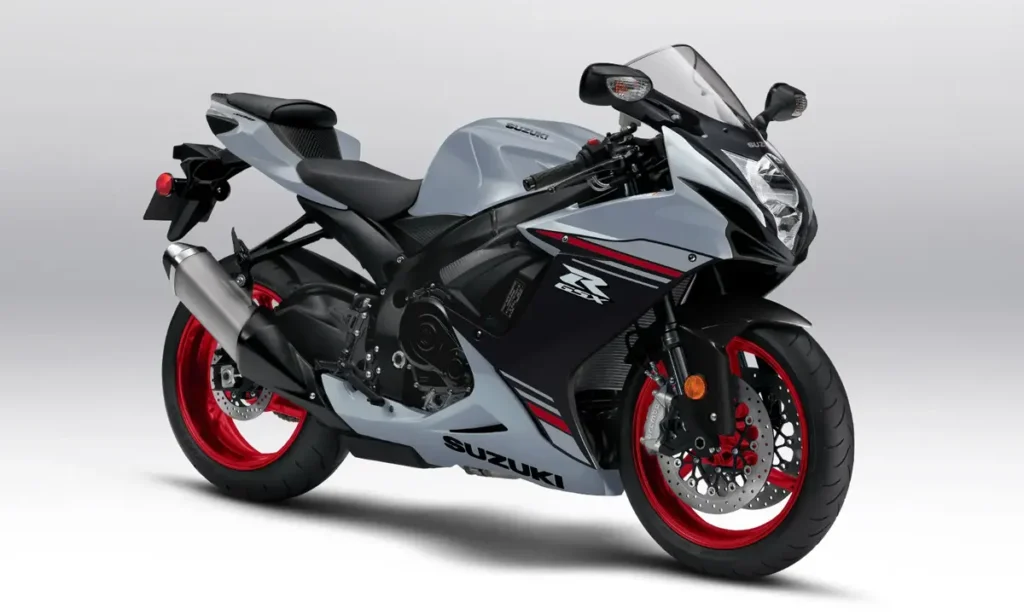
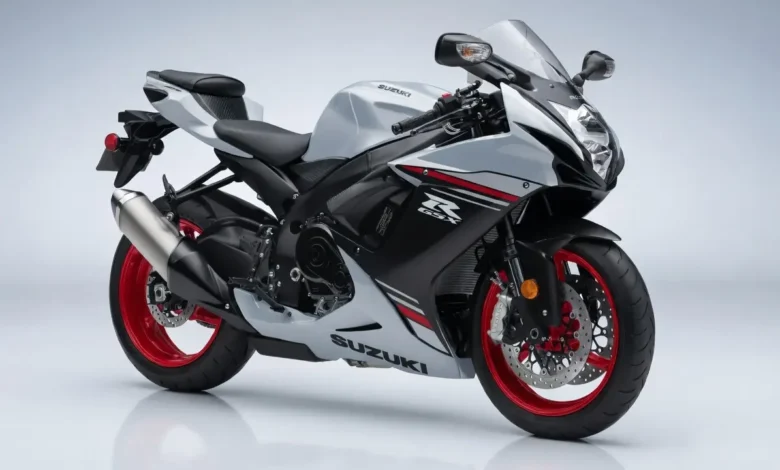
The Suzuki GSX-R600 has spent much of its used-market life competing against the R6’s track-day reputation and the ZX-6R’s displacement advantage while carrying neither distinguishing credential as clearly its own. What it does carry is something that deserves more credit than the segment’s competitive conversation typically grants it — a genuinely balanced combination of street usability, mechanical reliability and track capability that makes it the most straightforwardly enjoyable 600cc inline-four for buyers who are neither committed circuit racers nor primarily concerned with electronics sophistication. The 2006–2010 generation GSX-R600, powered by a refined evolution of the K5 engine architecture whose reputation across both the 600 and 750 versions of the Gixxer is essentially beyond challenge, delivers crisp throttle response, a rev-happy mid-range and a chassis that steers with the intuitive precision the GSX-R line has always provided.
Ergonomically, the GSX-R600 sits between the R6’s aggressive crouch and the ZX-6R’s relative comfort — more forgiving than the Yamaha for extended street riding, more focused than the Kawasaki for canyon performance. Used examples from the 2006–2010 period are among the most accessible in the class, with clean examples consistently available between $3,000 and $4,500, and the bike’s broad popularity across its production run ensuring that both parts availability and independent mechanic familiarity are never a concern for its owners.
Read: 10 Sport Motorcycles Known for Legendary Reliability and Longevity
What to Know Before You Buy Any Used Inline-Four
The inline-four motorcycles available in the under-five-thousand-dollar category are, without exception, machines that demand respect from their owners — not because they are inherently unrideable, but because their power delivery characteristics and riding positions reflect their origins as track-derived instruments rather than casual transportation. Buyers transitioning from smaller-displacement or parallel-twin motorcycles should understand that the inline-four’s power arrives differently than what they have experienced — with a sharpness in the upper rev range that rewards smooth, progressive throttle inputs rather than abrupt demands. A professional pre-purchase inspection is the same non-negotiable investment for a used motorcycle as for a used car — these bikes may have served as track weapons in previous lives, and the evidence of that history may not be visible at first glance. Service history, valve inspection records and maintenance documentation are the paper trail that distinguishes the examples worth owning from the ones that only photograph well.
At five thousand dollars, the four-cylinder sound, the championship-derived engineering and the riding experience that defined a generation of sports motorcycling are fully within reach. The only requirement is knowing which bike to look for.