Best Motorcycles For Daily Commuting In 2026. Ranked by MPG, Price and Real-World Practicality
- Practical motorcycles with smart storage solutions
- Up to 60+ MPG for low running costs
- Easy handling in city and highway conditions
- Comfortable and efficient daily commuters
- Motorcycles that make commuting enjoyable
The mathematics of motorcycle commuting are straightforward and compelling. A typical commuter motorcycle delivers 50 to 80 miles per gallon — two to three times the efficiency of most cars. Parking is faster, cheaper and frequently free where a car would cost $20. Insurance runs significantly lower on a commuter-spec motorcycle than on a comparable car. And the daily commute — that crushing, soul-depleting ritual that car drivers endure — becomes something a motorcycle rider often actively looks forward to. The complication is that not every motorcycle is equally suited to daily use. The bike that thrills on a Sunday morning canyon run can be exhausting, uncomfortable and impractical on a Tuesday morning in heavy traffic. This guide identifies the best motorcycles for daily commuting in 2026 by category, with specific attention to the qualities that actually matter across hundreds of repeated daily rides: fuel economy, ergonomic comfort, maintenance cost, traffic maneuverability and practical features.
What Makes a Great Commuter Motorcycle
Before the specific recommendations, understanding the criteria that separate a great commuter from an indifferent one shapes the entire selection decision. Ergonomics matter more for daily riding than they do for occasional weekend use — an upright or semi-upright riding position that feels natural for thirty minutes becomes critical when the same posture is repeated ten times a week across months of commuting. Fuel economy at typical commuting speeds — which rarely exceed 50 miles per hour in urban environments — is the primary running cost variable and should be evaluated at city cycling rates rather than highway cruise figures. Clutch feel and engine behaviour in stop-and-go traffic separates enjoyable commuting from hand-fatiguing drudgery. And practical features — underseat storage, luggage compatibility, a fuel range that allows two or three days of commuting between fill-ups — determine whether the motorcycle genuinely simplifies daily life or merely substitutes one set of inconveniences for another.
Engine displacement between 300cc and 750cc covers the majority of commuting needs in the USA, providing sufficient power for confident highway merging while maintaining the fuel economy and lightweight agility that make urban riding practical. Dual-channel ABS is effectively non-negotiable for daily riding in 2026, and traction control — now standard or available on most models in this bracket — provides a meaningful safety advantage on wet morning roads.
Honda NC750X DCT: The Purpose-Built Commuter
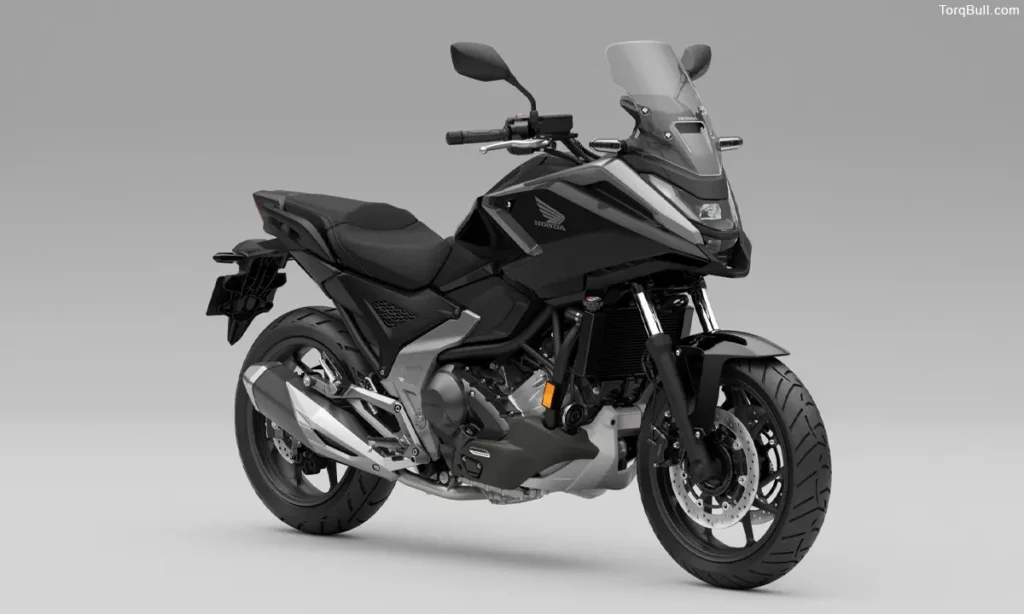
Engine: 471cc Parallel-Twin | MPG: 60–70 | Weight: 439 lbs | Price: From ~$9,599 | Best For: Urban + Highway mixed commutes
The Honda NC750X was designed from first principles as a commuter motorcycle, and the evidence is visible in its most unusual feature: the space where a conventional motorcycle locates its fuel tank has been converted into a storage compartment large enough to hold a full-face helmet. This single practical decision eliminates the backpack that most motorcycle commuters carry, provides a secure, waterproof storage space for daily essentials and gives the NC750X a functional advantage that no rival in its class has matched. The 2026 model adds a new TFT display with smartphone connectivity, dual front disc brakes and refined DCT response at low speeds.
The Dual Clutch Transmission option — which allows fully automatic operation in stop-and-go traffic or manual shifting via thumb buttons — is the commuter’s most practical technology advancement of the past decade. After a week of urban riding without clutch hand fatigue, its appeal is immediately apparent. The parallel-twin engine’s low-revving, diesel-like torque delivery makes city traffic effortless, and the adjustable windscreen provides meaningful wind protection on highway sections. Fuel economy ranging from 60 to 70 miles per gallon and a large fuel tank give the NC750X exceptional range between fill-ups.
Honda CB500F: The Balanced All-Rounder for Daily Use
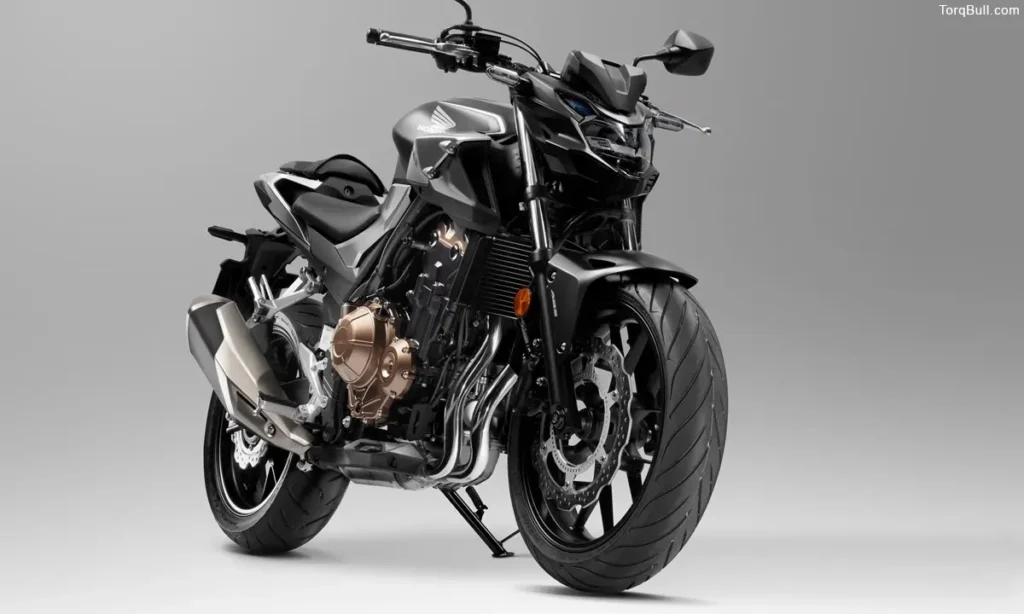
Engine: 471cc Parallel-Twin | MPG: ~55–65 | Weight: 192 kg | Price: From ~$6,799 | Best For: Mixed urban and suburban commuting
The Honda CB500F continues to be one of the most sensible choices for urban riding in 2026, with a parallel-twin engine updated with improved fuel injection mapping for smoother throttle response in traffic, standard ABS and slipper clutch, and a slim chassis at 192 kilograms wet that makes it genuinely easy to manoeuvre through tight spots. Its upright riding position keeps the rider comfortable across longer daily distances, and Honda’s reliability record — consistently among the best in the industry — makes the CB500F an ownership proposition whose long-term maintenance costs are predictably low.
The CB500 platform also underpins the CB500X adventure variant, which adds a small windscreen, longer suspension travel and more protective bodywork for riders whose commutes include longer highway sections or occasional adverse weather. Both models benefit from Honda’s extensive dealer network and widely available parts, keeping service turnaround times and costs competitive.
Yamaha MT-03: The Commuter That Makes Every Ride Enjoyable
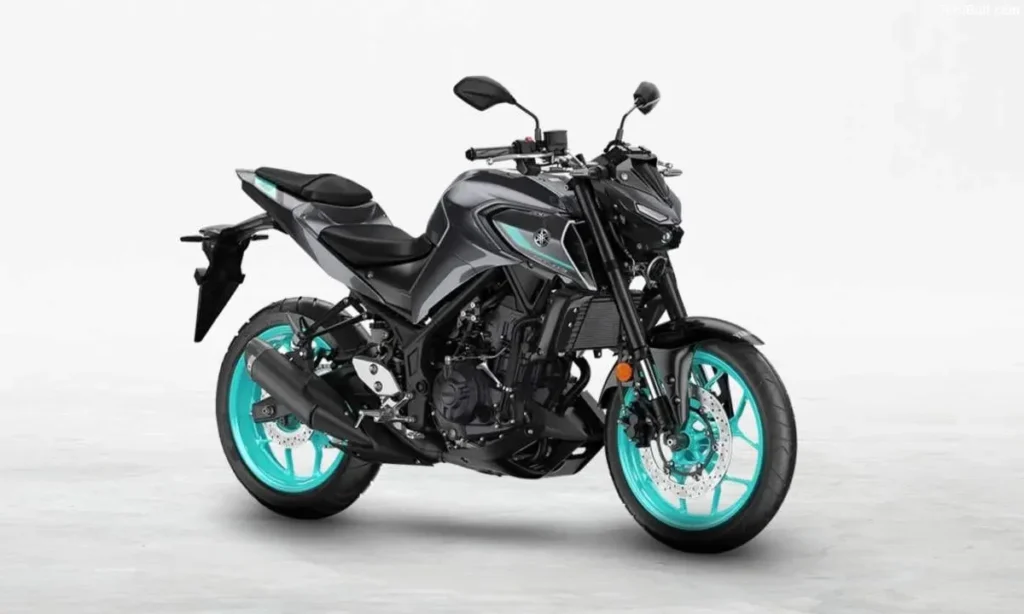
Engine: 321cc Parallel-Twin | MPG: ~62 | Weight: ~168 kg | Price: From $4,999 | Best For: Urban commuting with sports character
The Yamaha MT-03 delivers the commuter triumvirate — lightweight agility, genuine fuel economy and enough power to handle highway on-ramps with confidence — in a package whose aggressive, R-Series-inspired styling gives it a road presence that no purely utilitarian commuter can match. At approximately 168 kilograms, the MT-03 is one of the lightest motorcycles in the 300cc class, producing a flickable, effortless character in stop-and-go traffic that larger, heavier commuters cannot replicate. Its upright ergonomics maintain good rider visibility, and 62 miles per gallon fuel economy makes the daily fuel cost genuinely negligible.
The MT-03 does not offer the wind protection of the NC750X or the storage of the CB500F, but for the urban rider whose commute is primarily city-speed and whose priority is enjoying every kilometre rather than simply completing it, the MT-03 is the most engaging commuter motorcycle in its price bracket — and at $4,999, the most affordable new motorcycle on this list.
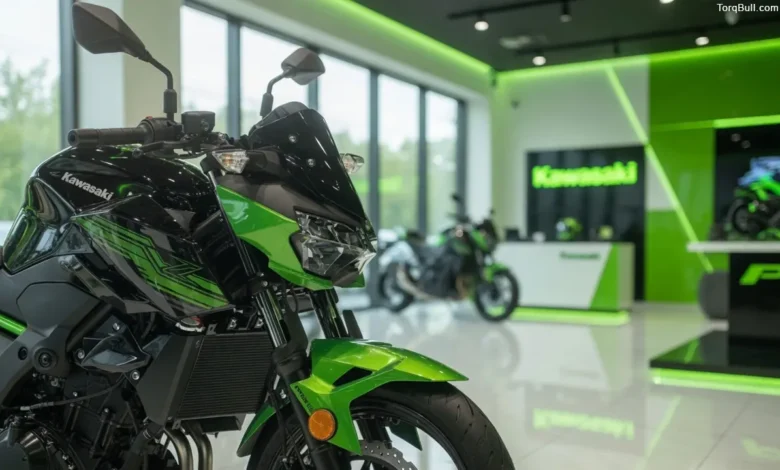
Kawasaki Z400: The Mid-Range Commuter With Freeway Confidence
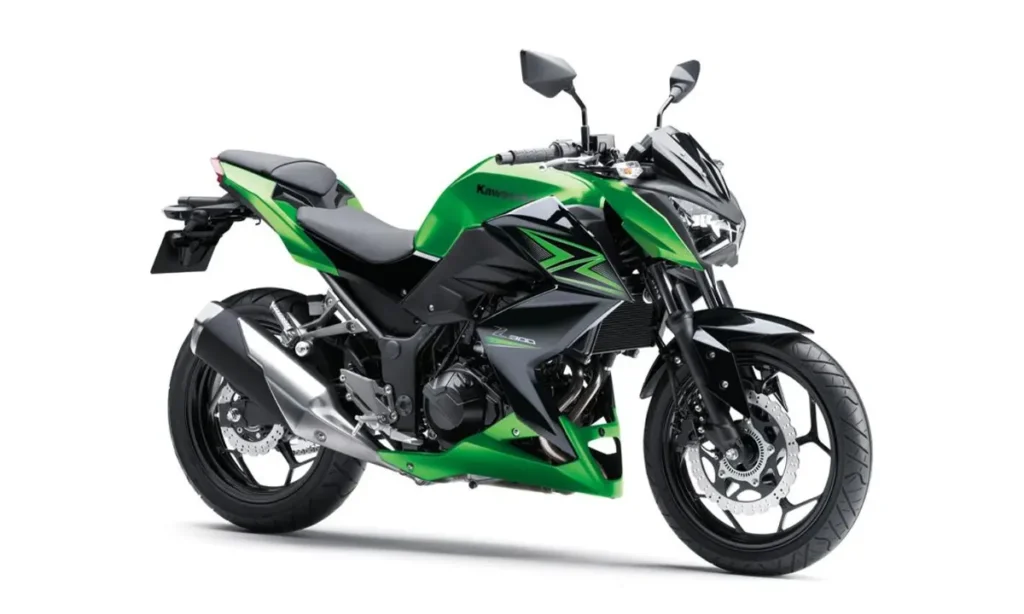
Engine: 399cc Parallel-Twin | MPG: ~60 | Weight: ~168 kg | Price: From ~$5,499 | Best For: Urban-suburban mixed commute, newer riders
The Kawasaki Z400 punches above its displacement in terms of feel and features. Its 399cc parallel-twin revs freely and provides enough power to handle freeway on-ramps as part of a mixed urban-suburban commute with confidence that smaller-displacement alternatives cannot match. Fuel economy around 60 miles per gallon, a comfortable seat height, excellent traffic manoeuvrability and a refined chassis that makes lane filtering feel effortless collectively make it one of the strongest value propositions in the commuter category.
The Z400 also features dual-channel ABS as standard — not available as an option but included across all specifications — making it one of the most safety-equipped motorcycles in the under-$6,000 bracket.
Honda CB500X: The Long-Distance Commuter
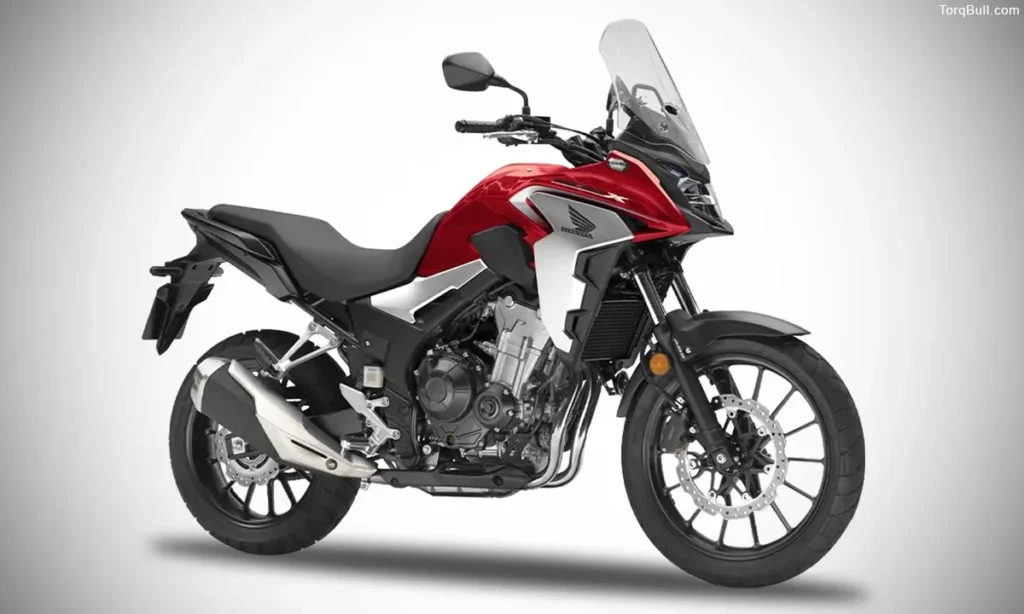
Engine: 471cc Parallel-Twin | MPG: ~55–65 | Weight: ~192 kg | Price: From ~$7,499 | Best For: Commutes over 30 miles with highway miles
For riders whose commute regularly exceeds 30 miles in each direction and includes sustained highway speeds, the Honda CB500X provides a level of wind protection, seat comfort and ergonomic refinement that pure urban commuters cannot offer. Its semi-adventure styling provides a windscreen that meaningfully reduces fatigue at 70 miles per hour, and the CB500X’s comfortable upright-forward ergonomics allow sustained highway riding without the wrist and back strain that naked bikes introduce at speed.
The CB500X is also among the most luggage-compatible motorcycles in its class — purpose-designed luggage systems from Honda and third-party manufacturers fit the CB500X cleanly, transforming it from a commuter into a touring-capable motorcycle for weekend use without modification.
Read: 12 Affordable Motorcycles That Beat Harley-Davidson in Power and Price
Best Commuter Motorcycles 2026 — Quick Comparison Chart
| Motorcycle | Engine | MPG | Wet Weight | Starting Price | Best For |
| Honda NC750X DCT | 471cc Parallel-Twin | 60–70 | 439 lbs | ~$9,599 | Urban + highway, helmet storage |
| Honda CB500F | 471cc Parallel-Twin | 55–65 | 192 kg | ~$6,799 | All-round urban reliability |
| Yamaha MT-03 | 321cc Parallel-Twin | ~62 | ~168 kg | $4,999 | Budget, fun, city use |
| Kawasaki Z400 | 399cc Parallel-Twin | ~60 | ~168 kg | ~$5,499 | Urban-suburban, newer riders |
| Honda CB500X | 471cc Parallel-Twin | 55–65 | 192 kg | ~$7,499 | Long-distance highway commuting |
| Yamaha MT-07 | 689cc CP2 Parallel-Twin | ~50–55 | ~193 kg | $8,599 | Experienced riders, dual use |
Read: Built to Last Forever. 10 Most Reliable Motorcycles Ever Built
Choosing the Right Commuter Motorcycle for Your Route
The single most important variable in commuter motorcycle selection is not the motorcycle — it is the commute. A 5-mile urban route through dense city traffic calls for a completely different machine than a 40-mile mixed-road route that includes 15 miles of interstate. Understanding which of three broad profiles describes your commute eliminates most of the selection decision.
For short urban commutes under 15 miles at city speeds, the Yamaha MT-03’s lightweight agility and $4,999 starting price make it the most rational choice — low cost of entry, low fuel cost, easy parking and the kind of fun-per-dollar ratio that makes daily riding something to look forward to rather than endure. For mixed commutes combining urban sections with 15 to 25 miles of highway, the Honda NC750X with DCT provides the most complete commuting tool available at any price — helmet storage, automatic transmission, highway-capable wind protection and Honda reliability in a single package. For longer commutes regularly exceeding 30 miles in each direction at freeway speeds, the Honda CB500X provides the wind protection, seat comfort and luggage compatibility that highway commuting demands without requiring a step up to the fuel and maintenance costs of a larger displacement machine.
The consistent theme across all three profiles is Honda’s dominance of the practical commuter category — a consequence of the brand’s specific focus on real-world usability, industry-leading reliability data and service network breadth that makes ownership genuinely uncomplicated anywhere in the United States. For the rider whose priority is a motorcycle that makes daily life easier rather than more complicated, that consistency is worth more than any specification advantage a rival might offer.