How Smart Is the Changan Deepal S05 Compared to Tesla and BYD?
A New Era Where Software Defines the Car
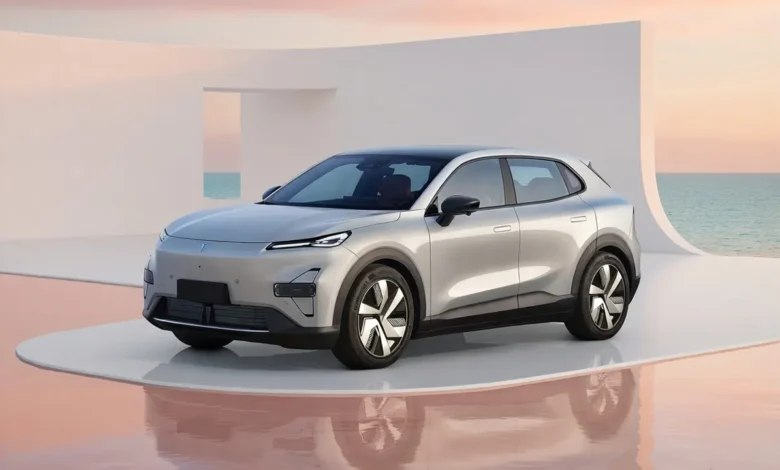
The electric vehicle market has entered a phase where intelligence matters as much as engineering. Range, acceleration and design still play a role, but the real differentiator in 2026 is how smart a vehicle is—how it learns, adapts, connects and evolves over time.
Tesla has built its dominance on a software-first ecosystem, while BYD has emerged as a technology-driven manufacturer combining battery innovation with intelligent features. Into this competitive landscape enters the Deepal S05, a smart electric SUV designed to challenge both.
But how does it actually compare? Is it truly as intelligent as Tesla, or does it lean more toward BYD’s balanced approach? The answer lies in understanding where each brand excels—and where the Deepal S05 fits in.
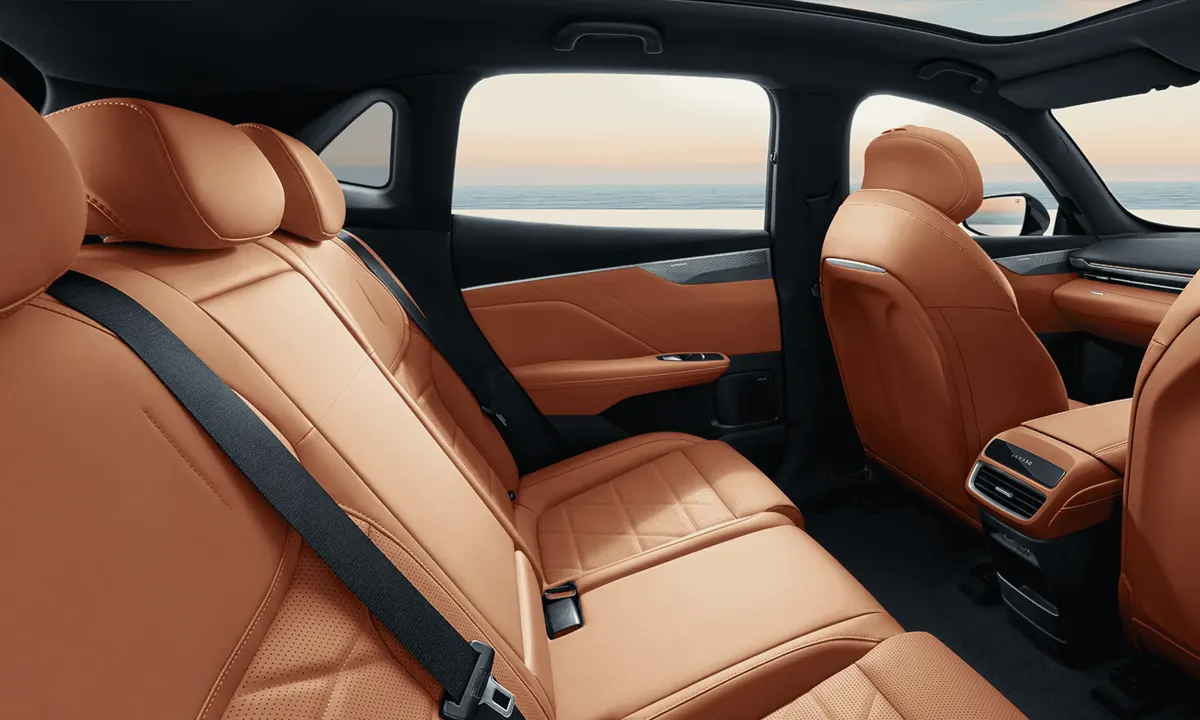
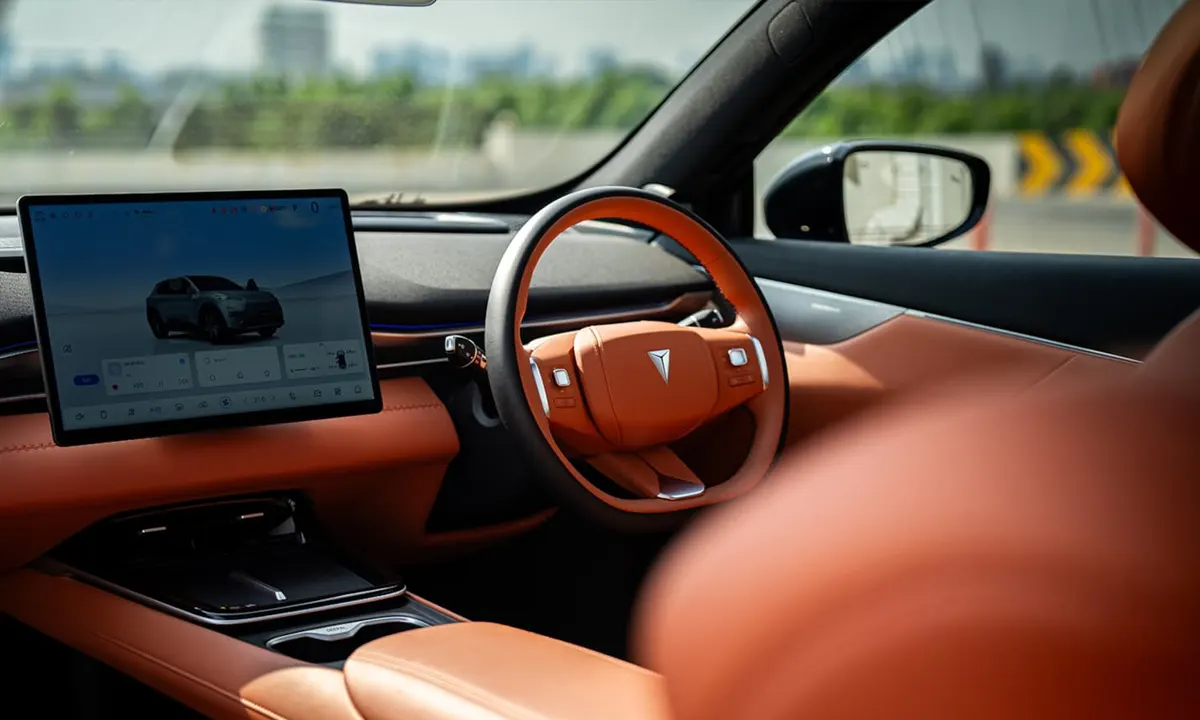
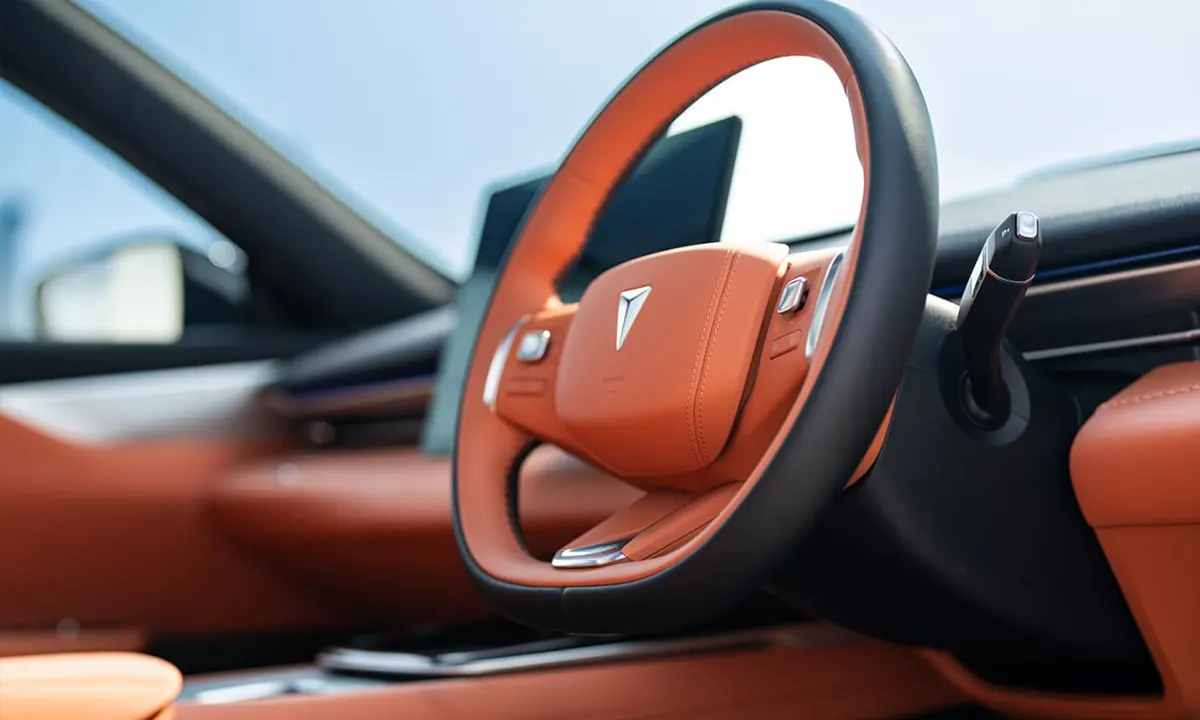
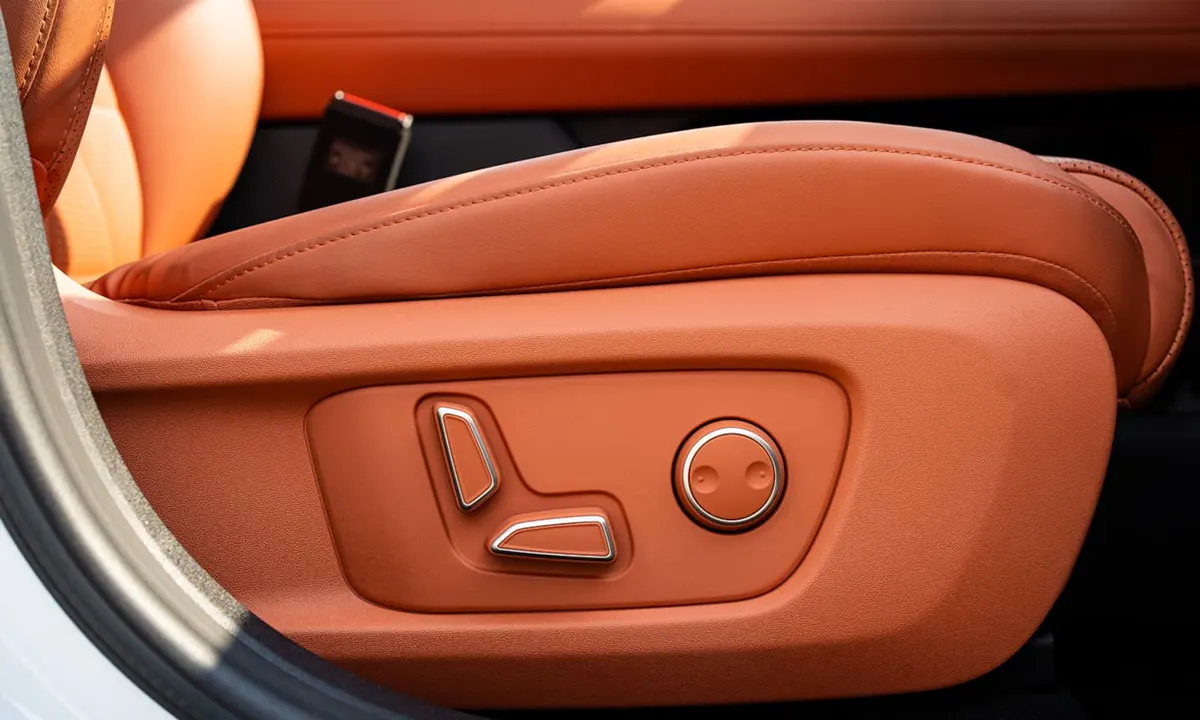
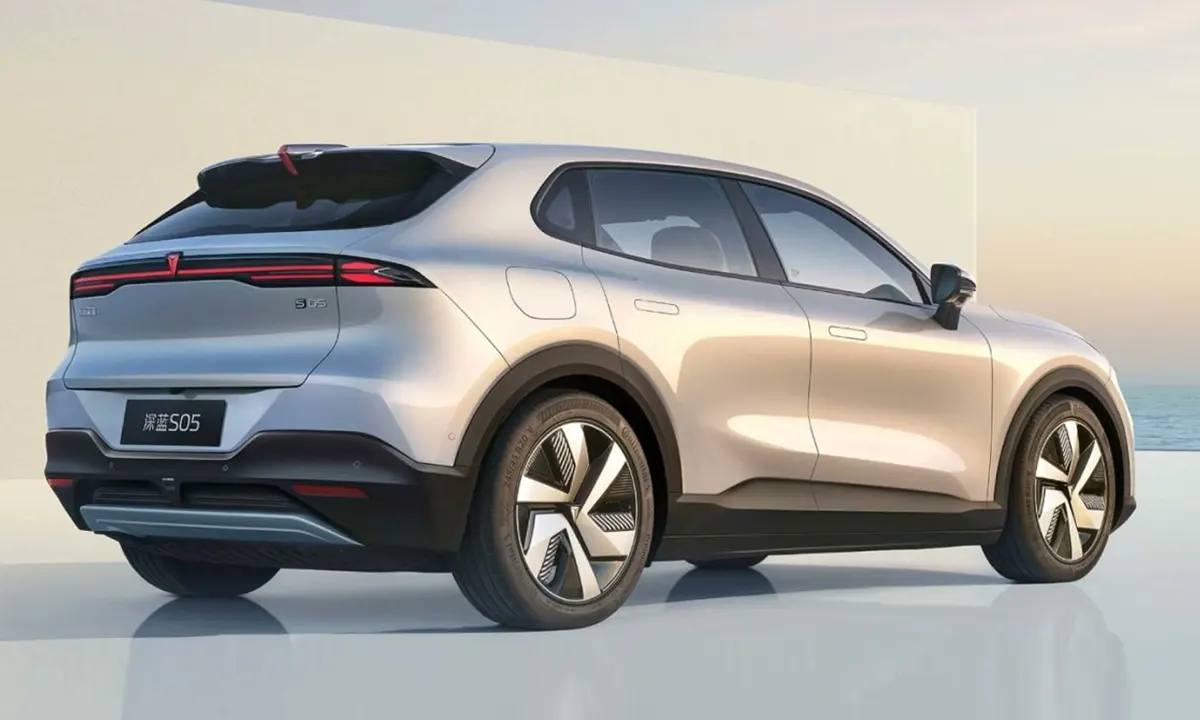
Gallery: Changan Deepal S05
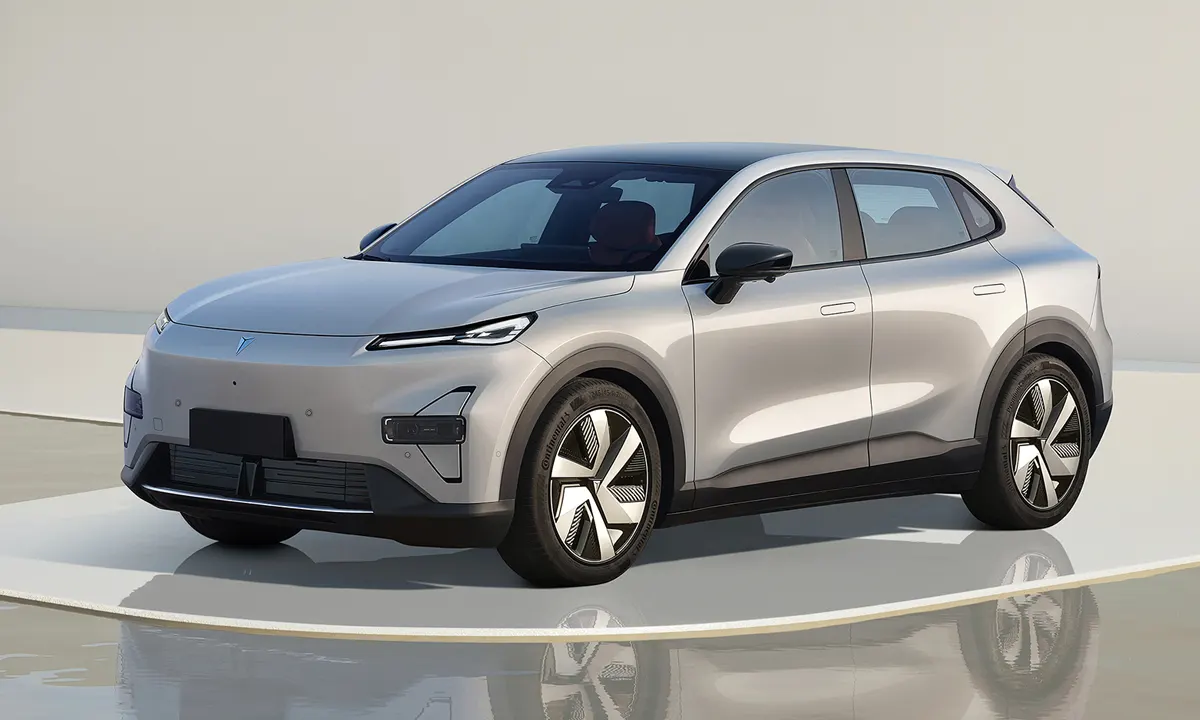
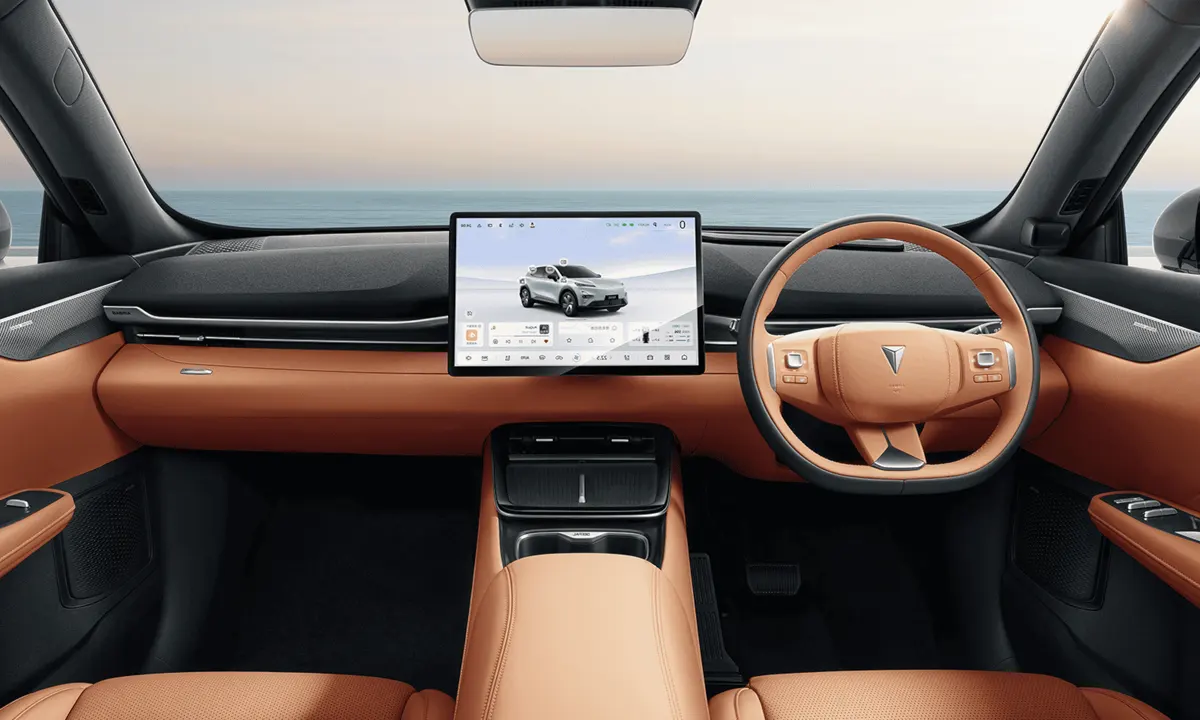
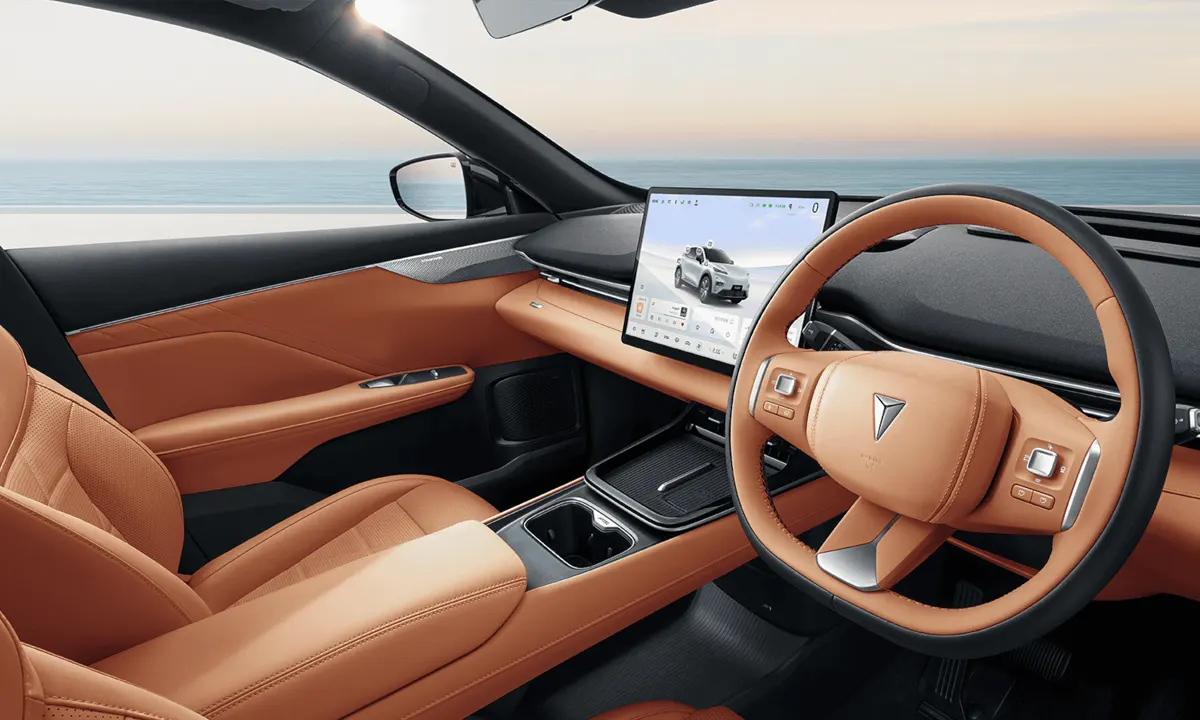
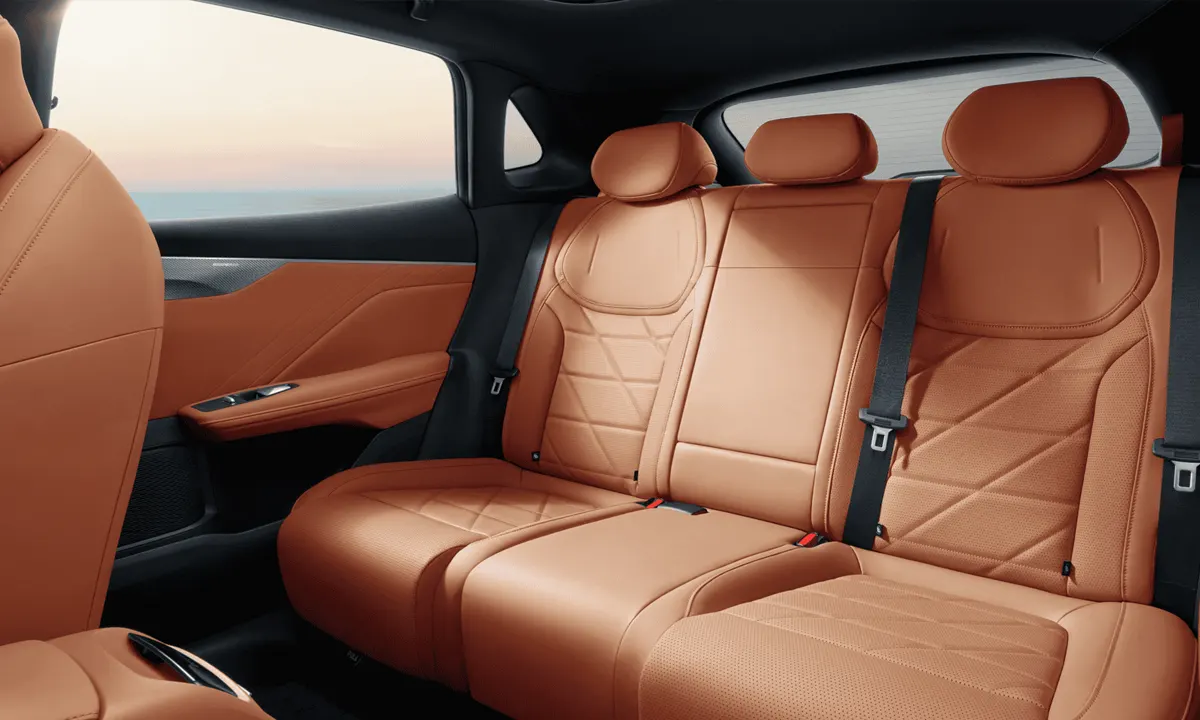
Defining “Smart” in the Modern EV Segment
Before making comparisons, it is essential to establish what “smart” means in today’s automotive context. A modern intelligent EV is not just about screens or connectivity; it is a combination of multiple integrated systems working together.
This includes advanced driver assistance systems, AI-driven interfaces, seamless connectivity, over-the-air updates and predictive software that adapts to user behavior. The most advanced vehicles operate more like connected devices than traditional cars, continuously improving through software enhancements.
Tesla leads in software architecture, BYD excels in hardware integration and system efficiency, and the Deepal S05 attempts to combine both philosophies into a single package.
Deepal S05: A Strong Entry Into Smart Mobility
The Deepal S05 is designed as a technology-forward electric SUV, and its intelligence is immediately evident in its user interface and digital ecosystem. At the center of the experience is a large, high-resolution touchscreen powered by a modern processor that ensures smooth operation and quick response times.
One of its standout features is the augmented reality head-up display, which projects navigation data, speed and alerts directly onto the windshield. This reduces driver distraction and enhances situational awareness—an increasingly important aspect of smart vehicle design.
The S05 also integrates a comprehensive suite of driver assistance systems, including adaptive cruise control, lane-keeping assistance and automated emergency braking. These features work together to provide a semi-autonomous driving experience that is competitive within its segment.
Where the Deepal S05 particularly stands out is in its balance. It combines a modern interface, intelligent navigation and connected features without overwhelming the user. The system is designed to be intuitive, making it accessible to a wide range of drivers.
Tesla: The Undisputed Software Leader
Tesla’s approach to intelligence is fundamentally different. It treats the vehicle as a software platform first and a car second. This philosophy is evident in every aspect of its design.
The user interface is highly refined, with minimal latency and a clean layout that prioritizes functionality. Tesla’s over-the-air update system is one of the most advanced in the industry, allowing vehicles to gain new features and improvements long after purchase.
Autonomous driving is another area where Tesla maintains a clear advantage. Its Autopilot and Full Self-Driving systems are continuously evolving, supported by vast amounts of real-world data. While not fully autonomous, these systems offer a level of capability that remains ahead of most competitors.
Compared to the Deepal S05, Tesla’s intelligence is deeper and more mature. However, it often relies on a minimalist hardware approach, which may not appeal to all users.
BYD: Intelligent Integration at Scale
BYD occupies a middle ground between Tesla’s software dominance and traditional automotive engineering. Its strength lies in integrating intelligent features with robust hardware systems.
The brand’s infotainment systems are feature-rich and user-friendly, often incorporating voice control, navigation and connectivity into a cohesive interface. BYD’s driver assistance systems are reliable and effective, though generally less advanced than Tesla’s.
What sets BYD apart is its ability to deliver these features at scale. Its vehicles are designed to be practical, efficient and technologically capable without pushing into extreme complexity.
When compared to the Deepal S05, BYD offers a more mature and proven ecosystem, but the S05 brings a fresher, more modern interface and a stronger emphasis on next-generation display technologies.
User Experience: Interface and Interaction
User experience is one of the most important aspects of a smart vehicle. The Deepal S05 excels in this area with a visually rich and responsive interface. Its AR-HUD adds an additional layer of interaction, making key information more accessible without requiring drivers to look away from the road.
Tesla’s interface, while simpler in appearance, is highly optimized. It prioritizes efficiency and ease of use, ensuring that drivers can access essential functions quickly. The learning curve is minimal, and the system’s responsiveness remains industry-leading.
BYD offers a more traditional approach, combining touchscreen controls with physical inputs in some models. This hybrid approach can be appealing to users who prefer a balance between digital and tactile controls.
In this category, the Deepal S05 feels the most futuristic, Tesla feels the most refined and BYD feels the most practical.
Autonomous Driving and ADAS Capabilities
Autonomous driving remains one of the most significant indicators of a vehicle’s intelligence. Tesla continues to lead in this area, with its advanced systems capable of handling complex driving scenarios.
The Deepal S05 offers a comprehensive ADAS package that includes features such as lane centering and adaptive cruise control. While effective, it does not yet match Tesla’s level of autonomy or data-driven development.
BYD provides reliable driver assistance features that enhance safety and convenience, but it does not aim to compete directly with Tesla’s advanced autonomy.
For buyers prioritizing cutting-edge autonomous capabilities, Tesla remains the benchmark. The Deepal S05, however, delivers a competitive and well-rounded system for everyday use.
Read: The Future Arrives Ahead of Schedule. 2026 BAIC ArcFox Alpha S5 Explained
Connectivity and Ecosystem
Connectivity is another critical factor in evaluating a smart EV. Tesla’s ecosystem is unmatched, integrating the vehicle with charging infrastructure, mobile applications and cloud-based services.
The Deepal S05 offers strong connectivity features, including smartphone integration and intelligent navigation. Its ecosystem is still developing, but it shows significant potential.
BYD provides a stable and functional ecosystem, focusing on reliability and ease of use rather than pushing technological boundaries.
In this area, Tesla leads, but the Deepal S05 is rapidly closing the gap with its modern approach.
Specification Comparison
| Category | Deepal S05 | Tesla (Model Y Class) | BYD (Atto 3 / Seal) |
| Software Experience | Modern, Intuitive | Industry-Leading | Balanced, Practical |
| Display Technology | AR-HUD + Large Screen | Minimalist Touchscreen | Rotating Touchscreen |
| OTA Updates | Yes | Advanced | Available |
| ADAS Capability | Strong | Best-in-Class | Reliable |
| Ecosystem | Growing | Highly Integrated | Stable |
| User Interface | Futuristic | Refined | Functional |
Where the Deepal S05 Stands
The Deepal S05 does not surpass Tesla in software intelligence or autonomy, but it does not need to in order to be competitive. Instead, it offers a well-balanced package that combines modern technology, user-friendly design and practical functionality.
Compared to BYD, it feels more advanced in terms of interface and presentation, though BYD maintains an advantage in overall ecosystem maturity and large-scale reliability.
The S05’s strength lies in its positioning. It delivers a premium, tech-focused experience without the complexity or cost associated with Tesla’s ecosystem.
Conclusion: Smart Enough to Compete, Not Yet to Dominate
The Deepal S05 represents a significant step forward in the evolution of smart electric vehicles. It demonstrates that new entrants can compete with established players by focusing on user experience, modern interfaces and balanced functionality.
Tesla remains the leader in software and autonomy, setting the benchmark for what a smart EV can achieve. BYD continues to offer a reliable and well-integrated approach that appeals to a broad audience.
The Deepal S05 positions itself between these two extremes. It is not the most advanced in every category, but it is one of the most well-rounded. For buyers seeking a modern, intelligent EV without the premium pricing of Tesla, it presents a compelling alternative.