Small Car, Big Presence! Why the Mini Cooper Still Feels More Premium Than Most Hatchbacks in 2026
- All-new interior with distinctive circular OLED infotainment display
- Premium material quality rivaling higher-priced vehicles
- Iconic Mini heritage with unmatched cultural appeal
- Enhanced refinement in the latest BMW-era model
- Premium positioning now more justified than ever
Premium is one of the most overused words in the automotive industry’s vocabulary — applied with such frequency and such inconsistency to vehicles across every price point that its meaning has been diluted to the point where almost any car whose specification exceeds the absolute entry level of its segment can claim the designation without obvious contradiction. Which is precisely why the Mini Cooper’s claim to premium status in 2026 deserves examination more careful than a marketing department’s assertion — because the case for the Mini’s premium feeling rests not on price point alone, not on brand heritage alone and not on a single specification advantage but on a convergence of design philosophy, material quality, ownership experience and cultural positioning whose combination produces a vehicle that feels, in the most honest and most experiential sense of the word, genuinely different from every other hatchback in its competitive price territory.
Gallery: Mini Cooper
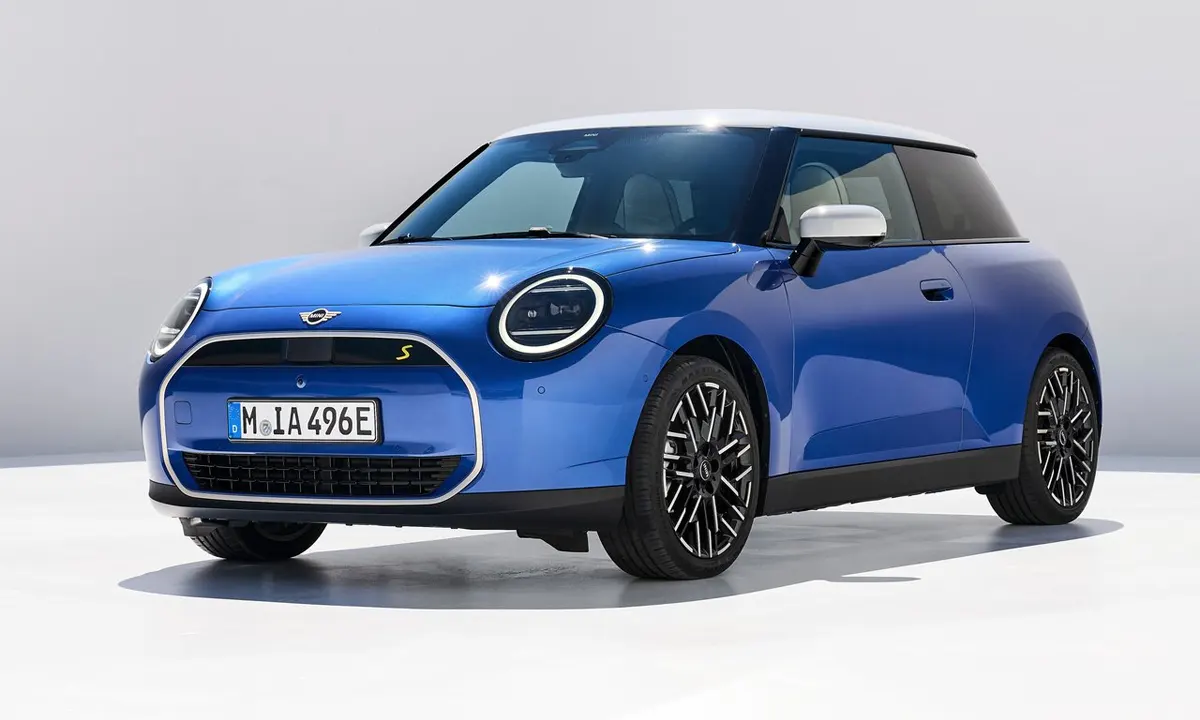
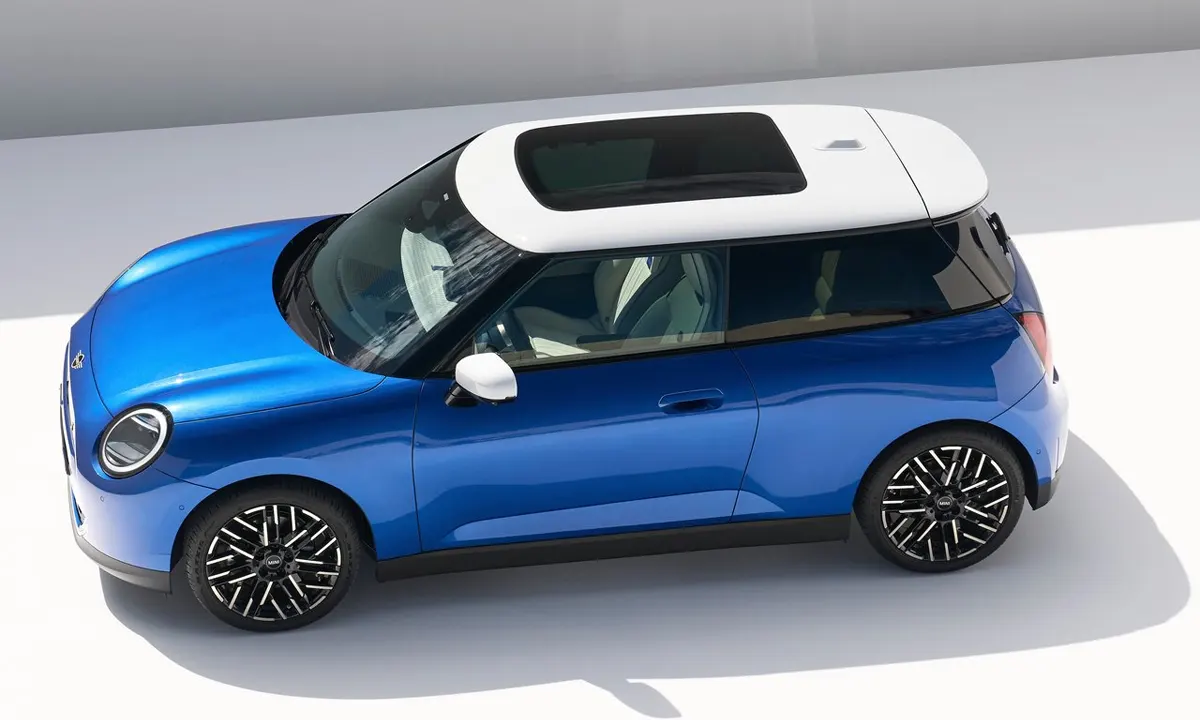
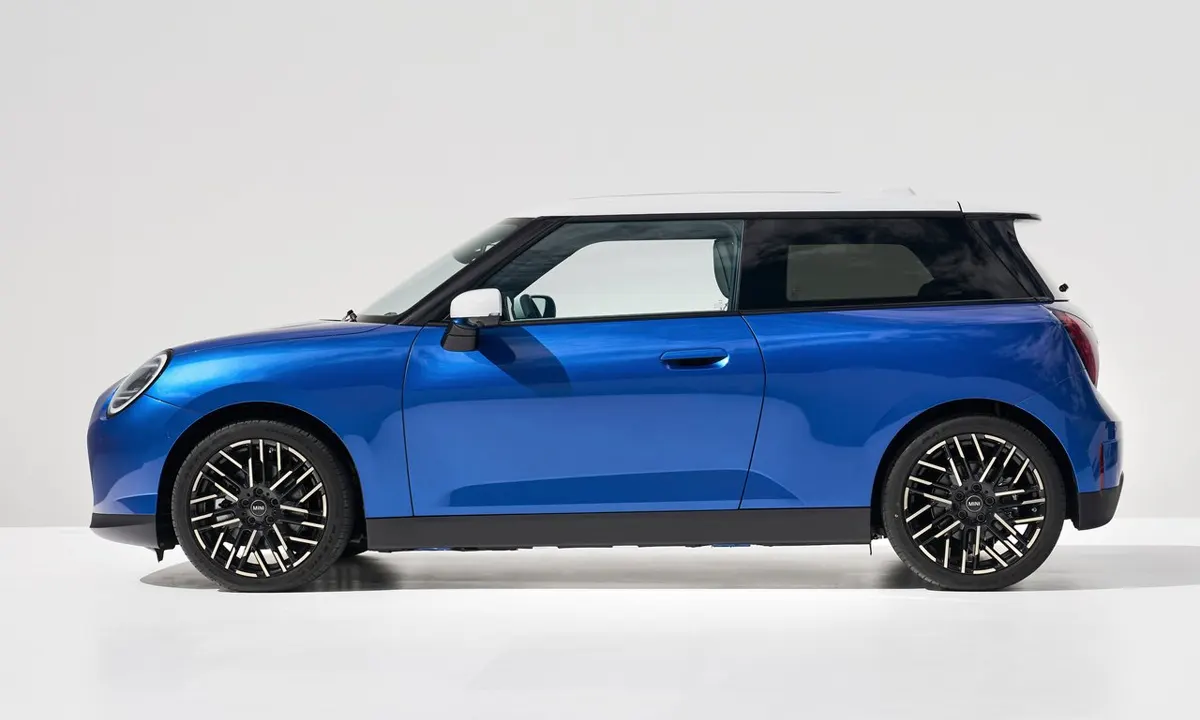
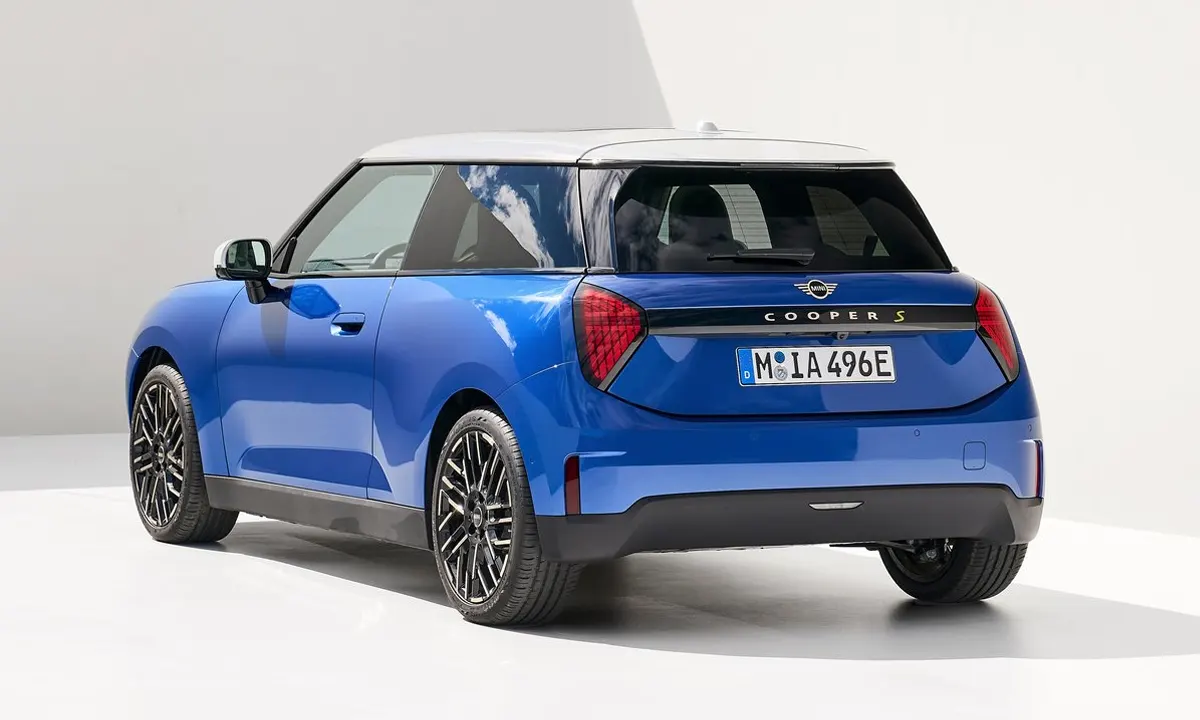
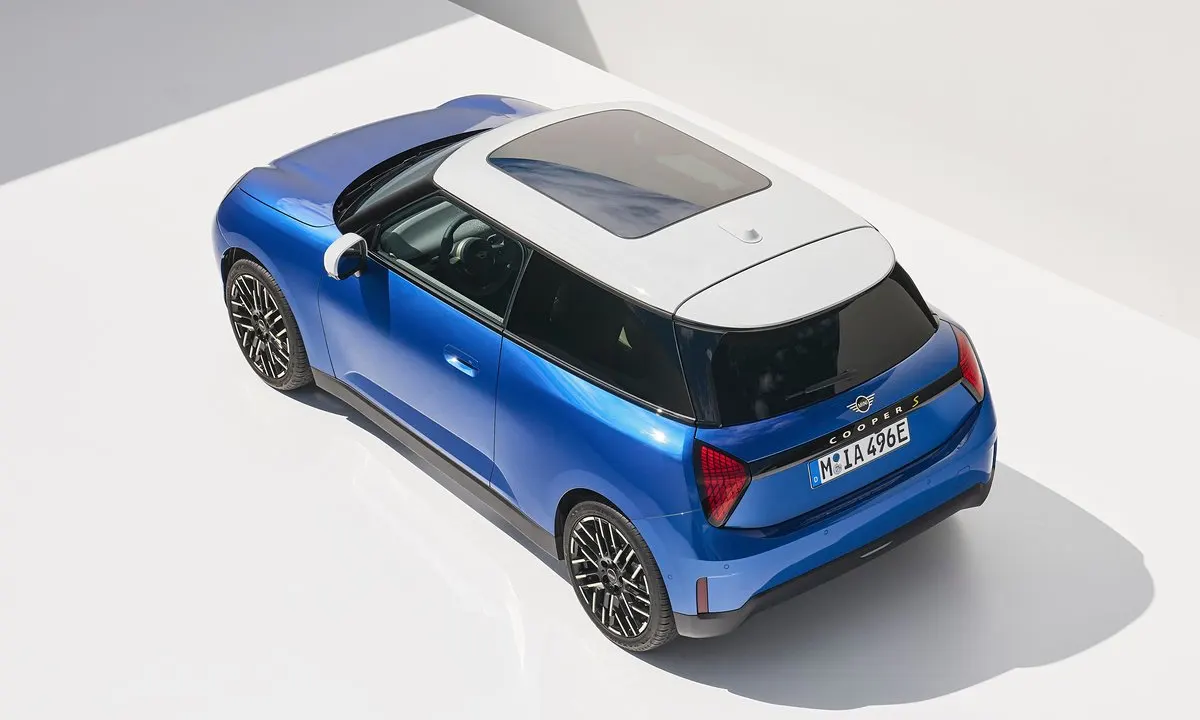
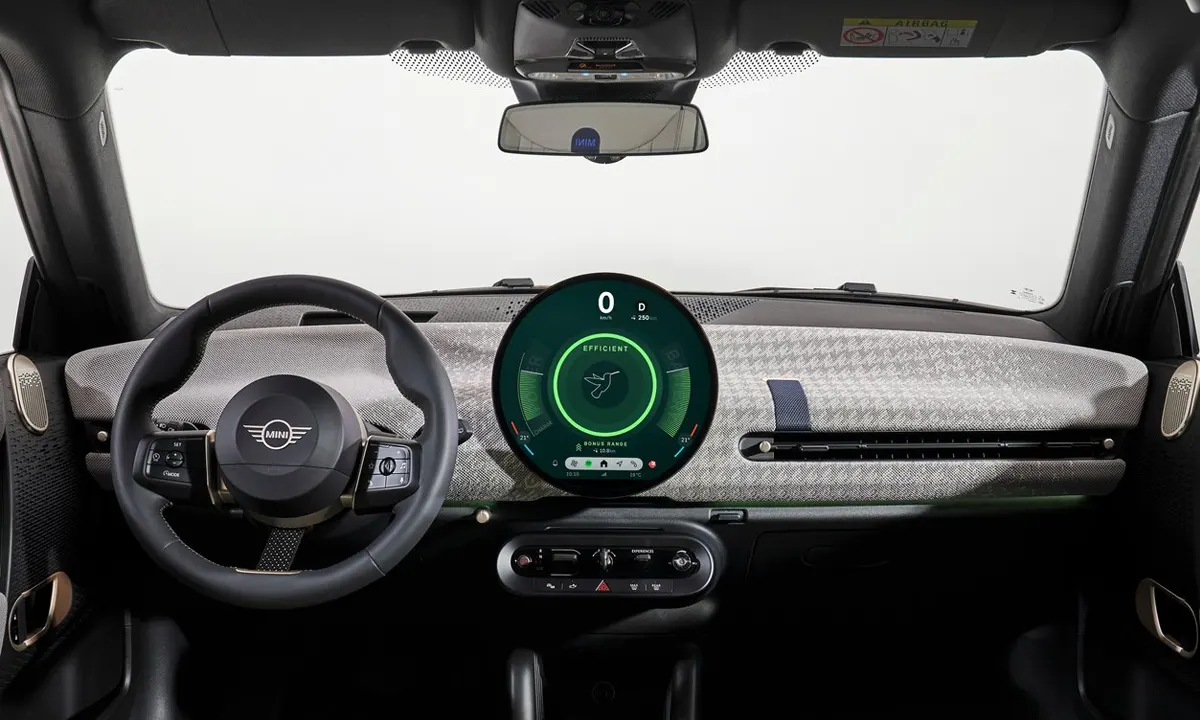
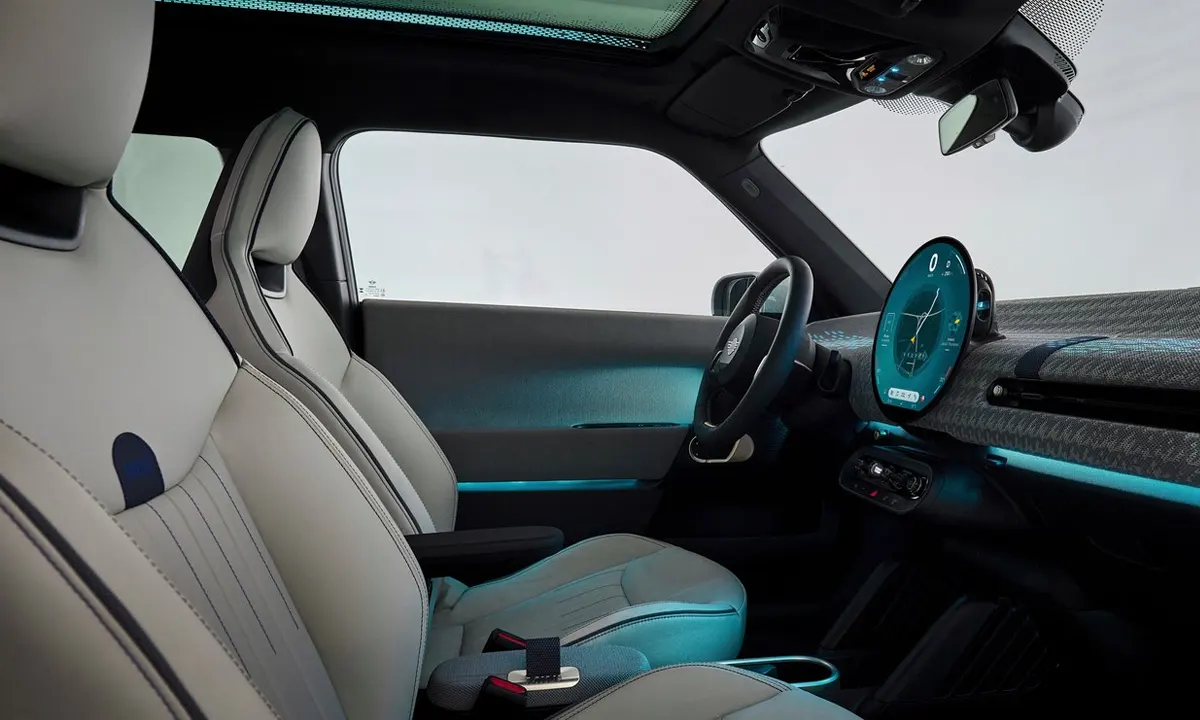
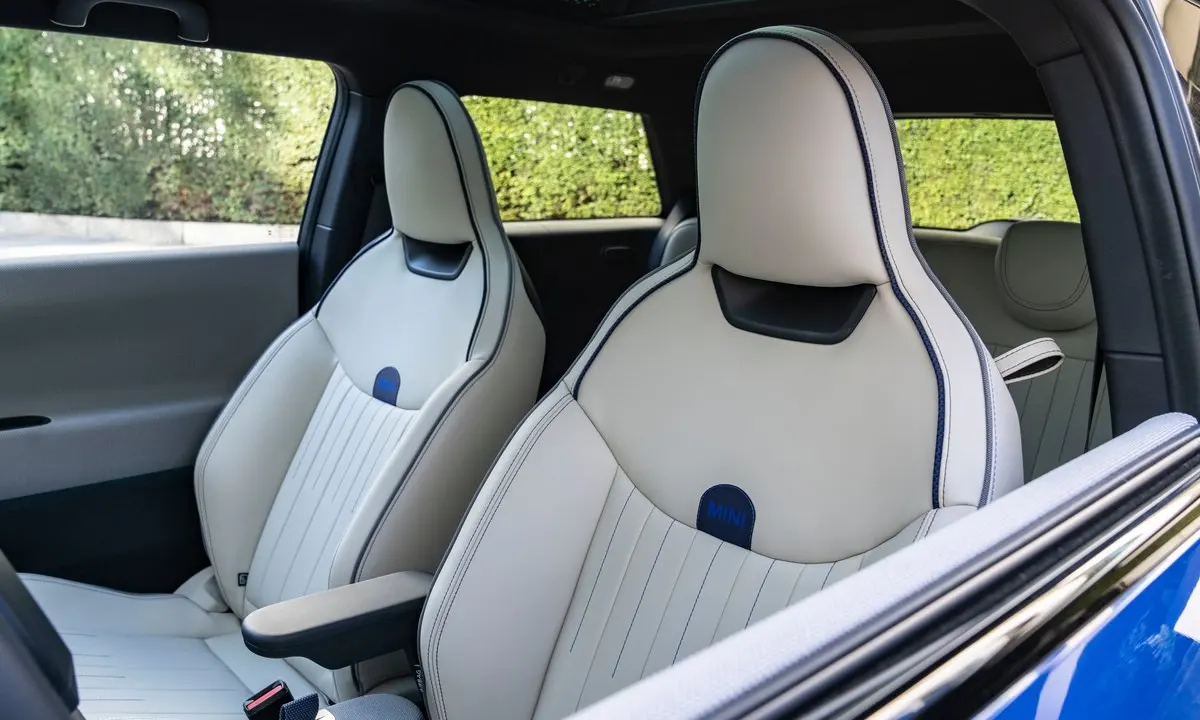
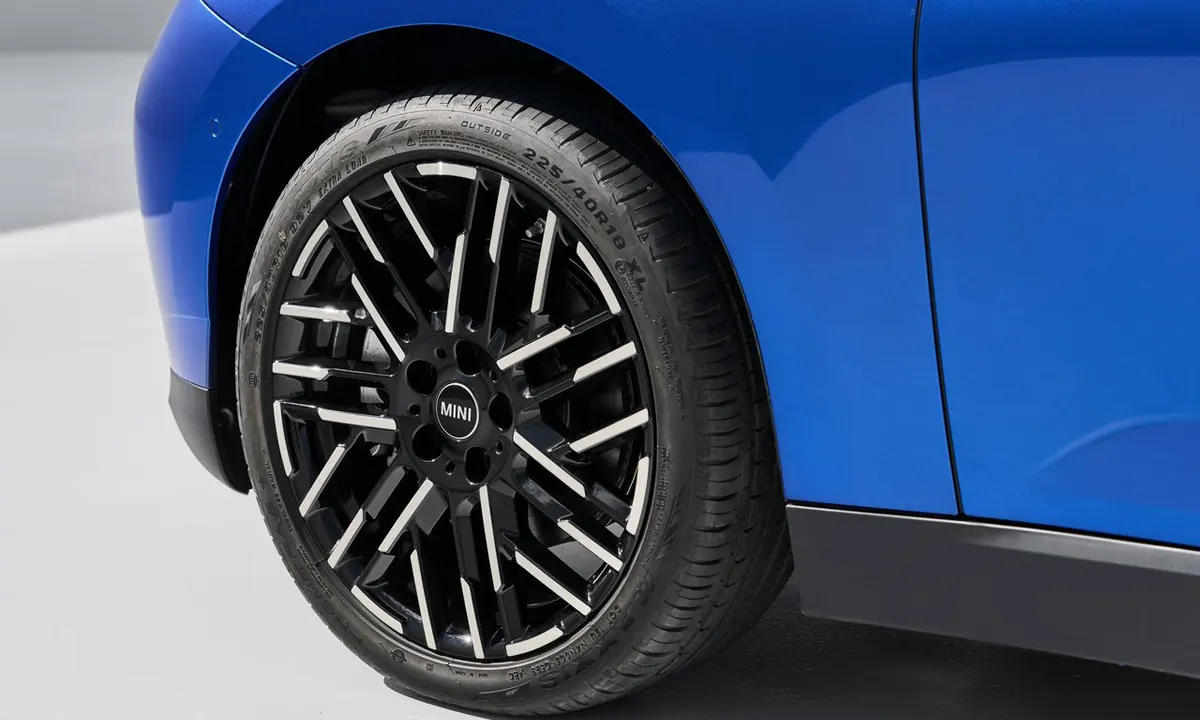
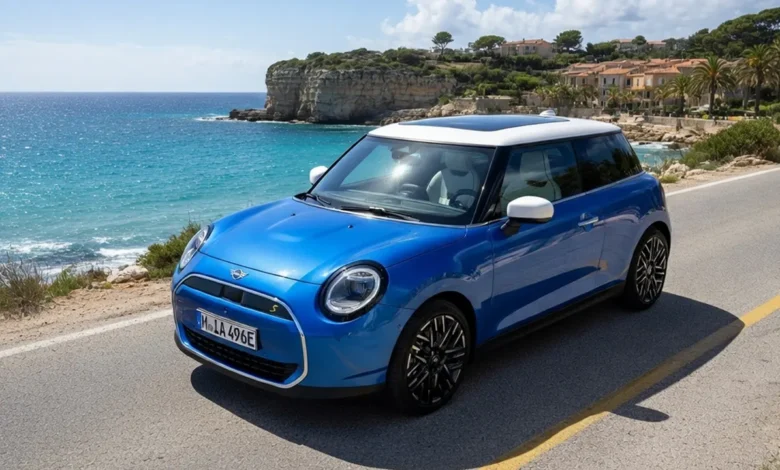
The current generation Mini Cooper — whose development under BMW’s direction has been the most thorough reimagining of the model since the modern Mini’s introduction in 2001 — arrives in 2026 with a specification confidence that previous generations, however charming, did not consistently deliver. The interior has been redesigned from first principles. The material quality has been addressed with an honesty that previous Mini interior criticisms demanded. The infotainment system has been rebuilt around a display whose visual distinctiveness is unprecedented in the mainstream segment. And the exterior design has evolved the heritage without repeating it — producing a car that looks unmistakably Mini without looking merely nostalgic. The premium feeling in 2026 is earned rather than assumed.
The Interior Revolution: Where Premium Is Most Immediately Felt
The 2026 Mini Cooper’s interior represents the most dramatic departure from the previous generation’s design language and the most direct response to the criticism that BMW’s stewardship of the Mini brand had historically produced cabins whose charm was genuine but whose material execution fell short of the premium positioning that the purchase price implied. The new interior’s centrepiece is a 9.4-inch circular OLED display whose format — unique in the entire automotive industry at any price point — provides the visual distinctiveness that no conventional rectangular touchscreen, however large or however high-resolution, can achieve.
The circular display’s OLED technology provides the black level depth, colour saturation and viewing angle consistency that LCD alternatives cannot match — producing a display quality whose premium impression is immediate and whose visual integration into the dashboard architecture reflects design intent rather than component selection. The display’s haptic feedback response and the interface whose customisation depth allows drivers to select from multiple visual themes — including the Heritage theme whose design language references the original Mini’s instrument cluster aesthetic and the Vivid theme whose contemporary graphic style reflects the current car’s more youthful appeal — provides an infotainment experience whose personality depth no mainstream hatchback competitor approaches.
The physical material quality surrounding the circular display has been comprehensively addressed in the current generation — with soft-touch surfaces replacing the harder plastics that previous Mini interiors used in areas where touch frequency made the quality difference perceptible, with fabric and textile interior trim options whose texture and quality reflect genuine material investment and with the toggle switches on the dashboard — a heritage design reference whose functional presence no fully touchscreen-dependent alternative can match for driving-condition usability — finished in materials whose tactile quality rewards the frequent interaction that their prominent positioning invites.
Heritage as a Premium Asset: What No Competitor Can Buy
The Mini Cooper’s premium feeling in 2026 is not solely the product of its current generation’s specification — it is inseparable from the cultural heritage whose depth and authenticity no competitor at any price point has managed to replicate and whose value to the ownership experience compounds with every cultural reference, every film appearance and every decade of continuous production that separates the Mini from the brands whose premium positioning rests entirely on their current product rather than on sixty years of accumulated cultural significance.
The original Mini’s 1959 introduction — whose revolutionary transverse engine, front-wheel-drive configuration and space-efficient packaging changed automotive engineering in ways whose influence persists in every front-wheel-drive car built since — created a cultural legacy whose authenticity the BMW-era Mini has maintained through design continuity, heritage reference and the genuine enthusiasm of an ownership community whose passion for the nameplate is among the most intense in the mainstream automotive market. Owning a Mini in 2026 is not merely owning a hatchback — it is participating in a cultural lineage whose depth provides the ownership experience with a dimension that a Volkswagen Polo, a Ford Fiesta or a Toyota Yaris, however excellent in their own terms, simply cannot provide.
This heritage premium is not nostalgia dressed as value — it is a genuine competitive advantage whose commercial expression is the Mini’s sustained ability to command a price premium over technically comparable mainstream hatchbacks whose specification parity is real but whose cultural depth is absent.
Personalisation: The Premium of Individual Expression
The Mini Cooper’s personalisation programme — whose depth and configurability remain unmatched in the mainstream hatchback segment — provides the premium experience dimension that transforms the ownership proposition from a product purchase into a personal creative exercise whose outcome is a vehicle that reflects individual aesthetic choices rather than manufacturer default decisions.
The available roof colour options, the contrasting mirror cap finishes, the bonnet stripe configurations, the interior trim colour combinations and the extensive alloy wheel selection across multiple designs and finishes create a configuration matrix whose permutations number in the thousands — ensuring that the statistical probability of encountering an identically specified Mini to one’s own is low enough to be practically irrelevant. This individualisation depth provides the ownership satisfaction that the segment’s mainstream alternatives, whose option lists are comparatively constrained, cannot deliver with equivalent granularity.
The personalisation programme’s premium feeling extends to the Mini Yours customisation line — whose bespoke interior trim panels, exclusive exterior accessories and individually specified leather combinations reflect a custom manufacturing capability that no competitor in the mainstream hatchback segment offers with equivalent quality and breadth. For buyers whose premium expectation includes individual expression rather than merely superior specification, the Mini’s personalisation depth is the most direct expression of what premium ownership means.
Electric Mini Cooper SE: Premium Meets Future
The Mini Cooper SE — the fully electric variant whose introduction in the current generation represents BMW’s most commercially significant electric vehicle launch in the mainstream segment — extends the premium feeling of the Cooper’s interior and design execution into the battery-electric powertrain whose 184 horsepower, 230-kilometre WLTP range and DC fast charging capability provide the urban electric vehicle specification that the Mini’s city-oriented character makes naturally appropriate.
The Cooper SE’s premium feeling is reinforced rather than compromised by its electric powertrain — whose instant torque delivery provides the responsive, immediate acceleration character that the Mini’s go-kart handling philosophy demands as its powertrain complement, and whose absence of combustion engine noise at urban speeds allows the interior’s material quality and audio system performance to be appreciated without the acoustic competition that the petrol variants’ engine note introduces at lower speeds.
The Cooper SE’s urban range is sufficient for the daily driving patterns that the Mini’s city-car positioning encompasses — with the 230-kilometre WLTP figure covering the overwhelming majority of daily urban use cases — while the DC fast charging capability’s 50-kilowatt maximum charging rate provides acceptable replenishment speed for the occasional longer journey that exceeds the single-charge range capability.
2026 Mini Cooper vs Mainstream Hatchback Rivals — Premium Feeling Comparison
| Category | Mini Cooper | VW Polo | Ford Fiesta | Toyota Yaris |
| Infotainment Display | 9.4-Inch Circular OLED | 8-Inch LCD | 8-Inch LCD | 9-Inch LCD |
| Interior Material Quality | Premium | Good | Average | Good |
| Personalisation Depth | Exceptional | Limited | Limited | Limited |
| Cultural Heritage | 60+ Years | Strong | Strong | Moderate |
| Toggle Switch Controls | Yes (Heritage Feature) | No | No | No |
| Electric Variant Available | Yes (Cooper SE) | Yes (Polo) | Discontinued | Yes (Yaris Cross) |
| Roof Colour Options | Multiple | None | None | None |
| Starting MSRP (UK) | Approx. £22,000 | Approx. £19,500 | Discontinued | Approx. £22,000 |
| Premium Price Premium | ~£2,500 over Polo | — | — | — |
| Brand Positioning | Premium Mainstream | Mainstream | Mainstream | Mainstream |