- Ground clearance vs aerodynamic efficiency trade-offs
- Third-row practicality vs driving dynamics
- Cargo versatility of SUVs vs sedan handling precision
- Ride height vs low center of gravity benefits
- SUV vs sedan: long-term ownership comparison
Luxury SUV vs Luxury Sedan: The choice between a luxury SUV and a luxury sedan is one of the automotive market’s most consequential purchasing decisions — a selection whose implications extend beyond the immediate specification comparison into the daily ownership experience, the practical family requirements, the driving enjoyment and the total cost of ownership whose components the body style choice determines in ways that no single specification metric captures completely. The global market’s overwhelming shift toward the SUV body style across the past two decades has established the crossover as the default luxury vehicle choice — a default whose prevalence reflects genuine utility advantages but whose universal application obscures the specific circumstances where the luxury sedan’s remaining advantages represent meaningful and sustained ownership benefits rather than nostalgic preferences from a previous era.
The luxury buyer in 2026 choosing between an SUV and a sedan does so in a market where both categories have reached maturity — where the sedan’s dynamic and efficiency advantages have been comprehensively developed and where the SUV’s utility and visibility advantages have been refined to the point where their limitations are as well understood as their strengths. Making the correct choice requires honest examination of both the genuine advantages and the genuine compromises that each body style imposes on the specific ownership profile that the individual buyer’s life actually represents.
The Case for the Luxury SUV: Genuine Strengths
The luxury SUV’s commanding market position reflects real advantages whose relevance to the majority of premium vehicle buyers’ actual ownership patterns justifies the segment’s dominance without requiring the suspension of critical evaluation that fashion-driven purchasing decisions occasionally demand.
The elevated seating position is the SUV’s most immediately and most consistently valued advantage across the ownership community — providing the elevated viewpoint that urban driving’s visibility requirements reward, the ease of ingress and egress that the reduced bending and stepping movement that the higher seat height enables for all occupants but most significantly for older buyers and those with mobility considerations, and the psychological confidence that the commanding view of surrounding traffic delivers to drivers whose previous ownership experience in lower-slung vehicles makes the transition’s perceptual change the most immediately apparent ownership improvement.
The cargo versatility that the SUV’s elevated roofline and tailgate access enables — whose combination of cargo volume, load floor height and the aperture dimensions that family loading of push chairs, sporting equipment, camping gear and the accumulated material of family life demands — represents the most practically significant daily utility advantage over the sedan’s boot whose lower aperture, fixed separation from the passenger cabin and more constrained volume make equivalent loading a more physically demanding and less frequently practical exercise.
The SUV’s all-wheel-drive adoption rate — whose standard fitment across most luxury SUV lineups reflects the body style’s association with the all-weather confidence that buyers in northern climates weight heavily — provides the traction security that the sedan’s rear-wheel-drive standard configuration, or the AWD option whose cost premium the sedan’s specification adds, provides through a different decision pathway whose outcome the sedan’s lower centre of gravity actually optimises in dynamic terms while the SUV’s greater mass and higher centre of gravity create the dynamic compromise that the traction benefit partially offsets.
The Case for the Luxury Sedan: The Undervalued Alternative
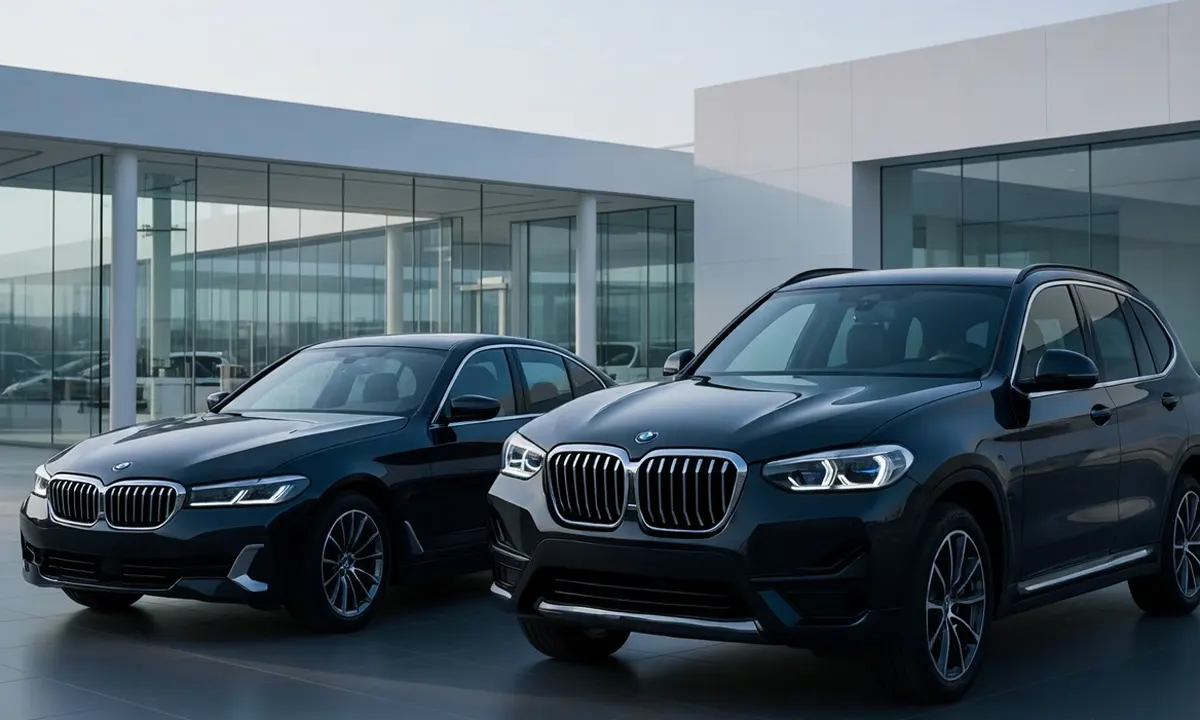
The luxury sedan’s advocacy in 2026 requires addressing the cultural momentum that the SUV’s dominance has created — a momentum whose strength makes sedan consideration feel counterintuitive to buyers whose peer group, social context and media consumption have established the crossover as the default correct answer to the luxury vehicle question. The counter-intuitive reality is that for specific buyer profiles — whose daily use patterns, driving priorities and aesthetic preferences align with the sedan’s genuine strengths — the body style’s remaining advantages represent sustained, compounding daily ownership benefits whose significance the market’s fashion preferences have obscured rather than eliminated.
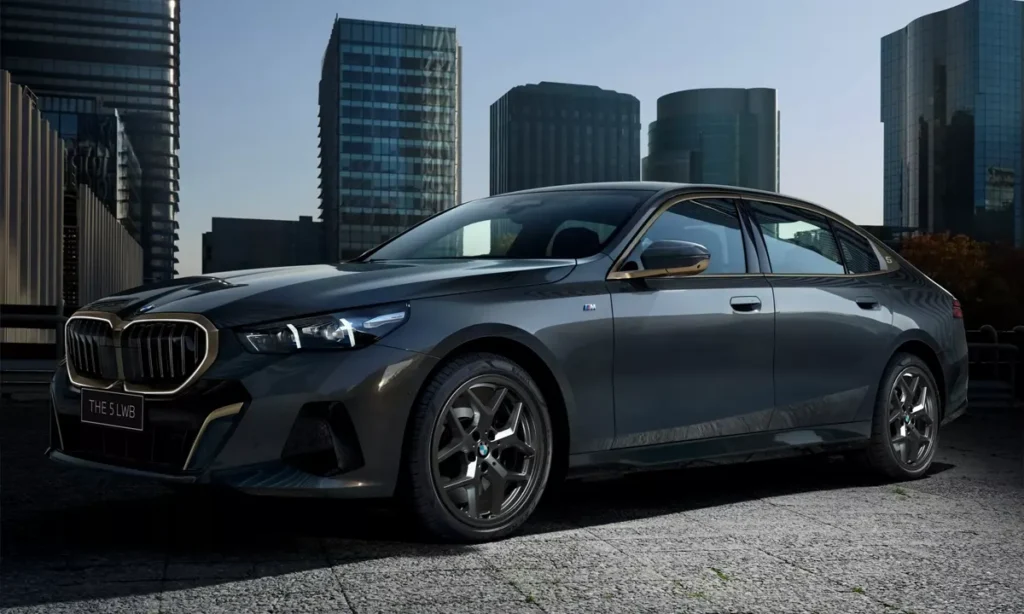
The luxury sedan’s dynamic advantage over the equivalent SUV is the most measurable and most consistently documentable difference between the body styles — reflecting the physics of the lower centre of gravity whose cornering composure, steering precision and body motion control the sedan achieves through structural and dimensional advantages that electronic stability systems and sophisticated suspension geometry can reduce but cannot eliminate in the SUV alternative. A BMW 5 Series and a BMW X5 share platform DNA, chassis engineering philosophy and the suspension development investment that BMW’s engineering resources produce — and the 5 Series delivers a more dynamically engaging, more precisely steered and more communicative driving experience than the X5 at equivalent specification levels. This is not a subjective preference — it is a measurable physical consequence of the different mass distributions, centre of gravity heights and aerodynamic profiles that the body styles produce.
The aerodynamic efficiency advantage that the sedan’s lower roofline and reduced frontal area provides — translating directly into fuel economy improvement across all powertrain configurations and most significantly at the highway speeds where luxury vehicles spend a meaningful proportion of their operational life — represents a financial and environmental benefit whose compounding value across extended ownership is measurable in real currency rather than specification sheet abstraction. At 70 miles per hour, the aerodynamic drag difference between a BMW 5 Series and a BMW X5 — whose frontal area and drag coefficient differential at highway speeds produces fuel consumption differences of 15 to 25 percent — translates into annual fuel cost savings of $400 to $800 for typical mileage patterns whose financial significance the total cost of ownership calculation cannot responsibly ignore.
Where Each Body Style Fails: The Honest Compromises
The luxury SUV’s compromises are as real as its advantages — and their honest acknowledgement is as important to the purchase decision as the genuine strengths whose enumeration the body style’s advocates provide with greater enthusiasm than balance.
The SUV’s higher centre of gravity imposes a dynamic compromise that no amount of electronic stability management fully eliminates — producing the body roll in cornering, the pitch under braking and the aerodynamic inefficiency at highway speeds that the physics of elevated mass cannot be engineered away regardless of the sophistication of the adaptive suspension system managing its consequences. The comfort trade-off that increasing suspension firmness to manage body motion imposes — whose manifestation in the ride quality reduction that BMW X5 M50i, Porsche Cayenne Turbo and Mercedes GLE 53 AMG owners who specify the sport suspension accept in exchange for the reduced dynamic compromise — represents the recurring evidence that the SUV body style’s fundamental physics limit the dynamic ceiling that specification investment can raise but not eliminate.
The luxury sedan’s practical compromises are equally honest — the fixed boot’s separation from the passenger cabin whose family loading implications create the recurring frustration whose daily manifestation makes the theoretical specification comparison’s cargo volume figure feel less adequate than its absolute litres suggest. The lower ride height’s ingress and egress demand — whose cumulative effect across ownership’s daily repetitions becomes most apparent for older buyers, those carrying young children and anyone whose physical flexibility does not make the lower seat entry an effortless transition — represents the practical limitation that the sedan’s dynamic and efficiency advantages cannot address for buyers whose daily use patterns make it a frequent rather than occasional consideration.
Read: EV vs Hybrid Cost of Ownership In USA. Financial Comparison Must Make Before Choosing a Powertrain
The Verdict: Which Is Right for You
The luxury SUV versus sedan decision resolves into a buyer profile question rather than a universal verdict — because both body styles deliver genuine excellence across the dimensions their design prioritises and genuine compromise across the dimensions their configuration limits.
The buyer whose daily use includes regular family cargo loading, frequent occupant changes that the elevated entry height simplifies, all-season driving in climates where AWD standard fitment matters and the commanding visibility that urban driving rewards will find the luxury SUV’s advantages relevant, sustained and compounding across every ownership day. The buyer whose daily driving prioritises the dynamic engagement, aerodynamic efficiency and aesthetic satisfaction that the sedan’s lower centre of gravity, reduced frontal area and more elegant proportions enable will find the sedan’s advantages equally sustained and equally compounding — delivered with the refinement that the luxury specification their budget commands provides regardless of whether the body style currently represents the market’s fashionable majority choice.
Read: Hybrid vs Gasoline Savings Calculator. How to Work Out Exactly When a Hybrid Pays for Itself
Luxury SUV vs Sedan — Pros and Cons Comparison
| Category | Luxury SUV | Luxury Sedan |
| Seating Position | High / Commanding | Low / Sporty |
| Ingress and Egress | Easy — High Entry | Moderate — Low Entry |
| Cargo Versatility | Excellent — Flexible Loading | Good — Fixed Boot |
| Dynamic Handling | Good (Higher COG) | Excellent (Lower COG) |
| Fuel Economy | 15–25% Less Efficient | More Efficient |
| AWD Standard Fitment | Common / Often Standard | Usually Optional |
| Aerodynamic Efficiency | Lower | Higher |
| Third-Row Available | Occasionally | Rarely |
| Visibility (Driving) | Excellent | Good |
| Towing Capability | Superior | Limited |
| Depreciation | Stronger Residuals | Moderate |
| Insurance Cost | Slightly Higher | Slightly Lower |
| Ride Height Ground Clearance | Excellent | Adequate |
| Design Prestige (Current Market) | High | Classic / Timeless |
| Best Profile | Families / All-Weather / Utility | Driver-Focused / Efficiency |