If you have been wrestling with the EV versus hybrid question, I have good news and bad news. The bad news is that the answer got genuinely more complicated in 2026. The good news is that once you understand a few key numbers, the right choice for your specific situation becomes surprisingly clear.
Here is what changed, and why it matters so much. The federal EV tax credit that made so many electric cars financially compelling expired, and consumer interest in full EVs dropped with it, while hybrid registrations surged to 13.6 percent of new car sales, up from 11.3 percent in 2024. That $7,500 was often the single biggest lever in the EV cost-of-ownership equation, and now it is gone. So the math that pointed everyone toward EVs a couple of years ago has genuinely shifted.
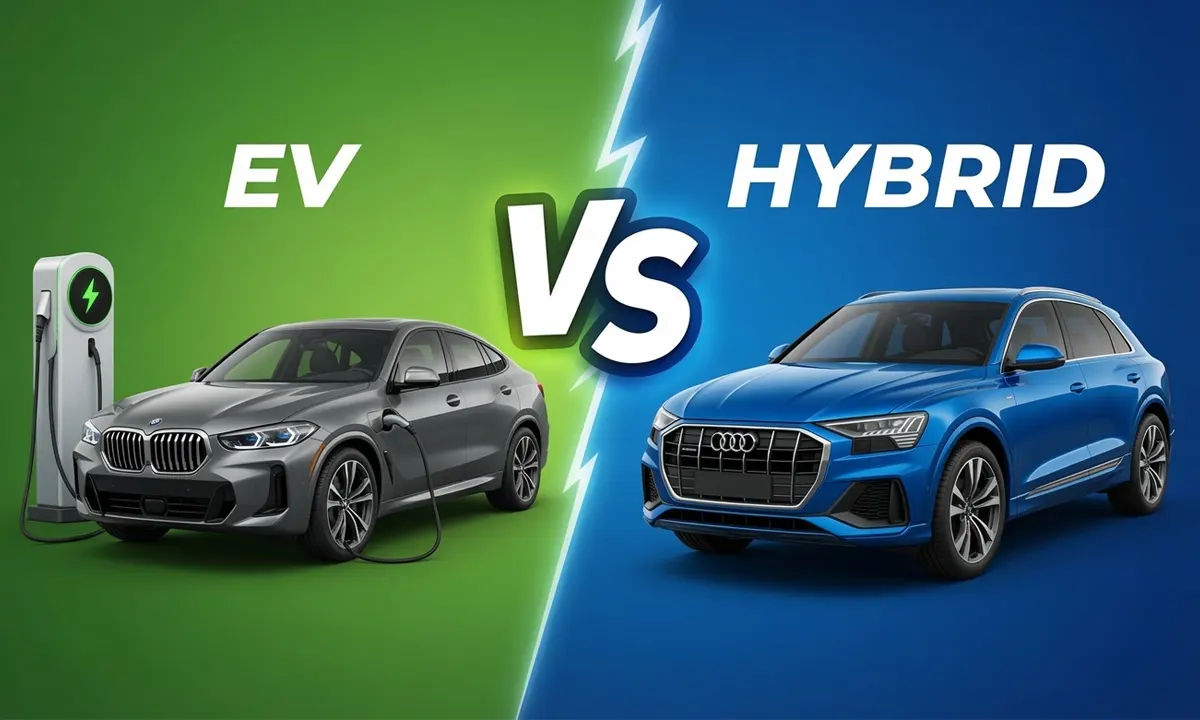
Let me walk you through the real total cost of ownership, EV versus hybrid, line by line, so you can figure out which one actually saves you money. Quick note: these are averages and illustrative scenarios, not personalized financial advice, so run your own numbers before you buy.
Upfront Cost: Advantage Hybrid, by a Lot
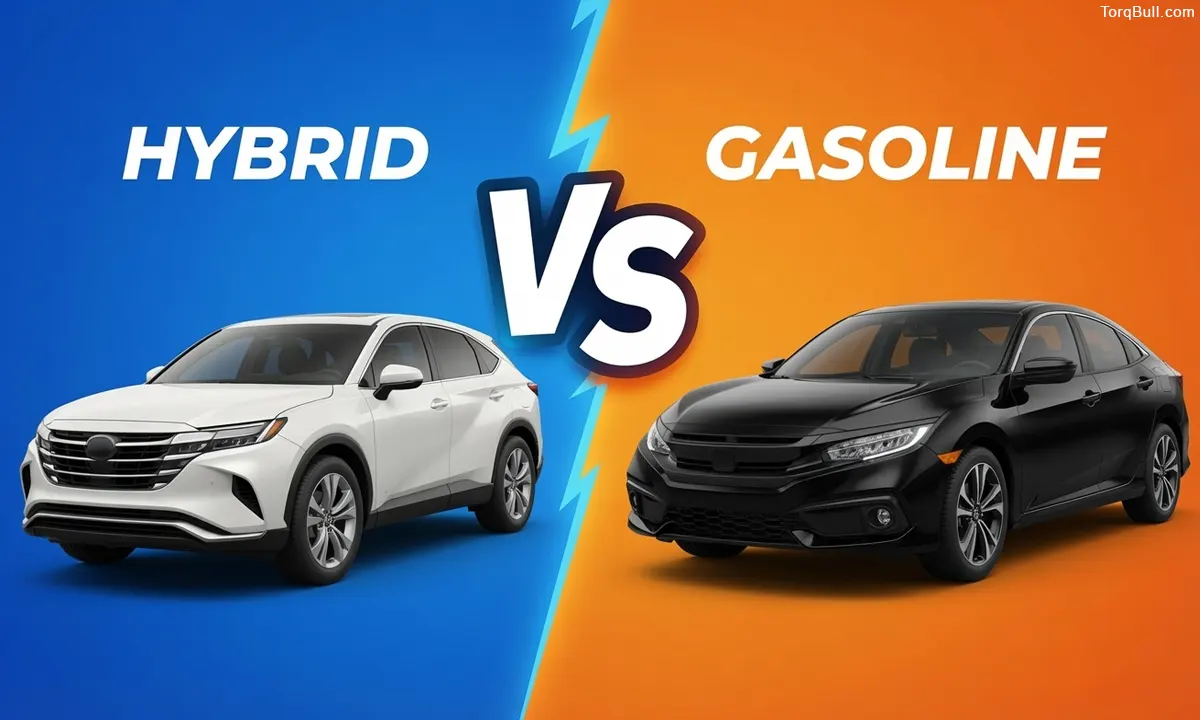
Let’s start where the money leaves your account first. Post-credit, the purchase price gap is stark. Without the federal tax credit, the average new EV costs nearly $15,000 more than the average new hybrid, with the new EV average around $62,000 and the new hybrid average around $47,600.
Now, that gap is partly inflated by expensive luxury EVs skewing the average, and comparing similar models narrows it considerably. Electric cars typically cost $5,000 to $15,000 more than comparable gas vehicles at purchase. Hybrids, meanwhile, ask for only a small premium over a gas car. The hybrid premium over a comparable gas-only vehicle, typically 5 to 10 percent at the sticker, is generally recovered through fuel savings within a few years. Round one goes decisively to the hybrid. You simply spend less to drive off the lot.
Fuel and Energy: It Depends on Your Driveway
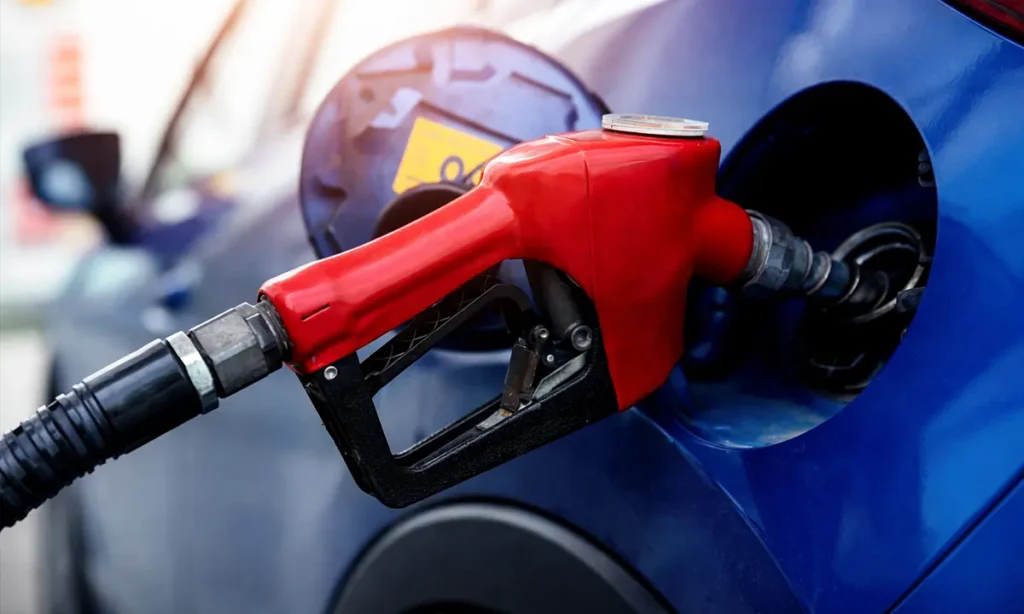
This is where EVs fight back, but with a giant asterisk attached. Both powertrains slash your fuel bill versus gas, but the EV’s advantage hinges entirely on one thing: can you charge at home?
Hybrids deliver reliable, no-strings savings. The average hybrid gets 40 to 55 mpg combined versus 25 to 32 for a comparable gas vehicle, saving most drivers $600 to $1,200 per year. No charger, no electrical panel upgrade, no new habits. You just fill up less often.
The EV’s savings can be bigger, but only if you plug in at home. Home Level 2 charging costs the equivalent of roughly $1 per gallon in most of the country, and a buyer commuting 15,000 miles per year can save $1,200 to $1,800 annually compared to a gas vehicle. That is a meaningful edge over the hybrid. But lean on public DC fast charging instead and those savings shrink dramatically, sometimes to nothing. The EV wins this round if and only if you own your charging.
Maintenance and Reliability: A Twist
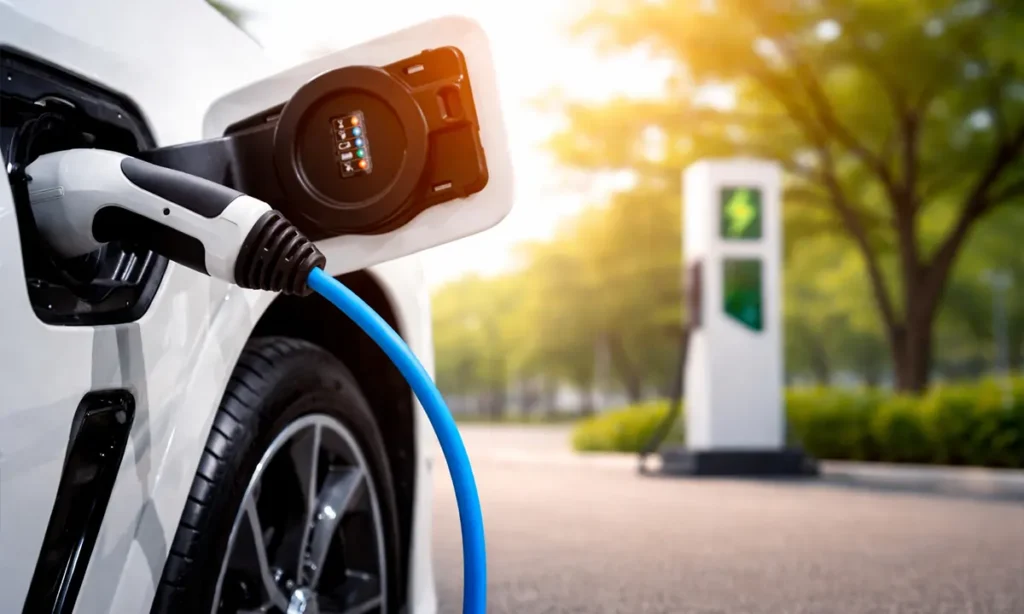
On paper, the EV should crush this category, and on pure maintenance it does. With EVs, owners avoid oil changes, spark plug replacements, and transmission fluid flushes, and their mechanical simplicity eventually lowers the total cost of ownership. Fewer moving parts, fewer things to service.
But here is the twist that honest comparisons must include, because reliability is part of ownership cost. Consumer Reports surveys show that plug-in hybrids and EVs together have about 80 percent more problems on average than gas-only cars, while traditional hybrids have about 15 percent fewer problems. Read that carefully. The traditional hybrid is actually the most reliable of the bunch, while EVs, despite needing less routine maintenance, tend to have more issues overall. So the EV’s simplicity advantage is real but not the slam dunk it sounds like.
Insurance and the Battery Question
Two more buckets matter, and they lean different ways. On insurance, the EV costs more. Due to specialized repair techniques and parts for new energy vehicles, their insurance premiums are usually higher than for comparable gas cars. Chalk up another recurring cost for the EV column.
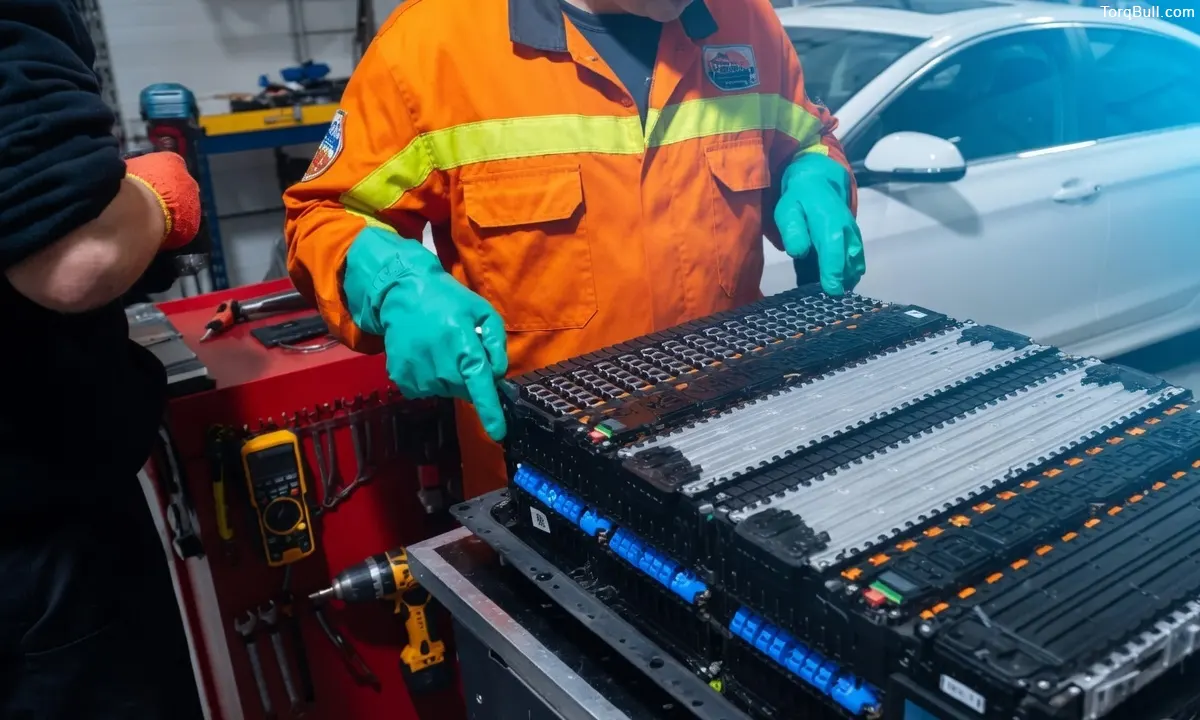
On batteries, both are warrantied for 8 years or 100,000 miles, but the out-of-pocket risk differs sharply. Hybrid battery replacement has gotten cheap. A Toyota Prius or RAV4 Hybrid battery replacement now costs $2,000 to $4,000, and hybrid batteries are lasting far longer than originally expected, with many Prius examples exceeding 200,000 miles on the original battery. EV packs are the bigger gamble if they fail. After warranty, EV battery replacement costs $8,000 to $15,000 or more, though most batteries retain 70 to 85 percent of capacity after 8 to 10 years, and many owners never need a replacement.
Read: The EV Battery Lie? What US Drivers Are Actually Experiencing After 100k Miles
How They Stack Up Over Time
Here is the heart of it, the multi-year picture, which is where the decision really lives.
| Cost Factor | EV | Hybrid |
| Upfront price | Higher (no more credit) | Lower |
| Fuel/energy (home charging) | Lowest | Low |
| Fuel/energy (no home charging) | Moderate | Low |
| Routine maintenance | Lowest | Moderate |
| Reliability | More problems on average | Fewest problems |
| Insurance | Higher | Moderate |
| 5-year TCO | Close to hybrid | Close to EV |
| 10-year TCO | Pulls ahead (if home charging) | Solid |
The five-year picture is genuinely close. At similar price points, the 5-year total cost of ownership for a hybrid and a comparably-priced EV is surprisingly close, with the EV saving on fuel and maintenance but paying more in insurance and upfront cost. Stretch the timeline, though, and the EV’s running-cost savings compound. Over 10 years, the fuel and maintenance savings more than offset the higher purchase price, with the EV saving approximately $8,700, even though without the tax credit the gas car wins over 5 years. Time and miles are the EV’s best friends.
Who Should Buy Which
So let’s get practical. The data points to a clear split based on how you actually live.
Buy the EV if you can charge at home, you drive a lot, and you keep your cars a long time. That trio is what makes the higher upfront cost pay off. The economics of EV ownership change dramatically if you can charge at home overnight, and drivers who charge at home and keep their vehicles for more than five years see the savings compound even further. Low electricity costs in your state sweeten it further.
Buy the hybrid if you are like most American drivers. For most buyers in 2026, the math favors a hybrid. Unless you have reliable home charging, drive high annual mileage, and have a budget above $55,000, a hybrid delivers better total value for the overwhelming majority of American drivers. Lower upfront cost, no charging infrastructure, proven reliability, strong resale, and solid fuel savings make it the low-risk, low-cost default.
And one clear warning: think hard before a plug-in hybrid as a money-saver. Consumer Reports found it’s unlikely a PHEV will save most drivers money during the first few years of ownership, if ever, because the upfront premium over a regular hybrid often takes decades to recover.
Let Me Be Honest About the Variables
I have given you the patterns, but your situation can swing the result, so here is the straight talk. Every number above bends based on four things: whether you charge at home, how many miles you drive, how long you keep the car, and your state’s electricity and gas prices. An EV for a home-charging Texan who drives 20,000 miles a year and keeps cars a decade is a financial winner. The same EV for an apartment dweller who relies on fast chargers and trades every three years is a money loser versus a hybrid.
Model choice matters enormously too. A cheap, efficient EV like the Equinox EV can undercut its gas twin over five years, while a pricey luxury EV may never catch up. And incentives, though gutted at the federal level, still vary by state. Verify your state and utility rebates and any loan-interest deduction on US-built EVs before you finalize the math.
Here is my read, though. None of these variables change the core 2026 takeaway. The loss of the federal credit genuinely tilted the average case toward hybrids, but it did not eliminate the EV’s long-term advantage for the right driver. The answer depends on you, not on a one-size-fits-all winner.
Verdict: Hybrid for Most, EV for the Right Profile
So which wins the EV versus hybrid cost-of-ownership battle in the USA? After running through the 2026 numbers, my honest answer is that the hybrid is the smarter total-cost choice for the majority of American drivers right now, while the EV remains the long-game winner for a specific, well-defined buyer.
The hybrid earns its crown through sheer practicality. It costs far less upfront, needs zero charging infrastructure, is the most reliable powertrain of the three, holds its value well, and still delivers real fuel savings. With the $7,500 credit gone, it is simply the lower-cost, lower-risk pick for the average person, and the surging sales prove buyers have figured that out.
But do not write off the EV, because for the right driver it still wins decisively over the full ownership period. If you can charge at home, you rack up serious annual mileage, and you keep your cars five to ten years or more, the EV’s dramatically lower running costs will outrun its higher sticker and save you thousands by the end. Time, miles, and a home charger are the magic ingredients.
So here is how to decide. Be brutally honest about three things: can you reliably charge at home, how far do you drive each year, and how long will you keep this car? If the answers are yes, a lot, and a long time, buy the EV and let the savings compound. If any of those is no, buy the hybrid and enjoy the lower cost and lower hassle. Run your own numbers with your real electricity rate and mileage, and the right choice for your driveway will make itself obvious. In 2026, there is no universal winner, only the right match for how you actually drive.