- The 2026 Toyota Corolla starts at $22,725 and combines low ownership costs with excellent fuel economy, achieving about 38.5 MPG in real-world driving.
- The Corolla has a strong reliability reputation, with recent models earning excellent ratings and carrying no major recalls for 2026.
- Long-term concerns are relatively minor and include modest acceleration, occasional CVT hesitation and normal interior wear over extended ownership.
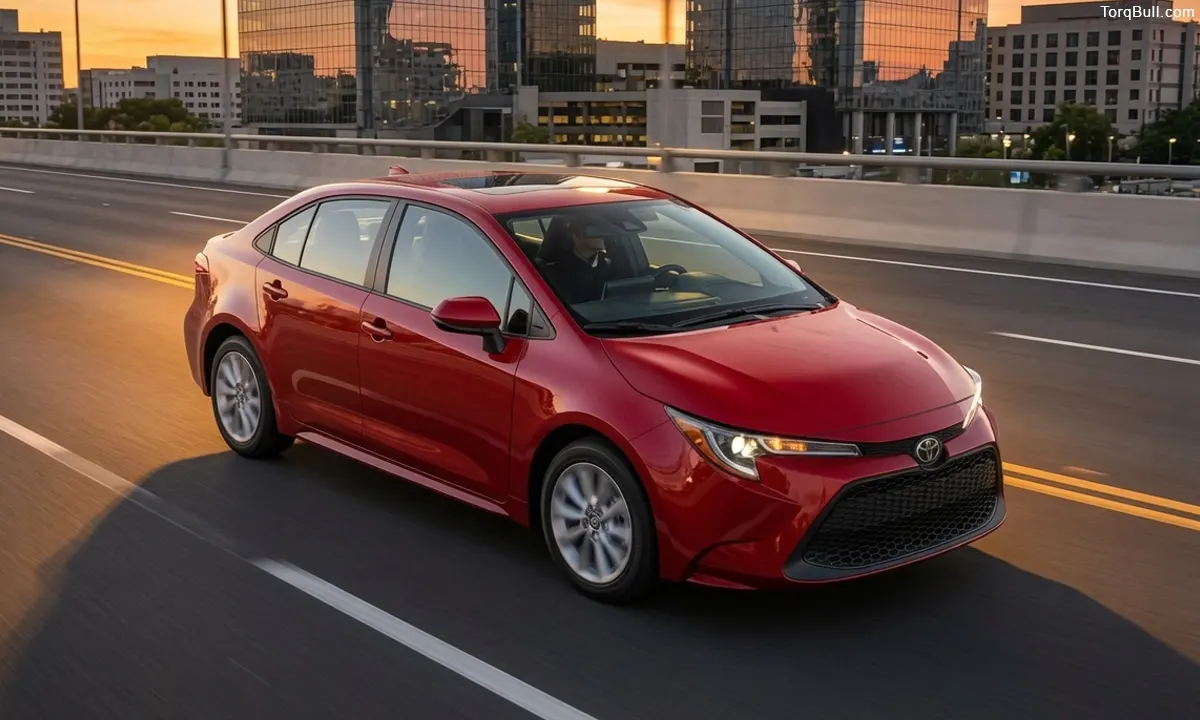
The Toyota Corolla is the best-selling car in the history of the automobile — a nameplate with over 50 million units sold globally whose long-term ownership story has been documented in enough owner communities, reliability databases and decade-long professional evaluations to represent one of the most evidence-rich purchasing decisions available in the compact car market. This is not a vehicle whose long-term ownership experience requires speculation. It is a vehicle whose long-term ownership experience is documented in extraordinary detail — and the documentation is almost uniformly positive. The 2026 Corolla refines rather than reinvents the formula, building on decades of proven dependability while smoothing out the weak spots that older generations never quite resolved. This complete long-term review covers everything from the first month of ownership through 200,000 miles and beyond.
The Foundation: What Makes the Corolla a Smart Long-Term Choice
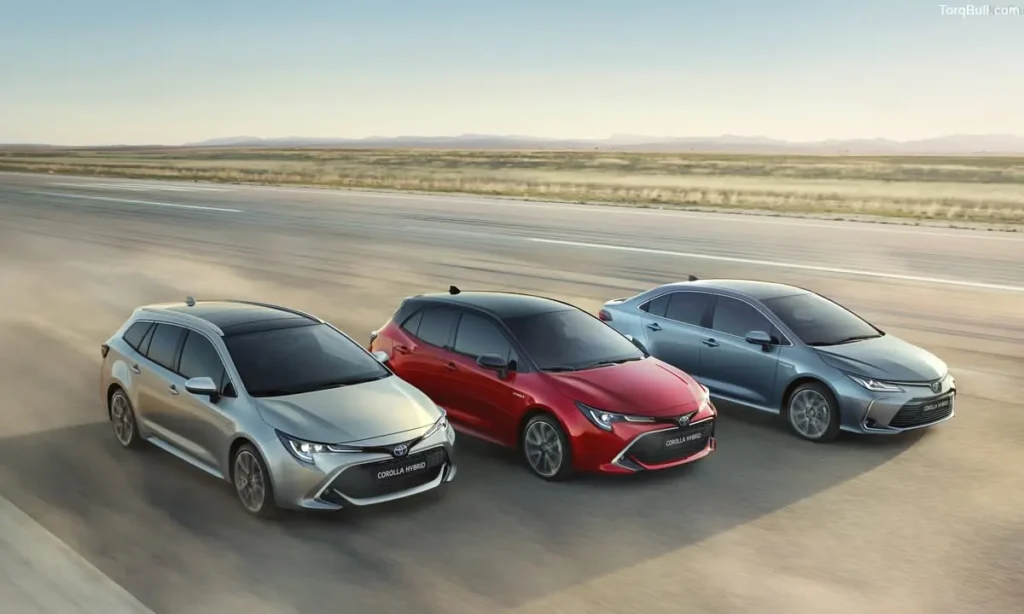
The Corolla’s long-term value argument begins before a single mile is driven — in the financial structure that makes it uniquely cost-effective across an extended ownership horizon.
Starting at $22,725 for the 2026 LE, the Corolla is Toyota’s least expensive model and one of the most affordable new vehicles available from any Japanese manufacturer. This entry price produces the ownership cost structure that makes decades of Corolla ownership financially rational: a vehicle purchased at a modest price that retains extraordinary residual value — losing only 33 percent of its value after five years compared to the broader vehicle average of 41 to 50 percent. The compounding effect of low initial cost, strong residual value and below-average maintenance spending produces the long-term financial argument that responsible ownership builds.
ToyotaCare provides two years or 25,000 miles of complimentary scheduled maintenance — handling factory-scheduled oil changes, tyre rotations and multi-point inspections at no additional cost within the coverage window. Service intervals are structured around 5,000-mile checkups, 10,000-mile oil changes with full-synthetic specification and 30,000-mile comprehensive inspections — a service rhythm that is manageable and predictable across a decade of ownership.
Every 2026 Corolla includes Toyota Safety Sense 3.0 as standard across every trim — automatic emergency braking with pedestrian detection, adaptive cruise control, lane departure alert and blind spot monitoring on SE and above. These safety systems are not trim upgrades — they are the foundation that every Corolla owner receives regardless of budget selection.
Read: Toyota Corolla Resale Value After 5 Years. What Buyers and Sellers Need to Know
The Real-World Driving Experience: Honest Assessment After Extended Use
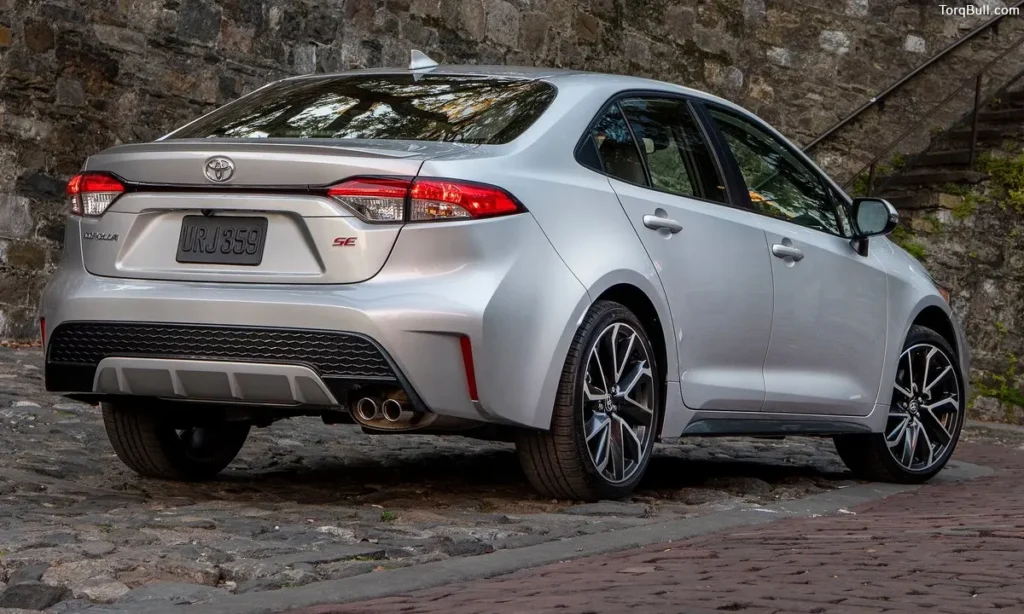
A professional one-week driving evaluation of the 2026 Corolla in and around a major metropolitan area produced 38.5 MPG in mixed city and highway driving — a real-world result that is genuinely impressive for a naturally aspirated compact sedan and confirms the 2.0-litre four-cylinder’s efficiency capability in daily driving conditions.
The Corolla’s ride quality on rough roads is described as comfortable and composed — handling that feels neutral and predictable across the varied surfaces that urban daily driving encounters. The suspension tuning prioritises passenger comfort over sporty feedback, which is the correct priority for a vehicle that most owners use for daily commuting rather than spirited driving. This comfort-over-feedback orientation makes the Corolla more pleasant for the 98 percent of its driving that happens on school runs and highway commutes rather than the 2 percent that happens on winding roads.
Acceleration is the Corolla’s most honestly limiting characteristic in professional evaluation. The test vehicle covering 0 to 60 MPH in 8.8 seconds on the evaluation track confirms that highway merges and passing manoeuvres require deliberate planning and throttle commitment — not the brief, casual inputs that more powerful alternatives execute effortlessly. Flooring the pedal when entering highways and extra planning for passing slower traffic are the specific daily driving accommodations that Corolla ownership requires from drivers accustomed to more powerful alternatives.
Long-term owners who specifically plan to keep the Corolla for seven to ten or more years and who primarily value reliability, fuel economy and ownership cost over performance will find this acceleration limitation entirely acceptable — it does not worsen over time and does not produce safety concerns in normal daily driving. It is simply a characteristic of the powertrain specification that buyers should understand before purchase rather than discover afterwards.
Long-Term Reliability: What a Decade of Ownership Actually Produces
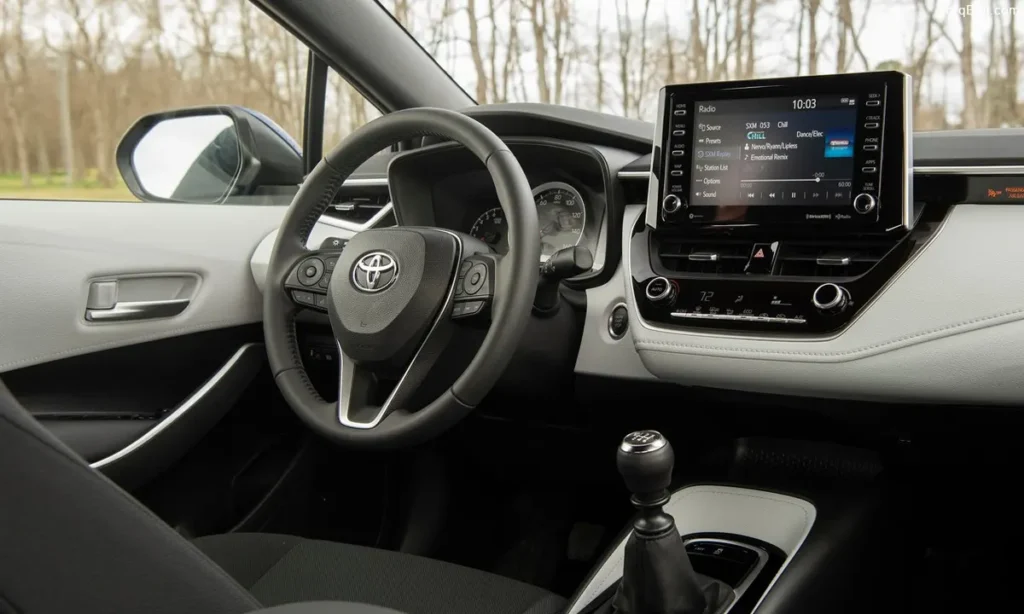
The Corolla’s long-term reliability track record across the 2018 to 2026 production period produces an average reliability score of 87 out of 100 — categorised as Excellent — with annual repair costs of $368 substantially below the $526 compact car class average. The 2025 model achieves the best single-year score at 84 out of 100 with a Recommended designation from independent reliability assessment. The 2026 model carries zero major recalls as of the time of writing — the cleanest early production reliability signal of any recent Corolla model year.
The long-term ownership experience that this reliability score produces in practice is what most distinguishes the Corolla from alternatives. Maintenance is usually predictable and manageable — the characteristics that make a vehicle genuinely excellent for long-term ownership rather than just statistically reliable. Owners who document Corolla ownership across 150,000 and 200,000 miles consistently report that the predictability of the maintenance requirement is as valuable as its below-average cost.
The Corolla Hybrid’s specific long-term credentials extend the standard reliability case with the hybrid battery’s 10-year or 150,000-mile warranty coverage and the hybrid components’ 8-year or 100,000-mile warranty — the most comprehensive powertrain warranty coverage available on any Toyota Corolla configuration and the coverage that makes the Hybrid the preferred choice for buyers planning a decade of ownership with maximum financial protection against unexpected powertrain expenses.
Read: Toyota Corolla Cross Hybrid Battery Life 2026. Can It Last Beyond 150,000 Miles?
The Four Long-Term Concerns: What Honest Assessment Requires Addressing
No vehicle’s long-term review is complete without honest identification of the specific concerns that accumulate across extended ownership — and the Corolla has four specific patterns that informed owners should monitor.
CVT Transmission Behaviour
CVT transmission hesitation and rough shifting are the most consistently documented recurring concern across Corolla model years in owner review accounts. One owner account specifically documents CVT slipping beginning at 28,000 miles — a specific and serious failure for a vehicle at low mileage. Independent evaluation confirms that the CVT can exhibit delayed acceleration and rough shifting during merging, often related to transmission software calibration rather than mechanical failure. Ensuring all powertrain control module software updates recommended by Toyota are applied through dealer service visits is the most cost-effective management for this concern — addressing software-related behaviour before it develops into mechanical wear.
Excessive Oil Consumption in Some Models
A 2024 Corolla owner specifically documented oil that was completely darkened with no light passing through it at 5,000 miles — an observation that led the owner to begin oil changes at 5,000-mile intervals rather than the 10,000-mile factory recommendation. Older Corolla model years also show oil consumption patterns at higher mileage. Monitoring oil levels between scheduled changes and adjusting the oil change interval from 10,000 to 5,000 miles for the turbocharged applications or for owners who observe faster-than-expected oil darkening is the practical management strategy.
Interior Wear at High Mileage
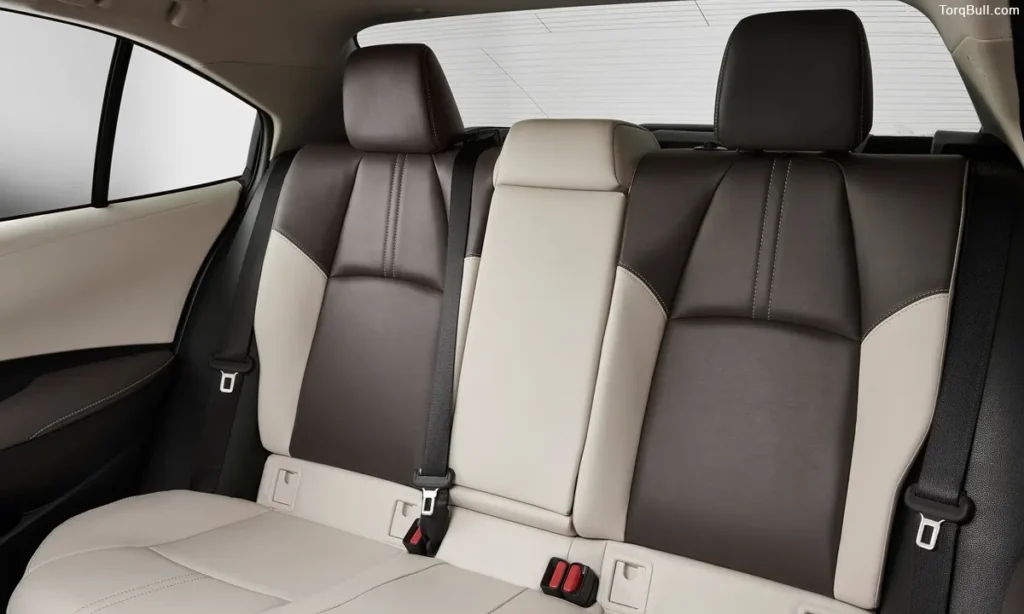
Seats, trim and dashboard materials show wear over time in high-mileage Corollas — with headlights becoming cloudy or oxidised over time as an additional exterior concern. These are cosmetic rather than mechanical reliability concerns but contribute to the overall ownership experience quality in long-term use. Headlight restoration products address oxidation effectively when applied at early stages. Interior protective treatments for the seat and dashboard materials reduce wear rate over the ownership period.
Age-Related Component Wear Beyond 100,000 Miles
Water pumps, ignition coils and suspension bushings are the components most commonly requiring attention in Corollas beyond 100,000 miles — normal wear items rather than reliability failures but budget items that long-term owners should plan for in their maintenance budgets. The timing system uses a chain rather than a belt in current Corolla configurations — eliminating the scheduled timing belt replacement cost that older generation Corollas required and that competing vehicles with belt-equipped engines still require at approximately 100,000-mile intervals.
Read: Toyota Corolla LE vs SE. Is the Sportier Trim Worth The Extra Cost?
Toyota Corolla Long Term Review — Complete Assessment Chart
| Category | Assessment | Detail | Long Term Outlook |
| Reliability (2025 model) | 84 out of 100 Excellent | Recommended designation | Above class average; below Honda Civic at 87 |
| Annual repair cost | $368 | $158 below compact car average | Predictable and manageable across decade |
| Real-world fuel economy | 38.5 MPG mixed driving | Hybrid tested at 34.4 MPG winter conditions | Consistently impressive for segment |
| Acceleration | 8.8 seconds 0-60 MPH | Requires planning for highway merges | Does not change over time |
| CVT transmission | Monitor | Hesitation documented; software updates help | Most common owner complaint category |
| Oil consumption | Monitor from 5,000 miles | Some owners report faster than expected darkening | Adjust interval if needed |
| Interior wear | Predictable | High-mileage cosmetic degradation | Protective treatment recommended |
| 100,000-plus mile components | Budget for water pump, coils, bushings | Normal wear items; no major structural concerns | Well-documented replacement schedule |
| Hybrid battery warranty | 10 years or 150,000 miles | Best in compact hybrid class | Maximum financial protection for decade ownership |
| Resale value | 33 percent depreciation after 5 years | Top 20 percent of all vehicles | Maintains value significantly above class average |
| Starting price | $22,725 | Toyota’s most affordable model | Best long-term value starting point in lineup |
| 2026 recall status | Zero major recalls | Cleanest recent model year | Lower concern than 2023 to 2025 models |
The Long-Term Verdict: Why the Corolla Might Be the Smartest Car You Can Buy
The 2026 Toyota Corolla is described with direct confidence as potentially the smartest long-term car you can buy — a characterisation that is supported by the convergence of evidence rather than a single compelling attribute.
At $22,725 starting price, the Corolla does not require a significant financial commitment relative to alternatives. At 38.5 MPG real-world mixed driving, it does not require a significant fuel commitment relative to alternatives. At $368 per year average repair cost, it does not require a significant maintenance commitment relative to alternatives. And at 33 percent five-year depreciation in the top 20 percent of all vehicles, it returns more of the initial investment at the point of sale than nearly any competing compact car available at any price.
For owners who specifically prize the vehicle’s role as reliable, cost-effective daily transportation across 10 or more years rather than the excitement of the first few months of ownership, the Corolla’s long-term case is essentially unanswerable by any competing compact sedan — and has been consistently unanswerable across every generation of its production.