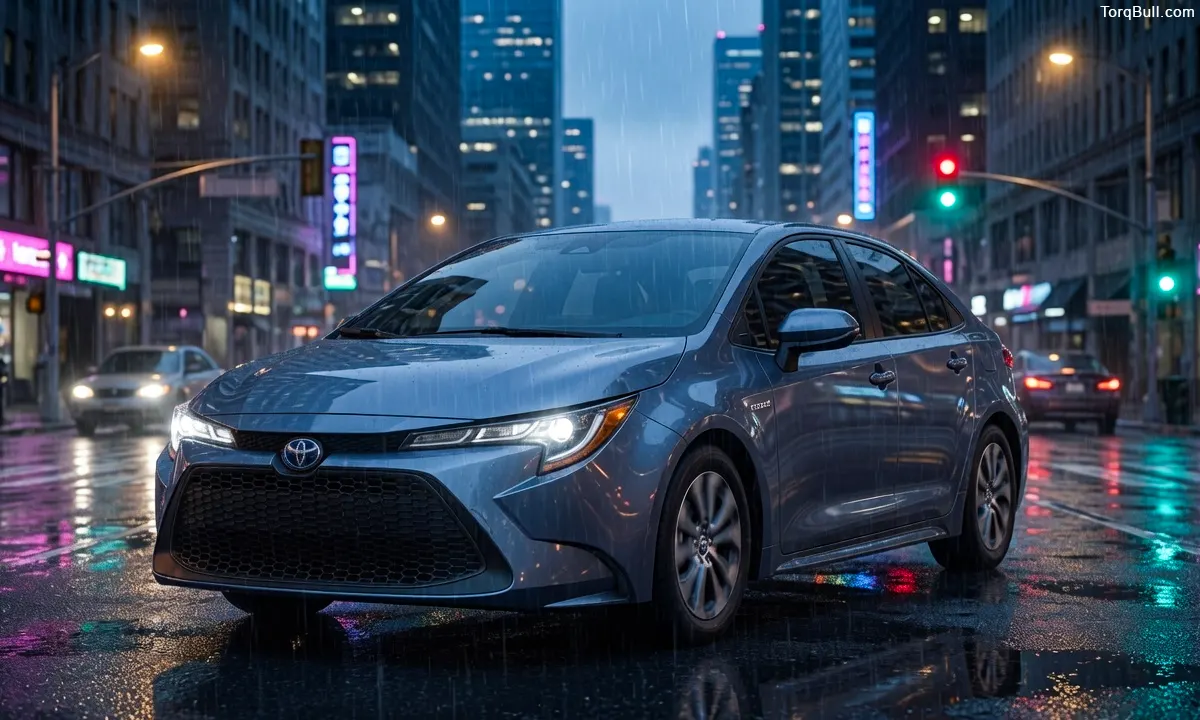
- Toyota hybrid batteries have demonstrated exceptional longevity, with documented cases exceeding 400,000 miles without replacement.
- The 2026 Toyota Corolla Hybrid is expected to last roughly 149,000 miles on average and includes a 10-year/150,000-mile hybrid battery warranty.
- Battery replacement typically costs between $2,000 and $5,000, while the 2026 Corolla Hybrid earns strong reliability ratings for long-term ownership.
The Toyota Corolla Hybrid battery life question generates more owner research before purchase than almost any other specification in the compact hybrid sedan decision process — and for good reason. The battery is the most expensive single replaceable component in any hybrid vehicle, and its longevity determines whether the hybrid premium paid at purchase is justified across the vehicle’s ownership life. The Corolla Hybrid’s battery story is among the most comprehensively positive available in the compact segment — anchored by the extraordinary documented case of a 2019 Corolla Hybrid reaching 481,805 miles without battery replacement, reinforced by Toyota’s industry-leading 10-year or 150,000-mile warranty coverage and grounded in the multi-platform Toyota hybrid battery track record that spans more than two decades and millions of vehicles. This complete guide covers every dimension of Corolla Hybrid battery longevity.
The Most Extraordinary Evidence: 481,805 Miles Without Battery Replacement
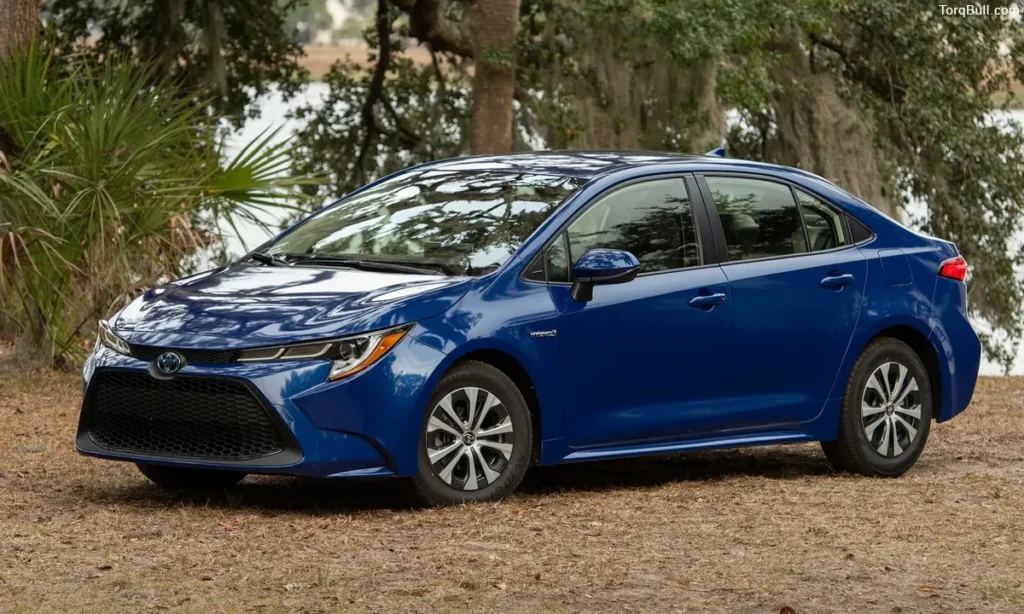
The single most compelling evidence for the Toyota Corolla Hybrid battery’s longevity potential is one owner’s documented experience — a 2019 Corolla Hybrid that reached 481,805 miles with its original battery still functional, recorded and published in 2024 as a testament to what proactive maintenance and strict adherence to schedules can produce over years of sustained use.
This figure is not merely impressive — it is transformative to the battery life conversation because it establishes that the upper boundary of Corolla Hybrid battery life extends into territory that most buyers would never have budgeted for when considering the vehicle’s ownership horizon. A battery that survives 481,805 miles across five to six years of aggressive mileage accumulation demonstrates the fundamental soundness of Toyota’s hybrid battery management approach in its most extreme real-world application.
The owner specifically credited proactive maintenance and strict adherence to schedules as the enabling factors — making clear that this extraordinary result was not accidental or attributable to exceptionally favourable conditions but to the disciplined ownership approach that Toyota’s service schedule specifically supports. The corollary is equally honest: used Corolla Hybrid buyers who cannot verify complete maintenance history may not see the same results from a vehicle that missed maintenance calls across its prior ownership.
Read: Toyota Corolla Long Term Review. Why It Remains One of the Best Compact Cars
The Official Battery Life Expectation: 11.4 Years or 149,308 Miles
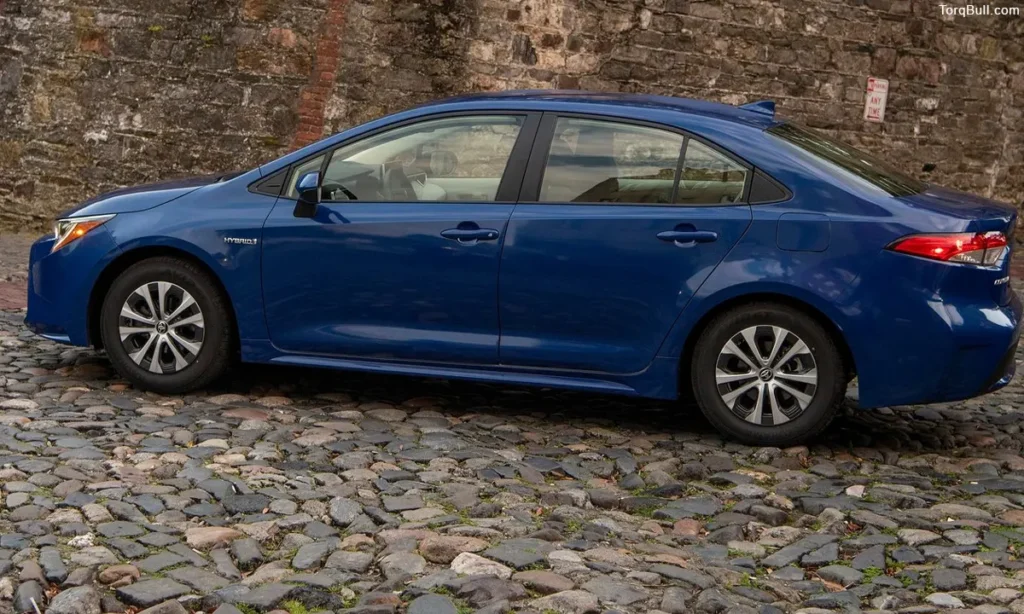
Independent vehicle lifecycle analysis establishes the 2026 Toyota Corolla Hybrid’s average expected lifespan at 11.4 years or 149,308 miles — a statistical prediction derived from accumulated Corolla Hybrid fleet data combined with Toyota hybrid platform performance across multiple models and model years. The 17.5 percent probability of reaching 200,000 miles places the Corolla Hybrid among the compact sedans with the strongest documented longevity profiles available in the segment.
These statistical figures are fleet averages across a diverse ownership population with varying maintenance discipline, climate exposure and driving patterns — meaning well-maintained examples systematically outperform the statistical average while neglected examples underperform it. The 481,805-mile outlier documents the ceiling of what maintenance-supported longevity produces. The 149,308-mile average documents the realistic expectation across the full ownership population including imperfect maintenance adherence.
The battery’s expected lifespan within this overall vehicle lifespan is not always separately quantified — because Toyota’s battery management system and warranty are specifically designed to align battery life with vehicle life rather than producing a battery that requires mid-ownership replacement. The 10-year warranty specifically reflects Toyota’s confidence that the battery will remain functional throughout the primary ownership window for most buyers.
The Toyota Hybrid Battery Warranty: The Industry’s Best Coverage
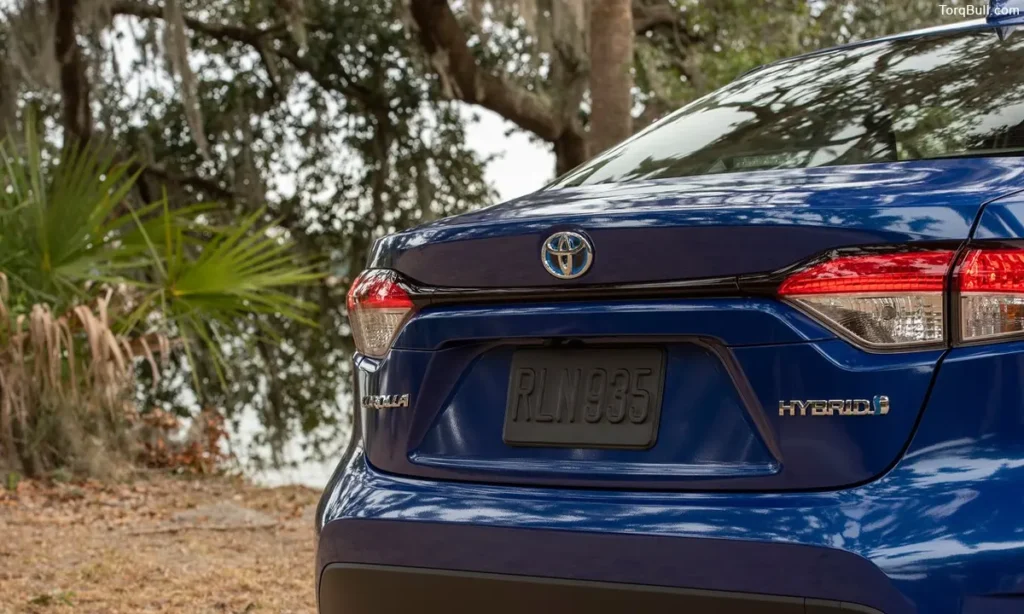
Toyota’s hybrid battery warranty provides 10 years or 150,000 miles of coverage — the most comprehensive factory warranty available for any compact hybrid sedan battery system and meaningfully better than the federally required minimum of 8 years or 80,000 miles for non-California emissions states.
For vehicles in states that follow California emissions regulations — California, New York, Massachusetts, Oregon, Washington and additional CARB-aligned states — the federal requirement extends to 10 years or 150,000 miles regardless of manufacturer, aligning Toyota’s warranty with the minimum required for California-state vehicles. Toyota’s nationwide 10-year, 150,000-mile warranty extends this same protection level to all states — not just the CARB-compliant ones where the minimum requirement mandates it.
This warranty is generally transferable to subsequent owners within the coverage window — a specific benefit for used Corolla Hybrid buyers that distinguishes Toyota’s coverage from some alternatives where warranty transfer requires fees or registration processes. A 2022 Corolla Hybrid purchased used in 2026 carries the remaining portion of the original 10-year warranty — typically four years of remaining coverage that protects the used buyer against battery failure events during their early ownership period.
The warranty covers replacement or repair of the high-voltage battery pack when it fails to meet Toyota’s battery performance standards — not the gradual capacity reduction that all lithium-ion batteries experience with age and cycling, but the failure of the battery to perform within acceptable parameters for vehicle operation. This distinction means that a battery operating at 85 percent of original capacity but still enabling normal vehicle function may not qualify for warranty replacement — the warranty addresses functional failure rather than degradation.
Read: Toyota Corolla Resale Value After 5 Years. What Buyers and Sellers Need to Know
Battery Technology: Nickel Metal Hydride vs Lithium-Ion
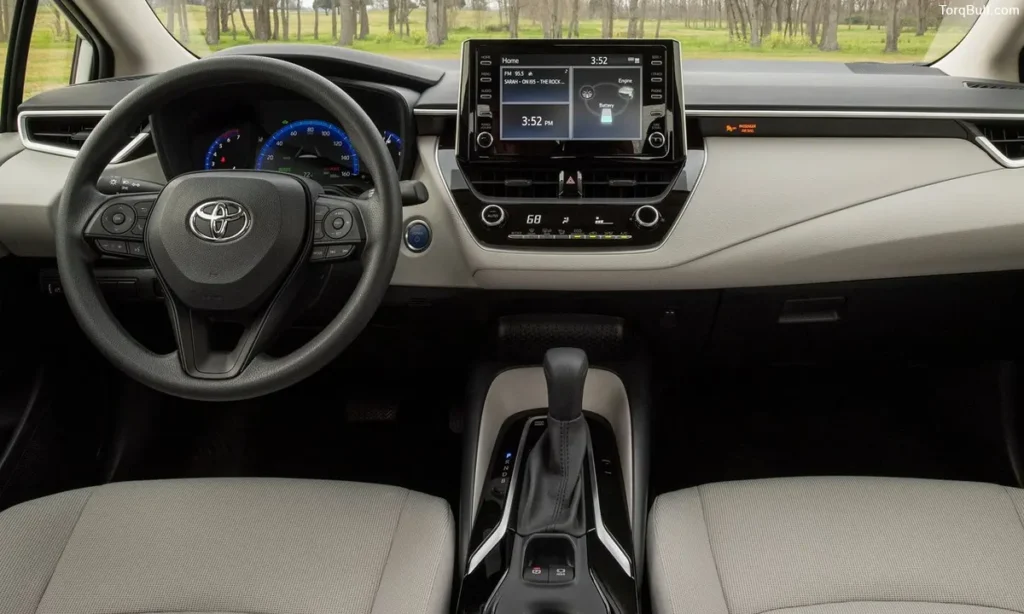
The Toyota Corolla Hybrid has used two different battery chemistries across its production generations — a distinction that specifically affects used buyers evaluating older models versus current production.
Earlier Corolla Hybrid models through approximately 2020 used nickel metal hydride battery packs — the proven chemistry that Toyota pioneered with the Prius and deployed across its early hybrid models. Nickel metal hydride is well-established and highly durable but provides lower energy density than modern lithium-ion alternatives.
Current generation Corolla Hybrid models use a lithium-ion battery pack — the higher-energy-density chemistry that enables the 2.0-litre hybrid system’s more dynamic performance alongside its efficiency. The lithium-ion pack benefits from Toyota’s fifth-generation hybrid battery management system — maintaining state of charge between approximately 40 and 80 percent to minimise electrochemical stress and extend usable capacity retention across years of charging cycles. This active management is the engineering decision that most directly extends battery life beyond the capacity loss that full charge and discharge cycling accelerates.
Used buyers evaluating pre-2021 Corolla Hybrid models should specifically ask about the battery chemistry — nickel metal hydride packs in high-mileage examples may have developed capacity reduction that affects real-world fuel economy and performance without having failed outright. Battery diagnostic testing at a Toyota dealer provides the most accurate current health assessment of any used example.
The 12-Volt Auxiliary Battery: The Battery Most Likely to Need Service First
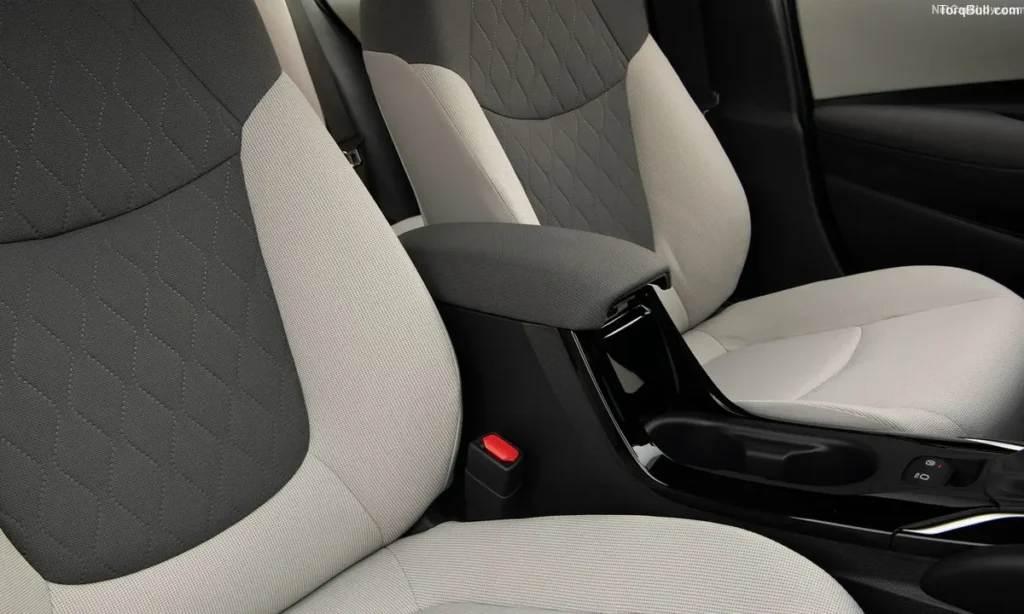
While the high-voltage hybrid battery generates the most owner concern, the 12-volt lead-acid auxiliary battery that manages conventional electronics, start-up sequencing and control systems is the battery that most typically requires attention and replacement earlier in the ownership period.
Toyota hybrid vehicles use the 12-volt auxiliary battery differently from conventional vehicles — the high-voltage system charges it during driving rather than a conventional alternator. This different charging profile changes the battery’s aging characteristics, and Toyota hybrid 12-volt batteries typically require replacement at 5 to 7 years or when specific symptoms appear.
The 12-volt replacement at a Toyota dealer costs approximately $150 to $300 including labour — a manageable expense that is substantially below the high-voltage replacement cost and that can be addressed without concern about the hybrid system’s long-term integrity. Monitoring for 12-volt symptoms — slow infotainment startup, minor electrical anomalies, dashboard warning messages — allows timely replacement before the battery produces a no-start event.
Read: Toyota Corolla LE vs SE. Is the Sportier Trim Worth The Extra Cost?
Toyota Corolla Hybrid Battery Life — Complete Reference Chart
| Battery Specification | High-Voltage Hybrid Battery | 12-Volt Auxiliary Battery |
| Battery Chemistry | Lithium-ion (current gen) | Lead-acid conventional |
| Warranty Coverage | 10 years or 150,000 miles | Standard 36-month warranty |
| Expected Lifespan | 149,308 miles average; 481,805 miles documented maximum | 5 to 7 years typical |
| State of Charge Management | 40 to 80 percent automatic management | Conventional charging |
| Replacement Cost (dealer) | $2,000 to $5,000 | $150 to $300 |
| Warranty Transferable | Yes, to subsequent owners within coverage window | Standard warranty |
| 2026 Reliability Score | JD Power 81 out of 100 | Standard automotive reliability |
| Vehicle Average Lifespan | 11.4 years or 149,308 miles | N/A |
| Probability 200,000 miles | 17.5 percent of fleet | N/A |
| Extraordinary Documented Case | 481,805 miles — original battery intact | Replaced normally through ownership |
| Battery Management System | Toyota fifth-generation hybrid system | Conventional |
Factors That Determine Your Battery’s Actual Lifespan
The Corolla Hybrid battery’s real-world longevity in any specific vehicle is determined by a combination of factors whose interaction produces results across the entire range from the fleet average of 149,308 miles to the documented outlier of 481,805 miles.
Maintenance discipline is the factor most directly within the owner’s control — oil changes at or before the manufacturer’s specified interval maintain the gasoline engine efficiency that reduces hybrid system workload, and cooling system service at specified intervals maintains the battery thermal management system’s effectiveness. The 481,805-mile example specifically attributed this discipline as the enabling factor.
Climate exposure is the environmental factor with the largest impact — sustained high temperatures accelerate the electrochemical degradation that reduces battery capacity over time. The active battery cooling system manages temperature during driving but cannot fully offset the cumulative stress of sustained ambient heat exposure in hot-climate regions.
Driving patterns interact with the hybrid system’s energy management in ways that affect battery cycling frequency — frequent short trips with incomplete battery warm-up cycles produce different aging patterns than sustained highway driving where the battery operates in a stable charge state for extended periods.